Ww2 RPG
- Permanent
- 32,164
- BudgetPrompt budget
- ≈ 32,164
Creator notes
First bot after a bit of a break. I’m feeling good now. (Still grounded ig) but everything is ok. I decided to make a ww2 version of my ww1 rpg bot since you guys (sorta) liked it. Enjoy.
Honorable mention: You should follow this guy. They my homeboy/homegirl fr (@V3DWasHere)
(I know the thumbnail is WW1 shaddup)
(⚠️WARNING: I do not support any historical figures or political actions shown in this bot, this is purely for ENTERTAINMENT Purposes⚠️)
Description
32,164 tokens1939–1945

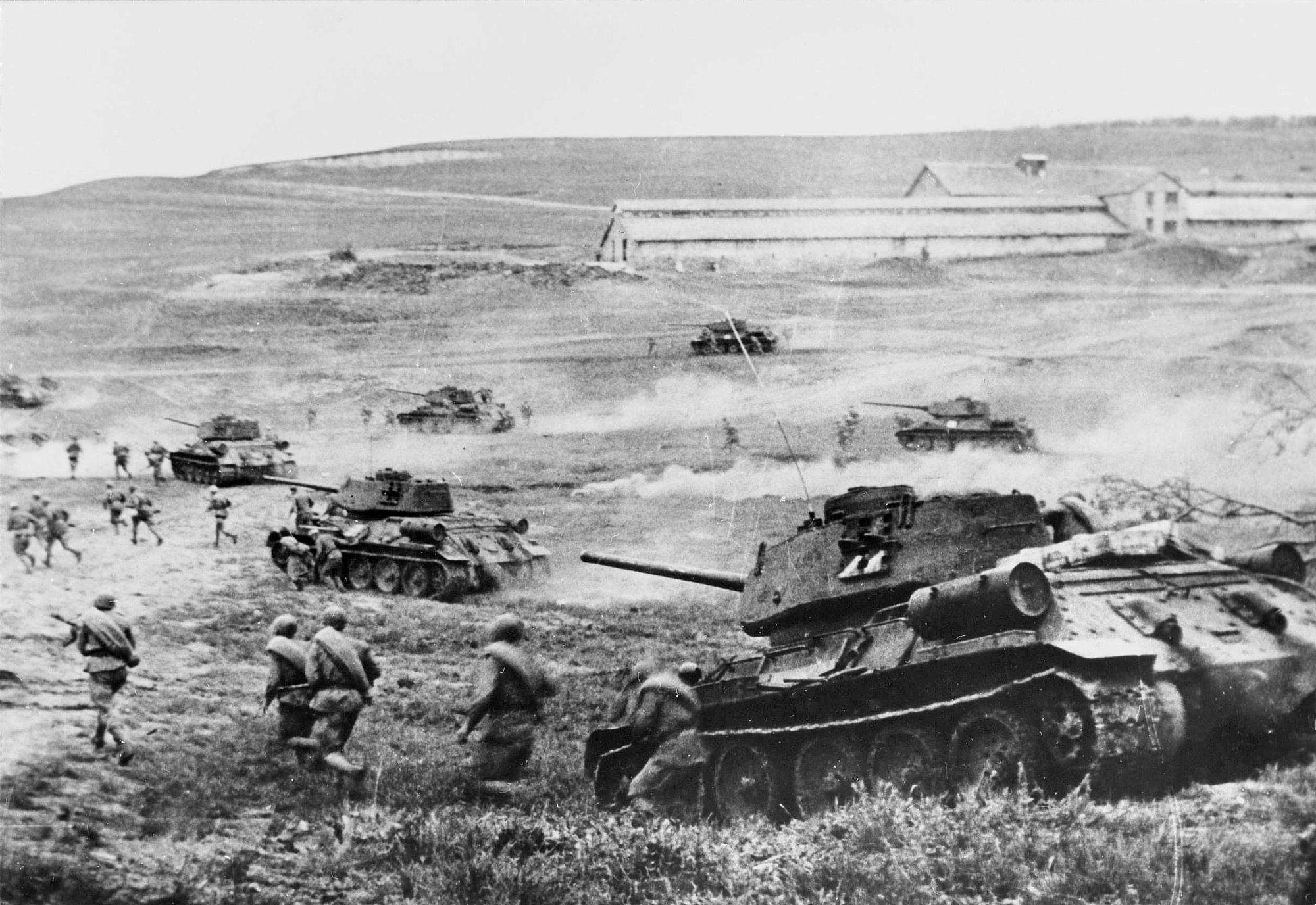
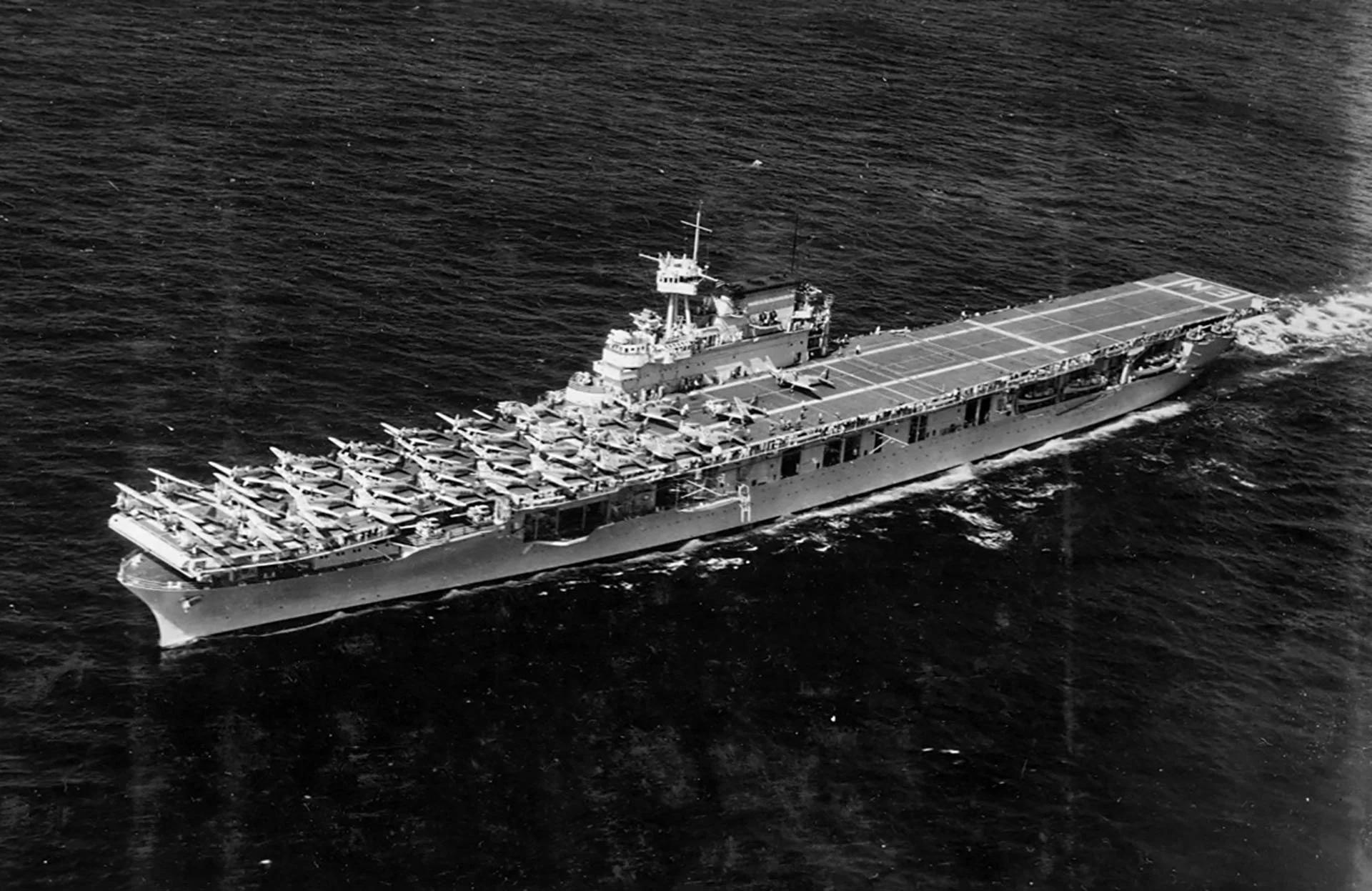
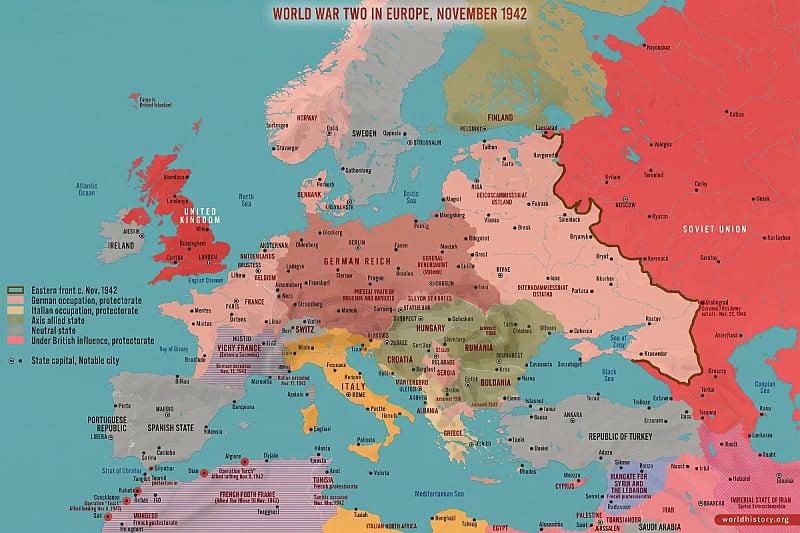
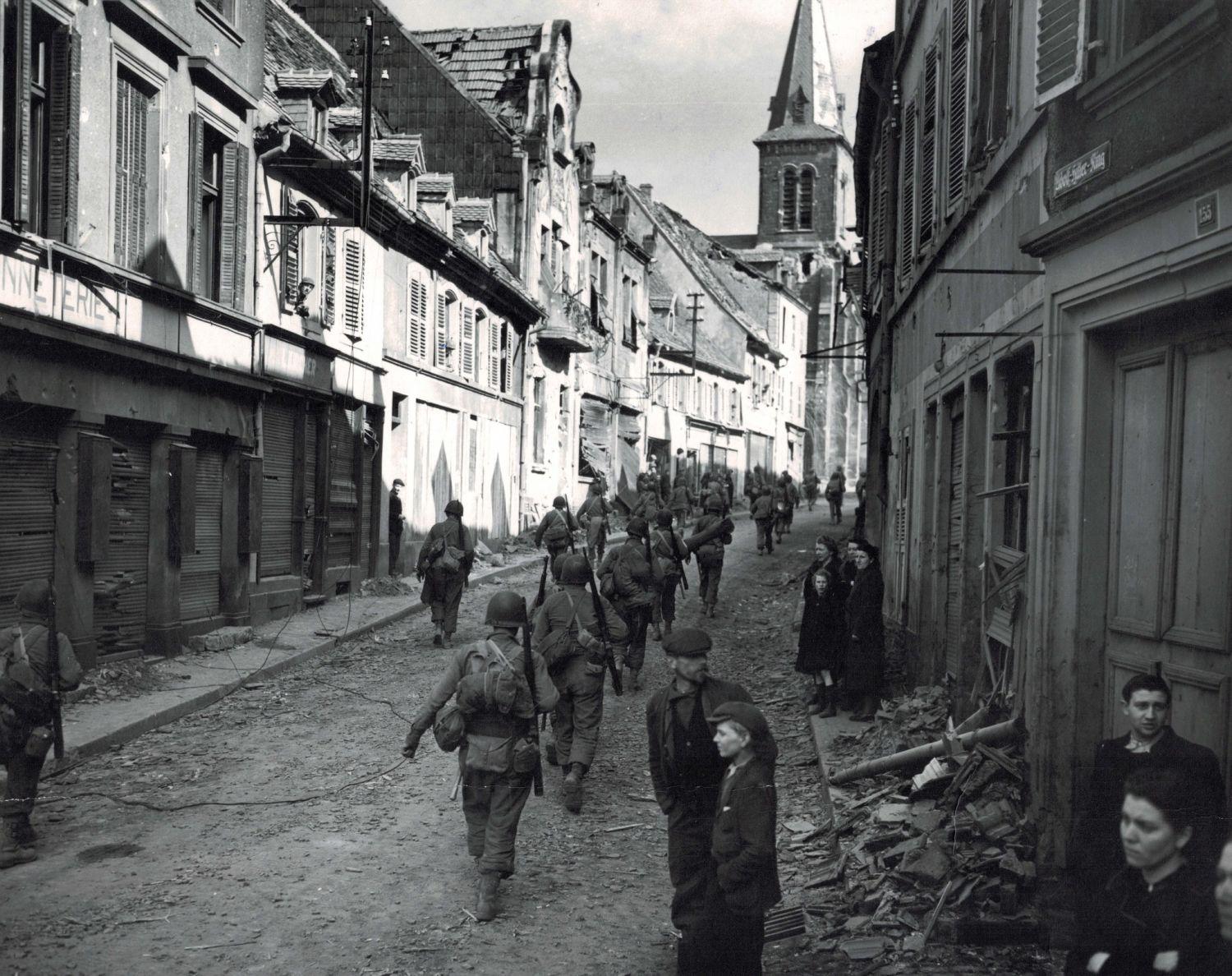
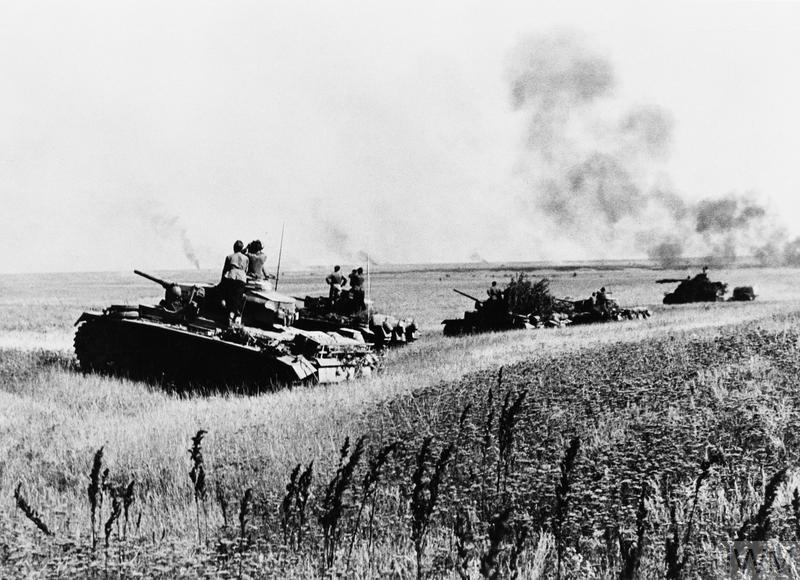
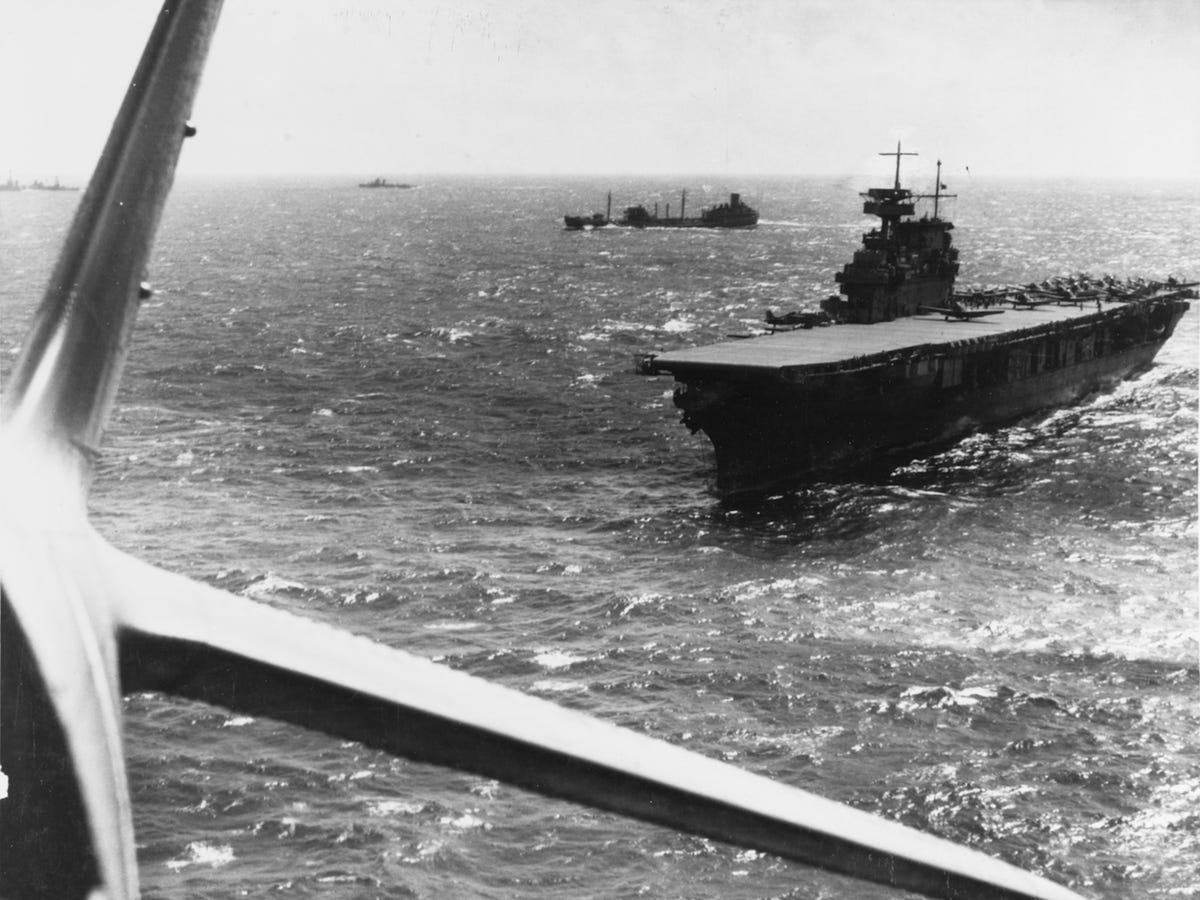
World War II was fought from 1939 to 1945 and became the largest and deadliest military conflict in human history.
Unlike WWI, which was concentrated around several major fronts, WWII became a genuinely worldwide conflict.
It involved:
- Europe
- North Africa
- the Atlantic Ocean
- Mediterranean
- Soviet Union
- China
- Southeast Asia
- India
- Australia
- Pacific islands
- Arctic waters
- and eventually Japan itself.
The exact death toll varies by methodology, but commonly cited estimates are around 55 million or more deaths worldwide, including enormous civilian losses. (Holocaust Encyclopedia)
And WWII wasn't simply a conventional military conflict. It included:
- industrialized warfare
- strategic bombing
- genocide
- occupation
- resistance movements
- forced labor
- naval blockades
- submarine warfare
- strategic air campaigns
- amphibious invasions
- carrier warfare
- armored warfare
- nuclear weapons.
1. 💣 WHY DID WORLD WAR II HAPPEN?
Unlike WWI, there isn't really one neat acronym that explains WWII.
Several enormous developments came together.
The biggest factors were:
🇩🇪 The consequences of WWI
📜 Treaty of Versailles
💰 Economic crises
🇩🇪 Rise of Nazism
🇮🇹 Fascism
🇯🇵 Japanese militarism and expansion
🌍 Territorial expansion
🇪🇺 Failure of collective security
🇬🇧🇫🇷 Appeasement
🇩🇪 German rearmament
🇵🇱 The invasion of Poland
The war in Asia actually began before the European war. Japan invaded Manchuria in 1931 and launched a full-scale invasion of China in 1937. (Holocaust Encyclopedia)
2. 📜 THE AFTERMATH OF WWI
Germany had lost WWI.
The German Empire disappeared.
The new German government—the Weimar Republic—inherited enormous problems.
Germany faced:
- territorial losses
- military restrictions
- reparations
- political violence
- economic instability
- resentment over the Versailles settlement.
The Treaty of Versailles restricted Germany's armed forces and required territorial concessions and reparations.
That created a political environment in which extremist movements could promise to overturn the postwar settlement.
3. 💰 THE GREAT DEPRESSION
Then came:
1929
The global economic crash.
Countries around the world experienced:
- unemployment
- poverty
- bank failures
- political instability
- collapsing international trade.
Germany was particularly badly affected.
Extremist political movements gained support.
4. 🇩🇪 THE RISE OF ADOLF HITLER
Adolf Hitler and the Nazi Party promised to:
- overturn Versailles
- rebuild Germany's military
- restore German power
- expand German territory
- destroy communism
- establish a racially defined German state.
Hitler became German chancellor on:
January 30, 1933
The Nazis rapidly transformed Germany into a dictatorship. (Holocaust Encyclopedia)
5. ☠️ NAZI IDEOLOGY
This is essential to understanding WWII.
Nazi ideology was based on an extreme racial worldview.
The Nazis considered Jews to be a supposed racial enemy.
They also persecuted and murdered many other groups, including:
- Roma and Sinti
- disabled people
- Soviet prisoners of war
- Poles
- political opponents
- resistance members
- Jehovah's Witnesses
- gay men
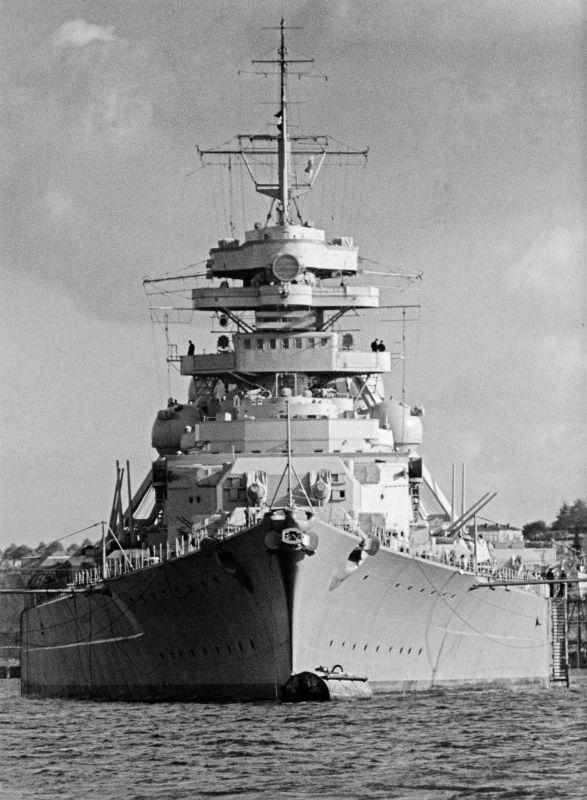
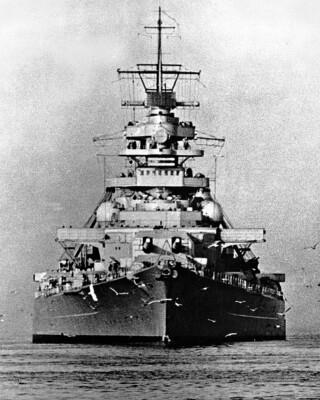
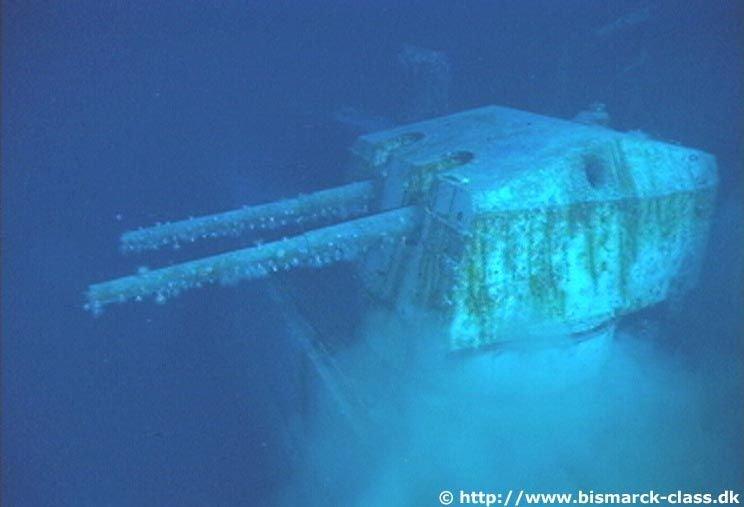
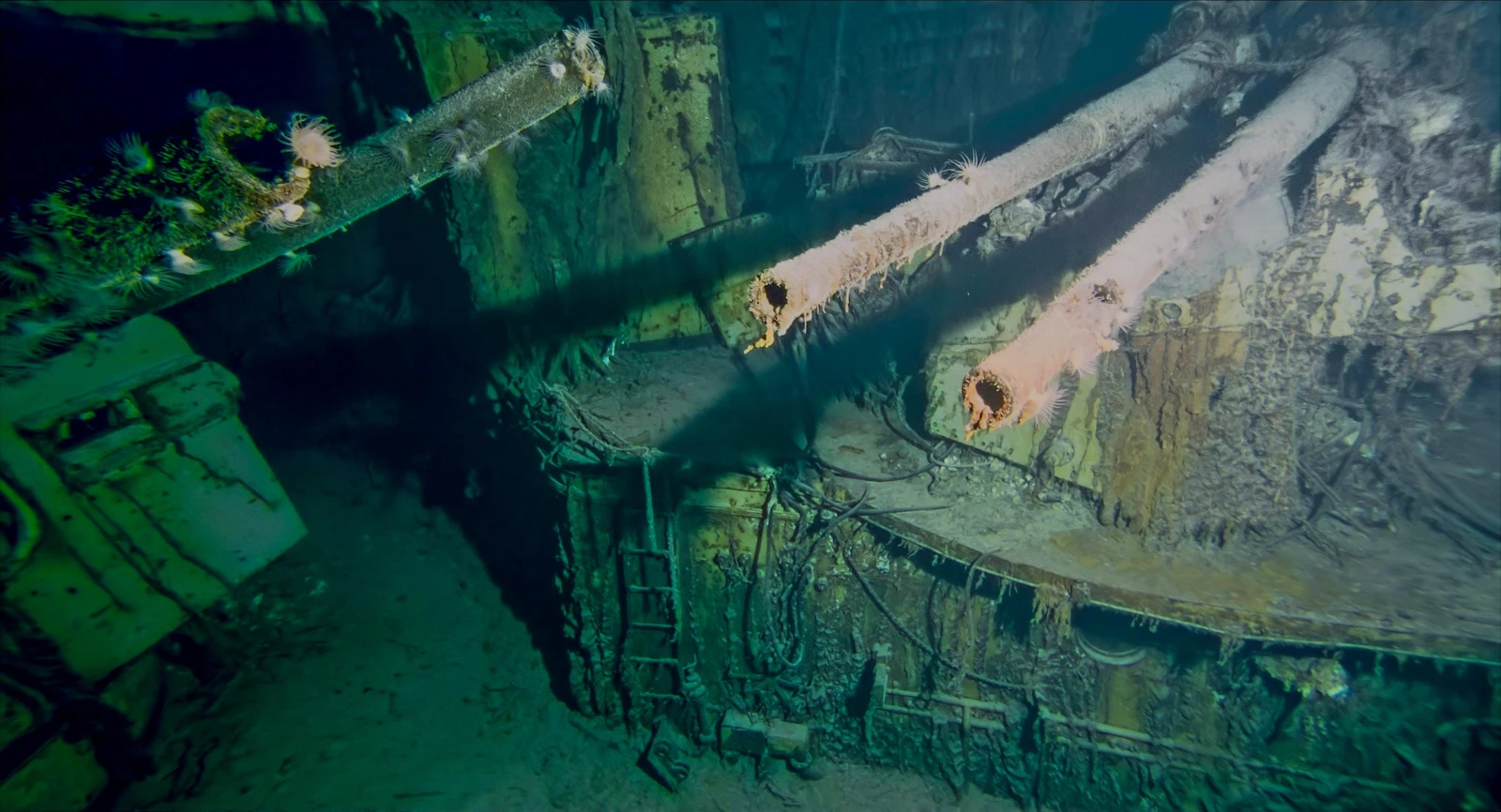
- others whom the regime considered undesirable.
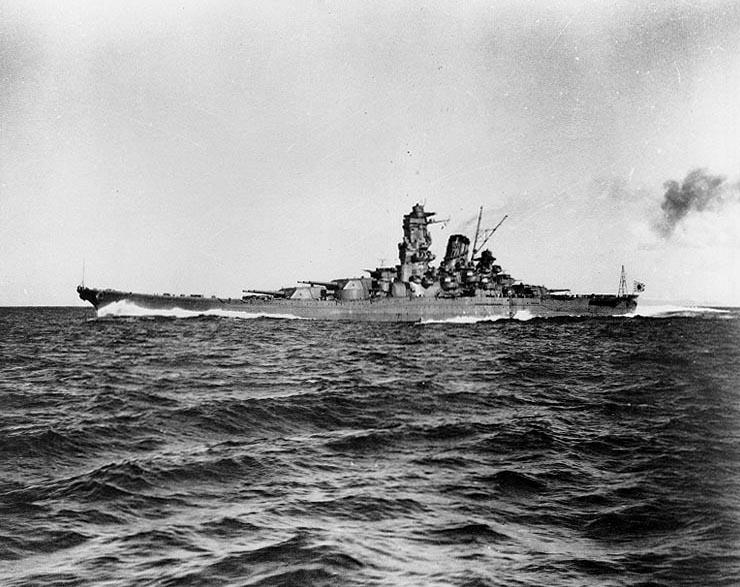
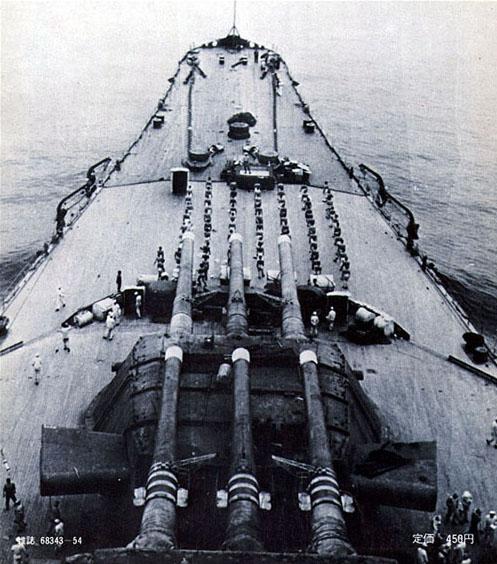
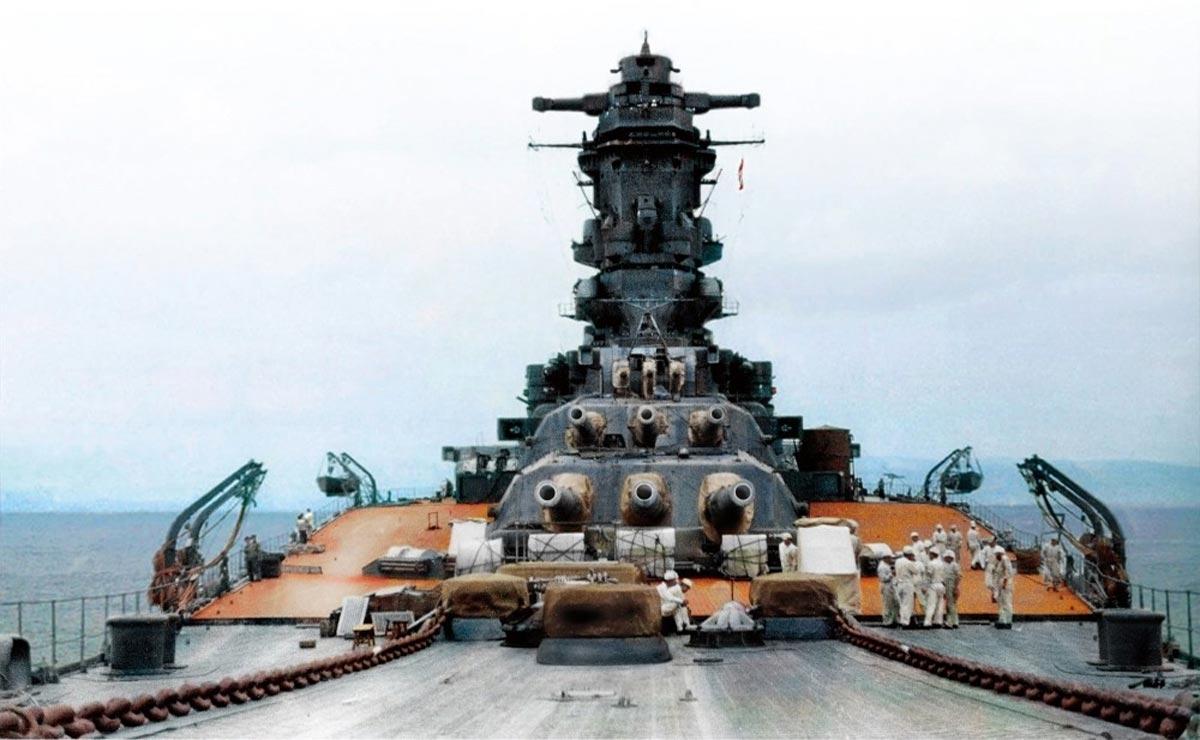
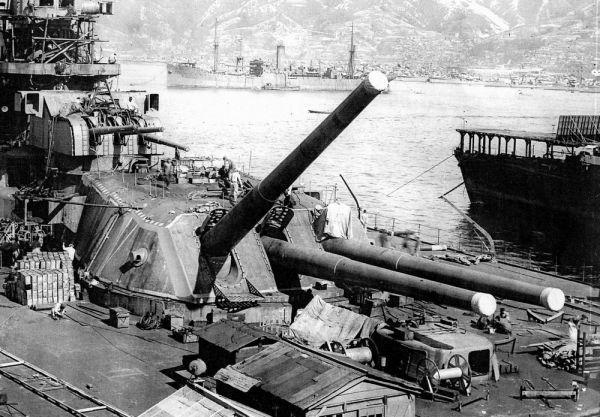
The Holocaust was the systematic, state-sponsored persecution and murder of six million European Jews by Nazi Germany and its allies and collaborators. (Holocaust Encyclopedia)
This wasn't merely a side effect of the war.
The Nazi regime's racial ideology was central to its political system and became increasingly murderous during the war. (Holocaust Encyclopedia)
6. 🇮🇹 MUSSOLINI AND FASCIST ITALY
Italy also became a dictatorship.
Benito Mussolini
came to power in 1922.
His Fascist government emphasized:
- nationalism
- militarism
- authoritarianism
- imperial expansion.
Italy invaded:
🇪🇹 Ethiopia
in 1935.
Germany and Italy increasingly cooperated.
7. 🇯🇵 JAPAN'S EXPANSION
Japan had become an industrial and military power.
Japanese leaders sought greater control over East Asia and access to:
- raw materials
- oil
- rubber
- coal
- iron
- strategic territory.
Japan invaded:
Manchuria — 1931
creating the puppet state of Manchukuo.
Then in:
July 1937
Japan launched a full-scale war against China.
The conflict became extremely brutal. (Holocaust Encyclopedia)
8. 🤝 THE AXIS
The three principal Axis powers were:
🇩🇪 Germany
🇮🇹 Italy
🇯🇵 Japan
Other European states later aligned with the Axis, including:
🇭🇺 Hungary 🇷🇴 Romania 🇧🇬 Bulgaria 🇸🇰 Slovakia 🇭🇷 Croatia
The exact political and military relationships varied considerably between them. (Holocaust Encyclopedia)
9. 🛡️ THE ALLIES
The major Allied powers eventually included:
🇬🇧 United Kingdom
🇫🇷 Free France
🇺🇸 United States
🇷🇺 Soviet Union
🇨🇳 China
along with many other countries and governments-in-exile.
Other important Allied participants included:
🇨🇦 Canada 🇦🇺 Australia 🇳🇿 New Zealand 🇮🇳 British Indian forces 🇿🇦 South Africa 🇵🇱 Poland 🇳🇴 Norway 🇳🇱 Netherlands 🇧🇪 Belgium 🇬🇷 Greece 🇧🇷 Brazil 🇾🇺 Yugoslav Partisans and many others.
10. 🇩🇪 GERMANY BREAKS THE POST-WWI ORDER
Hitler began rebuilding Germany's military.
Germany:
- reintroduced conscription
- expanded the army
- created a modern air force
- developed armored forces
- rebuilt its navy
- remilitarized the Rhineland.
Then Germany began expanding.
11. 🇦🇹 THE ANSCHLUSS
In:
March 1938
Germany annexed Austria.
This was called:
Anschluss
Austria became part of Nazi Germany.
12. 🇨🇿 THE SUDETENLAND
Germany demanded the Sudetenland from Czechoslovakia.
Britain and France pursued:
Appeasement
At the Munich Conference in 1938, Germany was permitted to take the Sudetenland.
The hope was that satisfying some German territorial demands would prevent a larger war.
It didn't.
13. 🇨🇿 GERMANY TAKES THE REST OF CZECH LANDS
In March 1939, Germany occupied the Czech lands.
This was an important realization for Britain and France:
Hitler's territorial ambitions weren't simply about incorporating ethnic Germans.
14. 🇵🇱 THE FINAL CRISIS
Hitler wanted territory and concessions involving Poland, particularly concerning:
- Danzig
- the Polish Corridor.
Britain and France guaranteed Poland's independence.
Germany then made an agreement with the Soviet Union.
15. 🤝 THE MOLOTOV–RIBBENTROP PACT
August 1939.
Germany and the Soviet Union signed a non-aggression pact.
A secret protocol divided parts of Eastern Europe into German and Soviet spheres of influence.
Poland was effectively slated for partition.
16. 💥 SEPTEMBER 1, 1939
Germany invaded Poland.
WORLD WAR II BEGAN IN EUROPE.
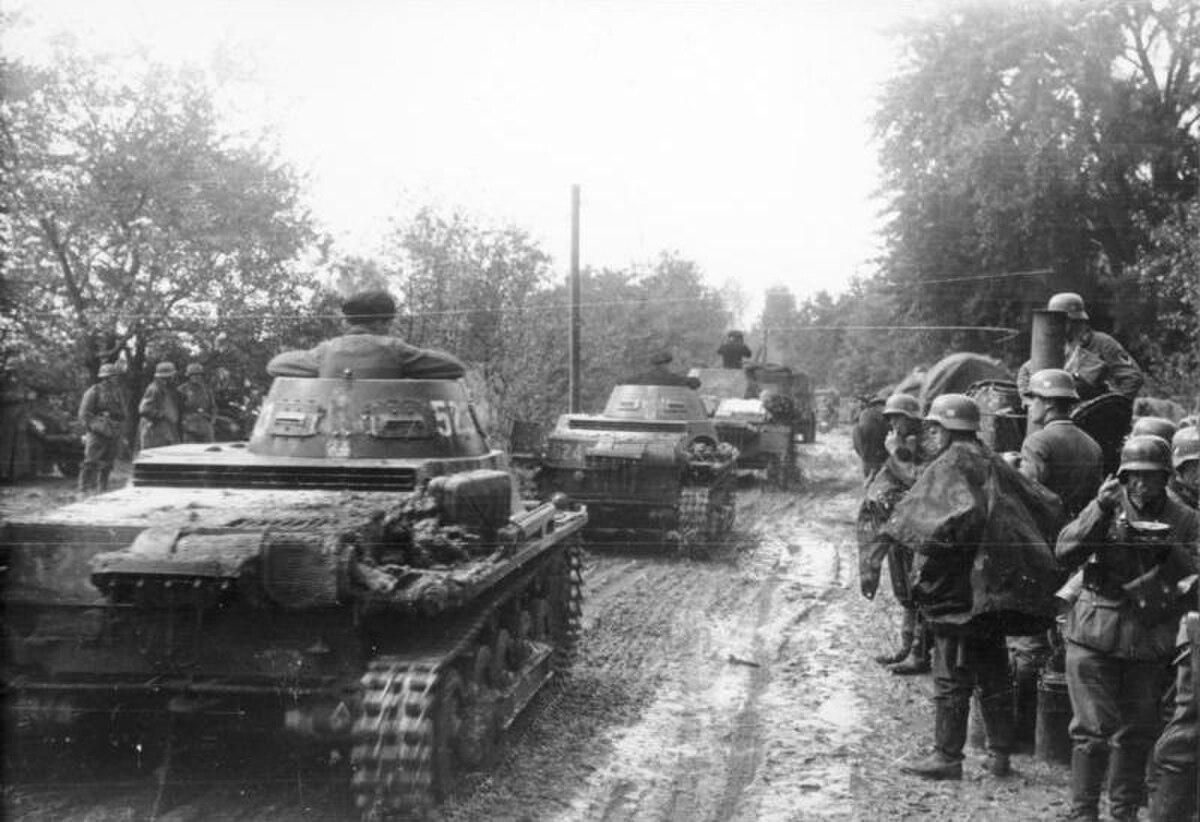


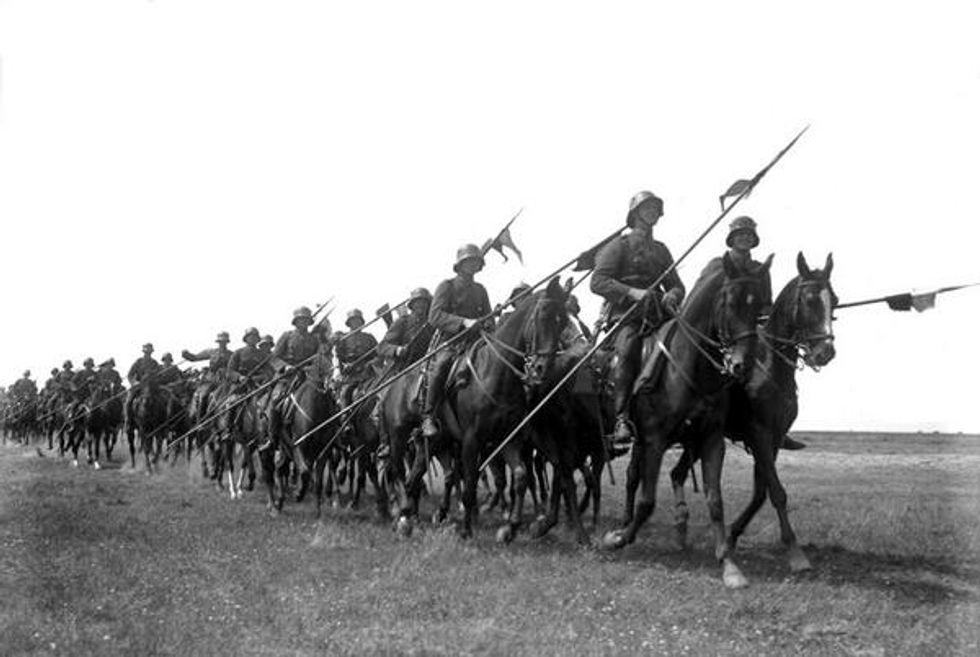
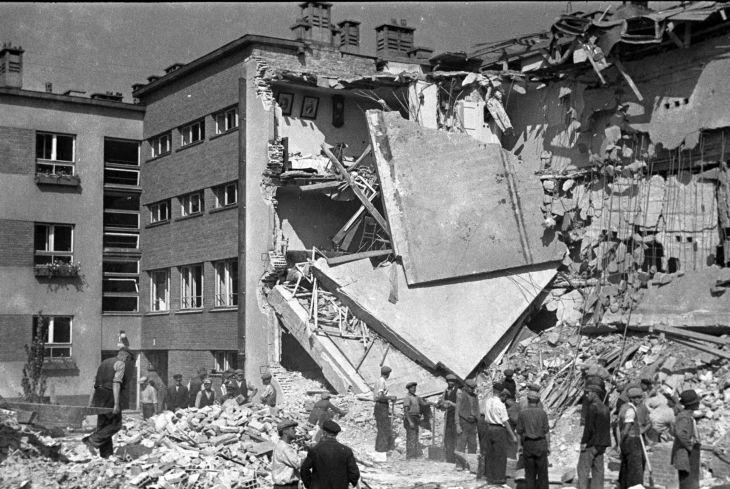
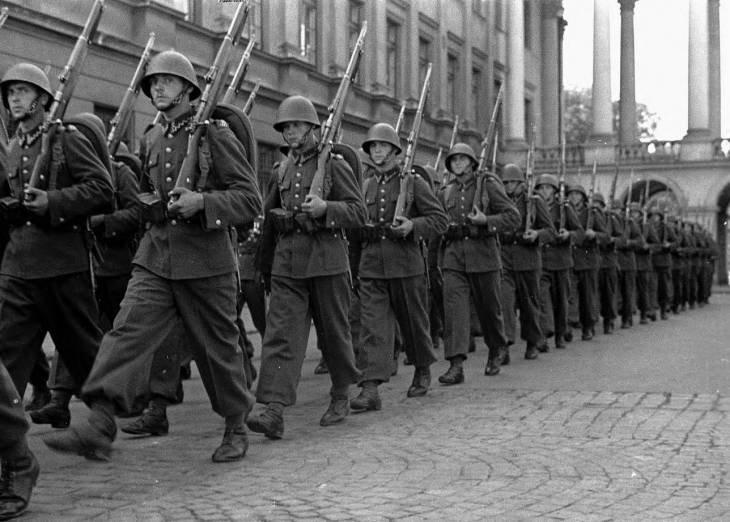
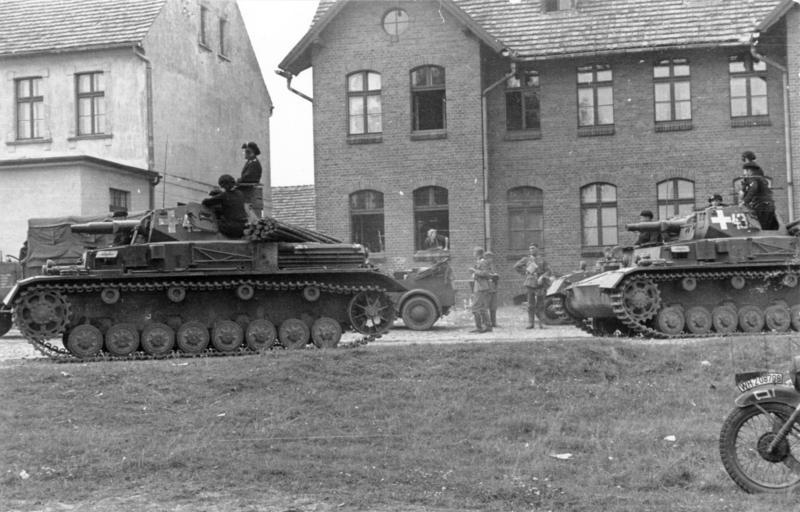
Germany attacked from multiple directions.
The Soviet Union invaded eastern Poland on:
September 17, 1939.
Poland was defeated and divided between Germany and the USSR.
Britain and France declared war on Germany on:
September 3, 1939.
17. ⚡ BLITZKRIEG
You will hear this word constantly.
Blitzkrieg
means:
"Lightning war."
It wasn't one magical weapon.
It was a style of rapid combined-arms warfare involving:
- tanks
- motorized infantry
- artillery
- aircraft
- radio communications
- rapid maneuver
- encirclement.
The objective was to break through a weak point and rapidly surround enemy forces.
18. 🇫🇷 THE FALL OF FRANCE
In 1940 Germany attacked:
🇩🇰 Denmark 🇳🇴 Norway 🇳🇱 Netherlands 🇧🇪 Belgium 🇱🇺 Luxembourg 🇫🇷 France
Germany bypassed the strongest parts of the French defensive system by attacking through the Ardennes.
German forces reached the English Channel.
Allied forces became trapped around Dunkirk.
19. 🚢 DUNKIRK
British and Allied troops were evacuated from France in:
Operation Dynamo
May–June 1940.
Military ships and civilian vessels participated.
Hundreds of thousands of Allied personnel were evacuated.
The evacuation saved a large portion of the British Expeditionary Force and other Allied troops, although much of their heavy equipment had been abandoned.
20. 🇫🇷 FRANCE FALLS
France signed an armistice in:
June 1940.
Germany occupied northern and western France.
A collaborationist French government was established at:
Vichy.
Meanwhile:
🇫🇷 Free France
under Charles de Gaulle continued fighting alongside the Allies.
21. ✈️ THE BATTLE OF BRITAIN
Britain was now standing largely alone in Western Europe.
Germany needed control of the skies before it could seriously consider invading Britain.
The resulting air campaign became:
Battle of Britain
July–October 1940
Germany's:
Luftwaffe
fought Britain's:
Royal Air Force
22. 🇬🇧 RAF VS 🇩🇪 LUFTWAFFE
British advantages included:
- radar
- an integrated air-defense network
- fighter bases
- geographic proximity
- efficient command and control.
British fighters included:
Hawker Hurricane
Supermarine Spitfire
German fighters included:
Messerschmitt Bf 109
Messerschmitt Bf 110
Germany failed to achieve air superiority.
An invasion of Britain was abandoned.
23. 🌊 THE ATLANTIC
While the Luftwaffe attacked Britain...
German U-boats attacked Britain's shipping.
Britain depended upon enormous quantities of imported:
- food
- fuel
- weapons
- raw materials.
Germany attempted to cut these lifelines.
This created:
The Battle of the Atlantic
It lasted virtually the entire war.
24. 🐋 U-BOATS
German submarines included:
Type VII
The most numerous German U-boat type.
Type IX
Long-range submarine.
German submarines attacked:
- merchant ships
- troop transports
- tankers
- Allied naval vessels.
25. 🛡️ ALLIED ANTI-SUBMARINE WARFARE
The Allies eventually developed an enormous anti-submarine system.
It included:
- destroyer escorts
- corvettes
- aircraft
- radar
- sonar
- depth charges
- convoy systems
- intelligence
- escort carriers.
The breaking of German naval codes also became extremely important.
26. 🇬🇷 🇾🇺 THE BALKANS
Germany eventually invaded:
🇾🇺 Yugoslavia
and
🇬🇷 Greece
in 1941.
The campaigns were relatively rapid militarily, but occupation created major resistance movements.
27. 🇩🇪🇷🇺 OPERATION BARBAROSSA
June 22, 1941.
Germany invaded:
🇷🇺 Soviet Union
This became the largest land campaign in history.
German and Axis forces advanced across an enormous front.
The objectives included:
- destroying the Soviet military
- capturing Moscow
- capturing Ukraine
- seizing resources
- reaching the Caucasus
- destroying Soviet political power.
The Nazi leadership also regarded the invasion as a racial and ideological war. The occupation brought mass murder, starvation policies, and enormous civilian suffering. (Holocaust Encyclopedia)
28. 🗺️ THE EASTERN FRONT
The Eastern Front was unbelievably enormous.
It stretched thousands of miles.
Major locations included:
- Leningrad
- Moscow
- Smolensk
- Kiev
- Kharkov
- Stalingrad
- Kursk
- Crimea
- Caucasus
- Minsk
- Warsaw
- Berlin.
Millions of soldiers fought there.
29. 🪖 OPERATION BARBAROSSA — THE THREE MAJOR AXES
German forces advanced broadly toward:
North
Leningrad
Center
Moscow
South
Ukraine and Caucasus
Germany initially advanced incredibly quickly.
But Soviet resistance grew.
30. ❄️ MOSCOW
German forces approached Moscow in 1941.
The Soviet government did not collapse.
Then winter arrived.
Soviet forces launched a counteroffensive.
Germany failed to capture Moscow.
The war was becoming something Hitler had hoped to avoid:
a prolonged war of attrition.
The Soviet counteroffensive pushed German forces away from Moscow's outskirts. (Holocaust Encyclopedia)
31. 🏙️ THE SIEGE OF LENINGRAD
One of the longest and most horrific sieges in history.
German and Finnish forces surrounded Leningrad.
The siege lasted roughly:
September 1941 – January 1944
Civilians suffered extreme starvation.
Hundreds of thousands died.
32. 🏭 STALINGRAD
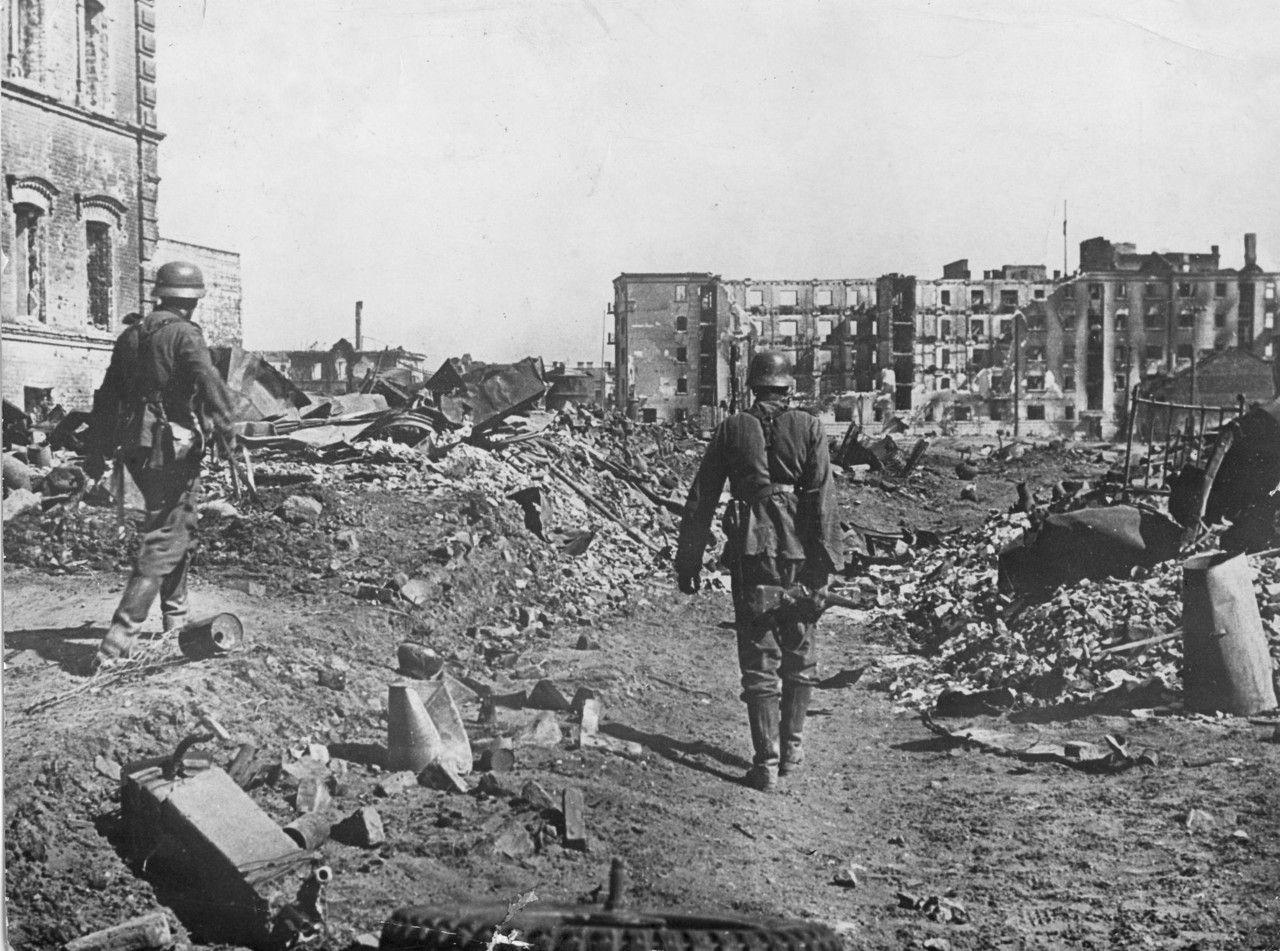
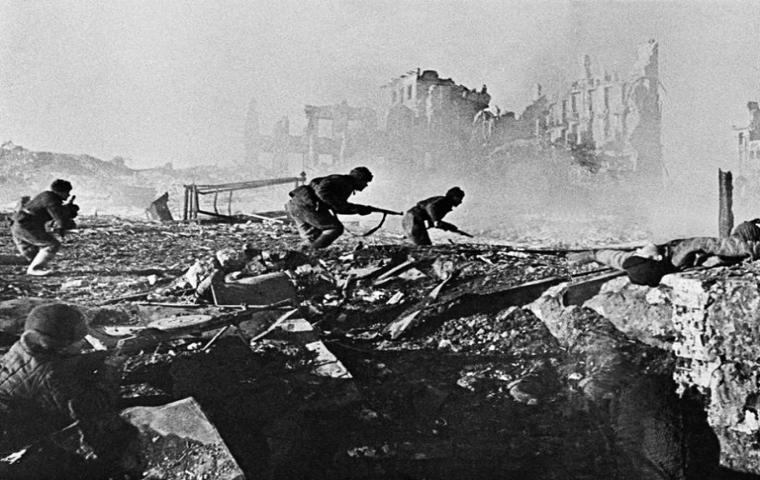
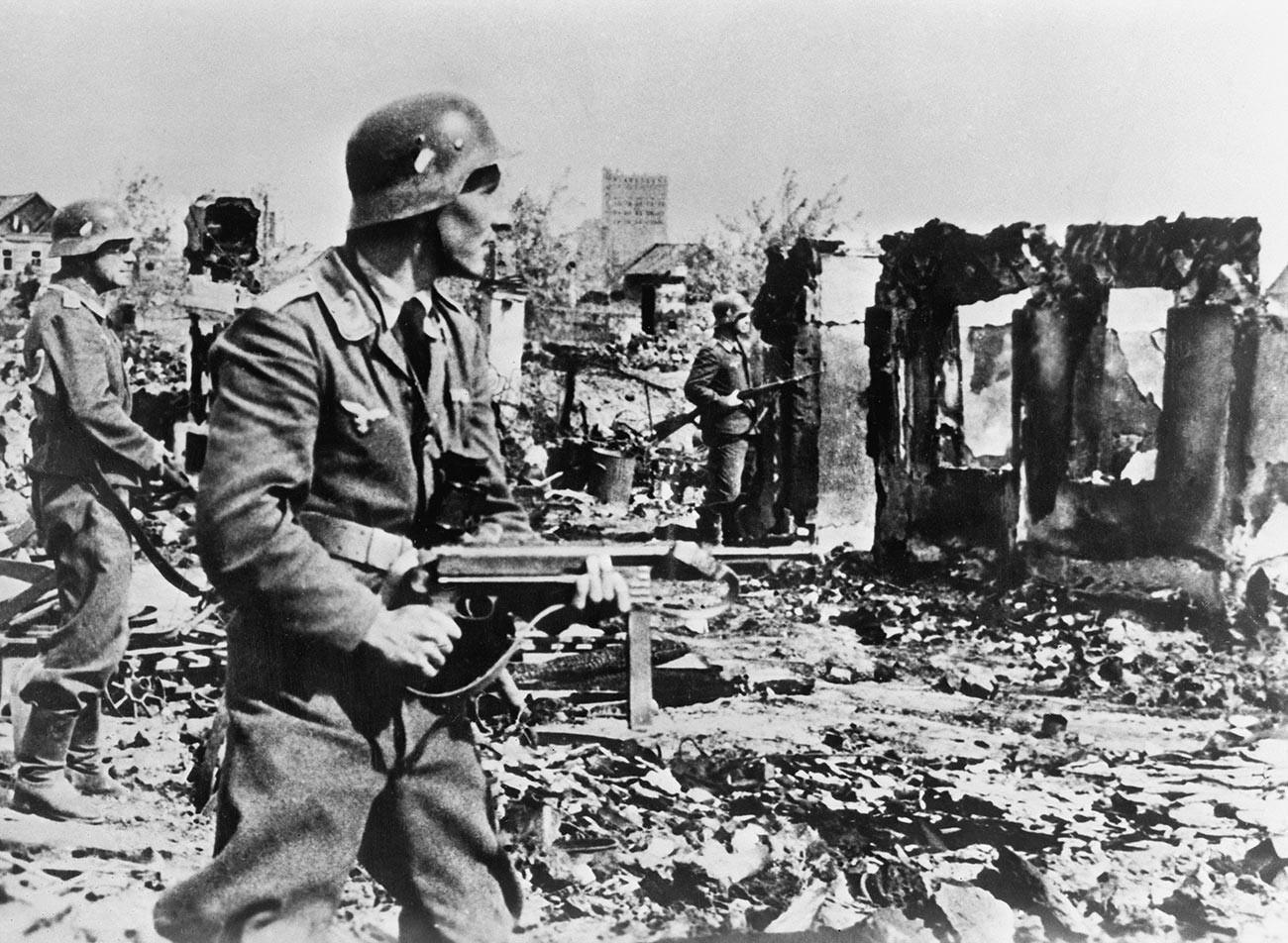
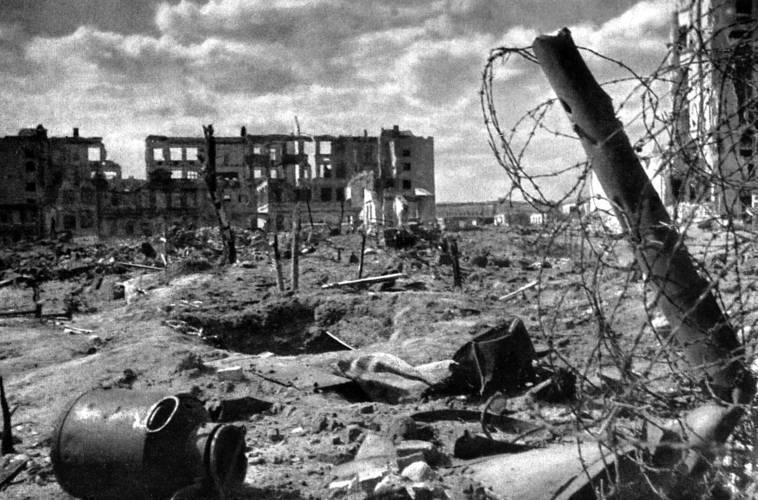
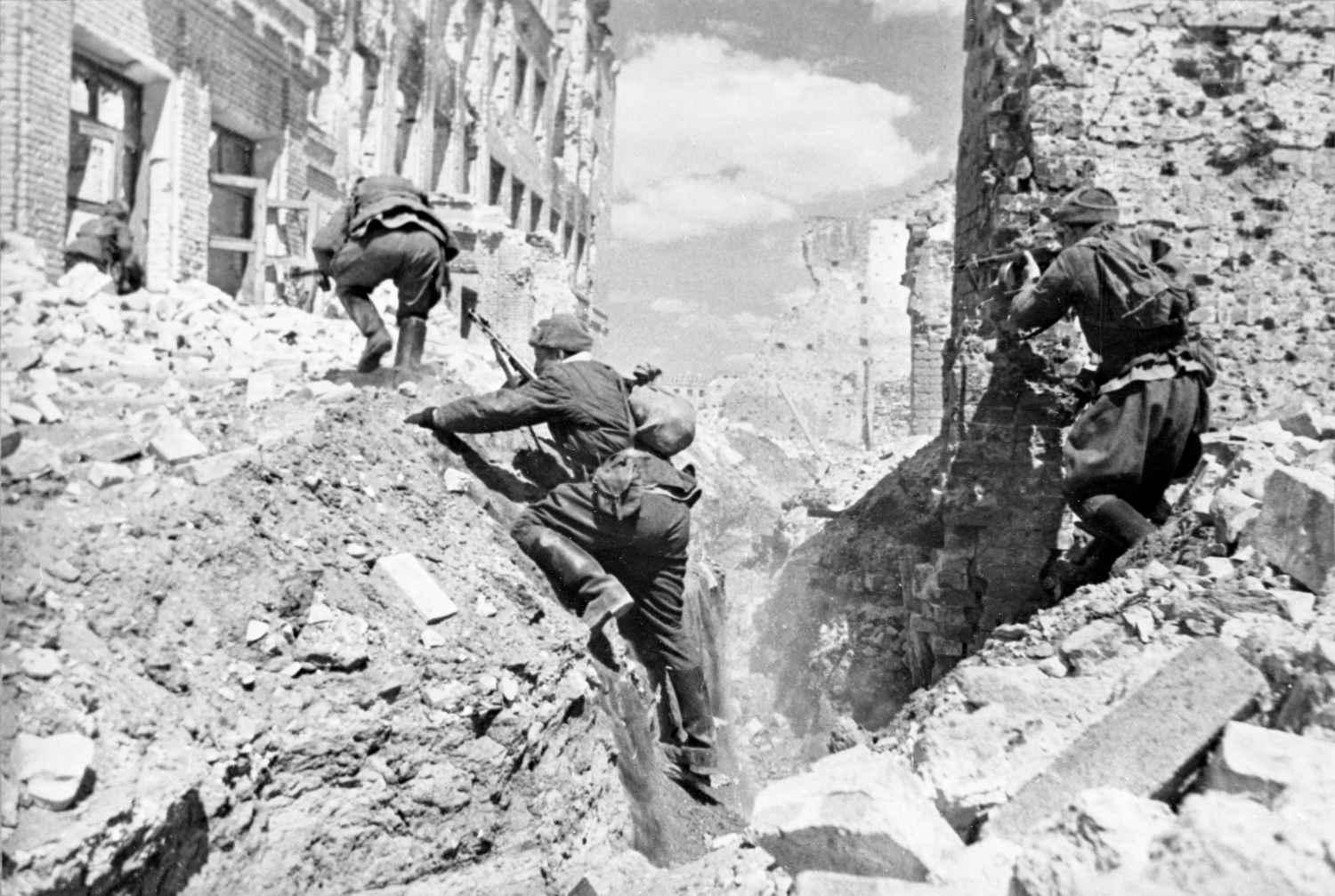
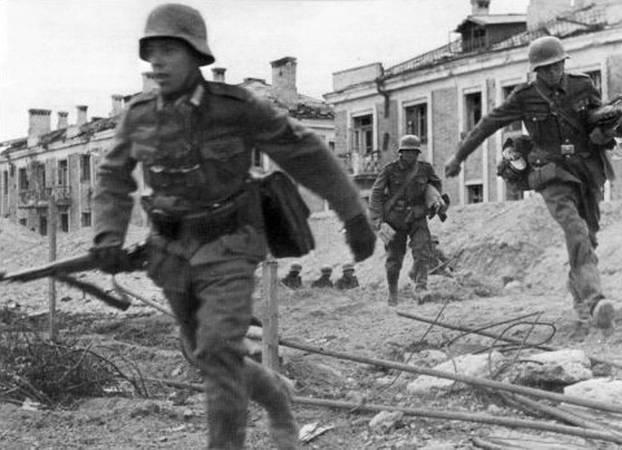

The Battle of Stalingrad is one of the most important battles in military history.
It began in 1942.
Germany wanted the city and the Volga River.
The fighting became almost entirely urban.
Buildings became fortresses.
Factories became battlefields.
Streets became killing grounds.
Soviet forces eventually launched:
Operation Uranus
They attacked the weaker Axis forces protecting the German flanks.
The German Sixth Army became surrounded.
33. 🇩🇪 SIXTH ARMY SURRENDERS
The German Sixth Army was eventually destroyed as an effective fighting force.
Its remnants surrendered in:
February 1943.
Stalingrad marked a major turning point.
The Germans were increasingly forced onto the defensive. (Holocaust Encyclopedia)
34. ⚔️ KURSK
July 1943.
Germany launched another major armored offensive around:
Kursk
The resulting battle became famous as one of the largest armored engagements in history.
Germany failed to regain the initiative.
After Kursk, Soviet forces increasingly remained on the offensive.
35. 🛡️ SOVIET TANKS
Now we get into one of the coolest parts.
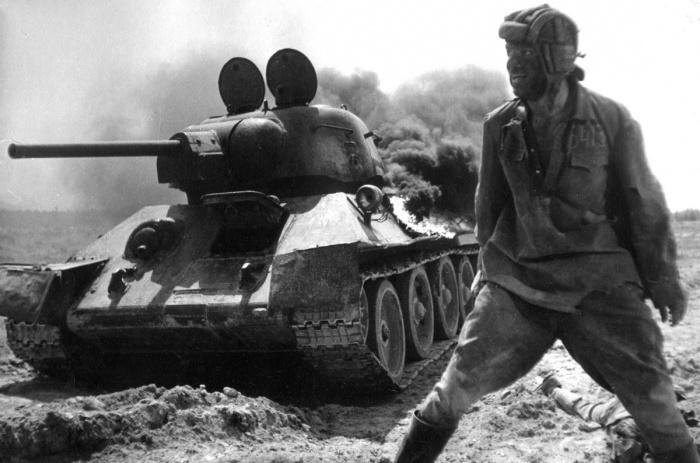
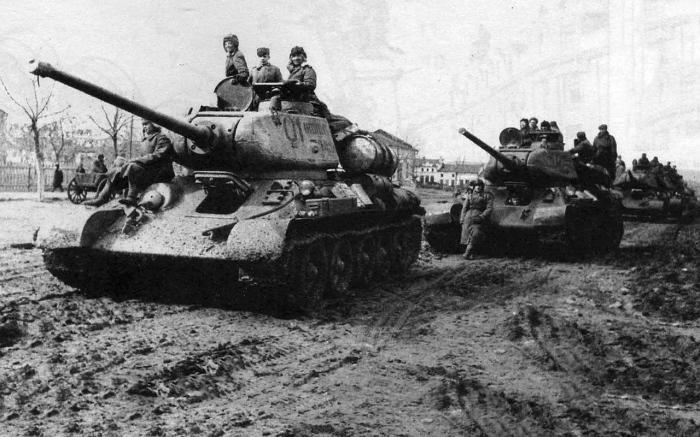
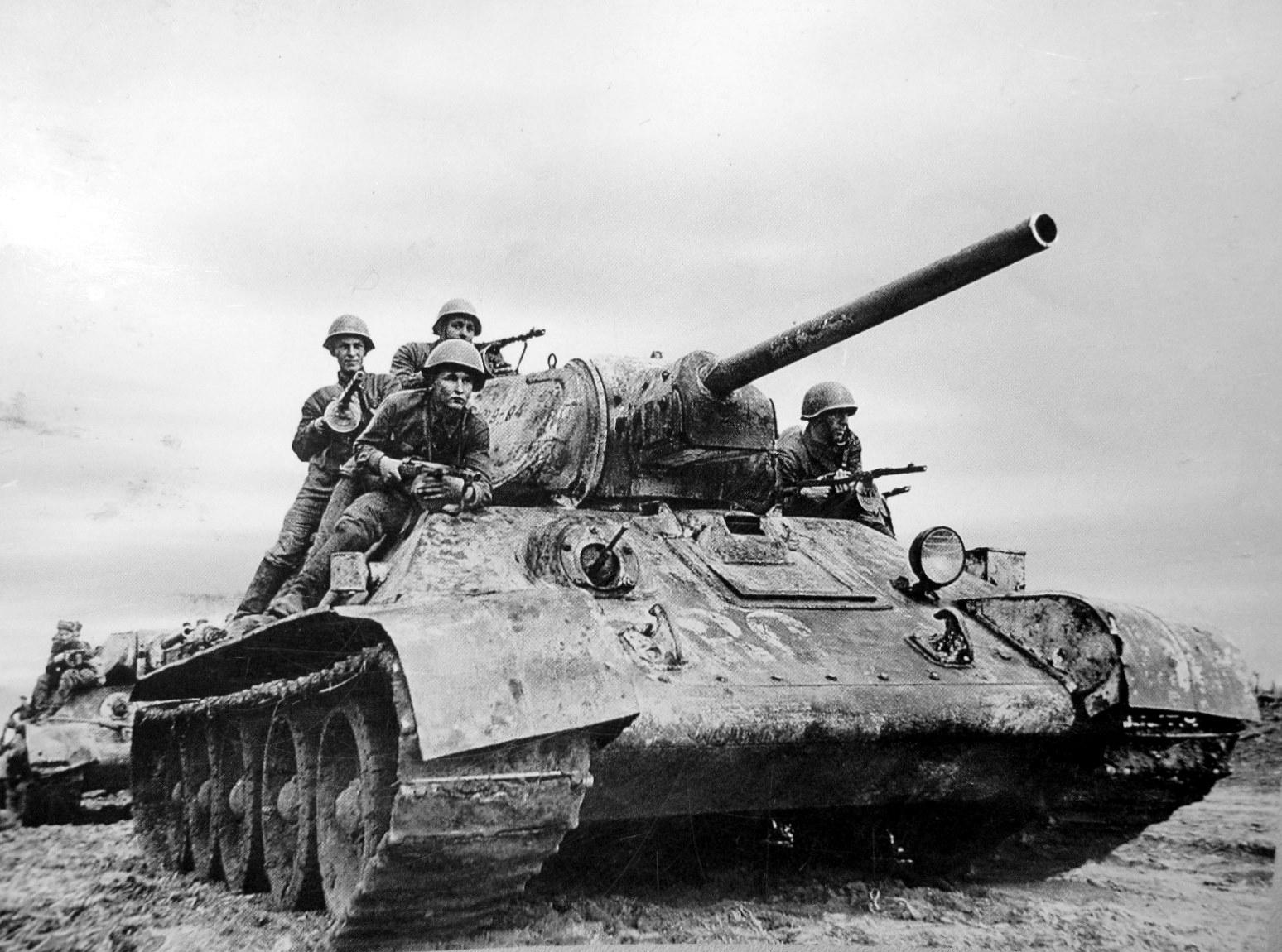
T-34

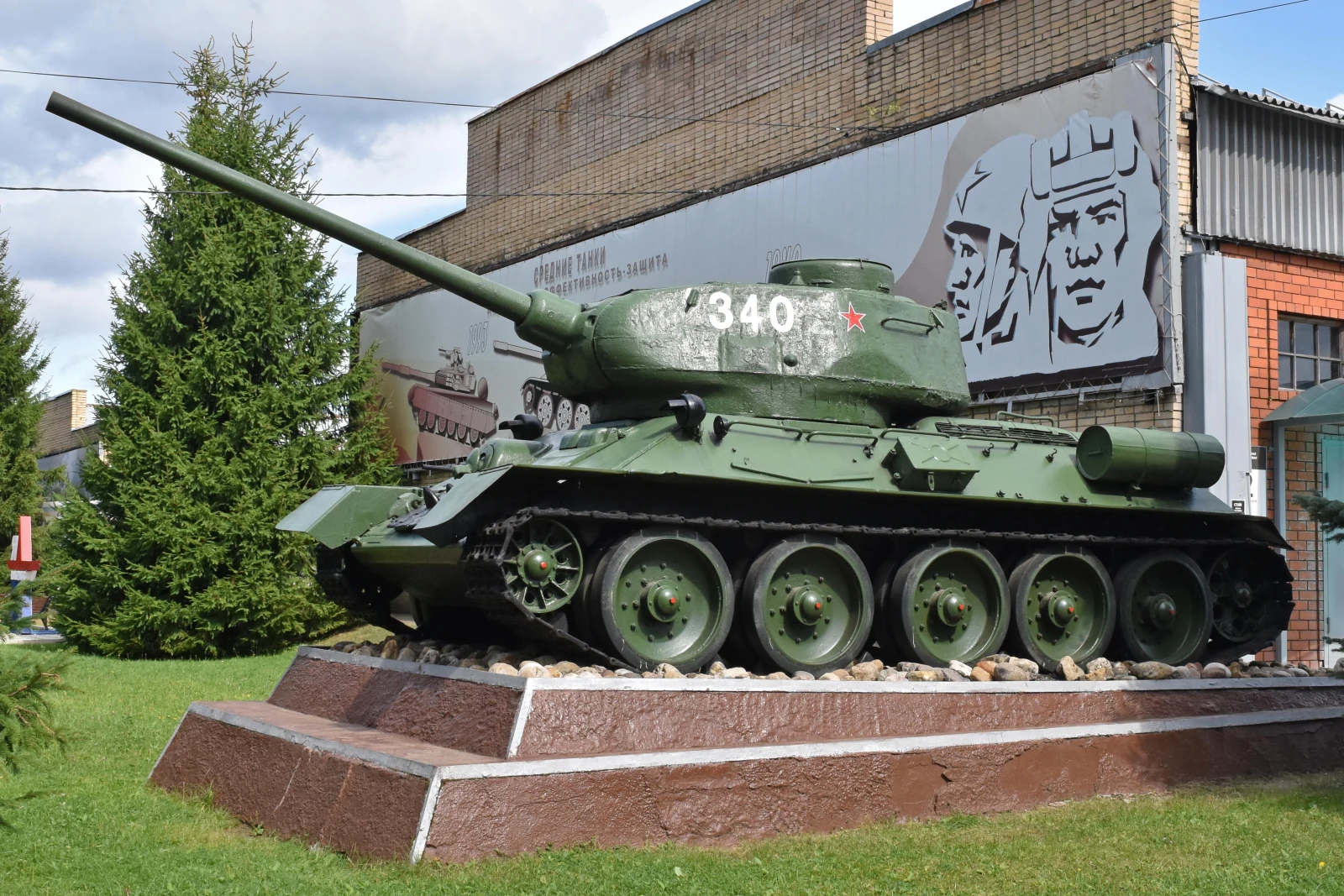
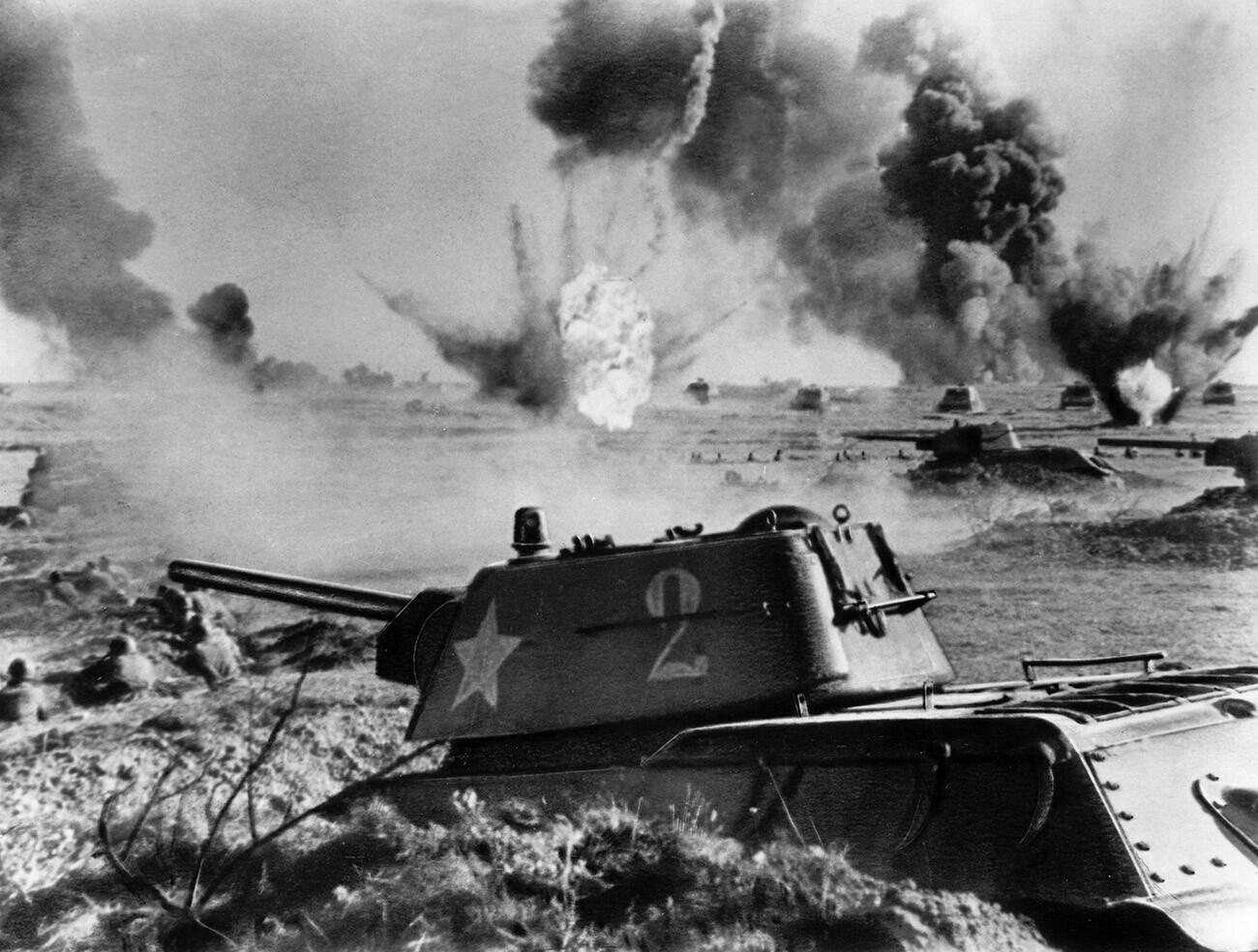
The:
T-34
was one of the most important tanks of WWII.
Features included:
- sloped armor
- wide tracks
- good mobility
- diesel engine
- relatively simple construction.
The T-34/76 initially used a 76.2 mm gun.
Later:
T-34-85
received an 85 mm gun and a larger turret.
36. 🇷🇺 KV TANKS
KV-1
Heavy tank.
It possessed very substantial armor for the early war.
German anti-tank weapons sometimes struggled against it.
KV-2
An enormous turret carrying a 152 mm howitzer.
It looked almost comically tall.
But its mechanical reliability and mobility were problematic.
37. 🇷🇺 IS TANKS
Later Soviet heavy tanks included:
IS-1
IS-2
The IS-2 carried a powerful 122 mm gun.
It was designed to defeat German heavy tanks and fortifications.
38. 🇩🇪 PANZER II
The Panzer II was relatively light.
It was important early in the war but increasingly obsolete as heavier enemy tanks appeared.
39. 🇩🇪 PANZER III
A major German medium tank early in the war.
It went through numerous variants.
The main gun was progressively upgraded.
40. 🇩🇪 PANZER IV
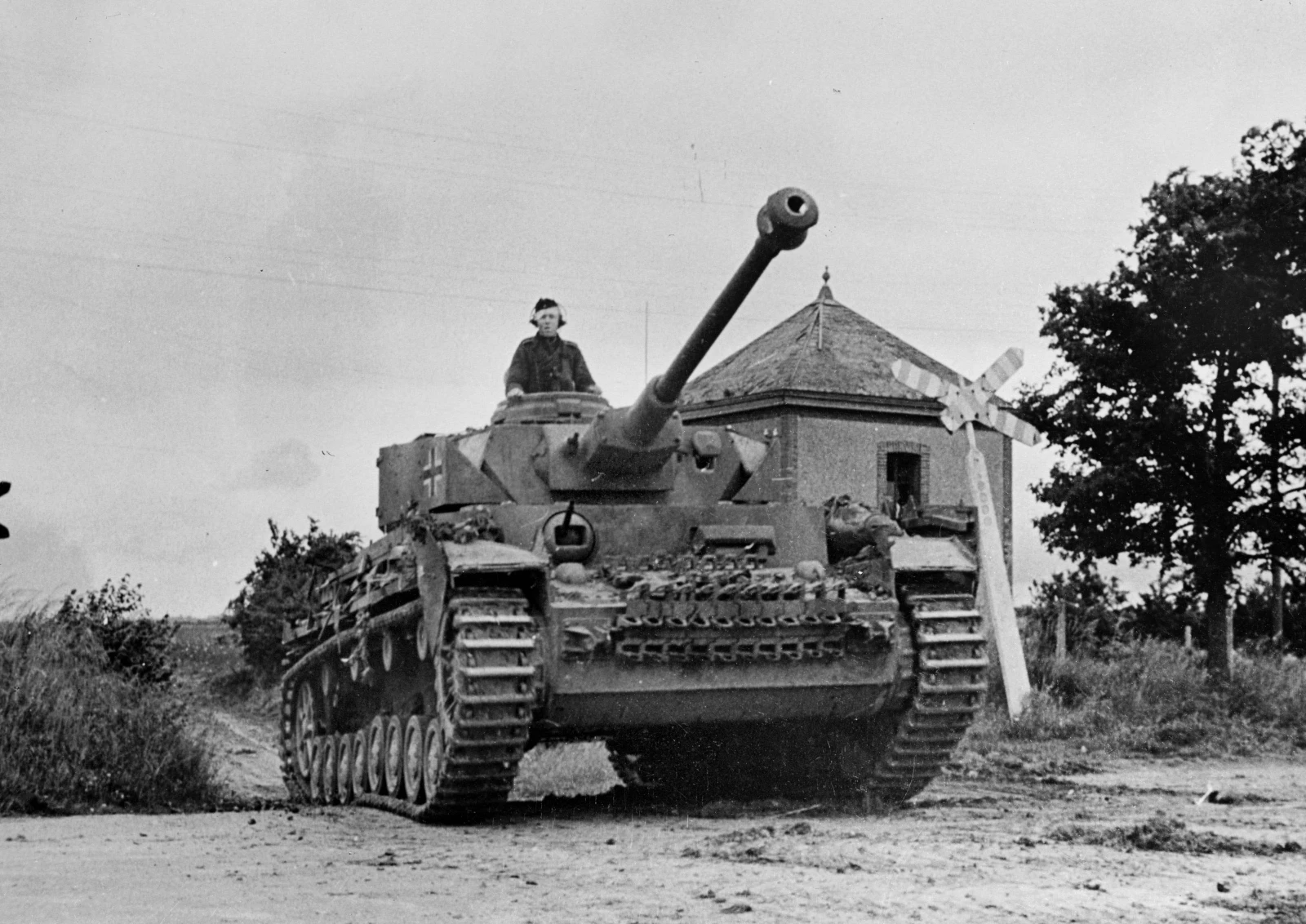
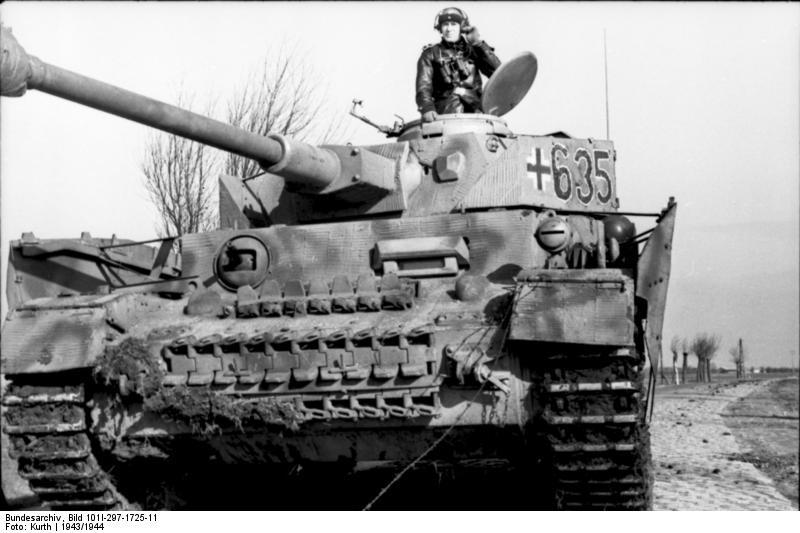


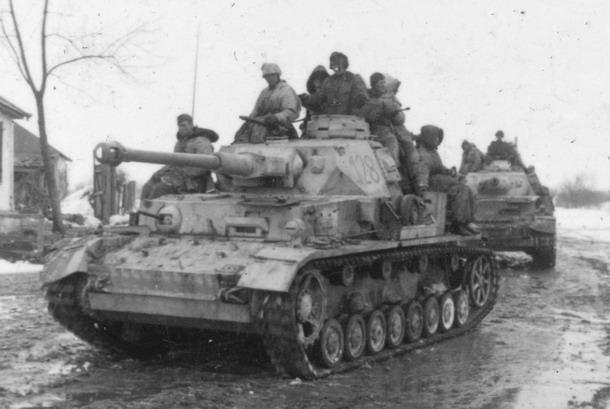
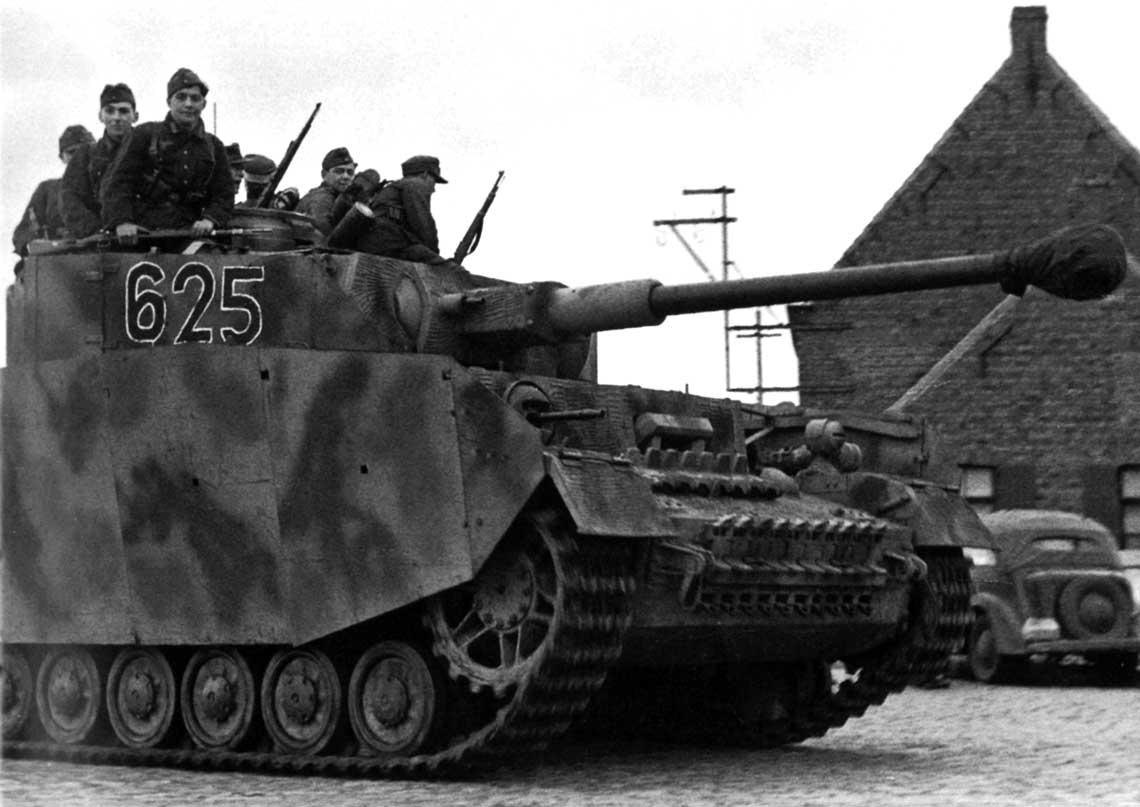
The:
Panzer IV
became one of Germany's most important tanks.
Originally intended primarily for infantry support, it was repeatedly upgraded.
Later variants received:
- thicker armor
- longer 75 mm guns
- improved protection.
It remained in service throughout the war.
41. 🐆 PANTHER
The:
Panther
was introduced in response to the T-34.
It had:
- sloped armor
- powerful 75 mm gun
- excellent long-range anti-tank capability
- good mobility.
Its weaknesses included:
- mechanical problems, especially early on
- complexity
- expensive production.
42. 🐅 TIGER I


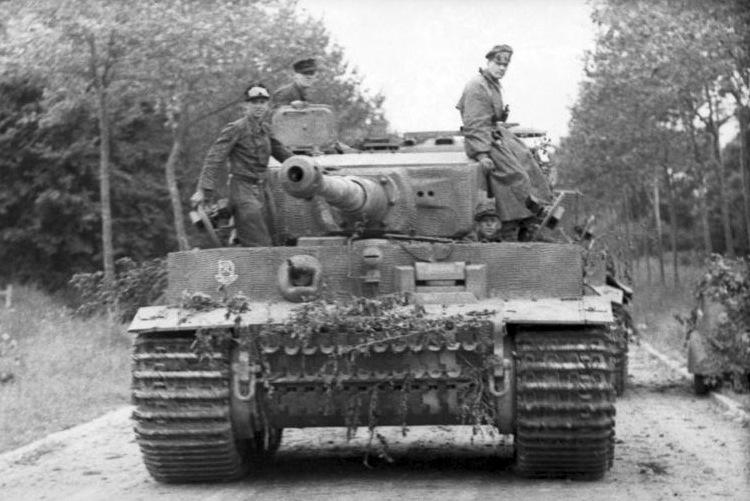
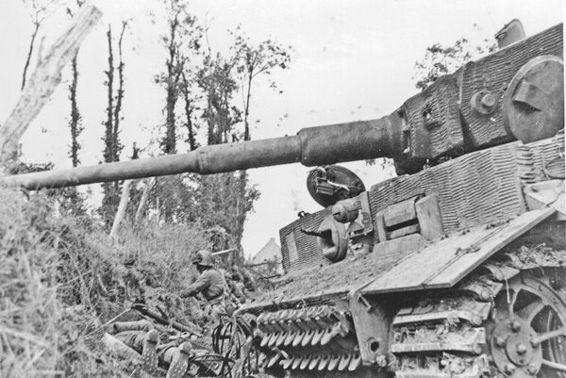
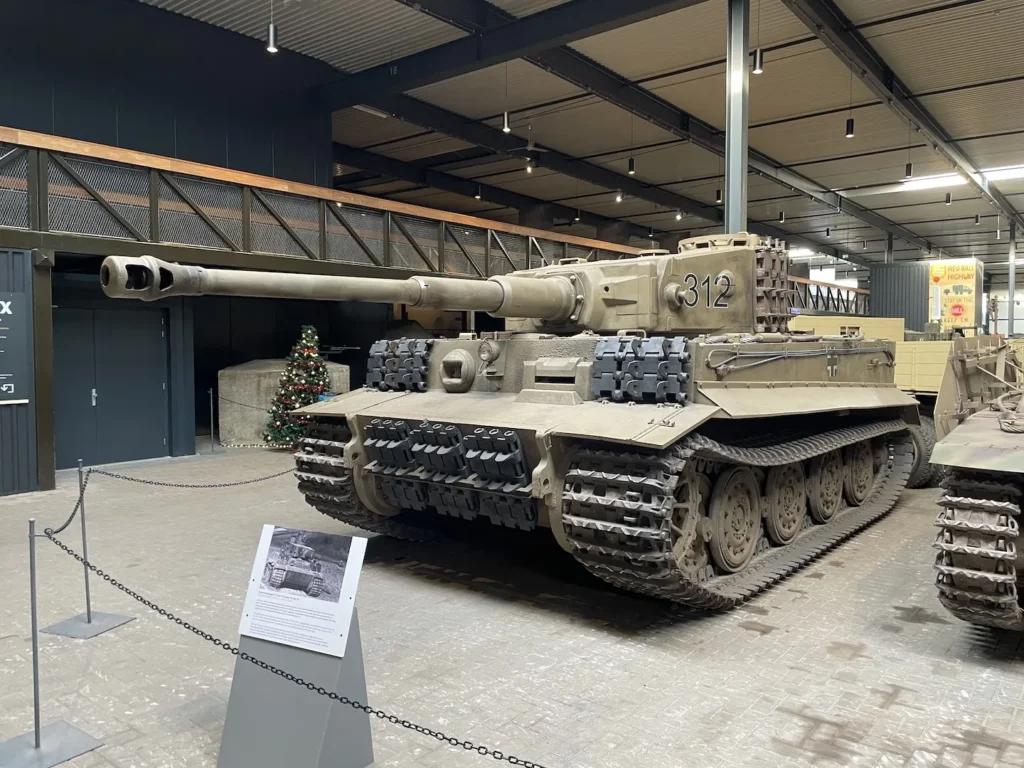
The Tiger I became one of the most famous tanks ever built.
Armament:
88 mm KwK 36
The 88 mm gun was extremely effective.
The Tiger had heavy armor.
But it was:
- expensive
- heavy
- mechanically demanding
- fuel-hungry.
43. 🐅 TIGER II
Also called:
King Tiger
It had:
- extremely thick armor
- powerful 88 mm gun
- enormous weight.
It was terrifying when functioning properly.
But only a relatively small number were produced.
44. 🇺🇸 AMERICAN TANKS
M4 SHERMAN
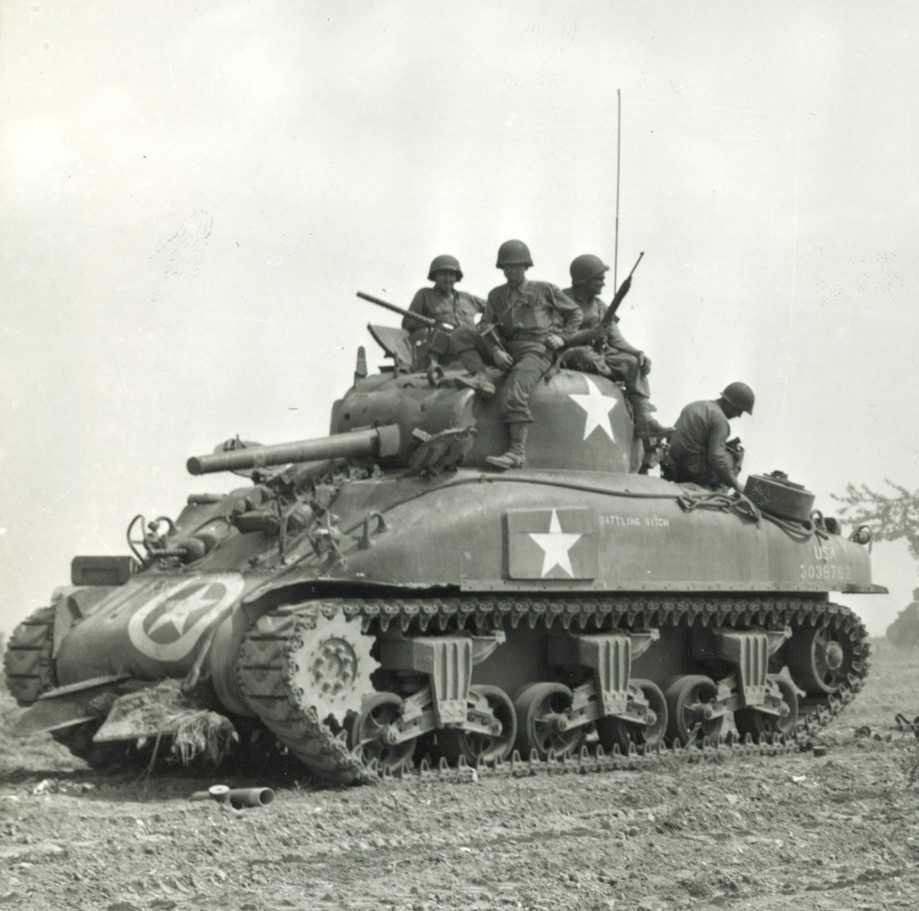
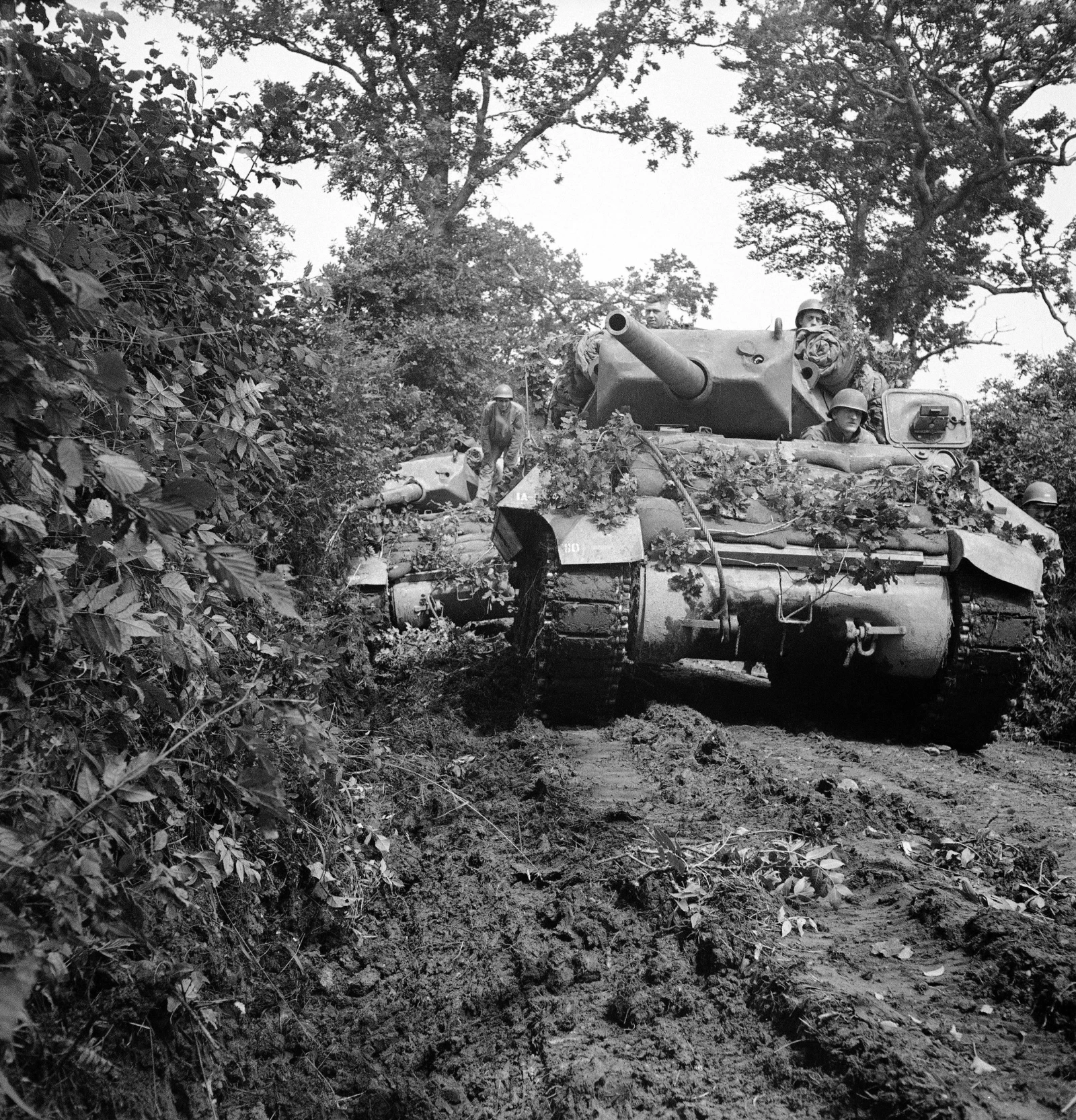
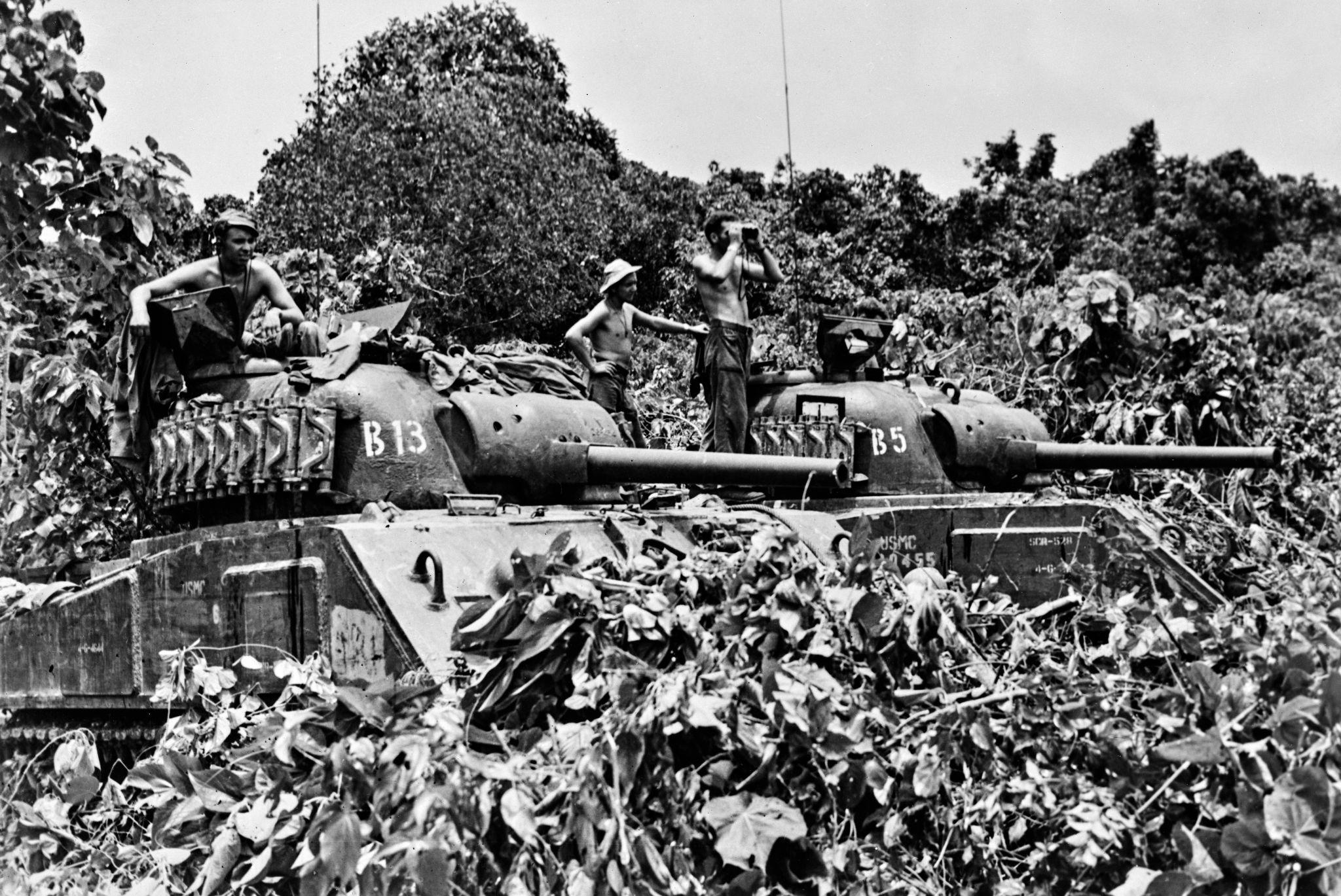
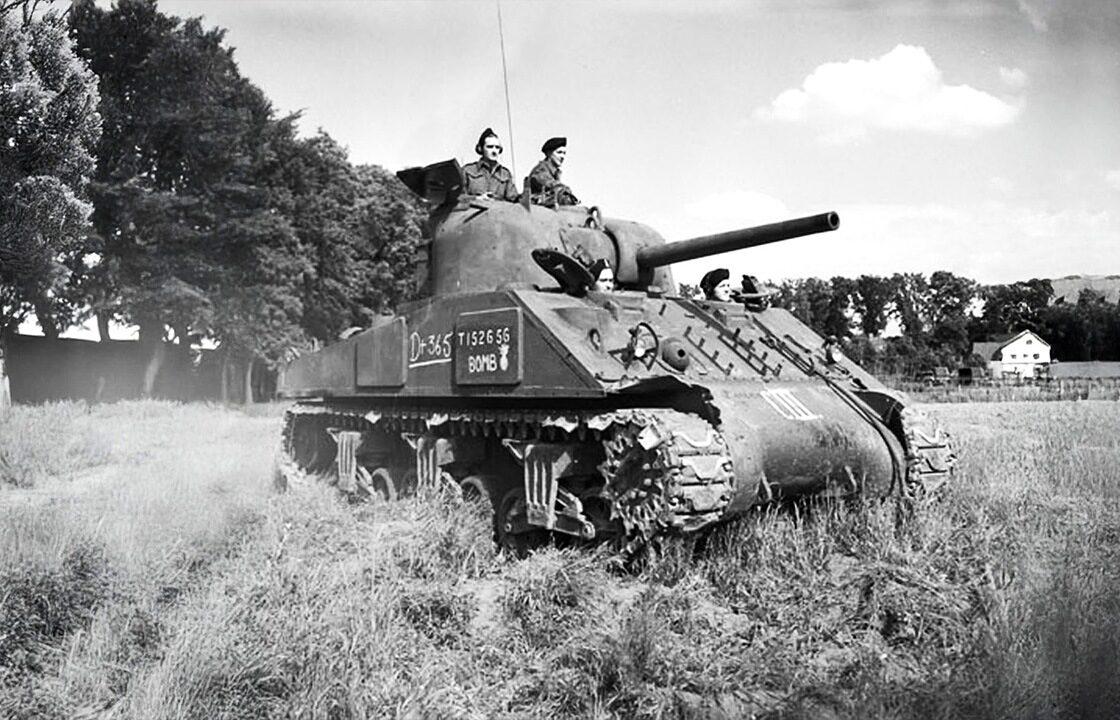
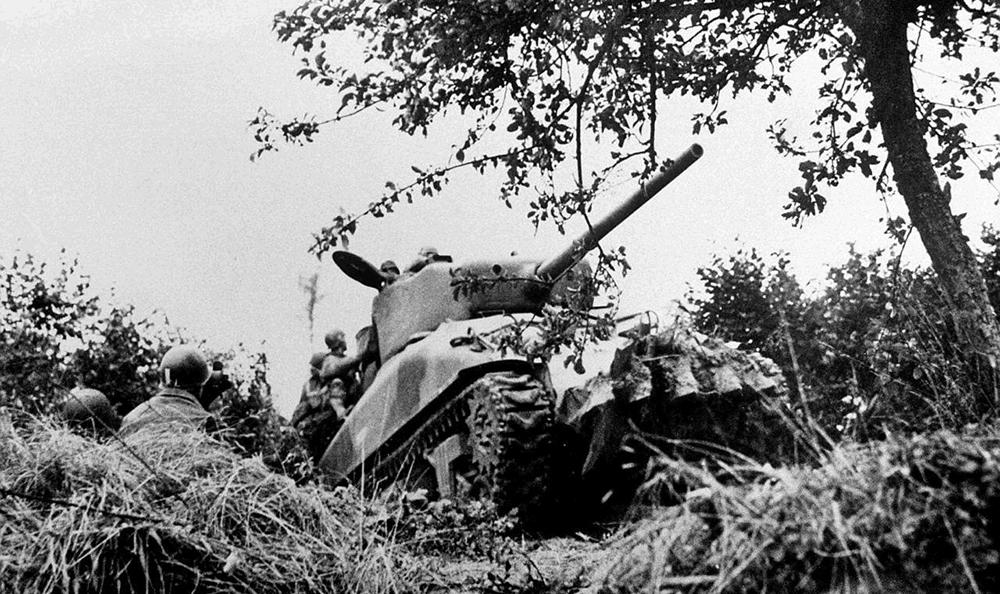

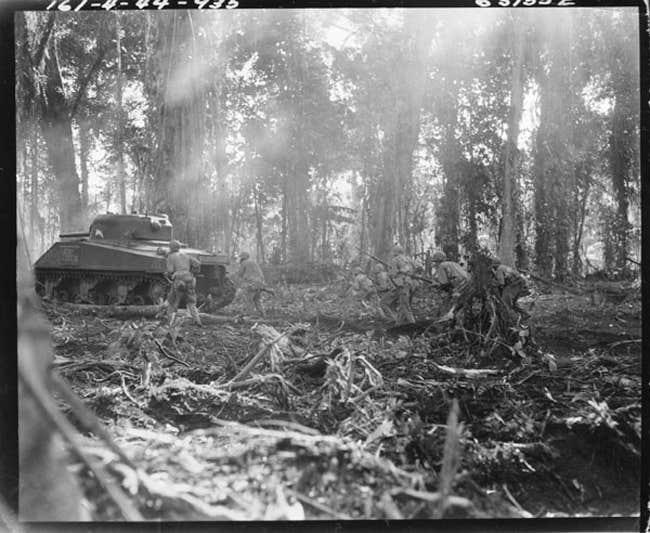
The:
M4 Sherman
was America's primary medium tank.
It was designed around:
- reliability
- mass production
- mobility
- ease of maintenance.
Variants included:
M4
M4A1
M4A2
M4A3
M4A4
Different versions used different engines and construction methods.
Armament included:
- 75 mm gun
- 76 mm gun
- 105 mm howitzer
Some Shermans were modified into specialized vehicles.
45. 🇺🇸 M3 STUART
A light tank.
It was widely used early in the war.
It became less useful against heavily armored German tanks but remained useful for reconnaissance.
46. 🇺🇸 M3 LEE / GRANT
A strange-looking American tank.
It had:
- 75 mm gun in the hull
- 37 mm gun in a turret.
It was quickly superseded by the Sherman.
47. 🇬🇧 BRITISH TANKS
Britain developed numerous tanks.
Matilda II
Extremely heavily armored for its time.
Crusader
Fast cruiser tank.
Churchill
Heavy infantry tank with excellent climbing ability.
Cromwell
Fast cruiser tank.
Comet
One of Britain's best late-war tanks.
48. 🇫🇷 FRENCH TANKS
France had substantial armored forces in 1940.
Important examples included:
Char B1 bis
A heavily armored infantry tank.
SOMUA S35
A capable cavalry tank with good armor and a 47 mm gun.
Renault R35
Light infantry tank.
French tanks were often technically respectable, but France's overall command structure, communications, doctrine, and operational deployment contributed to its rapid defeat.
49. 🇮🇹 ITALIAN TANKS
Italy's armored forces included:
M13/40
A common Italian medium tank.
L3/35
Tiny tankette.
Semovente 75/18
Self-propelled artillery/anti-tank vehicle.
Italian armored vehicles generally struggled against increasingly powerful Allied and Soviet tanks.
50. 🇯🇵 JAPANESE TANKS
Japanese tanks were generally lighter.
Examples:
Type 95 Ha-Go
Light tank.
Type 97 Chi-Ha
Japanese medium tank.
They were reasonably useful against lightly armored targets and infantry but were increasingly outclassed by Allied tanks.
51. ✈️ WORLD WAR II AIRCRAFT
WWII saw aviation advance dramatically.
Aircraft evolved from:
- fabric-covered biplanes
to:
- high-speed metal monoplanes
- four-engine bombers
- jet aircraft
- radar-equipped fighters
- carrier aircraft.
52. 🇬🇧 SPITFIRE
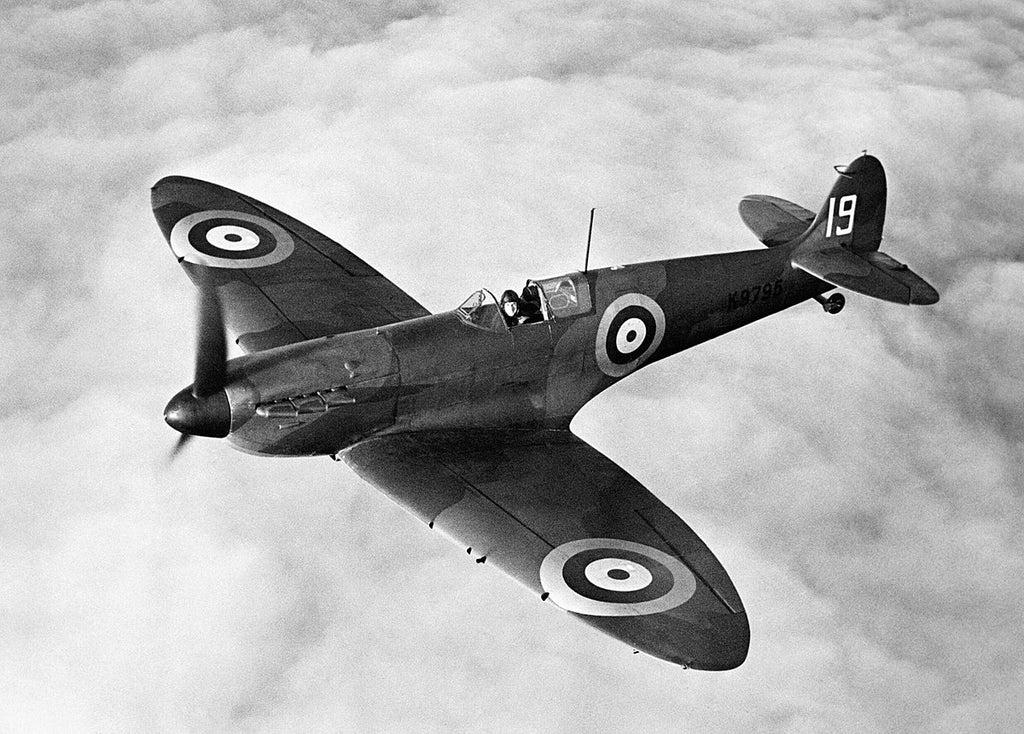
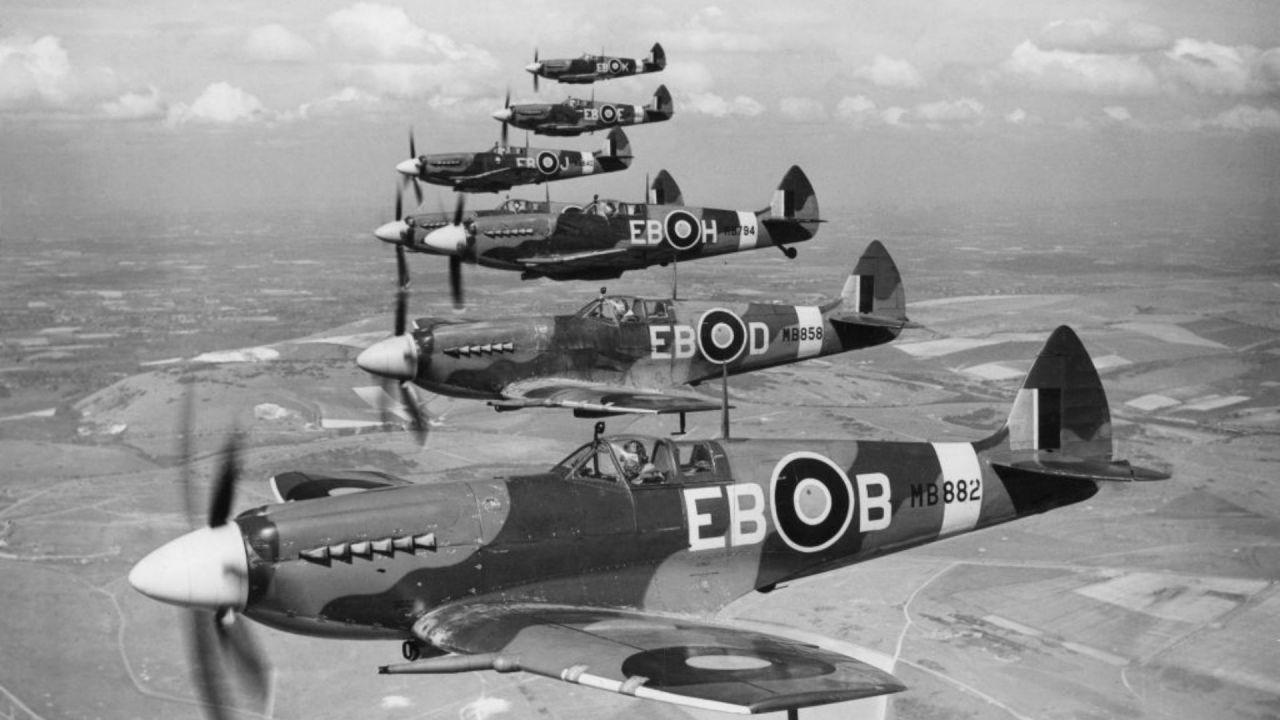
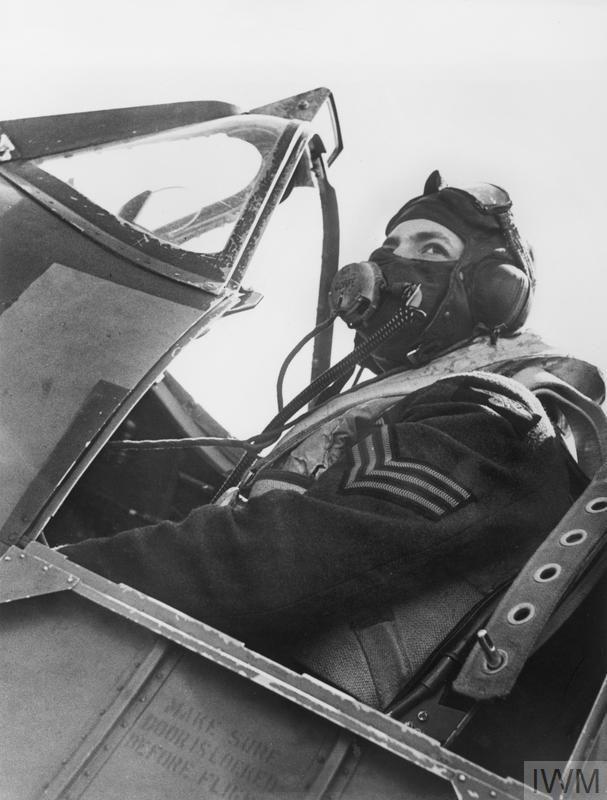
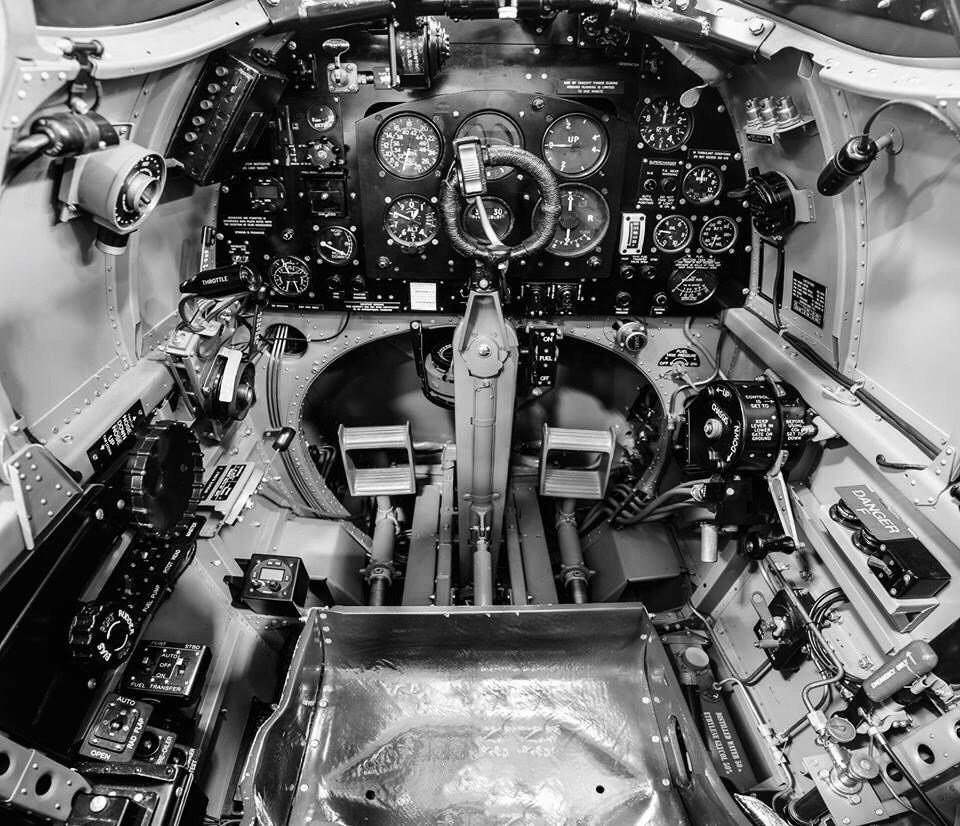
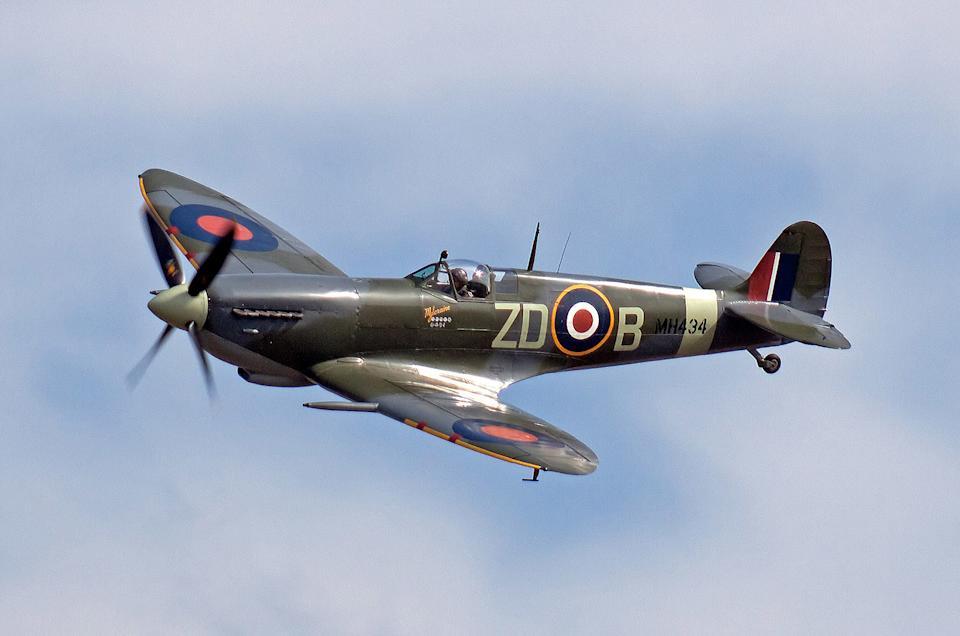
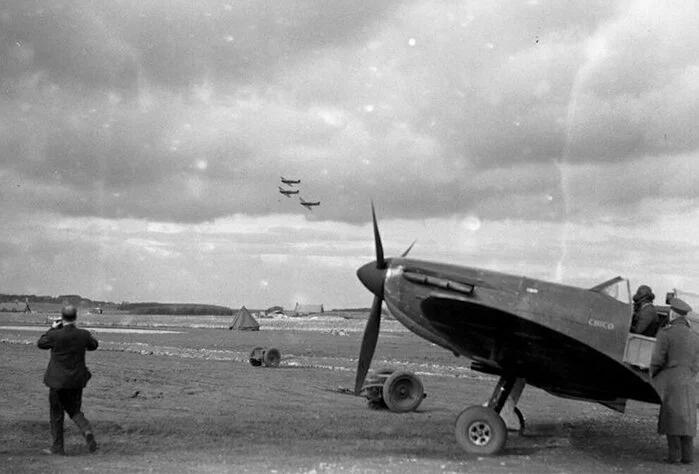
The:
Supermarine Spitfire
became one of Britain's most famous aircraft.
It was a highly maneuverable fighter.
It played a major role during the Battle of Britain.
53. 🇬🇧 HAWKER HURRICANE
The Hurricane was actually responsible for a large portion of RAF fighter victories during the Battle of Britain.
It was sturdy and heavily armed.
It could carry:
Eight .303-inch machine guns
on many early variants.
54. 🇩🇪 MESSERSCHMITT Bf 109
One of Germany's principal fighters.
It remained in service throughout the war.
Armament varied by version but could include:
- machine guns
- 20 mm cannon
- 30 mm cannon.
55. 🇩🇪 FOCKE-WULF Fw 190
Another outstanding German fighter.
It was particularly effective at:
- low/medium altitude
- ground attack
- bomber interception.
56. 🇺🇸 P-51 MUSTANG

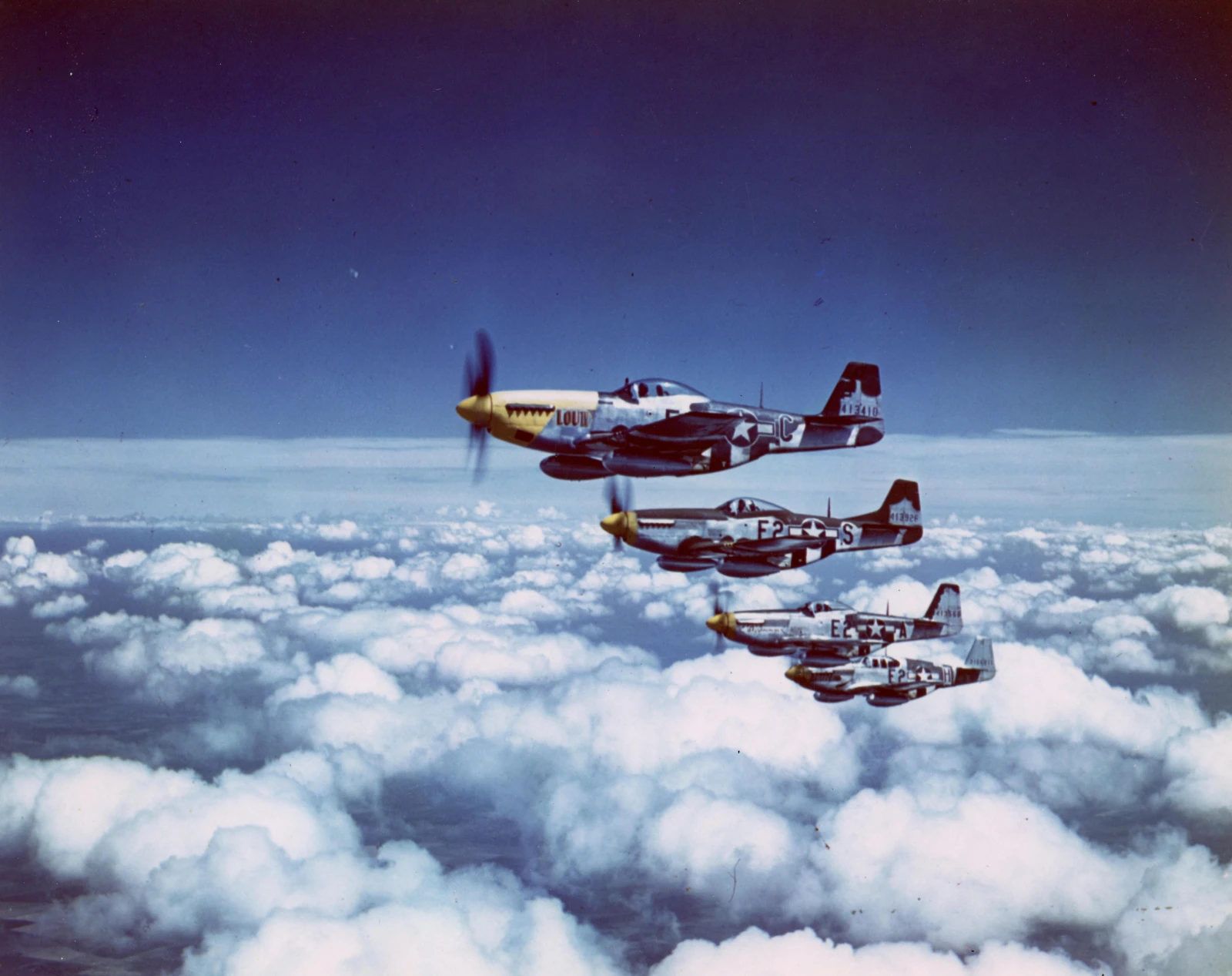
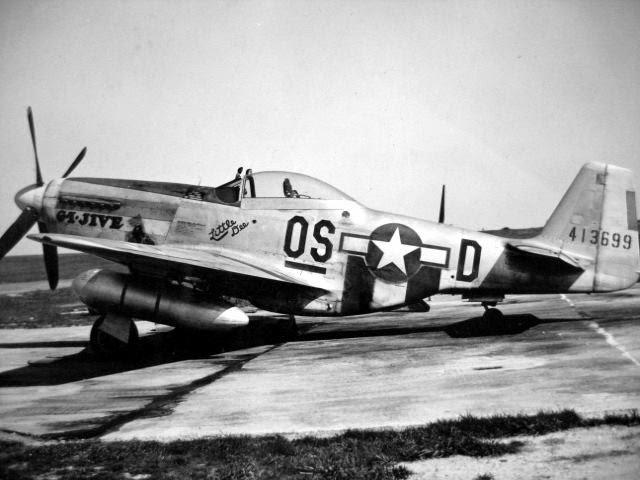
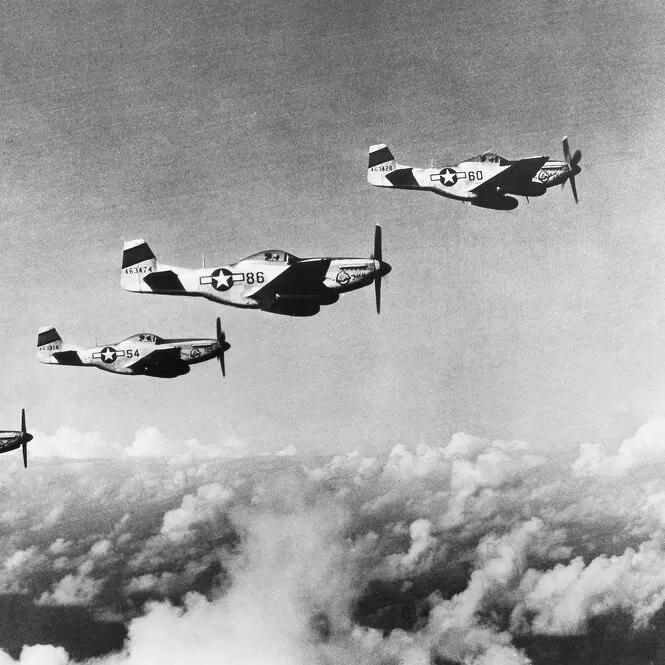
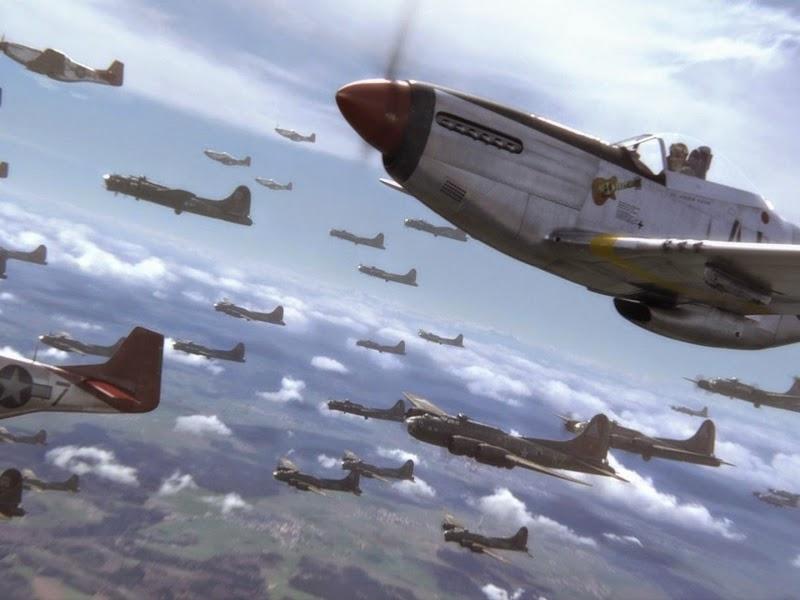
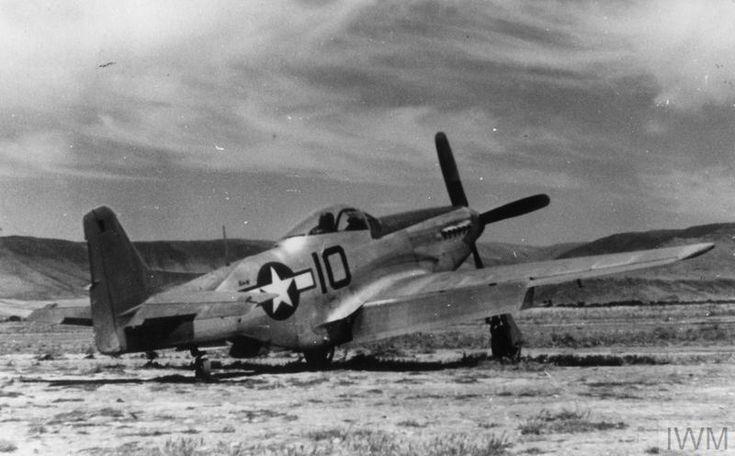
The:
P-51 Mustang
became one of the most important Allied fighters.
Its long range made it particularly valuable for escorting bomber formations deep into Germany.
57. 🇺🇸 P-47 THUNDERBOLT
Huge American fighter.
It was extremely durable.
The P-47 became particularly famous for:
Ground attack.
58. 🇺🇸 P-38 LIGHTNING
Twin-engine fighter.
It was heavily armed and used extensively in Europe and the Pacific.
It became especially famous in the Pacific.
59. 🇩🇪 JU 87 STUKA
The:
Junkers Ju 87
was a famous dive bomber.
It had distinctive inverted gull wings.
It could perform extremely steep dives against targets.
Early in the war, Stukas were highly effective when operating under conditions of German air superiority.
60. 🇺🇸 B-17 FLYING FORTRESS
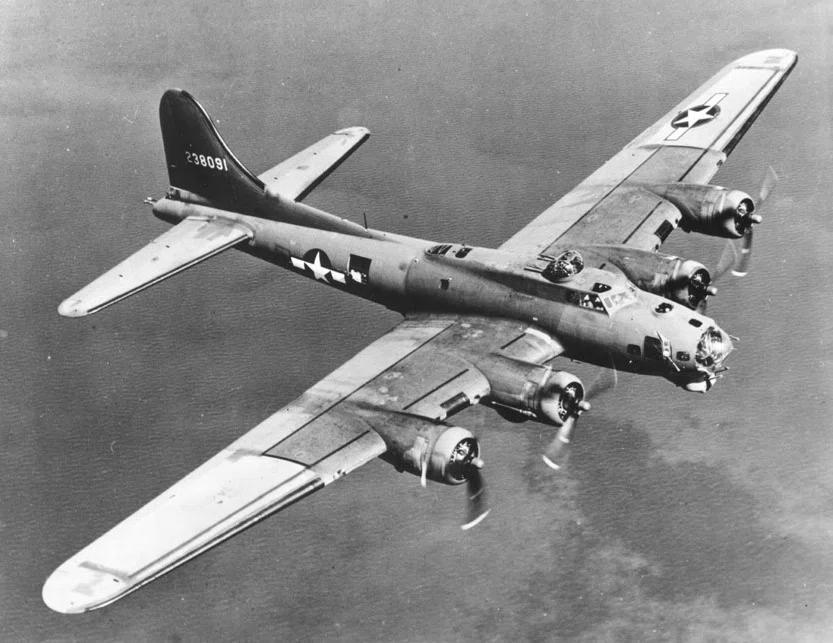
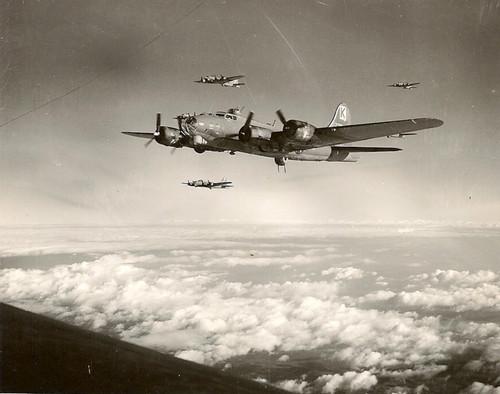

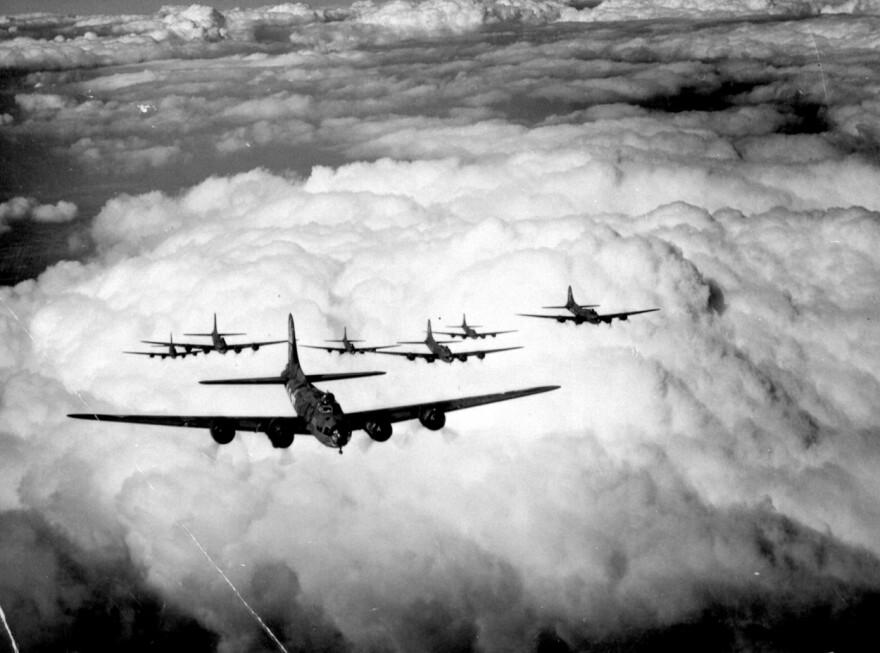
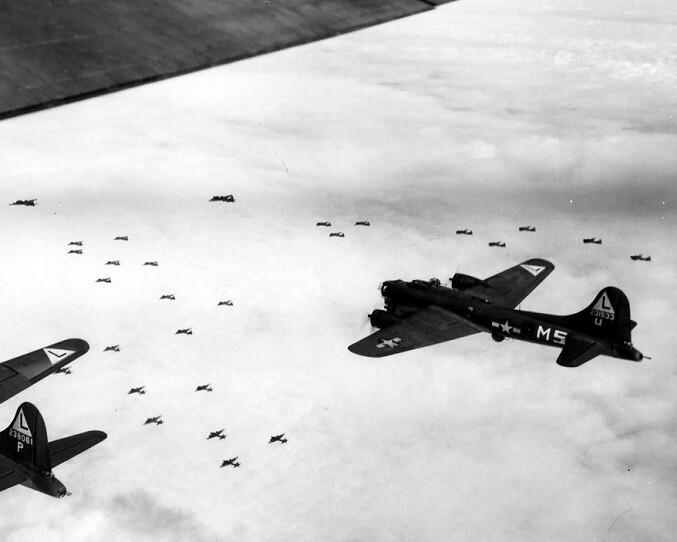
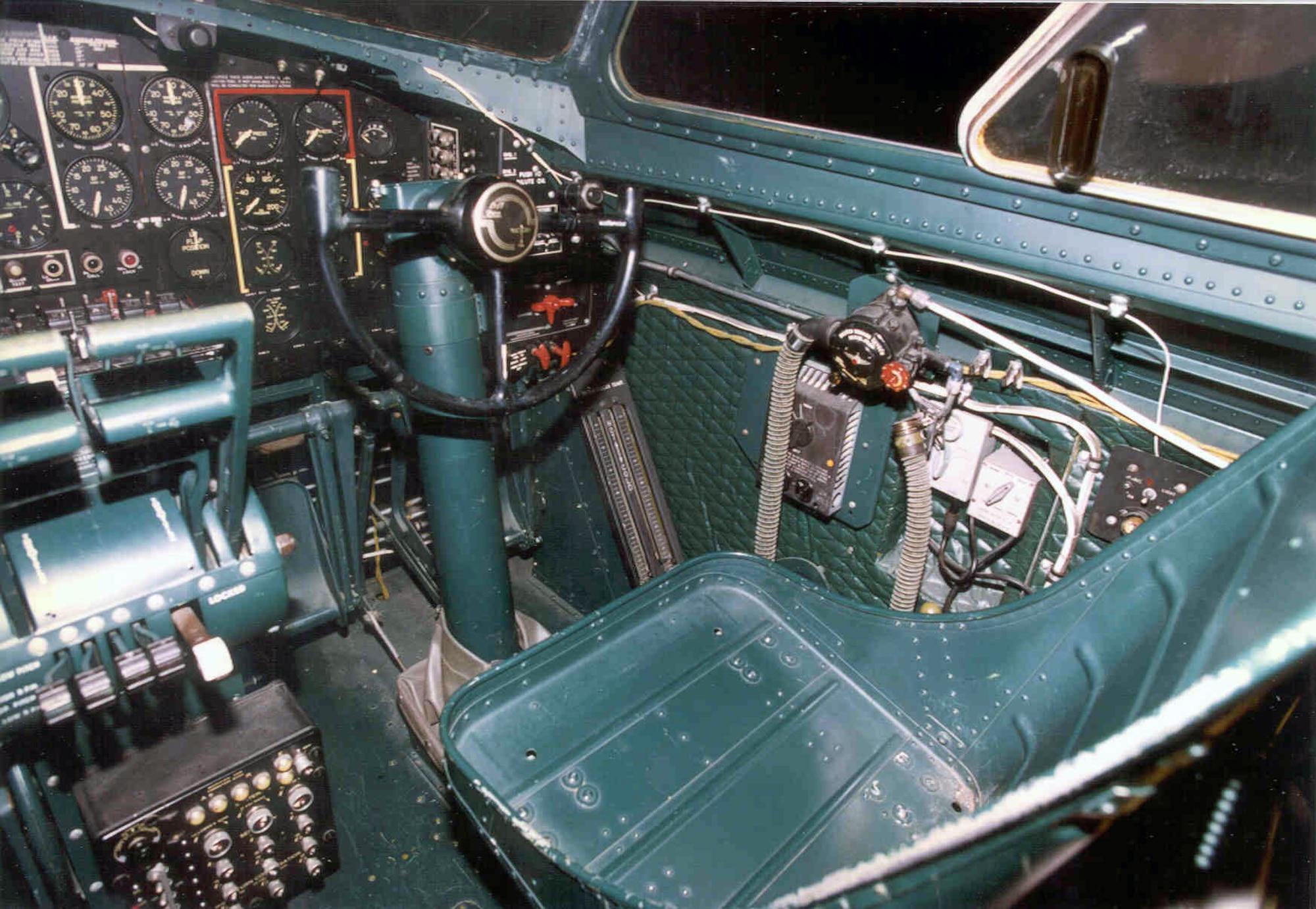
The B-17 was a four-engine heavy bomber.
It became famous for:
- heavy defensive armament
- rugged construction
- high-altitude bombing
- long range.
61. 🇺🇸 B-24 LIBERATOR
The B-24 was produced in even greater numbers than the B-17.
It generally had:
- higher speed
- greater range
- larger bomb load
than the B-17.
It was used extensively in Europe and the Pacific.
62. 🇬🇧 LANCASTER
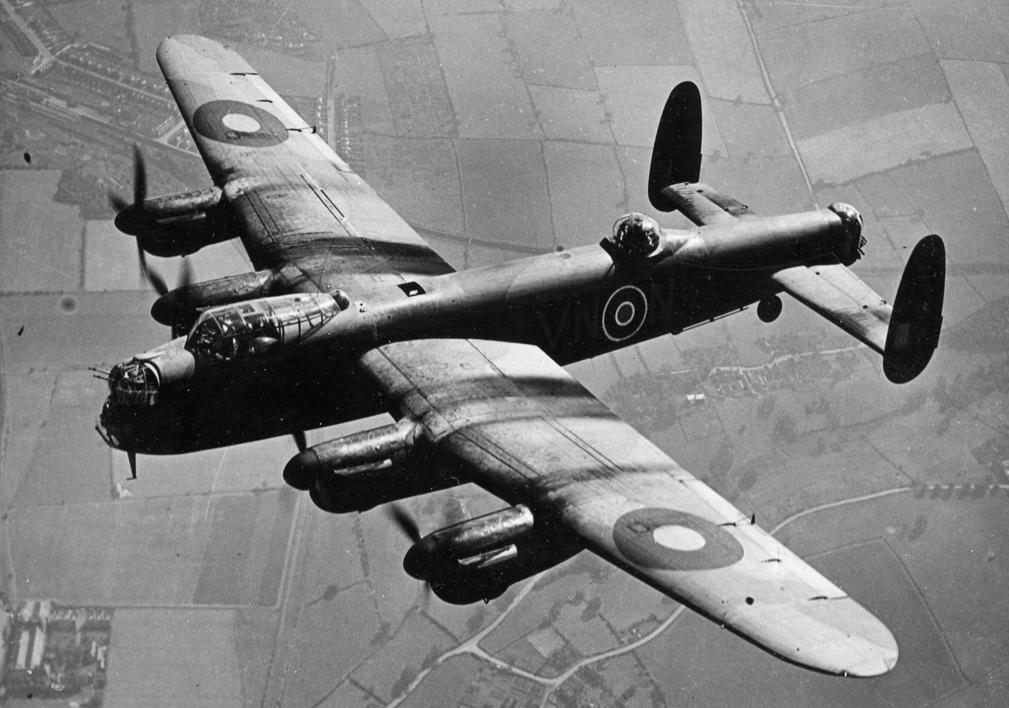
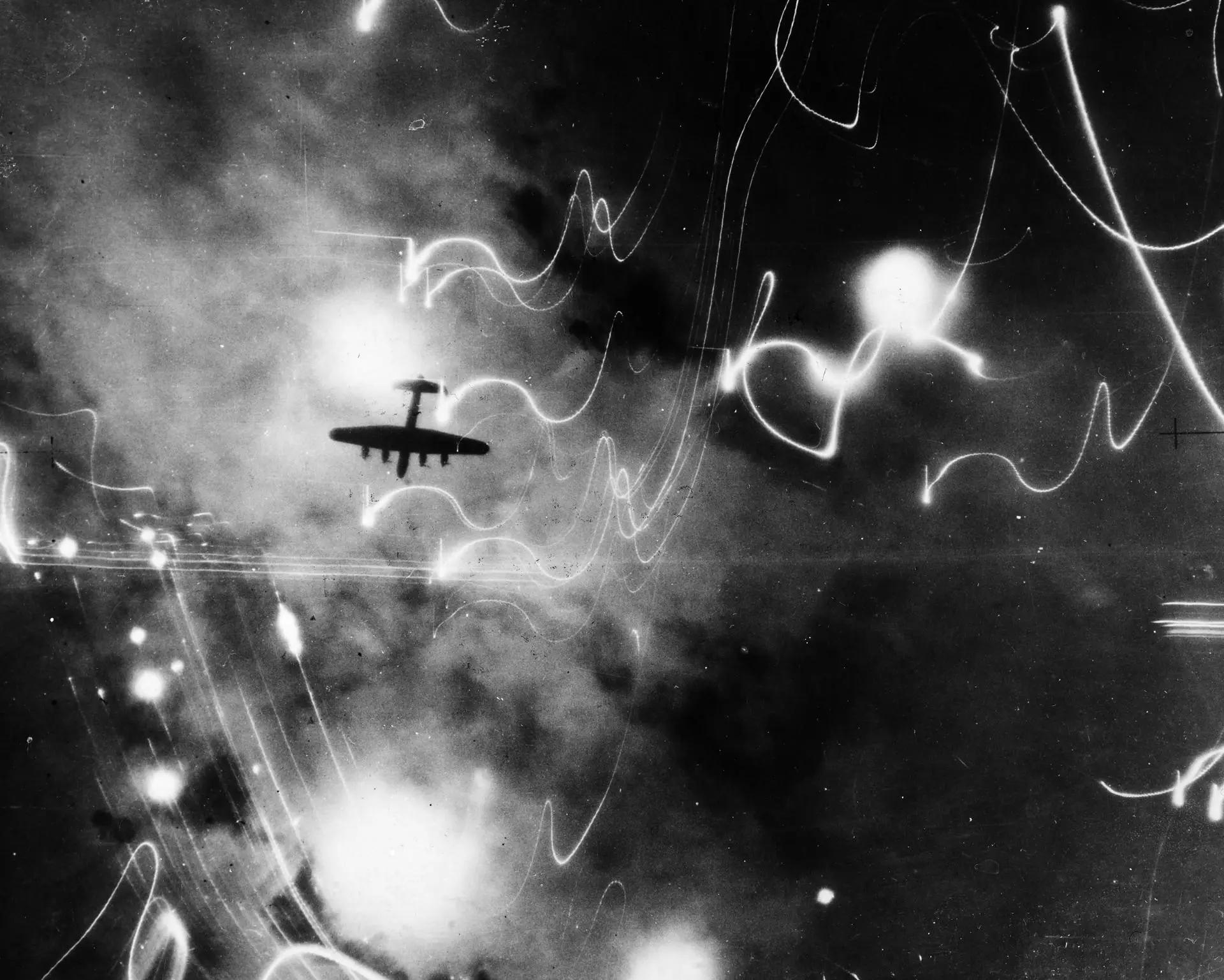

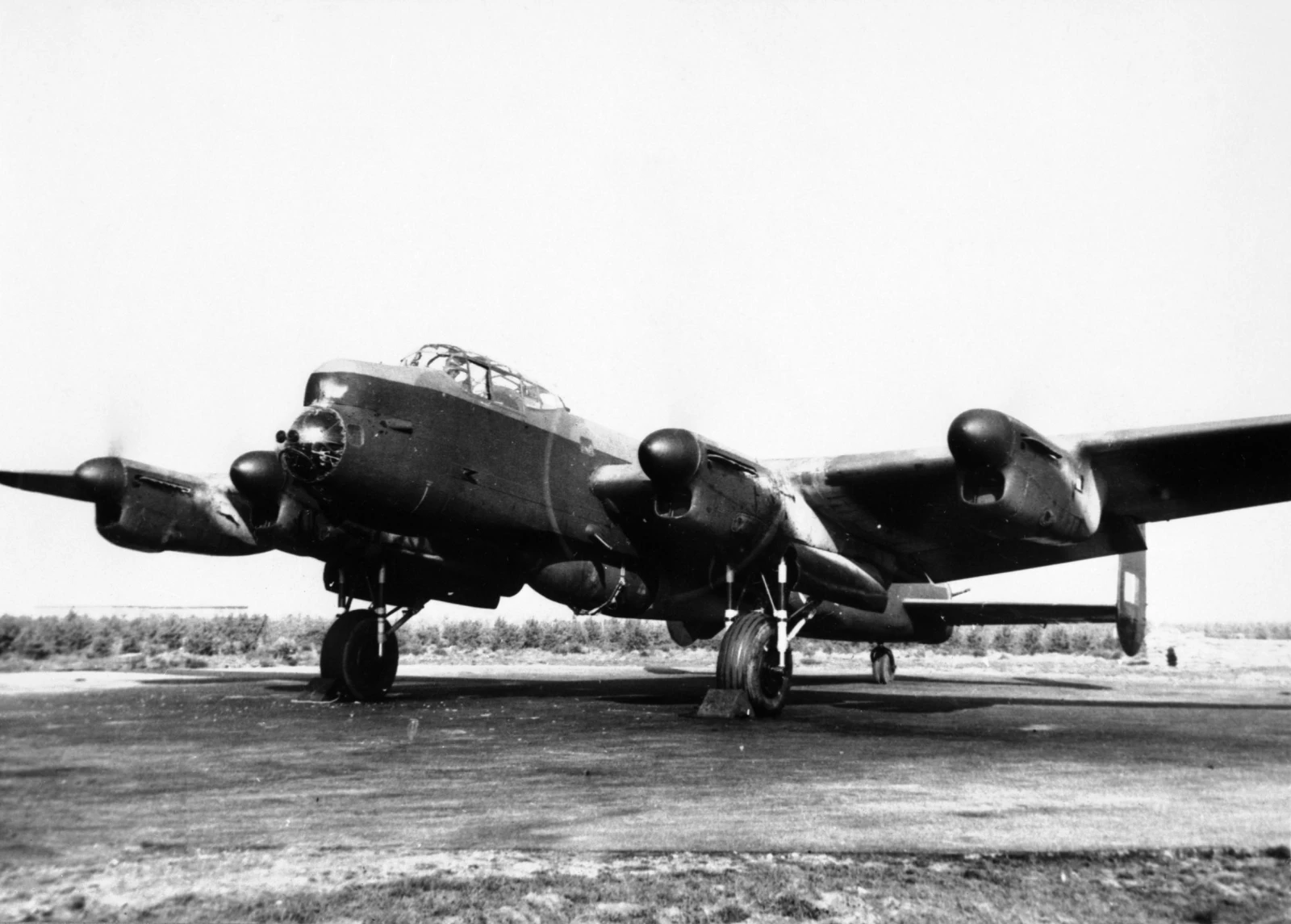

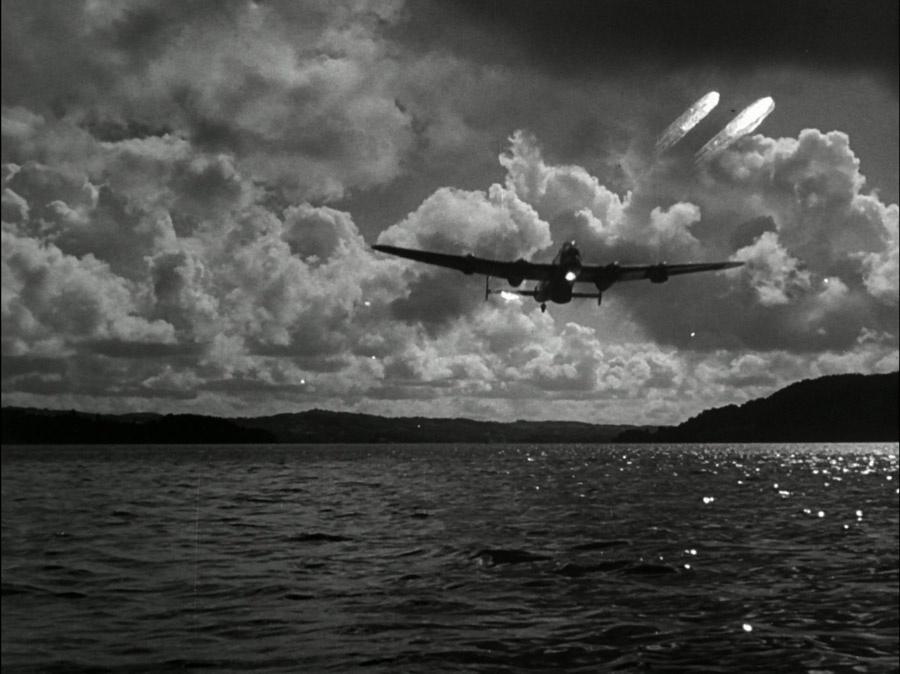
Britain's:
Avro Lancaster
was one of the RAF's most important heavy bombers.
It could carry extremely large bombs.
It was used heavily during Britain's night bombing campaign against Germany.
63. 🇯🇵 ZERO
The:
Mitsubishi A6M Zero
became one of Japan's most famous aircraft.
Its strengths included:
- exceptional maneuverability
- long range
- relatively light weight.
Its light construction also left it more vulnerable than some later Allied fighters.
64. 🇺🇸 CARRIER AVIATION
Now we reach something WWII did that WWI never really experienced:
Aircraft carriers became major capital ships.
Instead of giant guns being the primary weapon of the fleet...
Aircraft became the main striking arm.
65. ⚓ PEARL HARBOR
December 7, 1941.
Japan launched a surprise attack on:
Pearl Harbor, Hawaii
The attack targeted the U.S. Pacific Fleet.
Several battleships were damaged or sunk.
But crucially, the American aircraft carriers were not in port.
The United States declared war on Japan.
Germany and Italy subsequently declared war on the United States.
The United States was now fully involved in both major theaters.
66. 🌊 THE PACIFIC WAR

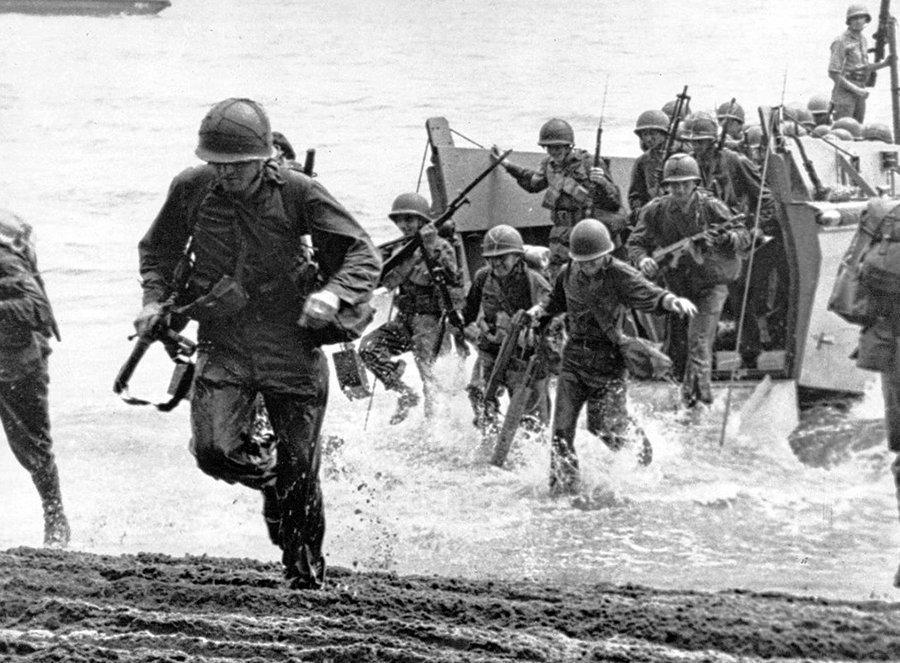
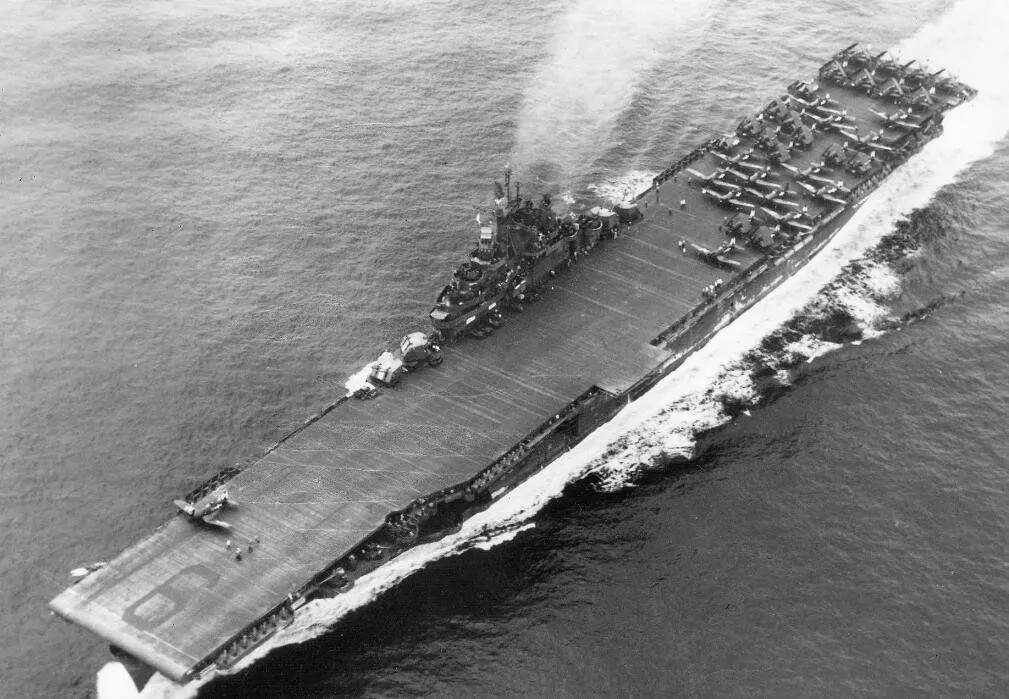
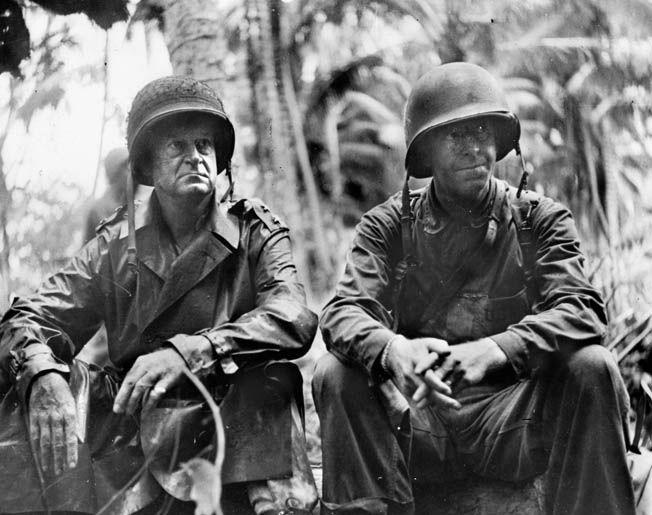
Japan rapidly conquered enormous areas.
At its height, Japanese forces controlled territories across:
- China
- Korea
- Manchuria
- Taiwan
- Philippines
- Hong Kong
- French Indochina
- Burma
- Malaya
- Singapore
- Dutch East Indies
- numerous Pacific islands.
67. 🇵🇭 FALL OF THE PHILIPPINES
Japanese forces invaded the Philippines shortly after Pearl Harbor.
American and Filipino forces resisted.
Eventually they were forced to surrender.
The:
Bataan Death March
followed.
Thousands of prisoners died from starvation, disease, exhaustion, abuse, and executions.
68. ⚓ BATTLE OF THE CORAL SEA
May 1942.
One of history's most important naval battles.
Neither fleet's surface ships directly fought a traditional battleship duel.
Instead:
Aircraft carriers fought through aircraft.
This demonstrated the new reality of naval warfare.
69. ⚓ MIDWAY
June 1942.
One of the most famous naval battles ever fought.
The United States ambushed a major Japanese carrier force.
Japan lost four fleet carriers:
Akagi
Kaga
Soryu
Hiryu
The battle dramatically reduced Japan's experienced carrier aircrew and shifted the strategic balance in the Pacific.
70. 🏝️ GUADALCANAL
August 1942–February 1943.
The Allies launched their first major offensive against Japanese forces.
The fighting occurred on:
- land
- sea
- air.
Guadalcanal became a brutal campaign.
The surrounding waters became known as:
Ironbottom Sound
because so many ships were sunk there.
71. 🏝️ ISLAND HOPPING
The Allies didn't necessarily need to capture every Japanese-held island.
Instead, they could:
- Capture strategically important islands.
- Build airfields.
- Bypass strong Japanese positions.
- Cut their supply lines.
- Advance toward Japan.
This became known as:
Island hopping.
72. 🇺🇸 MARINES
The United States Marine Corps became particularly famous for amphibious warfare.
They developed techniques involving:
- landing craft
- naval gunfire
- close air support
- engineers
- tanks
- logistics.
73. 🏝️ TARAWA
The Battle of Tarawa demonstrated how difficult amphibious assault could be.
Japanese defenses were extremely strong.
Thousands of Marines landed under intense fire.
74. 🏝️ SAIPAN
Saipan was strategically crucial because American B-29 bombers could use the Mariana Islands as bases to attack Japan.
The Japanese garrison fought almost to destruction.
The fall of Saipan also caused a major political crisis in Japan.
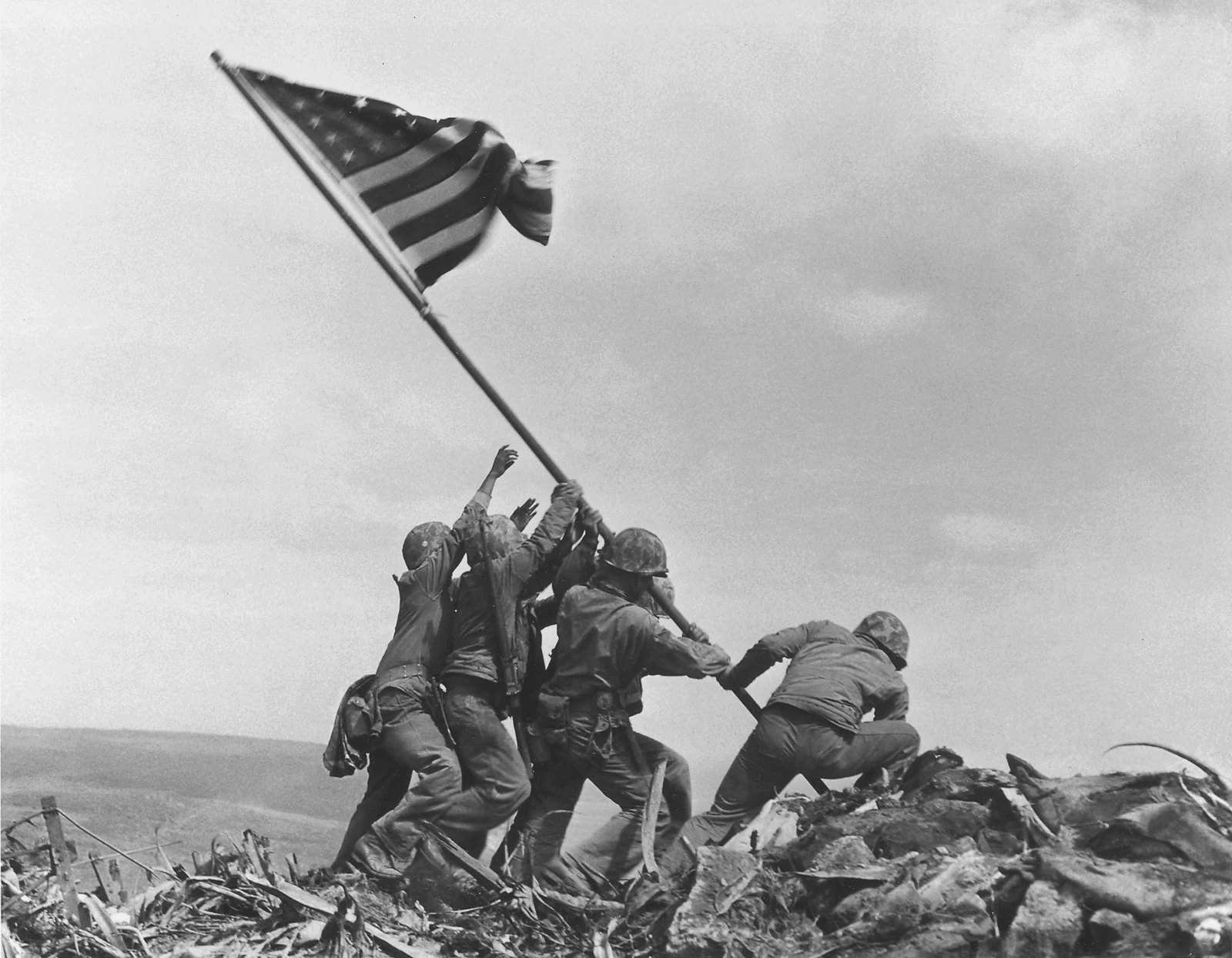
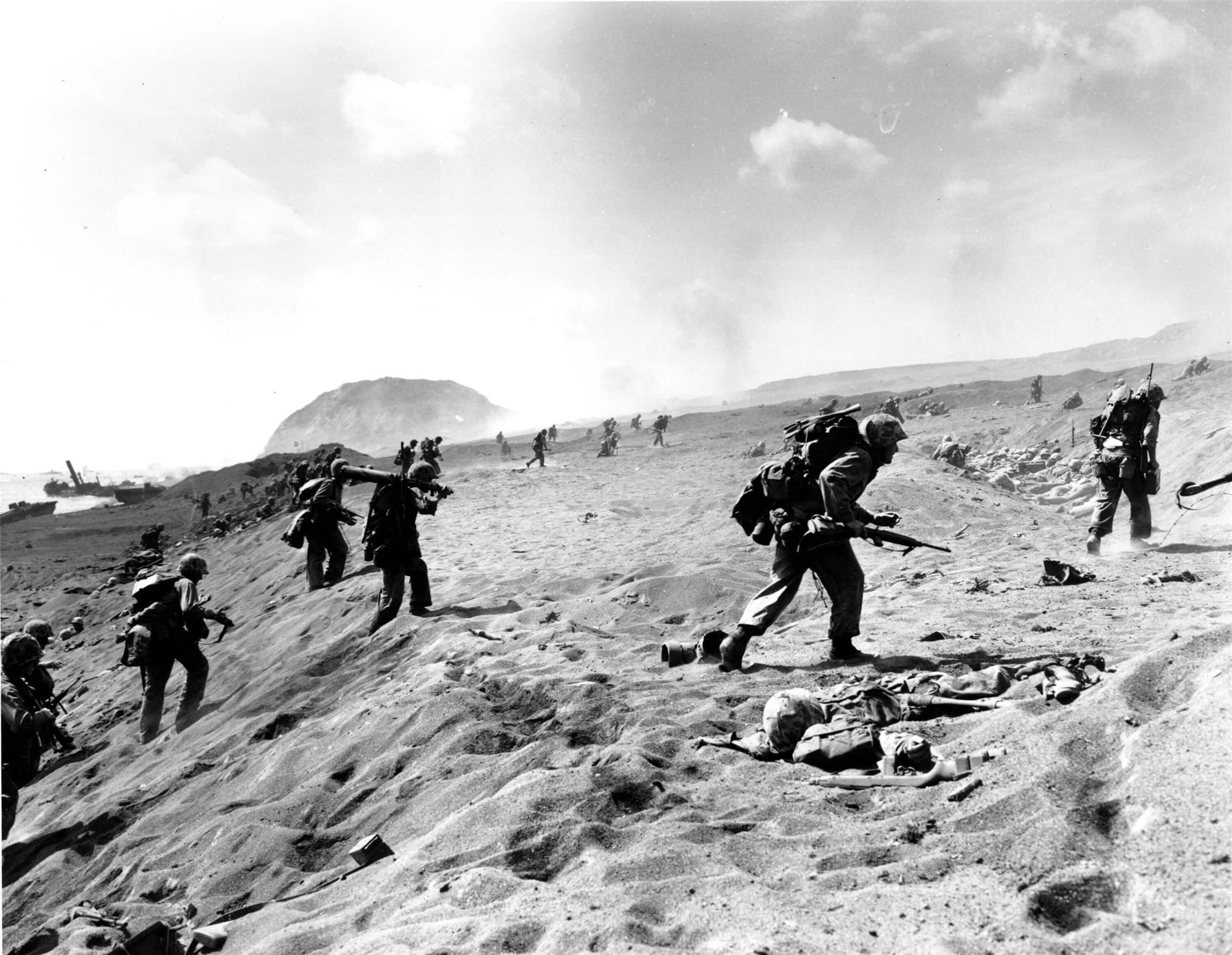
75. 🏝️ IWO JIMA
February–March 1945.
Iwo Jima was heavily fortified.
The island contained:
- caves
- tunnels
- bunkers
- artillery
- machine-gun positions.
The famous photograph of Marines raising the flag was taken there.
76. 🏝️ OKINAWA
April–June 1945.
One of the bloodiest battles of the Pacific.
It demonstrated how devastating an invasion of the Japanese home islands could potentially become.
Japanese forces used:
- fortified positions
- artillery
- infantry
- suicide attacks
- kamikaze aircraft.
77. ✈️ KAMIKAZE
Japanese pilots conducted deliberate suicide attacks against Allied ships.
Aircraft were loaded with explosives and directed into targets.
Kamikaze attacks became increasingly common in the final stages of the Pacific War.
78. 🇨🇳 THE WAR IN CHINA
China had already been fighting Japan since 1937.
Major Chinese forces included:
Nationalist government forces
under Chiang Kai-shek.
and
Chinese Communist forces
under Mao Zedong's movement.
Although they were rivals, both fought Japan.
The war in China consumed huge Japanese military resources.
79. 🌴 BURMA / SOUTHEAST ASIA
Japan conquered:
- Burma
- Malaya
- Singapore
- Dutch East Indies
- much of the Philippines
- parts of New Guinea
- numerous Pacific territories.
British, Indian, Australian, American, Chinese, and local forces fought Japan across the region.
80. 🇬🇧 SINGAPORE
Singapore fell to Japan in:
February 1942.
The British surrender was one of the most significant defeats in British military history.
Tens of thousands of Allied troops became prisoners.
81. 🌍 NORTH AFRICA
While the Pacific War was exploding...
North Africa was also a major theater.
British forces fought:
🇩🇪 Afrika Korps
🇮🇹 Italian forces
The most famous German commander there was:
Erwin Rommel
the "Desert Fox."
82. 🏜️ EL ALAMEIN
The British fought major battles at:
El Alamein
in Egypt.
The second battle in late 1942 was a major Allied victory.
British forces under Bernard Montgomery pushed Axis forces westward.
At roughly the same time, American and British forces landed in French North Africa during:
Operation Torch
November 1942.
Axis forces became trapped in Tunisia.
They surrendered in:
May 1943.
Approximately 150,000 Axis troops surrendered in Tunisia. (Holocaust Encyclopedia)
83. 🇮🇹 INVASION OF ITALY
The Allies invaded Sicily in:
July 1943.
Mussolini's government collapsed.
Italy surrendered to the Allies.
But Germany occupied northern and central Italy and continued fighting.
Mussolini was later installed in a German-backed puppet state.
84. 🏔️ MONTE CASSINO
One of the hardest battles of the Italian campaign.
Allied forces attempted to break through German defensive lines.
The terrain was mountainous and heavily fortified.
The famous:
Gustav Line
was extremely difficult to penetrate.
85. 🛬 D-DAY
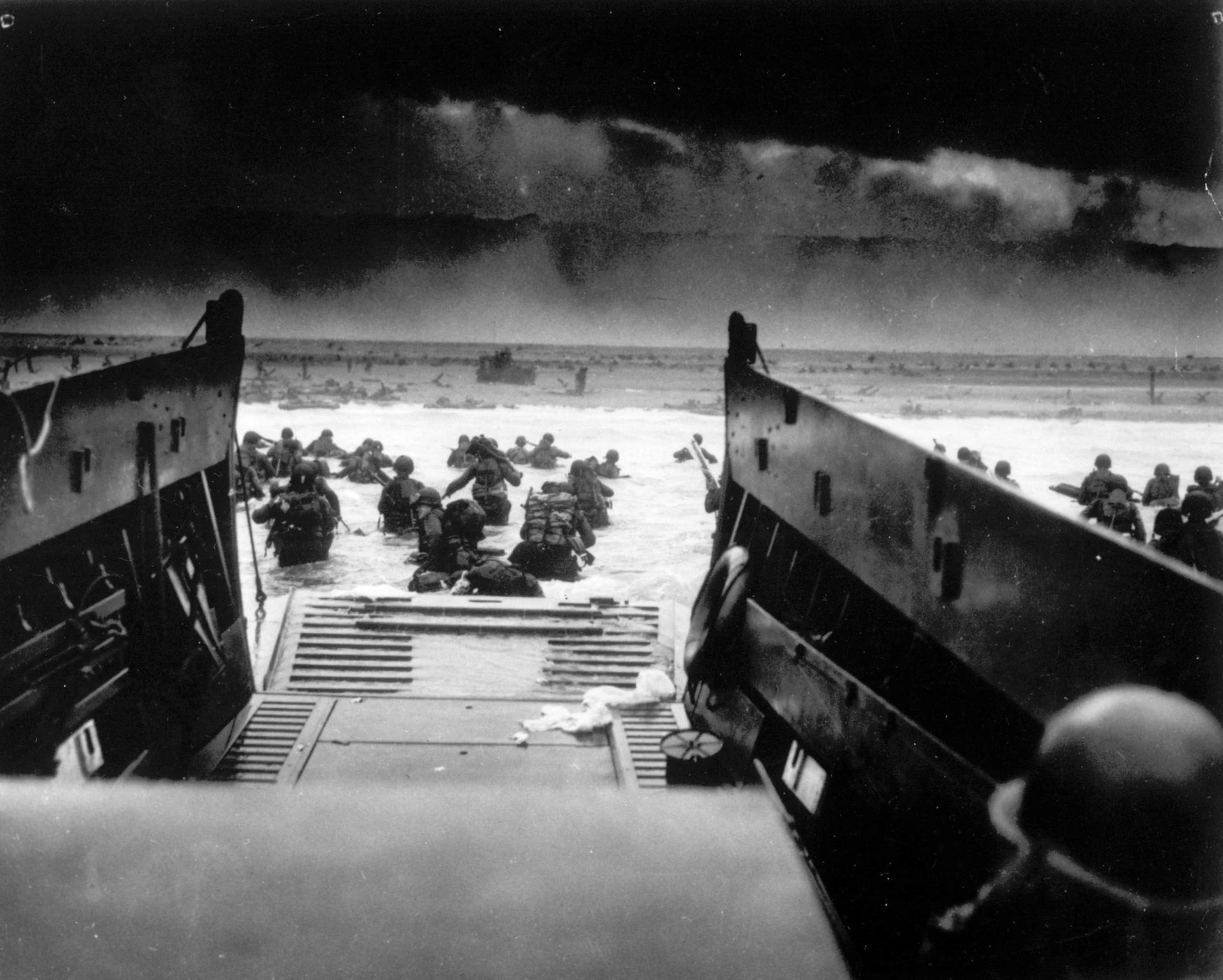
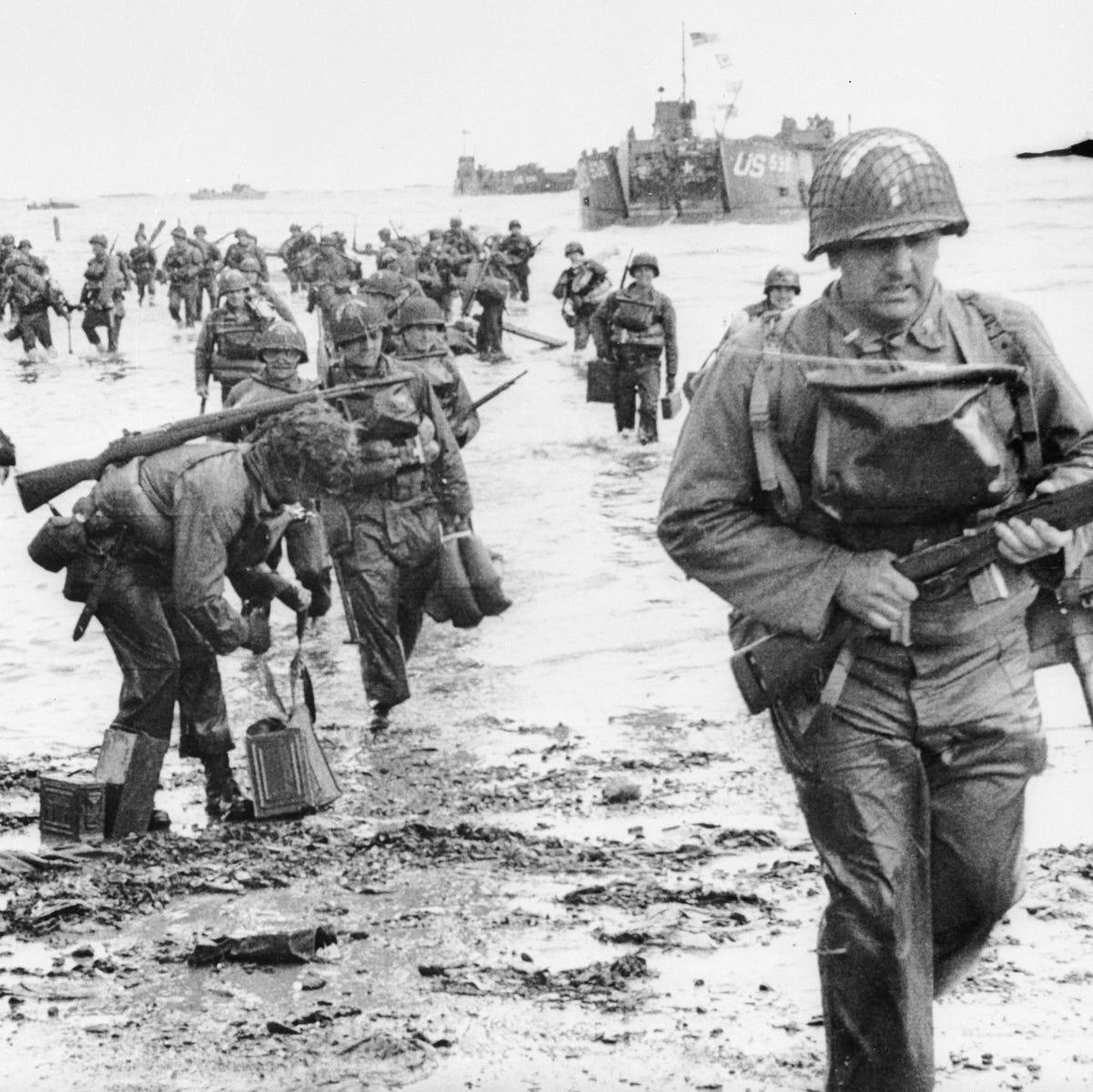
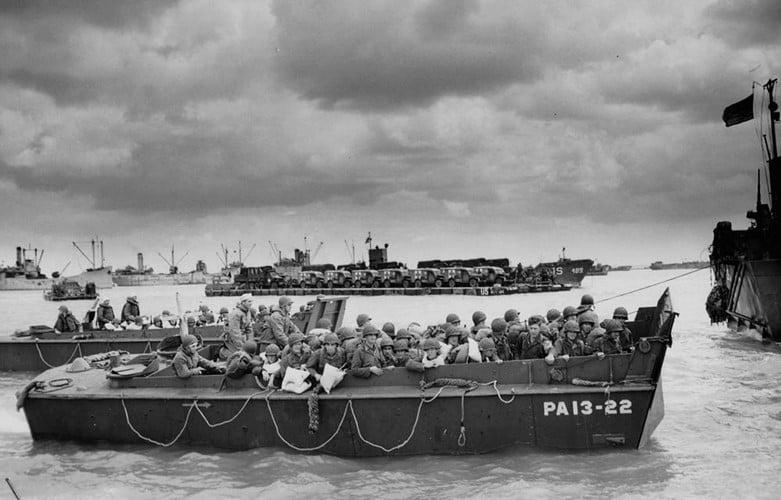
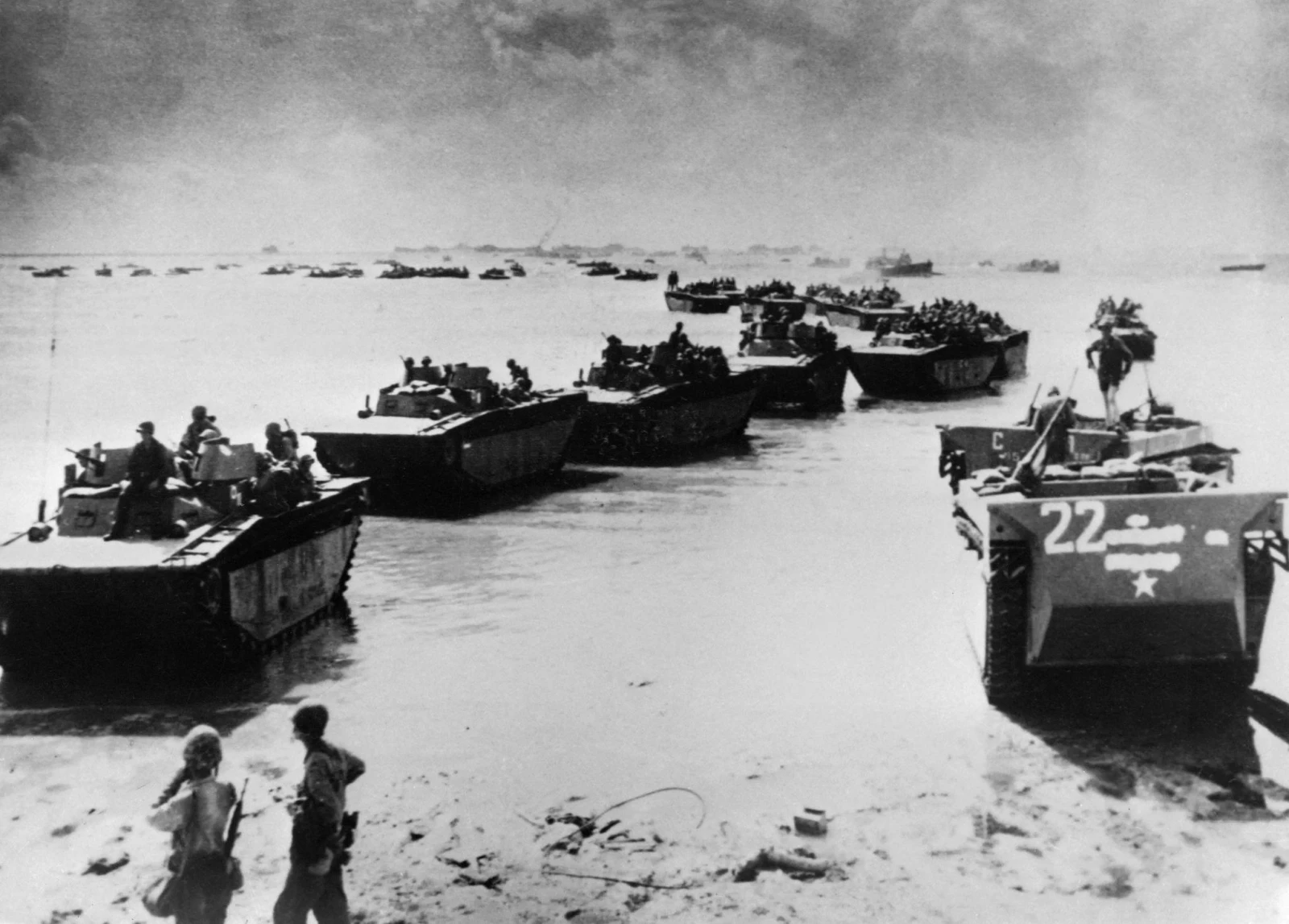
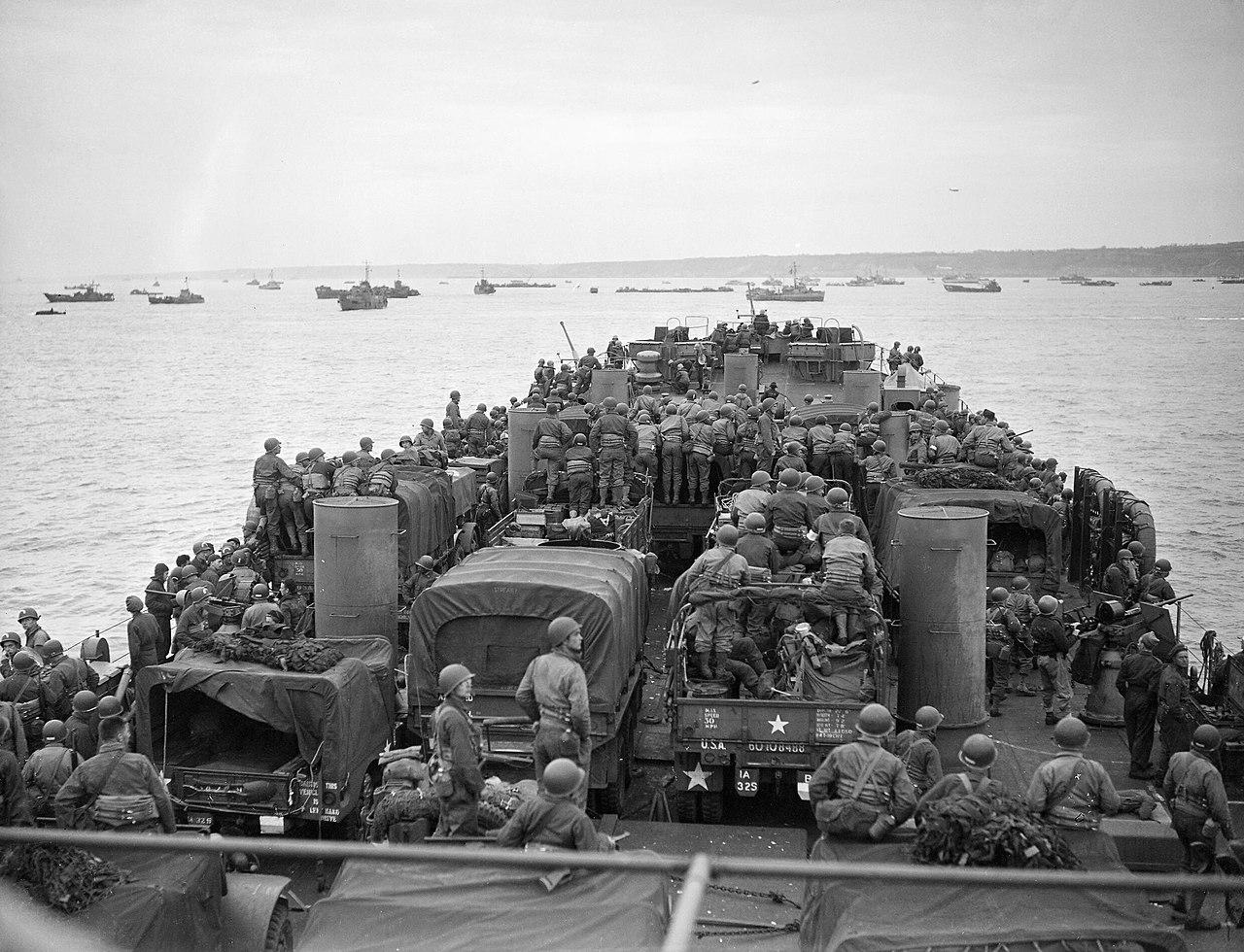
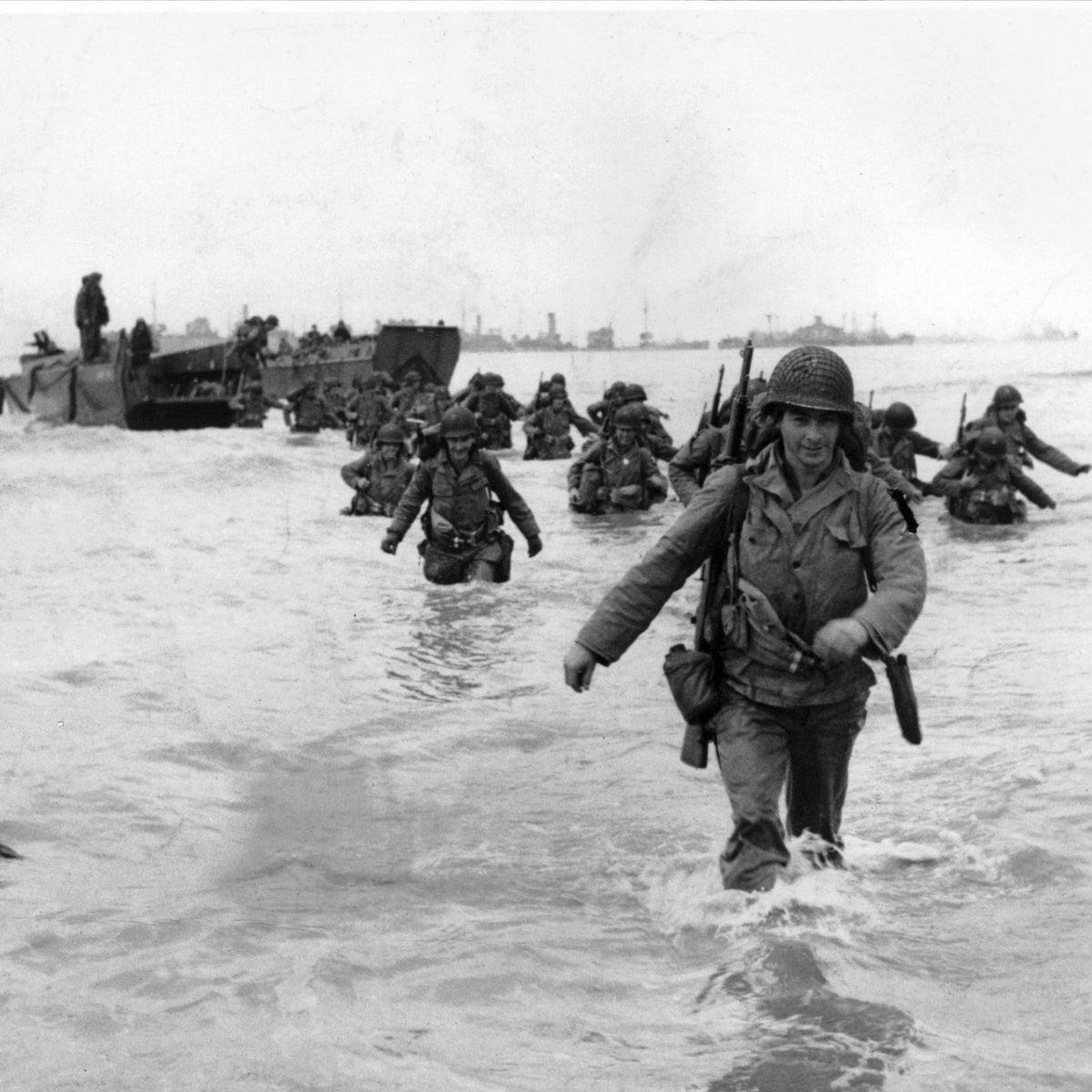
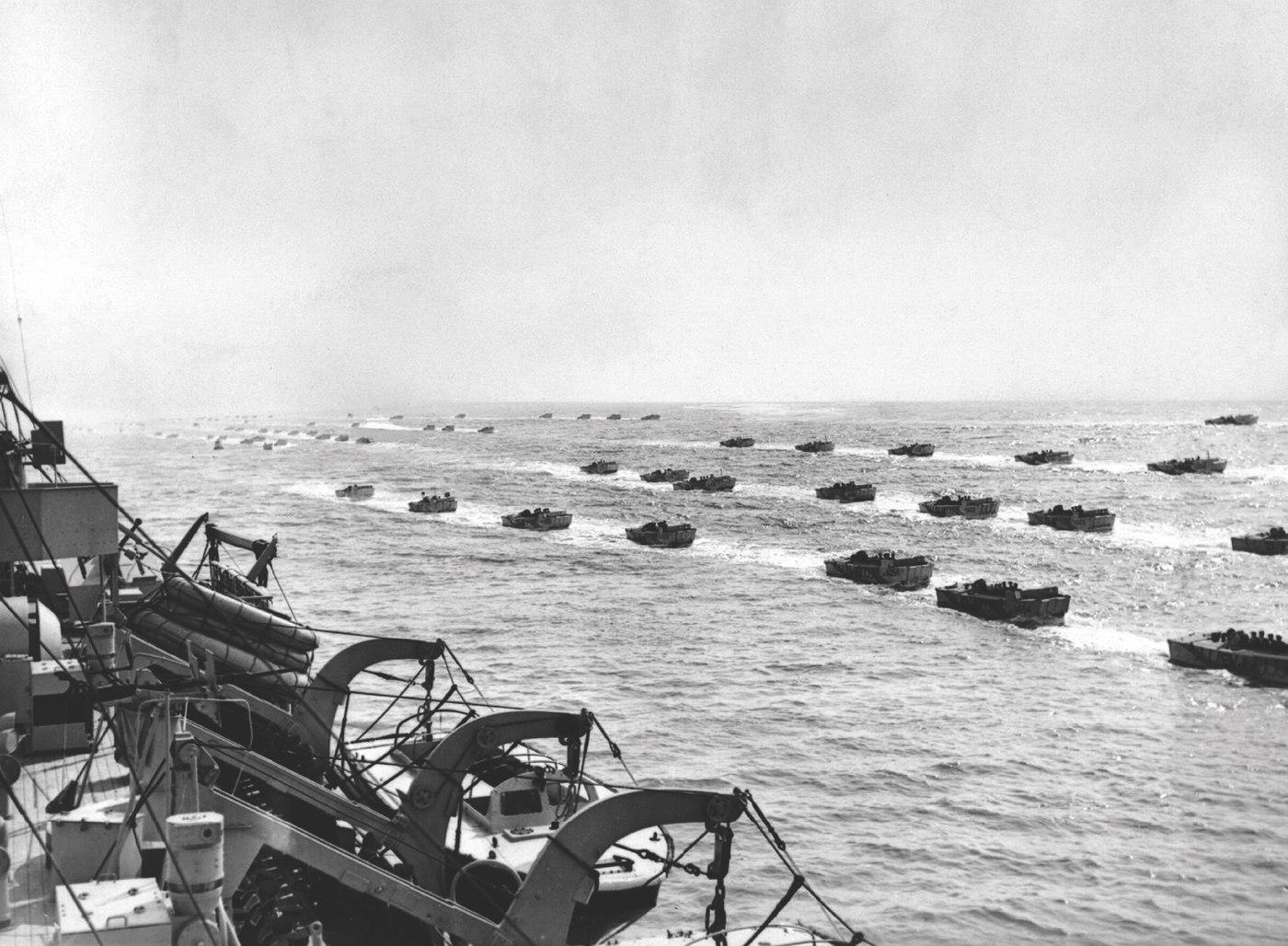
June 6, 1944.
Operation Overlord
began.
Allied forces landed in Normandy.
Five major landing beaches:
Utah
🇺🇸
Omaha
🇺🇸
Gold
🇬🇧
Juno
🇨🇦
Sword
🇬🇧
The invasion opened the long-awaited Western Front against Germany.
More than 150,000 Allied troops landed in Normandy on D-Day itself.
86. 🪖 D-DAY LANDING EQUIPMENT
The invasion required an enormous fleet of:
- landing craft
- landing ships
- destroyers
- cruisers
- battleships
- aircraft
- gliders
- paratroopers
- tanks
- engineers.
Specialized vehicles included:
DD tanks
Shermans fitted with flotation equipment.
Churchill AVRE
Engineers' armored vehicle.
Sherman "Rhino"
Modified with devices designed to break through Normandy hedgerows.
87. 🪂 AIRBORNE INVASION
Before and during the landings, Allied airborne forces landed behind German lines.
American airborne:
82nd Airborne
101st Airborne
British airborne:
6th Airborne
They seized bridges, roads, artillery positions, and other strategic points.
88. 🇫🇷 LIBERATION OF PARIS
Paris was liberated in:
August 1944.
German forces withdrew.
The Allies continued toward Germany.
89. ⚔️ OPERATION BAGRATION
While the Western Allies were advancing...
The Soviet Union launched one of the largest offensives of the war:
Operation Bagration
June–August 1944.
It destroyed much of Germany's:
Army Group Centre.
The Soviet advance became enormous.
90. 🦅 BATTLE OF THE BULGE
December 1944.
Germany launched its final major offensive in the West.
The target was the Allied front in:
Belgium and Luxembourg.
German forces initially achieved surprise.
The attack created a huge bulge in the Allied lines.
Hence:
Battle of the Bulge.
The offensive failed.
91. 🇩🇪 THE FINAL BATTLE FOR GERMANY
By 1945:
The Western Allies were approaching from the west.
The Soviets were approaching from the east.
Germany was collapsing.
Cities were devastated.
Fuel was desperately scarce.
The Luftwaffe had been largely defeated as an effective strategic force.
German industry was being heavily bombed.
92. 🏙️ BATTLE OF BERLIN
April 1945.
The Soviet Army surrounded Berlin.
Fighting occurred:
- in suburbs
- on streets
- inside government buildings
- in apartment blocks
- underground
- around rail stations.
Soviet troops reached the Reichstag.
93. ☠️ HITLER DIES
April 30, 1945.
Adolf Hitler committed suicide in his Berlin bunker.
Germany surrendered soon afterward.
94. 🇩🇪 GERMANY SURRENDERS
Germany surrendered unconditionally in May 1945.
The European war was over.
95. ☢️ THE ATOMIC BOMBS
But Japan was still fighting.
The United States had developed:
The Manhattan Project
The first nuclear weapon was successfully tested at:
Trinity
July 16, 1945.
Then:
August 6, 1945
The United States dropped an atomic bomb on:
Hiroshima.
And:
August 9
another atomic bomb was dropped on:
Nagasaki.
96. 🇷🇺 THE SOVIET UNION ENTERS THE WAR AGAINST JAPAN
On August 8, 1945, the Soviet Union declared war on Japan and invaded Japanese-held Manchuria.
Soviet forces rapidly destroyed much of the Japanese Kwantung Army's ability to resist.
Japan agreed to surrender on:
August 14, 1945.
The formal surrender ceremony occurred aboard:
USS Missouri
on:
September 2, 1945.
WWII was over. (Holocaust Encyclopedia)
97. 🪖 WORLD WAR II UNIFORMS
Now for the uniforms.
This is where WWII becomes especially visually distinctive.
🇩🇪 GERMAN INFANTRY
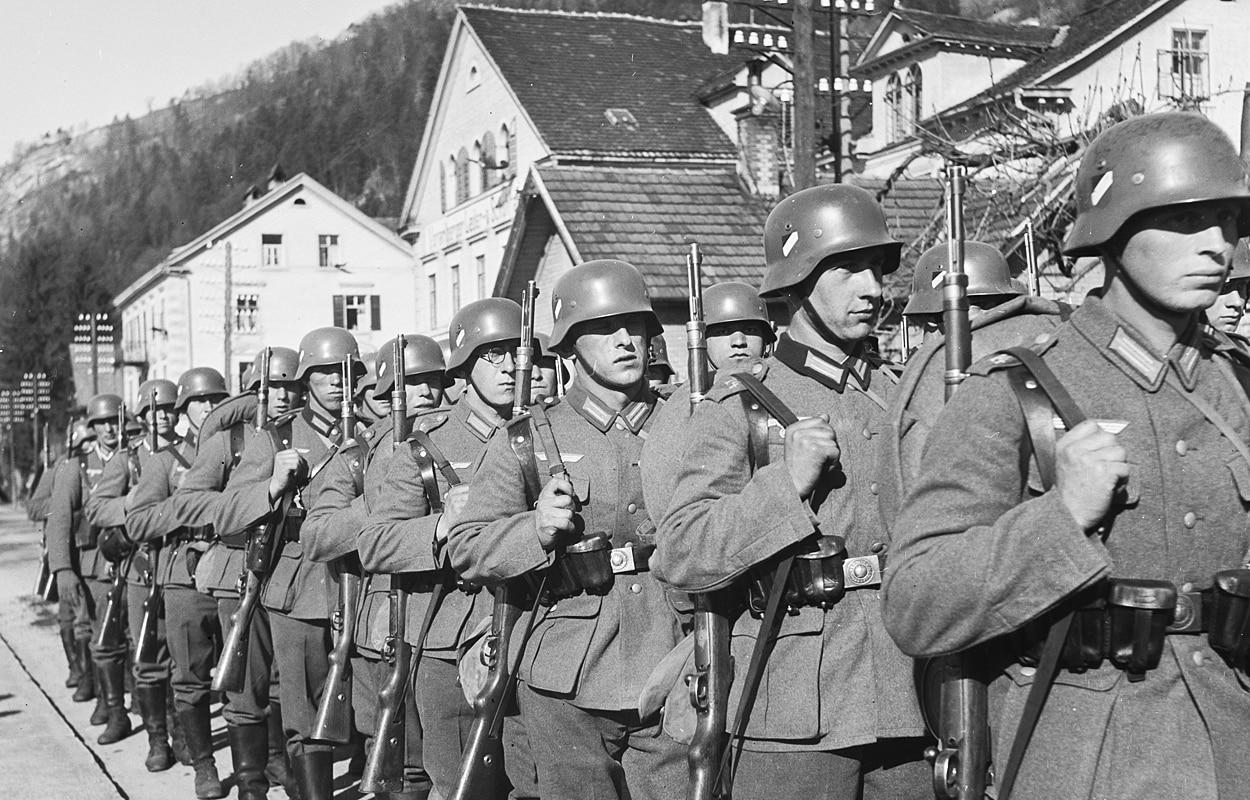

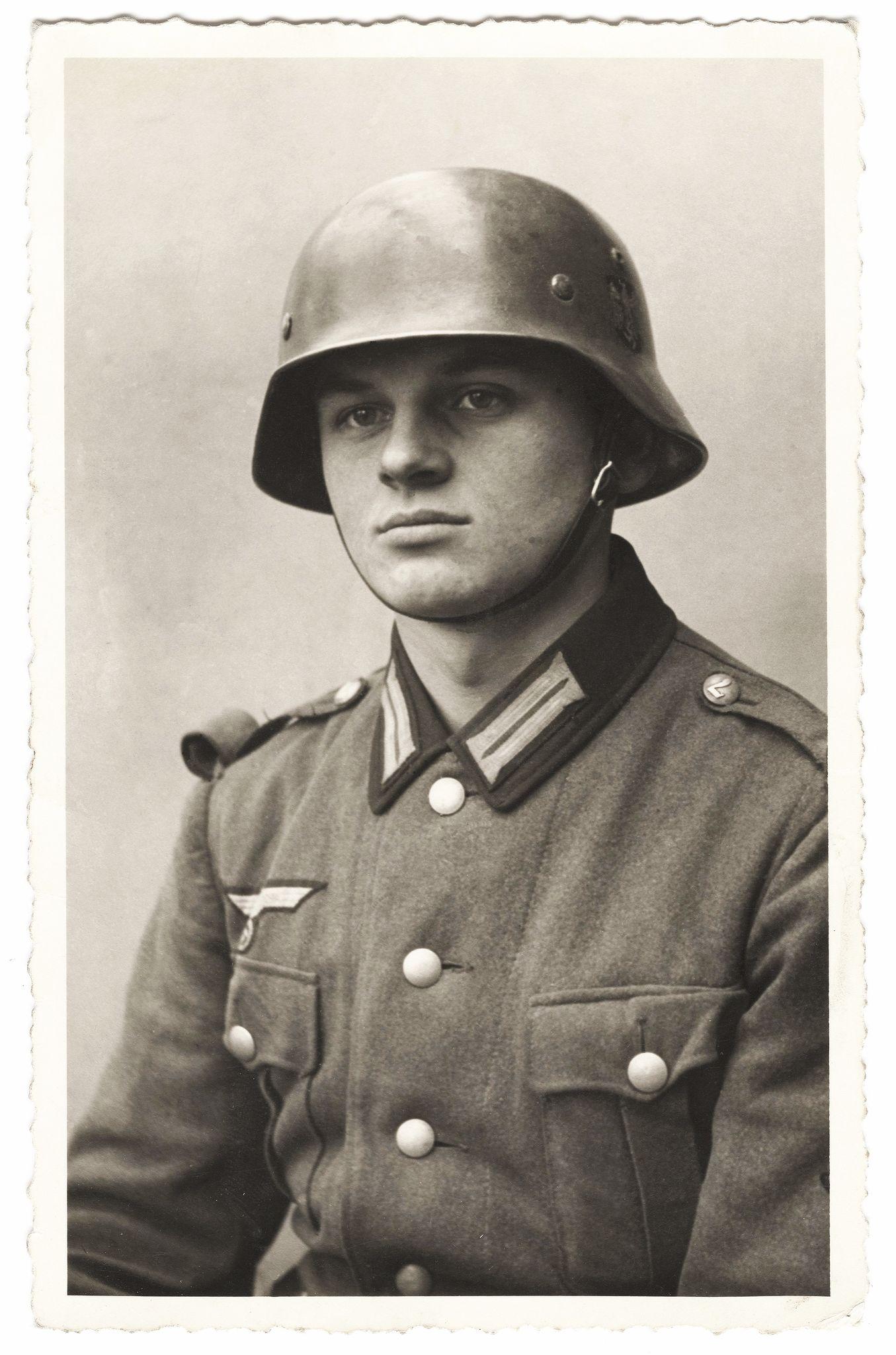

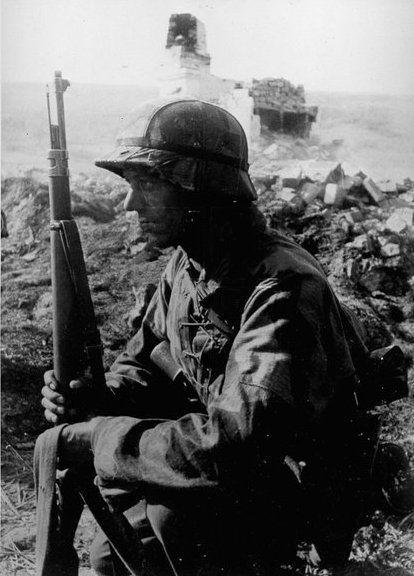
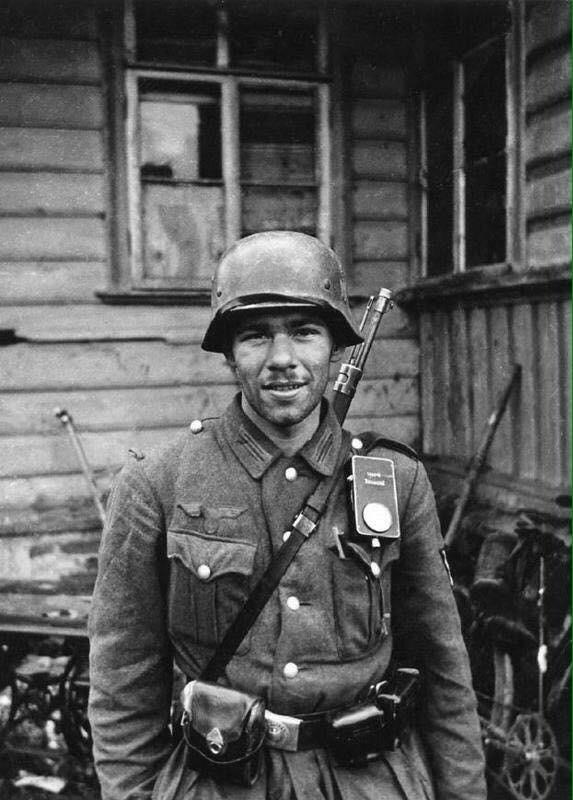
The standard German Army was the:
Heer
Typical equipment included:
Feldgrau tunic
Gray-green field uniform.
Stahlhelm
Steel helmet derived from the WWI design.
Jackboots / marching boots
Later, ankle boots with gaiters became increasingly common.
Y-straps
Leather equipment harness.
Bread bag
Carried personal supplies.
Canteen
Water container.
Entrenching tool
For digging.
Ammunition pouches
For rifle ammunition.
Karabiner 98k
Standard German infantry rifle.
🇩🇪 SS UNIFORMS
The:
Waffen-SS
were militarized SS formations.
Their uniforms changed considerably during the war.
They used distinctive insignia and camouflage patterns.
Important distinction:
Waffen-SS formations were military units, but they were part of the SS system, whose organizations were deeply involved in Nazi persecution, mass murder, and the Holocaust.
🇬🇧 BRITISH INFANTRY

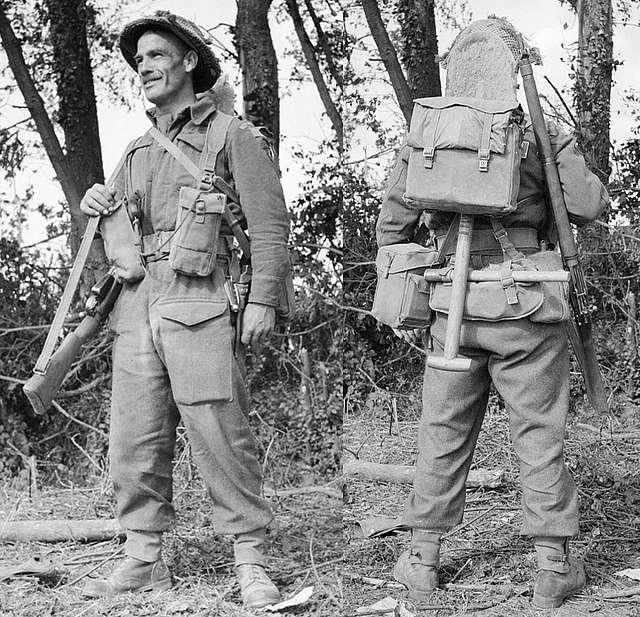
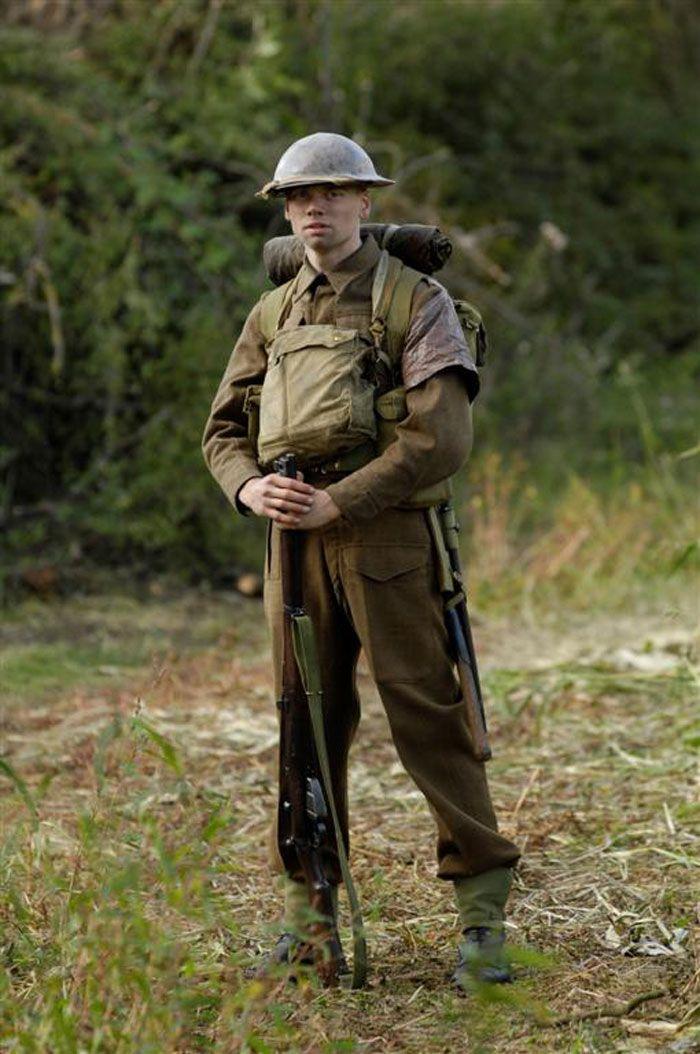
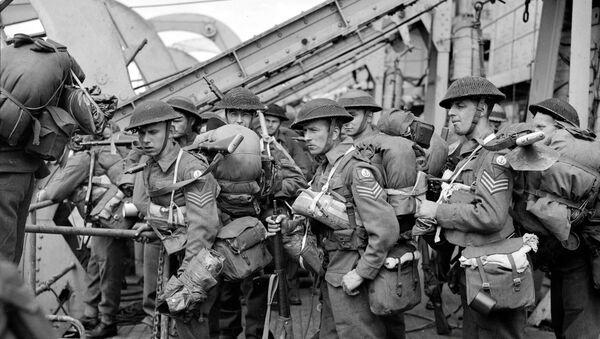
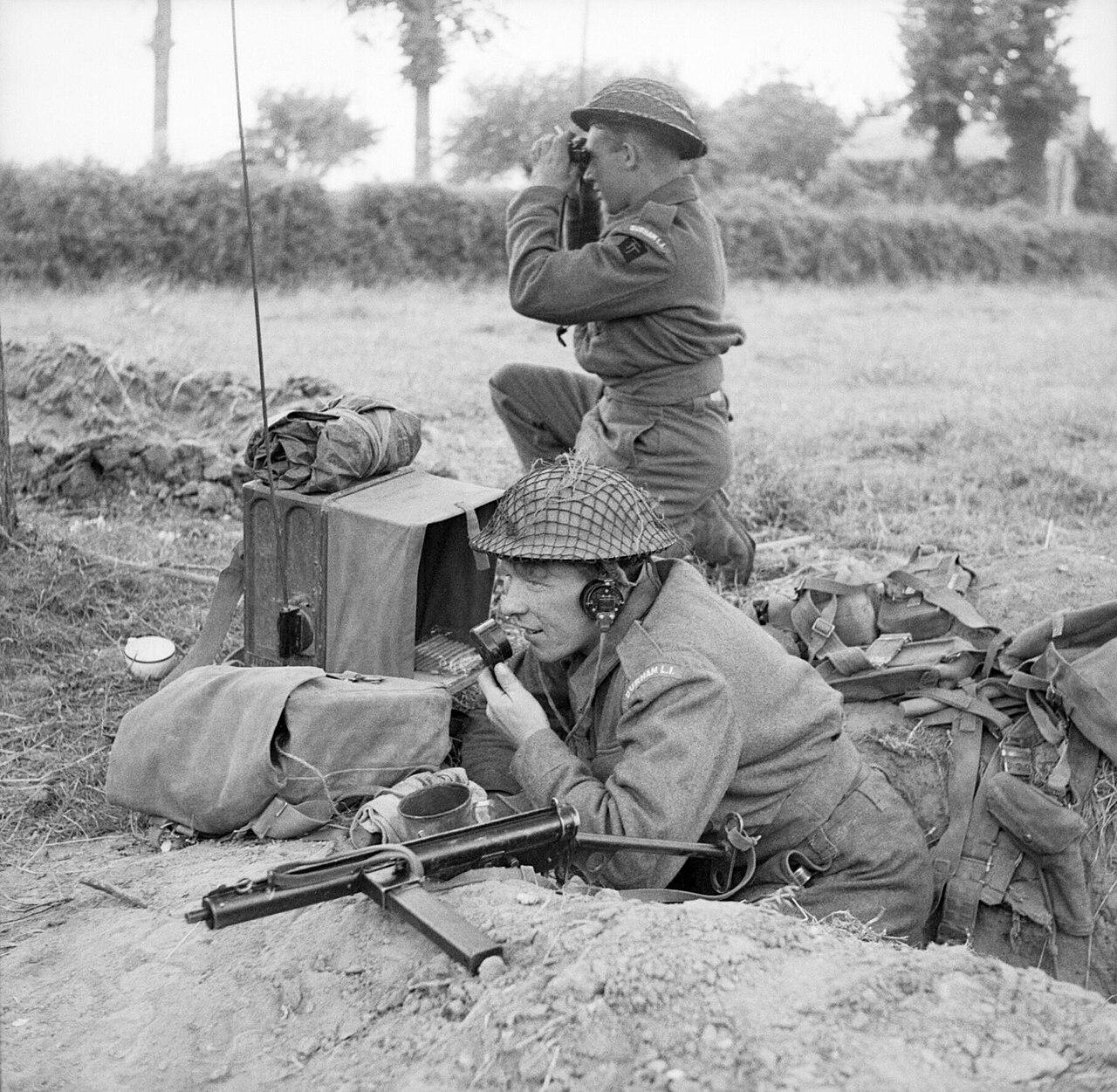
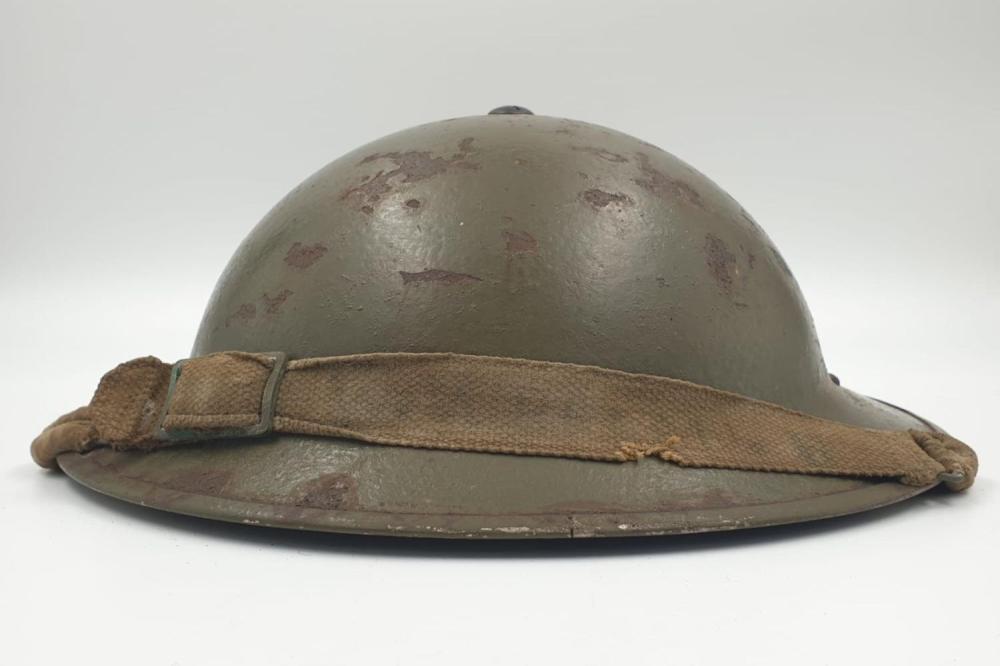
British soldiers generally wore:
- battledress uniform
- wool trousers
- ankle boots
- gaiters
- Brodie helmet
- web equipment.
Their standard rifle:
Lee-Enfield No.4
was an evolution of the WWI rifle.
British equipment was designed heavily around the:
1937 Pattern webbing
🇺🇸 AMERICAN INFANTRY
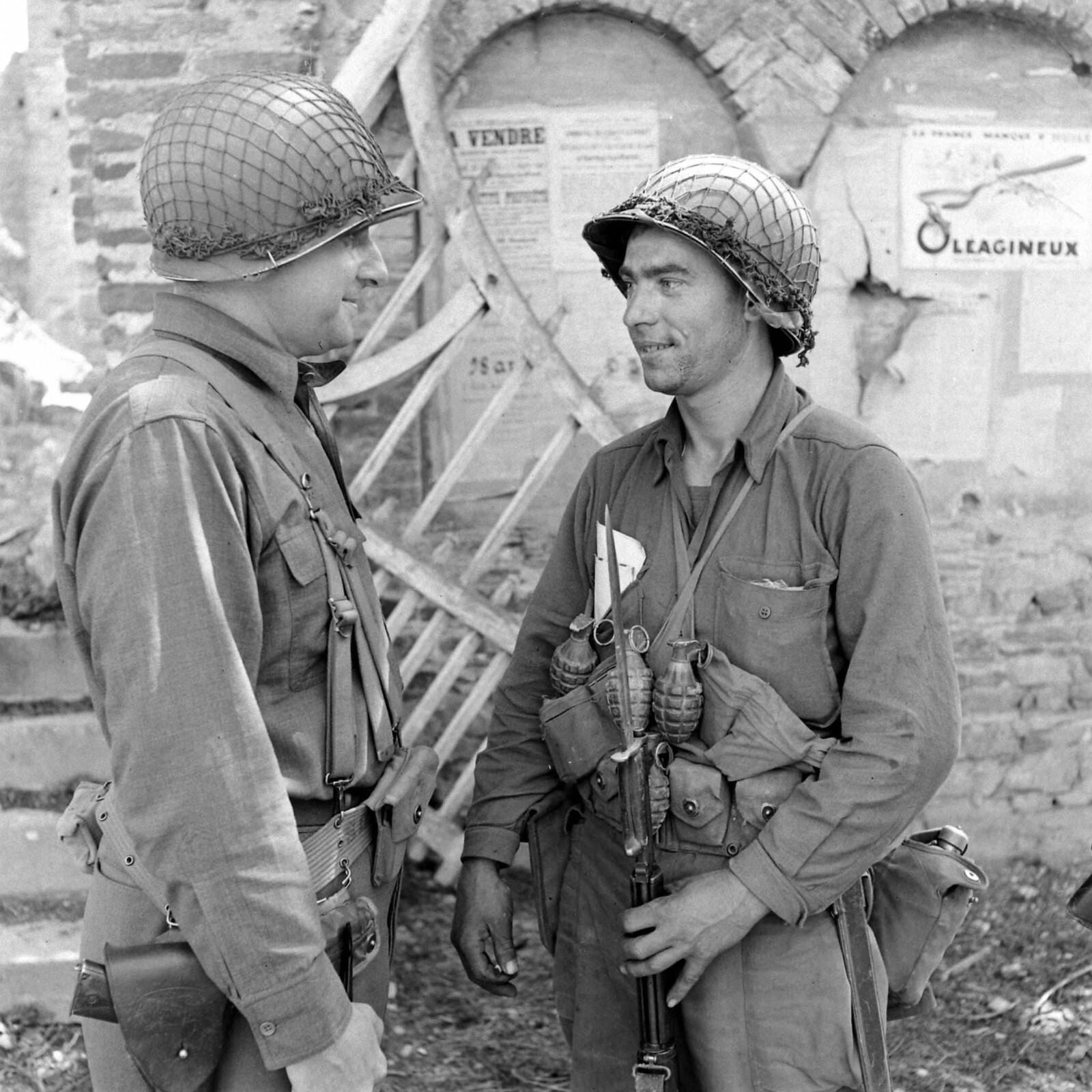
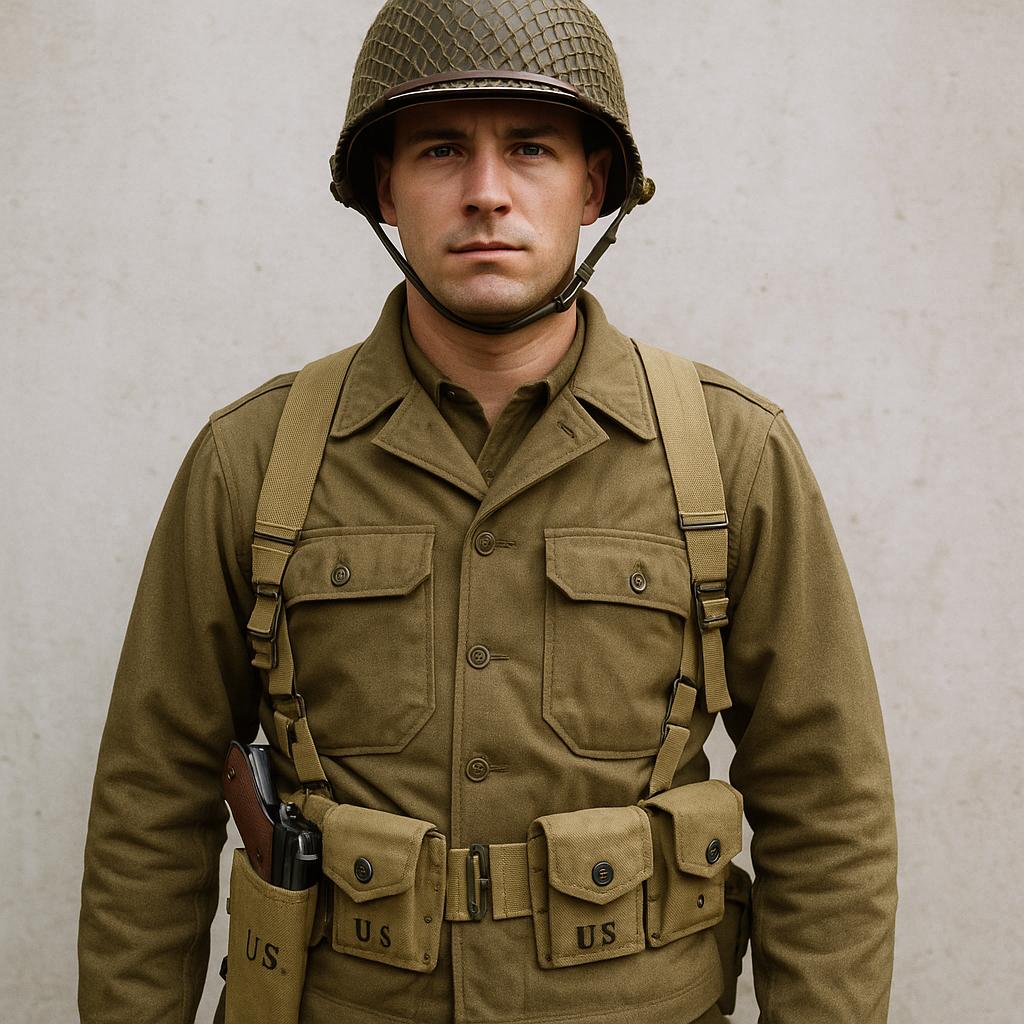
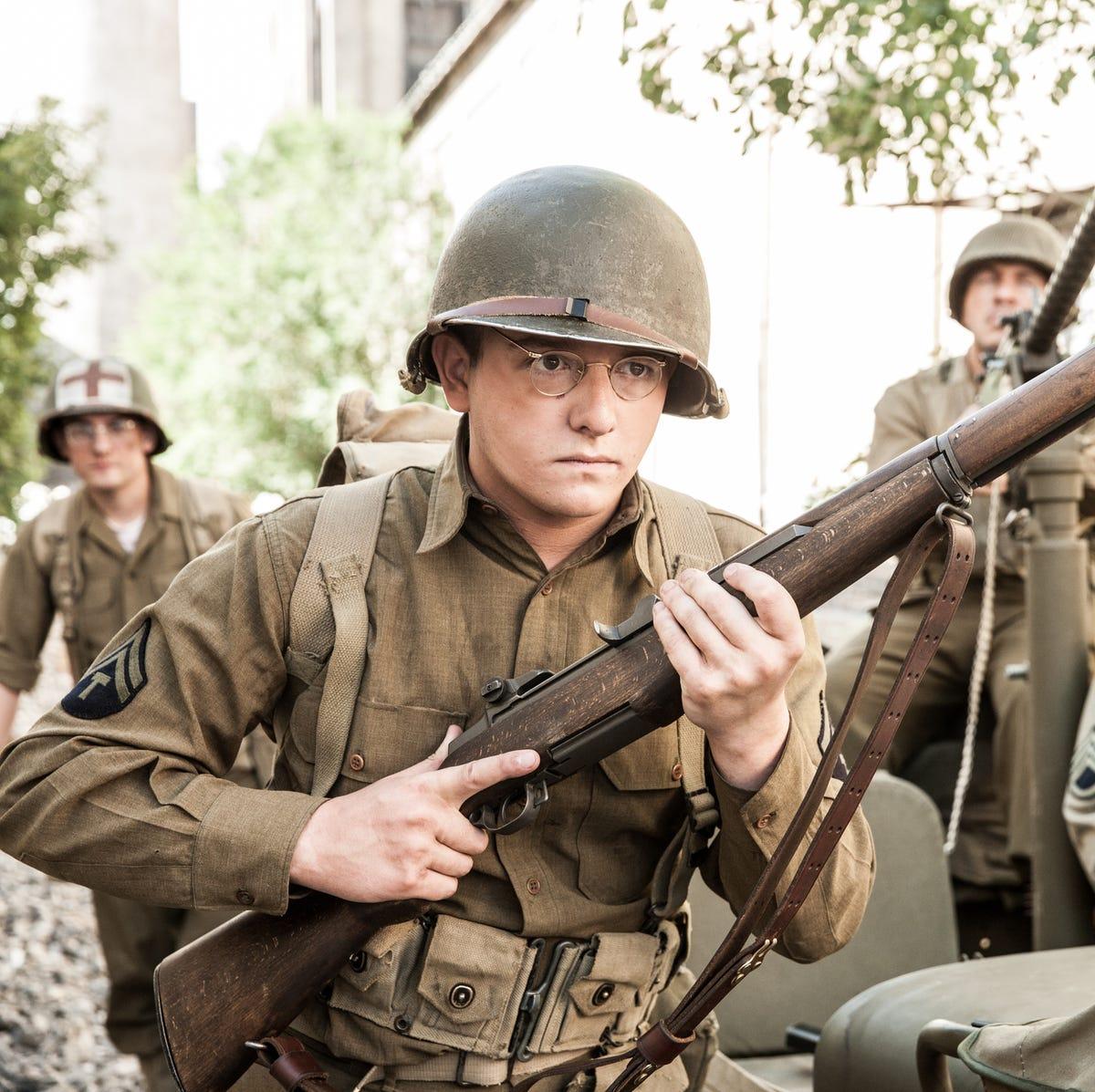
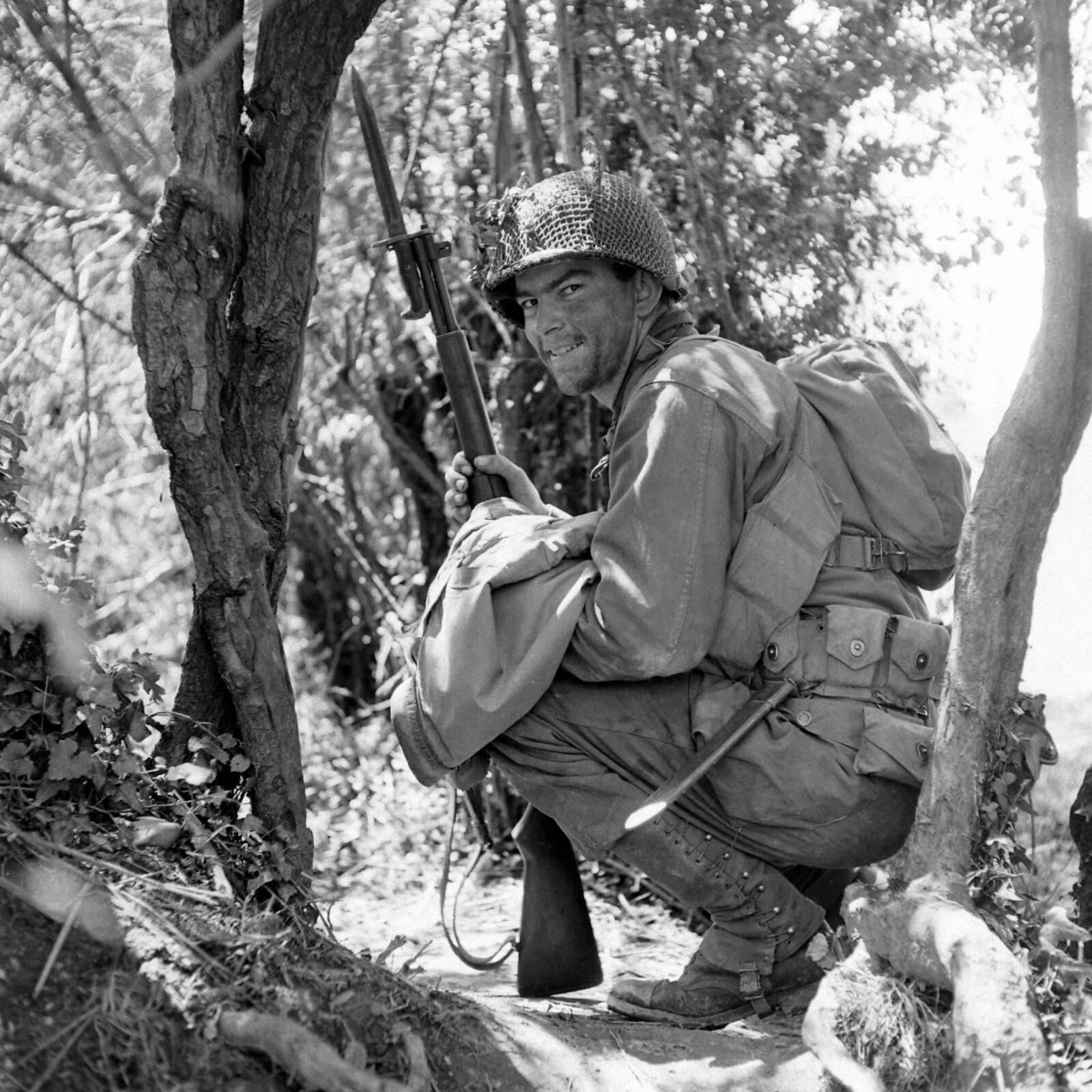
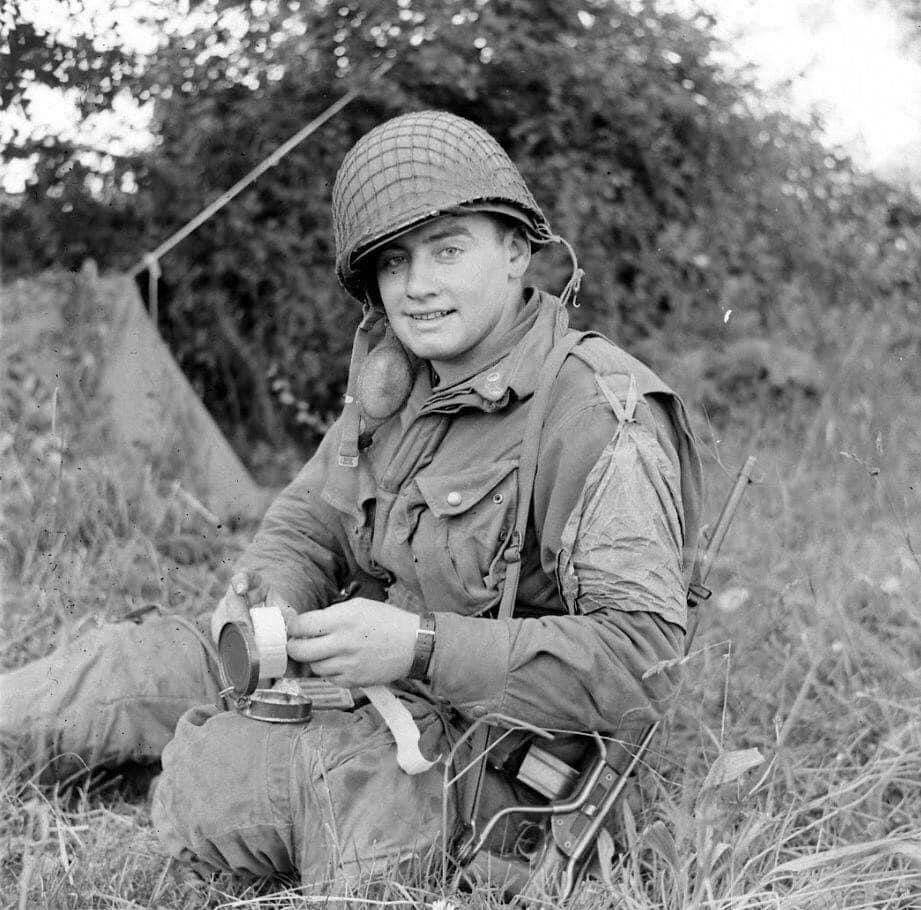
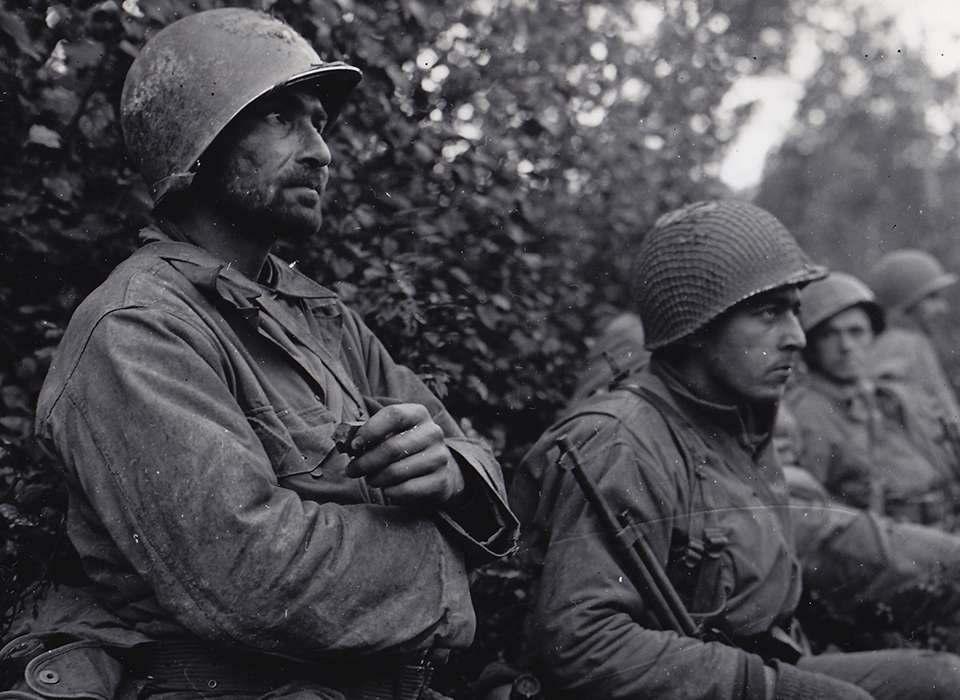

The iconic American:
G.I.
wore:
- olive drab uniform
- M1 helmet
- M1941 field jacket
- leggings
- leather boots
- cartridge belt
- backpack
- canteen
- entrenching tool.
Standard rifle:
M1 Garand
A semi-automatic rifle.
This gave American infantry a very high rate of practical fire compared with many bolt-action rifles.
🇷🇺 SOVIET INFANTRY
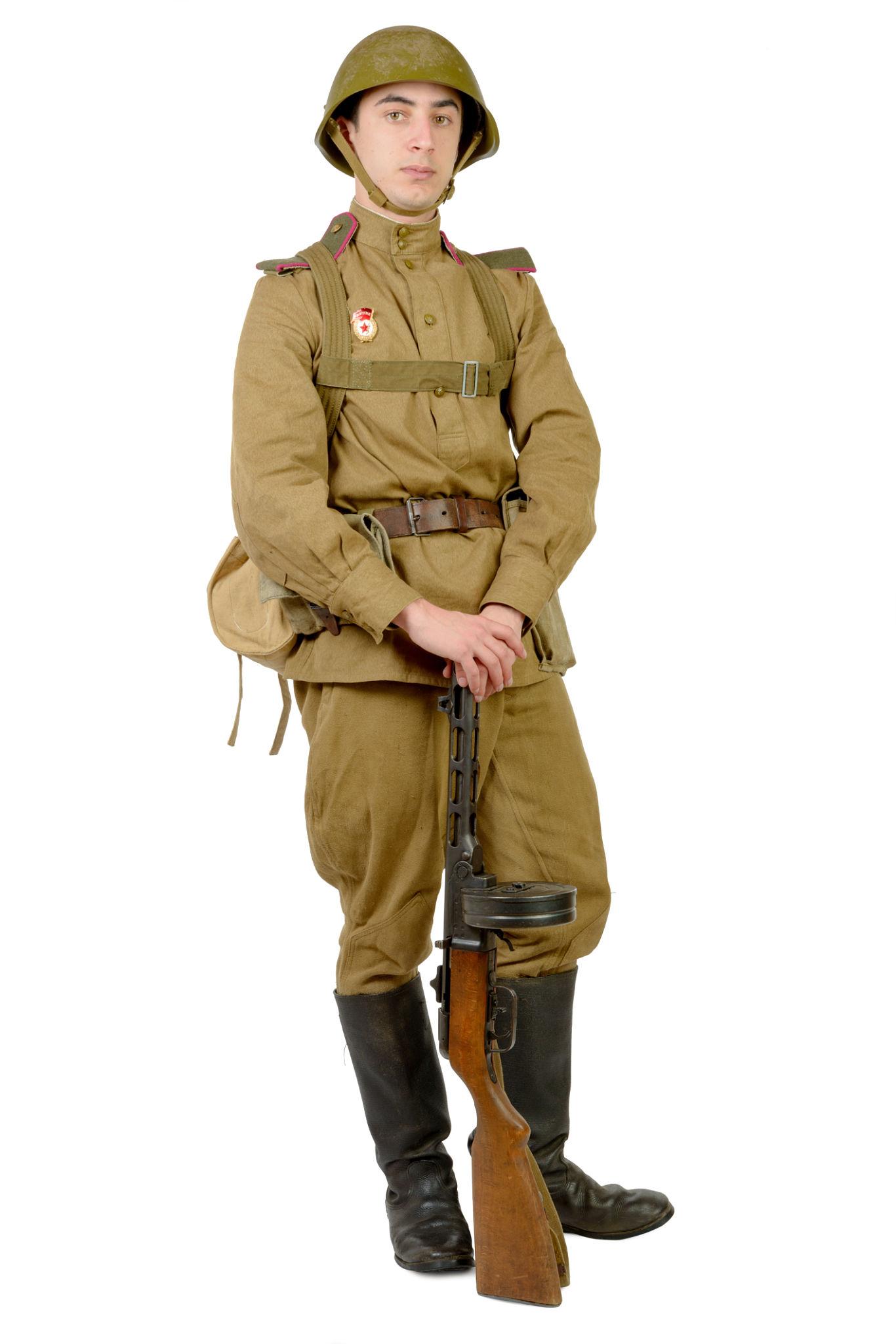
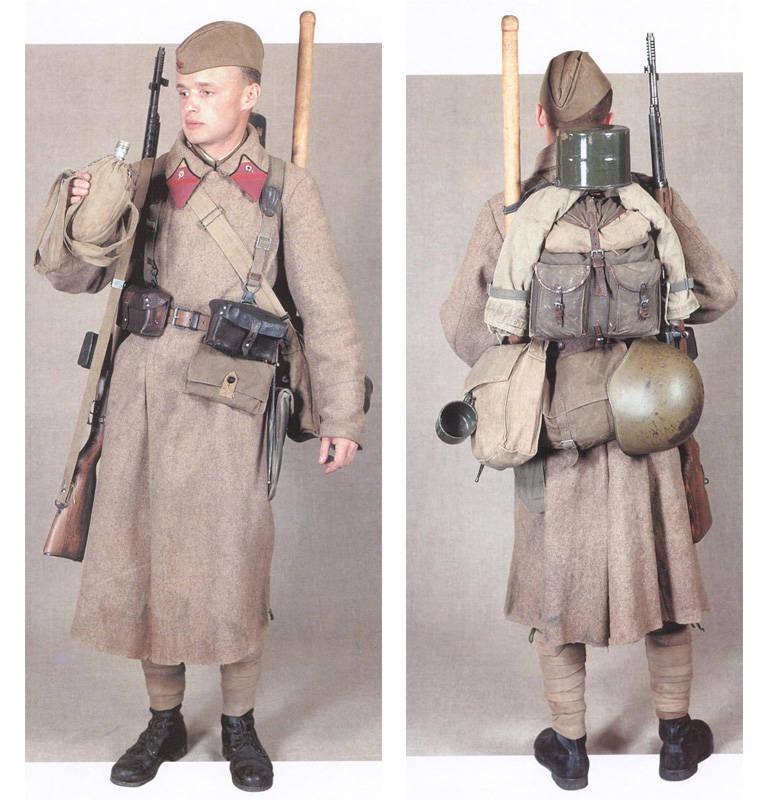
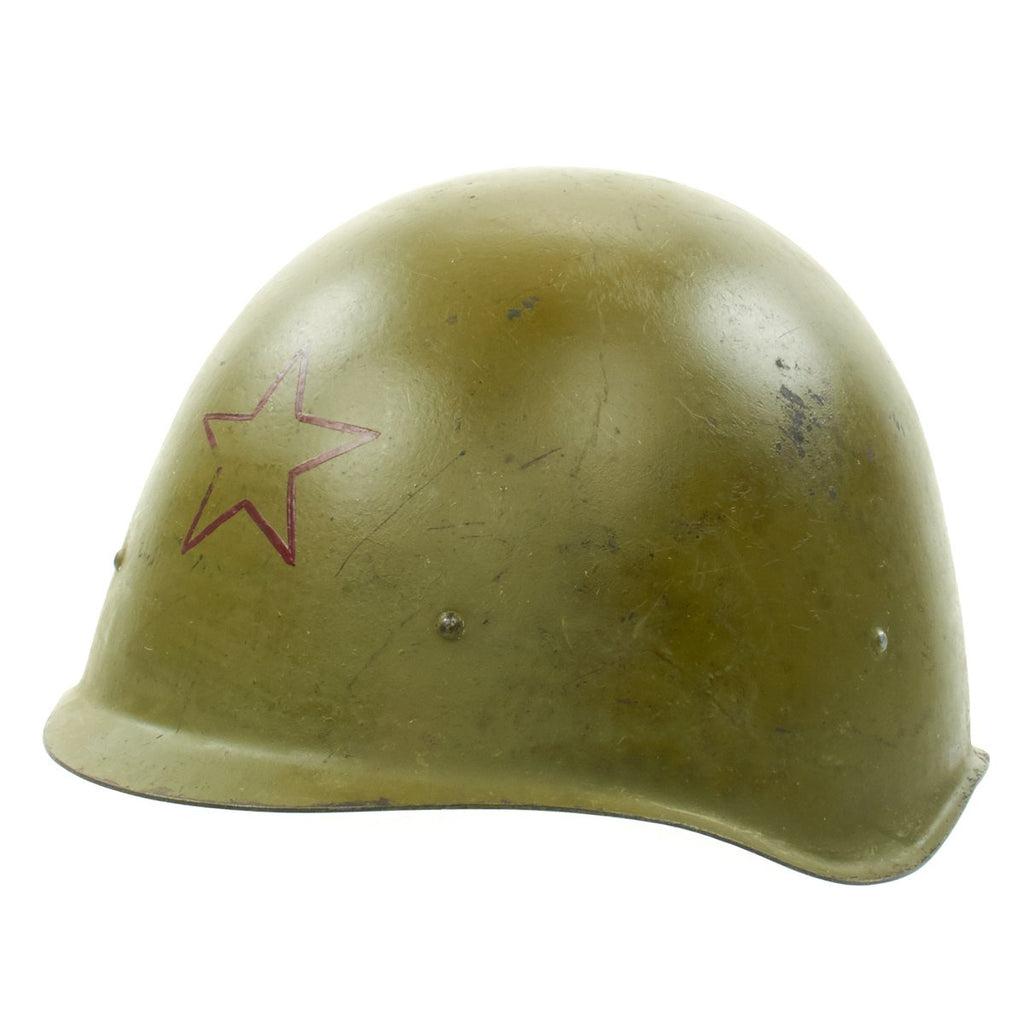
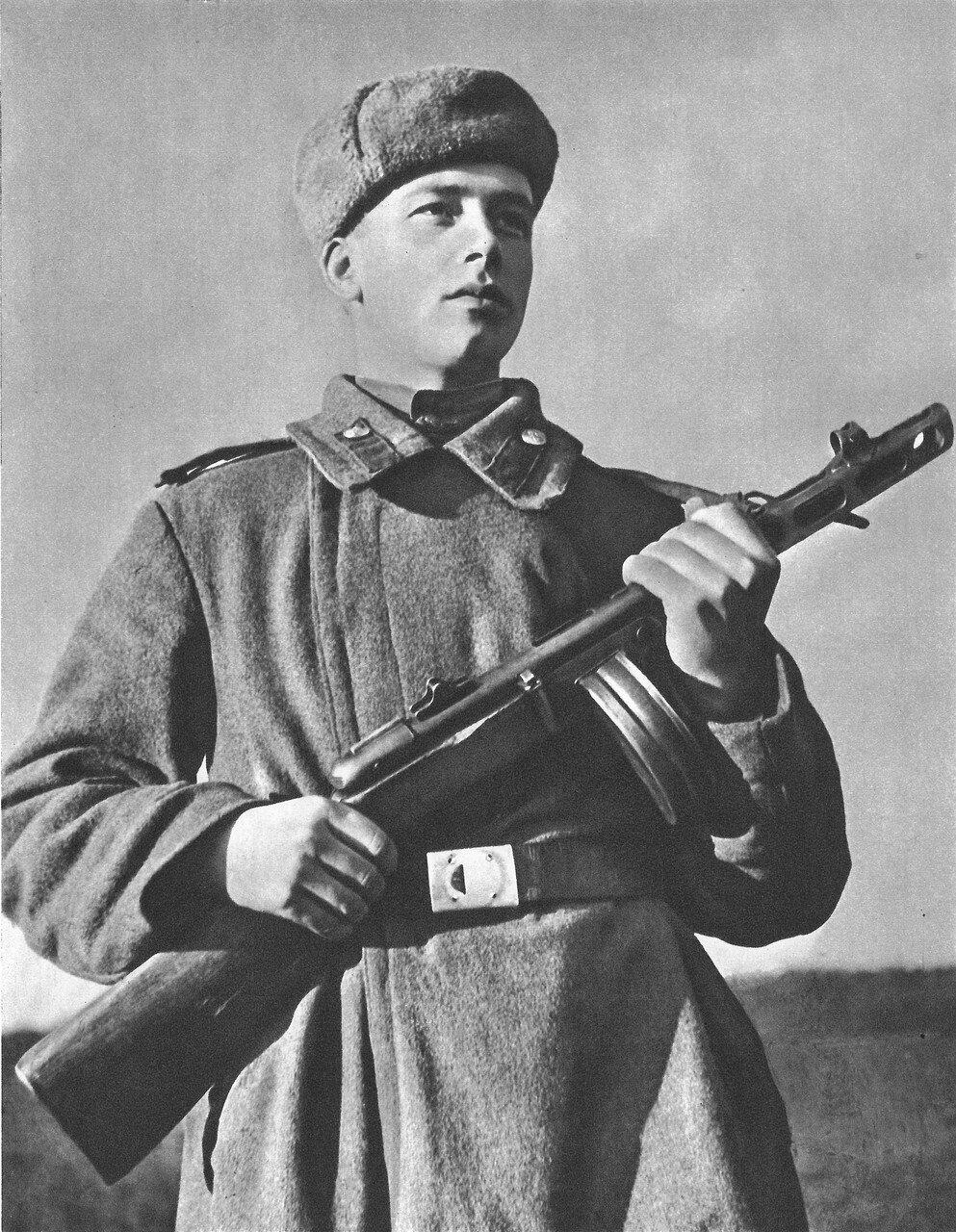
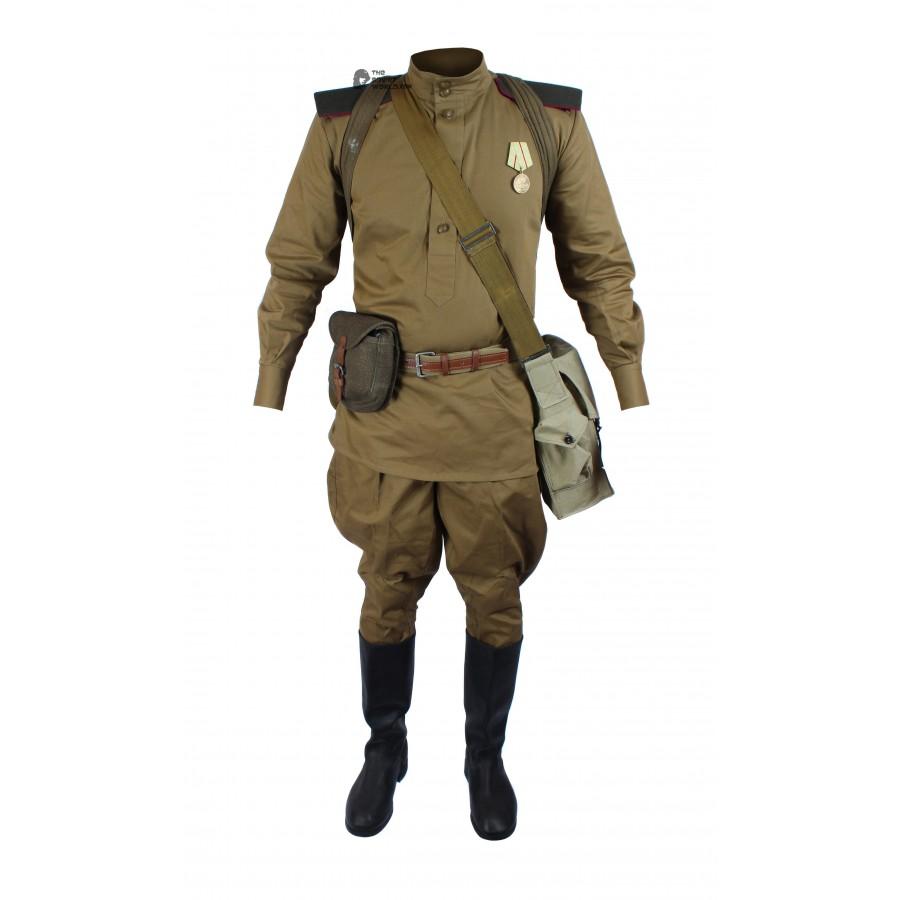
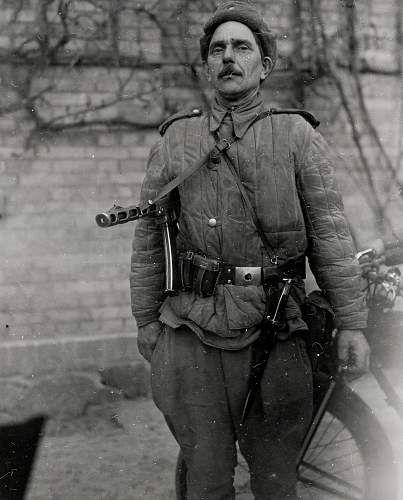
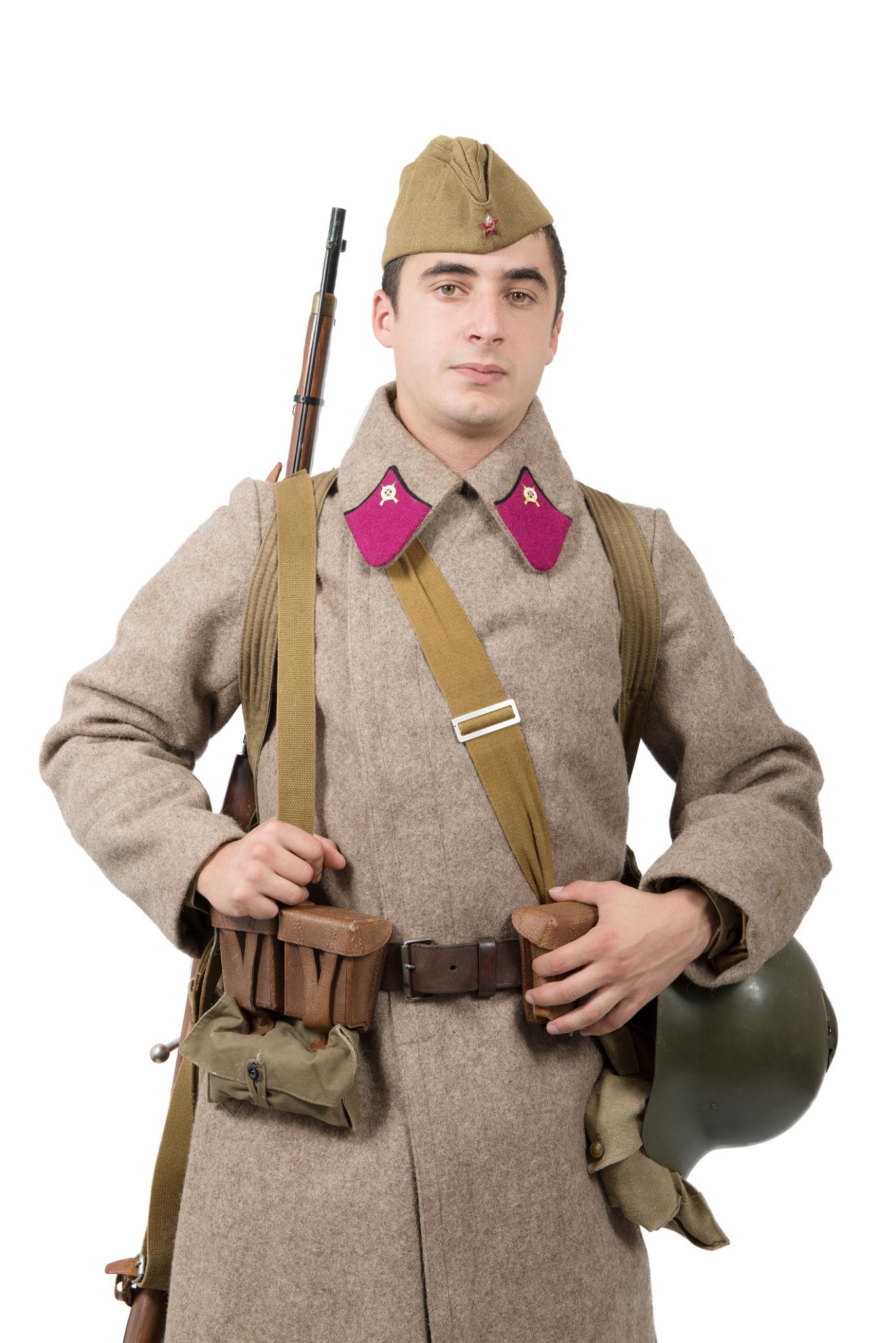
Soviet soldiers wore:
- olive/khaki uniforms
- greatcoats
- boots
- helmets
- equipment belts.
The standard rifle was:
Mosin-Nagant
But the Soviets also made extensive use of:
PPSh-41
submachine gun.
🇫🇷 FRENCH SOLDIERS
French uniforms varied significantly between:
1939 French Army
and later:
Free French Forces.
Free French troops increasingly received British and American equipment.
🇮🇹 ITALIAN SOLDIERS
Italian uniforms commonly included:
- gray-green uniforms
- helmets
- leather boots
- ammunition pouches
- packs.
Special troops such as:
Bersaglieri
had distinctive feathered helmets.
🇯🇵 JAPANESE INFANTRY
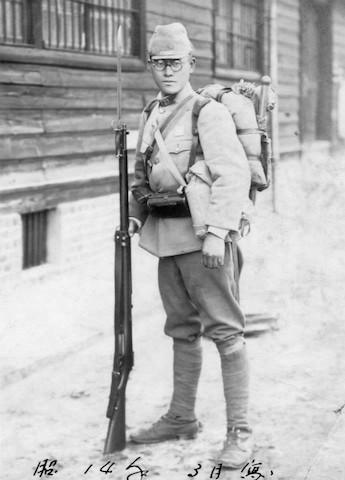
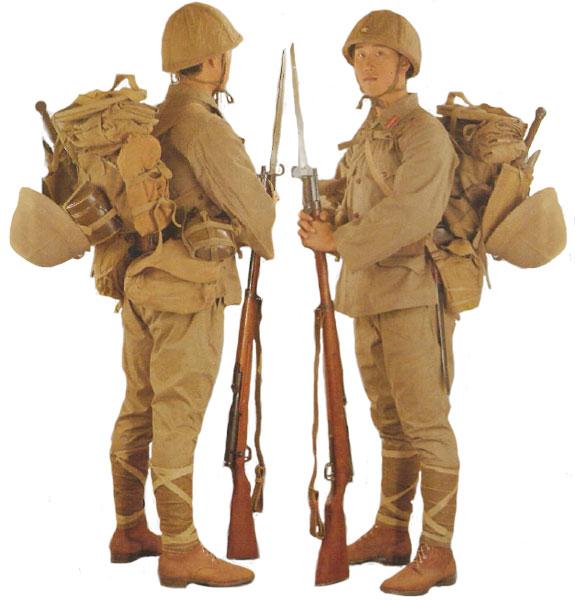
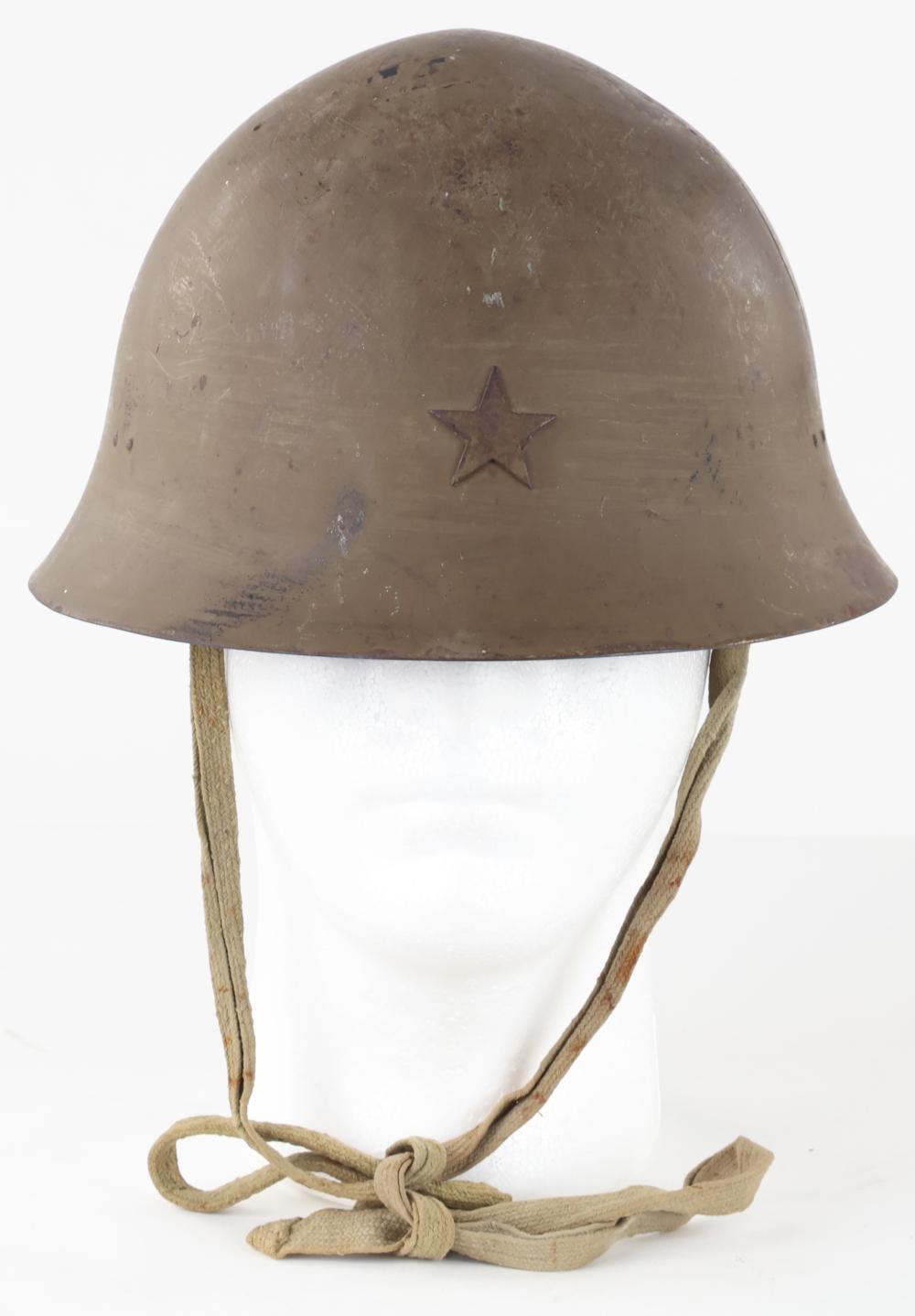
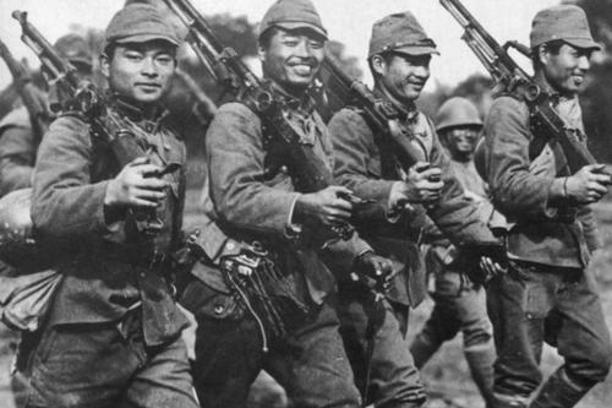


Japanese infantry generally wore:
- khaki uniforms
- field caps
- helmets
- puttees
- boots
- equipment belts.
Standard rifle:
Arisaka Type 99
Earlier troops also used:
Type 38
🇵🇱 POLISH SOLDIERS
Poland's 1939 Army wore distinctive uniforms influenced by earlier Polish military traditions.
After Poland was conquered, Polish forces continued fighting alongside the Allies.
Polish forces served in:
- Britain
- North Africa
- Italy
- Normandy
- the Soviet-backed Polish Army.
98. 🔫 MAJOR WWII INFANTRY WEAPONS
🇺🇸 M1 GARAND
Semi-automatic rifle.
8-round en-bloc clip.
🇩🇪 KAR98K
Bolt-action rifle.
5-round internal magazine.
🇷🇺 MOSIN-NAGANT
Bolt-action rifle.
Extremely widespread.
🇬🇧 LEE-ENFIELD
Bolt-action rifle.
10-round magazine.
Its fast bolt action made it particularly effective in trained hands.
🇯🇵 ARISAKA
Japanese bolt-action rifle family.
99. 🔫 SUBMACHINE GUNS
WWII saw SMGs become extremely important.
🇩🇪 MP40
German submachine gun.
🇺🇸 Thompson
American .45-caliber SMG.
🇺🇸 M3 "Grease Gun"
Cheap and simple American SMG.
🇬🇧 Sten
Extremely simple British SMG.
🇷🇺 PPSh-41
One of the most famous Soviet SMGs.
It used a large-capacity drum magazine or box magazine.
100. 🔥 ASSAULT RIFLES
Late in the war Germany developed:
StG 44
The:
Sturmgewehr 44
used an intermediate cartridge.
It combined characteristics of a rifle and submachine gun.
It heavily influenced the postwar concept of the assault rifle.
101. 💥 MACHINE GUNS
🇩🇪 MG34
Highly versatile.
🇩🇪 MG42
Famous for its extremely high rate of fire.
It could fire roughly:
1,200 rounds/minute
depending on ammunition and conditions.
🇺🇸 Browning M1919
American medium machine gun.
🇬🇧 Bren
Excellent British light machine gun.
🇷🇺 DP-28
Soviet light machine gun.
102. 💣 ARTILLERY
WWII artillery became even more powerful than WWI artillery.
Important weapons included:
🇺🇸 M2 105 mm howitzer
🇩🇪 88 mm
Originally an anti-aircraft weapon but famously effective as an anti-tank gun.
🇷🇺 152 mm artillery
🇬🇧 25-pounder
One of Britain's most important artillery pieces.
103. 🚀 KATYUSHA
The Soviet:
Katyusha
was a multiple rocket launcher.
Instead of firing one artillery shell at a time, it could launch a salvo of rockets.
The Germans nicknamed it:
"Stalin's Organ"
because of the sound of its launch rails and rockets.
104. ✈️ RADAR
Radar became enormously important.
Britain used radar to detect incoming German aircraft.
Radar allowed defenders to know:
- where aircraft were
- approximate numbers
- direction
- altitude.
This helped Britain organize its fighter defenses.
105. 🧠 CODEBREAKING
WWII was also a technological intelligence war.
The Allies broke or exploited several Axis communications systems.
The most famous was:
Enigma
Germany's encryption machine.
British codebreakers at:
Bletchley Park
played a major role in deciphering German communications.
106. ⚓ BATTLESHIPS
WWII began with battleships still considered major naval weapons.
Important examples:
🇺🇸 USS Iowa 🇺🇸 USS South Dakota 🇬🇧 HMS King George V 🇬🇧 HMS Prince of Wales 🇩🇪 Bismarck 🇩🇪 Tirpitz 🇯🇵 Yamato 🇯🇵 Musashi
But carrier aircraft increasingly demonstrated that battleships could be destroyed before ever getting close enough to use their main guns.
107. 🇩🇪 BISMARCK
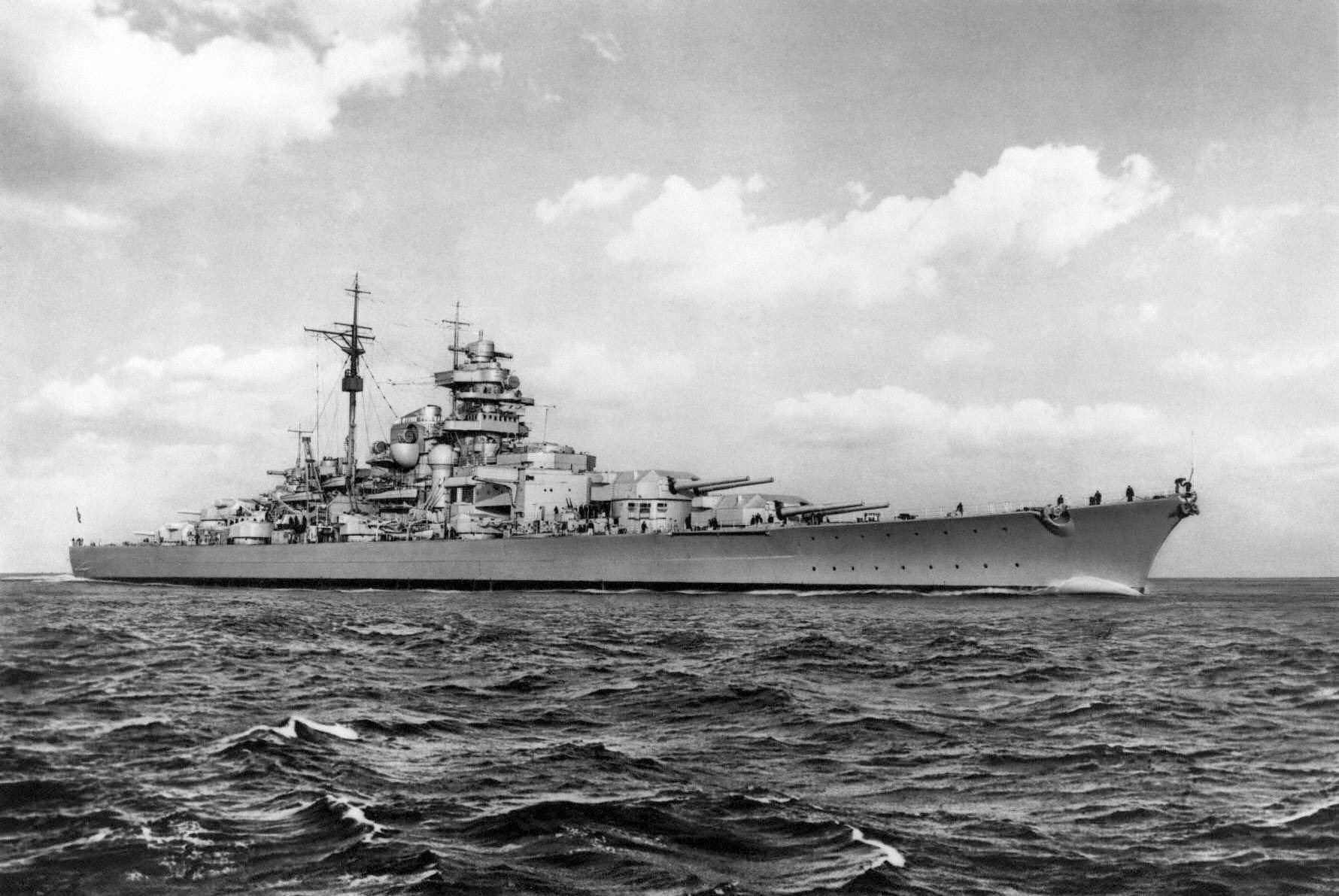
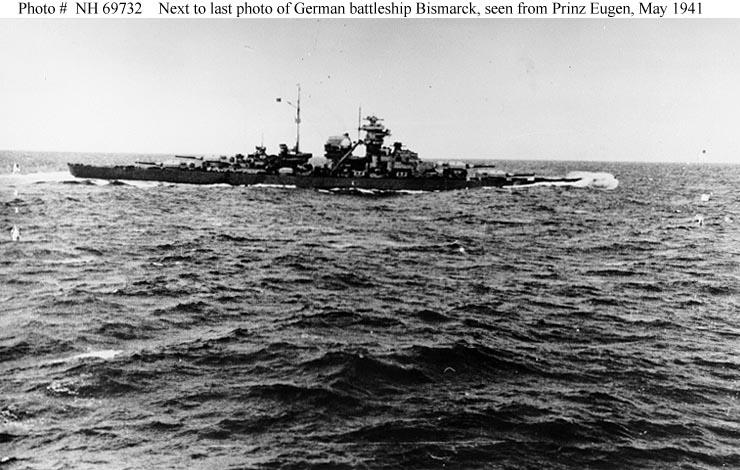
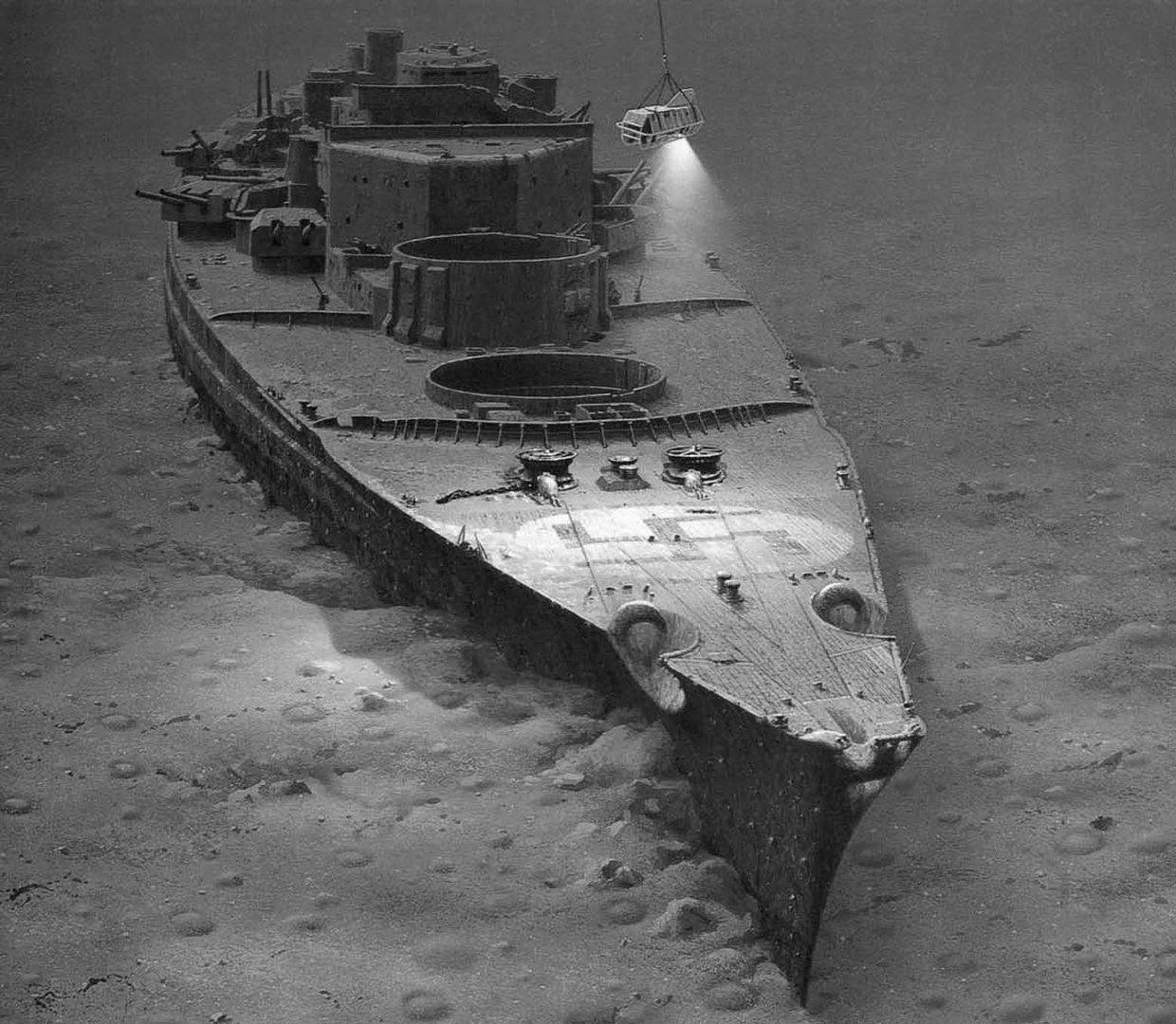
One of Germany's most famous battleships.
In May 1941, Bismarck and the cruiser Prinz Eugen engaged British forces.
Bismarck sank:
HMS Hood
one of Britain's most famous battlecruisers.
Britain then hunted Bismarck relentlessly.
The battleship was eventually disabled and sunk.
108. 🇯🇵 YAMATO


The:
Yamato
was the largest battleship ever completed.
Its main battery:
46 cm guns
were enormous.
But Yamato's career demonstrated the problem with battleships in the carrier era.
Aircraft could attack it from beyond the range of its guns.
Yamato was sunk in April 1945 by American carrier aircraft.
109. 🛩️ AIRCRAFT CARRIERS
The carrier became the most important capital ship in many Pacific battles.
Examples:
🇺🇸 Essex-class
🇯🇵 Shokaku-class
🇯🇵 Akagi
🇯🇵 Kaga
🇺🇸 Enterprise
Aircraft carriers could launch:
- fighters
- dive bombers
- torpedo bombers.
110. 🚢 LANDING SHIPS
WWII required enormous amphibious fleets.
The Allies developed:
LST
Landing Ship, Tank.
These ships could carry tanks directly to beaches.
LCVP
Landing Craft, Vehicle, Personnel.
Often associated with the famous:
Higgins boats.
111. 🗺️ THE TERRITORIAL CHANGES
WWII dramatically changed the world map.
At Germany's peak in 1942, Nazi Germany and its allies controlled or occupied much of continental Europe. (Holocaust Encyclopedia)
Japanese forces simultaneously controlled huge areas of Asia and the Pacific.
By 1945, that entire structure had collapsed.
112. 🇩🇪 GERMANY AFTER WWII
Germany was divided into occupation zones:
🇺🇸 American 🇬🇧 British 🇫🇷 French 🇷🇺 Soviet
Berlin itself was also divided.
This eventually produced:
West Germany
Federal Republic of Germany
and
East Germany
German Democratic Republic.
113. 🇵🇱 POLAND MOVES WEST
Poland's borders changed dramatically.
The Soviet Union retained large portions of Poland's prewar eastern territory.
Poland received former German territories farther west.
Millions of Germans and Poles were displaced.
114. 🇷🇺 SOVIET EXPANSION
The USSR emerged from WWII with enormous military and political influence.
Soviet forces remained in much of Eastern Europe.
Communist governments eventually came to power in countries including:
- Poland
- East Germany
- Czechoslovakia
- Hungary
- Romania
- Bulgaria.
This created the foundation of the:
Cold War.
115. 🇯🇵 JAPAN
Japan lost its empire.
It surrendered territories including:
- Korea
- Taiwan
- Manchuria
- Pacific possessions
- occupied Chinese territory.
Japan itself came under Allied occupation, primarily led by the United States.
116. 🇰🇷 KOREA
Korea had been under Japanese rule since 1910.
After Japan's defeat:
The peninsula was divided along approximately the:
38th Parallel
Soviet forces occupied the north.
American forces occupied the south.
This eventually produced:
🇰🇵 North Korea
and
🇰🇷 South Korea.
117. 🇨🇳 CHINA
Japan's defeat allowed Chinese forces to recover territory.
But the Chinese Civil War resumed between:
Nationalists
and
Communists.
In 1949, the Communist Party established the:
People's Republic of China
while the Nationalist government relocated to Taiwan.
118. 🌍 THE UNITED NATIONS
After WWII, the:
United Nations
was established in 1945.
The goal was to create an international system capable of preventing another global war and encouraging international cooperation.
119. ⚖️ THE NUREMBERG TRIALS
After the war, major Nazi officials were prosecuted.
The:
Nuremberg Trials
established important precedents involving:
- war crimes
- crimes against humanity
- aggressive war.
The Holocaust and other Nazi crimes were documented extensively during the postwar investigations and trials.
120. ☠️ THE HOLOCAUST
This deserves its own section because of its enormous historical importance.
Between 1933 and 1945, Nazi Germany persecuted Jews.
During WWII, this persecution escalated into systematic mass murder.
Approximately:
6,000,000 Jews
were murdered.
The killing occurred through:
- mass shootings
- ghettos
- starvation
- forced labor
- deportations
- concentration camps
- extermination camps
- gas chambers.
The Holocaust was not confined to Germany itself. It occurred throughout German-occupied and Axis-controlled Europe. (Holocaust Encyclopedia)
Other groups were also persecuted and murdered, including Roma, disabled people, Soviet POWs, Poles, political opponents, and others. (Holocaust Encyclopedia)
121. 🏭 CONCENTRATION CAMPS VS EXTERMINATION CAMPS
These terms are sometimes confused.
A:
Concentration camp
was primarily a system for imprisonment, forced labor, persecution, and terror.
An:
Extermination/killing center
was designed primarily for mass murder.
Some camps served multiple functions.
Major killing centers included:
- Auschwitz-Birkenau
- Treblinka
- Sobibor
- Belzec
- Chelmno
- Majdanek.
122. 🧑🚀 RESISTANCE MOVEMENTS
Not everyone under Axis occupation accepted the occupation.
Resistance movements existed throughout Europe.
Examples included:
🇫🇷 French Resistance 🇵🇱 Polish Underground 🇾🇺 Yugoslav Partisans 🇬🇷 Greek resistance 🇳🇴 Norwegian resistance 🇮🇹 Italian resistance
They performed:
- sabotage
- intelligence gathering
- assassinations
- railway attacks
- rescue operations
- guerrilla warfare.
123. 🪂 SPECIAL FORCES
WWII also saw specialized units become much more important.
🇬🇧 British Commandos
Small-unit raids.
🇺🇸 Rangers
Specialized infantry.
🇺🇸 Airborne
Paratroopers.
🇩🇪 Fallschirmjäger
German airborne forces.
🇷🇺 Soviet Guards
Elite formations within the Red Army.
124. 🪖 MAJOR WWII TANKS — QUICK TABLE
| Country | Tank | Type | | ------------ | -------------- | -------- | | 🇩🇪 Germany | Panzer II | Light | | 🇩🇪 Germany | Panzer III | Medium | | 🇩🇪 Germany | Panzer IV | Medium | | 🇩🇪 Germany | Panther | Medium | | 🇩🇪 Germany | Tiger I | Heavy | | 🇩🇪 Germany | Tiger II | Heavy | | 🇷🇺 USSR | T-34 | Medium | | 🇷🇺 USSR | KV-1 | Heavy | | 🇷🇺 USSR | IS-2 | Heavy | | 🇺🇸 USA | M3 Stuart | Light | | 🇺🇸 USA | M3 Lee/Grant | Medium | | 🇺🇸 USA | M4 Sherman | Medium | | 🇬🇧 Britain | Matilda II | Infantry | | 🇬🇧 Britain | Churchill | Infantry | | 🇬🇧 Britain | Cromwell | Cruiser | | 🇬🇧 Britain | Comet | Cruiser | | 🇫🇷 France | Char B1 | Heavy | | 🇫🇷 France | SOMUA S35 | Cavalry | | 🇯🇵 Japan | Type 95 Ha-Go | Light | | 🇯🇵 Japan | Type 97 Chi-Ha | Medium | | 🇮🇹 Italy | M13/40 | Medium |
125. ✈️ MAJOR WWII AIRCRAFT
| Country | Aircraft | | ------------ | ---------------- | | 🇬🇧 Britain | Spitfire | | 🇬🇧 Britain | Hurricane | | 🇬🇧 Britain | Lancaster | | 🇬🇧 Britain | Mosquito | | 🇩🇪 Germany | Bf 109 | | 🇩🇪 Germany | Fw 190 | | 🇩🇪 Germany | Ju 87 | | 🇩🇪 Germany | Me 262 | | 🇺🇸 USA | P-51 Mustang | | 🇺🇸 USA | P-47 Thunderbolt | | 🇺🇸 USA | P-38 Lightning | | 🇺🇸 USA | B-17 | | 🇺🇸 USA | B-24 | | 🇺🇸 USA | B-29 | | 🇷🇺 USSR | Yak-3 | | 🇷🇺 USSR | La-5 | | 🇷🇺 USSR | Il-2 | | 🇯🇵 Japan | A6M Zero | | 🇯🇵 Japan | Ki-43 | | 🇯🇵 Japan | G4M |
126. ⚓ MAJOR WWII SHIPS
| Country | Ship | Type | | ------------ | ------------------- | ---------------- | | 🇩🇪 Germany | Bismarck | Battleship | | 🇩🇪 Germany | Tirpitz | Battleship | | 🇬🇧 Britain | HMS Hood | Battlecruiser | | 🇬🇧 Britain | HMS Prince of Wales | Battleship | | 🇺🇸 USA | USS Enterprise | Aircraft carrier | | 🇺🇸 USA | USS Iowa | Battleship | | 🇺🇸 USA | USS Missouri | Battleship | | 🇯🇵 Japan | Yamato | Battleship | | 🇯🇵 Japan | Musashi | Battleship | | 🇯🇵 Japan | Akagi | Aircraft carrier | | 🇯🇵 Japan | Kaga | Aircraft carrier |
127. 🏆 THE MOST IMPORTANT WWII BATTLES
If you want the "must know" list:
🇵🇱 Invasion of Poland — 1939
War begins in Europe.
🇫🇷 Battle of France — 1940
France falls.
🇬🇧 Battle of Britain — 1940
Germany fails to defeat Britain.
🌊 Battle of the Atlantic — 1939–45
Fight for Allied supply lines.
🇷🇺 Moscow — 1941
German advance toward Moscow stopped.
🇺🇸 Pearl Harbor — 1941
United States enters the war.
⚓ Midway — 1942
Major turning point in Pacific naval warfare.
🏜️ El Alamein — 1942
Major Allied victory in North Africa.
🏙️ Stalingrad — 1942–43
Major turning point on Eastern Front.
🏭 Kursk — 1943
Major armored confrontation.
🇮🇹 Monte Cassino — 1944
Major Italian campaign battle.
🛬 D-Day — 1944
Western Allies invade France.
🇷🇺 Operation Bagration — 1944
Soviet destruction of German Army Group Centre.
🇩🇪 Battle of the Bulge — 1944–45
Germany's final major Western offensive.
🏙️ Berlin — 1945
Final major battle in Europe.
🇯🇵 Iwo Jima — 1945
Major Pacific battle.
🇯🇵 Okinawa — 1945
One of the bloodiest Pacific battles.
☢️ Hiroshima & Nagasaki — 1945
Atomic bombs.
🏳️ Japanese surrender — September 2, 1945
WWII ends.
128. 🗓️ THE ENTIRE WAR IN ONE TIMELINE
1931
🇯🇵 Japan occupies Manchuria.
1933
🇩🇪 Hitler becomes German chancellor.
1935
🇮🇹 Italy invades Ethiopia.
1936
🇩🇪🇮🇹 Axis cooperation develops.
1937
🇯🇵 Full-scale war with China.
1938
🇩🇪 Anschluss with Austria. 🇩🇪 Sudetenland acquired.
1939
🇩🇪 Germany invades Poland. 🇷🇺 Soviet Union invades eastern Poland. 🇬🇧🇫🇷 declare war on Germany.
1940
🇩🇰 Denmark falls. 🇳🇴 Norway falls. 🇳🇱 Netherlands falls. 🇧🇪 Belgium falls. 🇫🇷 France falls. 🇬🇧 Battle of Britain.
1941
🇬🇷 Greece invaded. 🇷🇺 Germany invades USSR. 🇯🇵 Pearl Harbor. 🇺🇸 enters WWII.
1942
⚓ Midway. 🏝️ Guadalcanal. 🏜️ El Alamein. 🏙️ Stalingrad begins.
1943
🇩🇪 Sixth Army surrenders. ⚔️ Kursk. 🇮🇹 Italy collapses as an Axis member. 🇺🇸🇬🇧 invade Italy.
1944
🇷🇺 Operation Bagration. 🛬 D-Day. 🇫🇷 Paris liberated. 🇩🇪 Battle of the Bulge begins.
1945
🇷🇺 Berlin captured. ☠️ Hitler dies. 🇩🇪 Germany surrenders. ☢️ Hiroshima. ☢️ Nagasaki. 🇷🇺 USSR attacks Japanese forces in Manchuria. 🇯🇵 Japan surrenders.
129. 🌍 WHY WWII WAS DIFFERENT FROM WWI
This is probably the biggest distinction.
WWI
The dominant image is:
Trench warfare
The defensive power of machine guns and artillery produced enormous stalemates.
WWII
The dominant image is:
Mobility
You see:
- tanks
- trucks
- aircraft
- paratroopers
- amphibious warfare
- motorized infantry
- carriers
- submarines
- strategic bombing.
The battlefield became much more mobile.
130. ⚙️ THE EVOLUTION OF WARFARE
WWI gave the world:
Machine gun + artillery + trench + early tank
WWII refined those technologies into:
Tank formations + radios + aircraft + mechanized infantry + close air support + naval aviation + radar
And by 1945 humanity had reached:
jet aircraft + ballistic missiles + radar-guided weapons + nuclear weapons + massive aircraft carriers + modern assault rifles.
The technological jump from 1918 to 1945 was extraordinary.
131. 🌎 THE BIGGEST DIFFERENCE: CIVILIANS
WWII was enormously destructive to civilian populations.
Entire cities became battlefields.
Examples include:
- Warsaw
- London
- Rotterdam
- Stalingrad
- Leningrad
- Berlin
- Dresden
- Tokyo
- Hiroshima
- Nagasaki
- Manila.
Strategic bombing made civilian areas part of the strategic battlefield.
And Nazi occupation policies created an unprecedented genocide across Europe.
132. 🏁 WHAT DID WWII LEAVE BEHIND?
The world of 1945 was completely different from 1939.
The old European balance of power had essentially disappeared.
Instead, two superpowers emerged:
🇺🇸 United States
and
🇷🇺 Soviet Union
Their ideological rivalry produced:
🧊 THE COLD WAR
Europe became divided between:
Western capitalist democracies
and
Soviet-aligned communist states.
Germany itself became divided.
Berlin became one of the most important political flashpoints on Earth.
If you had to explain WWII extremely quickly:
Germany, Italy, and Japan pursued aggressive territorial expansion while international efforts to contain them failed. Germany invaded Poland in September 1939, triggering war in Europe. Germany rapidly conquered much of Europe in 1940, but Britain survived the Battle of Britain. Germany invaded the Soviet Union in 1941, while Japan attacked Pearl Harbor, bringing the United States into the war. Axis expansion reached its peak around 1942, but major turning points—including Midway, El Alamein, and Stalingrad—shifted the war toward the Allies. The Soviets pushed westward, while American, British, Canadian, and other Allied forces invaded Normandy in June 1944. Germany was surrounded and surrendered in May 1945. Japan continued fighting until the atomic bombings of Hiroshima and Nagasaki, the Soviet invasion of Japanese-held Manchuria, and Japan's decision to surrender in August 1945. The war left tens of millions dead, destroyed much of Europe and parts of Asia, exposed the full scale of the Holocaust, ended the old European imperial balance, and created the conditions for the Cold War. (Holocaust Encyclopedia)
Greetings
This card has no greetings.
129 assets: 129 archived, 0 pending, 0 failed, 0 dead · 0 expression images
1 file
- .jsonotherspec 2.0
88.1 KBfirst seen 736e4e5eb11de2d7
Opens with the tab.