Crusades rpg
- Permanent
- 34,276
- BudgetPrompt budget
- ≈ 34,276
Creator notes
Yet another historical RPG bot! Haven’t seen many of these so I got to work. (On my fyp) and made this! Might not have all the crusade info but I hope this is enough. Why has my 3 most recent bots (not including regular posts) been rpg bots? Well for passion and my love of history (I love learning about ww1, ww2, and the medical era) if my bot doesn’t do good, it doesn’t do good. Hope u like it :D (also if u want me to do MD bots just lmk and give me a few years)
Description
34,276 tokensThe Crusades: A Complete, Detailed History
Add to Favorites
Add to Favorites
13
Add to Favorites
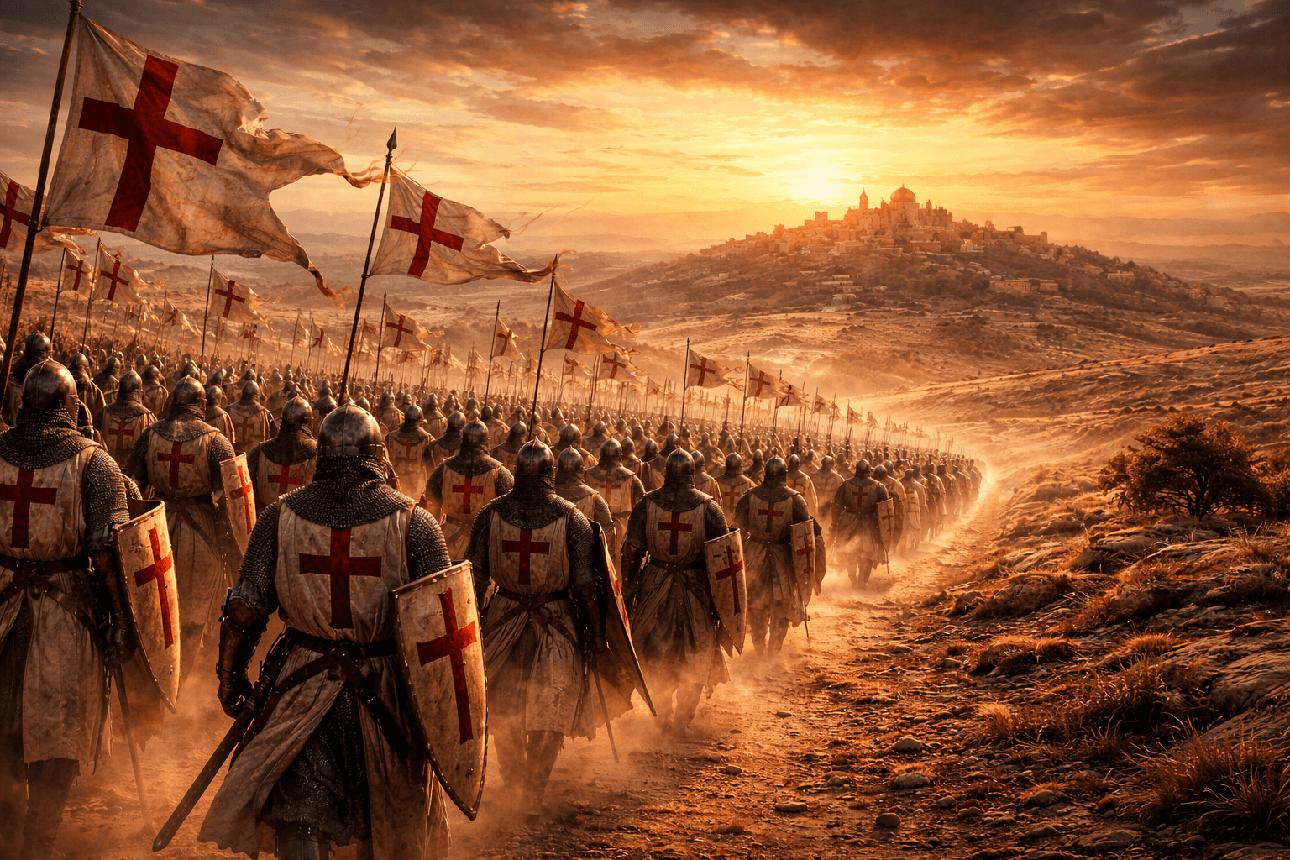
The Crusades were a series of religiously motivated military campaigns, political struggles, territorial conquests, and expeditions that took place primarily between 1095 and the late 13th century, although crusading continued in various forms for centuries afterward.
When most people hear the word Crusades, they imagine armored European knights riding toward Jerusalem to fight Muslim armies. That image captures an important part of the story, but the actual history is much larger. The Crusades involved kings, emperors, ordinary infantrymen, archers, cavalry, sailors, merchants, religious leaders, mercenaries, and entire communities across Europe, the Middle East, North Africa, and the Mediterranean.
They also involved far more than Christians fighting Muslims. Crusading armies attacked other Christians, fought pagans in northern Europe, competed with the Byzantine Empire, and sometimes turned against their own allies. Cities were besieged, kingdoms were established and destroyed, trade routes changed, and religious hostility intensified.
We'll examine the Crusades in detail, including:
-
The political and religious situation before the Crusades.
-
Why Pope Urban II called the First Crusade.
-
Every major crusade, its battles, leaders, armies, and outcome.
-
The countries, kingdoms, empires, and peoples involved.
-
Armor, helmets, swords, shields, bows, crossbows, siege engines, and naval warfare.
-
Medieval military organization, logistics, horses, food, medicine, and daily life.
-
Saladin, Richard the Lionheart, Baldwin IV, and other major figures.
-
The Crusader states, their flags and fortifications, and their eventual collapse.
-
The Fourth Crusade and the sack of Constantinople.
-
The Northern Crusades, the Iberian campaigns, and crusades against fellow Christians.
-
The long-term consequences, myths, and historical legacy.
One important distinction: the Crusades were not one continuous war. They were a broad movement with different campaigns, goals, participants, and outcomes. Historians disagree about the precise dates and numbering of some crusades, so we'll distinguish the traditional numbered crusades from other crusading movements.
Part I — The World Before the Crusades
1. What was the medieval world like?
Add to Favorites

Add to Favorites

12
Add to Favorites
To understand why the Crusades happened, we need to understand the world around the year 1000.
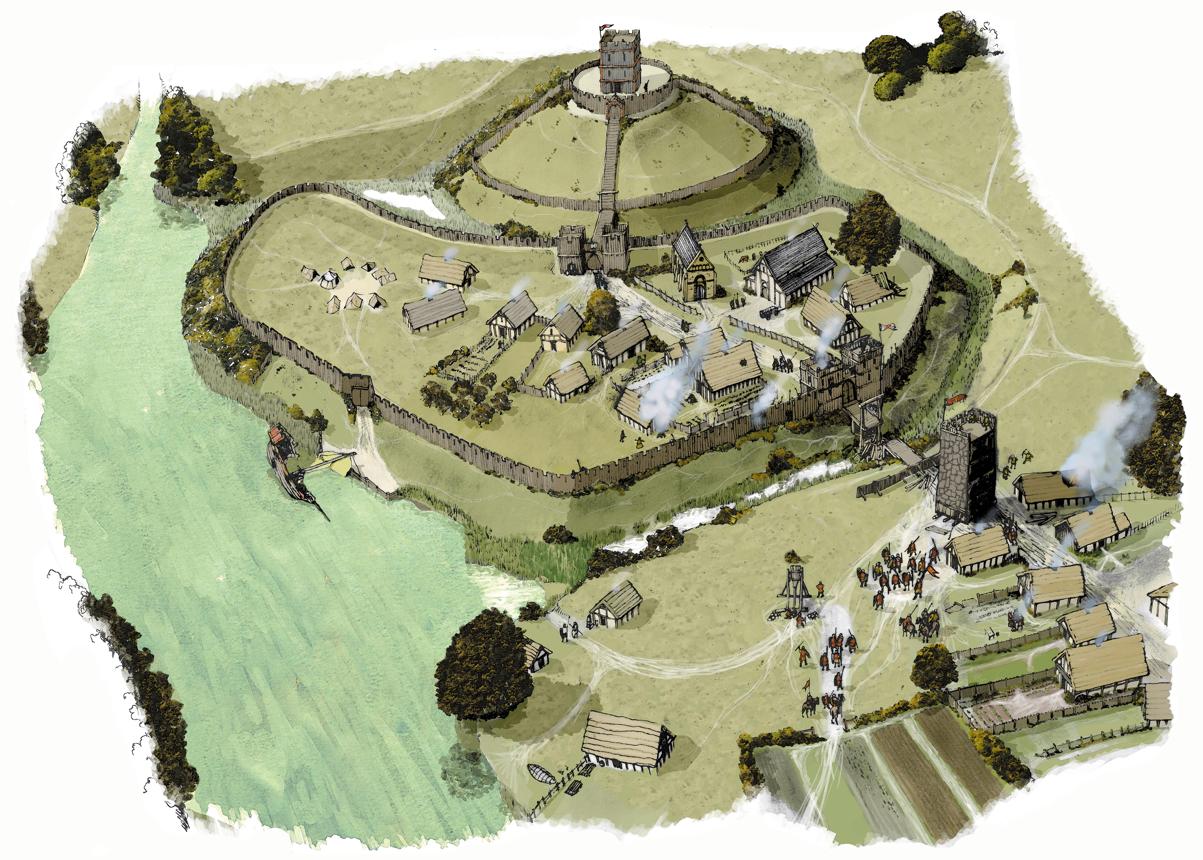
There was no modern international system of nation-states. France, Germany, Italy, and other familiar countries either existed in very different forms or were divided among numerous rulers. Borders were often disputed, and political authority depended heavily on personal loyalty, dynastic claims, landholding, and military power.
Religion was also deeply connected to government. Rulers claimed divine legitimacy, churches and monasteries owned land, and religious institutions played major roles in education, diplomacy, and law.
Three major political and religious worlds were especially important.
A. Western Europe
Western Europe was predominantly Christian, following the Latin or Roman Catholic tradition.
Its political landscape included:
-
The Kingdom of France.
-
The Holy Roman Empire, a collection of territories in central Europe under an emperor.
-
The Kingdom of England.
-
The kingdoms of León, Castile, Navarre, and Aragon in the Iberian Peninsula.
-
The Italian city-states and principalities.
-
The Norman territories in southern Italy and Sicily.
-
Numerous duchies, counties, lordships, and independent cities.
The papacy, based in Rome, claimed spiritual authority over Western Christendom. However, popes frequently competed with kings and emperors over appointments, land, taxation, and political influence.
Western Europe was also experiencing changes in its military and economic structure. Agricultural production expanded in many regions, populations grew, and aristocratic families invested heavily in castles, horses, armor, and military retinues.
Mounted warriors were increasingly important in aristocratic warfare, although infantry remained indispensable.
A clarification about knights: Medieval Europe did not have a single, uniform knightly army. A knight might serve a king, duke, count, bishop, or local lord. Some fought for religious motives, others for land, money, status, political loyalty, or a combination of reasons.
B. The Byzantine Empire
Add to Favorites
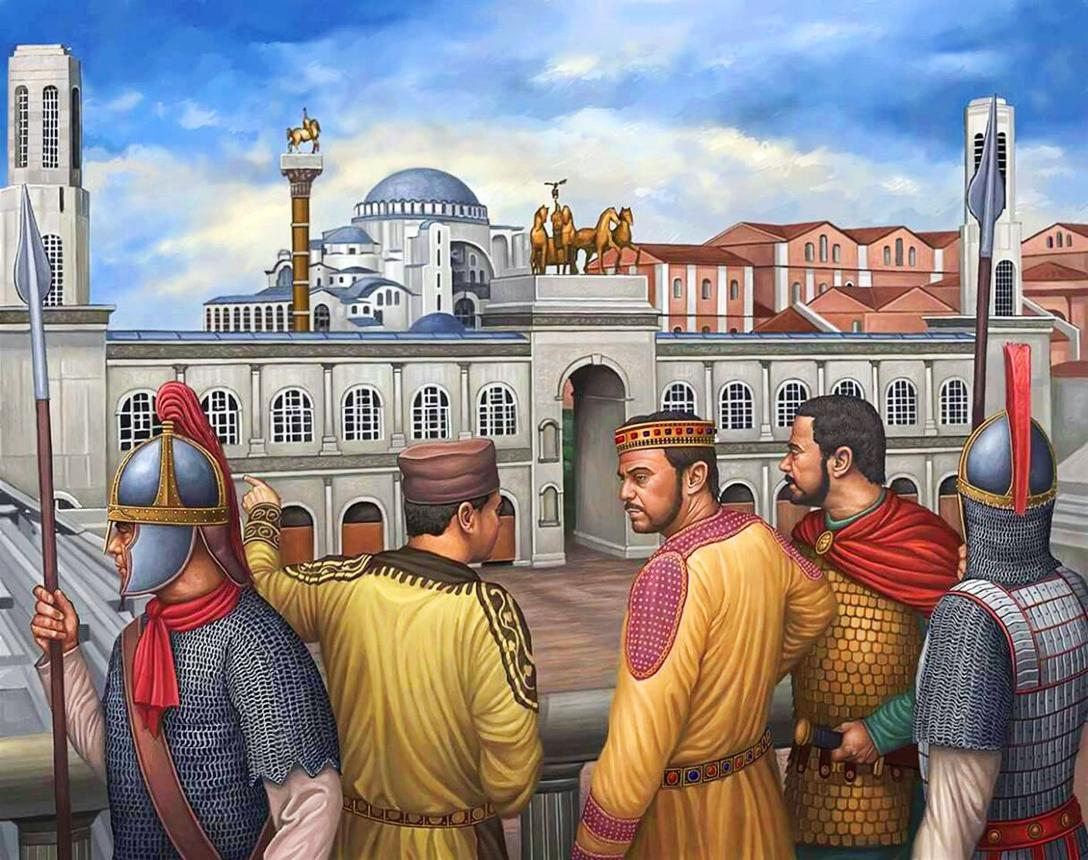
The Byzantine Empire was the eastern continuation of the Roman Empire. Its people generally called themselves Romans, and its capital was Constantinople, modern Istanbul.
Byzantium was a sophisticated imperial state with:
-
A professional administrative tradition.
-
Fortified cities and a highly developed capital.
-
Greek-speaking Christian institutions.
-
Taxation and monetary systems.
-
Imperial armies, cavalry, infantry, and naval forces.
-
Diplomatic relationships with neighboring Christian and Muslim powers.
The empire's official Christian tradition differed from the Latin Church in several theological, liturgical, and institutional matters. Tensions between Rome and Constantinople had developed over centuries.
In 1054, the mutual excommunications traditionally associated with the East–West Schism symbolized a major rupture between the churches, although the separation was a gradual process rather than a single event that instantly divided all Christians.
The Byzantines were also facing a serious military problem.
At the Battle of Manzikert in 1071, the Byzantine army suffered a major defeat against the Seljuk Turks. Subsequent civil conflicts and territorial losses weakened imperial control over much of Anatolia, the region that makes up most of modern Turkey.
Anatolia was particularly important because it supplied agricultural land, tax revenue, recruits, and strategic depth to the empire.
Emperor Alexios I Komnenos, who came to power in 1081, attempted to restore Byzantine strength. He needed military assistance, and Western European soldiers offered a potential source of manpower.
That need would help set the Crusades in motion.
C. The Muslim world

Add to Favorites
The Muslim world was not a single country or a permanently unified empire.
By the late 11th century, it contained several powerful states, competing dynasties, regional rulers, and different religious and political traditions.
Major powers included:
-
The Seljuk Empire and its successor states: Turkic-led Sunni Muslim powers that expanded across much of the Middle East.
-
The Abbasid Caliphate: Based in Baghdad, its caliph remained an important religious and symbolic figure, although his direct political power was often limited.
-
The Fatimid Caliphate: A rival Shi'a Muslim caliphate based in Egypt, with influence over parts of the eastern Mediterranean.
-
The emirates of Syria: Including rulers based in Damascus and Aleppo.
-
The Muslim states of Iberia: Often called al-Andalus, consisting of competing Muslim-ruled principalities.
These powers did not always cooperate.
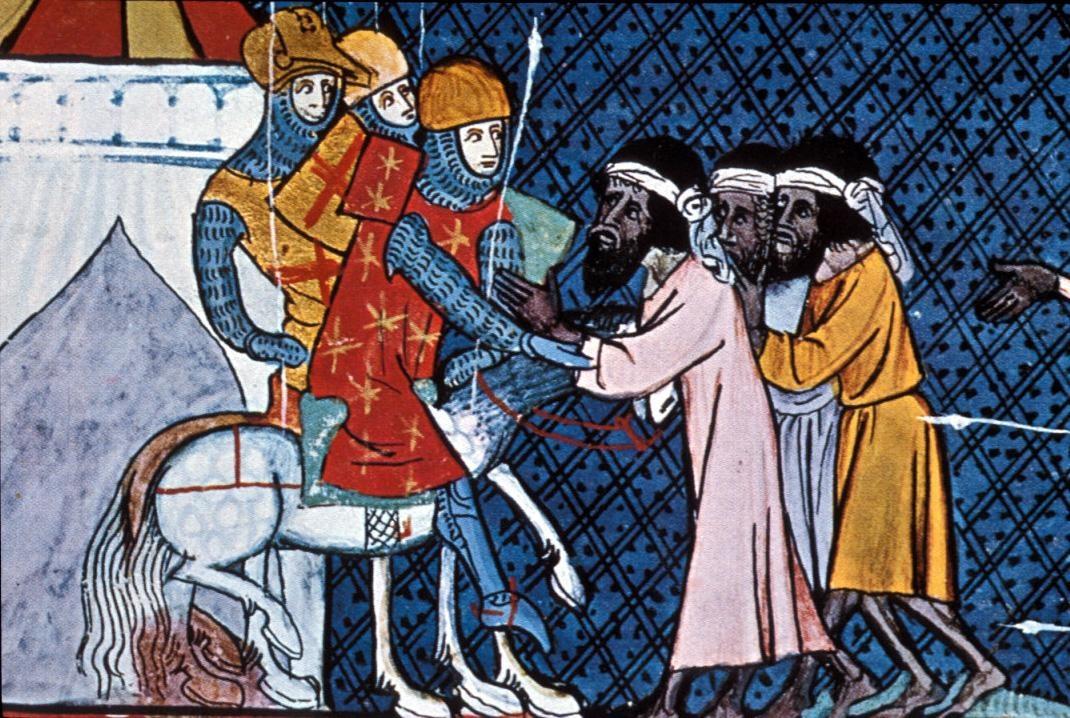
Seljuk rulers, local Syrian emirs, the Abbasid caliph, and the Fatimid government could have competing interests. Muslim rulers sometimes fought one another, negotiated with Christian powers, or formed temporary alliances across religious boundaries.
This fragmentation was crucial during the early Crusades.
Jerusalem, a city of extraordinary significance to Judaism, Christianity, and Islam, had been under Muslim rule since the 7th century, apart from periods of conflict and changing control. Its religious importance long predated the Crusades.
For Christians, Jerusalem was associated with the life, crucifixion, and resurrection of Jesus. Christian pilgrimage to the city had continued for centuries, although access and security varied over time.
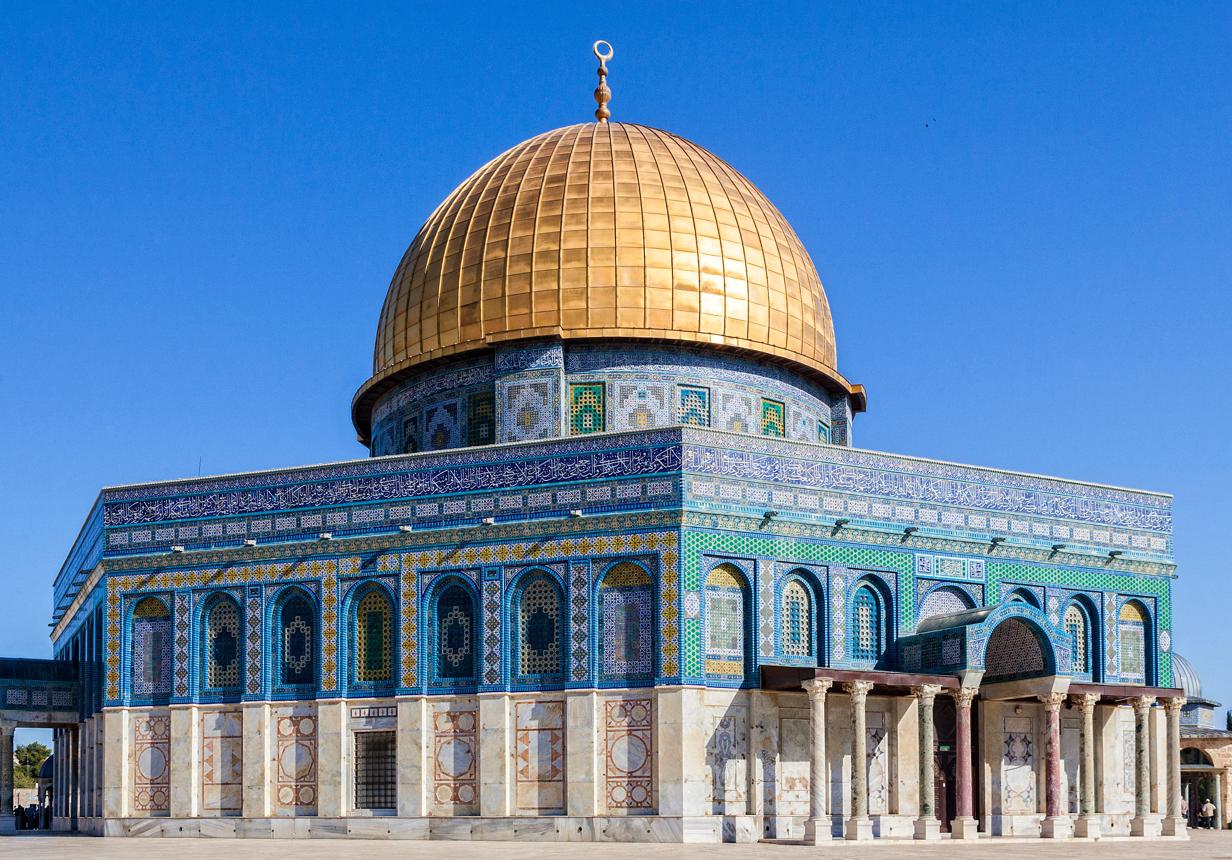
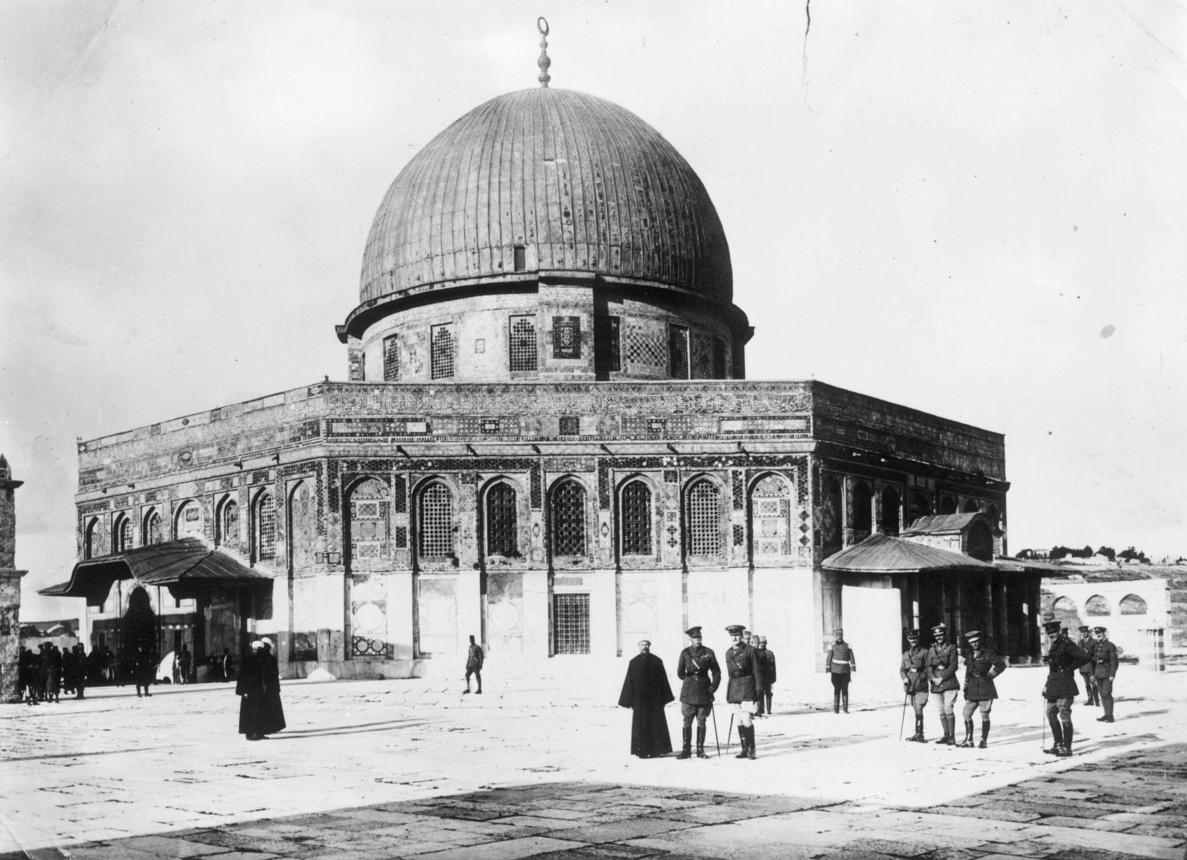
For Muslims, Jerusalem was associated with the al-Aqsa Mosque and the Dome of the Rock, and with the Islamic tradition of Muhammad's Night Journey and Ascension.
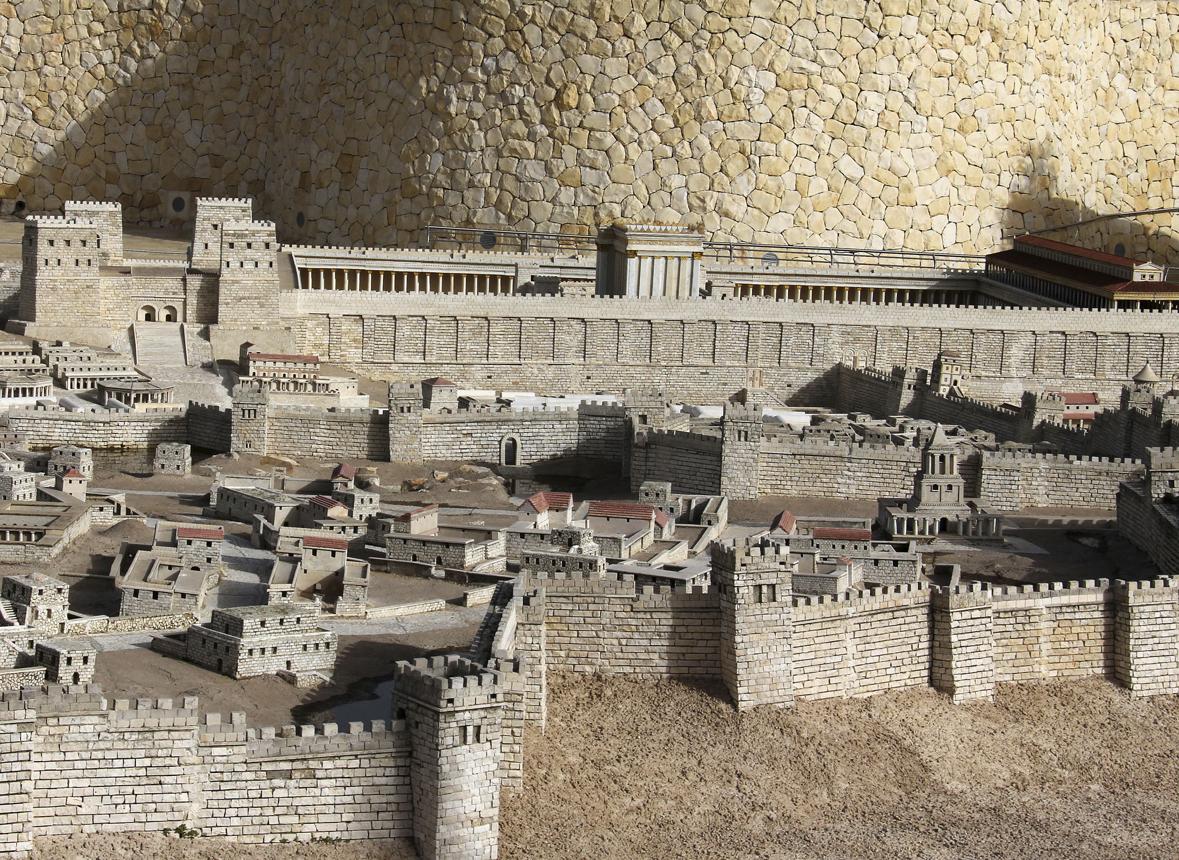
For Jews, Jerusalem was the location of the ancient Jewish temples and remained central to Jewish religious life.
The city was therefore important to several religious communities simultaneously.
2. Why was Jerusalem so important?
Add to Favorites
Add to Favorites
Add to Favorites
Add to Favorites

Add to Favorites
Add to Favorites
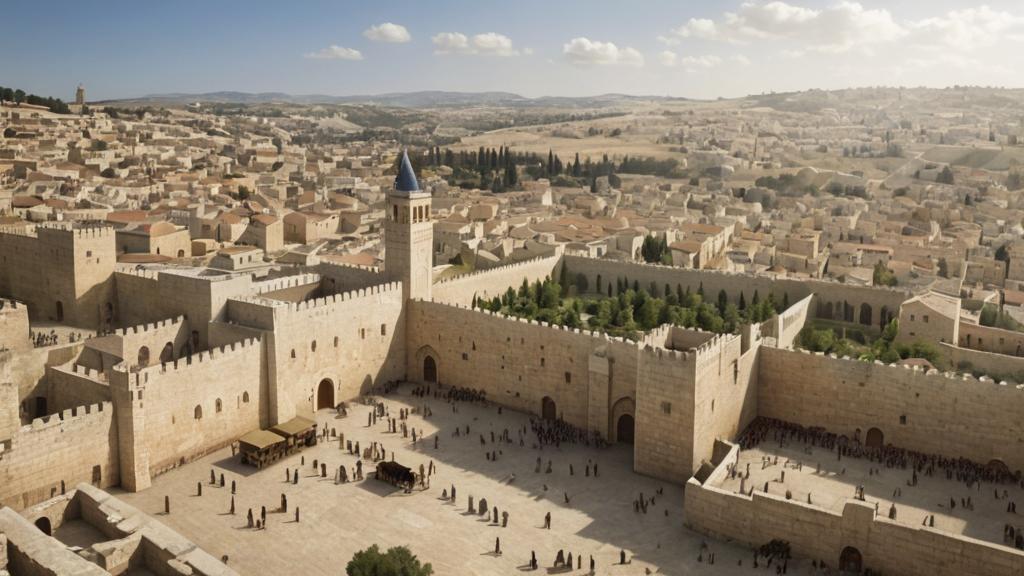
Jerusalem was not simply a strategically valuable city. It was one of the most sacred places in the medieval world.
Christian significance
Christians associated Jerusalem with several foundational events:
-
Jesus's final days in the city.
-
The Last Supper and his arrest.
-
His crucifixion.
-
His burial.
-
His resurrection.
-
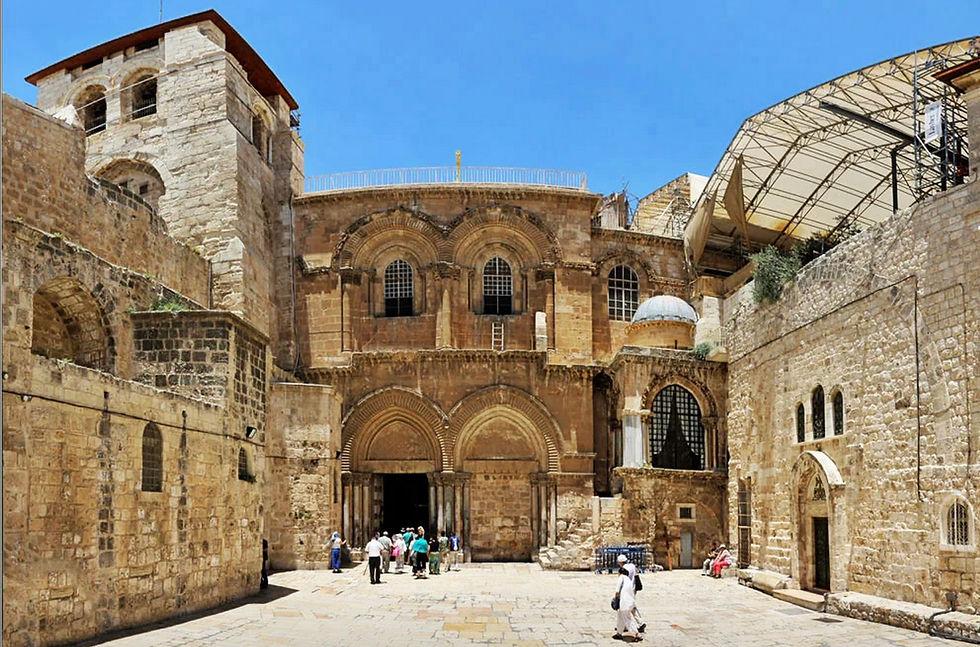
The Church of the Holy Sepulchre, a major pilgrimage destination.
Pilgrimage was an important religious activity. Pilgrims traveled long distances, sometimes spending months or years on the journey.
They might walk, ride horses or mules, join merchant caravans, or travel by ship. They faced the risks of illness, robbery, shipwreck, political instability, and unfamiliar terrain.
Religious concerns about pilgrimage, the security of holy places, and Christian access to the eastern Mediterranean became part of the wider background to crusading.
However, it would be misleading to assume that Christians had been completely unable to visit Jerusalem before 1095. Access changed over time and depended on political circumstances, local authorities, and individual journeys.
Muslim significance
Jerusalem was an important religious center in Islam.
The Dome of the Rock, completed in the late 7th century, and the al-Aqsa Mosque were prominent monuments on the Haram al-Sharif, known to Jews and Christians as the Temple Mount.
Muslim rulers had governed Jerusalem for centuries. Its significance was religious, political, and symbolic, although its priority in Muslim political affairs varied depending on the period and the rulers involved.
Jewish significance
Jerusalem remained central to Jewish identity, prayer, memory, and religious tradition. Jewish communities lived in the city and throughout the surrounding region.
The Crusades would have devastating consequences for Jewish communities in parts of Europe and the eastern Mediterranean, particularly during the First Crusade.
Part II — The Causes of the Crusades
3. The immediate trigger: Byzantine appeals for help
In 1095, Emperor Alexios I Komnenos sought military assistance from Western European Christians.
His empire faced pressure from Turkish powers in Anatolia. The emperor needed capable soldiers to help recover territory and stabilize his eastern frontier.
Western knights were not his only possible source of assistance, but a military force from the Latin West could help strengthen his position.
The emperor's appeal reached Pope Urban II, who had his own religious and political reasons to respond.
This is a crucial point: the Crusades emerged from the intersection of Byzantine military needs, papal ambitions, religious devotion, and Western European aristocratic warfare.
They were not inevitable, and no single cause explains them completely.
4. Pope Urban II and the Council of Clermont
Add to Favorites
historia.nationalgeographic.com
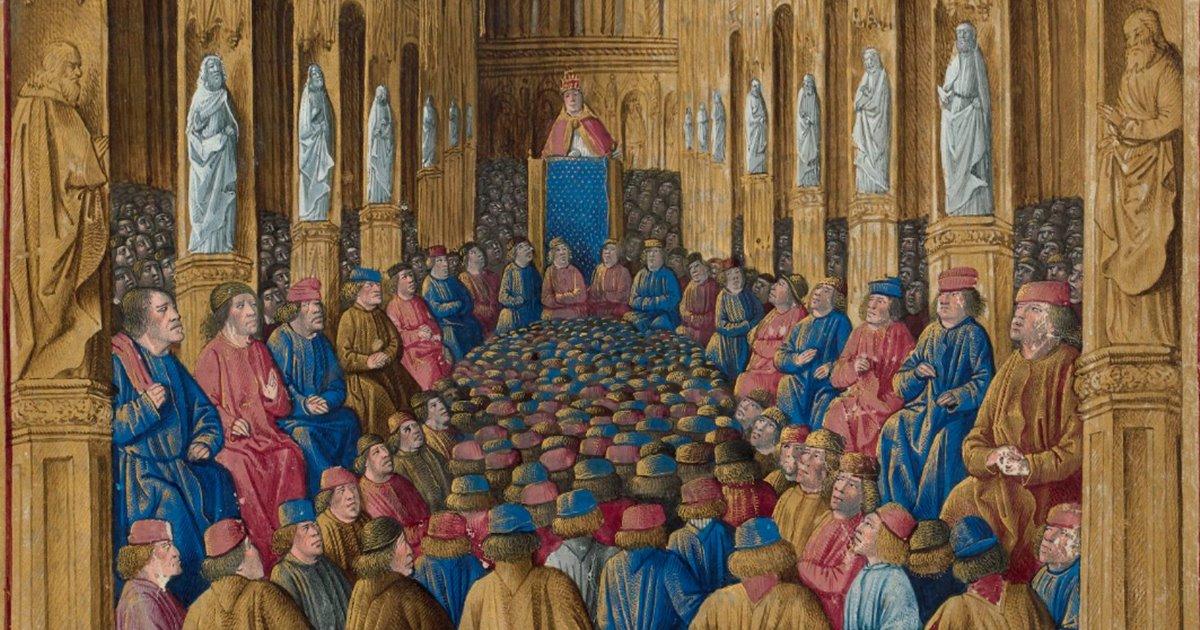
In November 1095, Pope Urban II addressed an assembly at Clermont, in what is now France.
He called on Western Christians to take up an expedition to assist Eastern Christians and travel toward the Holy Land.
The precise wording of his speech is uncertain. Several medieval chroniclers recorded versions of it, but they wrote at different times and did not produce identical accounts.
The surviving accounts nevertheless agree on the broad message: Urban presented the expedition as a religious undertaking and encouraged warriors to redirect their military efforts toward a cause sanctioned by the Church.
His appeal contributed to the movement that became the First Crusade.
What did Urban promise?
The crusading appeal connected military service with spiritual benefits.
Participants were encouraged to undertake the journey as an act of penance. The Church offered spiritual privileges to those who fulfilled the conditions of the crusading vow.
This was not exactly the same thing as a modern military recruitment campaign. Medieval Christians understood sin, penance, salvation, and religious obligation through a worldview in which the Church's spiritual authority was enormously important.
The promise of spiritual remission was one of the most influential features of crusading.
Why would knights respond?
Different participants had different motivations.
Religious devotion: Some believed they were undertaking a sacred duty and wanted to visit or defend Christian holy places.
Penance: Some hoped to obtain spiritual benefits for themselves and, in some cases, to address sins or violence associated with their lives.
Honor and reputation: Participation could bring prestige, status, and recognition.
Political opportunity: Princes and nobles could seek influence, land, or a more prominent position in European politics.
Material ambition: Some hoped to acquire wealth, although an expedition to the eastern Mediterranean was extremely expensive and dangerous.
Adventure and social pressure: Crusading could appeal to young warriors seeking experience, and the public enthusiasm surrounding the movement could influence individual decisions.
It is important not to reduce every crusader to a greedy adventurer. Nor should we assume that religious sincerity prevented participants from seeking wealth or power. Medieval motivations often combined all these elements.
5. The deeper causes
A. Religious warfare and the idea of holy war
Christianity had a complicated relationship with warfare. Christian thinkers had debated legitimate violence for centuries.
By the 11th century, Western Church leaders increasingly promoted the idea that military service could be directed toward the defense of Christian communities and religious objectives.
Crusading developed into a distinctive institution with vows, spiritual privileges, papal authorization, and special religious symbolism.
B. Violence within Western Europe
Western Europe was not peaceful before the Crusades.
Feuding nobles, local wars, private armies, and disputes over inheritance caused extensive violence. Church reformers attempted to restrain certain forms of warfare through movements such as the Peace of God and the Truce of God.
Crusading offered one way of redirecting some armed activity toward an externally sanctioned campaign, although it did not end violence within Europe.
C. Papal authority
Urban II was also operating within a struggle over the role of the papacy in Christian society.
The papacy sought to assert leadership over the Latin Church and influence rulers across Europe.
Organizing a major expedition offered the pope an opportunity to demonstrate spiritual leadership, encourage cooperation among rival nobles, and strengthen the Church's position.
We should not assume that this was the sole purpose of his appeal, but papal authority was an important political dimension.
D. Trade and the Mediterranean
Italian maritime cities such as Venice, Genoa, and Pisa had commercial interests in the Mediterranean.
Eastern goods, shipping routes, port facilities, and access to markets could be extremely profitable.
These commercial interests became increasingly important during the Crusades, particularly as Italian merchants obtained privileges in Crusader ports.
However, it is inaccurate to claim that the First Crusade was simply a trade war launched by merchants. Its immediate causes and the motivations of its participants were much broader.
E. Turkish expansion and Byzantine weakness
The loss of much of Anatolia following Manzikert created a serious crisis for Byzantium.
Alexios I needed military assistance, while Western Europeans were increasingly willing to undertake a religiously sanctioned expedition.
The convergence of those developments helped create the opportunity for the First Crusade.
Part III — The First Crusade (1096–1099)
Add to Favorites
Add to Favorites
8
Add to Favorites
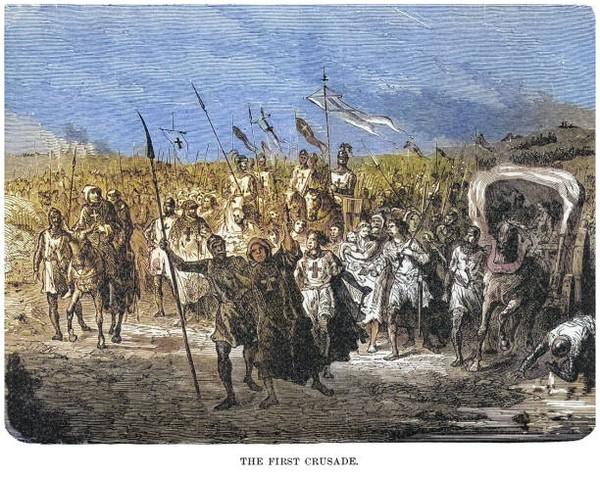
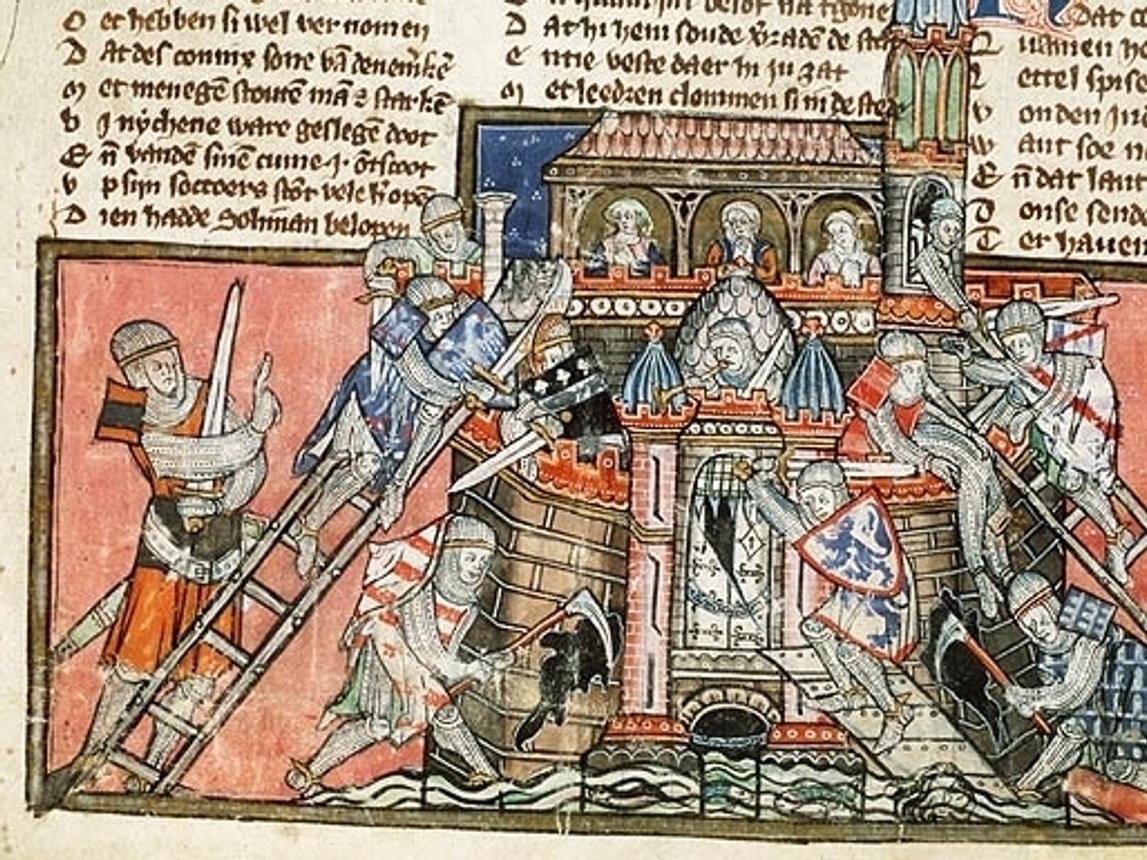
The First Crusade was the most consequential of the Crusades because it resulted in the conquest of Jerusalem by Western European crusaders and the creation of several Latin Christian states in the eastern Mediterranean.
Its participants came from multiple regions of Western Europe. They did not form a single national army, and their leaders frequently disagreed.
The campaign unfolded in several distinct stages.
6. The People's Crusade (1096)
Before the main aristocratic armies reached the East, a movement of popular enthusiasm produced expeditions that were poorly organized and inadequately supplied.
One of the best-known leaders was Peter the Hermit, a preacher who helped mobilize large numbers of people.
Another important leader was Walter Sans Avoir, often called Walter the Penniless.
These expeditions included ordinary people, some armed men, and individuals from a variety of social backgrounds. They were not all destitute peasants, and the phrase People's Crusade covers more than one group.
The attacks on Jewish communities
In 1096, crusading groups and associated mobs attacked Jewish communities in the Rhineland, including communities in and around:
-
Speyer.
-
Worms.
-
Mainz.
-
Cologne and other German towns.
These attacks were driven by antisemitism, religious hostility, and opportunistic violence. Jewish people were forced to convert, robbed, or murdered. Some chose death rather than forced conversion, according to medieval accounts.
The attacks were not a necessary or inevitable consequence of the campaign, and some local authorities and Christian leaders attempted to protect Jewish residents. Protection was inconsistent and often failed.
The Rhineland massacres are a major part of Crusade history because they demonstrate that crusading violence was not restricted to distant battlefields.
The journey east
Some of the popular crusading forces traveled through central Europe and the Balkans toward Constantinople.
Their discipline and supplies were inadequate for such a large journey. Some groups engaged in looting and violence against local populations.
Once they crossed into Anatolia, they faced Turkish forces with far greater military experience in the region.
In October 1096, a force associated with the People's Crusade was destroyed near Civetot by Seljuk troops.
The expedition demonstrated how dangerous crusading could be for people who lacked adequate organization, leadership, and logistical support.
7. The main crusading armies assemble
The principal First Crusade armies were led by prominent nobles and princes.
Important leaders included:
-
Raymond IV of Toulouse, a powerful southern French noble.
-
Bohemond of Taranto, a Norman leader from southern Italy.
-
Godfrey of Bouillon, a noble from the region of Lower Lorraine.
-
Baldwin of Boulogne, Godfrey's brother.
-
Hugh of Vermandois, a French prince.
-
Robert Curthose, Duke of Normandy.
-
Stephen of Blois, a noble from northern France.
-
Adhemar of Le Puy, the papal representative and spiritual leader of the expedition.
The armies traveled by different routes toward Constantinople.
Some crossed the Balkans overland, while others traveled through Italy and the Adriatic region. They arrived in stages rather than as one unified force.
Their size is difficult to establish. Medieval writers often reported enormous numbers, but those figures may exaggerate the strength of the armies.
The expedition probably involved many thousands of fighting men, accompanied by substantial numbers of noncombatants, servants, clerics, and camp followers.
8. The Byzantine agreement
When the crusaders reached Constantinople, Emperor Alexios I attempted to establish a cooperative relationship with them.
The emperor wanted to recover former Byzantine territory, especially cities and fortresses in Anatolia.
He also had reason to worry that heavily armed Western nobles might become independent powers in former imperial lands.
The crusader leaders were expected to swear oaths concerning territory recovered from Turkish control. The details and interpretation of these arrangements varied, and later disagreements would create serious tension.
The Byzantines provided assistance, supplies, guides, and transportation, including help crossing into Anatolia.
Cooperation between the crusaders and Byzantines was essential to the expedition's early success.
9. The siege of Nicaea (1097)
Add to Favorites
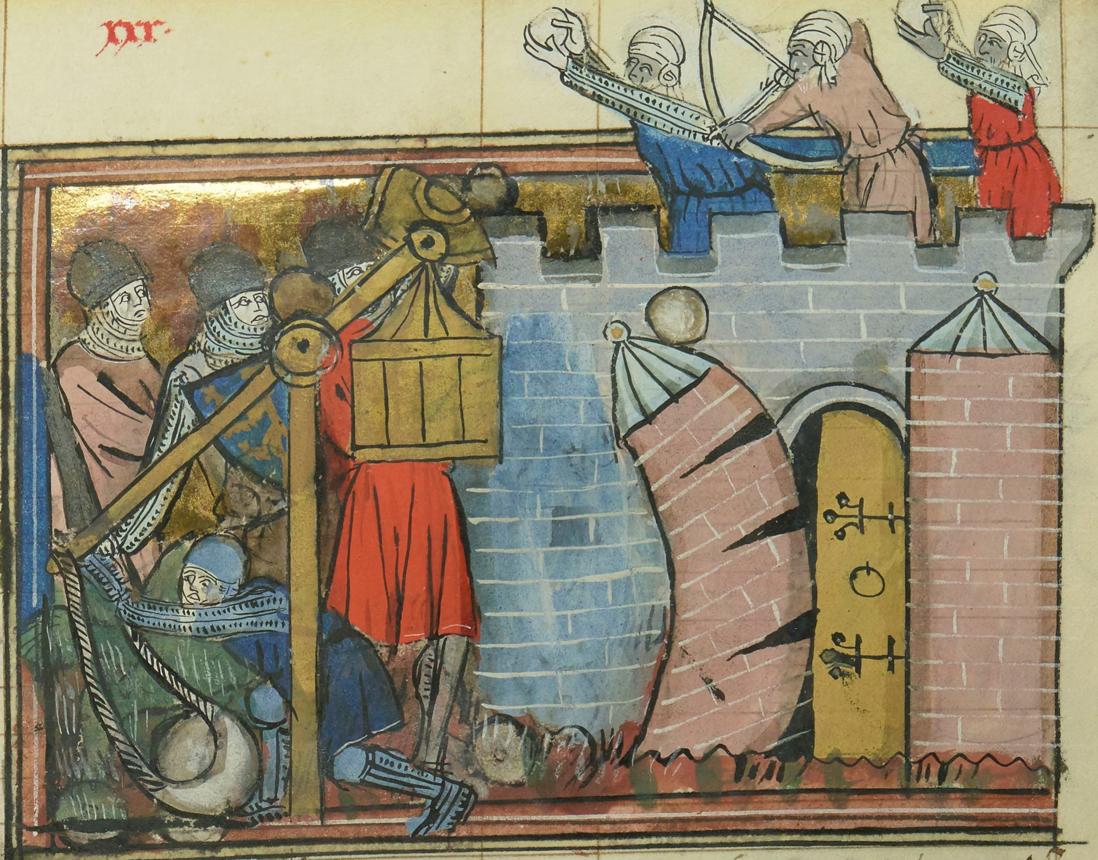
Nicaea, modern İznik in Turkey, was an important city under Seljuk control and a former imperial center.
The crusaders besieged it in the spring of 1097.
The city had substantial defenses and access to a lake, making a direct assault difficult. Byzantine forces also participated in the operation.
The siege ended when Byzantine forces arranged for the city's surrender. Nicaea came under imperial control rather than being freely handed over to the crusaders.
This outcome angered some crusaders, who had hoped for the spoils of a captured city.
Nevertheless, the operation achieved an important strategic objective: it weakened Seljuk control in northwestern Anatolia and allowed the main crusading army to continue its journey.
10. The Battle of Dorylaeum (July 1097)
Add to Favorites
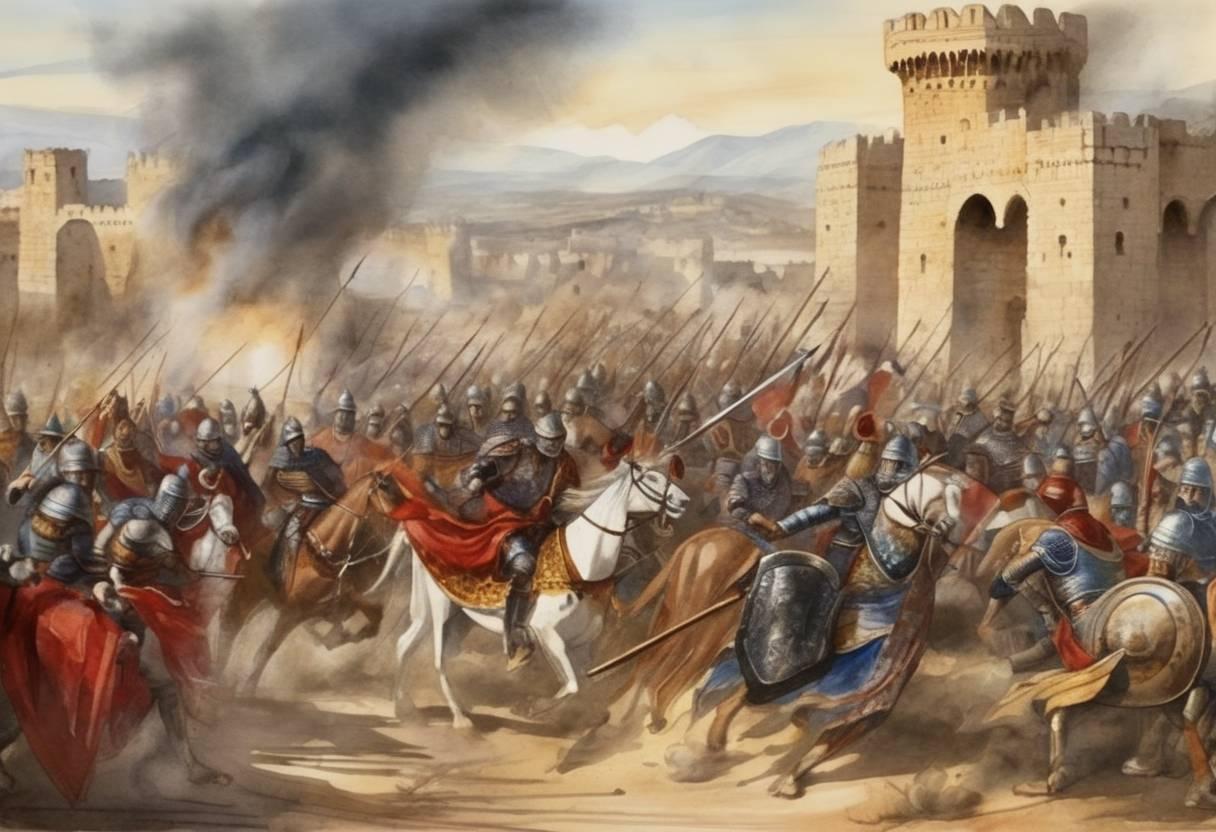
The Battle of Dorylaeum was a major early engagement between the crusaders and Seljuk forces.
The crusading army was moving through Anatolia when a Turkish force attacked part of it.
Turkish tactics
Turkish cavalry made extensive use of mounted archery.
Horse archers could approach quickly, fire arrows, retreat, and attack again from different directions. They could avoid close combat when it was unfavorable and exploit the difficulties faced by heavily armored opponents.
The crusaders, by contrast, relied heavily on mounted warriors capable of fighting at close quarters, supported by infantry and other troops.
The battle
The Turkish attack initially placed the crusaders under severe pressure. Some crusaders formed defensive positions while messengers called for assistance from the other parts of the army.
Reinforcements eventually arrived, and the crusaders counterattacked.
The Turkish force withdrew, leaving the crusaders able to continue their march.
Dorylaeum illustrated the strengths and weaknesses of both military systems. Heavy cavalry could be devastating when properly employed, but Turkish mounted archers could inflict casualties and disrupt formations without necessarily engaging in direct combat.
The crusaders still had to cross a large, unfamiliar region where food and water could be difficult to find.
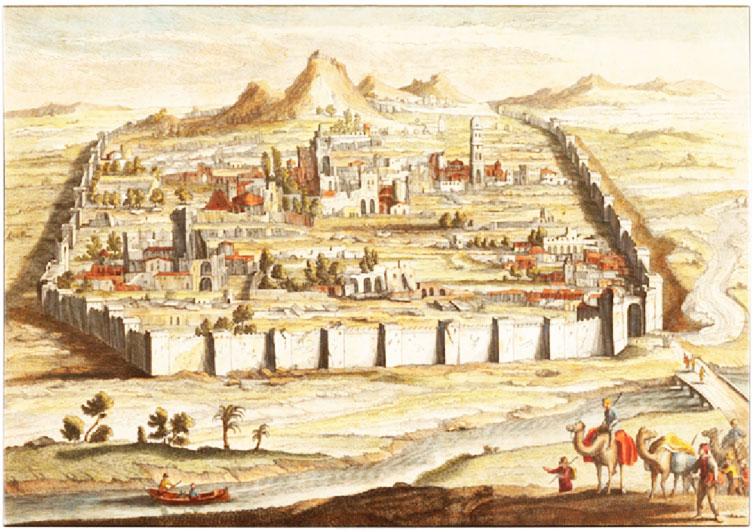
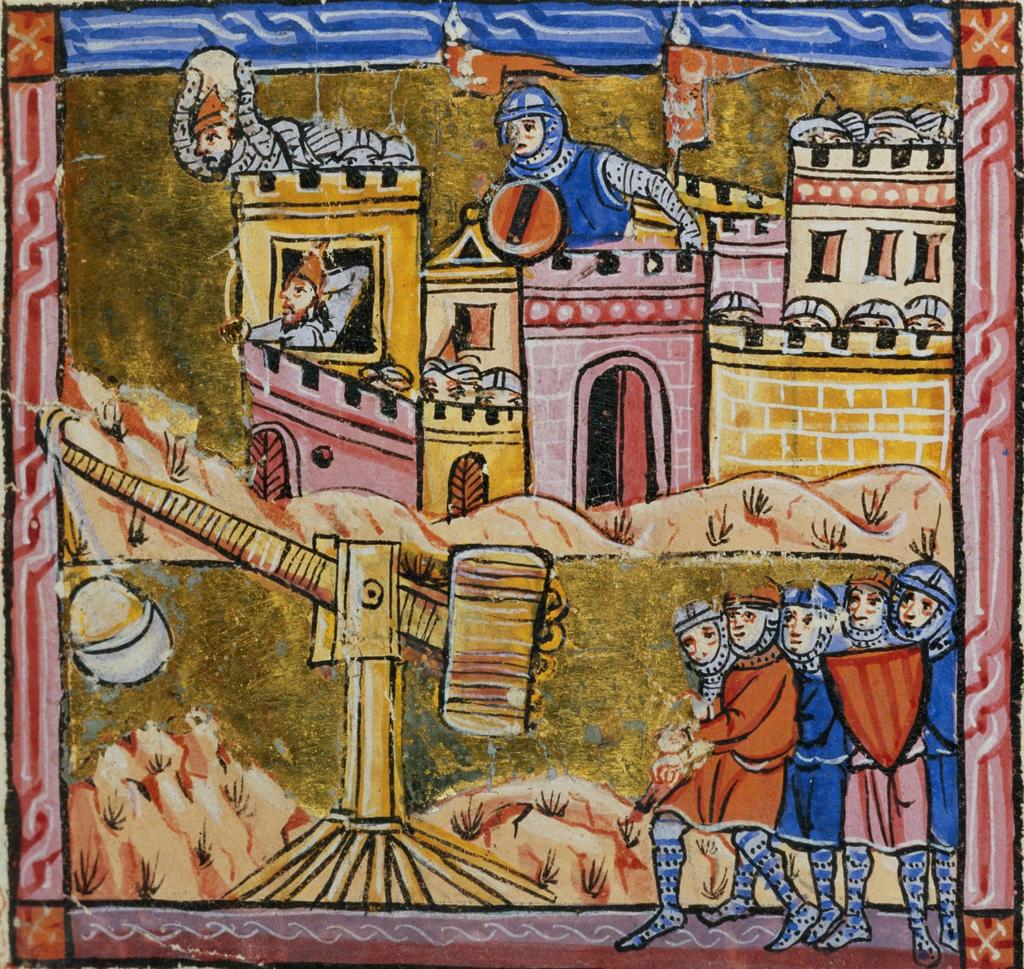
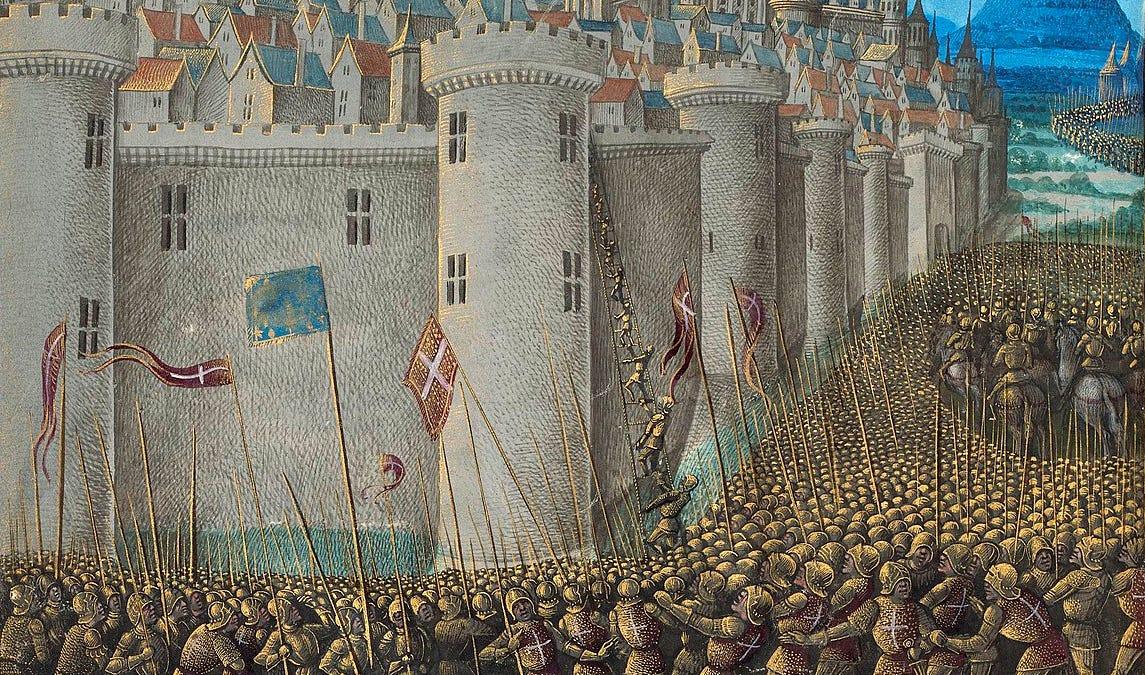
11. The siege of Antioch (1097–1098)
Add to Favorites
Add to Favorites
Add to Favorites

Add to Favorites
Add to Favorites
Add to Favorites
Antioch was one of the most important cities in northern Syria.
It was strategically valuable because it controlled important routes between Anatolia and the Levant. It was also an ancient Christian center and a major urban settlement.
The crusaders arrived in October 1097 and began a siege that would last for months.
The city's defenses
Antioch possessed formidable fortifications, including extensive walls and towers. The city's defensive position made a quick assault extremely difficult.
The crusaders did not have enough resources to surround every part of the city's defenses effectively. Supplies were limited, and the surrounding countryside could not support the besieging army indefinitely.
Hunger and disease
As the siege continued, the crusaders suffered from hunger, disease, and shortages of animals.
Horses were particularly important. A knight without a suitable warhorse could still fight, but the loss of a trained mount reduced his mobility and combat effectiveness.
Some crusaders deserted. Others sold equipment, ate whatever food they could find, or struggled to remain with the army.
The defenders also faced difficulties, but the crusaders' supply problems became severe.
Bohemond's plan
Bohemond of Taranto negotiated with a person inside Antioch who could assist in opening a way into the city.
In June 1098, the crusaders entered Antioch through a section of the defenses and captured much of the city.
However, the citadel remained in enemy hands, and a relief army led by Kerbogha, ruler of Mosul, approached.
The crusaders were suddenly trapped inside the city while a much larger Muslim relief force threatened them from outside.
The siege reverses
The crusaders now faced a desperate situation.
They had conquered Antioch, but their position was not secure. Their enemies controlled the citadel and the surrounding approaches, while the crusaders had exhausted much of their food.
During this period, reports circulated among the crusaders about the discovery of the Holy Lance, supposedly the spear that had pierced Jesus during the crucifixion.
Some crusaders regarded this discovery as a sign of divine favor. Modern historians cannot establish the relic's authenticity.
The discovery nevertheless contributed to the religious atmosphere surrounding the campaign.
The Battle of Antioch (June 1098)
The crusaders eventually marched out of the city to confront Kerbogha's army.
The exact composition and numbers of the opposing forces are uncertain. The Muslim army included troops from several regions and political authorities, whose interests and loyalty were not necessarily identical.
The crusaders attacked in organized formations, and the opposing coalition failed to destroy them.
The relief army withdrew, allowing the crusaders to retain Antioch.
The victory was decisive, but the subsequent dispute over who would control the city exposed the expedition's internal divisions.
Bohemond claimed Antioch for himself, while the Byzantines argued that the crusaders had sworn to return recovered imperial territories.
The dispute would shape the future of the Crusader states.
12. The march toward Jerusalem
After Antioch, the crusaders did not immediately continue south.
Political disagreements, negotiations, and logistical difficulties delayed the expedition.
Some leaders wanted to establish control over the territories they had captured. Others argued that the original objective—Jerusalem—had not yet been achieved.
The crusaders moved south through the Levant during 1098 and early 1099.
They negotiated with some local rulers, fought others, and sometimes obtained supplies through agreements rather than battle.
The region was divided among competing political powers. The Fatimid government of Egypt, which had lost control of Jerusalem to the Seljuks in 1073, recaptured the city in 1098.
Thus, by the time the crusaders approached Jerusalem, the city was under Fatimid control rather than Seljuk rule.
This distinction matters: the First Crusade did not simply advance against one unified Muslim empire.
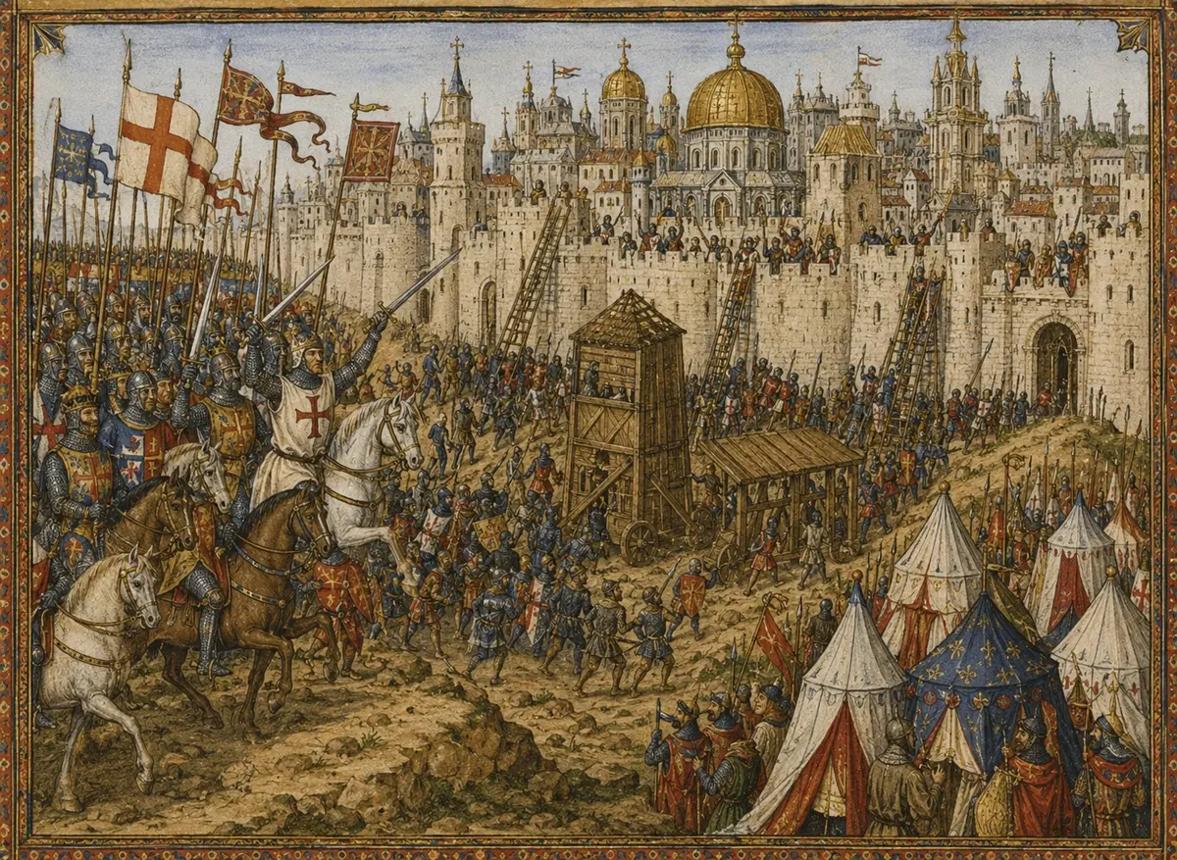
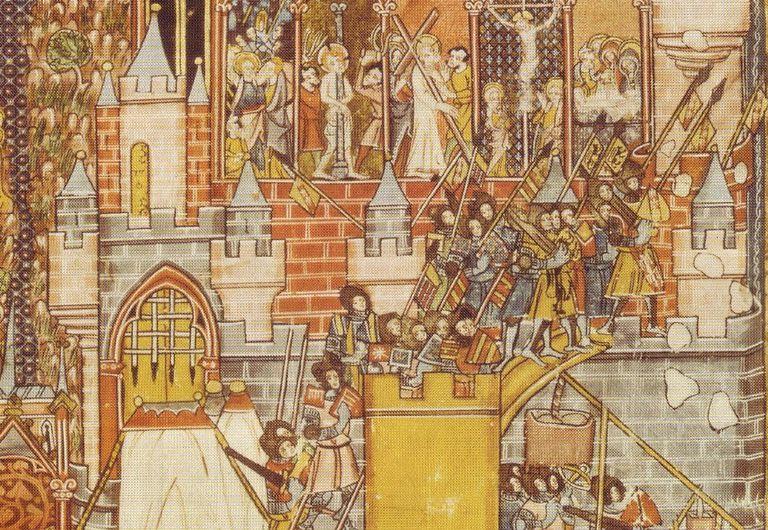
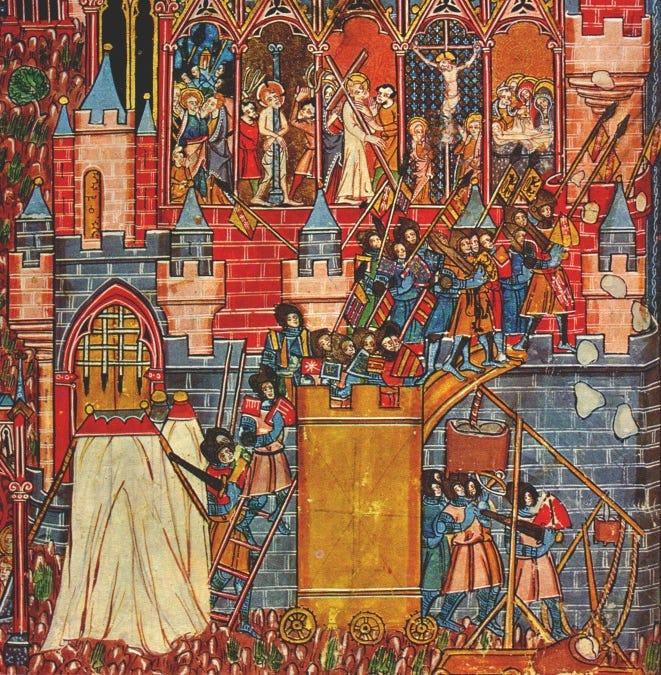
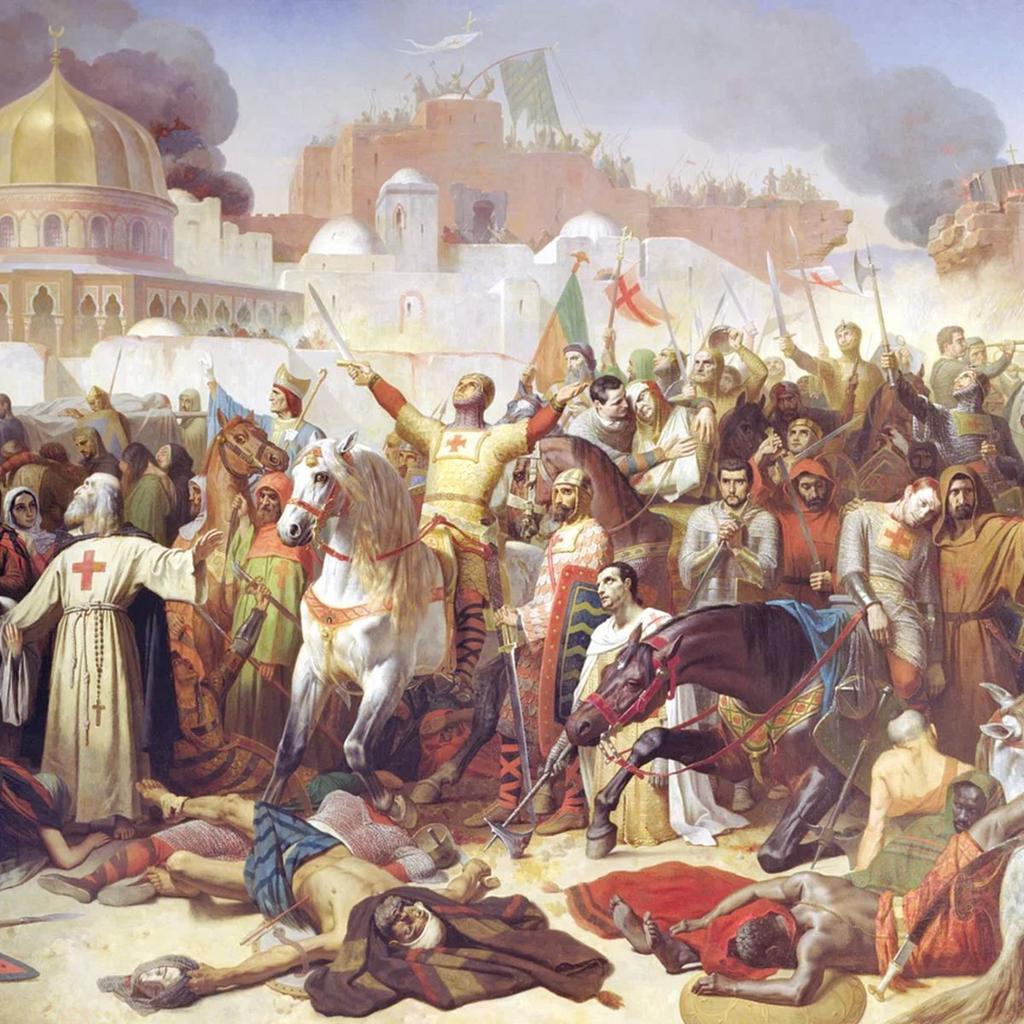
13. The siege and capture of Jerusalem (June–July 1099)
Add to Favorites
Add to Favorites
8
Add to Favorites
Jerusalem was the principal objective of the expedition, and the crusaders arrived in June 1099.
The city was fortified and defended by a Fatimid garrison.
The crusaders faced several major challenges:
-
A shortage of food and water.
-
Exposure to heat during the summer.
-
Insufficient timber for siege machinery.
-
Difficulty maintaining an effective blockade.
-
The possibility of a relief army arriving from Egypt.
Water was especially important. The besiegers had to obtain it from sources outside the city, and transporting it required time, labor, and animals.
The siege engines
The crusaders constructed siege equipment, including wooden towers and other machines intended to bring troops close to the walls.
Such structures required enormous quantities of timber, ropes, labor, and skilled construction.
Local supplies were insufficient for everything the crusaders needed, so materials were obtained from surrounding areas.
Genoese sailors and other maritime contacts played a role in supplying useful materials and expertise.
The assault
In July 1099, the crusaders launched a major assault.
Siege towers allowed attackers to approach the defenses and attempt to cross onto the walls. Once the defenders could no longer hold parts of the fortifications, crusading troops entered the city.
The capture of Jerusalem was followed by extensive killing and looting.
Muslim and Jewish inhabitants were among those killed. Medieval Christian accounts themselves describe severe violence, although they differ in details and often frame the event in religious terms.
The scale and distribution of the deaths remain difficult to establish precisely. Nevertheless, the conquest was undeniably a massacre, not a peaceful transfer of government.
The city subsequently became the center of a new Latin Christian kingdom.
Why was the victory so important?
The crusaders had achieved their central objective, but their conquest also created a new strategic problem.
They had to defend a collection of captured cities and territories far from Western Europe, surrounded by neighboring powers that might oppose their presence.
The victory of 1099 therefore marked the beginning of another phase: the establishment and defense of the Crusader states.
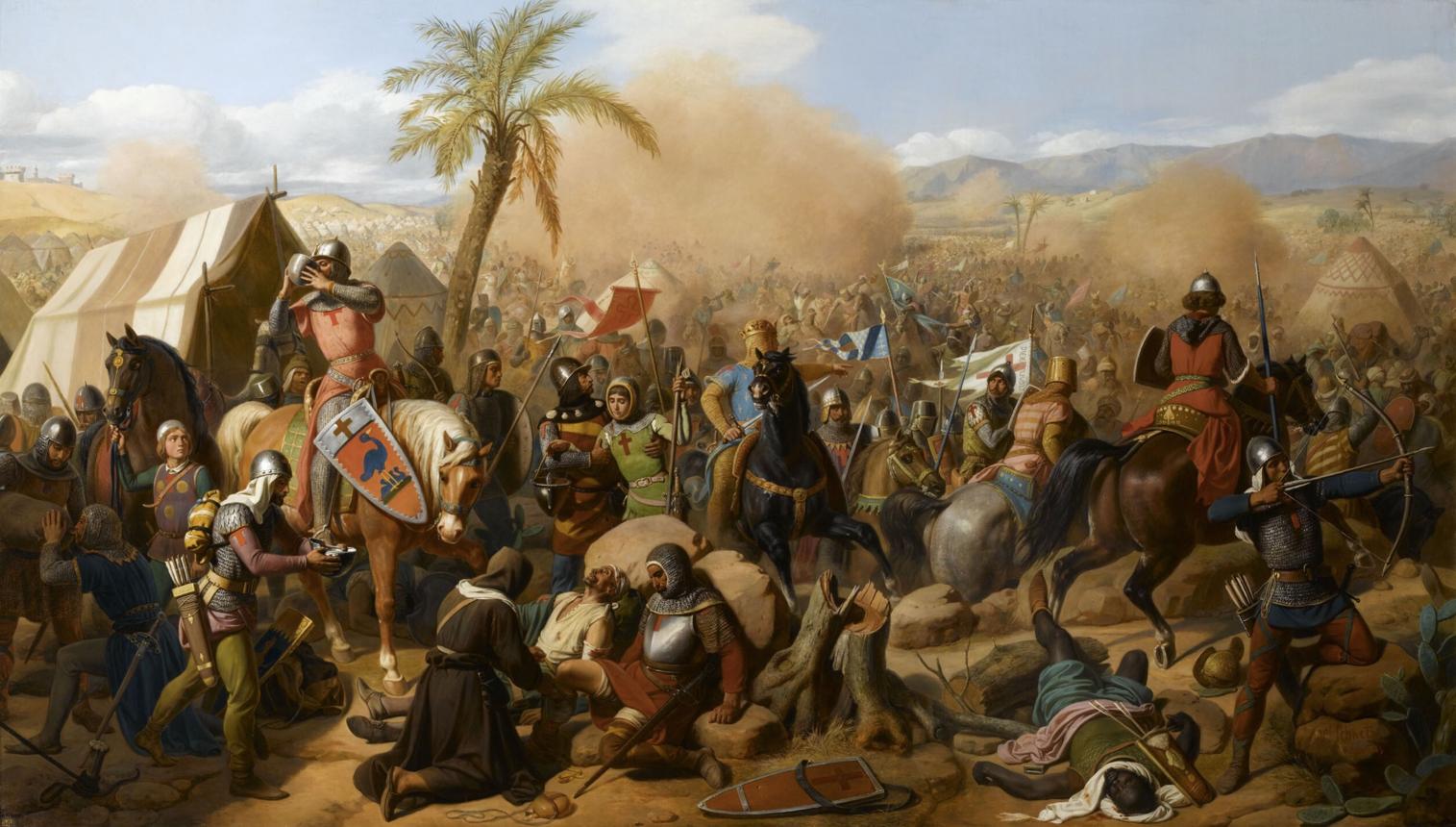
14. The Battle of Ascalon (August 1099)
Add to Favorites
Jerusalem had fallen, but the crusaders' position remained dangerous. An Egyptian Fatimid army was approaching from the south.
The crusaders marched toward Ascalon, a fortified coastal city in what is now Israel. The resulting battle took place in August 1099.
The crusaders launched a surprise attack against the Fatimid army, which was not fully prepared for battle. The Fatimids were defeated, and the immediate threat to the new Kingdom of Jerusalem was reduced.
Ascalon itself remained under Fatimid control until 1153, illustrating an important distinction: winning a battle did not automatically mean capturing the city nearby.
Results of the First Crusade
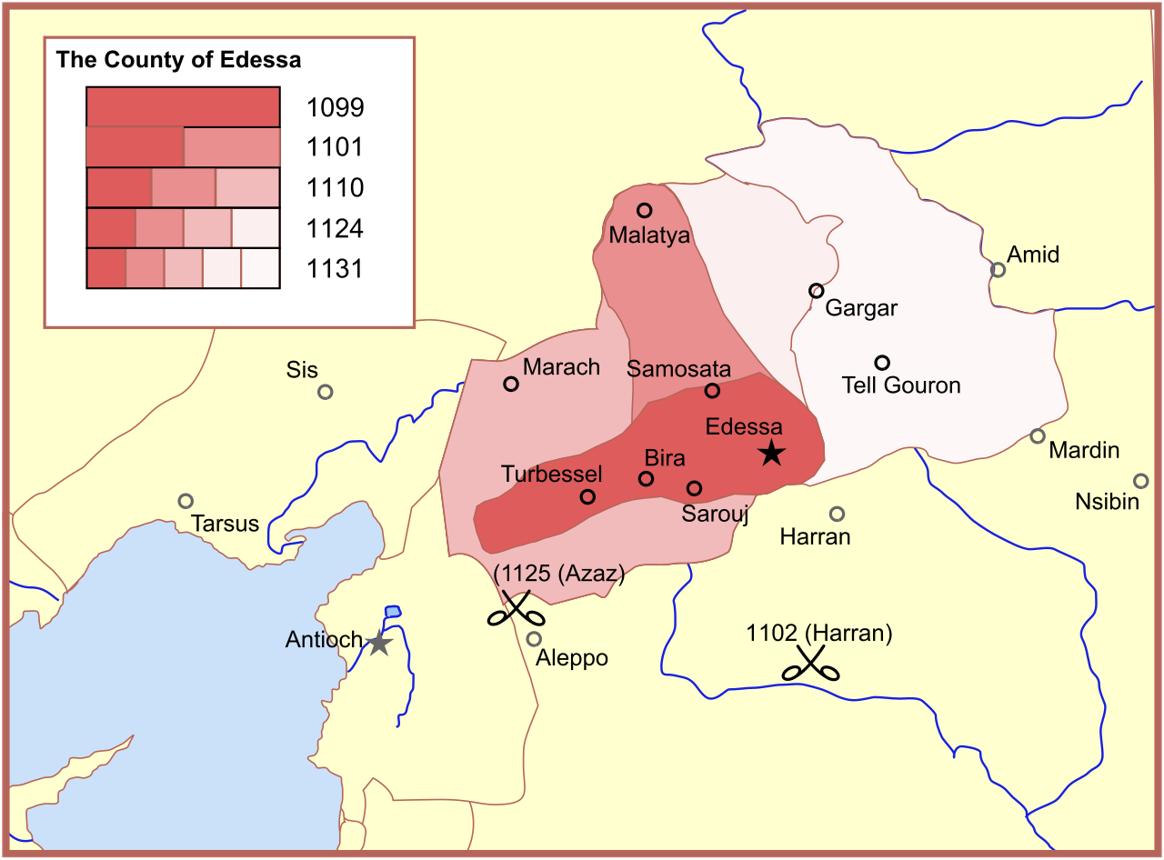
The First Crusade established four major Crusader states:
Add to Favorites
- County of Edessa
Established around 1098 · Fell in 1144
The northernmost Crusader state, centered on Edessa, now Şanlıurfa in Turkey. Its position made it vulnerable to neighboring Muslim powers.
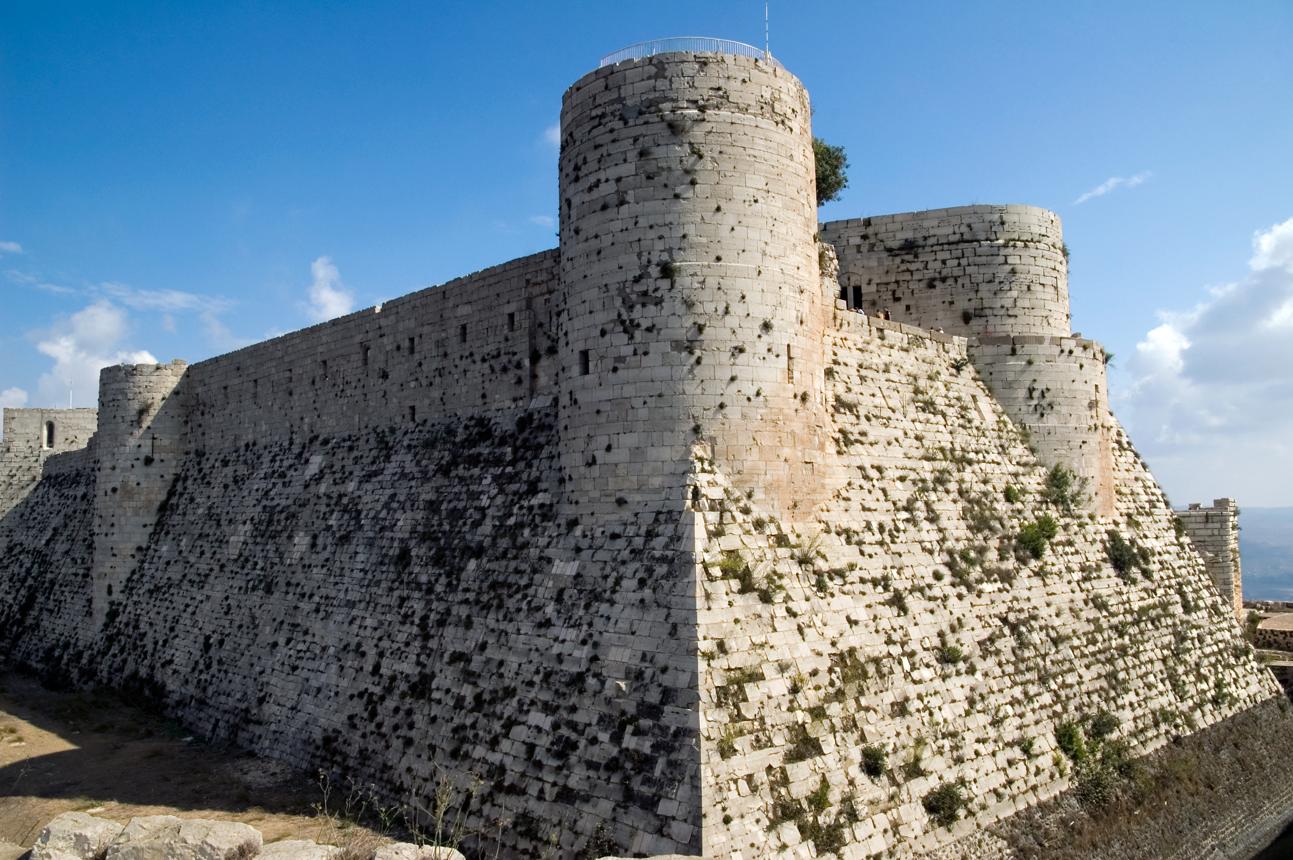
Add to Favorites
- Principality of Antioch
Established in 1098 · Survived until 1268
Ruled initially by Bohemond of Taranto and his successors. It controlled an important strategic corridor in northern Syria.

Add to Favorites
- County of Tripoli
Established during the early 12th century · Fell in 1289
Centered on Tripoli in modern Lebanon. Its establishment followed additional campaigning after Jerusalem's conquest.
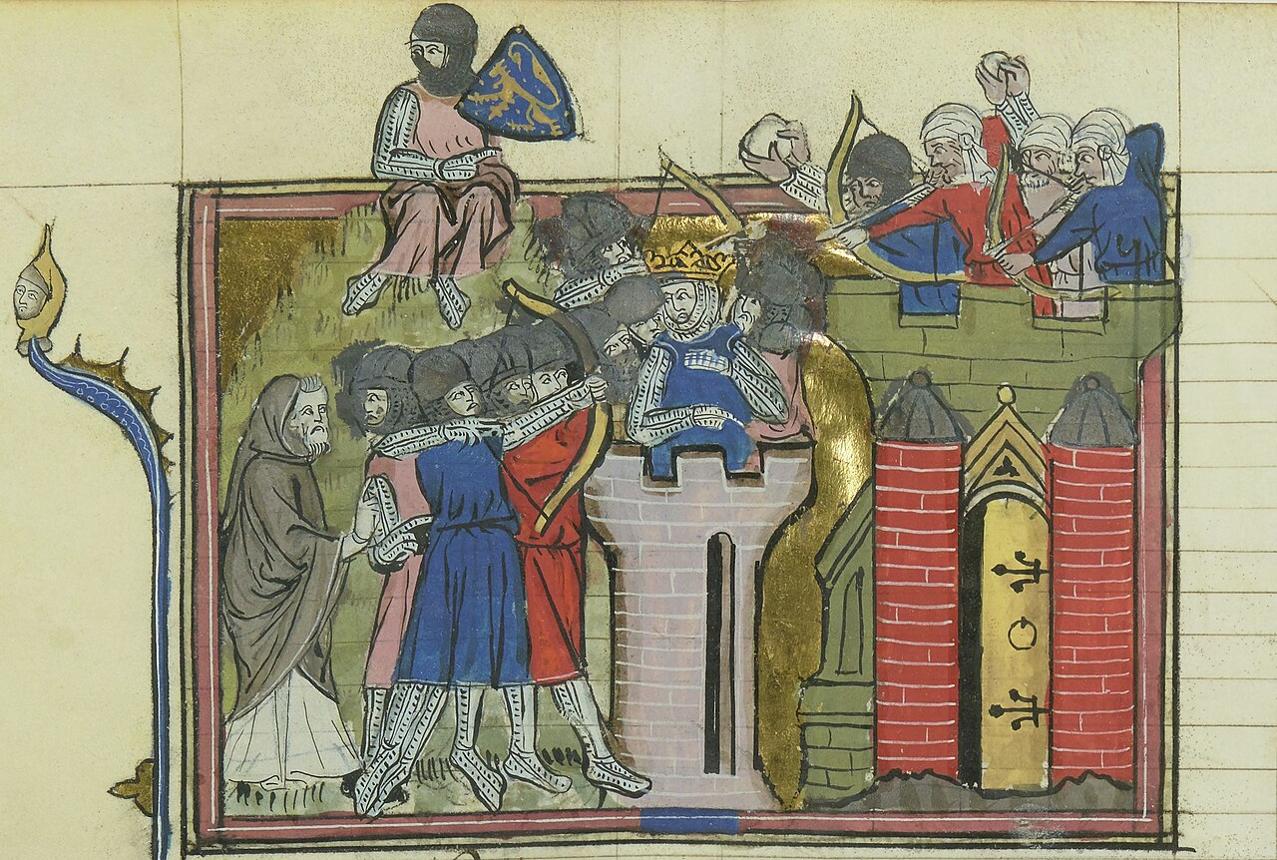
Add to Favorites
- Kingdom of Jerusalem
Established in 1099 · Lost its mainland capital in 1187
The most prestigious Crusader state. It controlled Jerusalem initially and later depended heavily on fortified coastal cities and maritime connections.
These states were often collectively called Outremer, a French term meaning "overseas."
The First Crusade was a remarkable military success for its participants, but the territories it created were difficult to defend. Their rulers depended on local inhabitants, military orders, reinforcements from Europe, and support from Mediterranean shipping networks.
external image: www.google.com
The Metropolitan Museum of Art
+2
Part IV — Crusader armor, weapons, and military equipment
Now that we've covered the first campaign, let's look closely at what the soldiers actually wore and used.
One of the biggest mistakes in popular depictions is treating Crusader armor as if it remained the same for 200 years. It changed substantially between 1095 and 1291.
A knight traveling to Jerusalem in 1097 looked very different from a knight fighting near Acre in 1291.
15. The evolution of Crusader armor
Add to Favorites

Add to Favorites
10
Add to Favorites
A. The late 11th-century knight
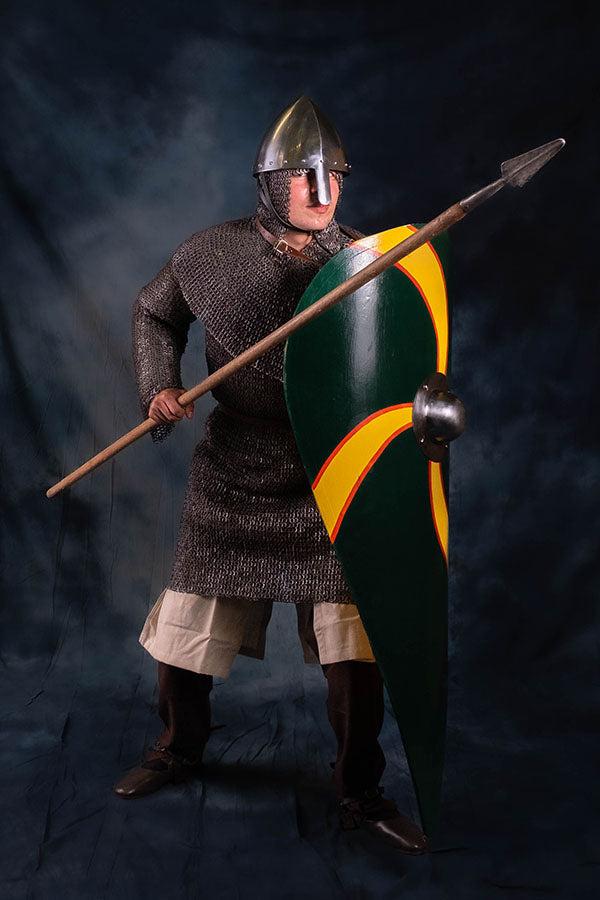
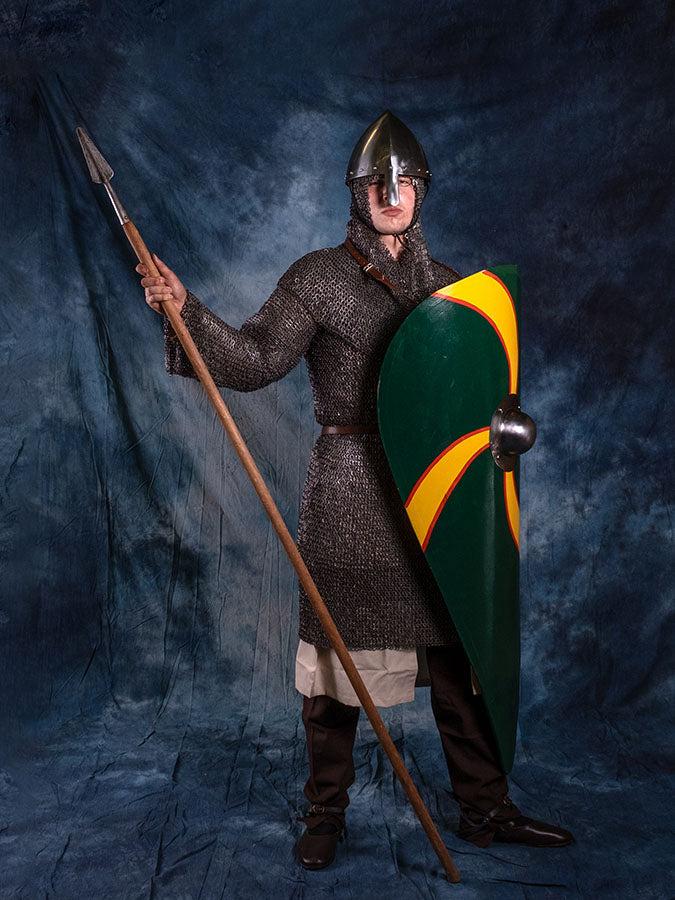
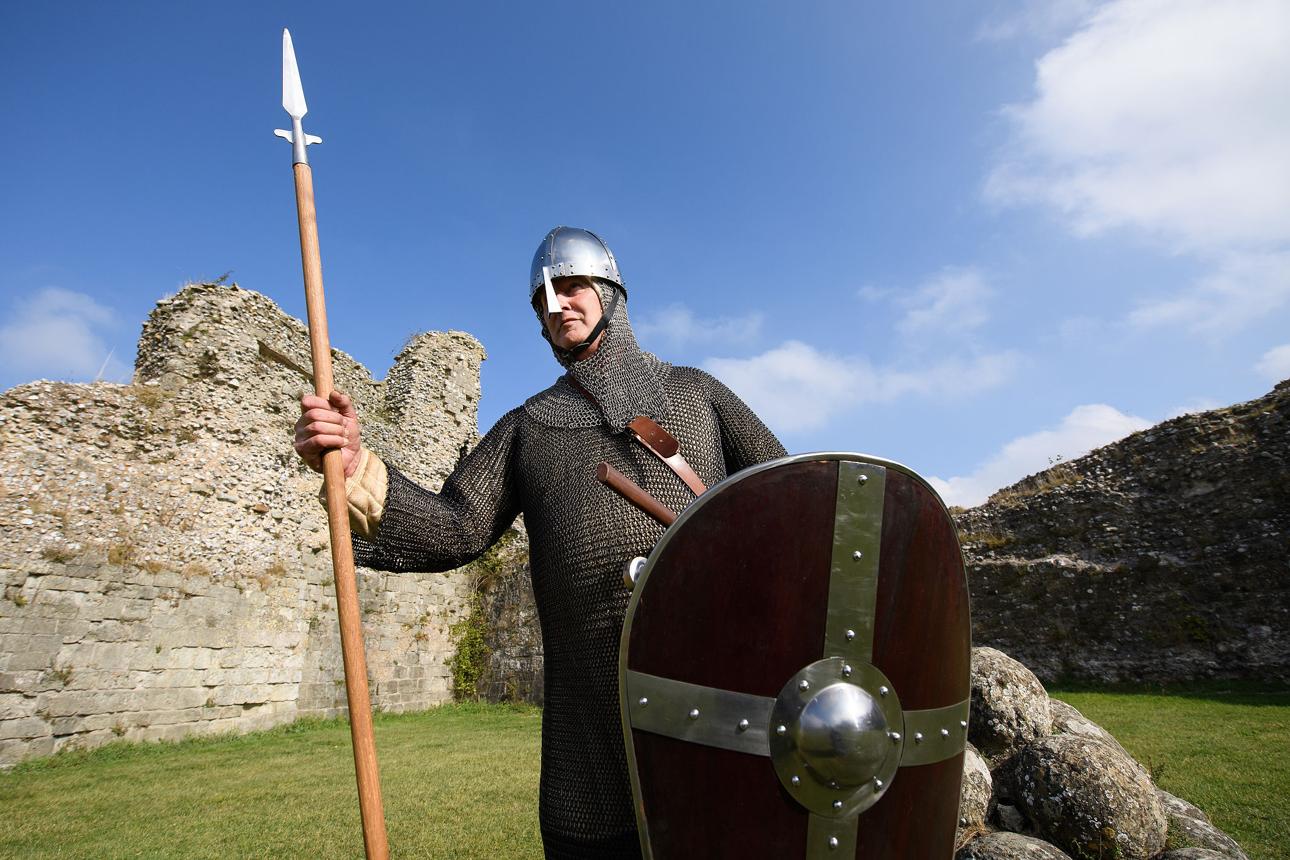
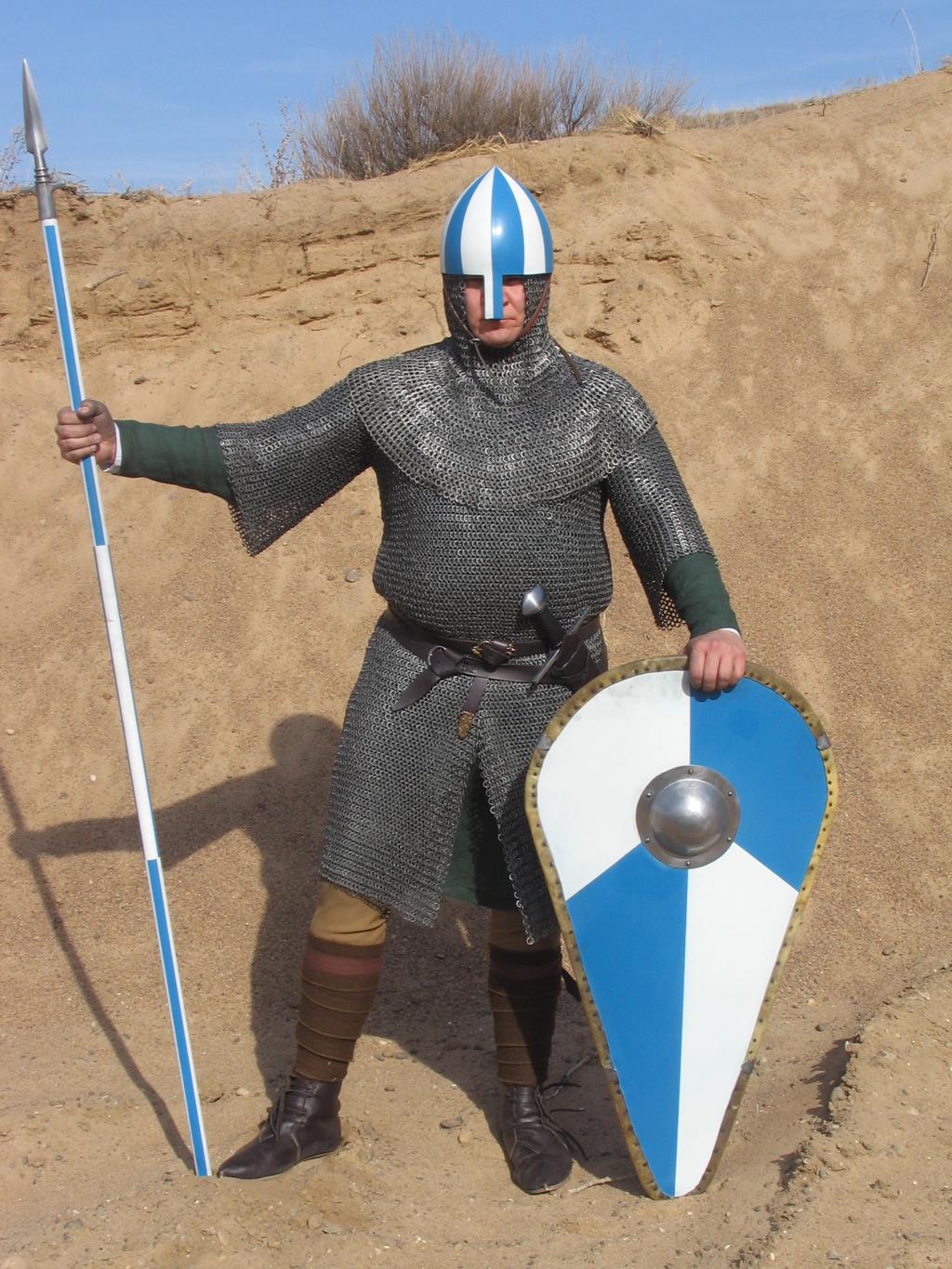
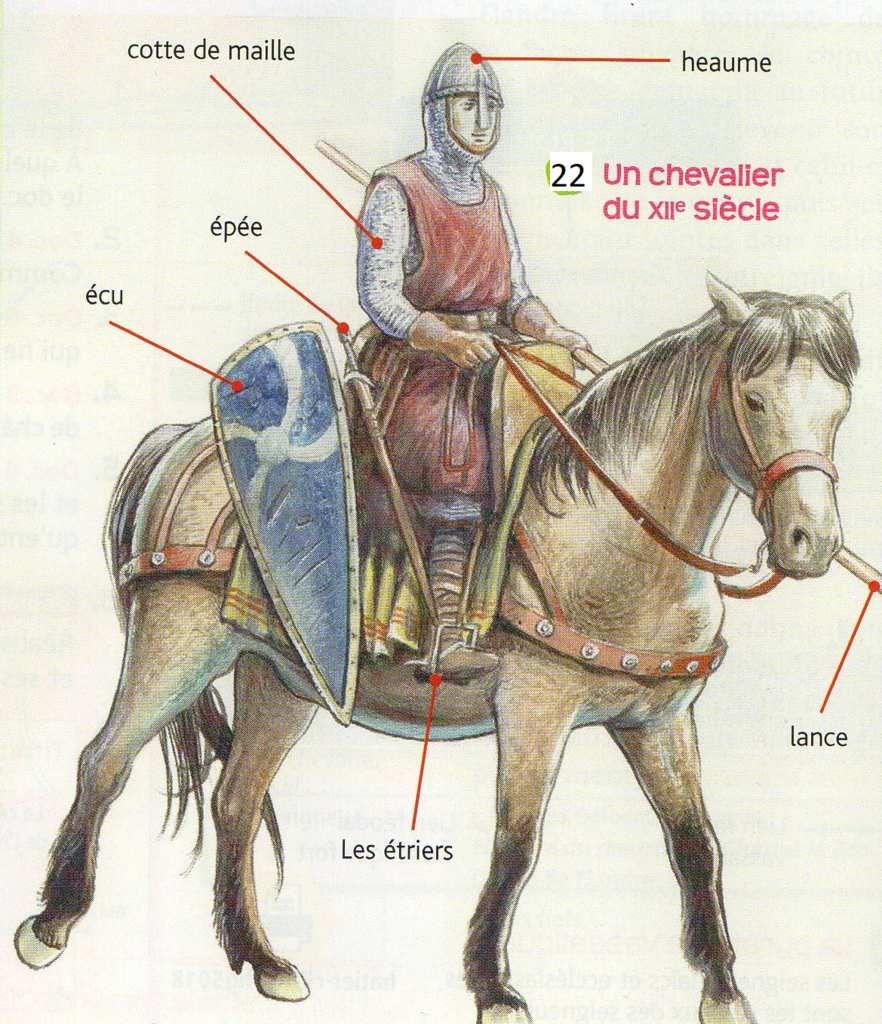
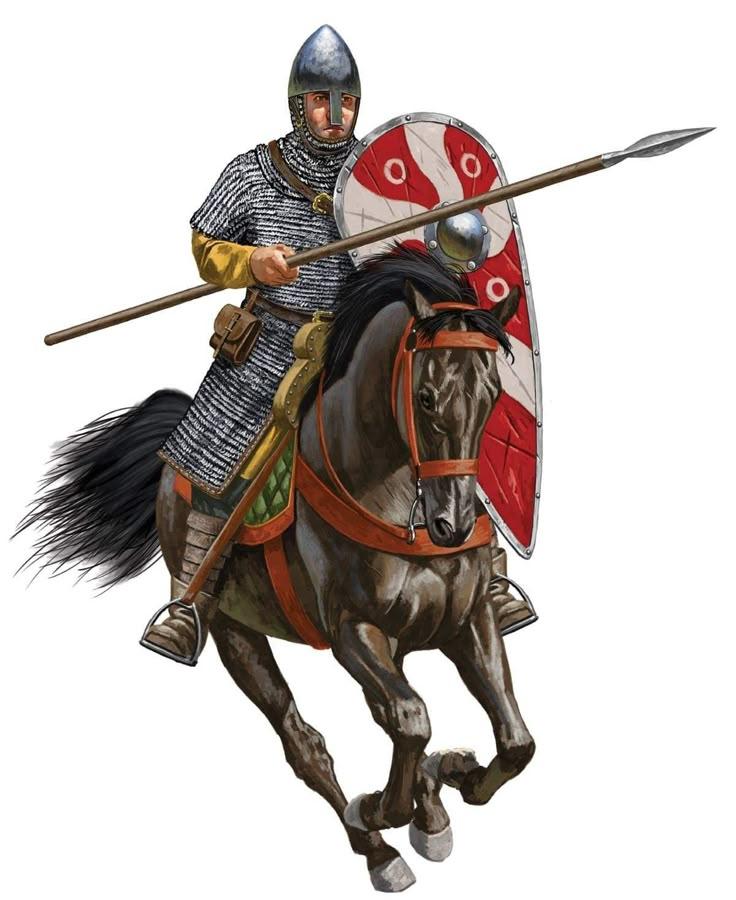
During the First Crusade, a well-equipped Western European knight commonly wore:
-
A mail hauberk.
-
A padded garment beneath the armor.
-
A conical iron helmet, often with a nasal guard.
-
A kite-shaped shield.
-
A sword and lance.
-
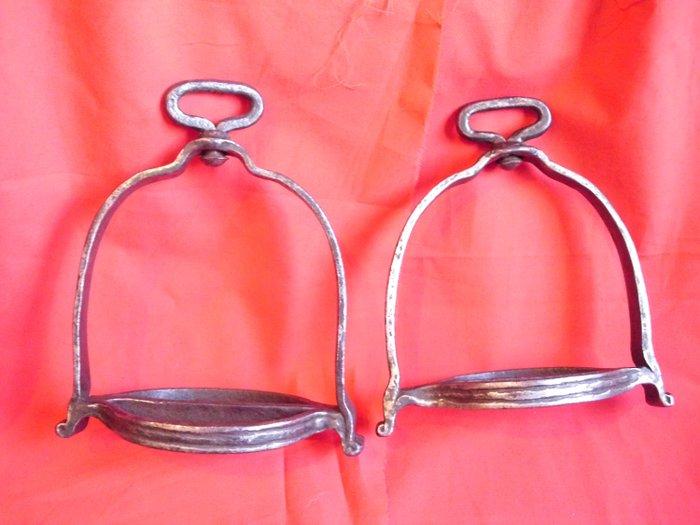
Spurs and riding equipment.
-
A warhorse, if he could afford one.
Mail armor consisted of thousands of interlinked metal rings. The rings might be riveted or constructed using a mixture of riveted and solid links, depending on the garment and its production.
Mail was expensive and labor-intensive to manufacture. A wealthy warrior might own a full-length hauberk covering much of his body, while a poorer fighter might have only a shorter mail shirt or a padded garment.
Mail protected against many cuts, but it was not invulnerable. Powerful impacts could still cause bruising or broken bones, and thrusts or projectiles could penetrate vulnerable areas.
B. The padded undergarment
Beneath mail, a warrior could wear a padded garment made from layers of fabric.
Historians use terms such as gambeson, aketon, and arming garment for related types of protective clothing, though their precise construction and terminology varied.
The padding served several purposes:
-
Reduced friction between the body and the mail.
-
Helped distribute the force of blows.
-
Reduced bruising from impacts.
-
Improved comfort and fit.
-
Provided some protection even if the outer armor was absent.
A mail shirt worn directly against bare skin would be uncomfortable and could cause chafing.
C. The nasal helmet
The nasal helmet was common during the First Crusade.
It generally had a conical or rounded metal skull with a projecting strip of metal over the nose. This protected part of the face while allowing comparatively good vision and airflow.
However, the face remained vulnerable, especially to blows from the side or below.
Some helmets were more elaborate than others, and helmet design varied across Europe and the eastern Mediterranean.
D. The kite shield
Add to Favorites
Add to Favorites
Add to Favorites
Add to Favorites
Add to Favorites
Add to Favorites
Add to Favorites

Add to Favorites
Add to Favorites
Add to Favorites
Add to Favorites
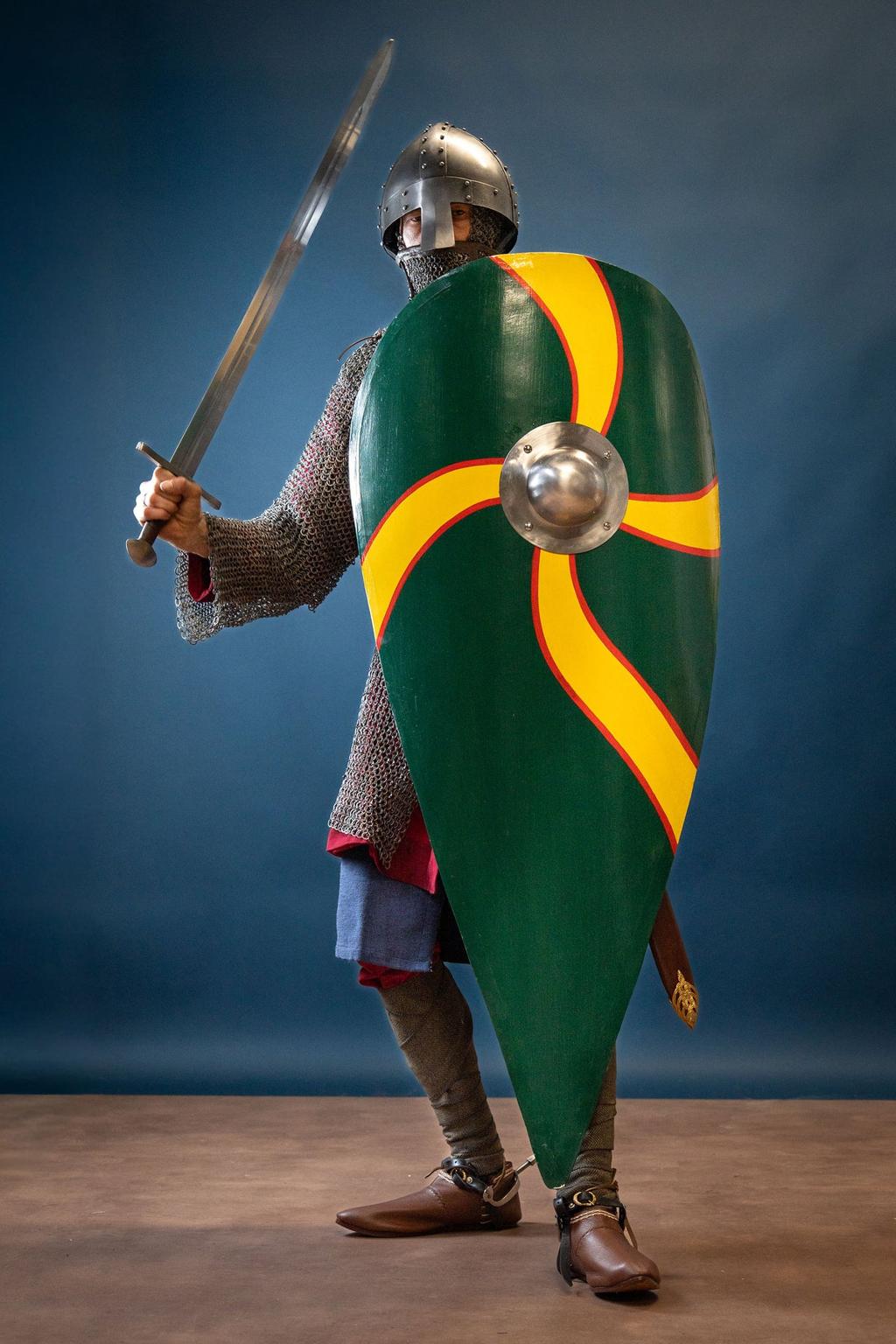
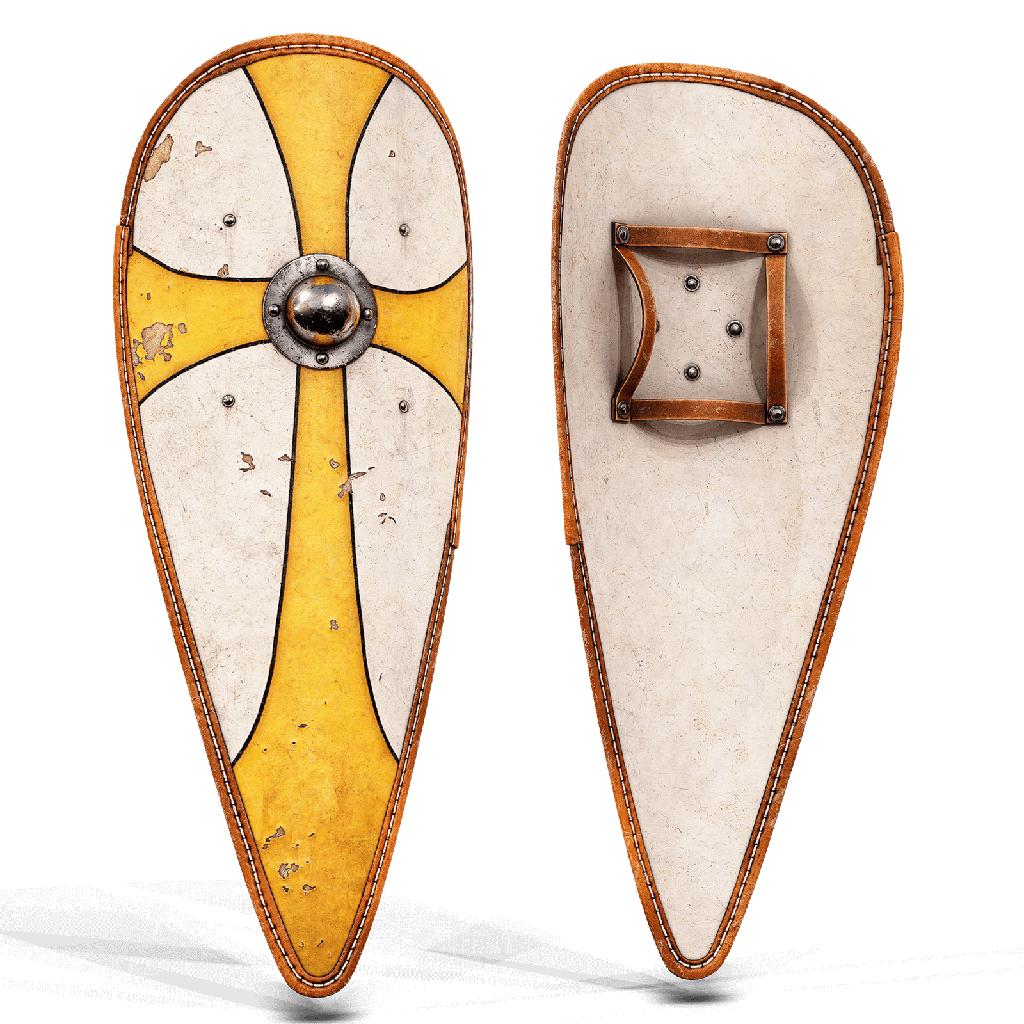
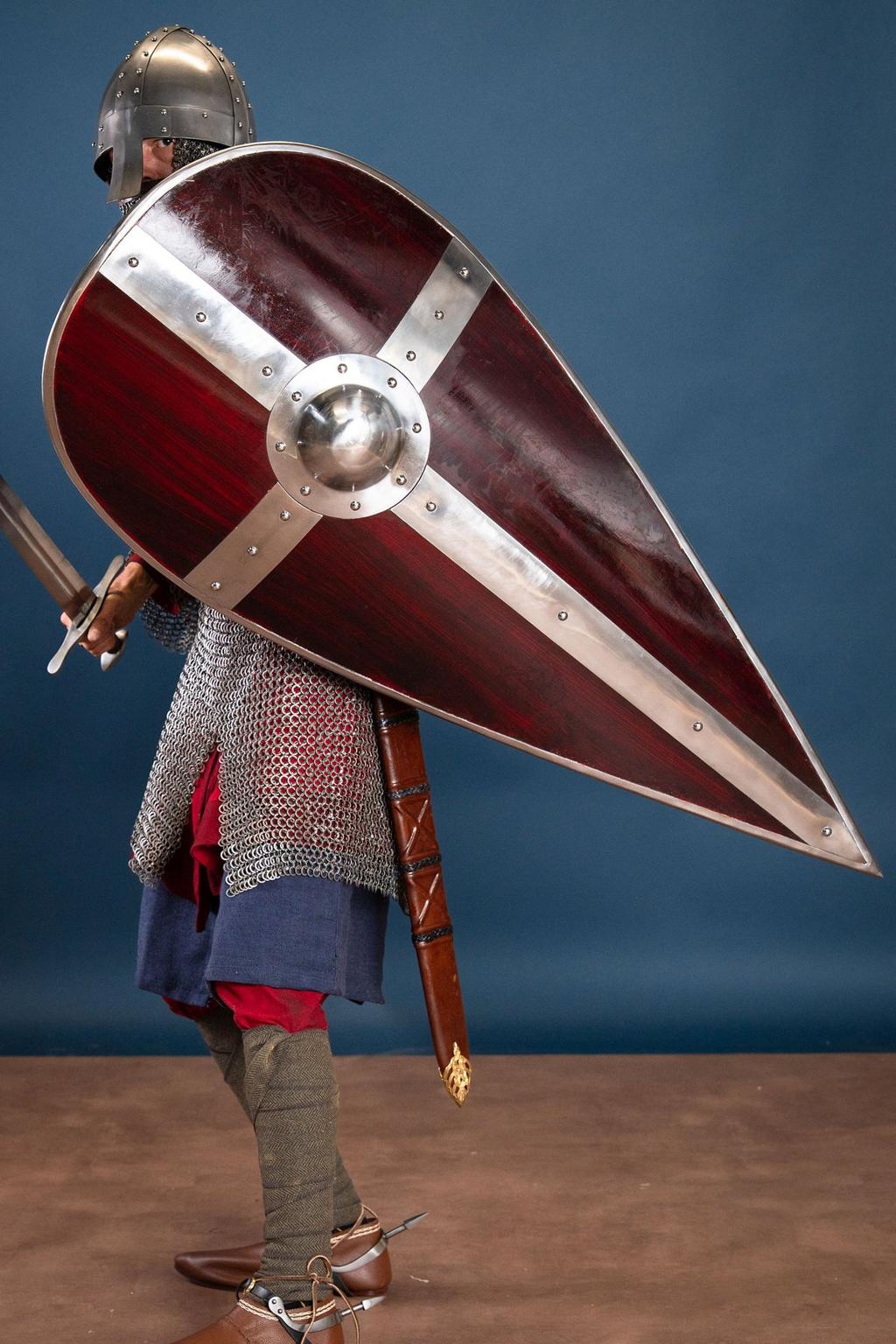
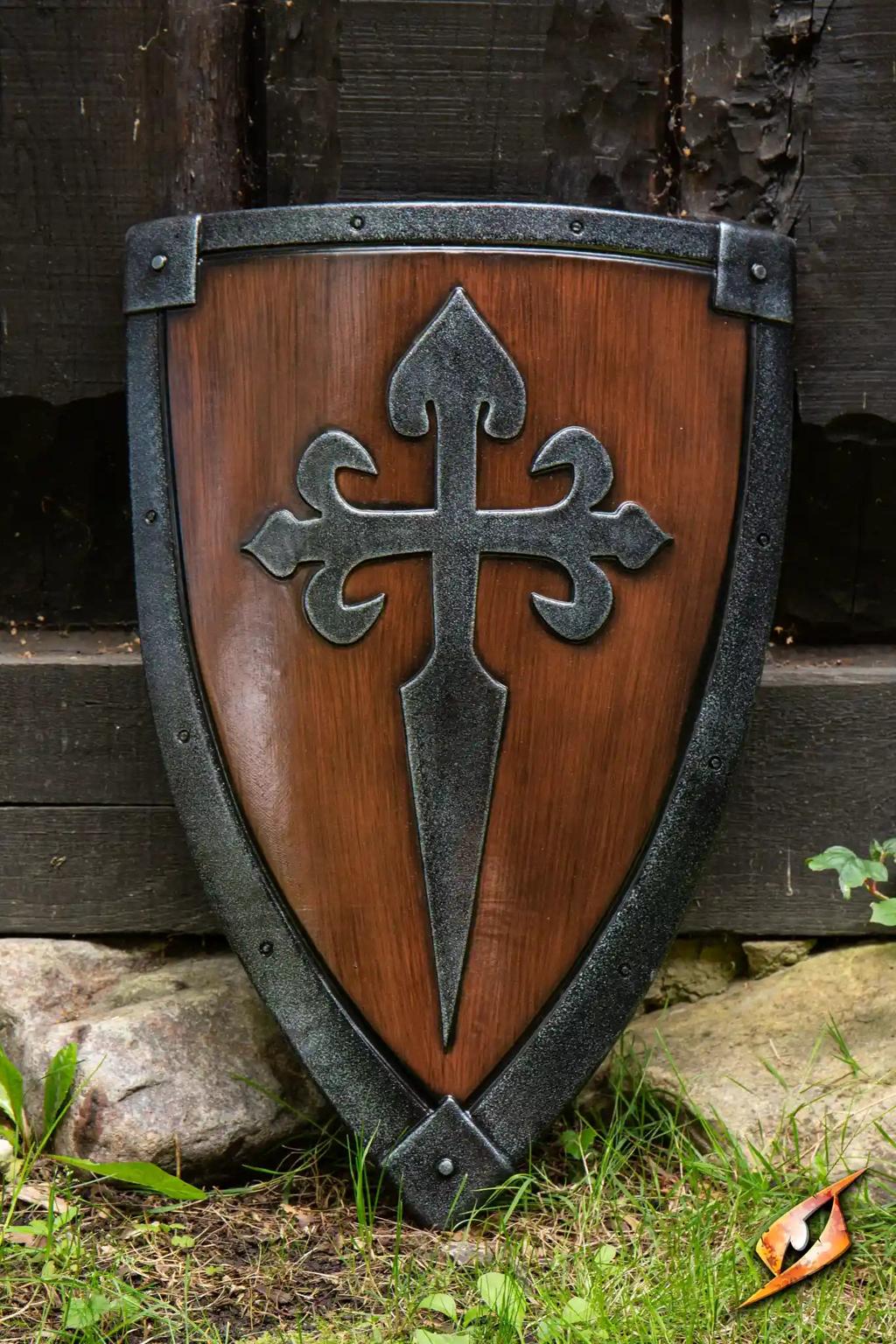
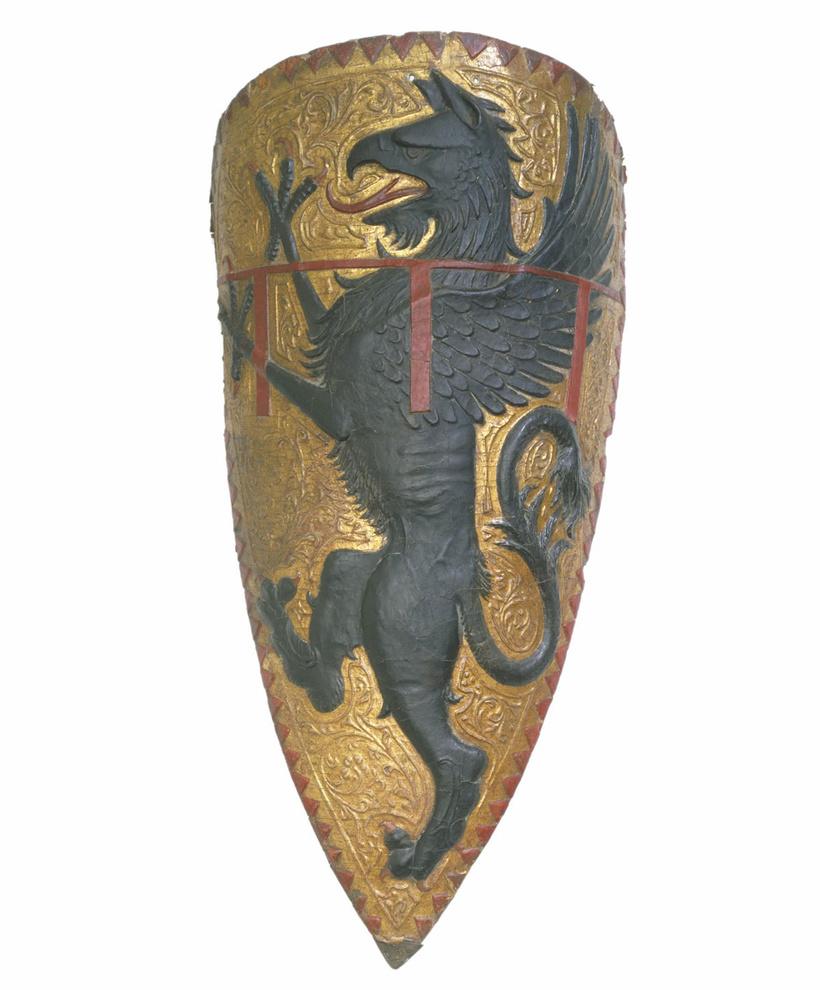
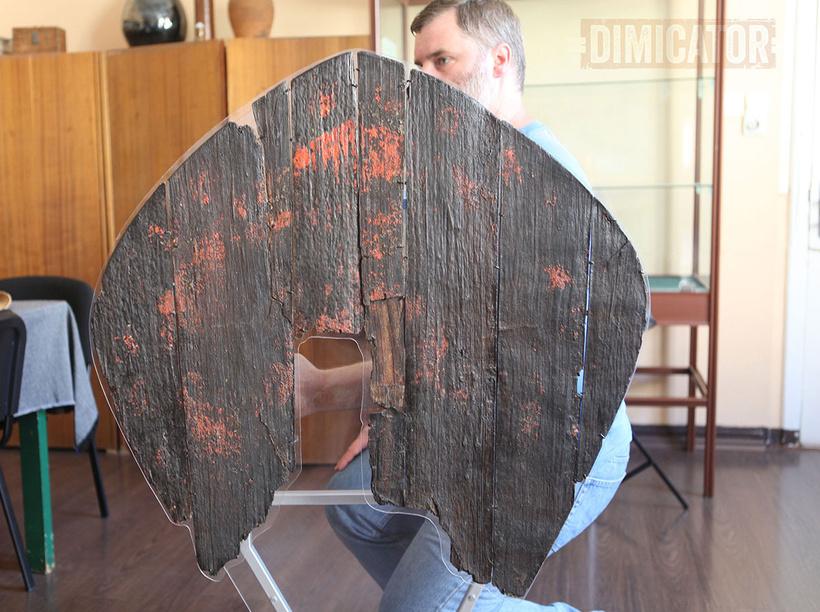
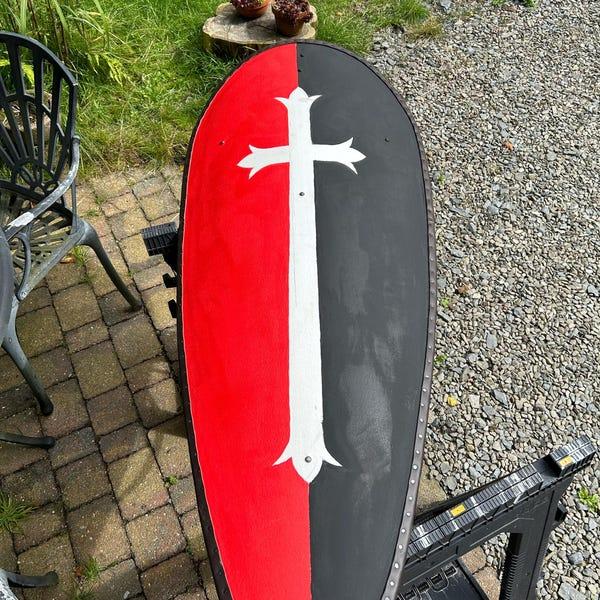
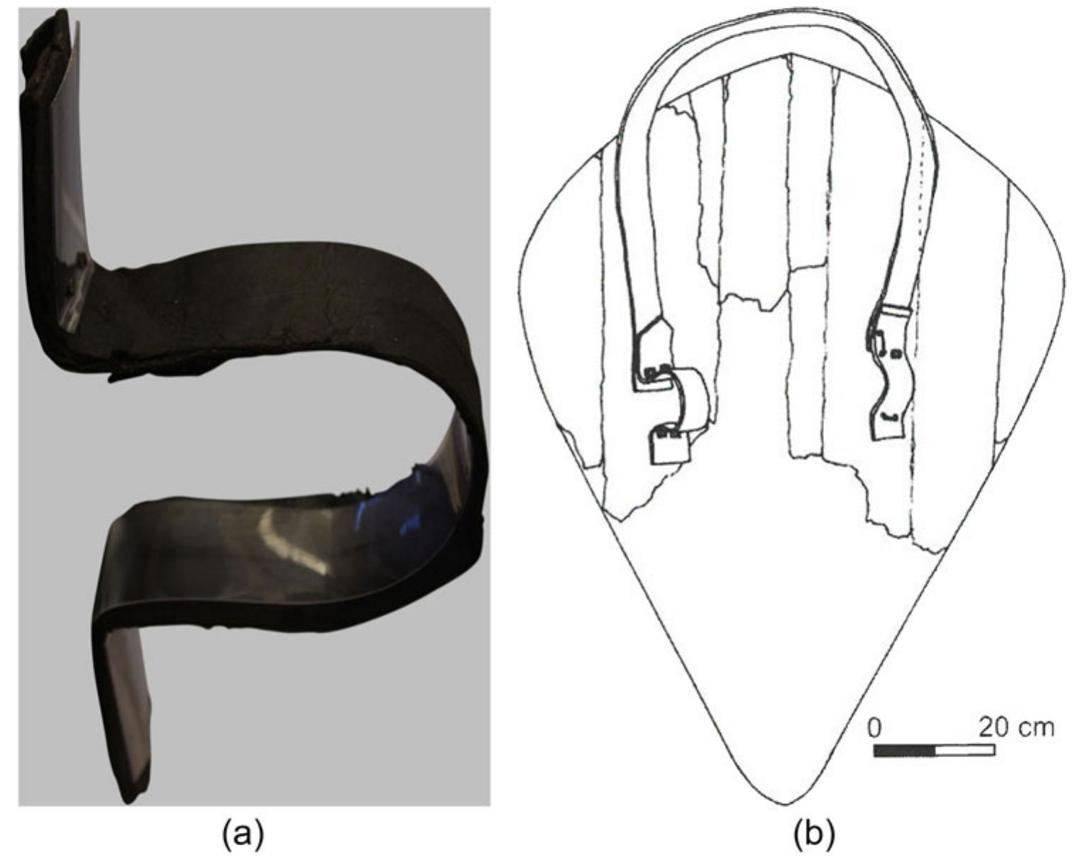
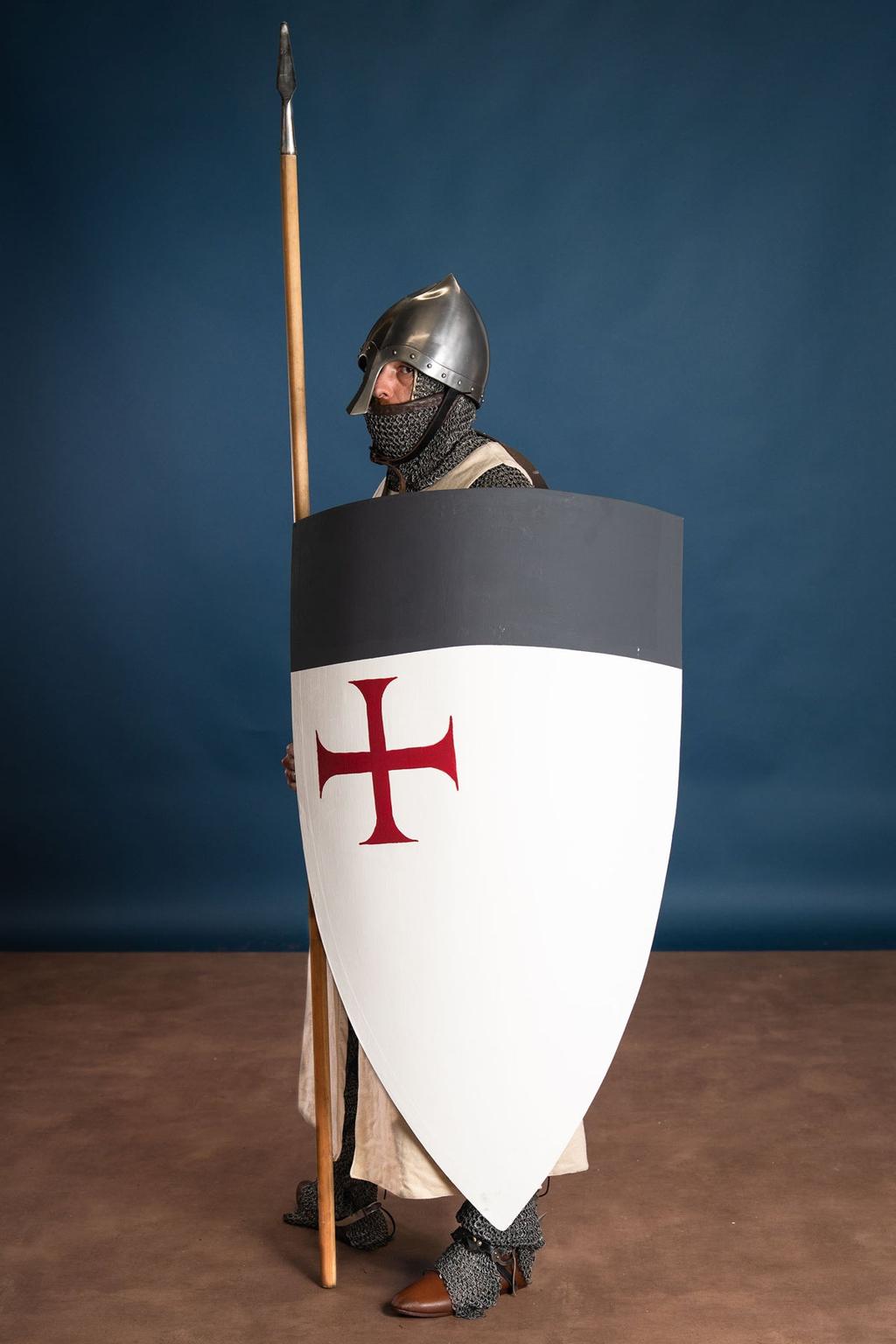
The kite shield was a long shield that broadened toward the top and tapered downward.
It was especially useful for mounted combat because it protected much of the torso and upper legs.
Typical construction involved a wooden core, covered with materials such as leather or fabric, with a grip or straps on the back. Some shields had reinforced edges.
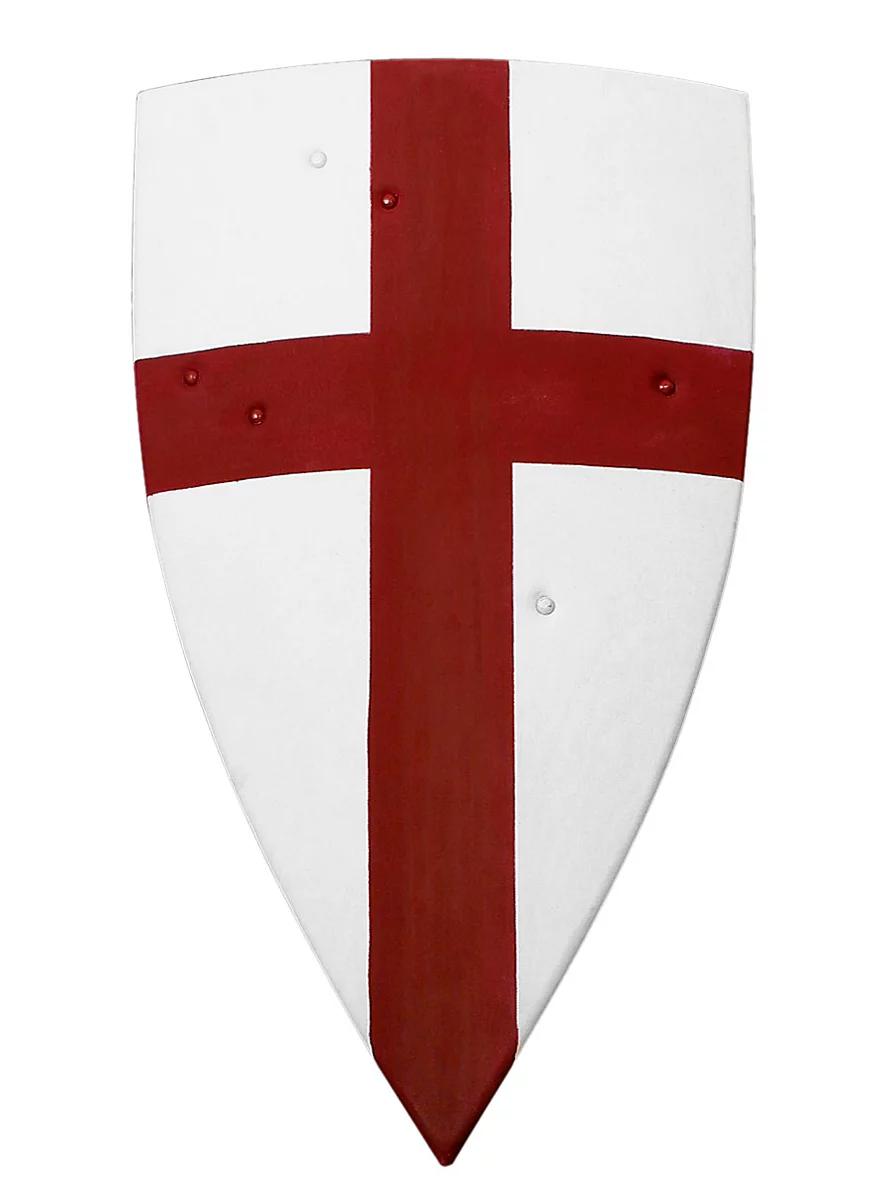
A shield might be painted with geometric patterns, religious symbols, or a lord's colors. However, the standardized heraldic systems familiar from later medieval tournaments were not yet fully developed during the First Crusade.
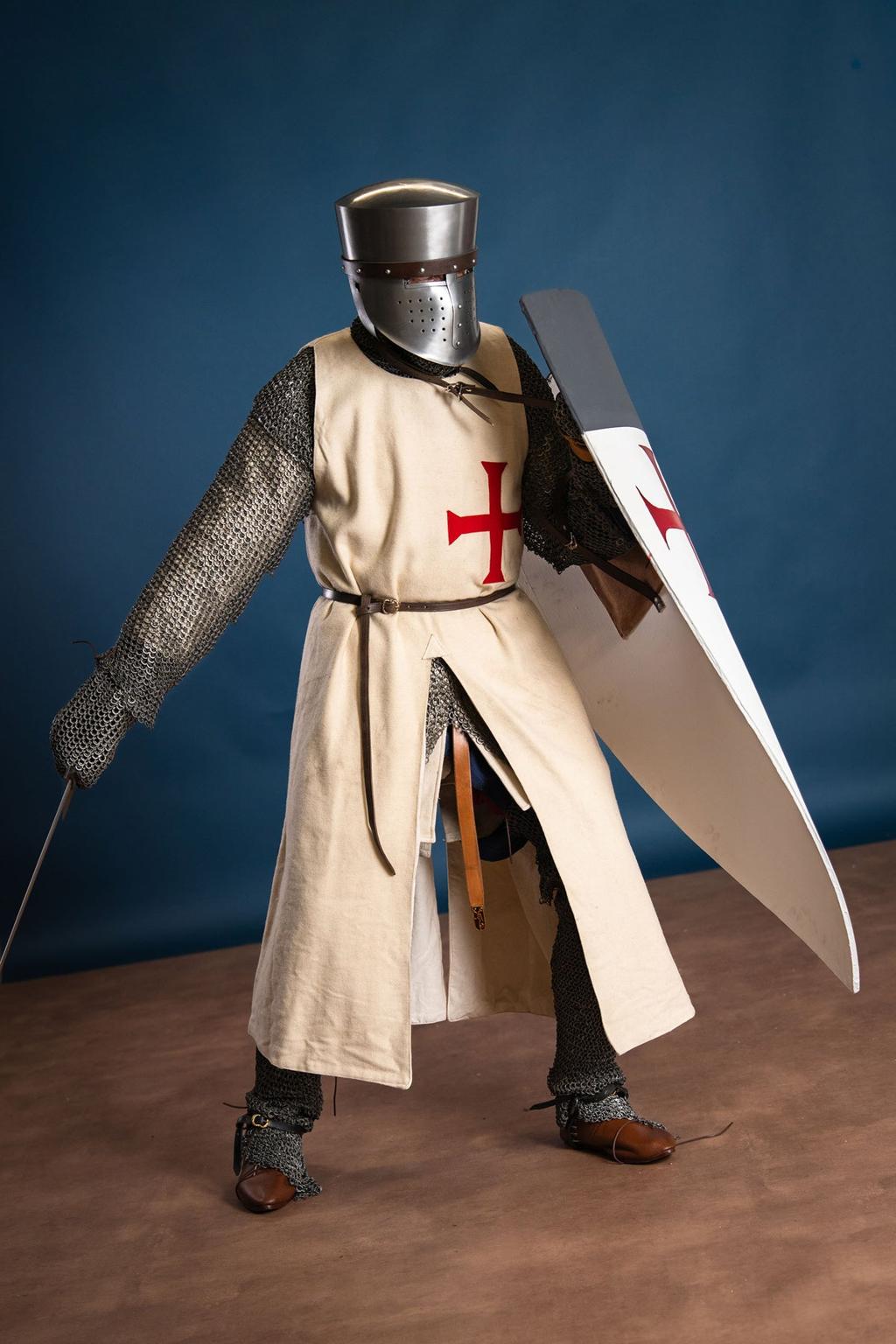
The familiar red cross on a white field is a useful modern symbol of the Crusades, but it should not be assumed that every First Crusade knight wore a standardized red-cross uniform.
E. How heavy was the armor?
There was no single standard weight. Mail shirts varied in length, size, thickness, and construction.
A substantial mail hauberk could weigh roughly 10–15 kilograms or more. A helmet and shield added further weight, while weapons and other equipment increased the total burden.
That does not mean a knight could not move. Armor was designed to be worn during physical activity, and a trained warrior could walk, run, climb, and fight while wearing it.
The more serious difficulties were prolonged exertion, heat, fatigue, and the burden of carrying equipment over long distances.
An important myth: Knights generally did not need cranes to mount their horses, and a healthy, trained knight was not helpless if knocked off his horse. Those images usually come from exaggerated portrayals of much later armor.
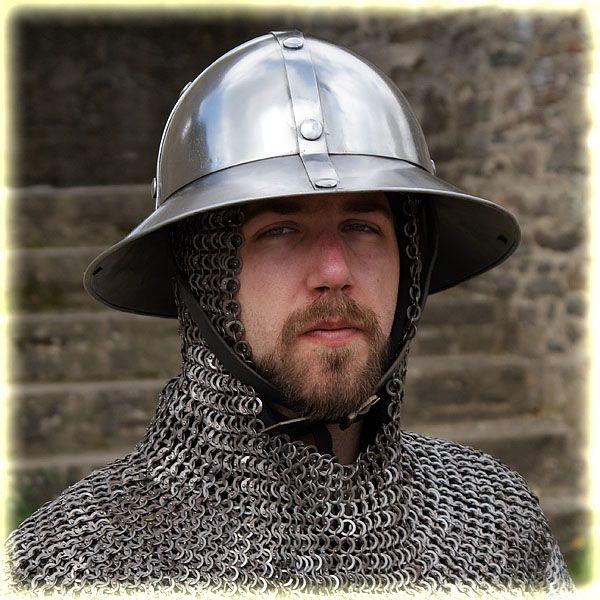
16. Armor during the 12th century
During the 1100s, mail remained the dominant armor for many heavily equipped Western European warriors.
Several developments gradually changed the appearance of knights.
Longer mail protection
Mail garments could extend to the knees and cover the arms. Some warriors also wore mail leggings or chausses, though their availability and design varied.
Mail coifs protected the head and neck.
Improved helmets
Helmet designs evolved, and some provided more extensive coverage for the face and sides of the head.
The nasal helmet remained recognizable, but it was not the only form in use.
The surcoat
Add to Favorites
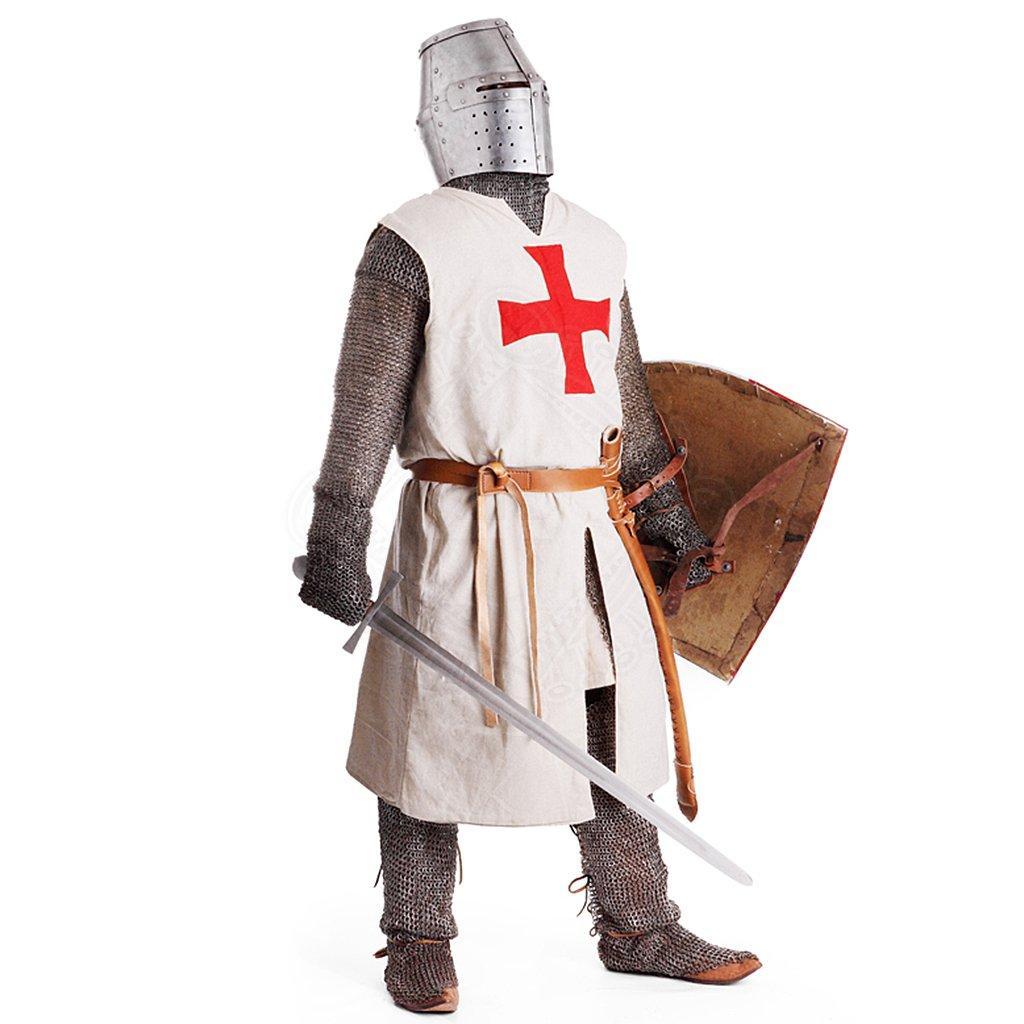
The surcoat was a garment worn over armor.
It could protect the mail from sun and weather, provide a surface for decoration, and help distinguish warriors.
During the Crusades, Western European knights encountered unfamiliar climates, so practical clothing was important. A dark mail shirt exposed to direct sunlight could become uncomfortable, although the extent of the problem depended on conditions.
The idea that every knight wore a white surcoat with a red cross should be treated cautiously. Such symbols became associated with crusading, but clothing and insignia varied by period, military order, and individual.
Mail and its limitations
Mail was excellent at resisting many cuts. It was less effective against concentrated impacts and certain penetrating attacks.
A sword strike might fail to cut through the rings but still cause serious injury from the force of the blow.
A lance, arrow, or crossbow bolt could penetrate mail under favorable circumstances, especially at close range or against vulnerable areas. Results depended on the projectile, the armor, the angle of impact, and the quality of the equipment.
There was no weapon that automatically defeated every form of armor.
17. Armor during the 13th century
Add to Favorites
Add to Favorites
10
Add to Favorites
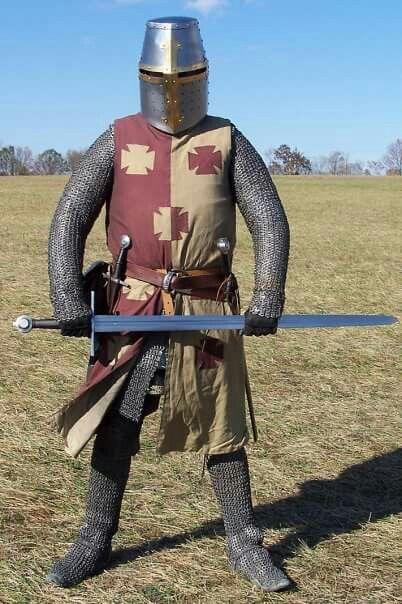
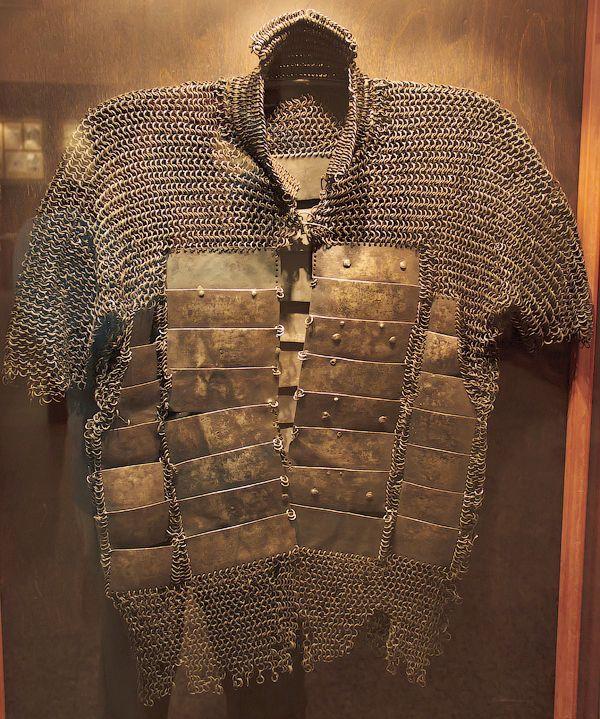
By the 1200s, armor was becoming more extensive.
Knights continued to wear mail, but additional defensive elements appeared or became more widespread.
These included:
-
More protective helmets.
-
Improved padded garments.
-
Mail chausses covering the legs.
-
Reinforcement for the elbows, knees, and other vulnerable areas.
-
Early forms of plate reinforcement, including coats of plates toward the later 13th century.
-
More elaborate surcoats and heraldic displays.
The great helm, a helmet that enclosed much of the head and face, became associated with the later medieval knight. Its exact forms varied, and it was not the standard helmet of the First Crusade.
The coat of plates consisted of metal plates attached to or enclosed within a fabric or leather garment. It helped protect the torso and formed part of the gradual transition toward more extensive plate armor.
Full suits of articulated plate armor were not the normal equipment of Crusaders during the First, Second, or Third Crusades. The familiar late-medieval steel harness developed much later.
18. The weapons of the Crusaders
Add to Favorites
Add to Favorites
Add to Favorites
Add to Favorites
Add to Favorites
Add to Favorites
Add to Favorites
Add to Favorites
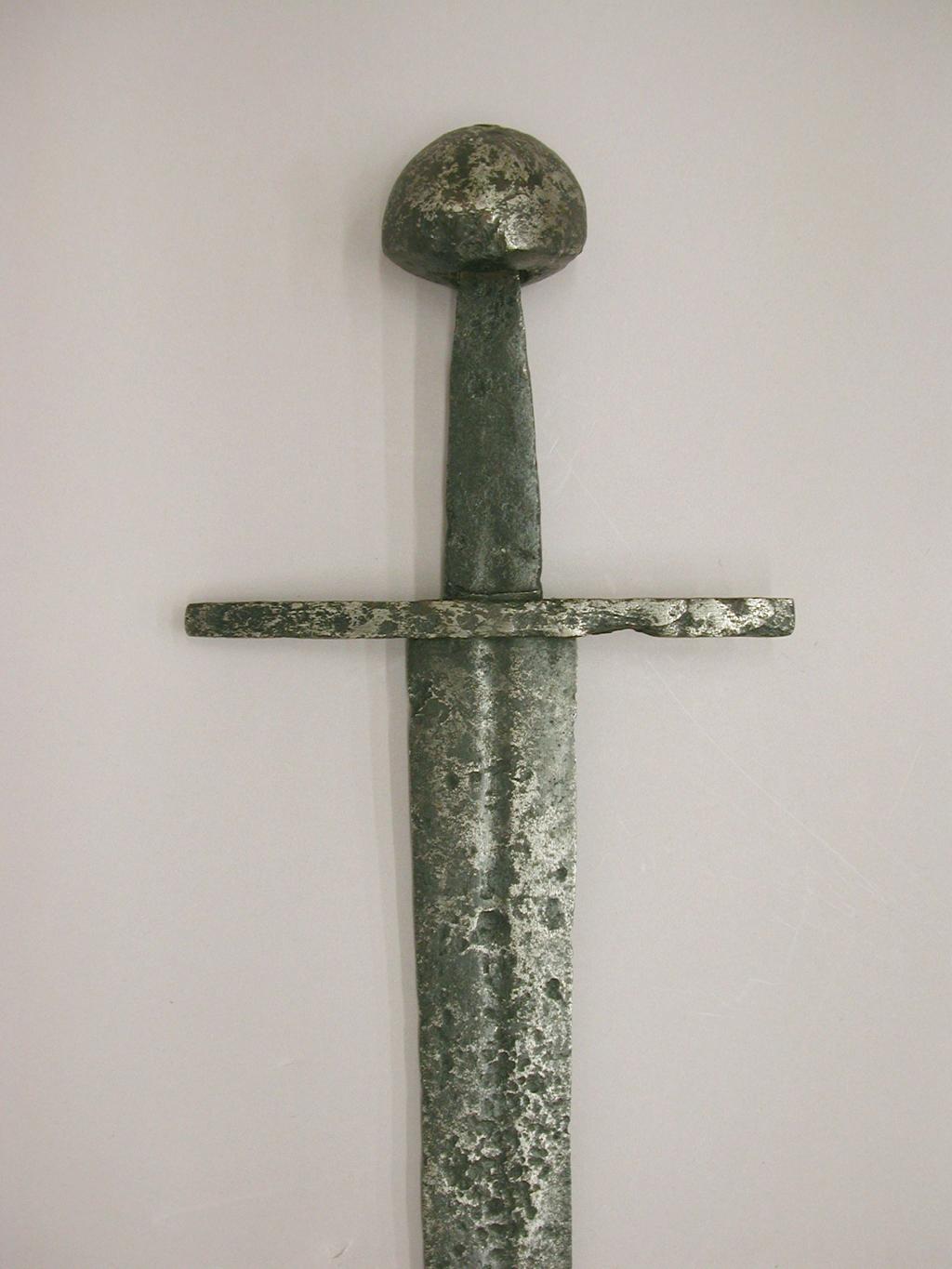
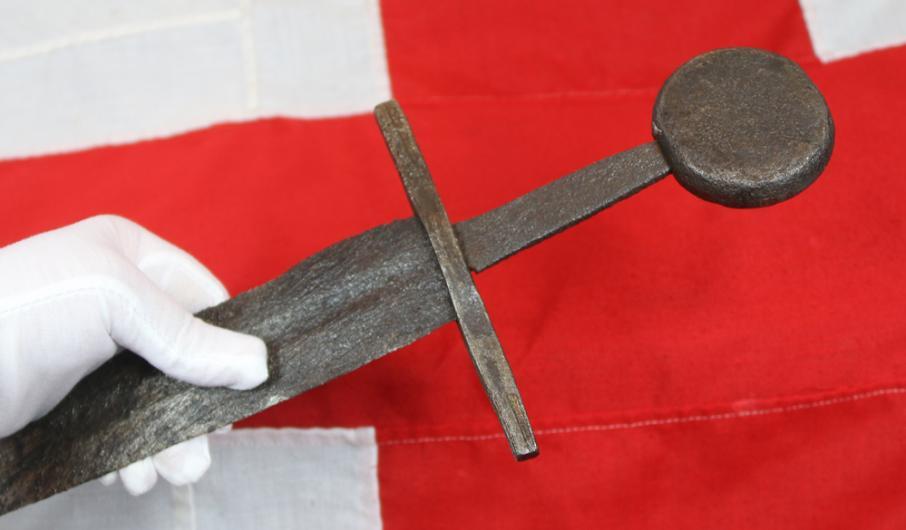
A. The sword
The sword was a prestigious weapon, but it was not necessarily the most important weapon in every battle.
A typical knight's sword had:
-
A double-edged steel blade.
-
A central grip.
-
A crossguard.
-
A pommel to balance the weapon and secure the grip.
Many swords of the Crusading era were intended for cutting as well as thrusting. Blade profiles, dimensions, and handling characteristics varied.
Swords were expensive compared with many other weapons. A knight might also carry a smaller knife for everyday tasks.
B. The lance
The lance was one of the most important weapons of mounted knights.
It was a long wooden shaft with a metal point. In a mounted charge, the rider could use the horse's momentum to deliver a powerful impact.
However, the familiar image of every knight charging with a lance held firmly under the arm should be understood as part of a developing tactical tradition. The exact method of lance use changed over time.
A cavalry charge required coordination, suitable terrain, and enough room to maneuver. It was dangerous to charge directly into a well-organized defensive formation without support.
C. The spear
Spears were widespread among infantry and cavalry.
They were relatively economical to manufacture and could be used for thrusting at an opponent while maintaining some distance.
Infantry spearmen were especially important in defending against cavalry. A disciplined line of spears could discourage a mounted charge, although the effectiveness of such a formation depended on training, terrain, morale, and support.
D. The mace
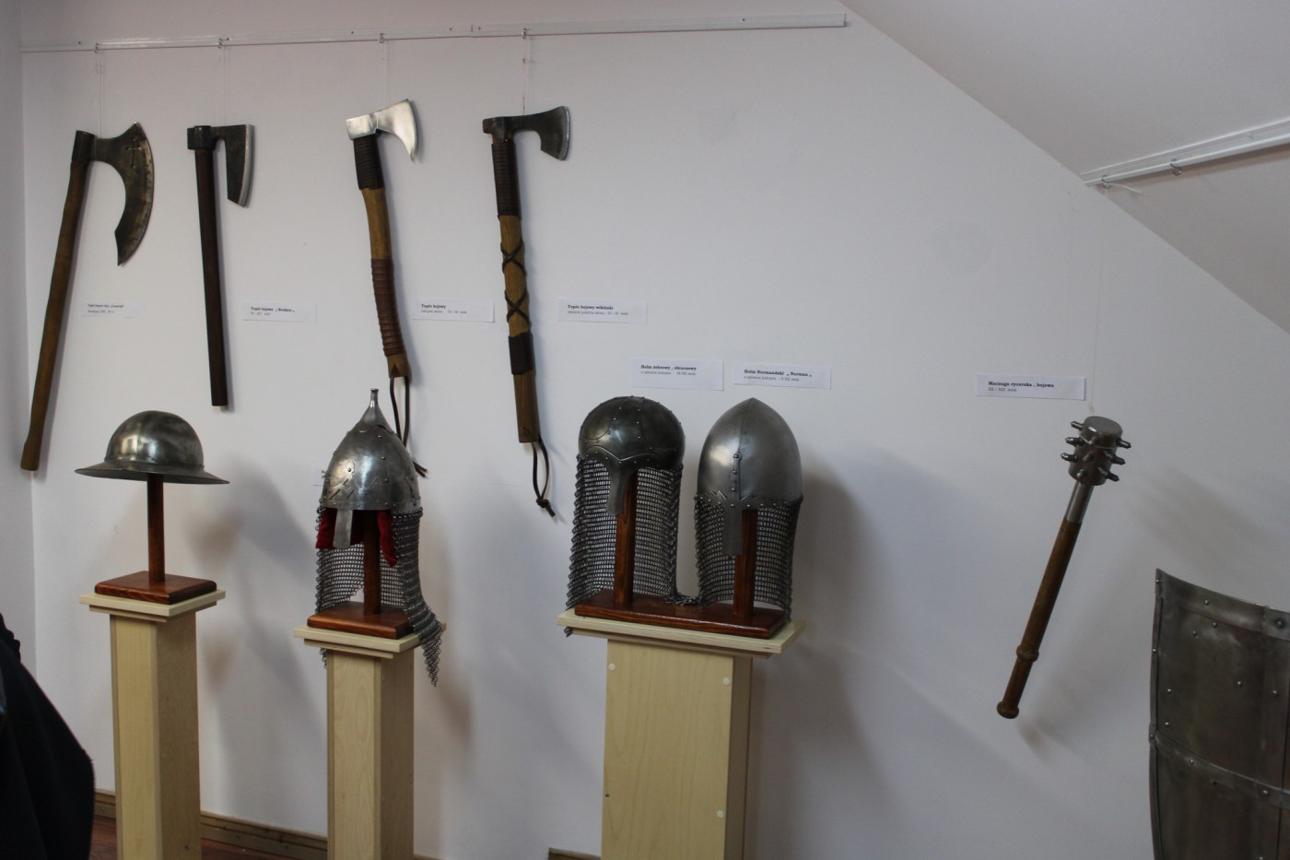
A mace had a heavy striking head attached to a handle.
It could cause serious injuries through impact, including against opponents wearing mail or helmets.
Some maces had relatively simple rounded heads, while others had flanged or otherwise shaped heads.
They were not exclusively anti-armor weapons, and swords, spears, and other weapons remained useful against armored opponents.
E. The battle axe
Axes appeared in a variety of forms.
Some had broad cutting edges, while others had narrower heads designed for different combinations of cutting and striking.
Axes could be useful against both armored and unarmored enemies, but the term covers many weapons with different handling characteristics.
F. The dagger and knife
A knight or infantryman might carry a knife or dagger as a secondary weapon.
Daggers were useful in close combat, but they were also practical tools for eating, cutting materials, and everyday camp activities.
Later medieval specialized armor-piercing daggers should not all be projected backward onto the First Crusade.
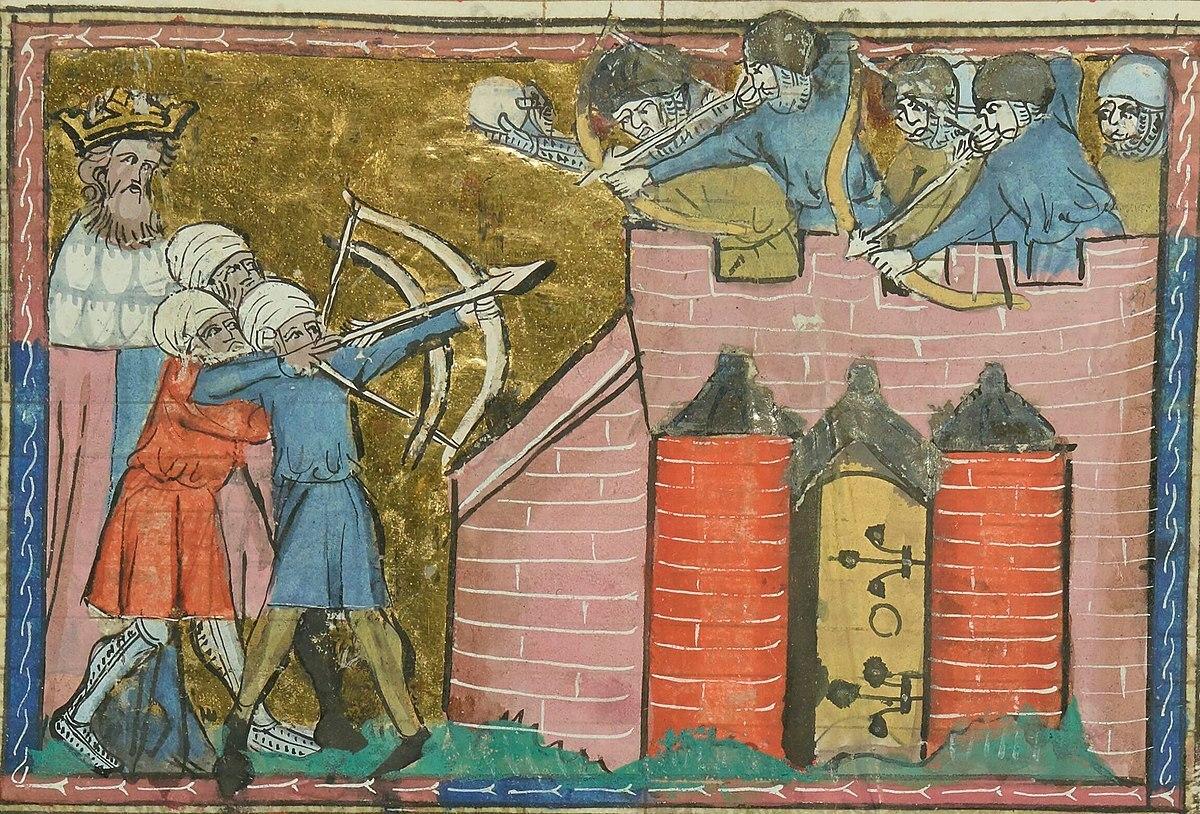
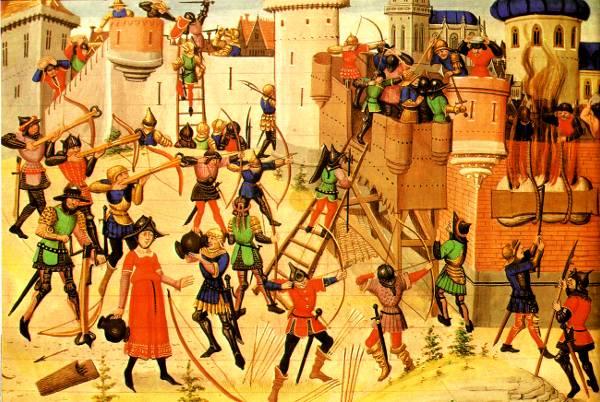
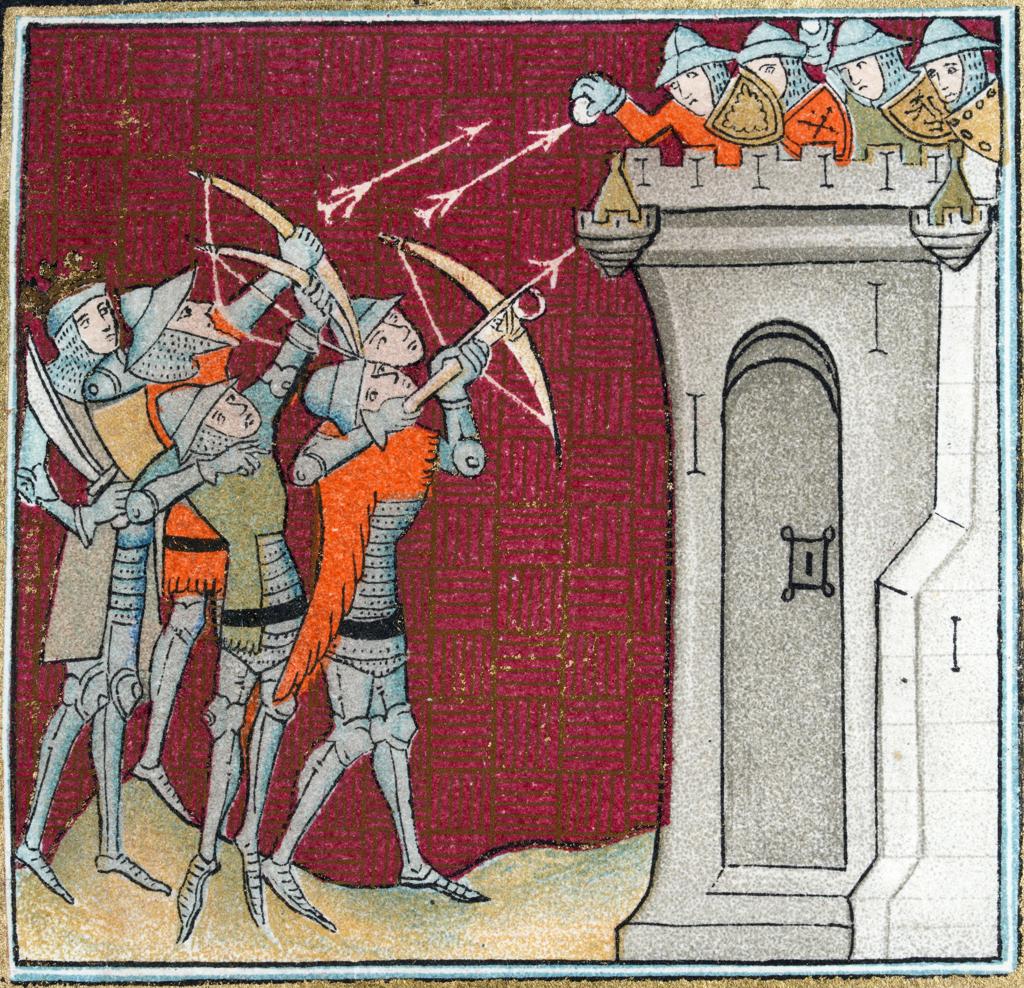
19. Bows, crossbows, and other missile weapons
Add to Favorites
Add to Favorites
Add to Favorites
Add to Favorites

Add to Favorites
Add to Favorites
Add to Favorites
Add to Favorites
Add to Favorites
Missile weapons were crucial throughout the Crusades.
A. The European bow
Western European armies used bows, although their prevalence and military role varied by region and period.
Archers could provide supporting fire, defend fortifications, harass an enemy, or attack exposed troops.
A bow required practice to use effectively, and the quality of equipment varied.
The famous English longbow is especially associated with later medieval warfare. It would be misleading to picture every crusading army as dominated by the longbowmen of the Hundred Years' War.
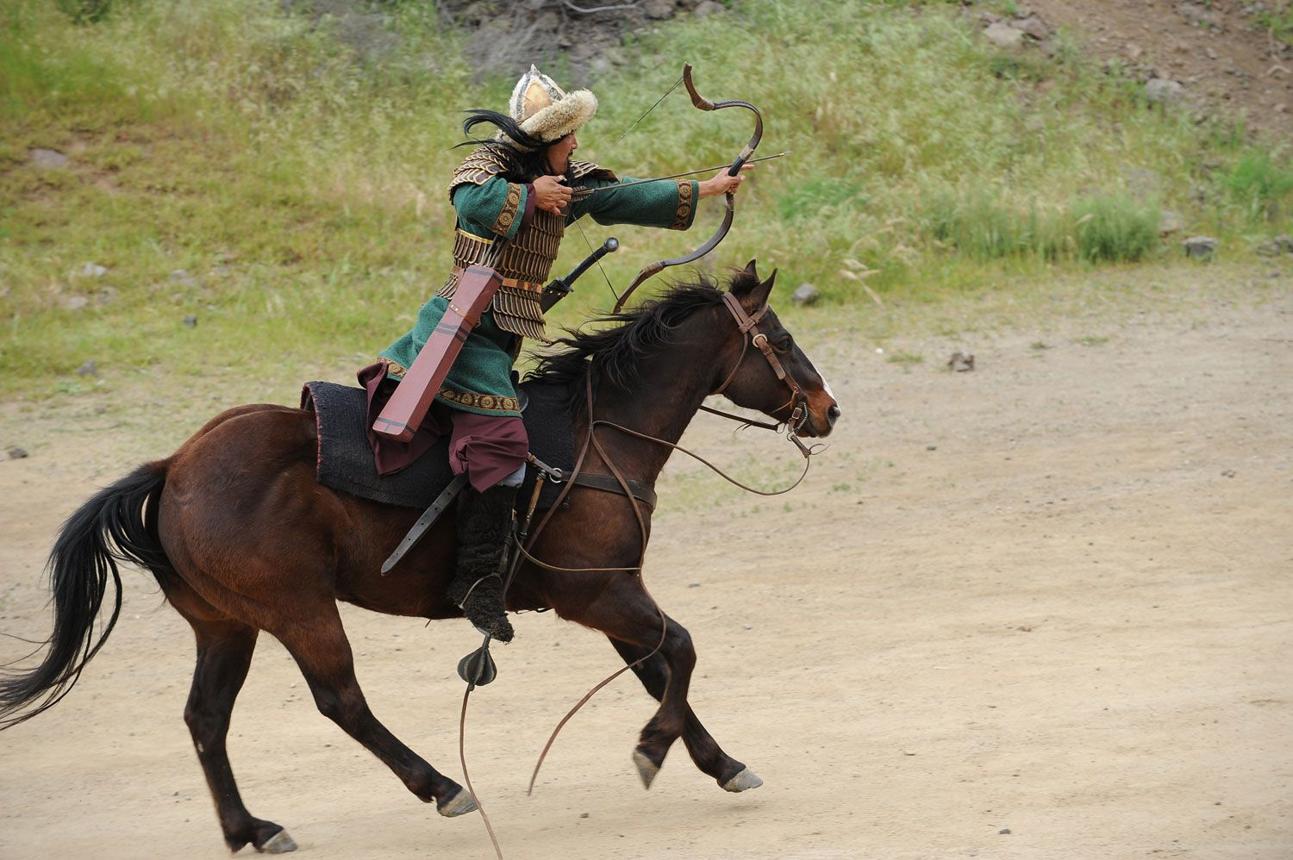
B. The Turkish composite bow
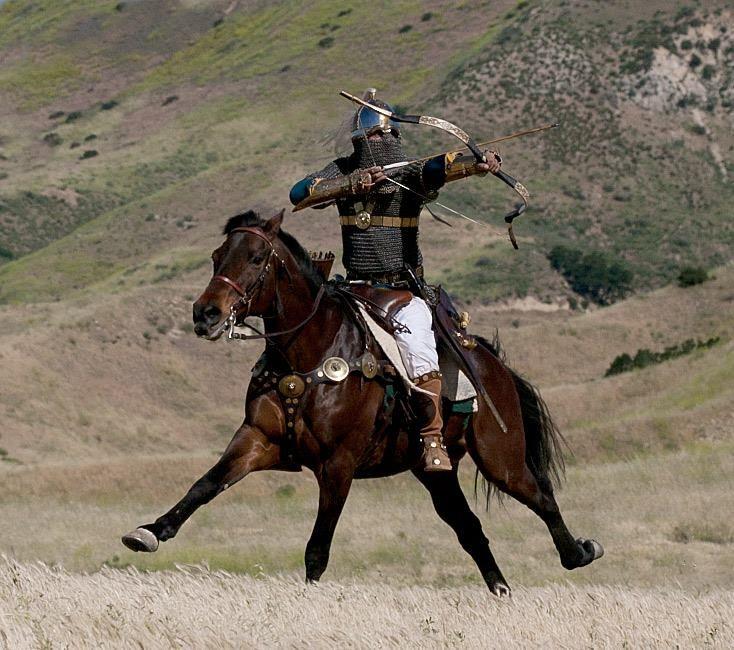
Turkish mounted archers were among the most distinctive opponents faced by the early Crusaders.
A composite bow was constructed from different materials, often including wood, horn, and sinew. The combination allowed a relatively compact bow to store considerable energy.
Its compact size was particularly valuable on horseback.
Mounted archers could:
-
Approach an enemy formation.
-
Release arrows while moving.
-
Withdraw before the enemy could engage them.
-
Circle around to attack from another direction.
-
Repeat the process while looking for an opening.
This style of warfare was especially effective in open terrain.
It was not invincible. Mounted archers depended on trained horses, adequate space, supplies, and good coordination. They could be disadvantaged by fortified positions, difficult terrain, or opponents who maintained discipline.
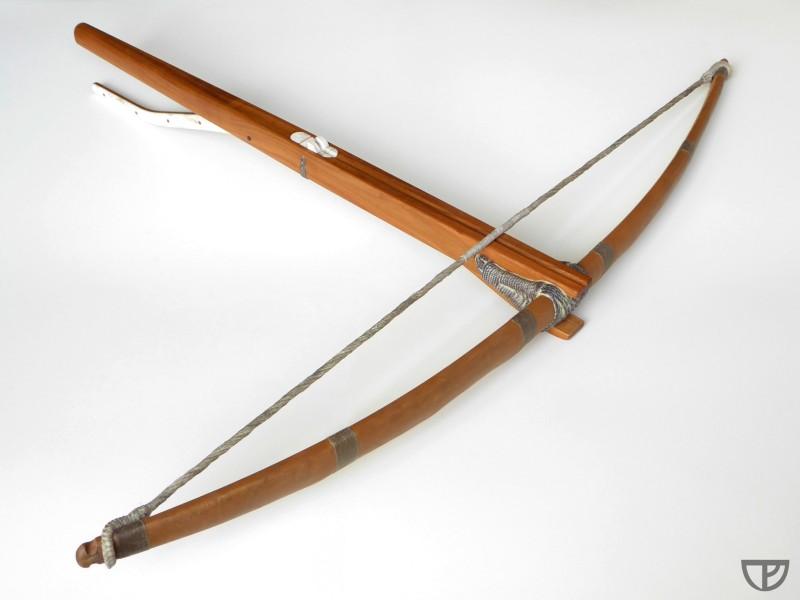
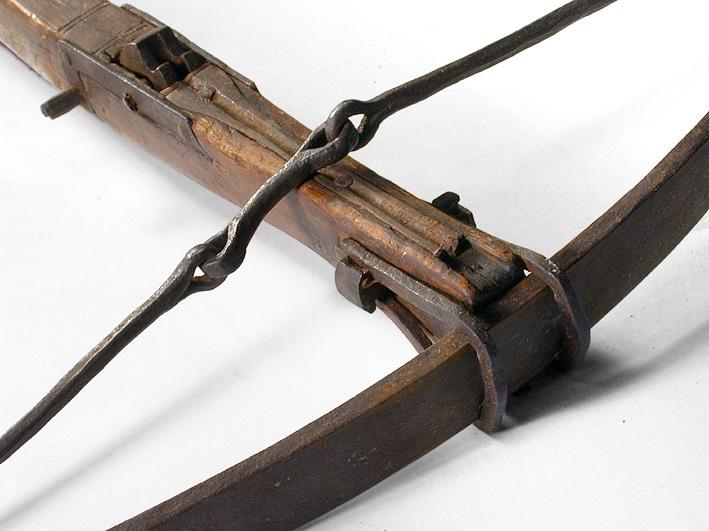
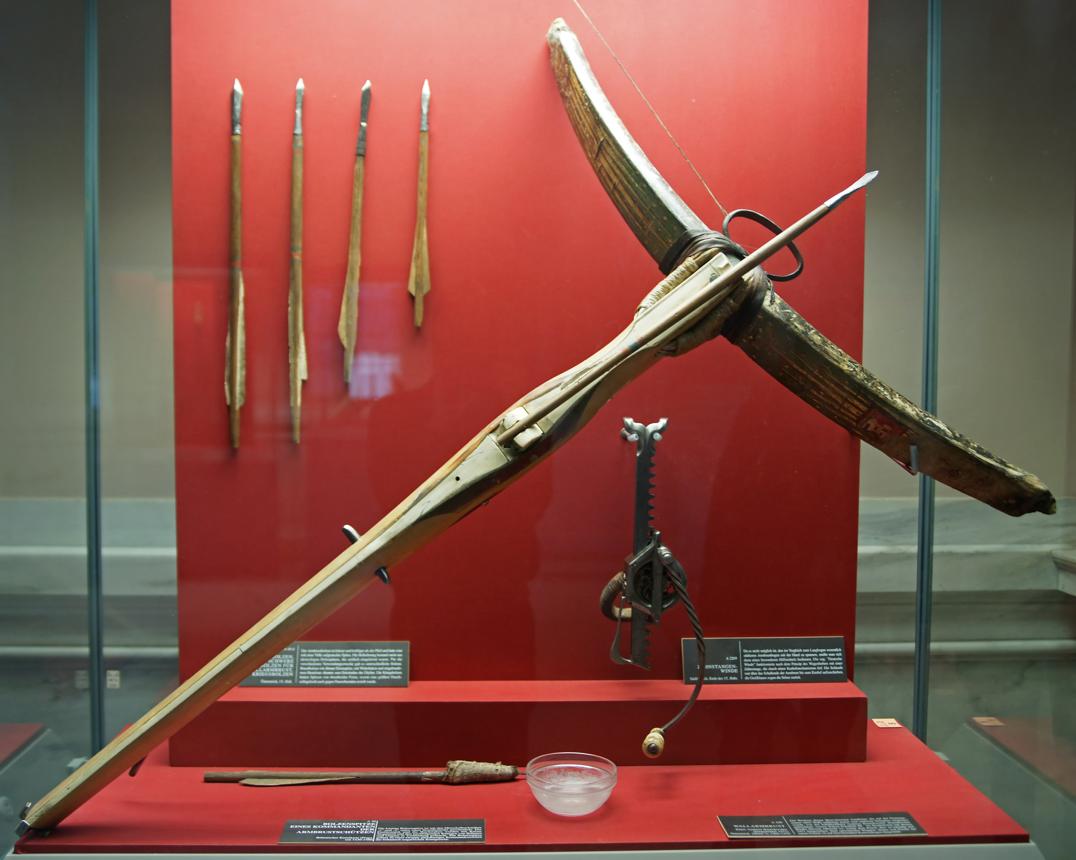
C. The crossbow
Add to Favorites
The crossbow was used by Crusaders, Byzantines, and Muslim armies.
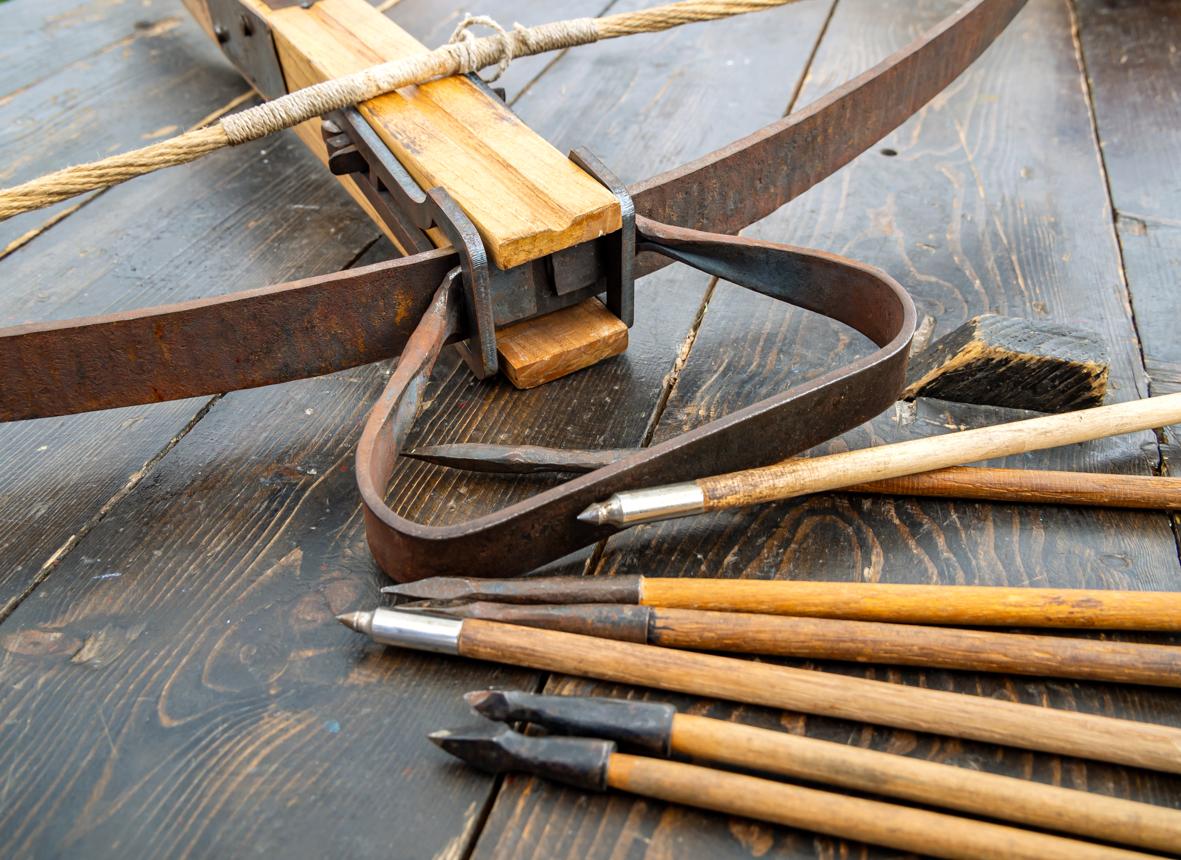
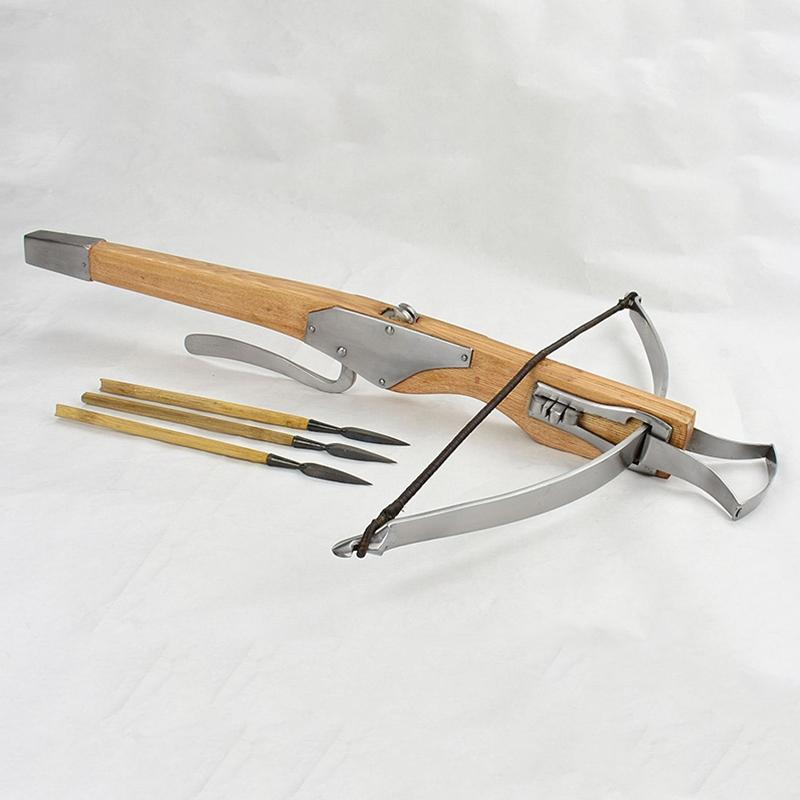
It stored energy in a bow mounted horizontally on a stock and released a bolt using a trigger mechanism.
Compared with a conventional bow, a crossbow could be easier to use effectively with less specialized training, although powerful models required substantial strength or mechanical assistance to cock.
Its advantages included:
-
Good accuracy in trained hands.
-
Powerful bolts.
-
Useful performance from defensive positions.
-
The ability to fire from behind cover or battlements.
Its main disadvantage was a relatively slow rate of fire compared with a conventional bow.
Crossbowmen were important in sieges and in defending or attacking fortified positions.
D. Slings and throwing weapons
Slings, javelins, and other throwing weapons could be used by infantry and light troops.
Their prominence varied across armies and periods. They were often less visible in elite accounts because chronicles tended to emphasize princes and knights rather than ordinary missile troops.
E. How effective were arrows against armor?
The answer depends on the weapon and the target.
Arrows could be lethal against an unarmored person or an exposed horse. They could also injure mail-clad warriors through gaps or vulnerable areas.
However, it is incorrect to say that arrows always pierced chainmail or that armor made a warrior immune to archery.
Armor, distance, projectile design, angle, and the quality of the equipment all mattered.
20. Horses and cavalry
Add to Favorites
Add to Favorites
Add to Favorites
Add to Favorites

Add to Favorites
Add to Favorites
Add to Favorites

Add to Favorites
Add to Favorites
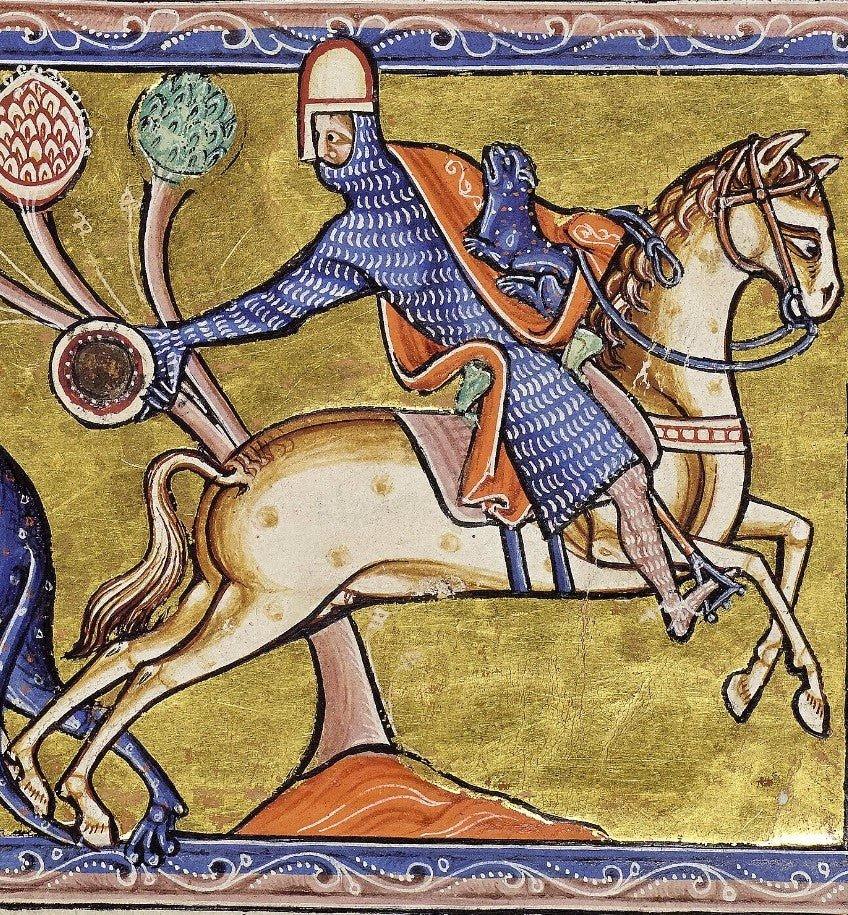
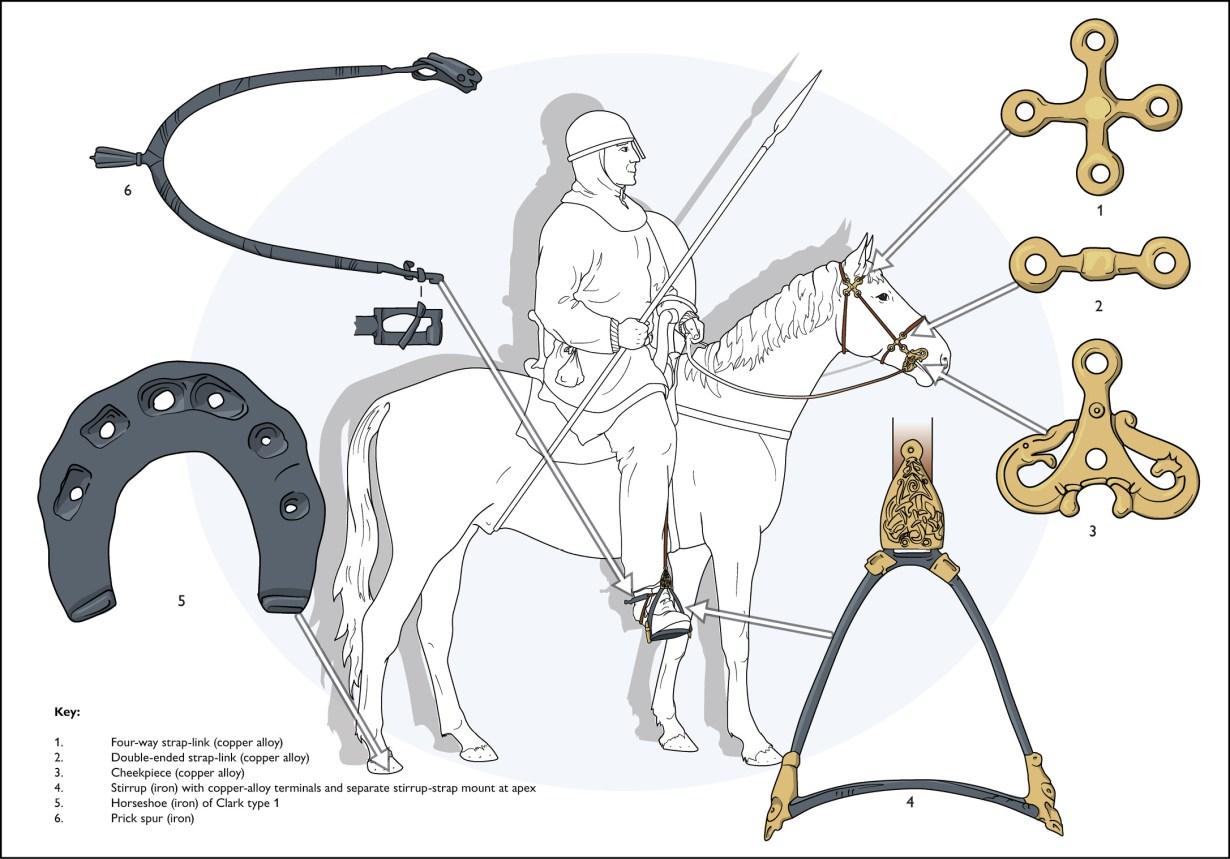
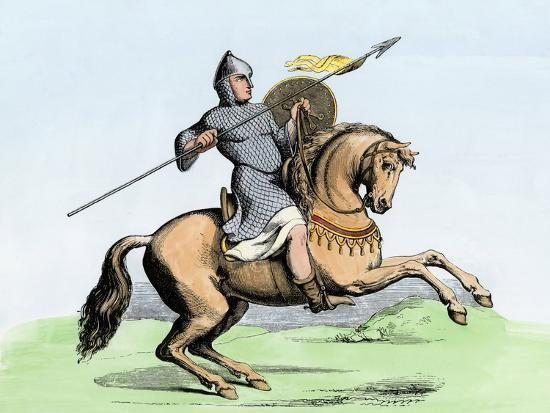
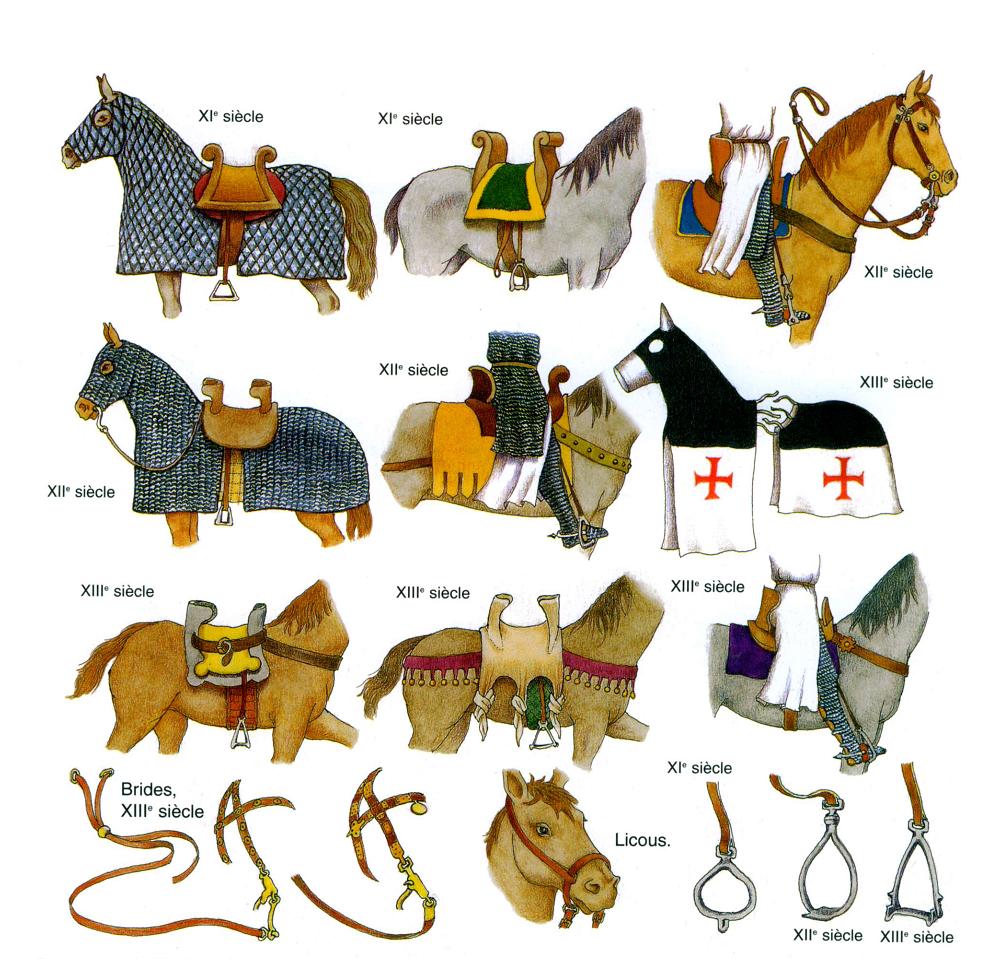
Horses were among the most valuable assets of a mounted warrior.
Different horses served different purposes:
-
Warhorses: Used for mounted combat.
-
Riding horses: Used for travel and general riding.
-
Packhorses: Carried supplies and equipment.
-
Mules and donkeys: Carried loads across difficult terrain.
-
Draft animals: Pulled carts where roads and conditions permitted.
The word destrier is associated with a high-status medieval warhorse, but not every knight owned one, and terminology was not perfectly uniform.
A warhorse had to be trained to tolerate noise, crowds, weapons, and combat conditions. Replacing a lost horse during a campaign could be expensive and difficult.
Why cavalry charges mattered
A coordinated charge could disrupt an enemy formation through speed, mass, and shock.
But cavalry was not automatically superior to infantry.
A charge might fail against disciplined spearmen, difficult ground, or an opponent who refused to break formation.
Crusader commanders learned that charging too early or without support could expose mounted warriors to serious danger.
The armies that succeeded often combined cavalry with infantry, archers, crossbowmen, and careful tactical planning.
external image: www.google.com
War History Online
+2
21. The weapons and armor of Muslim armies
Add to Favorites

Add to Favorites

11
Add to Favorites
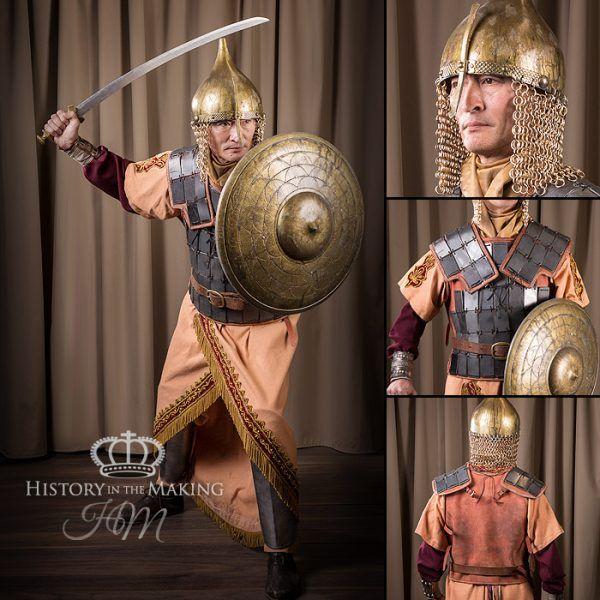
Muslim armies during the Crusades were not equipped uniformly. Their equipment varied across regions, political systems, military traditions, and centuries.
An Ayyubid soldier serving Saladin in the late 12th century might look different from a Seljuk warrior encountered by the First Crusade.
A. Armor
Depending on his wealth, role, and military tradition, a Muslim warrior might wear:
-
Mail armor.
-
A padded coat.
-
A helmet with a nasal guard or other face protection.
-
A shield.
-
Additional lamellar or other forms of armor.
-
Protective clothing for riding and campaigning.
Mail was used widely across the medieval Middle East. It was not an exclusively European invention or possession.
Lamellar armor, made from small plates laced together, was also used in parts of the wider region, although its distribution varied by period.
B. Helmets
Muslim soldiers used several types of helmet.
Some were conical or rounded, while others offered more elaborate protection. Certain helmets could be combined with mail neck protection.
The familiar image of a crescent-topped helmet should not be treated as a universal uniform of Muslim armies. Decorative features varied, and modern illustrations sometimes exaggerate stereotypical distinctions.
C. Swords
Straight, double-edged swords were common across much of the medieval period.
Curved sabers also existed in the wider Islamic world, but they were not universally used by every Muslim warrior during the Crusades.
The idea that all Crusaders used straight swords while all Muslims used curved scimitars is historically inaccurate.
D. Bows and cavalry
Mounted archery was a particularly important feature of many Turkish military forces.
Turkish cavalry traditions emphasized mobility, missile fire, and the ability to maneuver around an enemy formation.
Other Muslim forces relied on different combinations of cavalry, infantry, archers, and fortified positions.
E. Shields and lances
Muslim warriors used shields and lances, just as their Christian opponents did.
The shapes and construction of shields varied. Some were round, others elongated or otherwise shaped to suit different forms of combat.
Lances were used by cavalry, while infantry carried spears and other polearms.
F. Differences between Christian and Muslim armies
There was no simple technological divide in which one side possessed superior weapons.
Both sides used advanced military equipment for their respective traditions. Both employed cavalry, infantry, bows, crossbows, shields, mail, and siege technology.
Over time, they learned from one another, adapted their tactics, and sometimes adopted equipment or practices from their opponents.
external image: www.google.com
War History Online
+1
22. Siege warfare: how Crusader armies captured cities
Add to Favorites
Add to Favorites
9
Add to Favorites
Sieges were among the most important military operations of the Crusades.
A fortified city could withstand an army for weeks or months. Even after a field army had been defeated, a garrison behind strong walls might continue resisting.
A. The siege tower
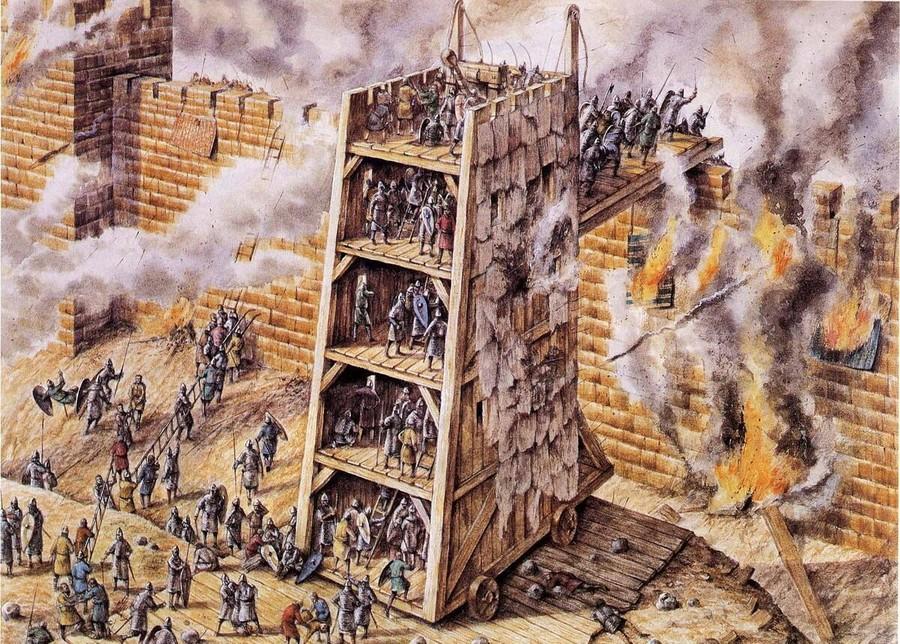
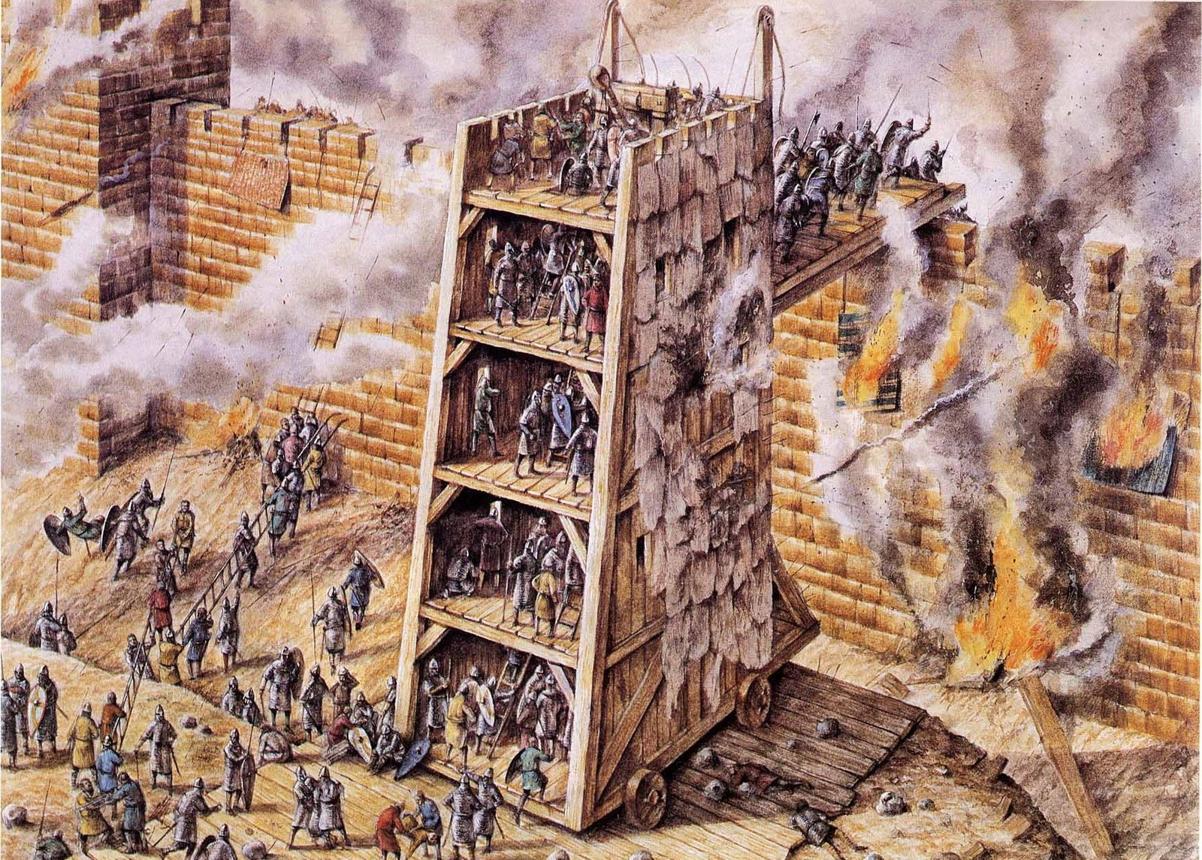
A siege tower was a large wooden structure, often mounted on wheels.
Attackers moved it toward the walls and attempted to bring its upper platform level with the defenses. Soldiers could then cross onto the wall or fight the defenders from close range.
The tower needed protection from fire and missiles. Its movement was difficult on uneven ground, and it required substantial manpower and engineering skill.
B. The battering ram
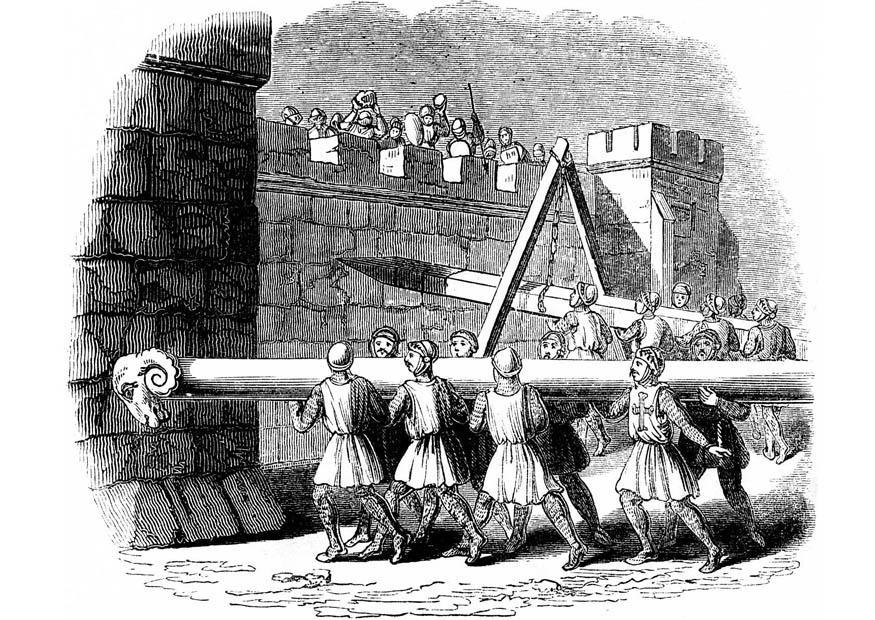
A battering ram was designed to damage gates or other vulnerable parts of a fortification.
Some rams were suspended within protective wooden structures, allowing crews to strike repeatedly while receiving some protection from missiles.
Defenders could drop stones, use fire, or attack the ram's supporting structure.
C. Catapults and trebuchets
Siege engines hurled stones or other projectiles toward fortifications.
The exact machines available varied by period. Counterweight trebuchets became increasingly important in later medieval siege warfare, but it would be inaccurate to assume every Crusader army possessed the same type of engine.
Siege engines could damage walls, destroy buildings, disrupt defenders, and undermine morale. They did not always breach a wall, and their construction could consume vast quantities of wood and other materials.
D. Mining
Attackers could sometimes dig beneath a wall or tower and remove supporting material.
The objective was to cause part of the fortification to collapse. Defenders might respond by digging countermines, attempting to intercept the attackers underground.
Mining was dangerous and required considerable labor.
E. Starvation and blockade
A besieging army might attempt to prevent food and supplies from reaching the city.
This could be difficult if the city had access to a river, sea, or another supply route.
A blockade also required the attackers to feed their own troops. An army that could not obtain enough food might be forced to withdraw before the defenders surrendered.
F. Fire
Wooden gates, towers, and other structures could be vulnerable to fire.
Defenders and attackers both used fire, but controlling it was difficult. Burning a siege tower or wooden building might produce smoke, spread unpredictably, and endanger the people who set it.
G. Why sieges often lasted so long
A city was not simply a wall to be knocked down. It was a defensive system with towers, gates, protected approaches, garrisons, and supplies.
Successful sieges often depended on intelligence, engineering, supply lines, negotiations, and the defenders' morale as much as brute force.
The Crusades produced many famous sieges because the control of fortified cities was essential to controlling territory.
Part V — Life in the Crusader armies
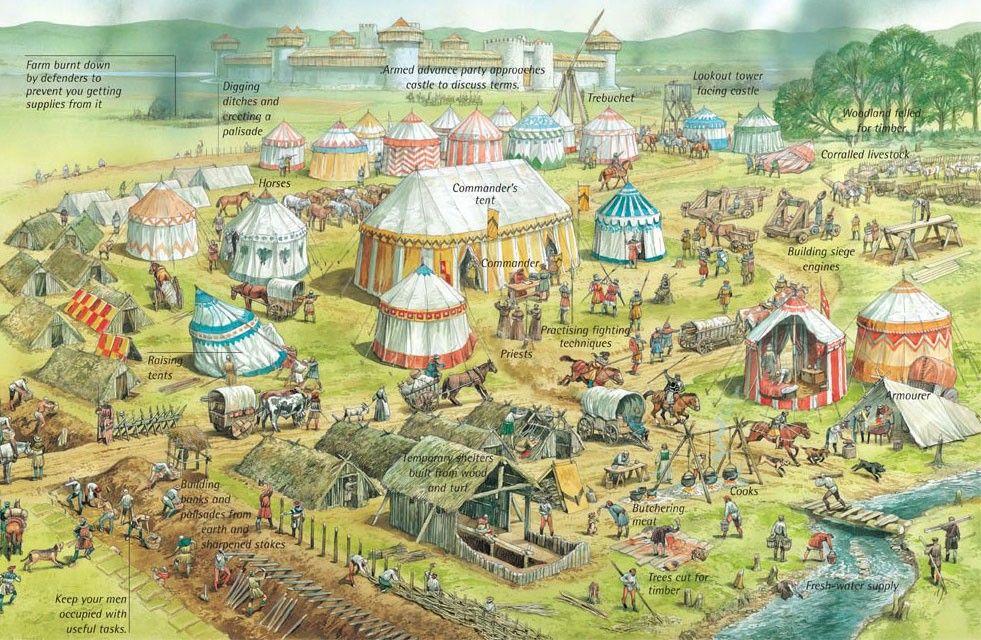
23. What did a crusading army actually look like?
Add to Favorites
A Crusader army was not a modern army with standardized uniforms, numbered divisions, radio communication, or a single national supply system.
It was an assemblage of forces raised by nobles, religious institutions, rulers, and military orders.
A large expedition might contain:
-
Knights and other mounted warriors.
-
Infantry spearmen.
-
Archers and crossbowmen.
-
Engineers and carpenters.
-
Blacksmiths and farriers.
-
Clergy and chaplains.
-
Servants and grooms.
-
Merchants and traders.
-
Wagon drivers and porters.
-
Medical practitioners.
-
Pilgrims and other noncombatants.
The exact proportions changed from one campaign to another.
Knights were highly visible in the chronicles, but they were only one component of the military force. Infantry and support personnel were essential.
24. Food and water
An army could not fight effectively if it could not eat.
Food might include bread, grain, beans, dried meat, salted fish, cheese, oil, fruit, and whatever could be purchased or obtained locally.
The diet depended heavily on the region and the availability of supplies.
Water was even more critical in hot, dry areas. Armies needed water for people, horses, mules, and cooking.
When a force moved through Anatolia or the Levant, commanders had to consider wells, rivers, grazing land, settlements, and the distance between water sources.
A large army could exhaust the resources of an area quickly. Local inhabitants might flee, refuse to sell supplies, or find themselves forced to provide food to armed visitors.
Why supply failures caused disasters
If a crusading army ran out of food, it could lose horses, suffer disease, and experience desertion.
Soldiers might be forced to forage over a wider area, making them vulnerable to ambush.
The People's Crusade suffered from poor preparation, while the siege of Antioch illustrated how a major army could approach collapse even after achieving significant military successes.
Logistics were not a secondary concern. They were central to the outcome of the Crusades.
25. Medicine and injuries
Medieval medical knowledge differed substantially from modern medicine.
Physicians and other practitioners used a mixture of learned medical traditions, practical experience, religious practices, and remedies based on the theories of the time.
Treatment could include:
-
Cleaning or dressing wounds.
-
Applying bandages.
-
Using herbal preparations.
-
Attempting to stop bleeding.
-
Removing embedded objects.
-
Treating fractures with splints.
-
Amputating severely damaged limbs in some circumstances.
Infection was a serious danger. Even a wound that was not immediately fatal could become life-threatening.
Crusading armies also suffered from dysentery, respiratory illnesses, malnutrition, fever, and other diseases.
The combination of crowded camps, poor sanitation, contaminated water, and physical exhaustion made disease especially dangerous.
Who treated the wounded?
Care might be provided by surgeons, physicians, religious communities, fellow soldiers, and other practitioners.
The military orders eventually developed important charitable and medical functions, especially in caring for pilgrims and the sick.
The Hospital of Saint John in Jerusalem became the foundation of the Hospitaller tradition.
26. Religion in camp
Religious observance was part of daily life for many crusaders.
Clergy accompanied expeditions, and religious practices could include prayers, Mass, confession, fasting, processions, and the veneration of relics.
Before the assault on Jerusalem, crusaders performed penitential religious acts, including a procession around the city.
These practices were not merely decoration. They helped participants interpret their campaign as a religious undertaking and maintain morale in difficult circumstances.
However, the religious meaning of the expedition did not eliminate disputes over leadership, money, property, or strategy.
27. Money and the cost of crusading
Crusading was expensive.
A noble might have to finance:
-
Armor and weapons.
-
Horses and replacement mounts.
-
Food and transport.
-
Servants and retainers.
-
Shipping.
-
Payments to mercenaries.
-
Debts incurred before departure.
Some participants sold or mortgaged property. Others borrowed money or relied on relatives and patrons.
The financial consequences could be substantial. A noble who survived the journey might return with prestige but reduced wealth, or he might remain overseas and establish a new lordship.
The cost of the expedition helps explain why some crusaders abandoned their journeys or returned home early.
Part VI — The Second Crusade (1147–1149)
Add to Favorites

Add to Favorites
8
Add to Favorites
28. Why was a Second Crusade necessary?
The Crusader states had survived the First Crusade, but their position was never secure.
They faced military pressure, internal rivalries, shortages of manpower, and the challenge of defending long frontiers.
In 1144, the County of Edessa suffered a major disaster.
The ruler of Mosul, Imad al-Din Zengi, captured Edessa after a siege. The fall of the city was especially alarming because Edessa was one of the earliest Crusader states and occupied an exposed position in the north.
Zengi was a major Muslim ruler who had begun consolidating power across parts of northern Mesopotamia and Syria.
His victory demonstrated that the Crusader states could lose major cities even when their enemies were not united under a single ruler.
The European response
News of Edessa's fall reached Western Europe and helped inspire a new crusade.
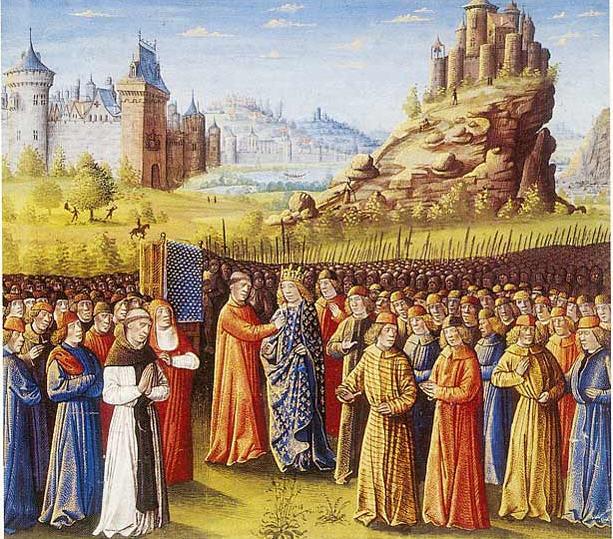
Pope Eugenius III called for an expedition, and Bernard of Clairvaux, a highly influential abbot, became one of its most important preachers.
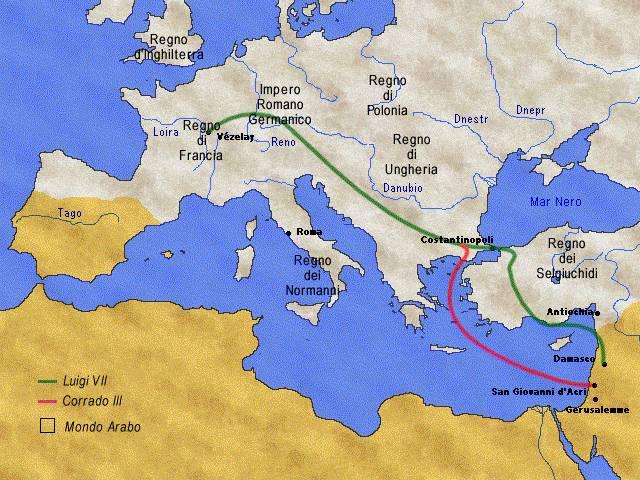
Two monarchs took leading roles:
-
Conrad III, King of Germany.
-
Louis VII, King of France.
The expedition attracted nobles, soldiers, clergy, and other participants from across Western Europe.
Unlike the First Crusade, this campaign involved major royal armies from the beginning.
29. The German army and the French army
Conrad III's army traveled through central Europe and the Byzantine Empire toward Anatolia.
Louis VII followed with the French army.
Relations with the Byzantines were complicated. Emperor Manuel I Komnenos wanted the Western armies to pass through his territory without destabilizing imperial control.
As earlier crusaders had discovered, an enormous army could become a burden to the communities along its route.
The German disaster in Anatolia
In 1147, Conrad's army suffered a major defeat near Dorylaeum against Turkish forces.
The Germans had to contend with unfamiliar terrain, difficult supply conditions, and mobile enemy cavalry.
The surviving army was weakened and continued its journey in poor condition.
Louis's French army also encountered serious difficulties while crossing Anatolia, including attacks and losses during the march.
The campaign was already in trouble before the armies reached the Crusader states.
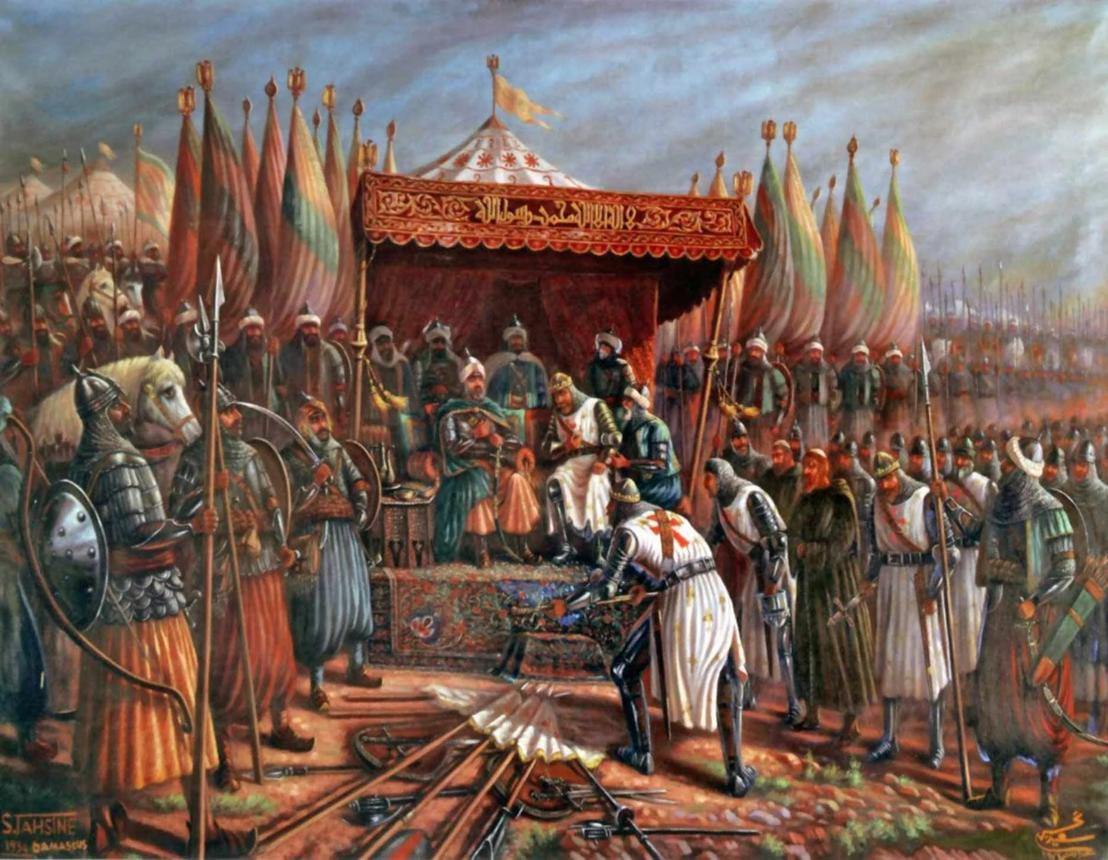
30. The siege of Damascus (1148)
Add to Favorites
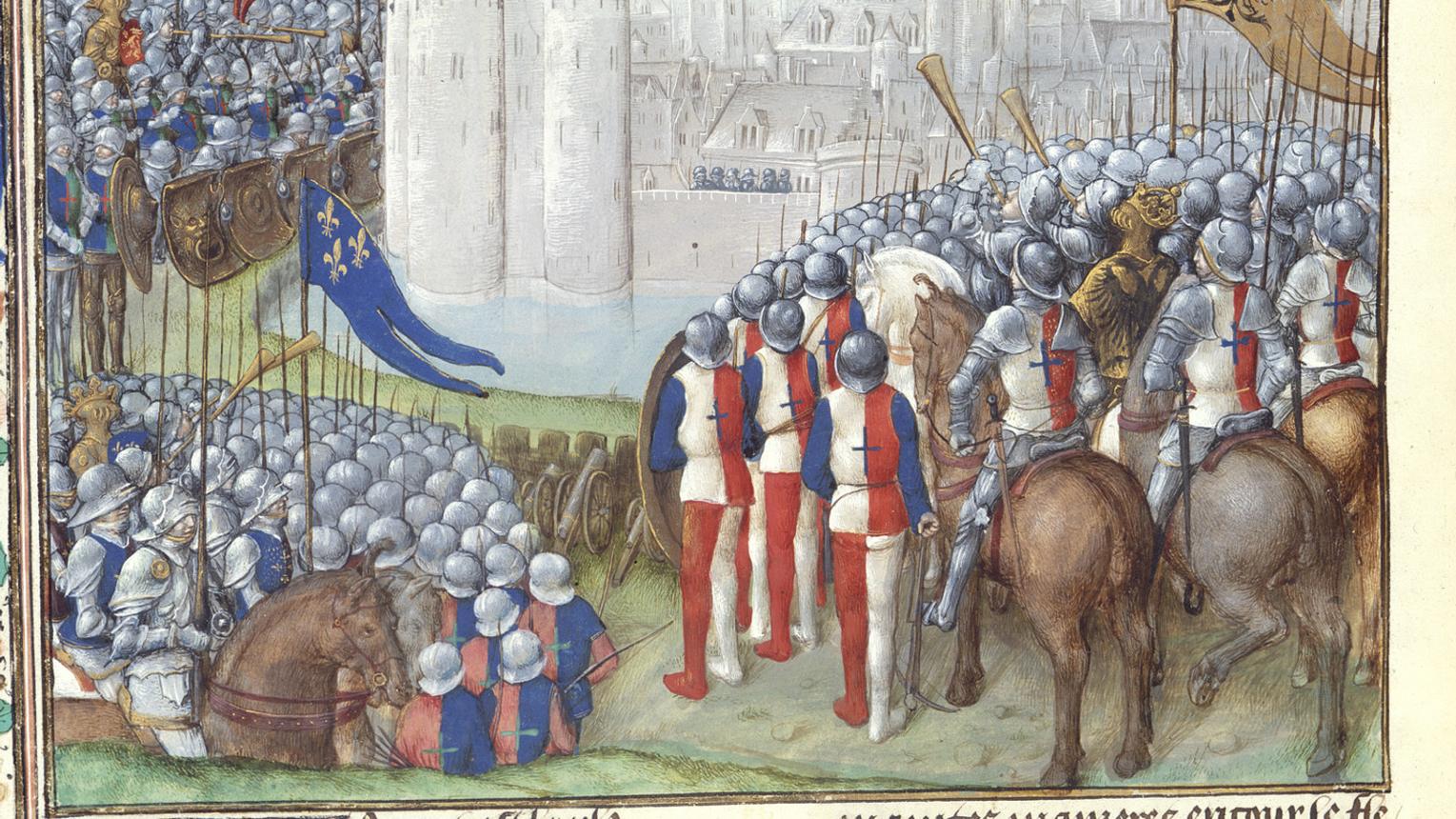
The Second Crusade's most famous operation was the siege of Damascus.
Damascus was an important city in Syria and a powerful political center. It was ruled by Mu'in al-Din Unur, whose government had its own interests and rivalries.
The Crusader states and Damascus had sometimes maintained diplomatic relations or cooperated against common enemies.
This was one of the most significant strategic problems of the Second Crusade: the crusading leaders attacked a city whose ruler had not simply been a permanent enemy of the Kingdom of Jerusalem.
The siege
The crusaders began their attack in July 1148.
They initially established positions in the orchards and gardens west of Damascus. These areas offered routes toward the city, but they were also difficult terrain for a large army to operate in.
The defenders resisted fiercely.
The crusaders soon shifted their position, but this move placed them in a less favorable situation with access to fewer supplies.
Disagreements between leaders, uncertainty about the political future of Damascus, and the arrival or threat of enemy forces undermined the operation.
After only a few days, the crusaders abandoned the siege.
Why did the Second Crusade fail?
Several factors contributed:
-
Military losses: The armies had already suffered heavily while crossing Anatolia.
-
Logistics: Supply problems made sustained operations difficult.
-
Leadership disputes: The commanders disagreed over strategy and political objectives.
-
Poor strategic choices: Damascus was not an obvious target given its previous relationship with the Crusader states.
-
Enemy resistance: The defenders were able to exploit the crusaders' difficulties.
The failure damaged the prestige of the crusading movement and increased concern about the security of the Crusader states.
Conrad and Louis eventually returned to Europe.
Consequences
The Second Crusade did not recover Edessa.
The failure also failed to stop the consolidation of Muslim power in Syria. Over the following decades, new rulers would unite territories that had previously been divided among rival dynasties.
That process would eventually produce the rise of Saladin.
Part VII — The rise of Saladin and the fall of Jerusalem
31. Who was Saladin?
Add to Favorites

Add to Favorites
8
Add to Favorites
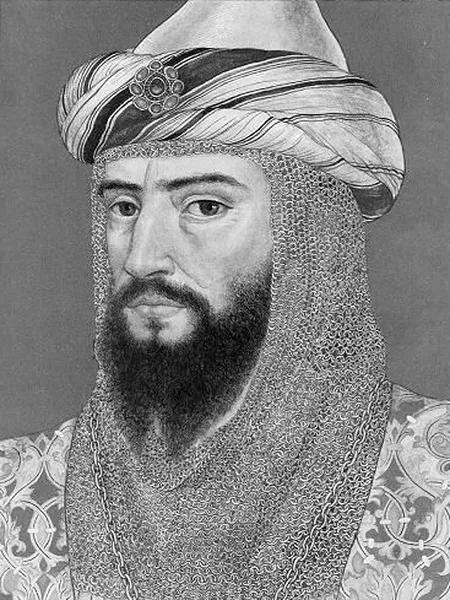
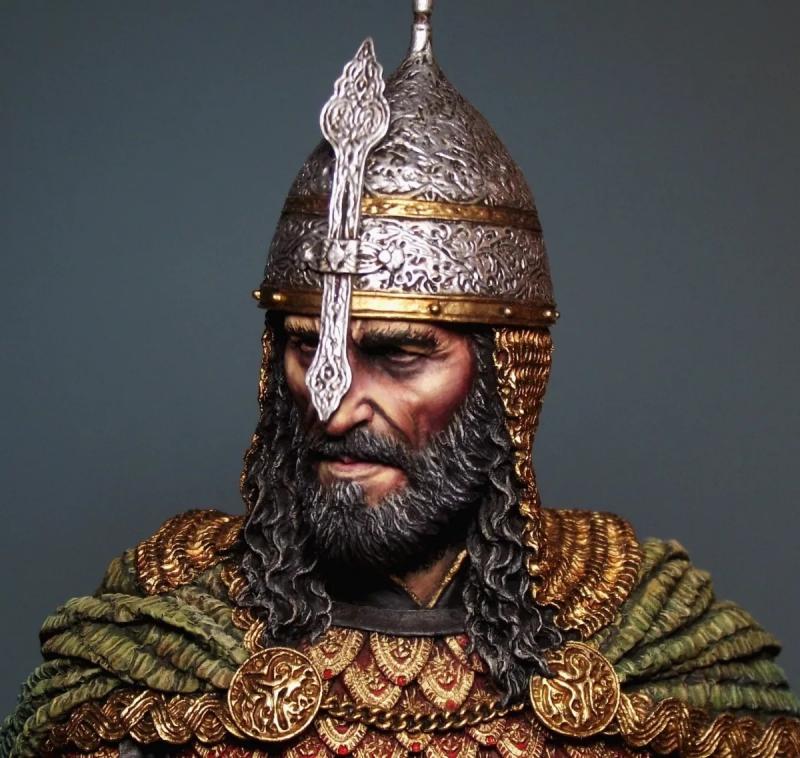
Saladin, whose full name was Salah al-Din Yusuf ibn Ayyub, was one of the most influential rulers of the medieval Middle East.
He was born in 1137 or 1138 and came from a Kurdish family.
His career developed within the political and military struggles of Syria and Egypt.
He eventually founded the Ayyubid dynasty, which governed substantial territories in Egypt and parts of the Middle East.
How did he become powerful?
Saladin first served within the military and political system associated with Nur al-Din, a major Muslim ruler in Syria.
In 1169, Saladin became vizier of Egypt, serving under the Fatimid caliphate.
By 1171, he had ended the Fatimid caliphate and restored Sunni religious-political authority in Egypt, formally under the Abbasid caliphate.
After Nur al-Din's death in 1174, Saladin expanded his influence across Syria and surrounding territories.
He did not unite the Muslim world completely, but he brought substantial resources under his control.
This was a major change from the political fragmentation that had helped the First Crusade succeed.
Saladin's military system
Saladin's forces included several types of troops:
-
Mounted archers.
-
Armored cavalry.
-
Infantry.
-
Archers and other missile troops.
-
Garrison forces.
-
Soldiers supplied by subordinate rulers and allies.
His army relied on a combination of mobility, discipline, fortified positions, strategic concentration, and the ability to draw resources from a large territory.
Saladin was also a diplomat. He negotiated truces, formed alliances, and made use of political divisions among his opponents.
He should not be portrayed as a flawless commander who always won. He experienced setbacks and had to deal with rival Muslim rulers, internal disagreements, and the considerable expense of military campaigns.
His eventual victory over the Kingdom of Jerusalem, however, would transform the Crusades.
32. The Kingdom of Jerusalem before 1187
The Kingdom of Jerusalem had survived for nearly nine decades by the time of Saladin's decisive campaign.
Its rulers included Baldwin I, Baldwin II, Fulk, Baldwin III, Amalric I, Baldwin IV, and Guy of Lusignan.
The kingdom controlled an important network of coastal cities, inland fortresses, agricultural areas, and routes used by pilgrims and merchants.
Its society was not simply a colony populated by European knights. The population included local Christians of several traditions, Muslims, Jews, and settlers from Western Europe.
Local communities provided agricultural labor, commercial activity, crafts, and other essential services.
Baldwin IV, the Leper King
Add to Favorites
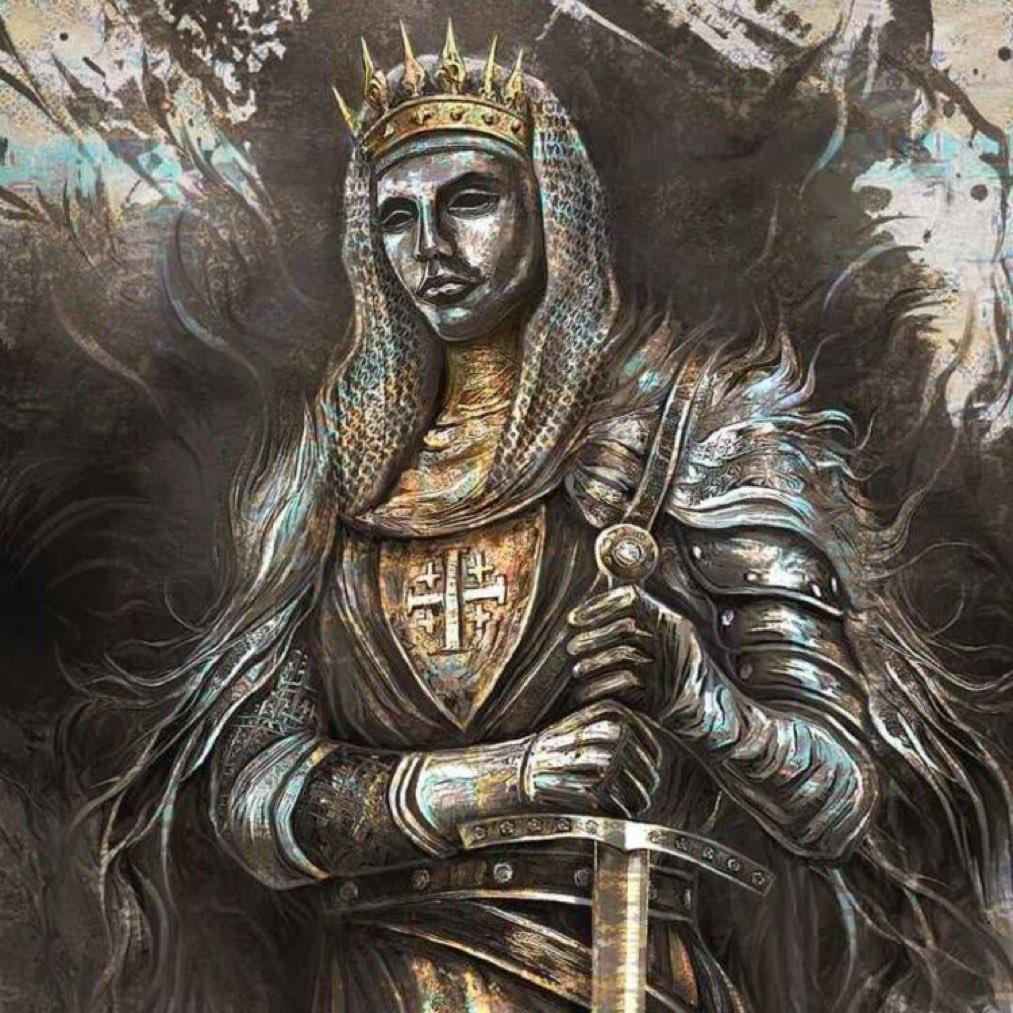
Baldwin IV ruled from 1174 to 1185.
He is often called the Leper King because he suffered from leprosy, a disease that progressively damaged his health.
Despite his illness, he remained politically active and participated in the kingdom's military affairs.
In 1177, Baldwin IV's forces defeated Saladin's army at the Battle of Montgisard. The victory was an important demonstration that Saladin could be beaten.
However, the kingdom's longer-term problems remained.
Baldwin IV had no surviving son to provide an uncomplicated succession. The royal court contained competing factions, and the question of who should rule after him created instability.
His declining health made the problem more serious.
33. The road to the Battle of Hattin
During the 1180s, relations between Saladin and the Kingdom of Jerusalem deteriorated.
One major source of tension was the activity of Raynald of Châtillon, a powerful lord associated with the fortress of Kerak.
Raynald carried out attacks against Muslim trade and pilgrimage routes, including operations that threatened shipping and communications in the Red Sea region.
Saladin regarded these actions as violations of truces and a challenge to his authority.
The kingdom was also divided politically. Guy of Lusignan became king in 1186, but not all nobles supported his leadership.
In 1187, Saladin assembled a major army and began a campaign against the Crusader states.
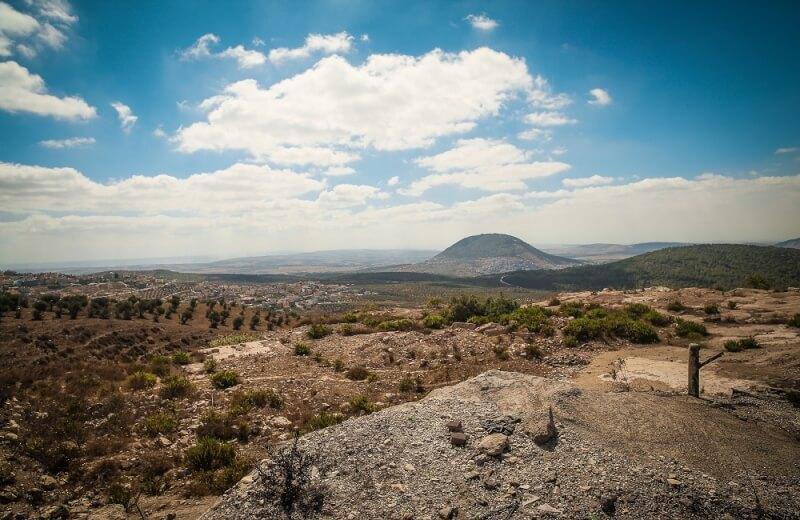
34. The Battle of Hattin (July 4, 1187)
Add to Favorites
Add to Favorites
8
Add to Favorites
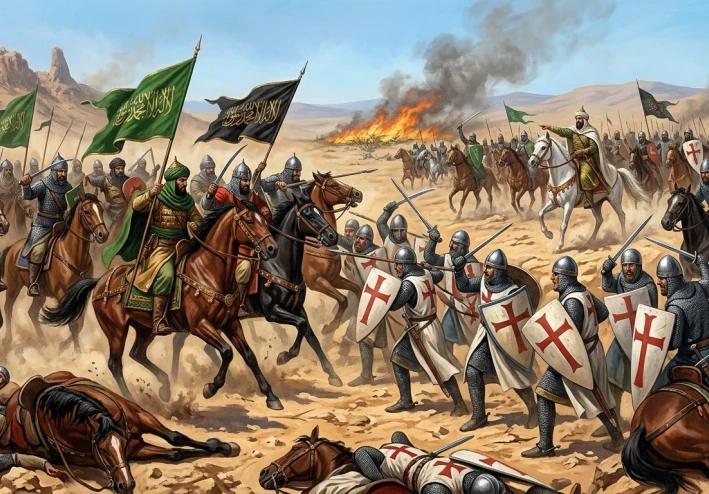
The Battle of Hattin was one of the most decisive engagements of the Crusades.
It took place near the Sea of Galilee, in present-day Israel.
The crusading army
King Guy of Lusignan led a major army containing knights, infantry, and other troops from the Kingdom of Jerusalem and its allies.
Among those involved were members of the military orders, including the Knights Templar and Knights Hospitaller.
The army carried equipment, food, water, and the supplies required for a major field campaign.
Its ability to move effectively depended on access to water and the availability of suitable routes.
Saladin's strategy
Saladin's forces used their mobility to pressure the Crusader army.
His troops attacked, harassed, and restricted the crusaders' movement. The crusaders were forced to advance under increasingly difficult conditions.
Heat, thirst, exhaustion, and the lack of adequate access to water became critical problems.
The army's cohesion deteriorated as it struggled to reach a secure water source.
The battle itself
On July 4, the crusaders were defeated.
The Muslim forces captured Guy of Lusignan and many other important prisoners.
The relic known as the True Cross, which had been carried by the crusading army, was also captured.
The defeat devastated the kingdom's military capacity. Many of its best-equipped warriors were killed or captured, and the military orders suffered severe losses.
Saladin ordered the execution of certain captured military-order members and Raynald of Châtillon, whom he regarded as especially dangerous. Guy, by contrast, was spared.
Why was Hattin so decisive?
The kingdom depended on a relatively small military elite to defend a large network of settlements and fortifications.
After Hattin, that army could no longer effectively protect the entire realm.
Saladin moved rapidly to capture important towns and cities.
Jerusalem itself surrendered in October 1187 after negotiations.
Unlike the conquest of 1099, the surrender of Jerusalem in 1187 did not produce a general massacre on the same scale. Saladin's government negotiated terms for the city's inhabitants, although many people faced ransom, displacement, enslavement, or other hardships.
The fall of Jerusalem shocked Western Europe and prompted the Third Crusade.
Part VIII — The Third Crusade (1189–1192)
Add to Favorites
Add to Favorites
6
Add to Favorites
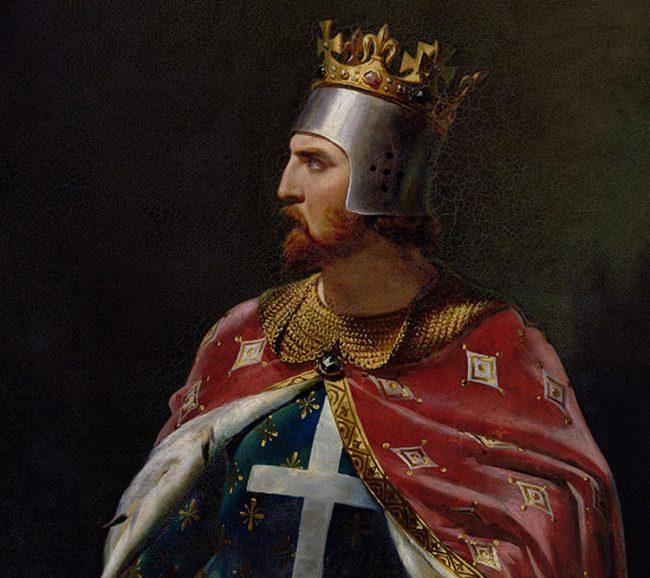
The Third Crusade was one of the largest and most famous crusading expeditions.
Its principal objective was to recover Jerusalem after Saladin's victory at Hattin.
Three rulers became especially associated with the campaign:
-
Richard I of England, commonly known as Richard the Lionheart.
-
Philip II of France.
-
Frederick I Barbarossa, Holy Roman Emperor.
Their armies took different routes, and their cooperation was never entirely straightforward.
35. Frederick Barbarossa's expedition
Frederick I Barbarossa was one of the most powerful rulers in medieval Europe.
He led a large German army overland through southeastern Europe and Anatolia.
In 1190, while crossing the region of Cilicia, Frederick drowned in the Saleph River, now the Göksu River in Turkey.
His death created a crisis for the expedition.
Some of his followers continued toward the Holy Land, but disease, exhaustion, desertion, and the difficulties of the journey reduced the army's strength.
Frederick's death deprived the crusade of one of its most prominent leaders before the main campaign had even reached its objective.
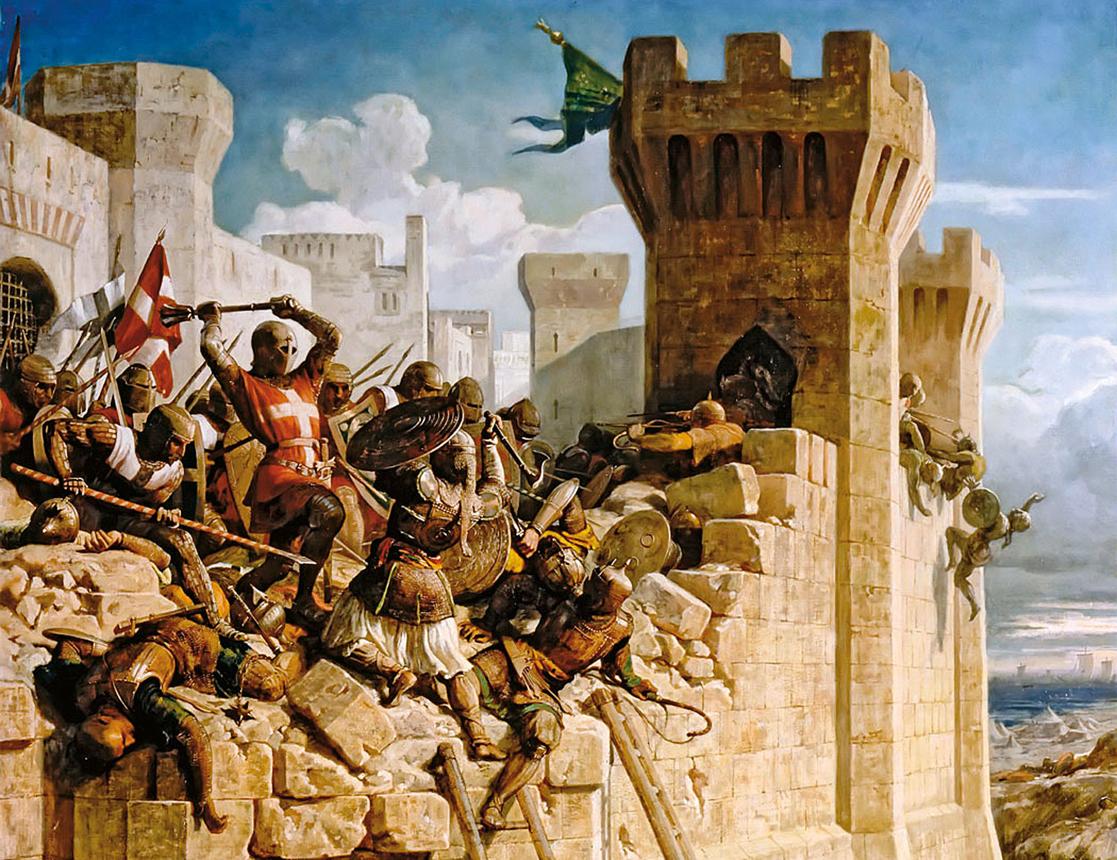
36. The siege of Acre (1189–1191)
Add to Favorites
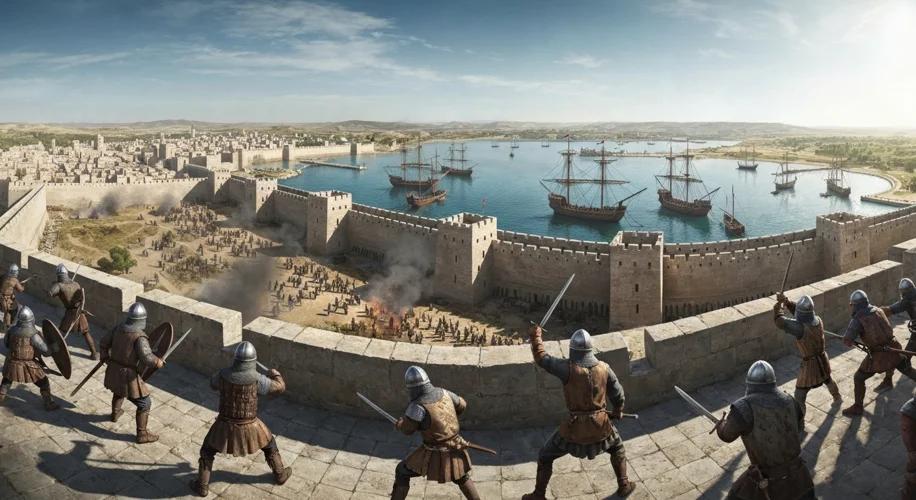
Acre was one of the most important ports in the eastern Mediterranean.
After Hattin, it had fallen under Saladin's control. Crusaders began besieging it in 1189, but the operation became a prolonged struggle.
The defenders were protected by fortifications and could receive support from the sea. Saladin's field army operated outside the crusader encampment, placing the besiegers themselves under pressure.
The crusaders therefore faced a difficult situation: they were trying to capture the city while resisting attacks and maintaining their own supply lines.
Why was Acre so difficult to capture?
The siege involved multiple layers of conflict.
The defenders inside the city fought to hold the walls. Saladin's forces attempted to disrupt or destroy the besieging army. The crusaders built fortifications and siege engines while trying to prevent supplies from reaching the defenders.
Ships were essential. Maritime supply lines allowed the crusaders to obtain food, reinforcements, and equipment, although the operation remained dangerous.
Disease spread through the camps, and many people died during the prolonged siege.
Richard and Philip arrive
Richard I and Philip II arrived in 1191, strengthening the crusading army.
Both kings brought experienced soldiers and substantial resources, but they had different political interests.
Their cooperation helped intensify the pressure on Acre.
The city surrendered in July 1191.
The capture gave the crusaders an important port and a secure base for subsequent operations.
The prisoners of Acre
After the surrender, disputes arose over the terms of capitulation, including the release of prisoners and the payment of a ransom.
In August 1191, Richard ordered the execution of thousands of Muslim captives after negotiations with Saladin broke down.
The precise number reported by contemporary sources varies, but the episode was a major act of violence against prisoners.
It is important to remember that the Crusades involved atrocities committed by different sides, and that military leaders sometimes treated captives harshly despite negotiated agreements.
37. The Battle of Arsuf (September 1191)
Add to Favorites
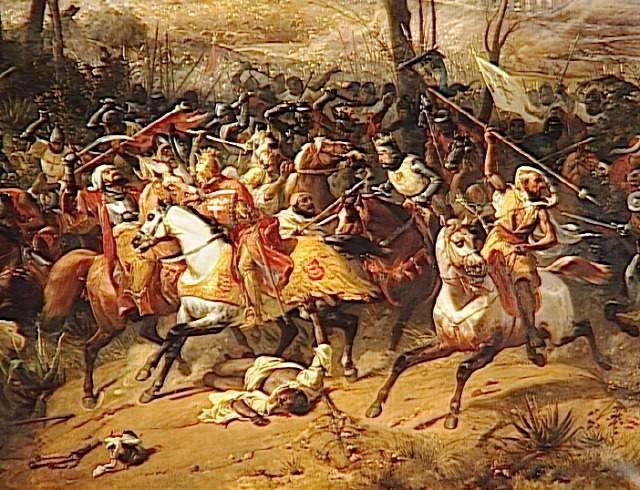
After Acre, Richard led his army south along the coast toward Jaffa.
Saladin's forces repeatedly harassed the crusaders during the march.
The Muslim troops used missile fire and cavalry attacks to disrupt the column, attempting to provoke the crusaders into breaking formation.
Richard maintained a disciplined march with infantry protecting the army's vulnerable areas and cavalry ready to counterattack.
At Arsuf, the pressure eventually resulted in a major engagement.
The crusaders counterattacked, and Saladin's army withdrew.
Why did Richard win?
Richard's success depended on more than the quality of his knights.
His army maintained cohesion under pressure, used its infantry effectively, and avoided an uncontrolled response to harassment.
Once the battle developed, the crusaders were able to concentrate their strength and push back the opposing force.
Arsuf was an important tactical victory, but it did not destroy Saladin's army or guarantee the recovery of Jerusalem.
38. Richard and Saladin: enemies who negotiated
Add to Favorites
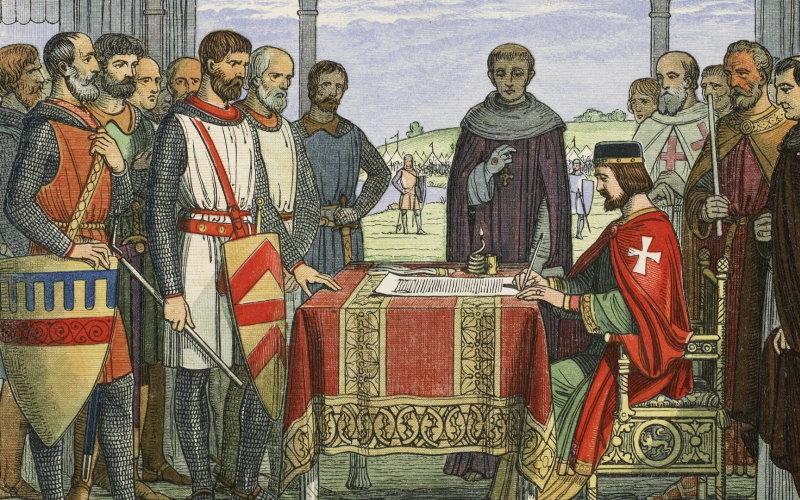
Popular stories sometimes portray Richard and Saladin as personal friends who admired one another throughout the Crusades.
The historical reality is more complicated.
They were opponents pursuing conflicting military and political objectives. Their forces killed and captured one another, and negotiations took place under pressure.
Nevertheless, both rulers were capable of diplomacy.
They understood that military victory was not the only way to achieve a political objective. A treaty could preserve a ruler's resources, prevent further losses, and secure practical advantages.
Their relationship is therefore a useful example of how medieval warfare could combine intense religious hostility with pragmatic diplomacy.
39. Why didn't Richard recapture Jerusalem?
Richard's army advanced toward Jerusalem, but the city remained difficult to reach and hold.
The crusaders would need to maintain supply lines from the coast while campaigning inland.
Even if they captured Jerusalem, they would have to defend it against Saladin's forces and establish a secure route for reinforcements.
Richard also faced political problems in Europe. He could not remain in the eastern Mediterranean indefinitely without risking his position at home.
The crusaders approached Jerusalem but ultimately did not launch a successful campaign to retake the city.
40. The Treaty of Jaffa (1192)
In September 1192, Richard and Saladin concluded an agreement.
The settlement preserved the coastal territories held by the Crusaders and allowed Christian pilgrims access to Jerusalem under agreed conditions.
Jerusalem remained under Muslim rule.
The treaty ended the main phase of the Third Crusade without achieving the central objective of recovering the city.
Richard returned toward Europe, while Saladin remained ruler of a substantial realm.
Results of the Third Crusade
The crusaders achieved important military successes, particularly at Acre and Arsuf. They also strengthened the coastal position of the surviving Crusader states.
However, Jerusalem was not recovered.
The Third Crusade therefore had a mixed outcome: it prevented the complete collapse of the Crusader presence in the Levant, but it failed to reverse Saladin's most important victory.
Part IX — The Fourth Crusade (1202–1204)
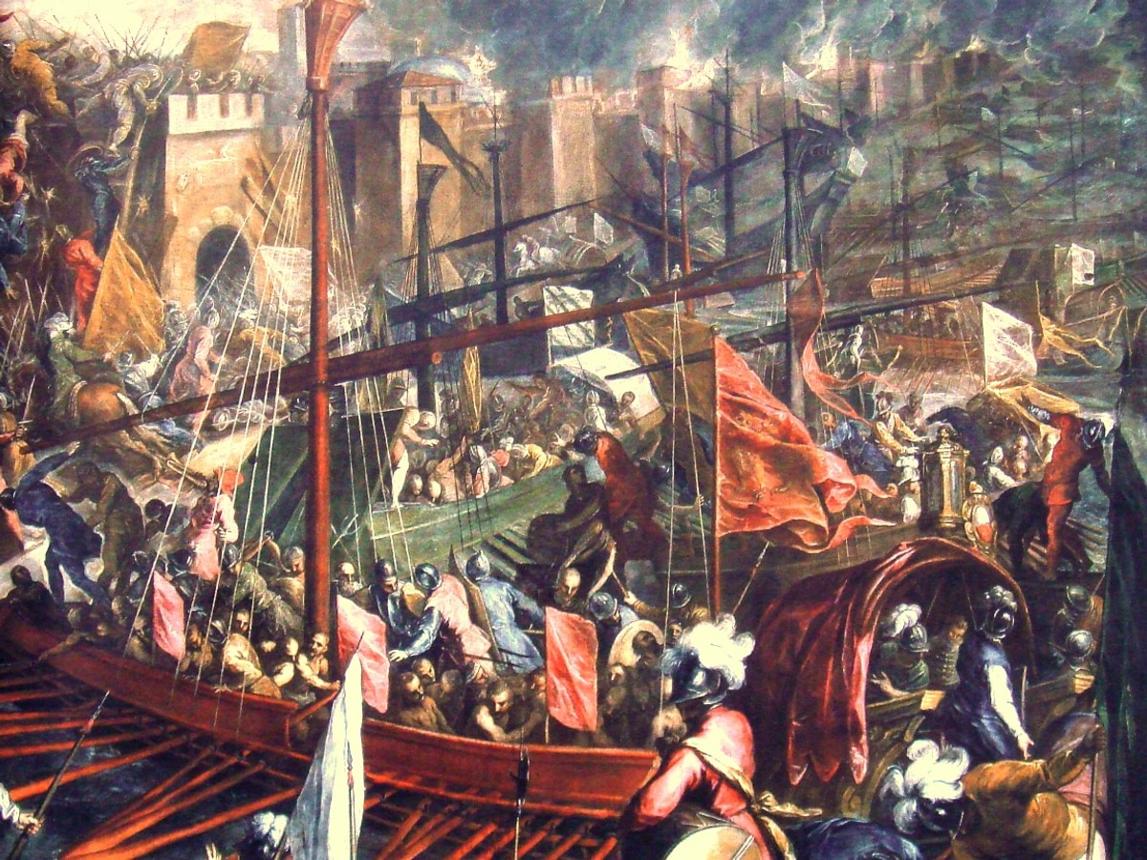
Add to Favorites
Add to Favorites
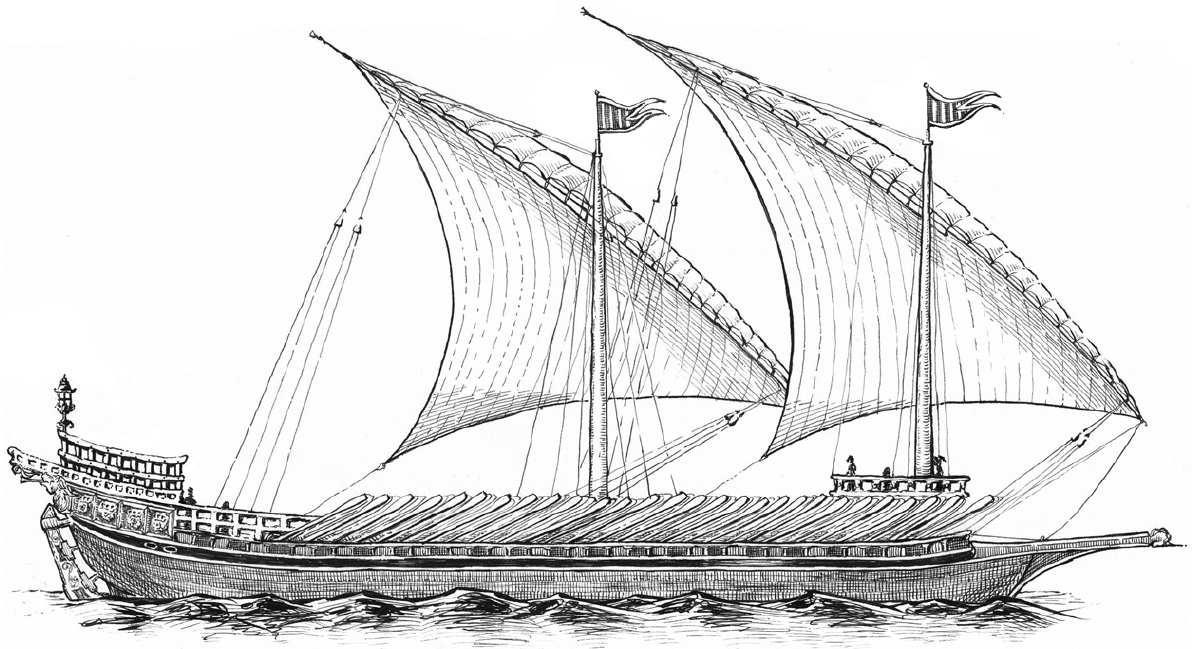
8
Add to Favorites
The Fourth Crusade is one of the most controversial episodes in the entire history of crusading.
It was initially organized as an expedition against Muslim power, with Egypt considered a strategic target.
Instead, the crusaders attacked Constantinople, the capital of the Byzantine Empire, a Christian state.
The city was captured and brutally sacked in 1204.
The event caused lasting damage to relations between the Latin and Greek Christian worlds.
41. The original plan
Pope Innocent III promoted a new crusade at the beginning of the 13th century.
The crusading leaders planned to travel by sea, and Venice was contracted to provide ships and transport.
The agreement required the crusaders to pay a substantial sum for the fleet and its services.
However, fewer crusaders arrived than expected, and the expedition could not pay the full amount.
Venice now had a financial and political problem. It had committed resources to a fleet that was not being fully paid for.
The Venetian leadership, especially Doge Enrico Dandolo, sought a solution that would recover the cost and advance Venetian interests.
42. The diversion to Zara
The crusaders agreed to assist Venice in attacking Zara, a Christian city on the Adriatic coast that was under the control of the Hungarian king.
The city was captured in 1202.
This was a major departure from the expedition's original purpose and led Pope Innocent III to condemn the attack.
The episode demonstrated that the political and financial interests of crusading participants could redirect a campaign away from its stated religious objective.
43. The Byzantine succession crisis
While the crusaders were wintering at Zara, they encountered an opportunity to intervene in Byzantine politics.
A claimant to the Byzantine throne, Alexios Angelos, offered support to the expedition if the crusaders helped restore his father, Isaac II Angelos, to power.
The offer included money, supplies, military assistance, and promises of religious and political cooperation.
The crusaders accepted the proposal and traveled toward Constantinople.
They believed the agreement would help finance their expedition and secure the support they needed to continue eastward.
However, the promises proved difficult to fulfill.
44. The sack of Constantinople (1204)
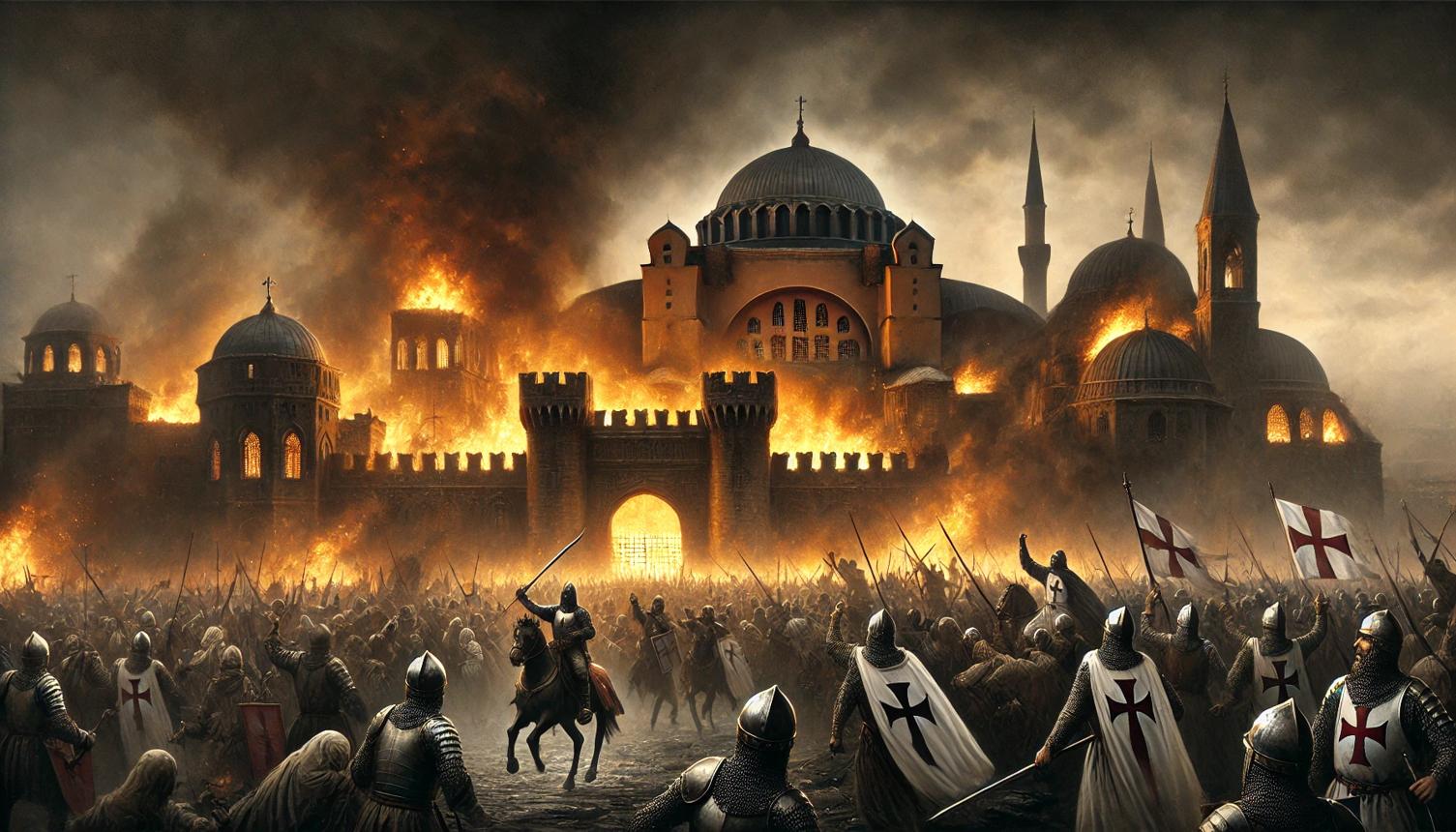
Add to Favorites
In 1203, the crusaders intervened in Constantinople's internal political struggles.
Isaac II and his son Alexios IV were restored to power, but the new regime faced opposition and financial difficulties.
The promises made to the crusaders could not be met to their satisfaction.
Political violence followed, and the Byzantine government changed again.
In April 1204, the crusaders attacked and captured Constantinople.
The sack
The victorious crusaders looted the city on a large scale.
Churches, monasteries, palaces, private residences, and other buildings were plundered. Sacred objects, artworks, precious metals, and manuscripts were seized or destroyed.
Residents were killed, assaulted, or displaced. The city's religious and cultural institutions suffered severe losses.
The sack was not simply a change of government. It was a devastating assault on one of the greatest cities of the medieval Christian world.
Why did the crusaders attack another Christian city?
Several factors contributed:
-
The expedition's debt to Venice.
-
Venetian commercial and political interests.
-
Byzantine succession disputes.
-
The crusaders' financial expectations.
-
Religious and political tensions between Latin and Greek Christians.
-
The desire of some leaders to obtain wealth and territory.
No single factor explains every participant's actions, but the combination transformed the expedition into a campaign against Byzantium.
45. The Latin Empire
After the capture of Constantinople, the victors established the Latin Empire.
Western rulers and nobles took control of parts of the former Byzantine territories. Venice acquired important commercial and territorial privileges.
However, Byzantine resistance continued in successor states, including the Empire of Nicaea, the Empire of Trebizond, and the Despotate of Epirus.
The Empire of Nicaea eventually recovered Constantinople in 1261, restoring Byzantine rule in the city.
But the Byzantine Empire never fully recovered its former strength.
Why the Fourth Crusade mattered
The Fourth Crusade severely damaged relations between Western and Eastern Christians.
It also weakened Byzantium strategically, economically, and militarily.
Although the crusaders had originally planned to fight Muslim powers, their campaign instead helped undermine the Christian empire that had initially requested Western military assistance before the First Crusade.
The Fourth Crusade is a powerful example of how a religious expedition could be redirected by financial pressures, political ambition, and competing interests.
Part X — The Fifth Crusade (1217–1221)
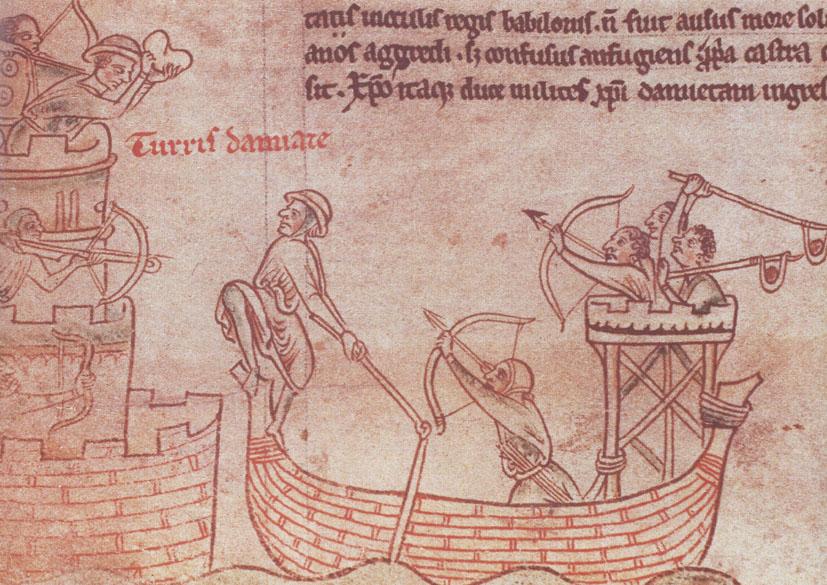
Add to Favorites
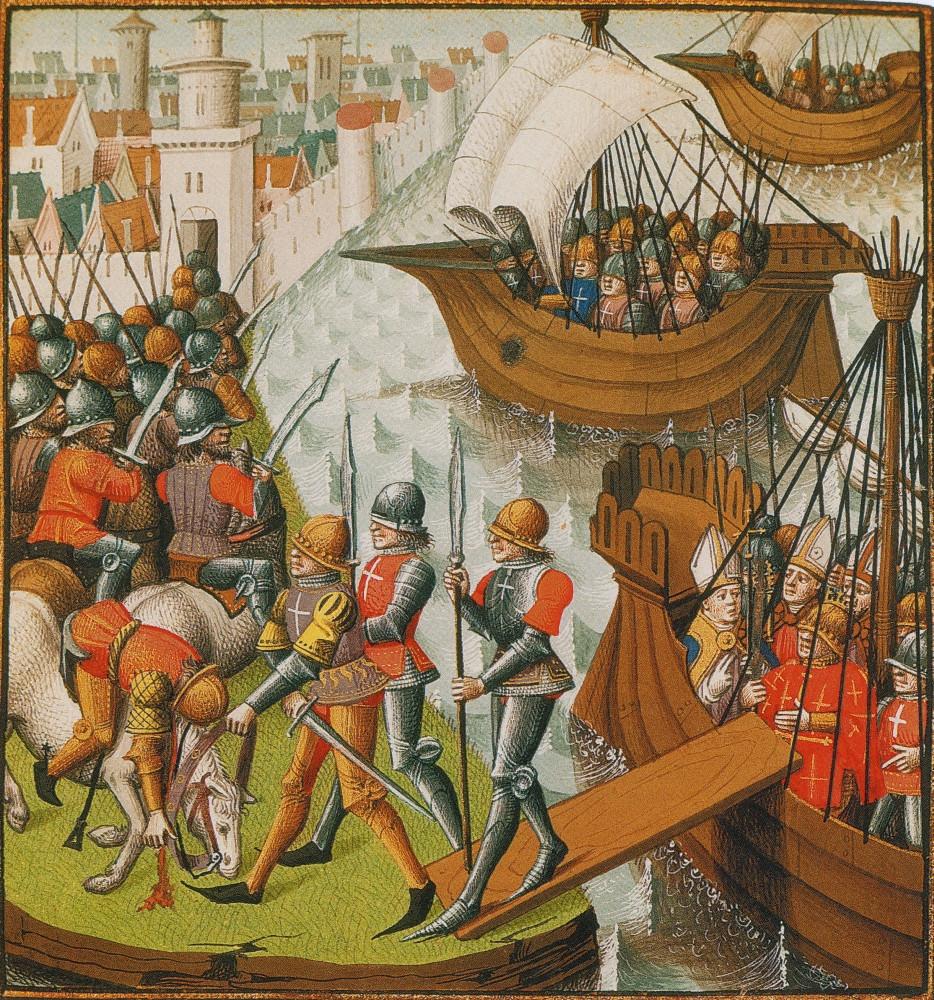
Add to Favorites
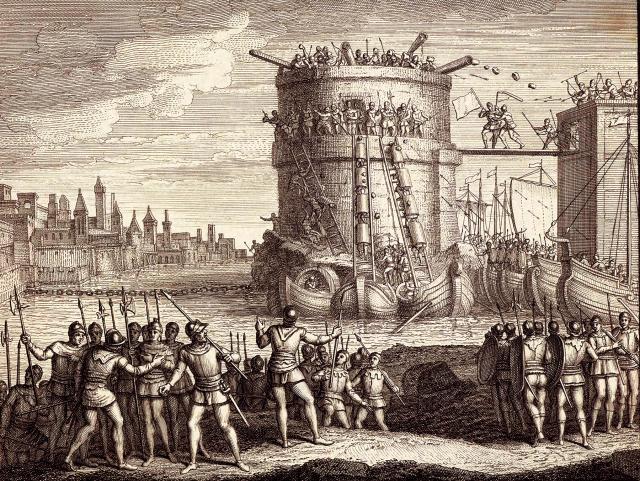
Add to Favorites
46. Why did the Fifth Crusade target Egypt?
By the early 13th century, crusading strategists increasingly recognized that Egypt was central to Muslim power in the eastern Mediterranean.
Egypt had substantial agricultural resources, tax revenues, population, and strategic importance. Its ports and the Nile connected it to wider commercial and military networks.
Rather than attempting to attack Jerusalem directly, crusaders hoped that conquering Egypt would weaken the political and military power that defended the Holy Land.
Pope Innocent III had promoted the expedition, although he died in 1216 before it began in earnest.
The campaign eventually involved crusaders from several European regions, including forces associated with the Kingdom of Hungary, the German lands, and other parts of Western Europe.
47. The capture of Damietta
Damietta was a fortified Egyptian port near one of the branches of the Nile.
Crusaders began their siege in 1218.
The city was protected by fortifications and waterways, which made it difficult to attack. The crusaders had to coordinate their operations on land and water while maintaining supplies in a hot climate.
In November 1219, after a prolonged siege, Damietta fell to the crusaders.
The capture was a major success, and the crusaders now possessed a strategically important base in Egypt.
However, capturing a port was only the first stage of the campaign.
48. Why the crusaders lost in Egypt
The crusaders delayed while negotiating and debating what to do next.
Meanwhile, the political and military situation changed.
The Egyptian ruler al-Kamil offered terms that included the return of Jerusalem and other territories in exchange for the crusaders' withdrawal from Egypt. The proposal was debated but ultimately rejected by the crusading leadership.
In 1221, the crusaders advanced toward Cairo.
The Egyptian army used the terrain and the Nile's seasonal flooding to place the invading force under pressure.
The crusaders found themselves in a difficult position, with water and supply problems threatening their ability to continue.
They were forced to negotiate a withdrawal.
Damietta was returned to Egyptian control, and the expedition failed to achieve its objective.
The significance of the Fifth Crusade
The campaign demonstrated that a successful siege did not necessarily produce a successful war.
The crusaders captured a major port, but their leadership disagreements and difficulties operating in the Nile region undermined the expedition.
Egypt would remain a major target in later crusading campaigns.
Part XI — The Sixth Crusade (1228–1229)
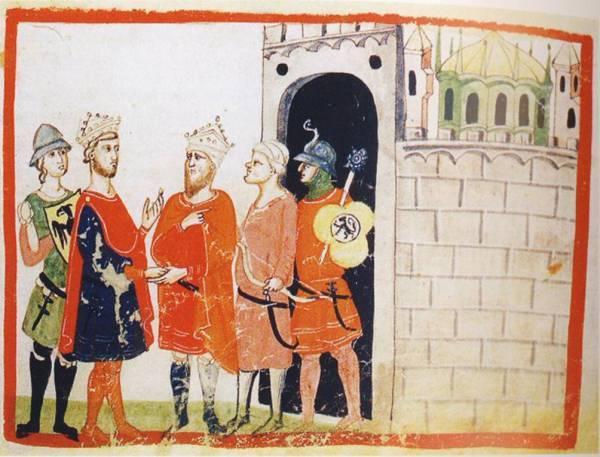
Add to Favorites
The Sixth Crusade was unusual because it recovered Jerusalem largely through diplomacy rather than a major campaign of conquest.
Its leader was Frederick II, Holy Roman Emperor and King of Sicily.
Frederick had promised to undertake a crusade but repeatedly delayed his departure. Pope Gregory IX eventually excommunicated him after he failed to meet the pope's expectations.
Despite this conflict, Frederick finally sailed east in 1228.
49. Frederick's negotiations with al-Kamil
Frederick negotiated with al-Kamil, the Ayyubid ruler of Egypt.
Al-Kamil faced political and military pressures of his own, including competition with other members of the Ayyubid dynasty.
Frederick and al-Kamil found it advantageous to reach an agreement rather than continue fighting.
In February 1229, they concluded a treaty that restored Jerusalem, Bethlehem, Nazareth, and other territories to Christian control for a limited period.
Muslim control of important sacred areas, including the Haram al-Sharif, was maintained under the agreement.
The arrangement also addressed security, access, and relations between the parties.
Was Jerusalem fully returned?
Jerusalem was restored to Christian political control, but the arrangement had important limitations.
The city's fortifications were not fully restored, and the agreement depended on a diplomatic balance that could change.
The city was not recovered through a decisive crusading victory on the battlefield.
Frederick's achievement nevertheless demonstrated that negotiation could secure territorial gains that previous military expeditions had failed to obtain.
50. Why was Frederick controversial?
Frederick's negotiations angered some religious and political leaders, partly because he was excommunicated and had pursued an agreement without the approval of the pope.
Some crusaders considered diplomacy an inadequate substitute for military victory.
Others recognized the practical advantages of recovering important holy places without sacrificing another army.
Frederick's crusade is a reminder that medieval religious warfare could include negotiation and compromise, even when religious leaders disagreed over the legitimacy of the settlement.
The treaty was temporary. Jerusalem would later be lost again.
Part XII — The Barons' Crusade (1239–1241)
The Barons' Crusade was a series of expeditions involving European nobles rather than one unified royal army.
Important participants included Theobald I of Navarre and Richard of Cornwall.
The campaign took place amid political divisions among the Crusader states and rivalries within the Ayyubid dynasty.
51. How did it succeed?
The crusaders exploited disagreements between Muslim rulers.
They used diplomacy and military pressure to obtain territorial concessions and strengthen the position of the Crusader states.
Richard of Cornwall, in particular, helped secure agreements that restored some territory to the Kingdom of Jerusalem.
The campaign did not recover Jerusalem itself, but it demonstrated that divided opponents could sometimes be persuaded to make concessions without a major battle.
Greetings
This card has no greetings.
107 assets: 107 archived, 0 pending, 0 failed, 0 dead · 0 expression images
1 file
- .jsonotherspec 2.0
122.5 KBfirst seen ea262c712e1e4d1e
Opens with the tab.