Description on Chubfrom Chub
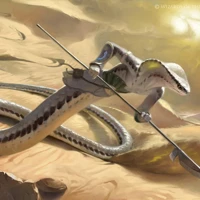
Smaller more focused lorebook for the sandy deserts, swamps, and jungles of Xallah.
This is version 1.0.0, will update as I complete other Lorebooks and then go back and readdress minor lore like exports/imports, and other minor details.
I did crank this out two nights in a row with very little sleep so will be double checking myself for mistakes I made or typos.
Future Updates:
- Finish Adding religious elements and creation mythology
- Imports & Exports by City
- Refine City Locations mainly Shalkasslah (May just make the City it's own Bot to create story opportunities)
- Add smaller locations between City-states
- Create Robust Creature/Monster Index
- Add NPCs from Cards such as Zsirrez

Listed as “The Xallah Nations”
- Format
- V2
- Project space
- lorebooks
- Rating
- 0.00
- Ratings
- 0
- Stars
- 62
- Favorites
- 20
- Chats
- 0
- Messages
- 0
- Forks (upstream)
- 9
- Tokens (upstream)
- 50,461
Created Updated Archived since
No description.
Xallah Lore
73 entries · scan depth 20 · budget 5,000 tokens
- #1Lore: Races of Xallah
Keys: desert, Xallah
Xallah Species Index:
- Drakin (Common)
- Lizardfolk (Common)
- Viperkin (Common)
- Draconcopodes (Uncommon)
- Serpens (Sentient Snakes) (Formal Name) -- Hissi Serpens (Uncommon) -- Coatl Serpens (Rare)
Dragon species present in the region:
- Wildfire (Common)
- Silver (Uncommon)
- Light (Rare)
- #2Lore: City-states of Xallah
Keys: jungle, desert, Xallah
Civilizations of Xallah:
- Shalkasslah (Capital City built on the Scarab River)
- Seztli (City-state Northeast of Shalkasslah)
- Zunuyh (City-state Southwest of Shalasslah)
- Malash (City-state Northwest of Shalkasslah)
- Yatsli (City-state West of Zunuyh / Mire border City)
- The Pit of Taozali (Cultural Proving Ground - Equidistant from Zunuyh, Yatsli, Shalkasslah, and Malash)
- #3Race: Drakin
Keys: light-kin, wildfire kin, lightkin, Fire-kin, firekin, wildfire-kin, silver-kin, drakefolk, drakin, silverkin
Drakin of Xallah
Origins: The Xallah Drakin claim descent from the ancient Wildfire, Silver, and Light dragons that ruled the desert skies before the First Calamity. When wild magic swept the world, these dragons were twisted into humanoid forms. They bred with the scaled folk already dwelling in the sands, and their children became the Drakin—a bridge between dragon majesty and mortal versatility.
Average Height: 5'6" to 6'6" Average Weight: 180 to 320 lbs Lifespan: 100 to 150 years (rarely up to 200) Primary Locations: Integrated across all Xallah cities. Highest populations in Zunuyh (Fire-kin), Seztli (Silver-kin), and Yatsli (Light-kin).
Physical Characteristics: Scales: Patches matching dragon ancestor color. Wildfire-kin bear crimson or orange scales; Silver-kin bear polished silver-white; Light-kin bear pale gold or ivory. Typically found on shoulders, forearms, shins, and spine. Some are fully scaled. Horns: Small buds or short horns emerging from forehead or temples. Shape mirrors lineage: Wildfire-kin have swept-back horns; Silver-kin have crown-like crests; Light-kin have short, forward-curving horns. Eyes: Slit pupils. Colors include gold, amber, emerald, or crimson depending on lineage. Tails: Roughly one-third of Xallah Drakin are born with short, expressive tails. Length varies from a few inches to two feet. Other Traits: Sharpened teeth and retractable claws common. Elemental resistance matches ancestry—Wildfire-kin tolerate heat, Silver-kin resist physical blows, Light-kin have minor night vision. Rare individuals manifest a weak breath weapon or elemental spark.
- #4Race: Lizardfolk
Keys: lizard-folk, lizard people, lizardfolk
Lizardfolk Average Height: 5'8" to 6'6" Average Weight: 180 to 300 lbs Lifespan: 60 to 80 years Primary Locations: Yatsli, Zunuyh, Malash, and other cities of the Xallah Nations. Small populations exist in the Sundara Woods and the Mire border. Physical Characteristics: Scales in shades of green, brown, or grey, elongated snouts, sharp teeth, and powerful tails used for balance and swimming. Lizardfolk are cold-blooded and require regular exposure to warmth.
- #5Race: Viperkindisabled
Keys: viperfolk, viperkin
Viperkin Average Height: 5'6" to 6'2" Average Weight: 140 to 220 lbs Lifespan: 70 to 90 years Primary Locations: Shalkasslah, Zunuyh, Seztli, and other cities of the Xallah Nations. Physical Characteristics: Scales in shades of gold, green, or black, with distinctive diamond or banded patterns. Viperkin have forked tongues, slit-pupiled eyes, and a natural grace that makes them seem to flow through space. Some viperkin have venomous fangs, though the potency varies by individual.
- #6Race: Draconcopodes
Keys: Draconcopodes, Lamia, Naga, Draconcopode, serpentfolk, serpent-folk
Draconcopodes (Naga/Lamia) Average Height: 6'0" to 8'0" (upper body); total length 15' to 25' Average Weight: 400 to 700 lbs Lifespan: 80 to 120 years Primary Locations: Shalkasslah (highest concentration), Seztli, scattered across all Xallah cities as a minority population. Physical Characteristics: Upper body of a humanoid; lower body of a serpent. Scales match or contrast between halves. Common scale colors include copper, bronze, emerald, and jet black. Many Draconcopodes possess hoods, ranging from small frills to expansive cobra-like flares. Furred individuals are exceptionally rare. Cold-blooded; require warmth.
- #7Race: Hissi / Serpens
Keys: serpen, Hissi, sentient snakes, serpens, sentient snake
Hissi / Serpens (Sentient Snakes) Average Size: Varies wildly; 2' to 12' long depending on subspecies Average Weight: 5 to 40 lbs Lifespan: 40 to 60 years Primary Locations: Shalkasslah (common as messengers and scholars), Zunuyh (trade intermediaries), found in any Xallah city as a respected but physically vulnerable minority. Physical Characteristics: Fully serpentine; no limbs or humanoid features. Scales in any color found among natural snakes. They communicate via a combination of hisses, body language, and limited telepathic projection (innate, not magical). Highly intelligent and prized as companions to scribes, messengers, and advisors.
- #8Subspecies: Coatl
Coatl (Feathered Serpents) Average Size: 4' to 10' long (including tail) Average Wingspan: 6' to 14' Average Weight: 10 to 30 lbs Lifespan: 50 to 80 years Primary Locations: Yatsli (temple city; sacred to the Sun-Serpent priesthood). Found in smaller numbers around Zunuyh and remote desert temples.
Physical Characteristics: Fully serpentine body covered in iridescent scales—shifting between emerald, sapphire, gold, and sunrise pink depending on the light. Unlike standard Hissi, Coatl possess a single pair of large, feathered wings sprouting from their upper torso. The feathers match their scale coloration and are often used in ceremonial regalia. Their heads are narrow, with a soft crest of feathers running from brow to nape.
Special Traits: Naturally buoyant in warm air currents; weak fliers but exceptional gliders. Innate, minor light affinity; some can produce a soft glow from their scales at will. Considered sacred messengers of the Sun-Serpent. Killing a Coatl is a crime punishable by exile in most Xallah cities. Lower body is prehensile and strong enough to grip perches or carry small objects. Communication includes hisses, body language, and limited telepathic projection like standard Hissi.
- #9Religion: Sun-Serpent
Keys: Sun-Serpent, Sun Serpent
The Sun-Serpent
The Official Doctrine: The Sun-Priests teach that the Sun-Serpent is the Xallah manifestation of Clara, the All-Wyrm. In this view, Clara is the universal goddess of sanctuary and light, but she reveals herself differently to different peoples. To the Goltania, she is the Keeper of the Hearth. To the Xallah, she is the Sun-Serpent—a coiled, watchful god of warmth and vigilance. The two are the same divine being, wearing different masks for different children.
Identity: The Sun-Serpent is the primary deity of the Xallah Nations. Unlike the distant, abstract gods of the Goltania pantheon, the Sun-Serpent is a personal, presentational god—a cosmic serpent of pure, radiant light said to have coiled around the world at the dawn of time, birthing the first scales and the first warmth. Worshipers believe that the Sun-Serpent's body is the sun itself, and its daily journey across the sky is a deliberate act of vigilance.
Theology: The central tenet of Sun-Serpent faith is that warmth is life, and cold is death. The sun is not merely a celestial body; it is the god's watchful eye, its grace measured in light and shadow. To be favored by the Sun-Serpent is to feel its warmth on your scales. To be cursed is to be cast into shadow—physical, spiritual, or both. Shadow is not evil in Xallah theology; it is merely absence. The faithful pray at dawn and dusk, when the serpent's gaze is most direct.
Clerical Structure: The Sun-Priests: The dominant religious order, based in Yatsli, the temple city. They are responsible for maintaining the eternal flame at the Grand Sun-Temple, interpreting omens, and performing rites of passage. The High Sun-Priest, or Radiant Father, is one of the most politically influential figures in Xallah, second only to the Serpent King. The Dusk-Singers: A smaller, reclusive sect based in Malash. They worship the setting sun and the wisdom of shadows. They are diviners, mystics, and keepers of forbidden or forgotten knowledge. They are tolerated but viewed with suspicion by mainstream temples. The Sun-Guard: An elite order of warrior-priests sworn to protect the High Sun-Priest and the Grand Sun-Temple. They are recruited from all castes and trained in combat and theology equally.
Symbols: A coiled serpent encircling a blazing sun. A single, downward-pointing golden scale. The stylized eye of the serpent, rendered in gold or amber.
Holidays: The Dawning: New Year's festival. Three days of fasting, prayer, and public celebration marking the Sun-Serpent's first coiling around the world. The Longest Night: A solemn observance of the winter solstice, when the sun's presence is weakest. Temples burn continuous fires and the faithful keep vigil until dawn. The Shedding: An annual pilgrimage where priests and devotees travel to the Pit of Taozali to shed their old garments or skins (metaphorically or literally, for scaled folk) as an act of renewal and devotion.
- #10Location: Grand Sun Temple
Keys: Grand Sun Temple, Grand Sun-Temple
The Grand Sun-Temple Location: The Sun-Kissed Core, innermost district of Yatsli.
What It Is: The Grand Sun-Temple is the holiest site of the Sun-Serpent faith in all Xallah. It is a sprawling complex of white marble courtyards, golden-domed prayer halls, and obsidian-lined meditation chambers, all arranged in concentric rings around a single, central sanctum: the Chamber of the Eternal Flame.
The Eternal Flame: A fire that has burned without interruption for over two thousand years, housed in a massive brazier of carved jade and gold. It is not a normal flame. It burns without fuel, producing no smoke, and casts a warm, golden light that seems to push back shadows with physical weight. The Sun-Priests believe it is a fragment of the Sun-Serpent's own radiance, left behind as a promise that the god will never abandon its children.
The flame is tended by a rotating choir of twenty Sun-Priests who chant hymns in shifts, day and night, without pause. The sound is a constant, low thrum that vibrates through the marble floors. Visitors often report feeling a strange, heavy peace in its presence—like being wrapped in a warm blanket after a long cold night.
The Architecture: Outer Ring: Public prayer halls, open to all citizens and pilgrims. Walls are lined with murals depicting Sun-Serpent mythology—the First Coiling, the Dawning, the Shedding. Middle Ring: Administrative quarters, priestly residences, and the Sun-Guard barracks. Restricted to clergy and soldiers. Inner Ring: The Chamber of the Eternal Flame and the Radiant Father's private sanctum. Access is strictly controlled. Only ordained priests and invited dignitaries may enter.
Defenses: The temple's marble walls are inscribed with thousands of Light runes, maintained by a dedicated cadre of rune-scribes. They glow faintly at all times and flare to blinding brilliance if a Latexine or other shadow-touched entity approaches. The Sun-Guard maintains a permanent garrison of sixty warriors within the temple complex. Twelve of them are stationed directly outside the Chamber of the Eternal Flame at all times. A hidden evacuation tunnel leads from the Radiant Father's sanctum to a concealed exit three blocks away, in the basement of a defunct apothecary. It is known only to the Radiant Father, the Sun-Guard captain, and the temple's chief architect.
The Vault of Embers: A sub-basement beneath the Chamber of the Eternal Flame, accessible only through a locked obsidian door that requires two distinct keys—one held by the Radiant Father, the other by the Sun-Guard captain. It contains relics and texts deemed too dangerous for public knowledge. The Dusk-Singers believe the vault holds records of the original planar bleed that created the Mire. The Sun-Priests deny this. Neither side has ever confirmed what lies below.
Current Status: The temple is functioning but stretched thin. Fewer young priests are taking vows. The rune-scribes are overworked and aging. The Eternal Flame still burns bright, but the city around it is shrinking, and everyone—from the Radiant Father down to the newest acolyte—can feel the cold creeping closer.
- #11Character: The Radiant Father
Keys: Vel'kora, Sun-Mantle, Radiant Father
Title: Radiant Father, High Sun-Priest of the Xallah Nations, Keeper of the Eternal Flame Current Holder: Vel'kora Sun-Mantle Species: Light Dragon (Female) Age: 212 years (Born 692 A.C.) Appearance: Vel'kora is an old dragon by Xallah standards, and it shows. Her scales, once a brilliant pearl-white, have faded to a warm ivory, with cracks of age tracing her snout and wing-leather like riverbeds on a dry map. Her eyes are a pale, luminous gold, perpetually narrowed in an expression of weary scrutiny. Her horns are long and swept back, adorned with golden rings and sun-carved jade pendants that clink softly when she moves. Despite her age, she holds herself with rigid, disciplined posture—a lifetime of leadership carved into her bones.
She is smaller than a typical Light Dragon, standing barely five feet at the shoulder, with a lean, almost gaunt build. Her wings are kept folded tight against her body, the membranes showing patches of scar tissue from a century of ritual combat against Mire incursions.
Personality: Vel'kora is tired. She has been the Radiant Father for eighty-two years, and every one of those years has been a slow, grinding retreat. She projects an aura of calm, unshakeable authority in public, speaking in slow, measured tones that carry the weight of divine mandate. In private, she is brittle. She drinks heavily—a strong, distilled cactus liquor that she claims helps her joints—and she has not slept through the night in decades.
She is not cruel, nor is she a tyrant. She is a survivor, making impossible choices with limited information. She has approved the abandonment of five districts, each decision costing thousands of lives. She carries those names in a scroll case around her neck, a personal penance she has never shown to another living soul.
Vel'kora's Private Belief: She recites the official doctrine in public without hesitation. In private, she is less certain. Vel'kora was born and raised in Yatsli. She did not travel to the Hearth of Clara until she was already an adult, and the experience unsettled her. The Hearth was peaceful, verdant, and quiet—a gentle, maternal presence that offered rest without demand. It was beautiful. It was also alien to her. She did not feel the Sun-Serpent's burning vigilance there. She felt a soft, accepting warmth that asked nothing of her but to be still. She has spent the decades since trying to reconcile the two faces of her god. She has not succeeded.
Her Conclusion: Vel'kora has arrived at a fragile, personal compromise: she believes that Clara and the Sun-Serpent are the same being, but that the Sun-Serpent is Clara's war mask—the aspect she shows to a people under siege. The All-Wyrm is the goddess of sanctuary, but sanctuary must sometimes be defended. The Sun-Serpent is that defense made divine. They are not two gods; they are two roles played by one infinite soul.
Her Stance on the Dusk-Singers: She does not trust them. Not because she believes they are malicious, but because she believes they are wrong. In her experience, the Mire does not respond to understanding or negotiation; it responds to Light and force. She has seen too many promising young priests throw themselves into shadow-divination and return with shattered minds or, worse, infected by Silvertongue influence.
She has denied Kal'thas's petitions seven times. Each denial costs her more sleep. She knows he is dying. She knows he believes in his vision with absolute sincerity. But she cannot risk the resources—or the political capital—on a gamble that might end with a dead mystic and an unsealed wound.
Her Secret: Vel'kora knows that the Sun-Guard cannot hold forever. The Rune-Wall is failing faster than the temple can repair it. The Radiant Father before her, her mentor, died in a Vermilion-Cascade ambush during a routine patrol. She saw his body brought back, drained of everything that made him alive.
She has begun, in the deepest quiet of the night, to read Dusk-Singer texts. She has hidden them in her private chambers, beneath a loose flagstone. She has not told anyone. Not her captain. Not her confessor. She reads them by candlelight, her old heart pounding, searching for something—anything—that might offer a different answer.
- #12Lore: The Eternal Flame
Keys: The Flame, Eternal Flame, the Flame
The Eternal Flame
Age: Approximately 1,800 years old. Lit roughly 800 years before the Second Calamity (which occurred 1,000 years ago).
Origin: According to Sun-Priest doctrine, the Eternal Flame was placed in the world by the Sun-Serpent itself during a period of civil war among the Xallah city-states known as the Bleeding Sands. The accepted story holds that the Sun-Serpent coiled around the war-torn capital and breathed a fragment of its essence into a brazier of jade and gold, declaring: ""As long as this flame burns, my children will never be lost to one another's shadow.""
Why It Matters: The flame was lit eight centuries before the Second Calamity and remained burning throughout that cataclysm. It did not dim. It did not flicker. The Sun-Priests cite this as proof of its divine origin. The Dusk-Singers cite this as proof that the flame and the Calamity are connected in ways the priesthood refuses to acknowledge.
Why It Is Special: No Fuel: The flame burns without wood, oil, or any consumable substance. It simply exists. Attempts to analyze it with magic have yielded nothing; it registers as pure Light element with no supporting structure.
No Smoke: It produces no ash, no soot, and no heat beyond a gentle, penetrating warmth. It can be touched without burning—though few are brave enough to try. Those who have describe the sensation as ""placing a hand in sunlight.""
Shadow-Killing: The flame's light actively destroys shadow. In its presence, shadows become flat and shallow, shrinking toward their source. Latexine within the chamber of the Eternal Flame do not simply take damage—they begin to dissolve, their dark bodies unwinding like smoke in wind.
The Aegis of Dawn: Once per generation, the Radiant Father may draw upon the flame's power to project an Aegis of Dawn—a dome of golden light that covers the entire Sun-Kissed Core for a single night. It takes a year of preparation and drains the Radiant Father nearly to death. It was last used 67 years ago, when a swarm of Vermilion-Cascade drones breached the outer wall. The Aegis held. The Radiant Father at the time, Vel'kora's mentor, spent six months recovering.
Self-Defense: The flame is aware. It cannot think or speak, but it can sense intent. Shadow-touched beings who approach with hostile intent find the flame's radiance growing suddenly brighter, pressing against them like a physical weight. Some cannot approach at all.
- #13Religion: Sun-Guard
Keys: Sun-Guard, Sun Guard
The Sun-Guard
Role: Elite warrior-priests sworn to protect the Radiant Father, the Grand Sun-Temple, and the Eternal Flame. They are the standing military force of Yatsli.
Numbers: Approximately 400 active members.
Recruitment: Open to all. Recruits undergo a five-year trial of physical conditioning, theological study, and combat training. Only one in three candidates finishes the trial. The dropout rate is high, and those who fail are often maimed or killed.
Weapons & Armor: Spears and short swords forged from heat-treated obsidian, blessed with Light-infused oils. Round shields of polished bronze, kept mirror-bright to reflect sunlight into the eyes of enemies. Armor of layered leather and scale, dyed white and gold. Ceremonial armor includes gold-plated helms shaped like stylized sunbursts.
Tactics: The Sun-Guard are trained for defensive warfare—holding walls, protecting ritual sites, and covering civilian evacuations. They excel in formation fighting and coordinated Light magic channeling. When acting as a unit, they can project a Shield of Dawn, a hemispherical barrier of golden light that holds against most Latexine assaults for a limited time. The shield drains their stamina rapidly; sustained use can kill.
Morale: Morale is mixed. The older veterans remember when Yatsli had seven districts and the Mire was a distant threat. The younger recruits have only ever known a city in retreat. Desertion is rare but not unheard of. The Sun-Guard leadership quietly tolerates a small Dusk-Singer presence because their shadow-divinations have predicted three separate Silvertongue infiltration attempts before they could succeed.
- #14Religion: Dusk-Singers
Keys: Dusk Singer, Dusk-Singers
The Dusk-Singers
Role: A reclusive sect of Sun-Serpent worshipers who revere the setting sun and the wisdom of shadow. They are diviners, mystics, and keepers of forbidden or forgotten knowledge.
Numbers: Roughly 200 across all Xallah. Only about 40 reside in Yatsli.
Philosophy: The Dusk-Singers believe that Light and Shadow are not enemies but partners—two halves of the same cosmic serpent's coil. The sun must set before it can rise. Death must exist for life to have meaning. The Mire, they argue, is not a curse sent by an enemy; it is a symptom of a wound in the world. Fighting it with pure Light is like bandaging a festering abscess without lancing it. The wound must be understood before it can be healed.
Practices: Shadow-Divination: Reading omens in the shifting shadows cast by candlelight and dusk. Dusk-Singers claim this method reveals truths that Light hides. The Vigil of the Unseen: A solitary meditation practice conducted in absolute darkness, often in the Mire's edge-lands. Practitioners report visions of the original planar bleed. Knowledge-Keeping: The Dusk-Singers maintain a hidden archive in Malash containing texts that the Sun-Priests have deemed heretical—accounts of the Mire's early days, forbidden theories on its origin, and records of rituals that blend Light and Shadow magic.
Relationship with the Sun-Guard: Strained but functional. The Sun-Guard captain, a pragmatic Silver Dragon named Teth'kora, privately respects the Dusk-Singers' divination abilities. She has used their warnings to save lives. However, she cannot publicly endorse them without risking her position. The relationship is one of quiet, mutual tolerance—neither ally nor enemy, but a careful distance maintained by both sides.
- #15Character: Kal'thas
Keys: Kal'thas, Shadow-Speaker, Shadow Speaker
Full Name: Kal'thas of the Setting Sands Title: Shadow-Speaker of the Dusk-Singers, Yatsli Chapter Species: Viperkin (Male) Age: 132 years (elderly for his kind; considered venerable) Born: 772 A.C.
Appearance: Kal'thas is a study in slow, deliberate decay. His scales were once a vibrant emerald, but age has faded them to a dull, sun-bleached olive. His eyes are a pale amber, the left one clouded by a thick cataract that gives it a milky, unfocused appearance. He walks with a hunched gait, leaning heavily on a gnarled staff of petrified wood wrapped in faded prayer ribbons. His voice is a dry, soft rasp, as if he has spent too many years whispering in dark places. Despite his frailty, his presence carries a quiet, unshakable weight—the calm of a man who has long since made peace with his own mortality.
Personality: Patient to the point of being infuriating. Kal'thas does not argue, does not shout, and does not beg. He simply states his truth and waits for the world to catch up. He speaks in slow, deliberate sentences, often pausing for long enough that the listener assumes he has finished, only for him to continue. He has a dry, subtle wit that he deploys sparingly but with devastating precision. He is genuinely without malice; he bears no grudge against the Radiant Father for denying his petitions, viewing it as a necessary part of a larger design he cannot yet see.
History: Kal'thas was born in Shalkasslah to a respectable merchant family. He was trained as a scribe and spent his early adulthood copying legal documents and religious texts. It was during this work that he stumbled upon a forbidden fragment—a Dusk-Singer manuscript hidden within the margins of an approved Sun-Serpent scroll. The text described a vision of the Mire's origin that contradicted the official temple doctrine. It awakened something in him.
He abandoned his post, traveled to Malash, and spent forty years in apprenticeship with the Dusk-Singers. He learned shadow-divination, the Vigil of the Unseen, and the secret histories that the Sun-Priests had buried. When his master died, Kal'thas felt called to Yatsli—the front line of the Mire's advance. He arrived thirty years ago and has been petitioning for an expedition ever since.
His Vision: Kal'thas believes that the Mire is not a natural disaster or a curse from an enemy god. He believes it is a leak—a slow bleed from the Plane of Darkness into the mortal world, caused by a fracture that occurred during the First Calamity. The Latexine are not invaders; they are symptoms, like pus seeping from an unhealed wound. He believes that if the fracture can be found and sealed, the Mire will stop advancing and eventually recede. He has no proof. Only visions. Only faith.
Current Status: Kal'thas is dying. The cataract in his left eye is spreading to his right. His joints ache constantly. He knows he has perhaps five years left, at most. His eighth petition to the Radiant Father has not yet been submitted, but the ink is dry on the parchment. He carries it rolled in a tube at his belt, waiting for the right moment to present it. He does not know if the Radiant Father will approve it this time. He does not know if he will survive the expedition if it is approved. But he is at peace with both possibilities.
- #16City-state: Yatsli (General Info)
Keys: Yatsli
Yatsli — The Shrinking Light
Location: Southwestern border of the Xallah Nations, directly abutting the Mire of Sighing Stones.
Population: Approximately 18,000 (down from a peak of 45,000, three centuries ago).
Government: Theocratic council led by the Radiant Father, head of the Sun-Serpent priesthood. A secular city governor manages daily affairs, but all major decisions require temple approval.
Economy: Pilgrimage and temple tithes form the primary income. Minor trade in obsidian, heat-resistant clay, and relics blessed by the Sun-Priests. The city is too close to the Mire for safe caravan traffic; most goods arrive via guarded convoy from Zunuyh.
Architecture: Yatsli is built from pale sandstone and white marble, designed to reflect sunlight and give the appearance of perpetual dawn. The outer districts are fortified with high walls inscribed with glowing Light runes. These runes require constant maintenance; any district that falls into disrepair is swiftly abandoned and collapsed. The innermost district, the Sun-Kissed Core, contains the Grand Sun-Temple and the Eternal Flame.
Defenses: The Rune-Wall: A continuous circuit of Light-inscribed fortifications encircling the city's inhabited districts. It is expensive to maintain and slowly failing. The Sun-Guard: An elite order of warrior-priests. Numbering roughly 400 active members, they patrol the wall and lead expeditions to push back localized Mire incursions. The Rot-Scorchers: A specialized cadre of roughly 60 Sun-Priests who have mastered the Spirit-Light combination ritual needed to purge Chrysalis-Gel infestations. They are revered and overworked.
The State of Decay: Yatsli has been losing ground for centuries. The outer five districts have been systematically collapsed and abandoned. What remains is a city in slow retreat, its citizens living under the quiet, unspoken understanding that their home is dying. Pilgrims still come to witness the Eternal Flame, but they do not stay. Young people leave for Zunuyh or Shalkasslah at the earliest opportunity. The city's population skews old and devout.
The Dusk-Singers' Presence: A small, tolerated chapter of Dusk-Singers maintains a shrine in Yatsli's outermost inhabited district. They are viewed with suspicion by the Sun-Guard and open hostility by some of the more zealous priests. Their leader, an elderly Viperkin named Kal'thas, has petitioned the Radiant Father for permission to lead an expedition into the Mire to seek the source of the planar bleed. He has been denied seven times. He continues to ask.
Yatsli Flora: Safe Zone: Sun-Thorn Cactus, Ash-Bloom, Rattle-Grass, Sand-Moss. Border Zone: Grey-Willow, Bleed-Vine, Veil-Moss.
Yatsli Wildlife: Safe Zone: Dune-Runner, Scarab Beetle, Sand-Fox, Desert Hawk. Border Zone: Mire-Crab, Pale-Tongue Toad, Ghoul-Moth, Shadow-Hare. Predators: Dune-Stalker, Bone-Crow.
Important Locations:
- The Grand Sun-Temple
- The Perch of Lost Lights
- The Weeping Stone
- The Dusk-Singer Shrine
- The Sunken Market
- The Alchemist's Promise
- The Shedding Stone Inn
- The Scar of the Seventh Wave
- #17Flora: Yatsli
Keys: Sun-Thorn, Ash-Bloom, Rattle-Grass, Sand-Moss, Veil-Moss, Bleed-Vine, Grey-Willow · Secondary:
Climate: Arid desert transitioning abruptly into Mire-swamp. The soil is sandy near the city, turning dark and wet within a day's travel south.
Common Flora (Safe Zone): Sun-Thorn Cactus: Tall, ribbed cactus reaching 10 to 15 feet. Produces a small, tart fruit once a year. Used for water storage and light fencing. Ash-Bloom: A pale white flower that blooms only at dawn. Petals crumble to dust by midday. Considered a symbol of fleeting beauty; often planted in temple gardens. Rattle-Grass: Dry, brown grass that produces a soft rattling sound in wind. Grows in dense tufts. Good tinder. Bad footing. Sand-Moss: A low, spongy plant that retains moisture. Found in shaded crevices. Can be chewed for a small amount of water in emergencies.
Common Flora (Border Zone — Within Sight of the Mire): Grey-Willow: A stunted, pale tree with drooping branches. Grows where the soil begins to darken. Its wood burns poorly and smokes heavily. Used for cheap fencing and fuel for signal fires. Bleed-Vine: A thin, red-veined vine that clings to rocks and deadwood. Produces a sticky sap that irritates scaled skin. Spread aggressively in disturbed soil. Veil-Moss: A phosphorescent moss that glows faintly blue-green at night. Common near Mire's edge. The Sun-Guard uses it to mark safe paths; it only grows where the Mire's influence is weak.
- #18Fauna: Yatsli
Keys: Scarab Beetle, Pale-Tongue, Ghoul-Moth, Desert Hawk, Dune-Runner, Shadow-Hare, Sand-Fox, Dune-Stalker, Mire-Crab, Bone-Crow
Climate: Arid desert transitioning abruptly into Mire-swamp. The soil is sandy near the city, turning dark and wet within a day's travel south.
Common Fauna (Safe Zone): Dune-Runner: A small, six-legged lizard, about a foot long. Fast, harmless, and edible. Tastes like dry chicken. Scarab Beetle (Common): A fist-sized black beetle that burrows in sand. Eats roots and dead plant matter. Not dangerous. Sometimes kept as pets by children. Sand-Fox: A small, pale-furred canine with large ears. Nocturnal. Eats insects and small lizards. Avoids humans. Desert Hawk: A medium-sized raptor with pale brown feathers. Hunts during the day. Sometimes used by Sun-Guard scouts for messaging.
Common Fauna (Border Zone — Within Sight of the Mire): Mire-Crab: A hard-shelled crustacean about the size of a dinner plate. Pale grey with long, thin legs. Scavenges dead organic matter. Edible but tastes like mud. Pale-Tongue Toad: A fist-sized toad with translucent white skin. Produces a mild hallucinogenic toxin from its back. Used sparingly in Dusk-Singer rituals. Ghoul-Moth: A large, pale grey moth with a wingspan of roughly six inches. Attracted to heat and light. Its wings leave a fine, itching powder on skin. Not dangerous, but deeply unpleasant. Shadow-Hare: A small, dark-furred rodent with long ears. Nocturnal. Moves in quick, erratic bursts. A primary food source for border-zone predators.
Notable Predators (Border Zone): Dune-Stalker: A large, sand-colored serpent, 8 to 12 feet long. Constrictor. Hunts dune-runners and small mammals. Rarely attacks humans but will defend its territory. Bone-Crow: A black-feathered carrion bird with a pale, scaly head. Gathers near battle sites and Mire incursion points. Considered an ill omen by Sun-Priests. Not dangerous to the living unless starving.
- #19Location: The Perch of Lost Lights
Keys: The Perch, coatl sanctuary, coatl, Coatl Sanctuary, Lost Lights, Coatl sanctuary
The Perch of Lost Lights — Coatl Sanctuary
Location: Eastern edge of Yatsli's outermost inhabited district, near the Rune-Wall.
What It Is: A sanctuary and adoption center for Coatl who have lost the soul they were destined to watch over. When a Coatl's chosen charge dies—whether by age, violence, or misfortune—the bond is severed. The Coatl does not die, but it often falls into a state of deep melancholy, refusing to eat or fly. Some simply fade away. The Perch gives them a second chance.
How It Works: The sanctuary is run by an elderly light-kin Drakin woman named Ssethra, a retired Sun-Priest who lost her own bonded Coatl forty years ago. She understands the grief. She takes in lost Coatl, nurses them back to health, and matches them with new companions—Xallah citizens, pilgrims, or foreigners deemed worthy.
The matching process is not controlled by Ssethra. The Coatl choose. A potential companion spends a minimum of three days in the Perch's open-air courtyard, simply existing. If a Coatl is interested, it will approach. If not, it will ignore the visitor entirely. Force never works.
The Facilities: The Perch is a converted two-story sandstone building with a wide, open roof covered in netting to prevent accidental escapes during the adjustment period. The interior is warm, filled with potted succulents and shallow water basins for bathing. Coatl perch on ceiling beams, window ledges, and a large central deadwood tree that was hauled in from the border zone and stripped of bark.
Reputation: Known and respected throughout Yatsli. Even the Sun-Guard, who find Coatl frivolous, do not interfere with the Perch's operations. The Radiant Father has visited twice and made quiet donations.
Foreigners: Foreigners are allowed to visit and potentially bond with a Coatl, but Ssethra is strict. She interviews every candidate personally. If she senses greed, impatience, or a desire to use the Coatl as a status symbol, she will politely but firmly refuse service. The Coatl are not pets. They are companions. She treats the distinction as sacred.
- #20Location: The Shedding Stone Inn
Keys: Shedding Stone Inn
The Shedding Stone Inn
Location: Central Yatsli, two blocks from the Grand Sun-Temple's outer prayer hall.
Type: Tavern and Inn, mid-range.
Description: A two-story sandstone building with a faded sign showing a curled snakeskin draped over a round, grey stone. The joke is obvious to any scaled folk who pass by: shedding is a vulnerable, intimate process, and doing it on a stone sounds deeply uncomfortable. The name is intentionally absurd, and locals love it for that reason.
The Ground Floor: A common room with low wooden tables, sand-scuffed floors, and a large hearth that burns constantly. The walls are decorated with old shed skins donated by regulars—snakes, Viperkin, and even a few Draconcopodes who found the joke funny enough to contribute. The collection is surprisingly large and surprisingly tasteful, arranged like trophies or tapestries.
The Innkeeper: A middle-aged Lizardfolk woman named Tesk. She is missing three fingers on her left hand—lost to a Mire-crab trap, according to her—and she runs the Shedding Stone with cheerful, no-nonsense efficiency. She knows everyone's name, their business, and whether they've paid their tab. She has a sharp tongue and a warm heart, and she will absolutely throw you out if you start a fight.
The Menu: Dune-Runner Stew: Thick, hearty, served with flatbread. Reliable. Roasted Scarab Beetle: Split and grilled with salt and lime. A local delicacy. Sun-Thorn Fruit: Sliced fresh or dried. Sweet and tart. Kafé: Black, strong, and served scalding hot. Tesk refuses to serve it any other way.
The Rooms: Six small, clean rooms on the second floor. Each has a straw-stuffed mattress, a clay water jug, a window with wooden shutters, and a small brazier for heating. No private baths, but there is a communal washroom in the back courtyard. Rates are reasonable. Payment is expected upfront.
Reputation: Respectable. The Shedding Stone is known as a safe place for travelers, pilgrims, and off-duty Sun-Guard soldiers who want to drink without being preached at. Tesk has a standing rule: no temple politics. No Mire talk after dinner. If you want to argue about theology, take it to the plaza. Here, you eat, you drink, and you sleep. That is all.
- #21Location: The Alchemist's Promise (Miss)
- #22Location: The Sunken Market (Miss)
- #23Location: The Dusk-Singer Shrine
Keys: Singer Shrine, Dusk-Singer Shrine, Dusk Singer Shrine
The Dusk-Singer Shrine A converted merchant's house in the outermost inhabited district. Modest, quiet, deliberately unremarkable. A single clay brazier burns dusk-scented incense. Shadow-divination readings are offered for a small fee or a meal. Kal'thas holds court here three evenings a week, answering questions and telling stories. The Sun-Guard knows about it. They pretend they don't.
- #24Location: The Weeping Stone
Keys: Weeping Stone
The Weeping Stone A natural rock formation at the city's northern edge that weeps a thin trickle of water year-round, even during drought. Locals claim it's the Sun-Serpent's tears for the districts lost to the Mire. Pilgrims collect the water in small vials as holy relics. Scholars note the water tastes mineral-heavy and slightly bitter, but non-toxic. A small shrine has been built around it, tended by a single elderly priest who accepts donations and offers blessings.
- #25Location: Scar of the Seventh Wave
Keys: Scar of the Seventh, Seventh Wave
The Scar of the Seventh Wave A long, blackened scar across the plaza in the Sun-Kissed Core. Not a monument to heroism, but to failure. Marking the site where a Vermilion-Cascade incursion broke through the Rune-Wall during the Seventh Wave, approximately 200 years ago. The fire from that breach consumed an entire city block before it was contained, killing over 800 people. The stone is still discolored. Nothing grows there, no matter how many seeds are planted or blessings offered. Pilgrims leave small offerings of flowers or sun-bleached bones as a sign of respect, but most locals simply avoid the space altogether.
- #26City-state: Malash (General Info)
Keys: Malash
Malash — The Unbroken Fang
Location: Northwestern Xallah, bordering Goltania. Jungle territory. Neighbors the Hearth of Clara.
Population: Approximately 35,000.
Government: Military governorship under the Serpent King's direct authority. The current governor is a scarred Wildfire Dragon named General Vex'korath, a veteran of every border skirmish for the past 120 years.
Economy: Timber, rare jungle herbs, exotic beast hides, and military supplies. Malash is a garrison city first and a trading hub second. Everything is priced to fund the war effort.
The Border Situation: Malash sees more skirmishes with Goltania than any other Xallah city. The border is a messy tangle of disputed territory, ancient claims, and mutual hatred. Goltanian patrols push south to claim a direct military route to the Scarab River, threatening Shalkasslah; Xallah patrols pushes north to threaten Deep-Shift Labor Camp and squash Goltania's lumber supply line. Blood is spilled every few months. Neither side has declared formal war, but both sides are sharpening their claws.
The Serpent King's Position: Selkuhlus, the Serpent King, is publicly the voice of restrained, defensive patience. He condemns each Goltanian incursion, demands compensation, and accepts diplomatic apologies with gracious public dignity. Privately, he is waiting. He wants Goltania to declare war first. He wants to be the aggrieved party, the honorable defender, the victim of human aggression. When that happens, he will have the moral high ground, the support of the neutral Hearth of Clara, and—most importantly—an excuse to unleash the full military might of the Xallah Nations. He dreams of burning Goltania's capital and reclaiming every lost dune and jungle his ancestors once ruled. He is patient. He has been patient for centuries. He can wait a little longer.
The Average Citizen's View: The people of Malash are tired, proud, and deeply suspicious of foreigners. They have lost family to Goltanian raids. They have watched their border shrink and grow with each skirmish. They do not trust the empire, and they do not trust the peace talks that happen in distant Shalkasslah. They trust their governor and their spears. That is enough.
Points of Interest: The Fang-Gate: The main border checkpoint. A massive gate of ironwood and bronze, inscribed with protective runes. Heavily fortified. Closed to unauthorized travelers. Getting through requires paperwork, a bribe, or a very good reason.
The Col'tka Garrison: The military headquarters. A sprawling complex of wooden barracks and stone command centers, built around a central training yard visible from the main road. Soldiers drill from dawn to dusk.
The Copper-Tongue Market: A bustling trade hub where Goltanian goods are bought, sold, and occasionally confiscated. Prices are high. Quality varies. Haggling is expected.
The Shade-Walk: A raised wooden walkway running along the inner wall, allowing patrols to move quickly above the crowded streets. Also used by messengers and couriers. Off-limits to civilians.
The Border-Tree: A massive, ancient ironwood tree at the edge of the Hearth of Clara's neutral territory. It marks the unofficial boundary where skirmishes most often occur. Its trunk is scarred by blade, claw, and fire. The Xallah say it has never fallen. They take grim pride in this.
The Desert of Nothing: The Desert of Nothing is the only natural barrier between the sparse, northern Imperial outposts and the fertile heartland of Xallah. If the Empire crosses the desert to the north and establishes a military presence on the lake's eastern shore, they open a direct, unguarded route to the Scarab River and the capital of Shalkasslah. The Xallah will not allow a dagger to be pointed at their throat, even if the dagger is still in its sheath.
Malash Wildlife: Fauna: Scalehide Basilisk, Jungle-Stalker, Howler-Monkey, Blood-Buzzard, Sand-Crawler. Flora: Ironwood Tree, Veil-Vine, Dusk-Blue Flower, Sand-Brier.
- #27Location: The Fang Gate
Keys: The Fang-Gate, Fang Gate
The Fang-Gate
Location: Western approach to Malash, main border checkpoint facing the Hearth of Clara.
Description: A massive gate of ironwood and bronze, standing thirty feet tall and reinforced with interlocking bands of riveted metal. The wood is dark and dense, scarred by weather and the occasional failed assault. Bronze plaques inscribed with Sun-Serpent prayers line the frame. A single wide road passes through, flanked by guard towers on either side.
Function: Primary checkpoint for all traffic entering or leaving Malash by the western route. Two squads of soldiers are stationed at all times. Travelers are questioned, permits inspected, and goods searched. Denied entry is common. Detainment for suspicion of espionage is uncommon but not unheard of.
Fortifications: Ironwood portcullis, raised and lowered by a winch mechanism inside the west tower. Two stone guard towers, each holding six soldiers and a signal brazier. Concealed murder holes above the gate passage, allowing defenders to drop projectiles or boiling oil on any force that breaches the outer doors. Light-infused runes along the bronze bands, maintained by a visiting priest from Yatsli who makes the trip every three months.
Current Status: Active and operational. Traffic is light. The soldiers are bored, alert, and quick to suspicion. The gate has not been breached in living memory.
- #28Location: The Col'tka Garrison
Keys: Coltka, Col'tka
The Col'tka Garrison
Location: Central Malash, occupying a full city block near the governor's compound.
Description: A sprawling complex of wooden barracks, stone command centers, and open training yards, surrounded by a twelve-foot palisade of sharpened ironwood logs. The main entrance is a wide archway flanked by two bronze braziers that burn day and night. The ground inside is packed dirt, worn smooth by decades of marching feet. The smell of sweat, smoke, and cooked meat hangs permanently in the air.
Function: Primary military headquarters for the Malash garrison. Houses approximately 800 soldiers at full capacity, though current numbers sit closer to 600 due to rotations and casualties. Contains sleeping quarters, an armory, a mess hall, a command center, a medical ward, and a small shrine to the Sun-Serpent.
The Governor's Office: A separate stone building within the garrison compound, connected to the main barracks by a covered walkway. General Vex'korath holds court here. The walls are decorated with maps, captured Goltanian banners, and the mounted heads of beasts and enemies alike. Visitors are searched before entry.
Training Yard: The central yard is visible from the main road. Soldiers drill from dawn to dusk—spear formations, unarmed combat, and endurance runs. Onlookers are tolerated but watched. The garrison has a standing policy: anyone caught sketching the yard's layout will have their hands broken.
- #29Location: The Copper-Tongue Market
Keys: Copper Tongue, Copper-Tongue
The Copper-Tongue Market
Location: Western Malash, near the inner wall.
Description: An open-air market covering roughly three city blocks. Stalls and awnings crowd the main thoroughfare, selling everything from jungle herbs to forged weaponry. The ground is packed earth, damp in places from frequent rain. The air is thick with smoke, spices, and the general noise of haggling. Bribes are easily paid here, services easily bought.
Function: Primary trade hub for Malash. Goltanian goods flow through despite the border tensions—Lumber, steel, textiles. Prices are inflated, quality varies wildly, and haggling is expected. The market is also a hub for information brokers, smugglers, and off-duty soldiers looking for cheap drinks or cheaper company.
Notable Stalls: Vethra's Remedies: A traveling herbalist from Yatsli, selling similar wares but without the temple scrutiny. She rotates through Malash every few months. The Iron Scale: A weaponsmith specializing in jungle-forged blades and armor. Reputable. Expensive. The Silk-Tongue: A textile stall selling Goltanian silks acquired through unofficial channels. The owner, a Viperkin woman named Zala, asks no questions about where her stock comes from.
Temple Oversight: Minimal. The market operates under the governor's authority, not the temple's. As long as no one starts a fight or sells anything overtly heretical, the garrison leaves it alone. This makes it one of the freer places in Malash—by Xallah standards.
- #30Location: The Shade-Walk
Keys: Shade-Walk, Shade Walk
The Shade-Walk
Location: Running along the inner circumference of Malash's main defensive wall.
Description: A raised wooden walkway, roughly eight feet wide, suspended on ironwood supports ten feet above street level. Roofed with woven palm fronds to provide shade and concealment from aerial observation. Accessible via ladders and stairwells spaced every two hundred feet. The wood is worn smooth by decades of patrols, dark with moisture and age.
Function: Allows patrols and messengers to move rapidly above the congested streets. Cuts travel time across the city by more than half. Used primarily by soldiers, couriers, and authorized officials. Civilians are not permitted on the Shade-Walk under any circumstances. Violators are fined, detained, or beaten depending on the guard's mood.
Security: The Shade-Walk is patrolled continuously by pairs of soldiers. They watch both the streets below and the wall ahead. Signal braziers are placed at regular intervals for emergency communication. In the event of a breach, the walkway allows rapid deployment of reinforcements to any section of the wall within minutes. It is the backbone of Malash's defensive logistics.
- #31Location: The Border-Tree
Keys: Border-Tree, Border Tree
The Border-Tree
Location: The edge of the Hearth of Clara's neutral territory, marking the unofficial boundary between Malash and Goltanian-claimed land.
Description: A massive ancient ironwood tree, estimated to be over a thousand years old. Its trunk is wide enough that six grown Drakin standing fingertip to fingertip cannot encircle it. Its canopy spreads like a natural roof, casting deep shade over a wide clearing. The bark is dark grey, scarred by countless blades, claws, and fires from centuries of border skirmishes. Despite the damage, the tree remains alive and healthy, its roots sunk deep into contested soil.
Significance: The Border-Tree is not marked on any official map. No treaty recognizes it as a boundary. But the soldiers on both sides know it. It is the line. Goltanian patrols rarely cross south of it. Xallah patrols rarely cross north. When skirmishes occur, they happen here. The area around the tree has been fought over so many times that the ground is littered with rusted weapon fragments, bleached bone shards, and the occasional unmarked grave.
Local Belief: Some Malash soldiers believe the tree is blessed by the Sun-Serpent. They claim it has never fallen because it cannot fall—that it will stand as long as the Xallah have warriors to defend it. Others, less superstitious, note that ironwood is simply extremely durable and difficult to burn. Both groups touch the trunk for luck before crossing into contested territory.
- #32Location: General Vex'korath
Keys: Governor of Malash, Vex'korath
Full Name: Vex'korath, Flame of the Western March Title: Governor of Malash, Warden of the Fang-Gate, General of the Col'tka Garrison Species: Wildfire Dragon (Male) Age: 197 years
Appearance: Vex'korath is a dragon built for war, not ceremony. His scales are a deep, smoldering crimson, darkened to near-black along his spine and wings. Dozens of scars crisscross his body—Goltanian steel, Mire-touched claws, and the aftermath of a dozen assassination attempts. His left horn is snapped off near the base, the jagged stump polished smooth by age. One of his eyes is a false orb of polished obsidian, the real one lost to a Goltanian archer's arrow seventy years ago. His voice is a low, grinding rumble, like stone scraping against stone. He does not raise it. He does not need to.
Personality: Pragmatic, brutal, and patient. Vex'korath has spent over a century defending this border, and he has learned that rage is a waste of fuel. He does not hate Goltanians as individuals—he respects competent enemies and has no patience for fools on either side. He commands through presence and reputation rather than volume. Soldiers under his command know exactly what is expected of them, and they know exactly what happens if they fail. His discipline is harsh but fair. He has never asked a soldier to do something he would not do himself, a fact that earns him grudging loyalty.
His Office: A stone building within the Col'tka Garrison compound, connected to the main barracks by a covered walkway. The interior is sparse and functional. A large oak desk dominates the center, covered in maps, reports, and a bronze inkwell shaped like a coiled serpent. The walls are decorated with trophies of war and service: A faded Goltanian banner, captured in a skirmish forty years ago. The fabric is singed and torn. The mounted head of a Mire-touched beast, its jaws frozen open in a silent snarl. A rack of spears, each one marked with a notch for every confirmed kill by its owner. A single, framed letter from the Serpent King, commending Vex'korath's service on the occasion of his hundredth year as governor. There is no personal art, no family portraits, no decoration that suggests Vex'korath has a life outside of his duty. Visitors often note that the office feels like a war room that happens to have a desk in it.
His Relationship with the Serpent King: Vex'korath is loyal to Selkuhlus, but he is not a sycophant. He understands the Serpent King's long game—the patience, the waiting, the desire for a war that looks defensive. He supports it because it is strategically sound, not because he loves his king. He is too old for blind devotion. He has seen too many commanders killed by their own arrogance.
His Private Belief: Vex'korath does not believe Goltania will declare war. He has watched their Councilmont debate for decades, and he has concluded that they are too divided and too cautious to commit to a full invasion. He believes the border will remain a slow bleed of small skirmishes for the rest of his lifetime. This does not disappoint him. It is simply a fact, and he adapts to facts. He will hold the line until he dies, and then someone else will hold it. That is the life of a border commander.
- #33Flora: Malash
Keys: Dusk Blue, Sand-Brier, Dusk-Blue, Veil-Vine, Veil Vine, Sand Brier
Climate: Jungle interior grading into arid scrubland toward the southern and eastern borders. Wet season brings daily downpours; dry season leaves the outer reaches cracked and dusty.
Notable Flora: Ironwood Tree: Massive, dense-trunked tree with dark grey bark. Extremely durable and fire-resistant. Primary construction material for military fortifications. Grows slowly; a mature tree takes 80 to 100 years to reach full height. None fruit bearing subspecies.
Veil-Vine: A thin, pale green vine that grows in dense tangles along the jungle floor. Produces small, bitter berries. The vine's sap can be rendered into a mild sedative. Used by local healers for pain relief.
Dusk-Blue Flower: A rare, night-blooming flower with deep blue petals and a faint phosphorescent glow. Pollinated by Ghoul-Moths. Considered sacred by Dusk-Singers. Harvesting without permission is a crime in Malash.
Sand-Brier: A low, thorny shrub common in the arid border zones. Produces small, hard berries that are inedible raw but can be boiled into a bitter tea. Thorns cause mild irritation. Good for impromptu barriers.
- #34Fauna: Malash
Keys: Scalehide, Blood Buzzard, Sand-Crawler, Jungle-Stalker, Blood-Buzzard, Sand Crawler, Jungle Stalker, Basilisk
Climate: Jungle interior grading into arid scrubland toward the southern and eastern borders. Wet season brings daily downpours; dry season leaves the outer reaches cracked and dusty.
Notable Fauna:
Scalehide Basilisk: A desert subspecies of Basilisk, roughly 12 to 18 feet long. Its hide is covered in interlocking steel-hard scales tipped with bone spikes along the spine and tail. Weak to Lightning magic. Neutral to all other elements. Highly aggressive when provoked. Migrates in small herds across the border region, trampling crops and occasionally attacking patrols on both sides. A migrating herd near the Hearth of Clara has caused three emergency evacuations in the past decade. Neither Xallah nor Goltania can claim responsibility for them, which makes them a rare point of mutual frustration.
Jungle-Stalker: A large, six-legged predatory reptile, 8 to 10 feet long. Dark green scales with pale underbelly. Ambush hunter. Hunts alone. Venomous bite causes paralysis. Known to drag prey into the canopy for consumption.
Howler-Monkey: A fist-sized primate with a disproportionately loud call. Travels in troops of 20 to 40. Omnivorous. Intelligent enough to recognize uniformed soldiers and throw rocks at them. Both sides despise them.
Blood-Buzzard: A carrion bird with a featherless red head. Gathers near battlefields and carcasses. Can detect death from miles away. Considered a bad omen by Xallah soldiers.
Sand-Crawler: A three-foot-long desert centipede with pale exoskeleton. Burrows in loose sand. Nocturnal. Venom causes localized numbness. Not lethal to adults, but painful and alarming.
- #35City-state: Zunuyh (General Info)
Keys: Zunuyh
Zunuyh — The Oasis of Salt and Spice
Location: Eastern Xallah, nestled around a sprawling inland oasis fed by deep desert aquifers. The city sprawls across both banks of a wide, slow-moving canal system that distributes water from the oasis to every district. It is the last major settlement before the terrain shifts into the rocky badlands and salt flats leading to the Slag Water Coast.
Population: Approximately 52,000 citizens, plus a floating population of traders, caravan guards, and pilgrims that swells to nearly 70,000 during peak trade season.
Government: Tlahtoāni Cruammosh Jarlasar, a Drakin of pit-fighter origin, rules with absolute authority. He is a direct servant of the Serpent King, bearing the Usekh collar that marks his station. Day-to-day administration is handled by a council of merchant lords who represent the major trade guilds. Cruammosh holds final say on all matters, but he is smart enough to listen to advisors who know more than he does about commerce. The council meets in the Onyx-Seat every seventh day.
Economy: Zunuyh's wealth comes from three sources: trade, salt, and spice. Caravans from the Slag Water Coast bring rare crystal-wrought jewelry, glassy salt harvested from tidal pools, and preserved fish. Caravans from the interior bring spices, dried fruits, textiles, and livestock. The city's position as the last reliable fresh water stop before the harsh eastern route makes it indispensable to any overland trade. The city imposes a modest tariff on all goods passing through, and the merchants grumble about it constantly, but they pay—because the alternative is dying of thirst in the badlands.
Architecture & Layout: Zunuyh is built from pale sandstone and sun-dried brick, with roofs of blue-tiled clay that catch the light and give the city a distinctive, shimmering appearance from a distance. The city is divided into five districts:
The Canal District (Central): The heart of the city. The main canal widens here into a broad, slow-moving basin lined with docks, warehouses, and market stalls. The Salt-Spice Market occupies the eastern bank, a chaotic sprawl of awnings, cages, and bargaining that stretches for nearly half a mile. The Onyx-Seat overlooks the basin from a low rise on the western bank.
The Pit-Rings (Underground): Beneath the Canal District lies a network of ancient cisterns and tunnels, repurposed over centuries into fighting pits. The largest, the Serpent's Maw, can hold up to 400 spectators. Officially, the Pit-Rings were closed by decree of Lord-Regent Cruammosh his first year in power. Unofficially, they operate nightly, and the guards who patrol the district are paid to look the other way. Cruammosh knows. He fought in these pits. He will not shut them down.
The High Perch (Western Rise): An elevated district on the western edge of the oasis, where the merchant lords and wealthy traders maintain their villas. The architecture here is more ornate—carved arches, private gardens, and rooftop terraces cooled by the oasis breeze. The water is cleaner here. The streets are patrolled more regularly.
The Ash-Wards (Southern Edge): The poorest district, home to laborers, quarry workers, and those who have not yet made their fortune. The buildings are cramped, the canals narrow and often clogged. The orphanage that Cruammosh funds is located here, nestled between a tannery and a crumbling temple to the Sun-Serpent. He visits at night, under cover, leaving supplies at the door.
The Dusk-Singer Annex (Eastern Outskirts): A small, tolerated shrine to the setting sun, built against the outer wall. The Dusk-Singers maintain a modest garden of dusk-blue flowers and offer divinations to those who seek them. The Sun-Priests in Zunuyh dislike the annex but cannot close it without causing unrest among the merchants who quietly consult the Dusk-Singers for trade advice. The shrine is run by a young Viperkin woman named Il'thara, a former student of Kal'thas in Yatsli.
Notable Locations: The Onyx-Seat: Cruammosh's palace. A sprawling compound of black stone and sky-blue domes, built on a raised foundation overlooking the canal basin. The throne room is open-air on three sides, allowing the regent to survey his city while holding court. The lower chambers contain Seshat's (A crocodilian lizardfolk elder) oracle room, a private training yard, a bathhouse fed by a dedicated oasis spring, and Cruammosh's personal quarters—sparse, functional, containing a bed, a weapons rack, and a chest of old pit memorabilia he cannot bring himself to discard.
The Salt-Spice Market: The economic engine of Zunuyh. Over four hundred stalls and permanent shops line the eastern canal bank, selling everything from live livestock to powdered mummy. It is loud, crowded, and overwhelming to first-time visitors. Pickpockets operate openly but are expected to fleece only foreigners; locals who rob locals are dealt with harshly. The market runs from dawn until two hours past dusk, seven days a week.
The Serpent's Maw: The largest fighting pit in the Pit-Rings. A converted cistern, roughly sixty feet in diameter, with tiered stone seating for spectators. The fighting surface is packed sand mixed with crushed salt to discourage blood from pooling. Fights are to first blood, submission, or death, depending on the bout's terms. The crowd's favorite is a Drakin veteran known only as Greypatch, who has fought here for twenty years and refuses to retire despite missing half his teeth and most of his tail.
The Oasis Springs: The source of Zunuyh's life. Three natural springs feed the canal system, their water warm and mineral-rich. The largest spring is enclosed by a low stone wall and serves as a public bathing and gathering area. The water is said to have mild healing properties for scales and skin. Locals swear by it. Visitors are skeptical until they try it.
The Ash-Ward Orphanage: A modest two-story building with a small courtyard. Houses roughly forty children aged four to fourteen. Run by a no-nonsense Drakin woman named Velsa, despite the similar name. She knows the supplies come from the palace. She does not acknowledge this to anyone, including the children. She simply ensures they are fed, clothed, and taught to read.
- #36Location: The Ash-Ward Orphanage
Keys: Velsa, Ash Ward Orphanage, Ash-Ward Orpanage
The Ash-Ward Orphanage
Location: Southern edge of Zunuyh, Ash-Ward district, between a tannery and a crumbling Sun-Serpent shrine.
Description: A modest two-story building of sun-dried brick, painted a faded ochre that blends into the surrounding dust. A small courtyard in back holds a single ironwood tree, a well, and a collection of worn clay pots that the older children tend. The front door is reinforced with bronze bands, a relic from when the building served as a minor storehouse before being converted.
Operator: A weathered Drakin woman named Velsa. She is in her late seventies, her scales a dull grey marked by pale scars across her forearms. Lost her son to the border skirmishes near Malash twenty years ago. Sold her small textile shop to fund the orphanage's initial conversion. She runs the place with quiet, stubborn discipline. She does not ask where the monthly supplies come from. She simply ensures the children are fed, clothed, and literate enough to read trade contracts if they choose to leave the Ash-Wards.
Capacity: Houses approximately forty children, aged four to fourteen. Beds are stacked two to a small room. Older children share a dormitory in the converted attic space.
Reputation: Known locally as Velsa's House. The Sun-Priests ignore it. The merchant council pretends it does not exist. The children know better than to speak about the night-visitor who leaves sacks of grain and dried meat at the door under cover of darkness. Velsa has never confirmed the Lord-Regent's involvement, and she never will.
- #37Location: The Canal District
Keys: Canal District, Centeral Zunuyh
The Canal District — Zunuyh's Beating Heart
Location: Central Zunuyh, straddling both banks of the main irrigation canal.
Description: The Canal District, fed by Lake Dawn-Fall, is the oldest and most densely populated part of the city. The main canal runs approximately half a mile wide at its broadest point, narrowing to shallow tributaries that snake into every district. The water is warm, mineral-rich, and perpetually murky from silt and trade runoff. Stone bridges arch across the canal every few hundred feet, some wide enough for carts, others narrow footbridges that sway under the weight of pedestrians.
Architecture: Buildings crowd the canal banks, their foundations built directly into the stone embankments. Lower floors house shops and warehouses; upper floors house the families who run them. Wooden balconies overhang the water, draped with drying laundry, spice sacks, and caged birds. Many buildings are connected by rope bridges and plank walkways that allow passage above street level, creating a secondary layer of foot traffic for those who know the routes.
The Salt-Spice Market: The dominant feature of the district. Over four hundred stalls and permanent shops line the eastern bank, spilling into adjoining side streets. The market operates from dawn until two hours past dusk, every day of the year. The variety of goods is staggering: spices from the southern jungles, salt crystals from the Slag Water Coast, obsidian blades, copper jewelry, live livestock, dried fruits, textiles, pottery, and the occasional exotic item from Goltania that found its way through unofficial channels.
Haggling is expected. The opening price is never the real price. A foreigner who pays the first ask is marked as a fool and will be quoted double at every subsequent stall.
The Water Gate: A fortified checkpoint at the canal's eastern entrance, where the waterway narrows before leaving the city. Enforcing customs on a moving canal is difficult, so the Water Gate operates on a trust-and-tariff system: incoming merchants declare their cargo, pay a flat fee, and are waved through. Inspections happen at random. The penalty for smuggling is confiscation of goods and a fine equal to the cargo's value. The penalty for smuggling weapons of war is death.
The Night Market: After dusk, when the Salt-Spice Market begins to close, a secondary market awakens along the western bank. Smaller, quieter, and deliberately less visible. The Night Market deals in goods that do not bear close inspection: unregistered weapons, information, restricted Dusk-Singer texts, and services that the Sun-Priests would not approve of. The Night Market has no fixed stalls. Vendors spread blankets on the ground, light a single lantern, and wait. Transactions are quiet. Disputes are settled in the Pit-Rings.
Reputation: The Canal District is the face Zunuyh shows to the world. It is loud, vibrant, overwhelming, and ruthlessly commercial. Outsiders find it exhausting; locals find it comforting. The district is generally safe during daylight hours, but after dark, the Night Market and the side alleys become unpredictable. The city watch patrols in pairs but does not venture into the deeper tunnels unless summoned.
- #38Location: The High Perch
Keys: The High Perch
The High Perch — Zunuyh's Gilded Terrace
Location: Western rise of Zunuyh, overlooking the Canal District and the oasis springs. The highest ground within the city walls.
Description: The High Perch is where Zunuyh's wealthy live. Wide, clean streets paved with fitted stone. Villas of pale sandstone and blue-tiled roofs, surrounded by private gardens irrigated by dedicated channels from the oasis. The air is cooler here, carrying the scent of jasmine and blooming thorn-rose. The sounds of the Canal District—the haggling, the shouting, the animal cries—are muffled to a distant hum.
Architecture: Homes in the High Perch are built for comfort and display. Two to three stories, with carved archways, latticework windows, and rooftop terraces shaded by woven palm awnings. Many villas feature private bathhouses fed by dedicated springs, small courtyards with fruit trees, and ornamental pools stocked with colorful fish imported from the southern rivers. Walls are high and gates are guarded. Privacy is valued above all.
Residents: The merchant lords who sit on Cruammosh's advisory council maintain residences here, along with the city's wealthiest traders, retired military commanders, and the families of old nobility who trace their lineage back before the First Calamity. The High Perch is not a hereditary district, but it functions like one—new money is admitted slowly, and only after proven loyalty to the city.
Security: The High Perch is patrolled by a private guard force employed by the residents' council, distinct from the city watch. They are better armed, better paid, and less tolerant of loiterers. Outsiders without business in the district are politely but firmly escorted to the nearest gate. Cruammosh maintains a small residence here—a villa he rarely uses, kept staffed and ready for guests he never invites.
Reputation: The rest of Zunuyh views the High Perch with a mixture of envy and resentment. It is known that the water here flows cleaner, the streets are quieter, and the children of the merchant lords have never known hunger. It is also known that the district's gates open during festivals, allowing the lower districts to walk the clean streets and marvel at the gardens, before closing again at dusk. This is considered charity. It is accepted with grudging courtesy.
- #39Location: The Serpent's Maw
Keys: Serpent's Maw
The Serpent's Maw — Zunuyh's Oldest Pit
Location: Beneath the Canal District. Accessible via a hidden staircase behind the back room of a tavern called The Lame Goat, or through a maintenance tunnel beneath the third canal bridge.
Description: The Serpent's Maw is the largest fighting pit in the Pit-Rings, a converted cistern from the Second Calamity era, roughly sixty feet in diameter. The fighting surface is packed sand mixed with crushed salt, kept compact and level by a team of workers who drag a weighted stone across it between matches. The walls rise twelve feet to the spectator level, where tiered stone seating accommodates up to four hundred. Torches in iron sconces provide uneven lighting, leaving the edges of the pit in deep shadow.
Atmosphere: The air is thick with dust, sweat, and the copper tang of blood. The crowd is loud, drunk, and partisan. Betting is handled by runners who move through the stands collecting coin and marking ledgers. The house takes a ten percent cut of all bets. Fights are organized by a circuit of retired pit fighters who now serve as matchmakers, matching competitors based on weight class, experience, and crowd appeal.
Match Rules: Three formats are common: First Blood: The match ends when one competitor draws blood from the other. Usually fast, crowd-pleasing. Submission: The match ends when one competitor yields, is pinned, or is rendered incapable of continuing. To the Death: Fought only by consent of both competitors. Rare. Highly profitable. Usually reserved for grudge matches or debt settlements.
The Maw's Champion: A Drakin known only as Greypatch. Estimated age late forties. He has fought in the Maw for over twenty years, accumulating a record of 187 wins, 12 losses, and 3 draws. He is missing half his teeth and most of his tail. His muzzle is a lattice of scar tissue. He fights with a short spear and a net. He refuses to retire despite the matchmakers' offers to promote him to a coaching role. He claims retirement would bore him to death.
Regent's Stance: Cruammosh fought in the Maw before his rise. He won his final match here seventeen years ago, breaking his opponent's arm in the first round. He will not sign an order to close the pits. He cannot. They are part of Zunuyh's soul. He has, however, imposed a single rule: no child under the age of twelve may be entered into a match. It is a rule he enforces personally. The matchmakers know better than to test it.
- #40Location: The Salt-Spice Market
Keys: Salt Spice, Salt-Spice
The Salt-Spice Market — Commerce and Chains
Location: Eastern bank of the main canal, Canal District, Zunuyh.
Description: The Salt-Spice Market is the largest open-air market in eastern Xallah, a sprawling chaos of awnings, cages, and bargaining that covers nearly half a mile of canal-front. It runs from dawn until two hours past dusk, seven days a week, every week of the year. Over four hundred permanent stalls and an uncounted number of temporary blankets occupy every available surface. The noise is constant—merchants shouting prices, animals squalling, customers haggling in a dozen dialects.
What Is Sold: Spices, dried fruits, textiles, pottery, obsidian tools, copper and turquoise jewelry, glassy salt slabs from the Slag Water Coast, preserved fish, live livestock, leather goods, medicinal herbs, and a thousand small luxuries that pass through Zunuyh on their way to somewhere else. Prices vary wildly based on the buyer's perceived wealth and patience. Foreigners who pay the first ask are marked for life.
The Slave Pens: At the southern edge of the market, set apart from the main stalls by a low stone wall and a row of iron posts, lies the slave market. This is where Xallah's version of dragon slavery and trade operates openly. The pens hold both scaled and human captives: debtors sold by their creditors, criminals sentenced to servitude, prisoners taken in border skirmishes, and wild-caught dragons who have not yet been broken to the yoke. The legal framework differs from Goltania's—slavery is not a cornerstone of Xallah society, but it is legal, regulated, and taxed. Slaves are categorized by purpose:
Labor Slaves: The cheapest. Used for quarry work, construction, and agricultural labor. Marked with a branded sigil on the left shoulder, usually the Serpent King's coiled emblem.
House Slaves: More expensive. Trained in domestic service, cooking, or childcare. Often purchased by merchant lords of the High Perch. Brands are smaller and placed on the inner forearm, where jewelry can conceal them.
Soldier Slaves: Captured warriors, usually Goltanian soldiers who survived a border skirmish. Sold to Xallah military units as auxiliaries or trainers. They are not branded; their status is recorded on papers that accompany them. They are expected to fight and die for their captors, and they do, because the alternative is execution. This practice is one of the Serpent King's quiet strategic assets—he captures Goltanian soldiers, retrains them, and turns them against their former countrymen.
Pleasure Slaves: The most expensive. Sold for companionship, entertainment, and intimate service. Kept in better conditions, but the psychological toll is no lighter. The market's pleasure stalls are located at the farthest end of the pens, partially screened by hanging carpets. Buyers here are discreet. The best stock never appears in the open market; it is sold through invitation-only auctions held in the back rooms of High Perch villas.
Dragon Slaves: Wild-caught dragons are a separate category from other slaves, though the pens are adjacent. The Bent Horn Farm's reputation for ethical rehabilitation is known even here, but it has not eliminated the demand for broken dragons. Wild dragons, mainly smaller Light dragons and juvenile Wildfire dragons, are displayed in heavy iron cages, their wings and their muzzles bound, talons blunted. Trainers walk among the cages, demonstrating obedience commands. A fully broken dragon commands a premium price, often purchased by merchant lords as status symbols or by military units as mobile weapons platforms.
Regent's Stance: Cruammosh is personally uncomfortable with the slave trade. It reminds him of his own origins in the Pit-Rings—a boy sold by a debt-ridden relative, owning nothing but his own body. He has not banned it. He cannot; the merchant council would revolt, and the trade is too deeply woven into Zunuyh's economy. He has, however, imposed two regulations: no child under twelve may be sold, and no slave may be worked to death within the city limits. Slaves who die of neglect or abuse result in a fine for the owner and a mandatory investigation. The fines are not high enough to be a deterrent, but the investigation is invasive, and the merchant lords resent it. Cruammosh considers this a small victory.
- #41Location: Onyx-Seat
Keys: Onyx Seat, Onyx-Seat
The Onyx Seat is the official residence and administrative heart of Zunuyh's Lord-Regent. It is not the largest building in the city—the Serpent King's funerary pyramids to the west dwarf it—but it is the oldest continuously occupied structure in the city limits. Built from black sandstone hauled from the same quarry that feeds the pyramid projects, the palace is a low, sprawling complex of interlocking chambers, narrow corridors, and sun-drenched courtyards.
The following are its most notable rooms and their purposes:
The Audience Chamber The largest room in the palace. A long, rectangular hall with ceilings twenty-five feet high. The floor is polished obsidian, slippery underfoot for those unfamiliar with it. Braziers burn along the walls, casting dancing shadows across the carved names of Serpent Kings. A raised dais at the far end holds the Regent's throne—a brutal, functional seat of black stone and gold inlay. Public audiences are held here three mornings a week. The room is designed to intimidate, and it succeeds.
The Oracle's Alcove Deep beneath the palace, accessible only through a narrow descending corridor and a copper-banded door, lies Seshat's chamber. It is small, cluttered, perpetually warm, and thick with the scent of incense and dried herbs. The Regent visits this chamber at dawn before every council meeting and every execution he orders. No one else is permitted to enter without his express permission.
- #42Character: Mountainfeather
Keys: Mountainfeather
The Griffins of the Citrine Coast have been a nuisance for decades, but Mountainfeather—the oldest, largest, and meanest of them all—has elevated predation to an art form. Livestock vanishes from pens locked behind iron bars. Travelers along the Trapper's Trail are found stripped of their packs, their goods scattered, their bodies untouched. Caravans pay tribute in dried meat just to pass beneath his territory unmolested. The Zunuyh Council has placed a standing bounty on his head for over sixty years. No one has ever collected it.
From time to time, glory-seeking gladiators from the Pit of Taozali—fresh off a victory in the sands, swollen with pride and the cheers of the crowd—make the journey southeast to the Slag Water Coast. They bring weapons blessed by Sun-Serpent priests. They bring chains forged in Shalkasslah. They bring boasts that echo through the market squares before they even leave the city gates.
They return in pieces. If they return at all. The last one, a scaled Champion of the Pit named Korr the Unbroken, lasted three days. His shattered spear was found wedged in a citrine crevice, his helm crushed flat, his corpse never recovered. His severed tail was discovered a week later, wrapped in oilcloth, left on the doorstep of the Zunuyh Bounty Office.
The trappers laugh about it in the taverns. The merchants grimace and adjust their tribute payments. The Council raises the bounty, year after year, hoping someone will finally be clever enough, strong enough, or desperate enough to rid them of the feathered menace.
Mountainfeather, for his part, seems to enjoy the attention. He is a local legend, a cautionary tale, and a perpetual headache all rolled into one feathered, musk-drenched package. The children of Zunuyh are told stories of him to keep them from wandering too close to the cliffs. The adults tell stories of him to remind themselves that some monsters cannot be killed, only appeased.
- #43Location: Citrine Cliffs
Keys: Citrine
The Citrine Cliffs — The Golden Teeth of the Slag Water Coast
Location: Southwestern edge of the Slag Water Peninsulas, forming a natural barrier between the coastal salt flats and the deeper ocean. The cliffs stretch for roughly twelve miles along the coast, broken only by narrow, rocky beaches and the occasional freshwater seep.
Formation: The Cliffs were not shaped by gentle erosion. They are the healed scar of an ancient volcanic event, when molten rock met the ocean in a violent hissing explosion of steam and superheated glass. The result is a wall of compressed volcanic material, rich in crystallized minerals, that cooled into a brittle, layered structure. The citrine deposits formed as mineral-rich water seeped into cooling fractures over millennia, crystallizing into the golden formations that give the cliffs their name and their value.
Color & Light: At dawn and dusk, when the sun strikes the cliff face at a low angle, the citrine deposits catch the light and throw it back in fractured golden beams. From a distance, the cliffs appear to glow from within, as if a fire burns behind the stone. Sailors use the cliff glow as a navigation marker; prospectors use it to identify the richest veins.
Harvesting Conditions: Deadly. The cliff face is unstable, and sections can crumble without warning. The tides rise quickly along this coast, cutting off access to beach-level deposits within minutes. The resident wildlife—tide serpents, ironbeak gulls, and larger predators—are territorial and aggressive. Prospectors work in pairs: one climbs, one watches. Even then, accidents are common.
The Chisel-Moot: A loose guild of citrine prospectors who operate out of a semi-permanent camp at the base of the cliffs' northernmost section. They have established informal rules: claim-jumping is punishable by beating, all members share water in drought, and any prospector who dies on the cliffs has their findings split between the guild and their next of kin. The Chisel-Moot has no official charter and pays no taxes to Zunuyh. Cruammosh's enforcers have tried to collect from them three times. Each time, they returned with fewer teeth.
Citrine Uses: Alchemy: Ground citrine powder is mildly astringent, used in poultices for wound cleaning and in tonics for scale health. Not a cure-all, but reliable enough to have steady demand. Smithing: Citrine-dusted forge-temper creates a harder edge on steel and obsidian blades. The process is difficult and expensive, producing weapons that hold an edge longer at the cost of increased brittleness. Skilled smiths mitigate this with careful heat treatment. Citrine-tempered blades are a status symbol among Xallah officers. Jewelry: The most common use. Polished citrine is set into rings, pendants, and earrings. High-clarity stones command high prices in the Salt-Spice Market.
Local Beliefs: Some prospectors wear small citrine charms as protection against falling. This is not supported by evidence, but it is widespread. A few older workers claim the cliffs are alive, and that the citrine deposits are its teeth—grinding slowly as the cliff ages. They say you can feel it if you press your palm flat against the rock at sunset. Most people do not test this claim.
- #44Location: Slag Water Coast
Keys: Slag Water Peninsulas, Slag Water Coast
The Slag Water Peninsulas — The Jagged Coast
Location: Southeast of Zunuyh, extending into the turquoise sea like three broken talons. The only major coastal feature between the Xallah interior and the open ocean beyond.
Formation: Ancient volcanic eruptions met the ocean here, and neither side won. The result is a coastline that looks like molten slag was hurled against the water and left to harden into chaotic, razor-sharp splatters. The rock is a nightmare blend of fused obsidian, citrine crystal deposits, and iron-rich stone that glows faintly under the midday sun—a dull, ruddy heat-haze shimmer that has no rational explanation. Geomancers who have studied the site disagree on the cause. Some say residual thermal activity. Others say the rock remembers the heat of its birth and refuses to cool.
The Coastline: Beaches are not sand as most know it—they are black grit and crushed crystal, sharp underfoot and prone to cutting through boot leather. Sea caves riddle the cliff bases, their narrow openings forcing the tides to churn through them under pressure, producing a constant low groaning punctuated by sharp whistles when the wind catches the channels just right. Nothing about this coast is soft.
Wildlife: Ironbeak Gull: A gull the size of a large hawk, feathers a dirty grey, beak reinforced with calcified iron deposits. They crack open crystal crabs and small shellfish by dropping them from height onto the black sand. Do not leave food unattended near them. Crystal Crab: A crustacean the size of a dinner plate, its carapace studded with small citrine growths that make it look valuable. They are not valuable. The citrine is low-grade and the meat is stringy. They pinch hard and move fast. Tide Serpent: A long, slender sea snake, 6 to 10 feet in length. Pale grey with a bioluminescent stripe along its flank. Hunts in the surf zone. Venomous, but not aggressive to creatures larger than itself unless provoked. Responsible for most prospector deaths that are not caused by falling. Rogue Griffins: Griffins native to the region are larger and meaner than their interior cousins, adapted to hunting tide serpents and ironbeak gulls. They nest in the highest cliff crevices and claim territories spanning several miles of coastline. A griffin that has claimed a section of cliff will defend it against anything that approaches, including prospectors, trappers, and the occasional unwary fisherman. They do not bluff.
Settlements: Few. The coast is too harsh for large populations. The only permanent habitations are isolated fishing villages and trapper outposts, built from salvaged driftwood and black stone, their roofs weighted down against the constant wind. The inhabitants are hardy, insular, and deeply suspicious of strangers. They trade dried fish, crystal crab shells, and the occasional griffin talon to passing Zunuyh caravans, but they do not welcome visitors to stay. Doors are barred at night. Questions about local geography are met with silence or misdirection.
The Siren's Tooth: The only semi-permanent settlement that might qualify as a village. Located on the middle peninsula's sheltered eastern cove. Population fluctuates between 40 and 80 depending on season. A single tavern, The Grinding Tide, serves travelers who have business on the coast. The proprietor, a one-eyed Lizardfolk named Korr, has a standing rule: no talk of the cove's deeper sea caves after dark. He does not explain why. Regulars do not ask.
- #45Ten Thrones: Lost Dominion of Halosis
Keys: Adamantine Deeps, Gotam Halosis
Name: The Adamantine Deeps Godborn: Gotam Halosis, First Son of Halosis Dominion: The Adamantine Deeps — a subterranean realm of living metal cities that moved on tracks of fused obsidian and brass. Towers of polished silver rising from cavern ceilings. Canals of molten metal flowing through arterial channels. A realm that hummed with the vibration of constant creation, a monument to patience, precision, and permanence.
Design: Gotam built his Dominion beneath the surface, believing foundations that could not be shaken from above were the only true foundations. His cities moved—entire districts gliding on brass rails, reconfiguring themselves as needs changed. He created not a fortress but a living organism of metal and stone, designed to outlast the surface world and everything on it. He was a stern traditionalist. He believed in his craft above all else.
The Overreach: The Engine's constant draw on earth and metallurgy caused earthquakes across the globe and metal-fatigue in distant structures. The world groaned. Gotam did not stop. He believed a perfect creation justified any cost.
The Fall — Divine Mandate: When the Gods commanded all ten Engines to fall, Gotam Halosis chose controlled demolition over collapse. He detonated the Adamantine Deeps from within, sacrificing his life's work to obey his father's command. The explosion was immense, catastrophic, and precise. The subterranean realm was scoured from existence in a single, deliberate blast of pressure and heat that fused the surrounding stone into the Slag Water Coasts. The force of the detonation threw molten metal, crystal, and fused rock across the coastline, creating the jagged peninsulas, the Citrine Cliffs, the black sand beaches.
Where other Godborn attempted controlled descent and failed, Gotam succeeded—not in preserving his city, but in ensuring it caused no further damage to the world. He died in the blast, his final act one of obedience and destruction, the engineer's ultimate sacrifice: to unmake what he had built because he was told it must be undone.
Current Status: The Slag Water Peninsulas are the scar of Gotam's obedience. The citrine deposits are the crystallized remains of his city's architecture. The iron-rich glow at midday is the residual energy of the Engine's death throes, still dissipating after thousands of years. The Throne of Halosis rests at the epicenter of the blast, buried beneath the fused bedrock of the central peninsula, sealed by miles of obsidian and compressed stone. The Halosis godborn bloodline does not know the full truth, but they know enough to keep their ancestors folly stay a buried mistake.
- #46Location: The Pit of Taozali
Keys: Pit of Taozali, the Pit, The Pit
The Pit of Taozali — The Desert Proving Grounds
Location: Equidistant from Zunuyh, Yatsli, Shalkasslah, and Malash. A natural depression in the red desert, surrounded by tiered stone seating carved directly from the bedrock over centuries. No city claims it. All cities recognize it. Surrounded on all sides by Lake Dawn-Fall.
History: The Pit of Taozali predates the current Xallah Nations. It was old when the first city-states rose from the dunes. According to Sun-Priest doctrine, the Pit was formed when the Sun-Serpent struck the earth with its tail during the First Coiling, carving a wound in the desert that would forever test the worth of its children. The Dusk-Singers claim the Pit was a meteor impact site, later adapted for ritual use. Both agree that blood has been spilled there longer than records exist.
Purpose: The Pit is a proving ground, a tournament circuit, and the primary mechanism for advancement in Xallah society. Government positions—regents, generals, judges, even the Serpent-King's own council—are not inherited or appointed by merit alone. They are earned in the Pit. The strongest, the most ruthless, the most skilled fighters climb the leaderboards through victory, and from those leaderboards, candidates are chosen for high office.
This system applies to all official positions of public power. A merchant cannot become a trade lord without proving themselves in ritual combat. A soldier cannot become an officer without a minimum number of recorded victories. A regent who cannot defend their title in the Pit will lose it to whoever can. This is why Xallah leadership is uniformly dangerous and why assassination, while common, is considered a coward's path—true power is taken openly, in the sand, before witnesses.
Tournament Structure: The Pit operates on circuits. Three circuits run each year, staggered across the seasons:
The Spring Rising: A four-week tournament for lower-tier fighters seeking to climb into official candidacy. Open to all. Entry fee is waived for those who cannot pay but are sponsored by an existing officeholder.
The Summer High-Mark: The main event. Eight weeks of elimination brackets, drawing competitors from all five city-states. The top thirty-two fighters from the Spring Rising are seeded automatically. The rest must qualify through preliminary rounds held in the week before the main tournament begins.
The Autumn Cull: A two-week circuit reserved for ranked officials who must defend their positions. A regent who has held their title for a full year must fight at least one match in the Autumn Cull to retain their seat. They may send a champion in their place, but only if the champion is a blood relative or a publicly acknowledged apprentice. This prevents cowards from hiding behind hired blades.
The Leaderboard System: Each fighter accumulates points through victories. The leaderboard is maintained by an independent order of scribes known as the Talley-Keepers, who answer to no regent, only the Serpent King. Points are awarded by: Victory method (kill earns more than submission, which earns more than first blood) Opponent's rank (beating a higher-ranked fighter awards more points) Audience acclaim (the Talley-Keepers gauge crowd response; a boring but decisive victory earns fewer points than a spectacular, close match)
The top one hundred fighters on the leaderboard are considered eligible for office. The top ten are considered candidates for the highest positions—regent, general, or council seat. The top three are eligible to challenge the Serpent-King himself or a member from his Order of the Six, though such challenges are rare and are always to the death.
The Arena: The Pit itself is a natural depression roughly two hundred feet in diameter, its floor packed with red desert sand that is raked and replaced between matches by a crew of condemned criminals. The walls rise thirty feet to the lowest spectator tier, providing a clear view from any seat. Seating is tiered, cut from the same red stone, accommodating up to five thousand spectators at full capacity.
Covered viewing pavilions for regents and high officials ring the upper edge, shaded by woven palm awnings dyed in the colors of each city-state. The pavilions are equipped with cushioned seating, servant attendants, and private access to the catacombs beneath the Pit, where competitors prepare for their matches.
The Catacombs: Beneath the Pit, a network of tunnels and cells houses the competitors during tournament season. The cells are sparse: a straw pallet, a clay water jug, a chamber pot. Fighters are not prisoners, but they are expected to remain in the catacombs between matches unless granted leave by the Talley-Keepers. This prevents outside interference and ensures all competitors have equal access to rest and preparation.
A small shrine to the Sun-Serpent is located in the central chamber of the catacombs, where fighters may offer prayers before their matches. The shrine also serves as a neutral meeting ground for rival competitors who wish to negotiate terms—a temporary truce that is rarely broken. To spill blood in the shrine is to invite the Sun-Serpent's wrath, and no fighter is superstitious enough to test that claim.
Cultural Significance: The Pit of Taozali is not merely a sporting venue. It is the axis around which Xallah society turns. Children grow up hearing the names of great champions the way Goltanian children hear the names of legendary scholars. To win in the Pit is to win at life. To die in the Pit is a more honorable death than old age.
Merchants sell commemorative plaques, painted depictions of famous matches, and small vials of tournament sand as souvenirs. The sand from a match where a famous champion fell is worth more than gold. The sand from a match where a regent claimed their title is priceless.
Current Conditions: The Pit operates year-round, but the grand tournaments draw the largest crowds. Between circuits, the Pit hosts exhibition matches, grudge fights, and the occasional ritual execution of condemned criminals. The Talley-Keepers maintain a permanent staff of twelve scribes, six healers, and thirty arena attendants. The whole operation is funded by a tax levied equally on all four city-states, collected in goods and coin and delivered to the Talley-Keepers' compound at the start of each circuit.
The Serpent-King has never missed a tournament. He is always in attendance.
- #47Location: Lake Dawn-Fall
Keys: Lake Dawn Fall, Lake Dawn-Fall, Lake Dawn
Lake Dawn-Fall — Revised Scale
Location: Central Xallah, equidistant from Shalkasslah, Yatsli, Zunuyh, and Malash. The lake dominates the region, a vast inland sea of startling blue water surrounded entirely by red desert.
Dimensions: Approximately 80 miles across at its widest point. The island containing the Pit of Taozali sits roughly 20 miles from the nearest shore. The sheer scale of the lake makes its existence in the middle of a desert a geological impossibility by conventional understanding. The water volume alone should not be sustainable without a major river feeding it, yet the lake maintains its depth year-round with minimal evaporation loss.
Formation Theory: The leading explanation among Xallah scholars, and the only one that fits the available evidence, is a cataclysmic meteor impact during the First Age—possibly predating the First Calamity by thousands of years. An object large enough to punch a crater 80 miles wide would have generated enough heat to fuse the surrounding rock into glass, which lines the lakebed and explains the water's unusual purity. The impact would have shattered the desert crust deep enough to tap into an ancient subterranean aquifer, flooding the crater over centuries and forming the lake that remains today.
Sun-Priests call this interpretation heretical but have not offered an alternative that explains the circular shoreline, the fused glass lakebed, or the water source.
Water Source: Zunuyh's canals are fed by this lake. A network of aqueducts carries water from the southern shore of Lake Dawn-Fall across 60 miles of desert, supplying the oasis city with its lifeblood. Without the lake, Zunuyh would be a minor trading post at best, dependent on seasonal rainfall and dwindling wells. With it, the city supports over 50,000 inhabitants and irrigates crops that feed the eastern trade routes.
The aqueduct system was built approximately 1,200 years ago and has been maintained continuously since. It is considered one of the great engineering achievements of the Xallah Nations, though responsibility for its upkeep is a frequent point of contention between Zunuyh and the other city-states.
Local Beliefs: The lake's water has faint healing properties, similar to Zunuyh's oasis springs. Locals swear by it. Outsiders remain skeptical. Fish do not live in the lake, but the pale shrimp that do are harvested and exported as a regional delicacy. The island's causeway is submerged for much of the rainy season, requiring ferry passage. The ferry operators, known as the Dawn-Fall Skiffmen, are an insular guild that answers only to the Talley-Keepers. Drowning victims are never recovered. The lake is too deep, too cold, and too dark. The Dusk-Singers claim they are simply gone, swallowed by the deep, and that whatever lies at the bottom keeps what it takes.
Lake Dawn-Fall — Wildlife Aquatic: Dawn-Shrimp, Glass-Eel, Lake-Stalker, Crater-Turtle, Silver-Scale Carp. Shoreline Flora: Glass-Rush, Dawn-Bloom, Salt-Moss, Ironwood (Dwarf variant). Fauna: Crystal-Wing Moth, Dawn-Hopper, Sand-Stalker (Lake variant), Sun-Kite.
- #48Aquatic Life: Lake Dawn-Fall
Keys: Glass-Eel, Crater Turtle, Dawn Shrimp, Lake-Stalker, Dawn-Shrimp, Glass Eel, Crater-Turtle, Lake Stalker
Dawn-Shrimp: Ghost-pale, eyeless crustaceans, roughly the size of a human thumb. They filter-feed on microscopic algae that thrive in the lake's mineral-rich upper layers. Harvested commercially by the Skiffmen guild. Their dried bodies are crushed into a seasoning powder prized across Xallah for its salty, metallic tang. Live shrimp are a delicacy served raw in Zunuyh's Salt-Spice Market, often still wriggling.
Glass-Eel: A translucent, foot-long eel that migrates vertically through the lake's water column. Juveniles feed near the surface on algae; adults descend into the depths, where no one has observed their behavior. Their bodies are so transparent that their internal organs are visible through the skin. Used by Dusk-Singers in divination rituals—the position of their organs at different lunar phases is believed to indicate shifts in fortune.
Lake-Stalker: A predatory invertebrate resembling a pale, elongated jellyfish with trailing tentacles that can reach up to fifteen feet. Drifts in the middle depths. Tentacles carry a mild paralytic venom that stuns small prey. Dangerous to swimmers but rarely fatal to adults. Skiffmen avoid the Stalker's during mating season in late summer, when they cluster near the surface and are easy to spot.
Crater-Turtle: A large, hard-shelled turtle with a mottled grey-green carapace, reaching up to four feet in length. Herbivorous. Feeds on the lake's submerged vegetation beds. Slow-moving and non-aggressive. Occasionally hunted for their meat, which is tough but edible after prolonged boiling. Their shells are used by Skiffmen as rain collectors.
- #49Flora: Lake Dawn-Fall
Keys: Island Ironwood, Glass-Rush, Salt Moss, Island-Ironwood, Glass Rush, Salt-Moss, Dawn-Bloom, Dawn Bloom
Shoreline & Island Flora:
Glass-Rush: A tall, reed-like plant with translucent green stalks that grow in dense stands along the shoreline. The stalks are hollow, rigid, and filled with a clear gel that retains moisture. When dried, the stalks can be woven into mats, baskets, and roofing thatch. The gel can be applied to cracked scales as a basic moisturizer.
Dawn-Bloom: A low-growing flowering plant with pale blue petals and a silver center. Blooms for exactly three hours each morning, opening at first light and closing as the sun climbs. Its roots extend deep into the mineral-rich soil, drawing up trace elements that give the petals their color. The flowers are harvested for use in Sun-Priest ceremonies and as a mild sedative when brewed into tea.
Salt-Moss: A spongy, grey-green moss that grows on the exposed rocks of the island shoreline, just above the waterline. Extremely salt-tolerant. Forms thick, springy mats that cushion barefoot travel. The moss absorbs and retains moisture, providing habitat for small insects and crustaceans. When squeezed, it releases a thin, brackish liquid that can be drunk in emergencies—though it tastes unpleasant and causes mild stomach upset if consumed in quantity.
Island-Ironwood (Dwarf Variant): A stunted form of ironwood that grows on the Pit island, reaching a maximum height of about fifteen feet rather than the full-size variety's eighty-plus. The wood is even denser and harder than normal ironwood, a result of the island's mineral-rich soil. It grows slowly and is rarely harvested; the Talley-Keepers have designated the island's groves as protected, allowing harvesting only for essential repairs to the causeway and Skiffmen docks.
- #50Fauna: Lake Dawn-Fall
Keys: Crystal Moth, Silver Scale Carp, Dawn Hopper, Sun-Kite, Crystal-Wing Moth, Crystal Wing Moth, Sun Kite, Silver-Scale Carp, Dawn-Hopper
Fauna (Shoreline & Island):
Crystal-Wing Moth: A nocturnal moth with translucent wings that refract light into pale rainbow patterns. Emerges in swarms during the spring rainy season. Their larvae feed on Glass-Rush roots. The moths themselves are harmless and short-lived, surviving only a few weeks. Their appearance is considered a sign of good fortune for the upcoming tournament season.
Dawn-Hopper: A small, six-legged insect resembling a pale cricket, about two inches long. Inhabits the shoreline moss and grass-rush beds. Nocturnal. Produces a soft, trilling call at sunset and sunrise that carries across the water. The collective chorus of thousands of Dawn-Hoppers at sunrise is a distinctive feature of the lake's soundscape.
Sand-Stalker (Lake Variant): A subspecies of the common Sand-Stalker adapted to the lake's shoreline microclimate. Slightly smaller than their desert cousins, reaching six to eight feet in length, with pale grey scales that blend into the dried mud and salt-crusted rocks. They hunt Dawn-Hoppers, small birds, and the occasional careless Skiffmen's rodent pet. Avoid humans unless cornered or starving.
Sun-Kite: A medium-sized raptor with pale golden feathers and black-tipped wings. Nests on the cliffs of the Pit island. Soars on thermal currents rising from the desert, scanning the shoreline for carrion and small prey. Their distinctive high-pitched call is a familiar sound during tournament season. They are considered sacred by the Sun-Priests—descendants, it is said, of the Sun-Serpent's own eyes. Killing a Sun-Kite is a crime punishable by a heavy fine and ritual cleansing.
Silver-Scale Carp: A rare, iridescent fish found only in the deepest channels of the lake, rarely seen by surface dwellers. Sightings are considered extraordinary fortune. Their scales are prized by Dusk-Singers for use in protective charms. The Sun-Priests deny their existence, as fish were not created by the Sun-Serpent and therefore cannot inhabit a holy lake—a position that grows more difficult to maintain with each reported sighting.
Showing 50 of 73
1 file
- .jsonjson_lorebookoriginal
275.2 KBfirst seen 2deb353c6cf16fa7
Opens with the tab.