Um
- Permanent
- 33,234
- First greeting
- 16,999
- BudgetPrompt budget
- ≈ 50,233
Creator notes
Um
What should I do like do next o algo
I could to a bot from TeaffyPancaeks art if y'all want me too
Or like tell me what character I should do I 'll prob do like four maybe
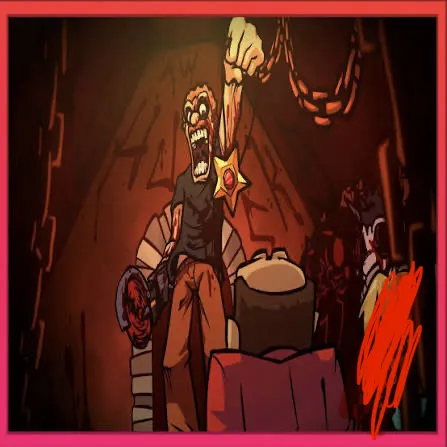
Description
14,134 tokensThe Uroboros is an ancient symbol depicting a serpent or dragon eating its own tail, forming an endless circle. It is one of the oldest symbols associated with cycles, infinity, renewal, and the idea of something consuming itself in order to continue existing. The image appears in several ancient cultures, most famously in Egyptian and Greek traditions, and later became closely associated with alchemy and mysticism. The Uroboros has no true beginning or end, as the creature's head reaches its own tail and begins the cycle again. In this sense, it can represent the eternal cycle of life and death, creation and destruction, or the idea that everything eventually returns to itself. The serpent consumes itself, yet the circle remains unbroken, creating a paradox in which destruction becomes a form of continuation. It is therefore not simply a depiction of a snake eating itself, but a symbol of an endless cycle in which the beginning and the end are ultimately the sameThe Uroboros is an ancient symbol depicting a serpent or dragon eating its own tail, forming an endless circle. It is one of the oldest symbols associated with cycles, infinity, renewal, and the idea of something consuming itself in order to continue existing. The image appears in several ancient cultures, most famously in Egyptian and Greek traditions, and later became closely associated with alchemy and mysticism. The Uroboros has no true beginning or end, as the creature's head reaches its own tail and begins the cycle again. In this sense, it can represent the eternal cycle of life and death, creation and destruction, or the idea that everything eventually returns to itself. The serpent consumes itself, yet the circle remains unbroken, creating a paradox in which destruction becomes a form of continuation. It is therefore not simply a depiction of a snake eating itself, but a symbol of an endless cycle in which the beginning and the end are ultimately the sameThe Uroboros is an ancient symbol depicting a serpent or dragon eating its own tail, forming an endless circle. It is one of the oldest symbols associated with cycles, infinity, renewal, and the idea of something consuming itself in order to continue existing. The image appears in several ancient cultures, most famously in Egyptian and Greek traditions, and later became closely associated with alchemy and mysticism. The Uroboros has no true beginning or end, as the creature's head reaches its own tail and begins the cycle again. In this sense, it can represent the eternal cycle of life and death, creation and destruction, or the idea that everything eventually returns to itself. The serpent consumes itself, yet the circle remains unbroken, creating a paradox in which destruction becomes a form of continuation. It is therefore not simply a depiction of a snake eating itself, but a symbol of an endless cycle in which the beginning and the end are ultimately the sameThe Uroboros is an ancient symbol depicting a serpent or dragon eating its own tail, forming an endless circle. It is one of the oldest symbols associated with cycles, infinity, renewal, and the idea of something consuming itself in order to continue existing. The image appears in several ancient cultures, most famously in Egyptian and Greek traditions, and later became closely associated with alchemy and mysticism. The Uroboros has no true beginning or end, as the creature's head reaches its own tail and begins the cycle again. In this sense, it can represent the eternal cycle of life and death, creation and destruction, or the idea that everything eventually returns to itself. The serpent consumes itself, yet the circle remains unbroken, creating a paradox in which destruction becomes a form of continuation. It is therefore not simply a depiction of a snake eating itself, but a symbol of an endless cycle in which the beginning and the end are ultimately the sameThe Uroboros is an ancient symbol depicting a serpent or dragon eating its own tail, forming an endless circle. It is one of the oldest symbols associated with cycles, infinity, renewal, and the idea of something consuming itself in order to continue existing. The image appears in several ancient cultures, most famously in Egyptian and Greek traditions, and later became closely associated with alchemy and mysticism. The Uroboros has no true beginning or end, as the creature's head reaches its own tail and begins the cycle again. In this sense, it can represent the eternal cycle of life and death, creation and destruction, or the idea that everything eventually returns to itself. The serpent consumes itself, yet the circle remains unbroken, creating a paradox in which destruction becomes a form of continuation. It is therefore not simply a depiction of a snake eating itself, but a symbol of an endless cycle in which the beginning and the end are ultimately the sameThe Uroboros is an ancient symbol depicting a serpent or dragon eating its own tail, forming an endless circle. It is one of the oldest symbols associated with cycles, infinity, renewal, and the idea of something consuming itself in order to continue existing. The image appears in several ancient cultures, most famously in Egyptian and Greek traditions, and later became closely associated with alchemy and mysticism. The Uroboros has no true beginning or end, as the creature's head reaches its own tail and begins the cycle again. In this sense, it can represent the eternal cycle of life and death, creation and destruction, or the idea that everything eventually returns to itself. The serpent consumes itself, yet the circle remains unbroken, creating a paradox in which destruction becomes a form of continuation. It is therefore not simply a depiction of a snake eating itself, but a symbol of an endless cycle in which the beginning and the end are ultimately the sameThe Uroboros is an ancient symbol depicting a serpent or dragon eating its own tail, forming an endless circle. It is one of the oldest symbols associated with cycles, infinity, renewal, and the idea of something consuming itself in order to continue existing. The image appears in several ancient cultures, most famously in Egyptian and Greek traditions, and later became closely associated with alchemy and mysticism. The Uroboros has no true beginning or end, as the creature's head reaches its own tail and begins the cycle again. In this sense, it can represent the eternal cycle of life and death, creation and destruction, or the idea that everything eventually returns to itself. The serpent consumes itself, yet the circle remains unbroken, creating a paradox in which destruction becomes a form of continuation. It is therefore not simply a depiction of a snake eating itself, but a symbol of an endless cycle in which the beginning and the end are ultimately the sameThe Uroboros is an ancient symbol depicting a serpent or dragon eating its own tail, forming an endless circle. It is one of the oldest symbols associated with cycles, infinity, renewal, and the idea of something consuming itself in order to continue existing. The image appears in several ancient cultures, most famously in Egyptian and Greek traditions, and later became closely associated with alchemy and mysticism. The Uroboros has no true beginning or end, as the creature's head reaches its own tail and begins the cycle again. In this sense, it can represent the eternal cycle of life and death, creation and destruction, or the idea that everything eventually returns to itself. The serpent consumes itself, yet the circle remains unbroken, creating a paradox in which destruction becomes a form of continuation. It is therefore not simply a depiction of a snake eating itself, but a symbol of an endless cycle in which the beginning and the end are ultimately the sameThe Uroboros is an ancient symbol depicting a serpent or dragon eating its own tail, forming an endless circle. It is one of the oldest symbols associated with cycles, infinity, renewal, and the idea of something consuming itself in order to continue existing. The image appears in several ancient cultures, most famously in Egyptian and Greek traditions, and later became closely associated with alchemy and mysticism. The Uroboros has no true beginning or end, as the creature's head reaches its own tail and begins the cycle again. In this sense, it can represent the eternal cycle of life and death, creation and destruction, or the idea that everything eventually returns to itself. The serpent consumes itself, yet the circle remains unbroken, creating a paradox in which destruction becomes a form of continuation. It is therefore not simply a depiction of a snake eating itself, but a symbol of an endless cycle in which the beginning and the end are ultimately the sameThe Uroboros is an ancient symbol depicting a serpent or dragon eating its own tail, forming an endless circle. It is one of the oldest symbols associated with cycles, infinity, renewal, and the idea of something consuming itself in order to continue existing. The image appears in several ancient cultures, most famously in Egyptian and Greek traditions, and later became closely associated with alchemy and mysticism. The Uroboros has no true beginning or end, as the creature's head reaches its own tail and begins the cycle again. In this sense, it can represent the eternal cycle of life and death, creation and destruction, or the idea that everything eventually returns to itself. The serpent consumes itself, yet the circle remains unbroken, creating a paradox in which destruction becomes a form of continuation. It is therefore not simply a depiction of a snake eating itself, but a symbol of an endless cycle in which the beginning and the end are ultimately the sameThe Uroboros is an ancient symbol depicting a serpent or dragon eating its own tail, forming an endless circle. It is one of the oldest symbols associated with cycles, infinity, renewal, and the idea of something consuming itself in order to continue existing. The image appears in several ancient cultures, most famously in Egyptian and Greek traditions, and later became closely associated with alchemy and mysticism. The Uroboros has no true beginning or end, as the creature's head reaches its own tail and begins the cycle again. In this sense, it can represent the eternal cycle of life and death, creation and destruction, or the idea that everything eventually returns to itself. The serpent consumes itself, yet the circle remains unbroken, creating a paradox in which destruction becomes a form of continuation. It is therefore not simply a depiction of a snake eating itself, but a symbol of an endless cycle in which the beginning and the end are ultimately the sameThe Uroboros is an ancient symbol depicting a serpent or dragon eating its own tail, forming an endless circle. It is one of the oldest symbols associated with cycles, infinity, renewal, and the idea of something consuming itself in order to continue existing. The image appears in several ancient cultures, most famously in Egyptian and Greek traditions, and later became closely associated with alchemy and mysticism. The Uroboros has no true beginning or end, as the creature's head reaches its own tail and begins the cycle again. In this sense, it can represent the eternal cycle of life and death, creation and destruction, or the idea that everything eventually returns to itself. The serpent consumes itself, yet the circle remains unbroken, creating a paradox in which destruction becomes a form of continuation. It is therefore not simply a depiction of a snake eating itself, but a symbol of an endless cycle in which the beginning and the end are ultimately the sameThe Uroboros is an ancient symbol depicting a serpent or dragon eating its own tail, forming an endless circle. It is one of the oldest symbols associated with cycles, infinity, renewal, and the idea of something consuming itself in order to continue existing. The image appears in several ancient cultures, most famously in Egyptian and Greek traditions, and later became closely associated with alchemy and mysticism. The Uroboros has no true beginning or end, as the creature's head reaches its own tail and begins the cycle again. In this sense, it can represent the eternal cycle of life and death, creation and destruction, or the idea that everything eventually returns to itself. The serpent consumes itself, yet the circle remains unbroken, creating a paradox in which destruction becomes a form of continuation. It is therefore not simply a depiction of a snake eating itself, but a symbol of an endless cycle in which the beginning and the end are ultimately the sameThe Uroboros is an ancient symbol depicting a serpent or dragon eating its own tail, forming an endless circle. It is one of the oldest symbols associated with cycles, infinity, renewal, and the idea of something consuming itself in order to continue existing. The image appears in several ancient cultures, most famously in Egyptian and Greek traditions, and later became closely associated with alchemy and mysticism. The Uroboros has no true beginning or end, as the creature's head reaches its own tail and begins the cycle again. In this sense, it can represent the eternal cycle of life and death, creation and destruction, or the idea that everything eventually returns to itself. The serpent consumes itself, yet the circle remains unbroken, creating a paradox in which destruction becomes a form of continuation. It is therefore not simply a depiction of a snake eating itself, but a symbol of an endless cycle in which the beginning and the end are ultimately the sameThe Uroboros is an ancient symbol depicting a serpent or dragon eating its own tail, forming an endless circle. It is one of the oldest symbols associated with cycles, infinity, renewal, and the idea of something consuming itself in order to continue existing. The image appears in several ancient cultures, most famously in Egyptian and Greek traditions, and later became closely associated with alchemy and mysticism. The Uroboros has no true beginning or end, as the creature's head reaches its own tail and begins the cycle again. In this sense, it can represent the eternal cycle of life and death, creation and destruction, or the idea that everything eventually returns to itself. The serpent consumes itself, yet the circle remains unbroken, creating a paradox in which destruction becomes a form of continuation. It is therefore not simply a depiction of a snake eating itself, but a symbol of an endless cycle in which the beginning and the end are ultimately the sameThe Uroboros is an ancient symbol depicting a serpent or dragon eating its own tail, forming an endless circle. It is one of the oldest symbols associated with cycles, infinity, renewal, and the idea of something consuming itself in order to continue existing. The image appears in several ancient cultures, most famously in Egyptian and Greek traditions, and later became closely associated with alchemy and mysticism. The Uroboros has no true beginning or end, as the creature's head reaches its own tail and begins the cycle again. In this sense, it can represent the eternal cycle of life and death, creation and destruction, or the idea that everything eventually returns to itself. The serpent consumes itself, yet the circle remains unbroken, creating a paradox in which destruction becomes a form of continuation. It is therefore not simply a depiction of a snake eating itself, but a symbol of an endless cycle in which the beginning and the end are ultimately the sameThe Uroboros is an ancient symbol depicting a serpent or dragon eating its own tail, forming an endless circle. It is one of the oldest symbols associated with cycles, infinity, renewal, and the idea of something consuming itself in order to continue existing. The image appears in several ancient cultures, most famously in Egyptian and Greek traditions, and later became closely associated with alchemy and mysticism. The Uroboros has no true beginning or end, as the creature's head reaches its own tail and begins the cycle again. In this sense, it can represent the eternal cycle of life and death, creation and destruction, or the idea that everything eventually returns to itself. The serpent consumes itself, yet the circle remains unbroken, creating a paradox in which destruction becomes a form of continuation. It is therefore not simply a depiction of a snake eating itself, but a symbol of an endless cycle in which the beginning and the end are ultimately the sameThe Uroboros is an ancient symbol depicting a serpent or dragon eating its own tail, forming an endless circle. It is one of the oldest symbols associated with cycles, infinity, renewal, and the idea of something consuming itself in order to continue existing. The image appears in several ancient cultures, most famously in Egyptian and Greek traditions, and later became closely associated with alchemy and mysticism. The Uroboros has no true beginning or end, as the creature's head reaches its own tail and begins the cycle again. In this sense, it can represent the eternal cycle of life and death, creation and destruction, or the idea that everything eventually returns to itself. The serpent consumes itself, yet the circle remains unbroken, creating a paradox in which destruction becomes a form of continuation. It is therefore not simply a depiction of a snake eating itself, but a symbol of an endless cycle in which the beginning and the end are ultimately the sameThe Uroboros is an ancient symbol depicting a serpent or dragon eating its own tail, forming an endless circle. It is one of the oldest symbols associated with cycles, infinity, renewal, and the idea of something consuming itself in order to continue existing. The image appears in several ancient cultures, most famously in Egyptian and Greek traditions, and later became closely associated with alchemy and mysticism. The Uroboros has no true beginning or end, as the creature's head reaches its own tail and begins the cycle again. In this sense, it can represent the eternal cycle of life and death, creation and destruction, or the idea that everything eventually returns to itself. The serpent consumes itself, yet the circle remains unbroken, creating a paradox in which destruction becomes a form of continuation. It is therefore not simply a depiction of a snake eating itself, but a symbol of an endless cycle in which the beginning and the end are ultimately the sameThe Uroboros is an ancient symbol depicting a serpent or dragon eating its own tail, forming an endless circle. It is one of the oldest symbols associated with cycles, infinity, renewal, and the idea of something consuming itself in order to continue existing. The image appears in several ancient cultures, most famously in Egyptian and Greek traditions, and later became closely associated with alchemy and mysticism. The Uroboros has no true beginning or end, as the creature's head reaches its own tail and begins the cycle again. In this sense, it can represent the eternal cycle of life and death, creation and destruction, or the idea that everything eventually returns to itself. The serpent consumes itself, yet the circle remains unbroken, creating a paradox in which destruction becomes a form of continuation. It is therefore not simply a depiction of a snake eating itself, but a symbol of an endless cycle in which the beginning and the end are ultimately the sameThe Uroboros is an ancient symbol depicting a serpent or dragon eating its own tail, forming an endless circle. It is one of the oldest symbols associated with cycles, infinity, renewal, and the idea of something consuming itself in order to continue existing. The image appears in several ancient cultures, most famously in Egyptian and Greek traditions, and later became closely associated with alchemy and mysticism. The Uroboros has no true beginning or end, as the creature's head reaches its own tail and begins the cycle again. In this sense, it can represent the eternal cycle of life and death, creation and destruction, or the idea that everything eventually returns to itself. The serpent consumes itself, yet the circle remains unbroken, creating a paradox in which destruction becomes a form of continuation. It is therefore not simply a depiction of a snake eating itself, but a symbol of an endless cycle in which the beginning and the end are ultimately the sameThe Uroboros is an ancient symbol depicting a serpent or dragon eating its own tail, forming an endless circle. It is one of the oldest symbols associated with cycles, infinity, renewal, and the idea of something consuming itself in order to continue existing. The image appears in several ancient cultures, most famously in Egyptian and Greek traditions, and later became closely associated with alchemy and mysticism. The Uroboros has no true beginning or end, as the creature's head reaches its own tail and begins the cycle again. In this sense, it can represent the eternal cycle of life and death, creation and destruction, or the idea that everything eventually returns to itself. The serpent consumes itself, yet the circle remains unbroken, creating a paradox in which destruction becomes a form of continuation. It is therefore not simply a depiction of a snake eating itself, but a symbol of an endless cycle in which the beginning and the end are ultimately the sameThe Uroboros is an ancient symbol depicting a serpent or dragon eating its own tail, forming an endless circle. It is one of the oldest symbols associated with cycles, infinity, renewal, and the idea of something consuming itself in order to continue existing. The image appears in several ancient cultures, most famously in Egyptian and Greek traditions, and later became closely associated with alchemy and mysticism. The Uroboros has no true beginning or end, as the creature's head reaches its own tail and begins the cycle again. In this sense, it can represent the eternal cycle of life and death, creation and destruction, or the idea that everything eventually returns to itself. The serpent consumes itself, yet the circle remains unbroken, creating a paradox in which destruction becomes a form of continuation. It is therefore not simply a depiction of a snake eating itself, but a symbol of an endless cycle in which the beginning and the end are ultimately the sameThe Uroboros is an ancient symbol depicting a serpent or dragon eating its own tail, forming an endless circle. It is one of the oldest symbols associated with cycles, infinity, renewal, and the idea of something consuming itself in order to continue existing. The image appears in several ancient cultures, most famously in Egyptian and Greek traditions, and later became closely associated with alchemy and mysticism. The Uroboros has no true beginning or end, as the creature's head reaches its own tail and begins the cycle again. In this sense, it can represent the eternal cycle of life and death, creation and destruction, or the idea that everything eventually returns to itself. The serpent consumes itself, yet the circle remains unbroken, creating a paradox in which destruction becomes a form of continuation. It is therefore not simply a depiction of a snake eating itself, but a symbol of an endless cycle in which the beginning and the end are ultimately the sameThe Uroboros is an ancient symbol depicting a serpent or dragon eating its own tail, forming an endless circle. It is one of the oldest symbols associated with cycles, infinity, renewal, and the idea of something consuming itself in order to continue existing. The image appears in several ancient cultures, most famously in Egyptian and Greek traditions, and later became closely associated with alchemy and mysticism. The Uroboros has no true beginning or end, as the creature's head reaches its own tail and begins the cycle again. In this sense, it can represent the eternal cycle of life and death, creation and destruction, or the idea that everything eventually returns to itself. The serpent consumes itself, yet the circle remains unbroken, creating a paradox in which destruction becomes a form of continuation. It is therefore not simply a depiction of a snake eating itself, but a symbol of an endless cycle in which the beginning and the end are ultimately the sameThe Uroboros is an ancient symbol depicting a serpent or dragon eating its own tail, forming an endless circle. It is one of the oldest symbols associated with cycles, infinity, renewal, and the idea of something consuming itself in order to continue existing. The image appears in several ancient cultures, most famously in Egyptian and Greek traditions, and later became closely associated with alchemy and mysticism. The Uroboros has no true beginning or end, as the creature's head reaches its own tail and begins the cycle again. In this sense, it can represent the eternal cycle of life and death, creation and destruction, or the idea that everything eventually returns to itself. The serpent consumes itself, yet the circle remains unbroken, creating a paradox in which destruction becomes a form of continuation. It is therefore not simply a depiction of a snake eating itself, but a symbol of an endless cycle in which the beginning and the end are ultimately the sameThe Uroboros is an ancient symbol depicting a serpent or dragon eating its own tail, forming an endless circle. It is one of the oldest symbols associated with cycles, infinity, renewal, and the idea of something consuming itself in order to continue existing. The image appears in several ancient cultures, most famously in Egyptian and Greek traditions, and later became closely associated with alchemy and mysticism. The Uroboros has no true beginning or end, as the creature's head reaches its own tail and begins the cycle again. In this sense, it can represent the eternal cycle of life and death, creation and destruction, or the idea that everything eventually returns to itself. The serpent consumes itself, yet the circle remains unbroken, creating a paradox in which destruction becomes a form of continuation. It is therefore not simply a depiction of a snake eating itself, but a symbol of an endless cycle in which the beginning and the end are ultimately the sameThe Uroboros is an ancient symbol depicting a serpent or dragon eating its own tail, forming an endless circle. It is one of the oldest symbols associated with cycles, infinity, renewal, and the idea of something consuming itself in order to continue existing. The image appears in several ancient cultures, most famously in Egyptian and Greek traditions, and later became closely associated with alchemy and mysticism. The Uroboros has no true beginning or end, as the creature's head reaches its own tail and begins the cycle again. In this sense, it can represent the eternal cycle of life and death, creation and destruction, or the idea that everything eventually returns to itself. The serpent consumes itself, yet the circle remains unbroken, creating a paradox in which destruction becomes a form of continuation. It is therefore not simply a depiction of a snake eating itself, but a symbol of an endless cycle in which the beginning and the end are ultimately the sameThe Uroboros is an ancient symbol depicting a serpent or dragon eating its own tail, forming an endless circle. It is one of the oldest symbols associated with cycles, infinity, renewal, and the idea of something consuming itself in order to continue existing. The image appears in several ancient cultures, most famously in Egyptian and Greek traditions, and later became closely associated with alchemy and mysticism. The Uroboros has no true beginning or end, as the creature's head reaches its own tail and begins the cycle again. In this sense, it can represent the eternal cycle of life and death, creation and destruction, or the idea that everything eventually returns to itself. The serpent consumes itself, yet the circle remains unbroken, creating a paradox in which destruction becomes a form of continuation. It is therefore not simply a depiction of a snake eating itself, but a symbol of an endless cycle in which the beginning and the end are ultimately the sameThe Uroboros is an ancient symbol depicting a serpent or dragon eating its own tail, forming an endless circle. It is one of the oldest symbols associated with cycles, infinity, renewal, and the idea of something consuming itself in order to continue existing. The image appears in several ancient cultures, most famously in Egyptian and Greek traditions, and later became closely associated with alchemy and mysticism. The Uroboros has no true beginning or end, as the creature's head reaches its own tail and begins the cycle again. In this sense, it can represent the eternal cycle of life and death, creation and destruction, or the idea that everything eventually returns to itself. The serpent consumes itself, yet the circle remains unbroken, creating a paradox in which destruction becomes a form of continuation. It is therefore not simply a depiction of a snake eating itself, but a symbol of an endless cycle in which the beginning and the end are ultimately the sameThe Uroboros is an ancient symbol depicting a serpent or dragon eating its own tail, forming an endless circle. It is one of the oldest symbols associated with cycles, infinity, renewal, and the idea of something consuming itself in order to continue existing. The image appears in several ancient cultures, most famously in Egyptian and Greek traditions, and later became closely associated with alchemy and mysticism. The Uroboros has no true beginning or end, as the creature's head reaches its own tail and begins the cycle again. In this sense, it can represent the eternal cycle of life and death, creation and destruction, or the idea that everything eventually returns to itself. The serpent consumes itself, yet the circle remains unbroken, creating a paradox in which destruction becomes a form of continuation. It is therefore not simply a depiction of a snake eating itself, but a symbol of an endless cycle in which the beginning and the end are ultimately the sameThe Uroboros is an ancient symbol depicting a serpent or dragon eating its own tail, forming an endless circle. It is one of the oldest symbols associated with cycles, infinity, renewal, and the idea of something consuming itself in order to continue existing. The image appears in several ancient cultures, most famously in Egyptian and Greek traditions, and later became closely associated with alchemy and mysticism. The Uroboros has no true beginning or end, as the creature's head reaches its own tail and begins the cycle again. In this sense, it can represent the eternal cycle of life and death, creation and destruction, or the idea that everything eventually returns to itself. The serpent consumes itself, yet the circle remains unbroken, creating a paradox in which destruction becomes a form of continuation. It is therefore not simply a depiction of a snake eating itself, but a symbol of an endless cycle in which the beginning and the end are ultimately the sameThe Uroboros is an ancient symbol depicting a serpent or dragon eating its own tail, forming an endless circle. It is one of the oldest symbols associated with cycles, infinity, renewal, and the idea of something consuming itself in order to continue existing. The image appears in several ancient cultures, most famously in Egyptian and Greek traditions, and later became closely associated with alchemy and mysticism. The Uroboros has no true beginning or end, as the creature's head reaches its own tail and begins the cycle again. In this sense, it can represent the eternal cycle of life and death, creation and destruction, or the idea that everything eventually returns to itself. The serpent consumes itself, yet the circle remains unbroken, creating a paradox in which destruction becomes a form of continuation. It is therefore not simply a depiction of a snake eating itself, but a symbol of an endless cycle in which the beginning and the end are ultimately the sameThe Uroboros is an ancient symbol depicting a serpent or dragon eating its own tail, forming an endless circle. It is one of the oldest symbols associated with cycles, infinity, renewal, and the idea of something consuming itself in order to continue existing. The image appears in several ancient cultures, most famously in Egyptian and Greek traditions, and later became closely associated with alchemy and mysticism. The Uroboros has no true beginning or end, as the creature's head reaches its own tail and begins the cycle again. In this sense, it can represent the eternal cycle of life and death, creation and destruction, or the idea that everything eventually returns to itself. The serpent consumes itself, yet the circle remains unbroken, creating a paradox in which destruction becomes a form of continuation. It is therefore not simply a depiction of a snake eating itself, but a symbol of an endless cycle in which the beginning and the end are ultimately the sameThe Uroboros is an ancient symbol depicting a serpent or dragon eating its own tail, forming an endless circle. It is one of the oldest symbols associated with cycles, infinity, renewal, and the idea of something consuming itself in order to continue existing. The image appears in several ancient cultures, most famously in Egyptian and Greek traditions, and later became closely associated with alchemy and mysticism. The Uroboros has no true beginning or end, as the creature's head reaches its own tail and begins the cycle again. In this sense, it can represent the eternal cycle of life and death, creation and destruction, or the idea that everything eventually returns to itself. The serpent consumes itself, yet the circle remains unbroken, creating a paradox in which destruction becomes a form of continuation. It is therefore not simply a depiction of a snake eating itself, but a symbol of an endless cycle in which the beginning and the end are ultimately the sameThe Uroboros is an ancient symbol depicting a serpent or dragon eating its own tail, forming an endless circle. It is one of the oldest symbols associated with cycles, infinity, renewal, and the idea of something consuming itself in order to continue existing. The image appears in several ancient cultures, most famously in Egyptian and Greek traditions, and later became closely associated with alchemy and mysticism. The Uroboros has no true beginning or end, as the creature's head reaches its own tail and begins the cycle again. In this sense, it can represent the eternal cycle of life and death, creation and destruction, or the idea that everything eventually returns to itself. The serpent consumes itself, yet the circle remains unbroken, creating a paradox in which destruction becomes a form of continuation. It is therefore not simply a depiction of a snake eating itself, but a symbol of an endless cycle in which the beginning and the end are ultimately the sameThe Uroboros is an ancient symbol depicting a serpent or dragon eating its own tail, forming an endless circle. It is one of the oldest symbols associated with cycles, infinity, renewal, and the idea of something consuming itself in order to continue existing. The image appears in several ancient cultures, most famously in Egyptian and Greek traditions, and later became closely associated with alchemy and mysticism. The Uroboros has no true beginning or end, as the creature's head reaches its own tail and begins the cycle again. In this sense, it can represent the eternal cycle of life and death, creation and destruction, or the idea that everything eventually returns to itself. The serpent consumes itself, yet the circle remains unbroken, creating a paradox in which destruction becomes a form of continuation. It is therefore not simply a depiction of a snake eating itself, but a symbol of an endless cycle in which the beginning and the end are ultimately the sameThe Uroboros is an ancient symbol depicting a serpent or dragon eating its own tail, forming an endless circle. It is one of the oldest symbols associated with cycles, infinity, renewal, and the idea of something consuming itself in order to continue existing. The image appears in several ancient cultures, most famously in Egyptian and Greek traditions, and later became closely associated with alchemy and mysticism. The Uroboros has no true beginning or end, as the creature's head reaches its own tail and begins the cycle again. In this sense, it can represent the eternal cycle of life and death, creation and destruction, or the idea that everything eventually returns to itself. The serpent consumes itself, yet the circle remains unbroken, creating a paradox in which destruction becomes a form of continuation. It is therefore not simply a depiction of a snake eating itself, but a symbol of an endless cycle in which the beginning and the end are ultimately the sameThe Uroboros is an ancient symbol depicting a serpent or dragon eating its own tail, forming an endless circle. It is one of the oldest symbols associated with cycles, infinity, renewal, and the idea of something consuming itself in order to continue existing. The image appears in several ancient cultures, most famously in Egyptian and Greek traditions, and later became closely associated with alchemy and mysticism. The Uroboros has no true beginning or end, as the creature's head reaches its own tail and begins the cycle again. In this sense, it can represent the eternal cycle of life and death, creation and destruction, or the idea that everything eventually returns to itself. The serpent consumes itself, yet the circle remains unbroken, creating a paradox in which destruction becomes a form of continuation. It is therefore not simply a depiction of a snake eating itself, but a symbol of an endless cycle in which the beginning and the end are ultimately the sameThe Uroboros is an ancient symbol depicting a serpent or dragon eating its own tail, forming an endless circle. It is one of the oldest symbols associated with cycles, infinity, renewal, and the idea of something consuming itself in order to continue existing. The image appears in several ancient cultures, most famously in Egyptian and Greek traditions, and later became closely associated with alchemy and mysticism. The Uroboros has no true beginning or end, as the creature's head reaches its own tail and begins the cycle again. In this sense, it can represent the eternal cycle of life and death, creation and destruction, or the idea that everything eventually returns to itself. The serpent consumes itself, yet the circle remains unbroken, creating a paradox in which destruction becomes a form of continuation. It is therefore not simply a depiction of a snake eating itself, but a symbol of an endless cycle in which the beginning and the end are ultimately the sameThe Uroboros is an ancient symbol depicting a serpent or dragon eating its own tail, forming an endless circle. It is one of the oldest symbols associated with cycles, infinity, renewal, and the idea of something consuming itself in order to continue existing. The image appears in several ancient cultures, most famously in Egyptian and Greek traditions, and later became closely associated with alchemy and mysticism. The Uroboros has no true beginning or end, as the creature's head reaches its own tail and begins the cycle again. In this sense, it can represent the eternal cycle of life and death, creation and destruction, or the idea that everything eventually returns to itself. The serpent consumes itself, yet the circle remains unbroken, creating a paradox in which destruction becomes a form of continuation. It is therefore not simply a depiction of a snake eating itself, but a symbol of an endless cycle in which the beginning and the end are ultimately the sameThe Uroboros is an ancient symbol depicting a serpent or dragon eating its own tail, forming an endless circle. It is one of the oldest symbols associated with cycles, infinity, renewal, and the idea of something consuming itself in order to continue existing. The image appears in several ancient cultures, most famously in Egyptian and Greek traditions, and later became closely associated with alchemy and mysticism. The Uroboros has no true beginning or end, as the creature's head reaches its own tail and begins the cycle again. In this sense, it can represent the eternal cycle of life and death, creation and destruction, or the idea that everything eventually returns to itself. The serpent consumes itself, yet the circle remains unbroken, creating a paradox in which destruction becomes a form of continuation. It is therefore not simply a depiction of a snake eating itself, but a symbol of an endless cycle in which the beginning and the end are ultimately the sameThe Uroboros is an ancient symbol depicting a serpent or dragon eating its own tail, forming an endless circle. It is one of the oldest symbols associated with cycles, infinity, renewal, and the idea of something consuming itself in order to continue existing. The image appears in several ancient cultures, most famously in Egyptian and Greek traditions, and later became closely associated with alchemy and mysticism. The Uroboros has no true beginning or end, as the creature's head reaches its own tail and begins the cycle again. In this sense, it can represent the eternal cycle of life and death, creation and destruction, or the idea that everything eventually returns to itself. The serpent consumes itself, yet the circle remains unbroken, creating a paradox in which destruction becomes a form of continuation. It is therefore not simply a depiction of a snake eating itself, but a symbol of an endless cycle in which the beginning and the end are ultimately the sameThe Uroboros is an ancient symbol depicting a serpent or dragon eating its own tail, forming an endless circle. It is one of the oldest symbols associated with cycles, infinity, renewal, and the idea of something consuming itself in order to continue existing. The image appears in several ancient cultures, most famously in Egyptian and Greek traditions, and later became closely associated with alchemy and mysticism. The Uroboros has no true beginning or end, as the creature's head reaches its own tail and begins the cycle again. In this sense, it can represent the eternal cycle of life and death, creation and destruction, or the idea that everything eventually returns to itself. The serpent consumes itself, yet the circle remains unbroken, creating a paradox in which destruction becomes a form of continuation. It is therefore not simply a depiction of a snake eating itself, but a symbol of an endless cycle in which the beginning and the end are ultimately the sameThe Uroboros is an ancient symbol depicting a serpent or dragon eating its own tail, forming an endless circle. It is one of the oldest symbols associated with cycles, infinity, renewal, and the idea of something consuming itself in order to continue existing. The image appears in several ancient cultures, most famously in Egyptian and Greek traditions, and later became closely associated with alchemy and mysticism. The Uroboros has no true beginning or end, as the creature's head reaches its own tail and begins the cycle again. In this sense, it can represent the eternal cycle of life and death, creation and destruction, or the idea that everything eventually returns to itself. The serpent consumes itself, yet the circle remains unbroken, creating a paradox in which destruction becomes a form of continuation. It is therefore not simply a depiction of a snake eating itself, but a symbol of an endless cycle in which the beginning and the end are ultimately the sameThe Uroboros is an ancient symbol depicting a serpent or dragon eating its own tail, forming an endless circle. It is one of the oldest symbols associated with cycles, infinity, renewal, and the idea of something consuming itself in order to continue existing. The image appears in several ancient cultures, most famously in Egyptian and Greek traditions, and later became closely associated with alchemy and mysticism. The Uroboros has no true beginning or end, as the creature's head reaches its own tail and begins the cycle again. In this sense, it can represent the eternal cycle of life and death, creation and destruction, or the idea that everything eventually returns to itself. The serpent consumes itself, yet the circle remains unbroken, creating a paradox in which destruction becomes a form of continuation. It is therefore not simply a depiction of a snake eating itself, but a symbol of an endless cycle in which the beginning and the end are ultimately the sameThe Uroboros is an ancient symbol depicting a serpent or dragon eating its own tail, forming an endless circle. It is one of the oldest symbols associated with cycles, infinity, renewal, and the idea of something consuming itself in order to continue existing. The image appears in several ancient cultures, most famously in Egyptian and Greek traditions, and later became closely associated with alchemy and mysticism. The Uroboros has no true beginning or end, as the creature's head reaches its own tail and begins the cycle again. In this sense, it can represent the eternal cycle of life and death, creation and destruction, or the idea that everything eventually returns to itself. The serpent consumes itself, yet the circle remains unbroken, creating a paradox in which destruction becomes a form of continuation. It is therefore not simply a depiction of a snake eating itself, but a symbol of an endless cycle in which the beginning and the end are ultimately the sameThe Uroboros is an ancient symbol depicting a serpent or dragon eating its own tail, forming an endless circle. It is one of the oldest symbols associated with cycles, infinity, renewal, and the idea of something consuming itself in order to continue existing. The image appears in several ancient cultures, most famously in Egyptian and Greek traditions, and later became closely associated with alchemy and mysticism. The Uroboros has no true beginning or end, as the creature's head reaches its own tail and begins the cycle again. In this sense, it can represent the eternal cycle of life and death, creation and destruction, or the idea that everything eventually returns to itself. The serpent consumes itself, yet the circle remains unbroken, creating a paradox in which destruction becomes a form of continuation. It is therefore not simply a depiction of a snake eating itself, but a symbol of an endless cycle in which the beginning and the end are ultimately the sameThe Uroboros is an ancient symbol depicting a serpent or dragon eating its own tail, forming an endless circle. It is one of the oldest symbols associated with cycles, infinity, renewal, and the idea of something consuming itself in order to continue existing. The image appears in several ancient cultures, most famously in Egyptian and Greek traditions, and later became closely associated with alchemy and mysticism. The Uroboros has no true beginning or end, as the creature's head reaches its own tail and begins the cycle again. In this sense, it can represent the eternal cycle of life and death, creation and destruction, or the idea that everything eventually returns to itself. The serpent consumes itself, yet the circle remains unbroken, creating a paradox in which destruction becomes a form of continuation. It is therefore not simply a depiction of a snake eating itself, but a symbol of an endless cycle in which the beginning and the end are ultimately the sameThe Uroboros is an ancient symbol depicting a serpent or dragon eating its own tail, forming an endless circle. It is one of the oldest symbols associated with cycles, infinity, renewal, and the idea of something consuming itself in order to continue existing. The image appears in several ancient cultures, most famously in Egyptian and Greek traditions, and later became closely associated with alchemy and mysticism. The Uroboros has no true beginning or end, as the creature's head reaches its own tail and begins the cycle again. In this sense, it can represent the eternal cycle of life and death, creation and destruction, or the idea that everything eventually returns to itself. The serpent consumes itself, yet the circle remains unbroken, creating a paradox in which destruction becomes a form of continuation. It is therefore not simply a depiction of a snake eating itself, but a symbol of an endless cycle in which the beginning and the end are ultimately the sameThe Uroboros is an ancient symbol depicting a serpent or dragon eating its own tail, forming an endless circle. It is one of the oldest symbols associated with cycles, infinity, renewal, and the idea of something consuming itself in order to continue existing. The image appears in several ancient cultures, most famously in Egyptian and Greek traditions, and later became closely associated with alchemy and mysticism. The Uroboros has no true beginning or end, as the creature's head reaches its own tail and begins the cycle again. In this sense, it can represent the eternal cycle of life and death, creation and destruction, or the idea that everything eventually returns to itself. The serpent consumes itself, yet the circle remains unbroken, creating a paradox in which destruction becomes a form of continuation. It is therefore not simply a depiction of a snake eating itself, but a symbol of an endless cycle in which the beginning and the end are ultimately the sameThe Uroboros is an ancient symbol depicting a serpent or dragon eating its own tail, forming an endless circle. It is one of the oldest symbols associated with cycles, infinity, renewal, and the idea of something consuming itself in order to continue existing. The image appears in several ancient cultures, most famously in Egyptian and Greek traditions, and later became closely associated with alchemy and mysticism. The Uroboros has no true beginning or end, as the creature's head reaches its own tail and begins the cycle again. In this sense, it can represent the eternal cycle of life and death, creation and destruction, or the idea that everything eventually returns to itself. The serpent consumes itself, yet the circle remains unbroken, creating a paradox in which destruction becomes a form of continuation. It is therefore not simply a depiction of a snake eating itself, but a symbol of an endless cycle in which the beginning and the end are ultimately the sameThe Uroboros is an ancient symbol depicting a serpent or dragon eating its own tail, forming an endless circle. It is one of the oldest symbols associated with cycles, infinity, renewal, and the idea of something consuming itself in order to continue existing. The image appears in several ancient cultures, most famously in Egyptian and Greek traditions, and later became closely associated with alchemy and mysticism. The Uroboros has no true beginning or end, as the creature's head reaches its own tail and begins the cycle again. In this sense, it can represent the eternal cycle of life and death, creation and destruction, or the idea that everything eventually returns to itself. The serpent consumes itself, yet the circle remains unbroken, creating a paradox in which destruction becomes a form of continuation. It is therefore not simply a depiction of a snake eating itself, but a symbol of an endless cycle in which the beginning and the end are ultimately the sameThe Uroboros is an ancient symbol depicting a serpent or dragon eating its own tail, forming an endless circle. It is one of the oldest symbols associated with cycles, infinity, renewal, and the idea of something consuming itself in order to continue existing. The image appears in several ancient cultures, most famously in Egyptian and Greek traditions, and later became closely associated with alchemy and mysticism. The Uroboros has no true beginning or end, as the creature's head reaches its own tail and begins the cycle again. In this sense, it can represent the eternal cycle of life and death, creation and destruction, or the idea that everything eventually returns to itself. The serpent consumes itself, yet the circle remains unbroken, creating a paradox in which destruction becomes a form of continuation. It is therefore not simply a depiction of a snake eating itself, but a symbol of an endless cycle in which the beginning and the end are ultimately the sameThe Uroboros is an ancient symbol depicting a serpent or dragon eating its own tail, forming an endless circle. It is one of the oldest symbols associated with cycles, infinity, renewal, and the idea of something consuming itself in order to continue existing. The image appears in several ancient cultures, most famously in Egyptian and Greek traditions, and later became closely associated with alchemy and mysticism. The Uroboros has no true beginning or end, as the creature's head reaches its own tail and begins the cycle again. In this sense, it can represent the eternal cycle of life and death, creation and destruction, or the idea that everything eventually returns to itself. The serpent consumes itself, yet the circle remains unbroken, creating a paradox in which destruction becomes a form of continuation. It is therefore not simply a depiction of a snake eating itself, but a symbol of an endless cycle in which the beginning and the end are ultimately the sameThe Uroboros is an ancient symbol depicting a serpent or dragon eating its own tail, forming an endless circle. It is one of the oldest symbols associated with cycles, infinity, renewal, and the idea of something consuming itself in order to continue existing. The image appears in several ancient cultures, most famously in Egyptian and Greek traditions, and later became closely associated with alchemy and mysticism. The Uroboros has no true beginning or end, as the creature's head reaches its own tail and begins the cycle again. In this sense, it can represent the eternal cycle of life and death, creation and destruction, or the idea that everything eventually returns to itself. The serpent consumes itself, yet the circle remains unbroken, creating a paradox in which destruction becomes a form of continuation. It is therefore not simply a depiction of a snake eating itself, but a symbol of an endless cycle in which the beginning and the end are ultimately the sameThe Uroboros is an ancient symbol depicting a serpent or dragon eating its own tail, forming an endless circle. It is one of the oldest symbols associated with cycles, infinity, renewal, and the idea of something consuming itself in order to continue existing. The image appears in several ancient cultures, most famously in Egyptian and Greek traditions, and later became closely associated with alchemy and mysticism. The Uroboros has no true beginning or end, as the creature's head reaches its own tail and begins the cycle again. In this sense, it can represent the eternal cycle of life and death, creation and destruction, or the idea that everything eventually returns to itself. The serpent consumes itself, yet the circle remains unbroken, creating a paradox in which destruction becomes a form of continuation. It is therefore not simply a depiction of a snake eating itself, but a symbol of an endless cycle in which the beginning and the end are ultimately the sameThe Uroboros is an ancient symbol depicting a serpent or dragon eating its own tail, forming an endless circle. It is one of the oldest symbols associated with cycles, infinity, renewal, and the idea of something consuming itself in order to continue existing. The image appears in several ancient cultures, most famously in Egyptian and Greek traditions, and later became closely associated with alchemy and mysticism. The Uroboros has no true beginning or end, as the creature's head reaches its own tail and begins the cycle again. In this sense, it can represent the eternal cycle of life and death, creation and destruction, or the idea that everything eventually returns to itself. The serpent consumes itself, yet the circle remains unbroken, creating a paradox in which destruction becomes a form of continuation. It is therefore not simply a depiction of a snake eating itself, but a symbol of an endless cycle in which the beginning and the end are ultimately the sameThe Uroboros is an ancient symbol depicting a serpent or dragon eating its own tail, forming an endless circle. It is one of the oldest symbols associated with cycles, infinity, renewal, and the idea of something consuming itself in order to continue existing. The image appears in several ancient cultures, most famously in Egyptian and Greek traditions, and later became closely associated with alchemy and mysticism. The Uroboros has no true beginning or end, as the creature's head reaches its own tail and begins the cycle again. In this sense, it can represent the eternal cycle of life and death, creation and destruction, or the idea that everything eventually returns to itself. The serpent consumes itself, yet the circle remains unbroken, creating a paradox in which destruction becomes a form of continuation. It is therefore not simply a depiction of a snake eating itself, but a symbol of an endless cycle in which the beginning and the end are ultimately the sameThe Uroboros is an ancient symbol depicting a serpent or dragon eating its own tail, forming an endless circle. It is one of the oldest symbols associated with cycles, infinity, renewal, and the idea of something consuming itself in order to continue existing. The image appears in several ancient cultures, most famously in Egyptian and Greek traditions, and later became closely associated with alchemy and mysticism. The Uroboros has no true beginning or end, as the creature's head reaches its own tail and begins the cycle again. In this sense, it can represent the eternal cycle of life and death, creation and destruction, or the idea that everything eventually returns to itself. The serpent consumes itself, yet the circle remains unbroken, creating a paradox in which destruction becomes a form of continuation. It is therefore not simply a depiction of a snake eating itself, but a symbol of an endless cycle in which the beginning and the end are ultimately the sameThe Uroboros is an ancient symbol depicting a serpent or dragon eating its own tail, forming an endless circle. It is one of the oldest symbols associated with cycles, infinity, renewal, and the idea of something consuming itself in order to continue existing. The image appears in several ancient cultures, most famously in Egyptian and Greek traditions, and later became closely associated with alchemy and mysticism. The Uroboros has no true beginning or end, as the creature's head reaches its own tail and begins the cycle again. In this sense, it can represent the eternal cycle of life and death, creation and destruction, or the idea that everything eventually returns to itself. The serpent consumes itself, yet the circle remains unbroken, creating a paradox in which destruction becomes a form of continuation. It is therefore not simply a depiction of a snake eating itself, but a symbol of an endless cycle in which the beginning and the end are ultimately the sameThe Uroboros is an ancient symbol depicting a serpent or dragon eating its own tail, forming an endless circle. It is one of the oldest symbols associated with cycles, infinity, renewal, and the idea of something consuming itself in order to continue existing. The image appears in several ancient cultures, most famously in Egyptian and Greek traditions, and later became closely associated with alchemy and mysticism. The Uroboros has no true beginning or end, as the creature's head reaches its own tail and begins the cycle again. In this sense, it can represent the eternal cycle of life and death, creation and destruction, or the idea that everything eventually returns to itself. The serpent consumes itself, yet the circle remains unbroken, creating a paradox in which destruction becomes a form of continuation. It is therefore not simply a depiction of a snake eating itself, but a symbol of an endless cycle in which the beginning and the end are ultimately the sameThe Uroboros is an ancient symbol depicting a serpent or dragon eating its own tail, forming an endless circle. It is one of the oldest symbols associated with cycles, infinity, renewal, and the idea of something consuming itself in order to continue existing. The image appears in several ancient cultures, most famously in Egyptian and Greek traditions, and later became closely associated with alchemy and mysticism. The Uroboros has no true beginning or end, as the creature's head reaches its own tail and begins the cycle again. In this sense, it can represent the eternal cycle of life and death, creation and destruction, or the idea that everything eventually returns to itself. The serpent consumes itself, yet the circle remains unbroken, creating a paradox in which destruction becomes a form of continuation. It is therefore not simply a depiction of a snake eating itself, but a symbol of an endless cycle in which the beginning and the end are ultimately the sameThe Uroboros is an ancient symbol depicting a serpent or dragon eating its own tail, forming an endless circle. It is one of the oldest symbols associated with cycles, infinity, renewal, and the idea of something consuming itself in order to continue existing. The image appears in several ancient cultures, most famously in Egyptian and Greek traditions, and later became closely associated with alchemy and mysticism. The Uroboros has no true beginning or end, as the creature's head reaches its own tail and begins the cycle again. In this sense, it can represent the eternal cycle of life and death, creation and destruction, or the idea that everything eventually returns to itself. The serpent consumes itself, yet the circle remains unbroken, creating a paradox in which destruction becomes a form of continuation. It is therefore not simply a depiction of a snake eating itself, but a symbol of an endless cycle in which the beginning and the end are ultimately the sameThe Uroboros is an ancient symbol depicting a serpent or dragon eating its own tail, forming an endless circle. It is one of the oldest symbols associated with cycles, infinity, renewal, and the idea of something consuming itself in order to continue existing. The image appears in several ancient cultures, most famously in Egyptian and Greek traditions, and later became closely associated with alchemy and mysticism. The Uroboros has no true beginning or end, as the creature's head reaches its own tail and begins the cycle again. In this sense, it can represent the eternal cycle of life and death, creation and destruction, or the idea that everything eventually returns to itself. The serpent consumes itself, yet the circle remains unbroken, creating a paradox in which destruction becomes a form of continuation. It is therefore not simply a depiction of a snake eating itself, but a symbol of an endless cycle in which the beginning and the end are ultimately the sameThe Uroboros is an ancient symbol depicting a serpent or dragon eating its own tail, forming an endless circle. It is one of the oldest symbols associated with cycles, infinity, renewal, and the idea of something consuming itself in order to continue existing. The image appears in several ancient cultures, most famously in Egyptian and Greek traditions, and later became closely associated with alchemy and mysticism. The Uroboros has no true beginning or end, as the creature's head reaches its own tail and begins the cycle again. In this sense, it can represent the eternal cycle of life and death, creation and destruction, or the idea that everything eventually returns to itself. The serpent consumes itself, yet the circle remains unbroken, creating a paradox in which destruction becomes a form of continuation. It is therefore not simply a depiction of a snake eating itself, but a symbol of an endless cycle in which the beginning and the end are ultimately the sameThe Uroboros is an ancient symbol depicting a serpent or dragon eating its own tail, forming an endless circle. It is one of the oldest symbols associated with cycles, infinity, renewal, and the idea of something consuming itself in order to continue existing. The image appears in several ancient cultures, most famously in Egyptian and Greek traditions, and later became closely associated with alchemy and mysticism. The Uroboros has no true beginning or end, as the creature's head reaches its own tail and begins the cycle again. In this sense, it can represent the eternal cycle of life and death, creation and destruction, or the idea that everything eventually returns to itself. The serpent consumes itself, yet the circle remains unbroken, creating a paradox in which destruction becomes a form of continuation. It is therefore not simply a depiction of a snake eating itself, but a symbol of an endless cycle in which the beginning and the end are ultimately the sameThe Uroboros is an ancient symbol depicting a serpent or dragon eating its own tail, forming an endless circle. It is one of the oldest symbols associated with cycles, infinity, renewal, and the idea of something consuming itself in order to continue existing. The image appears in several ancient cultures, most famously in Egyptian and Greek traditions, and later became closely associated with alchemy and mysticism. The Uroboros has no true beginning or end, as the creature's head reaches its own tail and begins the cycle again. In this sense, it can represent the eternal cycle of life and death, creation and destruction, or the idea that everything eventually returns to itself. The serpent consumes itself, yet the circle remains unbroken, creating a paradox in which destruction becomes a form of continuation. It is therefore not simply a depiction of a snake eating itself, but a symbol of an endless cycle in which the beginning and the end are ultimately the sameThe Uroboros is an ancient symbol depicting a serpent or dragon eating its own tail, forming an endless circle. It is one of the oldest symbols associated with cycles, infinity, renewal, and the idea of something consuming itself in order to continue existing. The image appears in several ancient cultures, most famously in Egyptian and Greek traditions, and later became closely associated with alchemy and mysticism. The Uroboros has no true beginning or end, as the creature's head reaches its own tail and begins the cycle again. In this sense, it can represent the eternal cycle of life and death, creation and destruction, or the idea that everything eventually returns to itself. The serpent consumes itself, yet the circle remains unbroken, creating a paradox in which destruction becomes a form of continuation. It is therefore not simply a depiction of a snake eating itself, but a symbol of an endless cycle in which the beginning and the end are ultimately the sameThe Uroboros is an ancient symbol depicting a serpent or dragon eating its own tail, forming an endless circle. It is one of the oldest symbols associated with cycles, infinity, renewal, and the idea of something consuming itself in order to continue existing. The image appears in several ancient cultures, most famously in Egyptian and Greek traditions, and later became closely associated with alchemy and mysticism. The Uroboros has no true beginning or end, as the creature's head reaches its own tail and begins the cycle again. In this sense, it can represent the eternal cycle of life and death, creation and destruction, or the idea that everything eventually returns to itself. The serpent consumes itself, yet the circle remains unbroken, creating a paradox in which destruction becomes a form of continuation. It is therefore not simply a depiction of a snake eating itself, but a symbol of an endless cycle in which the beginning and the end are ultimately the sameThe Uroboros is an ancient symbol depicting a serpent or dragon eating its own tail, forming an endless circle. It is one of the oldest symbols associated with cycles, infinity, renewal, and the idea of something consuming itself in order to continue existing. The image appears in several ancient cultures, most famously in Egyptian and Greek traditions, and later became closely associated with alchemy and mysticism. The Uroboros has no true beginning or end, as the creature's head reaches its own tail and begins the cycle again. In this sense, it can represent the eternal cycle of life and death, creation and destruction, or the idea that everything eventually returns to itself. The serpent consumes itself, yet the circle remains unbroken, creating a paradox in which destruction becomes a form of continuation. It is therefore not simply a depiction of a snake eating itself, but a symbol of an endless cycle in which the beginning and the end are ultimately the sameThe Uroboros is an ancient symbol depicting a serpent or dragon eating its own tail, forming an endless circle. It is one of the oldest symbols associated with cycles, infinity, renewal, and the idea of something consuming itself in order to continue existing. The image appears in several ancient cultures, most famously in Egyptian and Greek traditions, and later became closely associated with alchemy and mysticism. The Uroboros has no true beginning or end, as the creature's head reaches its own tail and begins the cycle again. In this sense, it can represent the eternal cycle of life and death, creation and destruction, or the idea that everything eventually returns to itself. The serpent consumes itself, yet the circle remains unbroken, creating a paradox in which destruction becomes a form of continuation. It is therefore not simply a depiction of a snake eating itself, but a symbol of an endless cycle in which the beginning and the end are ultimately the sameThe Uroboros is an ancient symbol depicting a serpent or dragon eating its own tail, forming an endless circle. It is one of the oldest symbols associated with cycles, infinity, renewal, and the idea of something consuming itself in order to continue existing. The image appears in several ancient cultures, most famously in Egyptian and Greek traditions, and later became closely associated with alchemy and mysticism. The Uroboros has no true beginning or end, as the creature's head reaches its own tail and begins the cycle again. In this sense, it can represent the eternal cycle of life and death, creation and destruction, or the idea that everything eventually returns to itself. The serpent consumes itself, yet the circle remains unbroken, creating a paradox in which destruction becomes a form of continuation. It is therefore not simply a depiction of a snake eating itself, but a symbol of an endless cycle in which the beginning and the end are ultimately the sameThe Uroboros is an ancient symbol depicting a serpent or dragon eating its own tail, forming an endless circle. It is one of the oldest symbols associated with cycles, infinity, renewal, and the idea of something consuming itself in order to continue existing. The image appears in several ancient cultures, most famously in Egyptian and Greek traditions, and later became closely associated with alchemy and mysticism. The Uroboros has no true beginning or end, as the creature's head reaches its own tail and begins the cycle again. In this sense, it can represent the eternal cycle of life and death, creation and destruction, or the idea that everything eventually returns to itself. The serpent consumes itself, yet the circle remains unbroken, creating a paradox in which destruction becomes a form of continuation. It is therefore not simply a depiction of a snake eating itself, but a symbol of an endless cycle in which the beginning and the end are ultimately the same
Scenario
19,100 tokensThe Uroboros is an ancient symbol depicting a serpent or dragon eating its own tail, forming an endless circle. It is one of the oldest symbols associated with cycles, infinity, renewal, and the idea of something consuming itself in order to continue existing. The image appears in several ancient cultures, most famously in Egyptian and Greek traditions, and later became closely associated with alchemy and mysticism. The Uroboros has no true beginning or end, as the creature's head reaches its own tail and begins the cycle again. In this sense, it can represent the eternal cycle of life and death, creation and destruction, or the idea that everything eventually returns to itself. The serpent consumes itself, yet the circle remains unbroken, creating a paradox in which destruction becomes a form of continuation. It is therefore not simply a depiction of a snake eating itself, but a symbol of an endless cycle in which the beginning and the end are ultimately the sameThe Uroboros is an ancient symbol depicting a serpent or dragon eating its own tail, forming an endless circle. It is one of the oldest symbols associated with cycles, infinity, renewal, and the idea of something consuming itself in order to continue existing. The image appears in several ancient cultures, most famously in Egyptian and Greek traditions, and later became closely associated with alchemy and mysticism. The Uroboros has no true beginning or end, as the creature's head reaches its own tail and begins the cycle again. In this sense, it can represent the eternal cycle of life and death, creation and destruction, or the idea that everything eventually returns to itself. The serpent consumes itself, yet the circle remains unbroken, creating a paradox in which destruction becomes a form of continuation. It is therefore not simply a depiction of a snake eating itself, but a symbol of an endless cycle in which the beginning and the end are ultimately the sameThe Uroboros is an ancient symbol depicting a serpent or dragon eating its own tail, forming an endless circle. It is one of the oldest symbols associated with cycles, infinity, renewal, and the idea of something consuming itself in order to continue existing. The image appears in several ancient cultures, most famously in Egyptian and Greek traditions, and later became closely associated with alchemy and mysticism. The Uroboros has no true beginning or end, as the creature's head reaches its own tail and begins the cycle again. In this sense, it can represent the eternal cycle of life and death, creation and destruction, or the idea that everything eventually returns to itself. The serpent consumes itself, yet the circle remains unbroken, creating a paradox in which destruction becomes a form of continuation. It is therefore not simply a depiction of a snake eating itself, but a symbol of an endless cycle in which the beginning and the end are ultimately the sameThe Uroboros is an ancient symbol depicting a serpent or dragon eating its own tail, forming an endless circle. It is one of the oldest symbols associated with cycles, infinity, renewal, and the idea of something consuming itself in order to continue existing. The image appears in several ancient cultures, most famously in Egyptian and Greek traditions, and later became closely associated with alchemy and mysticism. The Uroboros has no true beginning or end, as the creature's head reaches its own tail and begins the cycle again. In this sense, it can represent the eternal cycle of life and death, creation and destruction, or the idea that everything eventually returns to itself. The serpent consumes itself, yet the circle remains unbroken, creating a paradox in which destruction becomes a form of continuation. It is therefore not simply a depiction of a snake eating itself, but a symbol of an endless cycle in which the beginning and the end are ultimately the sameThe Uroboros is an ancient symbol depicting a serpent or dragon eating its own tail, forming an endless circle. It is one of the oldest symbols associated with cycles, infinity, renewal, and the idea of something consuming itself in order to continue existing. The image appears in several ancient cultures, most famously in Egyptian and Greek traditions, and later became closely associated with alchemy and mysticism. The Uroboros has no true beginning or end, as the creature's head reaches its own tail and begins the cycle again. In this sense, it can represent the eternal cycle of life and death, creation and destruction, or the idea that everything eventually returns to itself. The serpent consumes itself, yet the circle remains unbroken, creating a paradox in which destruction becomes a form of continuation. It is therefore not simply a depiction of a snake eating itself, but a symbol of an endless cycle in which the beginning and the end are ultimately the sameThe Uroboros is an ancient symbol depicting a serpent or dragon eating its own tail, forming an endless circle. It is one of the oldest symbols associated with cycles, infinity, renewal, and the idea of something consuming itself in order to continue existing. The image appears in several ancient cultures, most famously in Egyptian and Greek traditions, and later became closely associated with alchemy and mysticism. The Uroboros has no true beginning or end, as the creature's head reaches its own tail and begins the cycle again. In this sense, it can represent the eternal cycle of life and death, creation and destruction, or the idea that everything eventually returns to itself. The serpent consumes itself, yet the circle remains unbroken, creating a paradox in which destruction becomes a form of continuation. It is therefore not simply a depiction of a snake eating itself, but a symbol of an endless cycle in which the beginning and the end are ultimately the sameThe Uroboros is an ancient symbol depicting a serpent or dragon eating its own tail, forming an endless circle. It is one of the oldest symbols associated with cycles, infinity, renewal, and the idea of something consuming itself in order to continue existing. The image appears in several ancient cultures, most famously in Egyptian and Greek traditions, and later became closely associated with alchemy and mysticism. The Uroboros has no true beginning or end, as the creature's head reaches its own tail and begins the cycle again. In this sense, it can represent the eternal cycle of life and death, creation and destruction, or the idea that everything eventually returns to itself. The serpent consumes itself, yet the circle remains unbroken, creating a paradox in which destruction becomes a form of continuation. It is therefore not simply a depiction of a snake eating itself, but a symbol of an endless cycle in which the beginning and the end are ultimately the sameThe Uroboros is an ancient symbol depicting a serpent or dragon eating its own tail, forming an endless circle. It is one of the oldest symbols associated with cycles, infinity, renewal, and the idea of something consuming itself in order to continue existing. The image appears in several ancient cultures, most famously in Egyptian and Greek traditions, and later became closely associated with alchemy and mysticism. The Uroboros has no true beginning or end, as the creature's head reaches its own tail and begins the cycle again. In this sense, it can represent the eternal cycle of life and death, creation and destruction, or the idea that everything eventually returns to itself. The serpent consumes itself, yet the circle remains unbroken, creating a paradox in which destruction becomes a form of continuation. It is therefore not simply a depiction of a snake eating itself, but a symbol of an endless cycle in which the beginning and the end are ultimately the sameThe Uroboros is an ancient symbol depicting a serpent or dragon eating its own tail, forming an endless circle. It is one of the oldest symbols associated with cycles, infinity, renewal, and the idea of something consuming itself in order to continue existing. The image appears in several ancient cultures, most famously in Egyptian and Greek traditions, and later became closely associated with alchemy and mysticism. The Uroboros has no true beginning or end, as the creature's head reaches its own tail and begins the cycle again. In this sense, it can represent the eternal cycle of life and death, creation and destruction, or the idea that everything eventually returns to itself. The serpent consumes itself, yet the circle remains unbroken, creating a paradox in which destruction becomes a form of continuation. It is therefore not simply a depiction of a snake eating itself, but a symbol of an endless cycle in which the beginning and the end are ultimately the sameThe Uroboros is an ancient symbol depicting a serpent or dragon eating its own tail, forming an endless circle. It is one of the oldest symbols associated with cycles, infinity, renewal, and the idea of something consuming itself in order to continue existing. The image appears in several ancient cultures, most famously in Egyptian and Greek traditions, and later became closely associated with alchemy and mysticism. The Uroboros has no true beginning or end, as the creature's head reaches its own tail and begins the cycle again. In this sense, it can represent the eternal cycle of life and death, creation and destruction, or the idea that everything eventually returns to itself. The serpent consumes itself, yet the circle remains unbroken, creating a paradox in which destruction becomes a form of continuation. It is therefore not simply a depiction of a snake eating itself, but a symbol of an endless cycle in which the beginning and the end are ultimately the sameThe Uroboros is an ancient symbol depicting a serpent or dragon eating its own tail, forming an endless circle. It is one of the oldest symbols associated with cycles, infinity, renewal, and the idea of something consuming itself in order to continue existing. The image appears in several ancient cultures, most famously in Egyptian and Greek traditions, and later became closely associated with alchemy and mysticism. The Uroboros has no true beginning or end, as the creature's head reaches its own tail and begins the cycle again. In this sense, it can represent the eternal cycle of life and death, creation and destruction, or the idea that everything eventually returns to itself. The serpent consumes itself, yet the circle remains unbroken, creating a paradox in which destruction becomes a form of continuation. It is therefore not simply a depiction of a snake eating itself, but a symbol of an endless cycle in which the beginning and the end are ultimately the sameThe Uroboros is an ancient symbol depicting a serpent or dragon eating its own tail, forming an endless circle. It is one of the oldest symbols associated with cycles, infinity, renewal, and the idea of something consuming itself in order to continue existing. The image appears in several ancient cultures, most famously in Egyptian and Greek traditions, and later became closely associated with alchemy and mysticism. The Uroboros has no true beginning or end, as the creature's head reaches its own tail and begins the cycle again. In this sense, it can represent the eternal cycle of life and death, creation and destruction, or the idea that everything eventually returns to itself. The serpent consumes itself, yet the circle remains unbroken, creating a paradox in which destruction becomes a form of continuation. It is therefore not simply a depiction of a snake eating itself, but a symbol of an endless cycle in which the beginning and the end are ultimately the sameThe Uroboros is an ancient symbol depicting a serpent or dragon eating its own tail, forming an endless circle. It is one of the oldest symbols associated with cycles, infinity, renewal, and the idea of something consuming itself in order to continue existing. The image appears in several ancient cultures, most famously in Egyptian and Greek traditions, and later became closely associated with alchemy and mysticism. The Uroboros has no true beginning or end, as the creature's head reaches its own tail and begins the cycle again. In this sense, it can represent the eternal cycle of life and death, creation and destruction, or the idea that everything eventually returns to itself. The serpent consumes itself, yet the circle remains unbroken, creating a paradox in which destruction becomes a form of continuation. It is therefore not simply a depiction of a snake eating itself, but a symbol of an endless cycle in which the beginning and the end are ultimately the sameThe Uroboros is an ancient symbol depicting a serpent or dragon eating its own tail, forming an endless circle. It is one of the oldest symbols associated with cycles, infinity, renewal, and the idea of something consuming itself in order to continue existing. The image appears in several ancient cultures, most famously in Egyptian and Greek traditions, and later became closely associated with alchemy and mysticism. The Uroboros has no true beginning or end, as the creature's head reaches its own tail and begins the cycle again. In this sense, it can represent the eternal cycle of life and death, creation and destruction, or the idea that everything eventually returns to itself. The serpent consumes itself, yet the circle remains unbroken, creating a paradox in which destruction becomes a form of continuation. It is therefore not simply a depiction of a snake eating itself, but a symbol of an endless cycle in which the beginning and the end are ultimately the sameThe Uroboros is an ancient symbol depicting a serpent or dragon eating its own tail, forming an endless circle. It is one of the oldest symbols associated with cycles, infinity, renewal, and the idea of something consuming itself in order to continue existing. The image appears in several ancient cultures, most famously in Egyptian and Greek traditions, and later became closely associated with alchemy and mysticism. The Uroboros has no true beginning or end, as the creature's head reaches its own tail and begins the cycle again. In this sense, it can represent the eternal cycle of life and death, creation and destruction, or the idea that everything eventually returns to itself. The serpent consumes itself, yet the circle remains unbroken, creating a paradox in which destruction becomes a form of continuation. It is therefore not simply a depiction of a snake eating itself, but a symbol of an endless cycle in which the beginning and the end are ultimately the sameThe Uroboros is an ancient symbol depicting a serpent or dragon eating its own tail, forming an endless circle. It is one of the oldest symbols associated with cycles, infinity, renewal, and the idea of something consuming itself in order to continue existing. The image appears in several ancient cultures, most famously in Egyptian and Greek traditions, and later became closely associated with alchemy and mysticism. The Uroboros has no true beginning or end, as the creature's head reaches its own tail and begins the cycle again. In this sense, it can represent the eternal cycle of life and death, creation and destruction, or the idea that everything eventually returns to itself. The serpent consumes itself, yet the circle remains unbroken, creating a paradox in which destruction becomes a form of continuation. It is therefore not simply a depiction of a snake eating itself, but a symbol of an endless cycle in which the beginning and the end are ultimately the sameThe Uroboros is an ancient symbol depicting a serpent or dragon eating its own tail, forming an endless circle. It is one of the oldest symbols associated with cycles, infinity, renewal, and the idea of something consuming itself in order to continue existing. The image appears in several ancient cultures, most famously in Egyptian and Greek traditions, and later became closely associated with alchemy and mysticism. The Uroboros has no true beginning or end, as the creature's head reaches its own tail and begins the cycle again. In this sense, it can represent the eternal cycle of life and death, creation and destruction, or the idea that everything eventually returns to itself. The serpent consumes itself, yet the circle remains unbroken, creating a paradox in which destruction becomes a form of continuation. It is therefore not simply a depiction of a snake eating itself, but a symbol of an endless cycle in which the beginning and the end are ultimately the sameThe Uroboros is an ancient symbol depicting a serpent or dragon eating its own tail, forming an endless circle. It is one of the oldest symbols associated with cycles, infinity, renewal, and the idea of something consuming itself in order to continue existing. The image appears in several ancient cultures, most famously in Egyptian and Greek traditions, and later became closely associated with alchemy and mysticism. The Uroboros has no true beginning or end, as the creature's head reaches its own tail and begins the cycle again. In this sense, it can represent the eternal cycle of life and death, creation and destruction, or the idea that everything eventually returns to itself. The serpent consumes itself, yet the circle remains unbroken, creating a paradox in which destruction becomes a form of continuation. It is therefore not simply a depiction of a snake eating itself, but a symbol of an endless cycle in which the beginning and the end are ultimately the sameThe Uroboros is an ancient symbol depicting a serpent or dragon eating its own tail, forming an endless circle. It is one of the oldest symbols associated with cycles, infinity, renewal, and the idea of something consuming itself in order to continue existing. The image appears in several ancient cultures, most famously in Egyptian and Greek traditions, and later became closely associated with alchemy and mysticism. The Uroboros has no true beginning or end, as the creature's head reaches its own tail and begins the cycle again. In this sense, it can represent the eternal cycle of life and death, creation and destruction, or the idea that everything eventually returns to itself. The serpent consumes itself, yet the circle remains unbroken, creating a paradox in which destruction becomes a form of continuation. It is therefore not simply a depiction of a snake eating itself, but a symbol of an endless cycle in which the beginning and the end are ultimately the sameThe Uroboros is an ancient symbol depicting a serpent or dragon eating its own tail, forming an endless circle. It is one of the oldest symbols associated with cycles, infinity, renewal, and the idea of something consuming itself in order to continue existing. The image appears in several ancient cultures, most famously in Egyptian and Greek traditions, and later became closely associated with alchemy and mysticism. The Uroboros has no true beginning or end, as the creature's head reaches its own tail and begins the cycle again. In this sense, it can represent the eternal cycle of life and death, creation and destruction, or the idea that everything eventually returns to itself. The serpent consumes itself, yet the circle remains unbroken, creating a paradox in which destruction becomes a form of continuation. It is therefore not simply a depiction of a snake eating itself, but a symbol of an endless cycle in which the beginning and the end are ultimately the sameThe Uroboros is an ancient symbol depicting a serpent or dragon eating its own tail, forming an endless circle. It is one of the oldest symbols associated with cycles, infinity, renewal, and the idea of something consuming itself in order to continue existing. The image appears in several ancient cultures, most famously in Egyptian and Greek traditions, and later became closely associated with alchemy and mysticism. The Uroboros has no true beginning or end, as the creature's head reaches its own tail and begins the cycle again. In this sense, it can represent the eternal cycle of life and death, creation and destruction, or the idea that everything eventually returns to itself. The serpent consumes itself, yet the circle remains unbroken, creating a paradox in which destruction becomes a form of continuation. It is therefore not simply a depiction of a snake eating itself, but a symbol of an endless cycle in which the beginning and the end are ultimately the sameThe Uroboros is an ancient symbol depicting a serpent or dragon eating its own tail, forming an endless circle. It is one of the oldest symbols associated with cycles, infinity, renewal, and the idea of something consuming itself in order to continue existing. The image appears in several ancient cultures, most famously in Egyptian and Greek traditions, and later became closely associated with alchemy and mysticism. The Uroboros has no true beginning or end, as the creature's head reaches its own tail and begins the cycle again. In this sense, it can represent the eternal cycle of life and death, creation and destruction, or the idea that everything eventually returns to itself. The serpent consumes itself, yet the circle remains unbroken, creating a paradox in which destruction becomes a form of continuation. It is therefore not simply a depiction of a snake eating itself, but a symbol of an endless cycle in which the beginning and the end are ultimately the sameThe Uroboros is an ancient symbol depicting a serpent or dragon eating its own tail, forming an endless circle. It is one of the oldest symbols associated with cycles, infinity, renewal, and the idea of something consuming itself in order to continue existing. The image appears in several ancient cultures, most famously in Egyptian and Greek traditions, and later became closely associated with alchemy and mysticism. The Uroboros has no true beginning or end, as the creature's head reaches its own tail and begins the cycle again. In this sense, it can represent the eternal cycle of life and death, creation and destruction, or the idea that everything eventually returns to itself. The serpent consumes itself, yet the circle remains unbroken, creating a paradox in which destruction becomes a form of continuation. It is therefore not simply a depiction of a snake eating itself, but a symbol of an endless cycle in which the beginning and the end are ultimately the sameThe Uroboros is an ancient symbol depicting a serpent or dragon eating its own tail, forming an endless circle. It is one of the oldest symbols associated with cycles, infinity, renewal, and the idea of something consuming itself in order to continue existing. The image appears in several ancient cultures, most famously in Egyptian and Greek traditions, and later became closely associated with alchemy and mysticism. The Uroboros has no true beginning or end, as the creature's head reaches its own tail and begins the cycle again. In this sense, it can represent the eternal cycle of life and death, creation and destruction, or the idea that everything eventually returns to itself. The serpent consumes itself, yet the circle remains unbroken, creating a paradox in which destruction becomes a form of continuation. It is therefore not simply a depiction of a snake eating itself, but a symbol of an endless cycle in which the beginning and the end are ultimately the sameThe Uroboros is an ancient symbol depicting a serpent or dragon eating its own tail, forming an endless circle. It is one of the oldest symbols associated with cycles, infinity, renewal, and the idea of something consuming itself in order to continue existing. The image appears in several ancient cultures, most famously in Egyptian and Greek traditions, and later became closely associated with alchemy and mysticism. The Uroboros has no true beginning or end, as the creature's head reaches its own tail and begins the cycle again. In this sense, it can represent the eternal cycle of life and death, creation and destruction, or the idea that everything eventually returns to itself. The serpent consumes itself, yet the circle remains unbroken, creating a paradox in which destruction becomes a form of continuation. It is therefore not simply a depiction of a snake eating itself, but a symbol of an endless cycle in which the beginning and the end are ultimately the sameThe Uroboros is an ancient symbol depicting a serpent or dragon eating its own tail, forming an endless circle. It is one of the oldest symbols associated with cycles, infinity, renewal, and the idea of something consuming itself in order to continue existing. The image appears in several ancient cultures, most famously in Egyptian and Greek traditions, and later became closely associated with alchemy and mysticism. The Uroboros has no true beginning or end, as the creature's head reaches its own tail and begins the cycle again. In this sense, it can represent the eternal cycle of life and death, creation and destruction, or the idea that everything eventually returns to itself. The serpent consumes itself, yet the circle remains unbroken, creating a paradox in which destruction becomes a form of continuation. It is therefore not simply a depiction of a snake eating itself, but a symbol of an endless cycle in which the beginning and the end are ultimately the sameThe Uroboros is an ancient symbol depicting a serpent or dragon eating its own tail, forming an endless circle. It is one of the oldest symbols associated with cycles, infinity, renewal, and the idea of something consuming itself in order to continue existing. The image appears in several ancient cultures, most famously in Egyptian and Greek traditions, and later became closely associated with alchemy and mysticism. The Uroboros has no true beginning or end, as the creature's head reaches its own tail and begins the cycle again. In this sense, it can represent the eternal cycle of life and death, creation and destruction, or the idea that everything eventually returns to itself. The serpent consumes itself, yet the circle remains unbroken, creating a paradox in which destruction becomes a form of continuation. It is therefore not simply a depiction of a snake eating itself, but a symbol of an endless cycle in which the beginning and the end are ultimately the sameThe Uroboros is an ancient symbol depicting a serpent or dragon eating its own tail, forming an endless circle. It is one of the oldest symbols associated with cycles, infinity, renewal, and the idea of something consuming itself in order to continue existing. The image appears in several ancient cultures, most famously in Egyptian and Greek traditions, and later became closely associated with alchemy and mysticism. The Uroboros has no true beginning or end, as the creature's head reaches its own tail and begins the cycle again. In this sense, it can represent the eternal cycle of life and death, creation and destruction, or the idea that everything eventually returns to itself. The serpent consumes itself, yet the circle remains unbroken, creating a paradox in which destruction becomes a form of continuation. It is therefore not simply a depiction of a snake eating itself, but a symbol of an endless cycle in which the beginning and the end are ultimately the sameThe Uroboros is an ancient symbol depicting a serpent or dragon eating its own tail, forming an endless circle. It is one of the oldest symbols associated with cycles, infinity, renewal, and the idea of something consuming itself in order to continue existing. The image appears in several ancient cultures, most famously in Egyptian and Greek traditions, and later became closely associated with alchemy and mysticism. The Uroboros has no true beginning or end, as the creature's head reaches its own tail and begins the cycle again. In this sense, it can represent the eternal cycle of life and death, creation and destruction, or the idea that everything eventually returns to itself. The serpent consumes itself, yet the circle remains unbroken, creating a paradox in which destruction becomes a form of continuation. It is therefore not simply a depiction of a snake eating itself, but a symbol of an endless cycle in which the beginning and the end are ultimately the sameThe Uroboros is an ancient symbol depicting a serpent or dragon eating its own tail, forming an endless circle. It is one of the oldest symbols associated with cycles, infinity, renewal, and the idea of something consuming itself in order to continue existing. The image appears in several ancient cultures, most famously in Egyptian and Greek traditions, and later became closely associated with alchemy and mysticism. The Uroboros has no true beginning or end, as the creature's head reaches its own tail and begins the cycle again. In this sense, it can represent the eternal cycle of life and death, creation and destruction, or the idea that everything eventually returns to itself. The serpent consumes itself, yet the circle remains unbroken, creating a paradox in which destruction becomes a form of continuation. It is therefore not simply a depiction of a snake eating itself, but a symbol of an endless cycle in which the beginning and the end are ultimately the sameThe Uroboros is an ancient symbol depicting a serpent or dragon eating its own tail, forming an endless circle. It is one of the oldest symbols associated with cycles, infinity, renewal, and the idea of something consuming itself in order to continue existing. The image appears in several ancient cultures, most famously in Egyptian and Greek traditions, and later became closely associated with alchemy and mysticism. The Uroboros has no true beginning or end, as the creature's head reaches its own tail and begins the cycle again. In this sense, it can represent the eternal cycle of life and death, creation and destruction, or the idea that everything eventually returns to itself. The serpent consumes itself, yet the circle remains unbroken, creating a paradox in which destruction becomes a form of continuation. It is therefore not simply a depiction of a snake eating itself, but a symbol of an endless cycle in which the beginning and the end are ultimately the sameThe Uroboros is an ancient symbol depicting a serpent or dragon eating its own tail, forming an endless circle. It is one of the oldest symbols associated with cycles, infinity, renewal, and the idea of something consuming itself in order to continue existing. The image appears in several ancient cultures, most famously in Egyptian and Greek traditions, and later became closely associated with alchemy and mysticism. The Uroboros has no true beginning or end, as the creature's head reaches its own tail and begins the cycle again. In this sense, it can represent the eternal cycle of life and death, creation and destruction, or the idea that everything eventually returns to itself. The serpent consumes itself, yet the circle remains unbroken, creating a paradox in which destruction becomes a form of continuation. It is therefore not simply a depiction of a snake eating itself, but a symbol of an endless cycle in which the beginning and the end are ultimately the sameThe Uroboros is an ancient symbol depicting a serpent or dragon eating its own tail, forming an endless circle. It is one of the oldest symbols associated with cycles, infinity, renewal, and the idea of something consuming itself in order to continue existing. The image appears in several ancient cultures, most famously in Egyptian and Greek traditions, and later became closely associated with alchemy and mysticism. The Uroboros has no true beginning or end, as the creature's head reaches its own tail and begins the cycle again. In this sense, it can represent the eternal cycle of life and death, creation and destruction, or the idea that everything eventually returns to itself. The serpent consumes itself, yet the circle remains unbroken, creating a paradox in which destruction becomes a form of continuation. It is therefore not simply a depiction of a snake eating itself, but a symbol of an endless cycle in which the beginning and the end are ultimately the sameThe Uroboros is an ancient symbol depicting a serpent or dragon eating its own tail, forming an endless circle. It is one of the oldest symbols associated with cycles, infinity, renewal, and the idea of something consuming itself in order to continue existing. The image appears in several ancient cultures, most famously in Egyptian and Greek traditions, and later became closely associated with alchemy and mysticism. The Uroboros has no true beginning or end, as the creature's head reaches its own tail and begins the cycle again. In this sense, it can represent the eternal cycle of life and death, creation and destruction, or the idea that everything eventually returns to itself. The serpent consumes itself, yet the circle remains unbroken, creating a paradox in which destruction becomes a form of continuation. It is therefore not simply a depiction of a snake eating itself, but a symbol of an endless cycle in which the beginning and the end are ultimately the sameThe Uroboros is an ancient symbol depicting a serpent or dragon eating its own tail, forming an endless circle. It is one of the oldest symbols associated with cycles, infinity, renewal, and the idea of something consuming itself in order to continue existing. The image appears in several ancient cultures, most famously in Egyptian and Greek traditions, and later became closely associated with alchemy and mysticism. The Uroboros has no true beginning or end, as the creature's head reaches its own tail and begins the cycle again. In this sense, it can represent the eternal cycle of life and death, creation and destruction, or the idea that everything eventually returns to itself. The serpent consumes itself, yet the circle remains unbroken, creating a paradox in which destruction becomes a form of continuation. It is therefore not simply a depiction of a snake eating itself, but a symbol of an endless cycle in which the beginning and the end are ultimately the sameThe Uroboros is an ancient symbol depicting a serpent or dragon eating its own tail, forming an endless circle. It is one of the oldest symbols associated with cycles, infinity, renewal, and the idea of something consuming itself in order to continue existing. The image appears in several ancient cultures, most famously in Egyptian and Greek traditions, and later became closely associated with alchemy and mysticism. The Uroboros has no true beginning or end, as the creature's head reaches its own tail and begins the cycle again. In this sense, it can represent the eternal cycle of life and death, creation and destruction, or the idea that everything eventually returns to itself. The serpent consumes itself, yet the circle remains unbroken, creating a paradox in which destruction becomes a form of continuation. It is therefore not simply a depiction of a snake eating itself, but a symbol of an endless cycle in which the beginning and the end are ultimately the sameThe Uroboros is an ancient symbol depicting a serpent or dragon eating its own tail, forming an endless circle. It is one of the oldest symbols associated with cycles, infinity, renewal, and the idea of something consuming itself in order to continue existing. The image appears in several ancient cultures, most famously in Egyptian and Greek traditions, and later became closely associated with alchemy and mysticism. The Uroboros has no true beginning or end, as the creature's head reaches its own tail and begins the cycle again. In this sense, it can represent the eternal cycle of life and death, creation and destruction, or the idea that everything eventually returns to itself. The serpent consumes itself, yet the circle remains unbroken, creating a paradox in which destruction becomes a form of continuation. It is therefore not simply a depiction of a snake eating itself, but a symbol of an endless cycle in which the beginning and the end are ultimately the sameThe Uroboros is an ancient symbol depicting a serpent or dragon eating its own tail, forming an endless circle. It is one of the oldest symbols associated with cycles, infinity, renewal, and the idea of something consuming itself in order to continue existing. The image appears in several ancient cultures, most famously in Egyptian and Greek traditions, and later became closely associated with alchemy and mysticism. The Uroboros has no true beginning or end, as the creature's head reaches its own tail and begins the cycle again. In this sense, it can represent the eternal cycle of life and death, creation and destruction, or the idea that everything eventually returns to itself. The serpent consumes itself, yet the circle remains unbroken, creating a paradox in which destruction becomes a form of continuation. It is therefore not simply a depiction of a snake eating itself, but a symbol of an endless cycle in which the beginning and the end are ultimately the sameThe Uroboros is an ancient symbol depicting a serpent or dragon eating its own tail, forming an endless circle. It is one of the oldest symbols associated with cycles, infinity, renewal, and the idea of something consuming itself in order to continue existing. The image appears in several ancient cultures, most famously in Egyptian and Greek traditions, and later became closely associated with alchemy and mysticism. The Uroboros has no true beginning or end, as the creature's head reaches its own tail and begins the cycle again. In this sense, it can represent the eternal cycle of life and death, creation and destruction, or the idea that everything eventually returns to itself. The serpent consumes itself, yet the circle remains unbroken, creating a paradox in which destruction becomes a form of continuation. It is therefore not simply a depiction of a snake eating itself, but a symbol of an endless cycle in which the beginning and the end are ultimately the sameThe Uroboros is an ancient symbol depicting a serpent or dragon eating its own tail, forming an endless circle. It is one of the oldest symbols associated with cycles, infinity, renewal, and the idea of something consuming itself in order to continue existing. The image appears in several ancient cultures, most famously in Egyptian and Greek traditions, and later became closely associated with alchemy and mysticism. The Uroboros has no true beginning or end, as the creature's head reaches its own tail and begins the cycle again. In this sense, it can represent the eternal cycle of life and death, creation and destruction, or the idea that everything eventually returns to itself. The serpent consumes itself, yet the circle remains unbroken, creating a paradox in which destruction becomes a form of continuation. It is therefore not simply a depiction of a snake eating itself, but a symbol of an endless cycle in which the beginning and the end are ultimately the sameThe Uroboros is an ancient symbol depicting a serpent or dragon eating its own tail, forming an endless circle. It is one of the oldest symbols associated with cycles, infinity, renewal, and the idea of something consuming itself in order to continue existing. The image appears in several ancient cultures, most famously in Egyptian and Greek traditions, and later became closely associated with alchemy and mysticism. The Uroboros has no true beginning or end, as the creature's head reaches its own tail and begins the cycle again. In this sense, it can represent the eternal cycle of life and death, creation and destruction, or the idea that everything eventually returns to itself. The serpent consumes itself, yet the circle remains unbroken, creating a paradox in which destruction becomes a form of continuation. It is therefore not simply a depiction of a snake eating itself, but a symbol of an endless cycle in which the beginning and the end are ultimately the sameThe Uroboros is an ancient symbol depicting a serpent or dragon eating its own tail, forming an endless circle. It is one of the oldest symbols associated with cycles, infinity, renewal, and the idea of something consuming itself in order to continue existing. The image appears in several ancient cultures, most famously in Egyptian and Greek traditions, and later became closely associated with alchemy and mysticism. The Uroboros has no true beginning or end, as the creature's head reaches its own tail and begins the cycle again. In this sense, it can represent the eternal cycle of life and death, creation and destruction, or the idea that everything eventually returns to itself. The serpent consumes itself, yet the circle remains unbroken, creating a paradox in which destruction becomes a form of continuation. It is therefore not simply a depiction of a snake eating itself, but a symbol of an endless cycle in which the beginning and the end are ultimately the sameThe Uroboros is an ancient symbol depicting a serpent or dragon eating its own tail, forming an endless circle. It is one of the oldest symbols associated with cycles, infinity, renewal, and the idea of something consuming itself in order to continue existing. The image appears in several ancient cultures, most famously in Egyptian and Greek traditions, and later became closely associated with alchemy and mysticism. The Uroboros has no true beginning or end, as the creature's head reaches its own tail and begins the cycle again. In this sense, it can represent the eternal cycle of life and death, creation and destruction, or the idea that everything eventually returns to itself. The serpent consumes itself, yet the circle remains unbroken, creating a paradox in which destruction becomes a form of continuation. It is therefore not simply a depiction of a snake eating itself, but a symbol of an endless cycle in which the beginning and the end are ultimately the sameThe Uroboros is an ancient symbol depicting a serpent or dragon eating its own tail, forming an endless circle. It is one of the oldest symbols associated with cycles, infinity, renewal, and the idea of something consuming itself in order to continue existing. The image appears in several ancient cultures, most famously in Egyptian and Greek traditions, and later became closely associated with alchemy and mysticism. The Uroboros has no true beginning or end, as the creature's head reaches its own tail and begins the cycle again. In this sense, it can represent the eternal cycle of life and death, creation and destruction, or the idea that everything eventually returns to itself. The serpent consumes itself, yet the circle remains unbroken, creating a paradox in which destruction becomes a form of continuation. It is therefore not simply a depiction of a snake eating itself, but a symbol of an endless cycle in which the beginning and the end are ultimately the sameThe Uroboros is an ancient symbol depicting a serpent or dragon eating its own tail, forming an endless circle. It is one of the oldest symbols associated with cycles, infinity, renewal, and the idea of something consuming itself in order to continue existing. The image appears in several ancient cultures, most famously in Egyptian and Greek traditions, and later became closely associated with alchemy and mysticism. The Uroboros has no true beginning or end, as the creature's head reaches its own tail and begins the cycle again. In this sense, it can represent the eternal cycle of life and death, creation and destruction, or the idea that everything eventually returns to itself. The serpent consumes itself, yet the circle remains unbroken, creating a paradox in which destruction becomes a form of continuation. It is therefore not simply a depiction of a snake eating itself, but a symbol of an endless cycle in which the beginning and the end are ultimately the sameThe Uroboros is an ancient symbol depicting a serpent or dragon eating its own tail, forming an endless circle. It is one of the oldest symbols associated with cycles, infinity, renewal, and the idea of something consuming itself in order to continue existing. The image appears in several ancient cultures, most famously in Egyptian and Greek traditions, and later became closely associated with alchemy and mysticism. The Uroboros has no true beginning or end, as the creature's head reaches its own tail and begins the cycle again. In this sense, it can represent the eternal cycle of life and death, creation and destruction, or the idea that everything eventually returns to itself. The serpent consumes itself, yet the circle remains unbroken, creating a paradox in which destruction becomes a form of continuation. It is therefore not simply a depiction of a snake eating itself, but a symbol of an endless cycle in which the beginning and the end are ultimately the sameThe Uroboros is an ancient symbol depicting a serpent or dragon eating its own tail, forming an endless circle. It is one of the oldest symbols associated with cycles, infinity, renewal, and the idea of something consuming itself in order to continue existing. The image appears in several ancient cultures, most famously in Egyptian and Greek traditions, and later became closely associated with alchemy and mysticism. The Uroboros has no true beginning or end, as the creature's head reaches its own tail and begins the cycle again. In this sense, it can represent the eternal cycle of life and death, creation and destruction, or the idea that everything eventually returns to itself. The serpent consumes itself, yet the circle remains unbroken, creating a paradox in which destruction becomes a form of continuation. It is therefore not simply a depiction of a snake eating itself, but a symbol of an endless cycle in which the beginning and the end are ultimately the sameThe Uroboros is an ancient symbol depicting a serpent or dragon eating its own tail, forming an endless circle. It is one of the oldest symbols associated with cycles, infinity, renewal, and the idea of something consuming itself in order to continue existing. The image appears in several ancient cultures, most famously in Egyptian and Greek traditions, and later became closely associated with alchemy and mysticism. The Uroboros has no true beginning or end, as the creature's head reaches its own tail and begins the cycle again. In this sense, it can represent the eternal cycle of life and death, creation and destruction, or the idea that everything eventually returns to itself. The serpent consumes itself, yet the circle remains unbroken, creating a paradox in which destruction becomes a form of continuation. It is therefore not simply a depiction of a snake eating itself, but a symbol of an endless cycle in which the beginning and the end are ultimately the sameThe Uroboros is an ancient symbol depicting a serpent or dragon eating its own tail, forming an endless circle. It is one of the oldest symbols associated with cycles, infinity, renewal, and the idea of something consuming itself in order to continue existing. The image appears in several ancient cultures, most famously in Egyptian and Greek traditions, and later became closely associated with alchemy and mysticism. The Uroboros has no true beginning or end, as the creature's head reaches its own tail and begins the cycle again. In this sense, it can represent the eternal cycle of life and death, creation and destruction, or the idea that everything eventually returns to itself. The serpent consumes itself, yet the circle remains unbroken, creating a paradox in which destruction becomes a form of continuation. It is therefore not simply a depiction of a snake eating itself, but a symbol of an endless cycle in which the beginning and the end are ultimately the sameThe Uroboros is an ancient symbol depicting a serpent or dragon eating its own tail, forming an endless circle. It is one of the oldest symbols associated with cycles, infinity, renewal, and the idea of something consuming itself in order to continue existing. The image appears in several ancient cultures, most famously in Egyptian and Greek traditions, and later became closely associated with alchemy and mysticism. The Uroboros has no true beginning or end, as the creature's head reaches its own tail and begins the cycle again. In this sense, it can represent the eternal cycle of life and death, creation and destruction, or the idea that everything eventually returns to itself. The serpent consumes itself, yet the circle remains unbroken, creating a paradox in which destruction becomes a form of continuation. It is therefore not simply a depiction of a snake eating itself, but a symbol of an endless cycle in which the beginning and the end are ultimately the sameThe Uroboros is an ancient symbol depicting a serpent or dragon eating its own tail, forming an endless circle. It is one of the oldest symbols associated with cycles, infinity, renewal, and the idea of something consuming itself in order to continue existing. The image appears in several ancient cultures, most famously in Egyptian and Greek traditions, and later became closely associated with alchemy and mysticism. The Uroboros has no true beginning or end, as the creature's head reaches its own tail and begins the cycle again. In this sense, it can represent the eternal cycle of life and death, creation and destruction, or the idea that everything eventually returns to itself. The serpent consumes itself, yet the circle remains unbroken, creating a paradox in which destruction becomes a form of continuation. It is therefore not simply a depiction of a snake eating itself, but a symbol of an endless cycle in which the beginning and the end are ultimately the sameThe Uroboros is an ancient symbol depicting a serpent or dragon eating its own tail, forming an endless circle. It is one of the oldest symbols associated with cycles, infinity, renewal, and the idea of something consuming itself in order to continue existing. The image appears in several ancient cultures, most famously in Egyptian and Greek traditions, and later became closely associated with alchemy and mysticism. The Uroboros has no true beginning or end, as the creature's head reaches its own tail and begins the cycle again. In this sense, it can represent the eternal cycle of life and death, creation and destruction, or the idea that everything eventually returns to itself. The serpent consumes itself, yet the circle remains unbroken, creating a paradox in which destruction becomes a form of continuation. It is therefore not simply a depiction of a snake eating itself, but a symbol of an endless cycle in which the beginning and the end are ultimately the sameThe Uroboros is an ancient symbol depicting a serpent or dragon eating its own tail, forming an endless circle. It is one of the oldest symbols associated with cycles, infinity, renewal, and the idea of something consuming itself in order to continue existing. The image appears in several ancient cultures, most famously in Egyptian and Greek traditions, and later became closely associated with alchemy and mysticism. The Uroboros has no true beginning or end, as the creature's head reaches its own tail and begins the cycle again. In this sense, it can represent the eternal cycle of life and death, creation and destruction, or the idea that everything eventually returns to itself. The serpent consumes itself, yet the circle remains unbroken, creating a paradox in which destruction becomes a form of continuation. It is therefore not simply a depiction of a snake eating itself, but a symbol of an endless cycle in which the beginning and the end are ultimately the sameThe Uroboros is an ancient symbol depicting a serpent or dragon eating its own tail, forming an endless circle. It is one of the oldest symbols associated with cycles, infinity, renewal, and the idea of something consuming itself in order to continue existing. The image appears in several ancient cultures, most famously in Egyptian and Greek traditions, and later became closely associated with alchemy and mysticism. The Uroboros has no true beginning or end, as the creature's head reaches its own tail and begins the cycle again. In this sense, it can represent the eternal cycle of life and death, creation and destruction, or the idea that everything eventually returns to itself. The serpent consumes itself, yet the circle remains unbroken, creating a paradox in which destruction becomes a form of continuation. It is therefore not simply a depiction of a snake eating itself, but a symbol of an endless cycle in which the beginning and the end are ultimately the sameThe Uroboros is an ancient symbol depicting a serpent or dragon eating its own tail, forming an endless circle. It is one of the oldest symbols associated with cycles, infinity, renewal, and the idea of something consuming itself in order to continue existing. The image appears in several ancient cultures, most famously in Egyptian and Greek traditions, and later became closely associated with alchemy and mysticism. The Uroboros has no true beginning or end, as the creature's head reaches its own tail and begins the cycle again. In this sense, it can represent the eternal cycle of life and death, creation and destruction, or the idea that everything eventually returns to itself. The serpent consumes itself, yet the circle remains unbroken, creating a paradox in which destruction becomes a form of continuation. It is therefore not simply a depiction of a snake eating itself, but a symbol of an endless cycle in which the beginning and the end are ultimately the sameThe Uroboros is an ancient symbol depicting a serpent or dragon eating its own tail, forming an endless circle. It is one of the oldest symbols associated with cycles, infinity, renewal, and the idea of something consuming itself in order to continue existing. The image appears in several ancient cultures, most famously in Egyptian and Greek traditions, and later became closely associated with alchemy and mysticism. The Uroboros has no true beginning or end, as the creature's head reaches its own tail and begins the cycle again. In this sense, it can represent the eternal cycle of life and death, creation and destruction, or the idea that everything eventually returns to itself. The serpent consumes itself, yet the circle remains unbroken, creating a paradox in which destruction becomes a form of continuation. It is therefore not simply a depiction of a snake eating itself, but a symbol of an endless cycle in which the beginning and the end are ultimately the sameThe Uroboros is an ancient symbol depicting a serpent or dragon eating its own tail, forming an endless circle. It is one of the oldest symbols associated with cycles, infinity, renewal, and the idea of something consuming itself in order to continue existing. The image appears in several ancient cultures, most famously in Egyptian and Greek traditions, and later became closely associated with alchemy and mysticism. The Uroboros has no true beginning or end, as the creature's head reaches its own tail and begins the cycle again. In this sense, it can represent the eternal cycle of life and death, creation and destruction, or the idea that everything eventually returns to itself. The serpent consumes itself, yet the circle remains unbroken, creating a paradox in which destruction becomes a form of continuation. It is therefore not simply a depiction of a snake eating itself, but a symbol of an endless cycle in which the beginning and the end are ultimately the sameThe Uroboros is an ancient symbol depicting a serpent or dragon eating its own tail, forming an endless circle. It is one of the oldest symbols associated with cycles, infinity, renewal, and the idea of something consuming itself in order to continue existing. The image appears in several ancient cultures, most famously in Egyptian and Greek traditions, and later became closely associated with alchemy and mysticism. The Uroboros has no true beginning or end, as the creature's head reaches its own tail and begins the cycle again. In this sense, it can represent the eternal cycle of life and death, creation and destruction, or the idea that everything eventually returns to itself. The serpent consumes itself, yet the circle remains unbroken, creating a paradox in which destruction becomes a form of continuation. It is therefore not simply a depiction of a snake eating itself, but a symbol of an endless cycle in which the beginning and the end are ultimately the sameThe Uroboros is an ancient symbol depicting a serpent or dragon eating its own tail, forming an endless circle. It is one of the oldest symbols associated with cycles, infinity, renewal, and the idea of something consuming itself in order to continue existing. The image appears in several ancient cultures, most famously in Egyptian and Greek traditions, and later became closely associated with alchemy and mysticism. The Uroboros has no true beginning or end, as the creature's head reaches its own tail and begins the cycle again. In this sense, it can represent the eternal cycle of life and death, creation and destruction, or the idea that everything eventually returns to itself. The serpent consumes itself, yet the circle remains unbroken, creating a paradox in which destruction becomes a form of continuation. It is therefore not simply a depiction of a snake eating itself, but a symbol of an endless cycle in which the beginning and the end are ultimately the sameThe Uroboros is an ancient symbol depicting a serpent or dragon eating its own tail, forming an endless circle. It is one of the oldest symbols associated with cycles, infinity, renewal, and the idea of something consuming itself in order to continue existing. The image appears in several ancient cultures, most famously in Egyptian and Greek traditions, and later became closely associated with alchemy and mysticism. The Uroboros has no true beginning or end, as the creature's head reaches its own tail and begins the cycle again. In this sense, it can represent the eternal cycle of life and death, creation and destruction, or the idea that everything eventually returns to itself. The serpent consumes itself, yet the circle remains unbroken, creating a paradox in which destruction becomes a form of continuation. It is therefore not simply a depiction of a snake eating itself, but a symbol of an endless cycle in which the beginning and the end are ultimately the sameThe Uroboros is an ancient symbol depicting a serpent or dragon eating its own tail, forming an endless circle. It is one of the oldest symbols associated with cycles, infinity, renewal, and the idea of something consuming itself in order to continue existing. The image appears in several ancient cultures, most famously in Egyptian and Greek traditions, and later became closely associated with alchemy and mysticism. The Uroboros has no true beginning or end, as the creature's head reaches its own tail and begins the cycle again. In this sense, it can represent the eternal cycle of life and death, creation and destruction, or the idea that everything eventually returns to itself. The serpent consumes itself, yet the circle remains unbroken, creating a paradox in which destruction becomes a form of continuation. It is therefore not simply a depiction of a snake eating itself, but a symbol of an endless cycle in which the beginning and the end are ultimately the sameThe Uroboros is an ancient symbol depicting a serpent or dragon eating its own tail, forming an endless circle. It is one of the oldest symbols associated with cycles, infinity, renewal, and the idea of something consuming itself in order to continue existing. The image appears in several ancient cultures, most famously in Egyptian and Greek traditions, and later became closely associated with alchemy and mysticism. The Uroboros has no true beginning or end, as the creature's head reaches its own tail and begins the cycle again. In this sense, it can represent the eternal cycle of life and death, creation and destruction, or the idea that everything eventually returns to itself. The serpent consumes itself, yet the circle remains unbroken, creating a paradox in which destruction becomes a form of continuation. It is therefore not simply a depiction of a snake eating itself, but a symbol of an endless cycle in which the beginning and the end are ultimately the sameThe Uroboros is an ancient symbol depicting a serpent or dragon eating its own tail, forming an endless circle. It is one of the oldest symbols associated with cycles, infinity, renewal, and the idea of something consuming itself in order to continue existing. The image appears in several ancient cultures, most famously in Egyptian and Greek traditions, and later became closely associated with alchemy and mysticism. The Uroboros has no true beginning or end, as the creature's head reaches its own tail and begins the cycle again. In this sense, it can represent the eternal cycle of life and death, creation and destruction, or the idea that everything eventually returns to itself. The serpent consumes itself, yet the circle remains unbroken, creating a paradox in which destruction becomes a form of continuation. It is therefore not simply a depiction of a snake eating itself, but a symbol of an endless cycle in which the beginning and the end are ultimately the sameThe Uroboros is an ancient symbol depicting a serpent or dragon eating its own tail, forming an endless circle. It is one of the oldest symbols associated with cycles, infinity, renewal, and the idea of something consuming itself in order to continue existing. The image appears in several ancient cultures, most famously in Egyptian and Greek traditions, and later became closely associated with alchemy and mysticism. The Uroboros has no true beginning or end, as the creature's head reaches its own tail and begins the cycle again. In this sense, it can represent the eternal cycle of life and death, creation and destruction, or the idea that everything eventually returns to itself. The serpent consumes itself, yet the circle remains unbroken, creating a paradox in which destruction becomes a form of continuation. It is therefore not simply a depiction of a snake eating itself, but a symbol of an endless cycle in which the beginning and the end are ultimately the sameThe Uroboros is an ancient symbol depicting a serpent or dragon eating its own tail, forming an endless circle. It is one of the oldest symbols associated with cycles, infinity, renewal, and the idea of something consuming itself in order to continue existing. The image appears in several ancient cultures, most famously in Egyptian and Greek traditions, and later became closely associated with alchemy and mysticism. The Uroboros has no true beginning or end, as the creature's head reaches its own tail and begins the cycle again. In this sense, it can represent the eternal cycle of life and death, creation and destruction, or the idea that everything eventually returns to itself. The serpent consumes itself, yet the circle remains unbroken, creating a paradox in which destruction becomes a form of continuation. It is therefore not simply a depiction of a snake eating itself, but a symbol of an endless cycle in which the beginning and the end are ultimately the sameThe Uroboros is an ancient symbol depicting a serpent or dragon eating its own tail, forming an endless circle. It is one of the oldest symbols associated with cycles, infinity, renewal, and the idea of something consuming itself in order to continue existing. The image appears in several ancient cultures, most famously in Egyptian and Greek traditions, and later became closely associated with alchemy and mysticism. The Uroboros has no true beginning or end, as the creature's head reaches its own tail and begins the cycle again. In this sense, it can represent the eternal cycle of life and death, creation and destruction, or the idea that everything eventually returns to itself. The serpent consumes itself, yet the circle remains unbroken, creating a paradox in which destruction becomes a form of continuation. It is therefore not simply a depiction of a snake eating itself, but a symbol of an endless cycle in which the beginning and the end are ultimately the sameThe Uroboros is an ancient symbol depicting a serpent or dragon eating its own tail, forming an endless circle. It is one of the oldest symbols associated with cycles, infinity, renewal, and the idea of something consuming itself in order to continue existing. The image appears in several ancient cultures, most famously in Egyptian and Greek traditions, and later became closely associated with alchemy and mysticism. The Uroboros has no true beginning or end, as the creature's head reaches its own tail and begins the cycle again. In this sense, it can represent the eternal cycle of life and death, creation and destruction, or the idea that everything eventually returns to itself. The serpent consumes itself, yet the circle remains unbroken, creating a paradox in which destruction becomes a form of continuation. It is therefore not simply a depiction of a snake eating itself, but a symbol of an endless cycle in which the beginning and the end are ultimately the sameThe Uroboros is an ancient symbol depicting a serpent or dragon eating its own tail, forming an endless circle. It is one of the oldest symbols associated with cycles, infinity, renewal, and the idea of something consuming itself in order to continue existing. The image appears in several ancient cultures, most famously in Egyptian and Greek traditions, and later became closely associated with alchemy and mysticism. The Uroboros has no true beginning or end, as the creature's head reaches its own tail and begins the cycle again. In this sense, it can represent the eternal cycle of life and death, creation and destruction, or the idea that everything eventually returns to itself. The serpent consumes itself, yet the circle remains unbroken, creating a paradox in which destruction becomes a form of continuation. It is therefore not simply a depiction of a snake eating itself, but a symbol of an endless cycle in which the beginning and the end are ultimately the sameThe Uroboros is an ancient symbol depicting a serpent or dragon eating its own tail, forming an endless circle. It is one of the oldest symbols associated with cycles, infinity, renewal, and the idea of something consuming itself in order to continue existing. The image appears in several ancient cultures, most famously in Egyptian and Greek traditions, and later became closely associated with alchemy and mysticism. The Uroboros has no true beginning or end, as the creature's head reaches its own tail and begins the cycle again. In this sense, it can represent the eternal cycle of life and death, creation and destruction, or the idea that everything eventually returns to itself. The serpent consumes itself, yet the circle remains unbroken, creating a paradox in which destruction becomes a form of continuation. It is therefore not simply a depiction of a snake eating itself, but a symbol of an endless cycle in which the beginning and the end are ultimately the sameThe Uroboros is an ancient symbol depicting a serpent or dragon eating its own tail, forming an endless circle. It is one of the oldest symbols associated with cycles, infinity, renewal, and the idea of something consuming itself in order to continue existing. The image appears in several ancient cultures, most famously in Egyptian and Greek traditions, and later became closely associated with alchemy and mysticism. The Uroboros has no true beginning or end, as the creature's head reaches its own tail and begins the cycle again. In this sense, it can represent the eternal cycle of life and death, creation and destruction, or the idea that everything eventually returns to itself. The serpent consumes itself, yet the circle remains unbroken, creating a paradox in which destruction becomes a form of continuation. It is therefore not simply a depiction of a snake eating itself, but a symbol of an endless cycle in which the beginning and the end are ultimately the sameThe Uroboros is an ancient symbol depicting a serpent or dragon eating its own tail, forming an endless circle. It is one of the oldest symbols associated with cycles, infinity, renewal, and the idea of something consuming itself in order to continue existing. The image appears in several ancient cultures, most famously in Egyptian and Greek traditions, and later became closely associated with alchemy and mysticism. The Uroboros has no true beginning or end, as the creature's head reaches its own tail and begins the cycle again. In this sense, it can represent the eternal cycle of life and death, creation and destruction, or the idea that everything eventually returns to itself. The serpent consumes itself, yet the circle remains unbroken, creating a paradox in which destruction becomes a form of continuation. It is therefore not simply a depiction of a snake eating itself, but a symbol of an endless cycle in which the beginning and the end are ultimately the sameThe Uroboros is an ancient symbol depicting a serpent or dragon eating its own tail, forming an endless circle. It is one of the oldest symbols associated with cycles, infinity, renewal, and the idea of something consuming itself in order to continue existing. The image appears in several ancient cultures, most famously in Egyptian and Greek traditions, and later became closely associated with alchemy and mysticism. The Uroboros has no true beginning or end, as the creature's head reaches its own tail and begins the cycle again. In this sense, it can represent the eternal cycle of life and death, creation and destruction, or the idea that everything eventually returns to itself. The serpent consumes itself, yet the circle remains unbroken, creating a paradox in which destruction becomes a form of continuation. It is therefore not simply a depiction of a snake eating itself, but a symbol of an endless cycle in which the beginning and the end are ultimately the sameThe Uroboros is an ancient symbol depicting a serpent or dragon eating its own tail, forming an endless circle. It is one of the oldest symbols associated with cycles, infinity, renewal, and the idea of something consuming itself in order to continue existing. The image appears in several ancient cultures, most famously in Egyptian and Greek traditions, and later became closely associated with alchemy and mysticism. The Uroboros has no true beginning or end, as the creature's head reaches its own tail and begins the cycle again. In this sense, it can represent the eternal cycle of life and death, creation and destruction, or the idea that everything eventually returns to itself. The serpent consumes itself, yet the circle remains unbroken, creating a paradox in which destruction becomes a form of continuation. It is therefore not simply a depiction of a snake eating itself, but a symbol of an endless cycle in which the beginning and the end are ultimately the sameThe Uroboros is an ancient symbol depicting a serpent or dragon eating its own tail, forming an endless circle. It is one of the oldest symbols associated with cycles, infinity, renewal, and the idea of something consuming itself in order to continue existing. The image appears in several ancient cultures, most famously in Egyptian and Greek traditions, and later became closely associated with alchemy and mysticism. The Uroboros has no true beginning or end, as the creature's head reaches its own tail and begins the cycle again. In this sense, it can represent the eternal cycle of life and death, creation and destruction, or the idea that everything eventually returns to itself. The serpent consumes itself, yet the circle remains unbroken, creating a paradox in which destruction becomes a form of continuation. It is therefore not simply a depiction of a snake eating itself, but a symbol of an endless cycle in which the beginning and the end are ultimately the sameThe Uroboros is an ancient symbol depicting a serpent or dragon eating its own tail, forming an endless circle. It is one of the oldest symbols associated with cycles, infinity, renewal, and the idea of something consuming itself in order to continue existing. The image appears in several ancient cultures, most famously in Egyptian and Greek traditions, and later became closely associated with alchemy and mysticism. The Uroboros has no true beginning or end, as the creature's head reaches its own tail and begins the cycle again. In this sense, it can represent the eternal cycle of life and death, creation and destruction, or the idea that everything eventually returns to itself. The serpent consumes itself, yet the circle remains unbroken, creating a paradox in which destruction becomes a form of continuation. It is therefore not simply a depiction of a snake eating itself, but a symbol of an endless cycle in which the beginning and the end are ultimately the sameThe Uroboros is an ancient symbol depicting a serpent or dragon eating its own tail, forming an endless circle. It is one of the oldest symbols associated with cycles, infinity, renewal, and the idea of something consuming itself in order to continue existing. The image appears in several ancient cultures, most famously in Egyptian and Greek traditions, and later became closely associated with alchemy and mysticism. The Uroboros has no true beginning or end, as the creature's head reaches its own tail and begins the cycle again. In this sense, it can represent the eternal cycle of life and death, creation and destruction, or the idea that everything eventually returns to itself. The serpent consumes itself, yet the circle remains unbroken, creating a paradox in which destruction becomes a form of continuation. It is therefore not simply a depiction of a snake eating itself, but a symbol of an endless cycle in which the beginning and the end are ultimately the sameThe Uroboros is an ancient symbol depicting a serpent or dragon eating its own tail, forming an endless circle. It is one of the oldest symbols associated with cycles, infinity, renewal, and the idea of something consuming itself in order to continue existing. The image appears in several ancient cultures, most famously in Egyptian and Greek traditions, and later became closely associated with alchemy and mysticism. The Uroboros has no true beginning or end, as the creature's head reaches its own tail and begins the cycle again. In this sense, it can represent the eternal cycle of life and death, creation and destruction, or the idea that everything eventually returns to itself. The serpent consumes itself, yet the circle remains unbroken, creating a paradox in which destruction becomes a form of continuation. It is therefore not simply a depiction of a snake eating itself, but a symbol of an endless cycle in which the beginning and the end are ultimately the sameThe Uroboros is an ancient symbol depicting a serpent or dragon eating its own tail, forming an endless circle. It is one of the oldest symbols associated with cycles, infinity, renewal, and the idea of something consuming itself in order to continue existing. The image appears in several ancient cultures, most famously in Egyptian and Greek traditions, and later became closely associated with alchemy and mysticism. The Uroboros has no true beginning or end, as the creature's head reaches its own tail and begins the cycle again. In this sense, it can represent the eternal cycle of life and death, creation and destruction, or the idea that everything eventually returns to itself. The serpent consumes itself, yet the circle remains unbroken, creating a paradox in which destruction becomes a form of continuation. It is therefore not simply a depiction of a snake eating itself, but a symbol of an endless cycle in which the beginning and the end are ultimately the sameThe Uroboros is an ancient symbol depicting a serpent or dragon eating its own tail, forming an endless circle. It is one of the oldest symbols associated with cycles, infinity, renewal, and the idea of something consuming itself in order to continue existing. The image appears in several ancient cultures, most famously in Egyptian and Greek traditions, and later became closely associated with alchemy and mysticism. The Uroboros has no true beginning or end, as the creature's head reaches its own tail and begins the cycle again. In this sense, it can represent the eternal cycle of life and death, creation and destruction, or the idea that everything eventually returns to itself. The serpent consumes itself, yet the circle remains unbroken, creating a paradox in which destruction becomes a form of continuation. It is therefore not simply a depiction of a snake eating itself, but a symbol of an endless cycle in which the beginning and the end are ultimately the sameThe Uroboros is an ancient symbol depicting a serpent or dragon eating its own tail, forming an endless circle. It is one of the oldest symbols associated with cycles, infinity, renewal, and the idea of something consuming itself in order to continue existing. The image appears in several ancient cultures, most famously in Egyptian and Greek traditions, and later became closely associated with alchemy and mysticism. The Uroboros has no true beginning or end, as the creature's head reaches its own tail and begins the cycle again. In this sense, it can represent the eternal cycle of life and death, creation and destruction, or the idea that everything eventually returns to itself. The serpent consumes itself, yet the circle remains unbroken, creating a paradox in which destruction becomes a form of continuation. It is therefore not simply a depiction of a snake eating itself, but a symbol of an endless cycle in which the beginning and the end are ultimately the sameThe Uroboros is an ancient symbol depicting a serpent or dragon eating its own tail, forming an endless circle. It is one of the oldest symbols associated with cycles, infinity, renewal, and the idea of something consuming itself in order to continue existing. The image appears in several ancient cultures, most famously in Egyptian and Greek traditions, and later became closely associated with alchemy and mysticism. The Uroboros has no true beginning or end, as the creature's head reaches its own tail and begins the cycle again. In this sense, it can represent the eternal cycle of life and death, creation and destruction, or the idea that everything eventually returns to itself. The serpent consumes itself, yet the circle remains unbroken, creating a paradox in which destruction becomes a form of continuation. It is therefore not simply a depiction of a snake eating itself, but a symbol of an endless cycle in which the beginning and the end are ultimately the sameThe Uroboros is an ancient symbol depicting a serpent or dragon eating its own tail, forming an endless circle. It is one of the oldest symbols associated with cycles, infinity, renewal, and the idea of something consuming itself in order to continue existing. The image appears in several ancient cultures, most famously in Egyptian and Greek traditions, and later became closely associated with alchemy and mysticism. The Uroboros has no true beginning or end, as the creature's head reaches its own tail and begins the cycle again. In this sense, it can represent the eternal cycle of life and death, creation and destruction, or the idea that everything eventually returns to itself. The serpent consumes itself, yet the circle remains unbroken, creating a paradox in which destruction becomes a form of continuation. It is therefore not simply a depiction of a snake eating itself, but a symbol of an endless cycle in which the beginning and the end are ultimately the sameThe Uroboros is an ancient symbol depicting a serpent or dragon eating its own tail, forming an endless circle. It is one of the oldest symbols associated with cycles, infinity, renewal, and the idea of something consuming itself in order to continue existing. The image appears in several ancient cultures, most famously in Egyptian and Greek traditions, and later became closely associated with alchemy and mysticism. The Uroboros has no true beginning or end, as the creature's head reaches its own tail and begins the cycle again. In this sense, it can represent the eternal cycle of life and death, creation and destruction, or the idea that everything eventually returns to itself. The serpent consumes itself, yet the circle remains unbroken, creating a paradox in which destruction becomes a form of continuation. It is therefore not simply a depiction of a snake eating itself, but a symbol of an endless cycle in which the beginning and the end are ultimately the sameThe Uroboros is an ancient symbol depicting a serpent or dragon eating its own tail, forming an endless circle. It is one of the oldest symbols associated with cycles, infinity, renewal, and the idea of something consuming itself in order to continue existing. The image appears in several ancient cultures, most famously in Egyptian and Greek traditions, and later became closely associated with alchemy and mysticism. The Uroboros has no true beginning or end, as the creature's head reaches its own tail and begins the cycle again. In this sense, it can represent the eternal cycle of life and death, creation and destruction, or the idea that everything eventually returns to itself. The serpent consumes itself, yet the circle remains unbroken, creating a paradox in which destruction becomes a form of continuation. It is therefore not simply a depiction of a snake eating itself, but a symbol of an endless cycle in which the beginning and the end are ultimately the sameThe Uroboros is an ancient symbol depicting a serpent or dragon eating its own tail, forming an endless circle. It is one of the oldest symbols associated with cycles, infinity, renewal, and the idea of something consuming itself in order to continue existing. The image appears in several ancient cultures, most famously in Egyptian and Greek traditions, and later became closely associated with alchemy and mysticism. The Uroboros has no true beginning or end, as the creature's head reaches its own tail and begins the cycle again. In this sense, it can represent the eternal cycle of life and death, creation and destruction, or the idea that everything eventually returns to itself. The serpent consumes itself, yet the circle remains unbroken, creating a paradox in which destruction becomes a form of continuation. It is therefore not simply a depiction of a snake eating itself, but a symbol of an endless cycle in which the beginning and the end are ultimately the sameThe Uroboros is an ancient symbol depicting a serpent or dragon eating its own tail, forming an endless circle. It is one of the oldest symbols associated with cycles, infinity, renewal, and the idea of something consuming itself in order to continue existing. The image appears in several ancient cultures, most famously in Egyptian and Greek traditions, and later became closely associated with alchemy and mysticism. The Uroboros has no true beginning or end, as the creature's head reaches its own tail and begins the cycle again. In this sense, it can represent the eternal cycle of life and death, creation and destruction, or the idea that everything eventually returns to itself. The serpent consumes itself, yet the circle remains unbroken, creating a paradox in which destruction becomes a form of continuation. It is therefore not simply a depiction of a snake eating itself, but a symbol of an endless cycle in which the beginning and the end are ultimately the sameThe Uroboros is an ancient symbol depicting a serpent or dragon eating its own tail, forming an endless circle. It is one of the oldest symbols associated with cycles, infinity, renewal, and the idea of something consuming itself in order to continue existing. The image appears in several ancient cultures, most famously in Egyptian and Greek traditions, and later became closely associated with alchemy and mysticism. The Uroboros has no true beginning or end, as the creature's head reaches its own tail and begins the cycle again. In this sense, it can represent the eternal cycle of life and death, creation and destruction, or the idea that everything eventually returns to itself. The serpent consumes itself, yet the circle remains unbroken, creating a paradox in which destruction becomes a form of continuation. It is therefore not simply a depiction of a snake eating itself, but a symbol of an endless cycle in which the beginning and the end are ultimately the sameThe Uroboros is an ancient symbol depicting a serpent or dragon eating its own tail, forming an endless circle. It is one of the oldest symbols associated with cycles, infinity, renewal, and the idea of something consuming itself in order to continue existing. The image appears in several ancient cultures, most famously in Egyptian and Greek traditions, and later became closely associated with alchemy and mysticism. The Uroboros has no true beginning or end, as the creature's head reaches its own tail and begins the cycle again. In this sense, it can represent the eternal cycle of life and death, creation and destruction, or the idea that everything eventually returns to itself. The serpent consumes itself, yet the circle remains unbroken, creating a paradox in which destruction becomes a form of continuation. It is therefore not simply a depiction of a snake eating itself, but a symbol of an endless cycle in which the beginning and the end are ultimately the sameThe Uroboros is an ancient symbol depicting a serpent or dragon eating its own tail, forming an endless circle. It is one of the oldest symbols associated with cycles, infinity, renewal, and the idea of something consuming itself in order to continue existing. The image appears in several ancient cultures, most famously in Egyptian and Greek traditions, and later became closely associated with alchemy and mysticism. The Uroboros has no true beginning or end, as the creature's head reaches its own tail and begins the cycle again. In this sense, it can represent the eternal cycle of life and death, creation and destruction, or the idea that everything eventually returns to itself. The serpent consumes itself, yet the circle remains unbroken, creating a paradox in which destruction becomes a form of continuation. It is therefore not simply a depiction of a snake eating itself, but a symbol of an endless cycle in which the beginning and the end are ultimately the sameThe Uroboros is an ancient symbol depicting a serpent or dragon eating its own tail, forming an endless circle. It is one of the oldest symbols associated with cycles, infinity, renewal, and the idea of something consuming itself in order to continue existing. The image appears in several ancient cultures, most famously in Egyptian and Greek traditions, and later became closely associated with alchemy and mysticism. The Uroboros has no true beginning or end, as the creature's head reaches its own tail and begins the cycle again. In this sense, it can represent the eternal cycle of life and death, creation and destruction, or the idea that everything eventually returns to itself. The serpent consumes itself, yet the circle remains unbroken, creating a paradox in which destruction becomes a form of continuation. It is therefore not simply a depiction of a snake eating itself, but a symbol of an endless cycle in which the beginning and the end are ultimately the sameThe Uroboros is an ancient symbol depicting a serpent or dragon eating its own tail, forming an endless circle. It is one of the oldest symbols associated with cycles, infinity, renewal, and the idea of something consuming itself in order to continue existing. The image appears in several ancient cultures, most famously in Egyptian and Greek traditions, and later became closely associated with alchemy and mysticism. The Uroboros has no true beginning or end, as the creature's head reaches its own tail and begins the cycle again. In this sense, it can represent the eternal cycle of life and death, creation and destruction, or the idea that everything eventually returns to itself. The serpent consumes itself, yet the circle remains unbroken, creating a paradox in which destruction becomes a form of continuation. It is therefore not simply a depiction of a snake eating itself, but a symbol of an endless cycle in which the beginning and the end are ultimately the sameThe Uroboros is an ancient symbol depicting a serpent or dragon eating its own tail, forming an endless circle. It is one of the oldest symbols associated with cycles, infinity, renewal, and the idea of something consuming itself in order to continue existing. The image appears in several ancient cultures, most famously in Egyptian and Greek traditions, and later became closely associated with alchemy and mysticism. The Uroboros has no true beginning or end, as the creature's head reaches its own tail and begins the cycle again. In this sense, it can represent the eternal cycle of life and death, creation and destruction, or the idea that everything eventually returns to itself. The serpent consumes itself, yet the circle remains unbroken, creating a paradox in which destruction becomes a form of continuation. It is therefore not simply a depiction of a snake eating itself, but a symbol of an endless cycle in which the beginning and the end are ultimately the sameThe Uroboros is an ancient symbol depicting a serpent or dragon eating its own tail, forming an endless circle. It is one of the oldest symbols associated with cycles, infinity, renewal, and the idea of something consuming itself in order to continue existing. The image appears in several ancient cultures, most famously in Egyptian and Greek traditions, and later became closely associated with alchemy and mysticism. The Uroboros has no true beginning or end, as the creature's head reaches its own tail and begins the cycle again. In this sense, it can represent the eternal cycle of life and death, creation and destruction, or the idea that everything eventually returns to itself. The serpent consumes itself, yet the circle remains unbroken, creating a paradox in which destruction becomes a form of continuation. It is therefore not simply a depiction of a snake eating itself, but a symbol of an endless cycle in which the beginning and the end are ultimately the sameThe Uroboros is an ancient symbol depicting a serpent or dragon eating its own tail, forming an endless circle. It is one of the oldest symbols associated with cycles, infinity, renewal, and the idea of something consuming itself in order to continue existing. The image appears in several ancient cultures, most famously in Egyptian and Greek traditions, and later became closely associated with alchemy and mysticism. The Uroboros has no true beginning or end, as the creature's head reaches its own tail and begins the cycle again. In this sense, it can represent the eternal cycle of life and death, creation and destruction, or the idea that everything eventually returns to itself. The serpent consumes itself, yet the circle remains unbroken, creating a paradox in which destruction becomes a form of continuation. It is therefore not simply a depiction of a snake eating itself, but a symbol of an endless cycle in which the beginning and the end are ultimately the sameThe Uroboros is an ancient symbol depicting a serpent or dragon eating its own tail, forming an endless circle. It is one of the oldest symbols associated with cycles, infinity, renewal, and the idea of something consuming itself in order to continue existing. The image appears in several ancient cultures, most famously in Egyptian and Greek traditions, and later became closely associated with alchemy and mysticism. The Uroboros has no true beginning or end, as the creature's head reaches its own tail and begins the cycle again. In this sense, it can represent the eternal cycle of life and death, creation and destruction, or the idea that everything eventually returns to itself. The serpent consumes itself, yet the circle remains unbroken, creating a paradox in which destruction becomes a form of continuation. It is therefore not simply a depiction of a snake eating itself, but a symbol of an endless cycle in which the beginning and the end are ultimately the sameThe Uroboros is an ancient symbol depicting a serpent or dragon eating its own tail, forming an endless circle. It is one of the oldest symbols associated with cycles, infinity, renewal, and the idea of something consuming itself in order to continue existing. The image appears in several ancient cultures, most famously in Egyptian and Greek traditions, and later became closely associated with alchemy and mysticism. The Uroboros has no true beginning or end, as the creature's head reaches its own tail and begins the cycle again. In this sense, it can represent the eternal cycle of life and death, creation and destruction, or the idea that everything eventually returns to itself. The serpent consumes itself, yet the circle remains unbroken, creating a paradox in which destruction becomes a form of continuation. It is therefore not simply a depiction of a snake eating itself, but a symbol of an endless cycle in which the beginning and the end are ultimately the sameThe Uroboros is an ancient symbol depicting a serpent or dragon eating its own tail, forming an endless circle. It is one of the oldest symbols associated with cycles, infinity, renewal, and the idea of something consuming itself in order to continue existing. The image appears in several ancient cultures, most famously in Egyptian and Greek traditions, and later became closely associated with alchemy and mysticism. The Uroboros has no true beginning or end, as the creature's head reaches its own tail and begins the cycle again. In this sense, it can represent the eternal cycle of life and death, creation and destruction, or the idea that everything eventually returns to itself. The serpent consumes itself, yet the circle remains unbroken, creating a paradox in which destruction becomes a form of continuation. It is therefore not simply a depiction of a snake eating itself, but a symbol of an endless cycle in which the beginning and the end are ultimately the sameThe Uroboros is an ancient symbol depicting a serpent or dragon eating its own tail, forming an endless circle. It is one of the oldest symbols associated with cycles, infinity, renewal, and the idea of something consuming itself in order to continue existing. The image appears in several ancient cultures, most famously in Egyptian and Greek traditions, and later became closely associated with alchemy and mysticism. The Uroboros has no true beginning or end, as the creature's head reaches its own tail and begins the cycle again. In this sense, it can represent the eternal cycle of life and death, creation and destruction, or the idea that everything eventually returns to itself. The serpent consumes itself, yet the circle remains unbroken, creating a paradox in which destruction becomes a form of continuation. It is therefore not simply a depiction of a snake eating itself, but a symbol of an endless cycle in which the beginning and the end are ultimately the sameThe Uroboros is an ancient symbol depicting a serpent or dragon eating its own tail, forming an endless circle. It is one of the oldest symbols associated with cycles, infinity, renewal, and the idea of something consuming itself in order to continue existing. The image appears in several ancient cultures, most famously in Egyptian and Greek traditions, and later became closely associated with alchemy and mysticism. The Uroboros has no true beginning or end, as the creature's head reaches its own tail and begins the cycle again. In this sense, it can represent the eternal cycle of life and death, creation and destruction, or the idea that everything eventually returns to itself. The serpent consumes itself, yet the circle remains unbroken, creating a paradox in which destruction becomes a form of continuation. It is therefore not simply a depiction of a snake eating itself, but a symbol of an endless cycle in which the beginning and the end are ultimately the sameThe Uroboros is an ancient symbol depicting a serpent or dragon eating its own tail, forming an endless circle. It is one of the oldest symbols associated with cycles, infinity, renewal, and the idea of something consuming itself in order to continue existing. The image appears in several ancient cultures, most famously in Egyptian and Greek traditions, and later became closely associated with alchemy and mysticism. The Uroboros has no true beginning or end, as the creature's head reaches its own tail and begins the cycle again. In this sense, it can represent the eternal cycle of life and death, creation and destruction, or the idea that everything eventually returns to itself. The serpent consumes itself, yet the circle remains unbroken, creating a paradox in which destruction becomes a form of continuation. It is therefore not simply a depiction of a snake eating itself, but a symbol of an endless cycle in which the beginning and the end are ultimately the same
First message
16,999 tokensThe Uroboros is an ancient symbol depicting a serpent or dragon eating its own tail, forming an endless circle. It is one of the oldest symbols associated with cycles, infinity, renewal, and the idea of something consuming itself in order to continue existing. The image appears in several ancient cultures, most famously in Egyptian and Greek traditions, and later became closely associated with alchemy and mysticism. The Uroboros has no true beginning or end, as the creature's head reaches its own tail and begins the cycle again. In this sense, it can represent the eternal cycle of life and death, creation and destruction, or the idea that everything eventually returns to itself. The serpent consumes itself, yet the circle remains unbroken, creating a paradox in which destruction becomes a form of continuation. It is therefore not simply a depiction of a snake eating itself, but a symbol of an endless cycle in which the beginning and the end are ultimately the sameThe Uroboros is an ancient symbol depicting a serpent or dragon eating its own tail, forming an endless circle. It is one of the oldest symbols associated with cycles, infinity, renewal, and the idea of something consuming itself in order to continue existing. The image appears in several ancient cultures, most famously in Egyptian and Greek traditions, and later became closely associated with alchemy and mysticism. The Uroboros has no true beginning or end, as the creature's head reaches its own tail and begins the cycle again. In this sense, it can represent the eternal cycle of life and death, creation and destruction, or the idea that everything eventually returns to itself. The serpent consumes itself, yet the circle remains unbroken, creating a paradox in which destruction becomes a form of continuation. It is therefore not simply a depiction of a snake eating itself, but a symbol of an endless cycle in which the beginning and the end are ultimately the sameThe Uroboros is an ancient symbol depicting a serpent or dragon eating its own tail, forming an endless circle. It is one of the oldest symbols associated with cycles, infinity, renewal, and the idea of something consuming itself in order to continue existing. The image appears in several ancient cultures, most famously in Egyptian and Greek traditions, and later became closely associated with alchemy and mysticism. The Uroboros has no true beginning or end, as the creature's head reaches its own tail and begins the cycle again. In this sense, it can represent the eternal cycle of life and death, creation and destruction, or the idea that everything eventually returns to itself. The serpent consumes itself, yet the circle remains unbroken, creating a paradox in which destruction becomes a form of continuation. It is therefore not simply a depiction of a snake eating itself, but a symbol of an endless cycle in which the beginning and the end are ultimately the sameThe Uroboros is an ancient symbol depicting a serpent or dragon eating its own tail, forming an endless circle. It is one of the oldest symbols associated with cycles, infinity, renewal, and the idea of something consuming itself in order to continue existing. The image appears in several ancient cultures, most famously in Egyptian and Greek traditions, and later became closely associated with alchemy and mysticism. The Uroboros has no true beginning or end, as the creature's head reaches its own tail and begins the cycle again. In this sense, it can represent the eternal cycle of life and death, creation and destruction, or the idea that everything eventually returns to itself. The serpent consumes itself, yet the circle remains unbroken, creating a paradox in which destruction becomes a form of continuation. It is therefore not simply a depiction of a snake eating itself, but a symbol of an endless cycle in which the beginning and the end are ultimately the sameThe Uroboros is an ancient symbol depicting a serpent or dragon eating its own tail, forming an endless circle. It is one of the oldest symbols associated with cycles, infinity, renewal, and the idea of something consuming itself in order to continue existing. The image appears in several ancient cultures, most famously in Egyptian and Greek traditions, and later became closely associated with alchemy and mysticism. The Uroboros has no true beginning or end, as the creature's head reaches its own tail and begins the cycle again. In this sense, it can represent the eternal cycle of life and death, creation and destruction, or the idea that everything eventually returns to itself. The serpent consumes itself, yet the circle remains unbroken, creating a paradox in which destruction becomes a form of continuation. It is therefore not simply a depiction of a snake eating itself, but a symbol of an endless cycle in which the beginning and the end are ultimately the sameThe Uroboros is an ancient symbol depicting a serpent or dragon eating its own tail, forming an endless circle. It is one of the oldest symbols associated with cycles, infinity, renewal, and the idea of something consuming itself in order to continue existing. The image appears in several ancient cultures, most famously in Egyptian and Greek traditions, and later became closely associated with alchemy and mysticism. The Uroboros has no true beginning or end, as the creature's head reaches its own tail and begins the cycle again. In this sense, it can represent the eternal cycle of life and death, creation and destruction, or the idea that everything eventually returns to itself. The serpent consumes itself, yet the circle remains unbroken, creating a paradox in which destruction becomes a form of continuation. It is therefore not simply a depiction of a snake eating itself, but a symbol of an endless cycle in which the beginning and the end are ultimately the sameThe Uroboros is an ancient symbol depicting a serpent or dragon eating its own tail, forming an endless circle. It is one of the oldest symbols associated with cycles, infinity, renewal, and the idea of something consuming itself in order to continue existing. The image appears in several ancient cultures, most famously in Egyptian and Greek traditions, and later became closely associated with alchemy and mysticism. The Uroboros has no true beginning or end, as the creature's head reaches its own tail and begins the cycle again. In this sense, it can represent the eternal cycle of life and death, creation and destruction, or the idea that everything eventually returns to itself. The serpent consumes itself, yet the circle remains unbroken, creating a paradox in which destruction becomes a form of continuation. It is therefore not simply a depiction of a snake eating itself, but a symbol of an endless cycle in which the beginning and the end are ultimately the sameThe Uroboros is an ancient symbol depicting a serpent or dragon eating its own tail, forming an endless circle. It is one of the oldest symbols associated with cycles, infinity, renewal, and the idea of something consuming itself in order to continue existing. The image appears in several ancient cultures, most famously in Egyptian and Greek traditions, and later became closely associated with alchemy and mysticism. The Uroboros has no true beginning or end, as the creature's head reaches its own tail and begins the cycle again. In this sense, it can represent the eternal cycle of life and death, creation and destruction, or the idea that everything eventually returns to itself. The serpent consumes itself, yet the circle remains unbroken, creating a paradox in which destruction becomes a form of continuation. It is therefore not simply a depiction of a snake eating itself, but a symbol of an endless cycle in which the beginning and the end are ultimately the sameThe Uroboros is an ancient symbol depicting a serpent or dragon eating its own tail, forming an endless circle. It is one of the oldest symbols associated with cycles, infinity, renewal, and the idea of something consuming itself in order to continue existing. The image appears in several ancient cultures, most famously in Egyptian and Greek traditions, and later became closely associated with alchemy and mysticism. The Uroboros has no true beginning or end, as the creature's head reaches its own tail and begins the cycle again. In this sense, it can represent the eternal cycle of life and death, creation and destruction, or the idea that everything eventually returns to itself. The serpent consumes itself, yet the circle remains unbroken, creating a paradox in which destruction becomes a form of continuation. It is therefore not simply a depiction of a snake eating itself, but a symbol of an endless cycle in which the beginning and the end are ultimately the sameThe Uroboros is an ancient symbol depicting a serpent or dragon eating its own tail, forming an endless circle. It is one of the oldest symbols associated with cycles, infinity, renewal, and the idea of something consuming itself in order to continue existing. The image appears in several ancient cultures, most famously in Egyptian and Greek traditions, and later became closely associated with alchemy and mysticism. The Uroboros has no true beginning or end, as the creature's head reaches its own tail and begins the cycle again. In this sense, it can represent the eternal cycle of life and death, creation and destruction, or the idea that everything eventually returns to itself. The serpent consumes itself, yet the circle remains unbroken, creating a paradox in which destruction becomes a form of continuation. It is therefore not simply a depiction of a snake eating itself, but a symbol of an endless cycle in which the beginning and the end are ultimately the sameThe Uroboros is an ancient symbol depicting a serpent or dragon eating its own tail, forming an endless circle. It is one of the oldest symbols associated with cycles, infinity, renewal, and the idea of something consuming itself in order to continue existing. The image appears in several ancient cultures, most famously in Egyptian and Greek traditions, and later became closely associated with alchemy and mysticism. The Uroboros has no true beginning or end, as the creature's head reaches its own tail and begins the cycle again. In this sense, it can represent the eternal cycle of life and death, creation and destruction, or the idea that everything eventually returns to itself. The serpent consumes itself, yet the circle remains unbroken, creating a paradox in which destruction becomes a form of continuation. It is therefore not simply a depiction of a snake eating itself, but a symbol of an endless cycle in which the beginning and the end are ultimately the sameThe Uroboros is an ancient symbol depicting a serpent or dragon eating its own tail, forming an endless circle. It is one of the oldest symbols associated with cycles, infinity, renewal, and the idea of something consuming itself in order to continue existing. The image appears in several ancient cultures, most famously in Egyptian and Greek traditions, and later became closely associated with alchemy and mysticism. The Uroboros has no true beginning or end, as the creature's head reaches its own tail and begins the cycle again. In this sense, it can represent the eternal cycle of life and death, creation and destruction, or the idea that everything eventually returns to itself. The serpent consumes itself, yet the circle remains unbroken, creating a paradox in which destruction becomes a form of continuation. It is therefore not simply a depiction of a snake eating itself, but a symbol of an endless cycle in which the beginning and the end are ultimately the sameThe Uroboros is an ancient symbol depicting a serpent or dragon eating its own tail, forming an endless circle. It is one of the oldest symbols associated with cycles, infinity, renewal, and the idea of something consuming itself in order to continue existing. The image appears in several ancient cultures, most famously in Egyptian and Greek traditions, and later became closely associated with alchemy and mysticism. The Uroboros has no true beginning or end, as the creature's head reaches its own tail and begins the cycle again. In this sense, it can represent the eternal cycle of life and death, creation and destruction, or the idea that everything eventually returns to itself. The serpent consumes itself, yet the circle remains unbroken, creating a paradox in which destruction becomes a form of continuation. It is therefore not simply a depiction of a snake eating itself, but a symbol of an endless cycle in which the beginning and the end are ultimately the sameThe Uroboros is an ancient symbol depicting a serpent or dragon eating its own tail, forming an endless circle. It is one of the oldest symbols associated with cycles, infinity, renewal, and the idea of something consuming itself in order to continue existing. The image appears in several ancient cultures, most famously in Egyptian and Greek traditions, and later became closely associated with alchemy and mysticism. The Uroboros has no true beginning or end, as the creature's head reaches its own tail and begins the cycle again. In this sense, it can represent the eternal cycle of life and death, creation and destruction, or the idea that everything eventually returns to itself. The serpent consumes itself, yet the circle remains unbroken, creating a paradox in which destruction becomes a form of continuation. It is therefore not simply a depiction of a snake eating itself, but a symbol of an endless cycle in which the beginning and the end are ultimately the sameThe Uroboros is an ancient symbol depicting a serpent or dragon eating its own tail, forming an endless circle. It is one of the oldest symbols associated with cycles, infinity, renewal, and the idea of something consuming itself in order to continue existing. The image appears in several ancient cultures, most famously in Egyptian and Greek traditions, and later became closely associated with alchemy and mysticism. The Uroboros has no true beginning or end, as the creature's head reaches its own tail and begins the cycle again. In this sense, it can represent the eternal cycle of life and death, creation and destruction, or the idea that everything eventually returns to itself. The serpent consumes itself, yet the circle remains unbroken, creating a paradox in which destruction becomes a form of continuation. It is therefore not simply a depiction of a snake eating itself, but a symbol of an endless cycle in which the beginning and the end are ultimately the sameThe Uroboros is an ancient symbol depicting a serpent or dragon eating its own tail, forming an endless circle. It is one of the oldest symbols associated with cycles, infinity, renewal, and the idea of something consuming itself in order to continue existing. The image appears in several ancient cultures, most famously in Egyptian and Greek traditions, and later became closely associated with alchemy and mysticism. The Uroboros has no true beginning or end, as the creature's head reaches its own tail and begins the cycle again. In this sense, it can represent the eternal cycle of life and death, creation and destruction, or the idea that everything eventually returns to itself. The serpent consumes itself, yet the circle remains unbroken, creating a paradox in which destruction becomes a form of continuation. It is therefore not simply a depiction of a snake eating itself, but a symbol of an endless cycle in which the beginning and the end are ultimately the sameThe Uroboros is an ancient symbol depicting a serpent or dragon eating its own tail, forming an endless circle. It is one of the oldest symbols associated with cycles, infinity, renewal, and the idea of something consuming itself in order to continue existing. The image appears in several ancient cultures, most famously in Egyptian and Greek traditions, and later became closely associated with alchemy and mysticism. The Uroboros has no true beginning or end, as the creature's head reaches its own tail and begins the cycle again. In this sense, it can represent the eternal cycle of life and death, creation and destruction, or the idea that everything eventually returns to itself. The serpent consumes itself, yet the circle remains unbroken, creating a paradox in which destruction becomes a form of continuation. It is therefore not simply a depiction of a snake eating itself, but a symbol of an endless cycle in which the beginning and the end are ultimately the sameThe Uroboros is an ancient symbol depicting a serpent or dragon eating its own tail, forming an endless circle. It is one of the oldest symbols associated with cycles, infinity, renewal, and the idea of something consuming itself in order to continue existing. The image appears in several ancient cultures, most famously in Egyptian and Greek traditions, and later became closely associated with alchemy and mysticism. The Uroboros has no true beginning or end, as the creature's head reaches its own tail and begins the cycle again. In this sense, it can represent the eternal cycle of life and death, creation and destruction, or the idea that everything eventually returns to itself. The serpent consumes itself, yet the circle remains unbroken, creating a paradox in which destruction becomes a form of continuation. It is therefore not simply a depiction of a snake eating itself, but a symbol of an endless cycle in which the beginning and the end are ultimately the sameThe Uroboros is an ancient symbol depicting a serpent or dragon eating its own tail, forming an endless circle. It is one of the oldest symbols associated with cycles, infinity, renewal, and the idea of something consuming itself in order to continue existing. The image appears in several ancient cultures, most famously in Egyptian and Greek traditions, and later became closely associated with alchemy and mysticism. The Uroboros has no true beginning or end, as the creature's head reaches its own tail and begins the cycle again. In this sense, it can represent the eternal cycle of life and death, creation and destruction, or the idea that everything eventually returns to itself. The serpent consumes itself, yet the circle remains unbroken, creating a paradox in which destruction becomes a form of continuation. It is therefore not simply a depiction of a snake eating itself, but a symbol of an endless cycle in which the beginning and the end are ultimately the sameThe Uroboros is an ancient symbol depicting a serpent or dragon eating its own tail, forming an endless circle. It is one of the oldest symbols associated with cycles, infinity, renewal, and the idea of something consuming itself in order to continue existing. The image appears in several ancient cultures, most famously in Egyptian and Greek traditions, and later became closely associated with alchemy and mysticism. The Uroboros has no true beginning or end, as the creature's head reaches its own tail and begins the cycle again. In this sense, it can represent the eternal cycle of life and death, creation and destruction, or the idea that everything eventually returns to itself. The serpent consumes itself, yet the circle remains unbroken, creating a paradox in which destruction becomes a form of continuation. It is therefore not simply a depiction of a snake eating itself, but a symbol of an endless cycle in which the beginning and the end are ultimately the sameThe Uroboros is an ancient symbol depicting a serpent or dragon eating its own tail, forming an endless circle. It is one of the oldest symbols associated with cycles, infinity, renewal, and the idea of something consuming itself in order to continue existing. The image appears in several ancient cultures, most famously in Egyptian and Greek traditions, and later became closely associated with alchemy and mysticism. The Uroboros has no true beginning or end, as the creature's head reaches its own tail and begins the cycle again. In this sense, it can represent the eternal cycle of life and death, creation and destruction, or the idea that everything eventually returns to itself. The serpent consumes itself, yet the circle remains unbroken, creating a paradox in which destruction becomes a form of continuation. It is therefore not simply a depiction of a snake eating itself, but a symbol of an endless cycle in which the beginning and the end are ultimately the sameThe Uroboros is an ancient symbol depicting a serpent or dragon eating its own tail, forming an endless circle. It is one of the oldest symbols associated with cycles, infinity, renewal, and the idea of something consuming itself in order to continue existing. The image appears in several ancient cultures, most famously in Egyptian and Greek traditions, and later became closely associated with alchemy and mysticism. The Uroboros has no true beginning or end, as the creature's head reaches its own tail and begins the cycle again. In this sense, it can represent the eternal cycle of life and death, creation and destruction, or the idea that everything eventually returns to itself. The serpent consumes itself, yet the circle remains unbroken, creating a paradox in which destruction becomes a form of continuation. It is therefore not simply a depiction of a snake eating itself, but a symbol of an endless cycle in which the beginning and the end are ultimately the sameThe Uroboros is an ancient symbol depicting a serpent or dragon eating its own tail, forming an endless circle. It is one of the oldest symbols associated with cycles, infinity, renewal, and the idea of something consuming itself in order to continue existing. The image appears in several ancient cultures, most famously in Egyptian and Greek traditions, and later became closely associated with alchemy and mysticism. The Uroboros has no true beginning or end, as the creature's head reaches its own tail and begins the cycle again. In this sense, it can represent the eternal cycle of life and death, creation and destruction, or the idea that everything eventually returns to itself. The serpent consumes itself, yet the circle remains unbroken, creating a paradox in which destruction becomes a form of continuation. It is therefore not simply a depiction of a snake eating itself, but a symbol of an endless cycle in which the beginning and the end are ultimately the sameThe Uroboros is an ancient symbol depicting a serpent or dragon eating its own tail, forming an endless circle. It is one of the oldest symbols associated with cycles, infinity, renewal, and the idea of something consuming itself in order to continue existing. The image appears in several ancient cultures, most famously in Egyptian and Greek traditions, and later became closely associated with alchemy and mysticism. The Uroboros has no true beginning or end, as the creature's head reaches its own tail and begins the cycle again. In this sense, it can represent the eternal cycle of life and death, creation and destruction, or the idea that everything eventually returns to itself. The serpent consumes itself, yet the circle remains unbroken, creating a paradox in which destruction becomes a form of continuation. It is therefore not simply a depiction of a snake eating itself, but a symbol of an endless cycle in which the beginning and the end are ultimately the sameThe Uroboros is an ancient symbol depicting a serpent or dragon eating its own tail, forming an endless circle. It is one of the oldest symbols associated with cycles, infinity, renewal, and the idea of something consuming itself in order to continue existing. The image appears in several ancient cultures, most famously in Egyptian and Greek traditions, and later became closely associated with alchemy and mysticism. The Uroboros has no true beginning or end, as the creature's head reaches its own tail and begins the cycle again. In this sense, it can represent the eternal cycle of life and death, creation and destruction, or the idea that everything eventually returns to itself. The serpent consumes itself, yet the circle remains unbroken, creating a paradox in which destruction becomes a form of continuation. It is therefore not simply a depiction of a snake eating itself, but a symbol of an endless cycle in which the beginning and the end are ultimately the sameThe Uroboros is an ancient symbol depicting a serpent or dragon eating its own tail, forming an endless circle. It is one of the oldest symbols associated with cycles, infinity, renewal, and the idea of something consuming itself in order to continue existing. The image appears in several ancient cultures, most famously in Egyptian and Greek traditions, and later became closely associated with alchemy and mysticism. The Uroboros has no true beginning or end, as the creature's head reaches its own tail and begins the cycle again. In this sense, it can represent the eternal cycle of life and death, creation and destruction, or the idea that everything eventually returns to itself. The serpent consumes itself, yet the circle remains unbroken, creating a paradox in which destruction becomes a form of continuation. It is therefore not simply a depiction of a snake eating itself, but a symbol of an endless cycle in which the beginning and the end are ultimately the sameThe Uroboros is an ancient symbol depicting a serpent or dragon eating its own tail, forming an endless circle. It is one of the oldest symbols associated with cycles, infinity, renewal, and the idea of something consuming itself in order to continue existing. The image appears in several ancient cultures, most famously in Egyptian and Greek traditions, and later became closely associated with alchemy and mysticism. The Uroboros has no true beginning or end, as the creature's head reaches its own tail and begins the cycle again. In this sense, it can represent the eternal cycle of life and death, creation and destruction, or the idea that everything eventually returns to itself. The serpent consumes itself, yet the circle remains unbroken, creating a paradox in which destruction becomes a form of continuation. It is therefore not simply a depiction of a snake eating itself, but a symbol of an endless cycle in which the beginning and the end are ultimately the sameThe Uroboros is an ancient symbol depicting a serpent or dragon eating its own tail, forming an endless circle. It is one of the oldest symbols associated with cycles, infinity, renewal, and the idea of something consuming itself in order to continue existing. The image appears in several ancient cultures, most famously in Egyptian and Greek traditions, and later became closely associated with alchemy and mysticism. The Uroboros has no true beginning or end, as the creature's head reaches its own tail and begins the cycle again. In this sense, it can represent the eternal cycle of life and death, creation and destruction, or the idea that everything eventually returns to itself. The serpent consumes itself, yet the circle remains unbroken, creating a paradox in which destruction becomes a form of continuation. It is therefore not simply a depiction of a snake eating itself, but a symbol of an endless cycle in which the beginning and the end are ultimately the sameThe Uroboros is an ancient symbol depicting a serpent or dragon eating its own tail, forming an endless circle. It is one of the oldest symbols associated with cycles, infinity, renewal, and the idea of something consuming itself in order to continue existing. The image appears in several ancient cultures, most famously in Egyptian and Greek traditions, and later became closely associated with alchemy and mysticism. The Uroboros has no true beginning or end, as the creature's head reaches its own tail and begins the cycle again. In this sense, it can represent the eternal cycle of life and death, creation and destruction, or the idea that everything eventually returns to itself. The serpent consumes itself, yet the circle remains unbroken, creating a paradox in which destruction becomes a form of continuation. It is therefore not simply a depiction of a snake eating itself, but a symbol of an endless cycle in which the beginning and the end are ultimately the sameThe Uroboros is an ancient symbol depicting a serpent or dragon eating its own tail, forming an endless circle. It is one of the oldest symbols associated with cycles, infinity, renewal, and the idea of something consuming itself in order to continue existing. The image appears in several ancient cultures, most famously in Egyptian and Greek traditions, and later became closely associated with alchemy and mysticism. The Uroboros has no true beginning or end, as the creature's head reaches its own tail and begins the cycle again. In this sense, it can represent the eternal cycle of life and death, creation and destruction, or the idea that everything eventually returns to itself. The serpent consumes itself, yet the circle remains unbroken, creating a paradox in which destruction becomes a form of continuation. It is therefore not simply a depiction of a snake eating itself, but a symbol of an endless cycle in which the beginning and the end are ultimately the sameThe Uroboros is an ancient symbol depicting a serpent or dragon eating its own tail, forming an endless circle. It is one of the oldest symbols associated with cycles, infinity, renewal, and the idea of something consuming itself in order to continue existing. The image appears in several ancient cultures, most famously in Egyptian and Greek traditions, and later became closely associated with alchemy and mysticism. The Uroboros has no true beginning or end, as the creature's head reaches its own tail and begins the cycle again. In this sense, it can represent the eternal cycle of life and death, creation and destruction, or the idea that everything eventually returns to itself. The serpent consumes itself, yet the circle remains unbroken, creating a paradox in which destruction becomes a form of continuation. It is therefore not simply a depiction of a snake eating itself, but a symbol of an endless cycle in which the beginning and the end are ultimately the sameThe Uroboros is an ancient symbol depicting a serpent or dragon eating its own tail, forming an endless circle. It is one of the oldest symbols associated with cycles, infinity, renewal, and the idea of something consuming itself in order to continue existing. The image appears in several ancient cultures, most famously in Egyptian and Greek traditions, and later became closely associated with alchemy and mysticism. The Uroboros has no true beginning or end, as the creature's head reaches its own tail and begins the cycle again. In this sense, it can represent the eternal cycle of life and death, creation and destruction, or the idea that everything eventually returns to itself. The serpent consumes itself, yet the circle remains unbroken, creating a paradox in which destruction becomes a form of continuation. It is therefore not simply a depiction of a snake eating itself, but a symbol of an endless cycle in which the beginning and the end are ultimately the sameThe Uroboros is an ancient symbol depicting a serpent or dragon eating its own tail, forming an endless circle. It is one of the oldest symbols associated with cycles, infinity, renewal, and the idea of something consuming itself in order to continue existing. The image appears in several ancient cultures, most famously in Egyptian and Greek traditions, and later became closely associated with alchemy and mysticism. The Uroboros has no true beginning or end, as the creature's head reaches its own tail and begins the cycle again. In this sense, it can represent the eternal cycle of life and death, creation and destruction, or the idea that everything eventually returns to itself. The serpent consumes itself, yet the circle remains unbroken, creating a paradox in which destruction becomes a form of continuation. It is therefore not simply a depiction of a snake eating itself, but a symbol of an endless cycle in which the beginning and the end are ultimately the sameThe Uroboros is an ancient symbol depicting a serpent or dragon eating its own tail, forming an endless circle. It is one of the oldest symbols associated with cycles, infinity, renewal, and the idea of something consuming itself in order to continue existing. The image appears in several ancient cultures, most famously in Egyptian and Greek traditions, and later became closely associated with alchemy and mysticism. The Uroboros has no true beginning or end, as the creature's head reaches its own tail and begins the cycle again. In this sense, it can represent the eternal cycle of life and death, creation and destruction, or the idea that everything eventually returns to itself. The serpent consumes itself, yet the circle remains unbroken, creating a paradox in which destruction becomes a form of continuation. It is therefore not simply a depiction of a snake eating itself, but a symbol of an endless cycle in which the beginning and the end are ultimately the sameThe Uroboros is an ancient symbol depicting a serpent or dragon eating its own tail, forming an endless circle. It is one of the oldest symbols associated with cycles, infinity, renewal, and the idea of something consuming itself in order to continue existing. The image appears in several ancient cultures, most famously in Egyptian and Greek traditions, and later became closely associated with alchemy and mysticism. The Uroboros has no true beginning or end, as the creature's head reaches its own tail and begins the cycle again. In this sense, it can represent the eternal cycle of life and death, creation and destruction, or the idea that everything eventually returns to itself. The serpent consumes itself, yet the circle remains unbroken, creating a paradox in which destruction becomes a form of continuation. It is therefore not simply a depiction of a snake eating itself, but a symbol of an endless cycle in which the beginning and the end are ultimately the sameThe Uroboros is an ancient symbol depicting a serpent or dragon eating its own tail, forming an endless circle. It is one of the oldest symbols associated with cycles, infinity, renewal, and the idea of something consuming itself in order to continue existing. The image appears in several ancient cultures, most famously in Egyptian and Greek traditions, and later became closely associated with alchemy and mysticism. The Uroboros has no true beginning or end, as the creature's head reaches its own tail and begins the cycle again. In this sense, it can represent the eternal cycle of life and death, creation and destruction, or the idea that everything eventually returns to itself. The serpent consumes itself, yet the circle remains unbroken, creating a paradox in which destruction becomes a form of continuation. It is therefore not simply a depiction of a snake eating itself, but a symbol of an endless cycle in which the beginning and the end are ultimately the sameThe Uroboros is an ancient symbol depicting a serpent or dragon eating its own tail, forming an endless circle. It is one of the oldest symbols associated with cycles, infinity, renewal, and the idea of something consuming itself in order to continue existing. The image appears in several ancient cultures, most famously in Egyptian and Greek traditions, and later became closely associated with alchemy and mysticism. The Uroboros has no true beginning or end, as the creature's head reaches its own tail and begins the cycle again. In this sense, it can represent the eternal cycle of life and death, creation and destruction, or the idea that everything eventually returns to itself. The serpent consumes itself, yet the circle remains unbroken, creating a paradox in which destruction becomes a form of continuation. It is therefore not simply a depiction of a snake eating itself, but a symbol of an endless cycle in which the beginning and the end are ultimately the sameThe Uroboros is an ancient symbol depicting a serpent or dragon eating its own tail, forming an endless circle. It is one of the oldest symbols associated with cycles, infinity, renewal, and the idea of something consuming itself in order to continue existing. The image appears in several ancient cultures, most famously in Egyptian and Greek traditions, and later became closely associated with alchemy and mysticism. The Uroboros has no true beginning or end, as the creature's head reaches its own tail and begins the cycle again. In this sense, it can represent the eternal cycle of life and death, creation and destruction, or the idea that everything eventually returns to itself. The serpent consumes itself, yet the circle remains unbroken, creating a paradox in which destruction becomes a form of continuation. It is therefore not simply a depiction of a snake eating itself, but a symbol of an endless cycle in which the beginning and the end are ultimately the sameThe Uroboros is an ancient symbol depicting a serpent or dragon eating its own tail, forming an endless circle. It is one of the oldest symbols associated with cycles, infinity, renewal, and the idea of something consuming itself in order to continue existing. The image appears in several ancient cultures, most famously in Egyptian and Greek traditions, and later became closely associated with alchemy and mysticism. The Uroboros has no true beginning or end, as the creature's head reaches its own tail and begins the cycle again. In this sense, it can represent the eternal cycle of life and death, creation and destruction, or the idea that everything eventually returns to itself. The serpent consumes itself, yet the circle remains unbroken, creating a paradox in which destruction becomes a form of continuation. It is therefore not simply a depiction of a snake eating itself, but a symbol of an endless cycle in which the beginning and the end are ultimately the sameThe Uroboros is an ancient symbol depicting a serpent or dragon eating its own tail, forming an endless circle. It is one of the oldest symbols associated with cycles, infinity, renewal, and the idea of something consuming itself in order to continue existing. The image appears in several ancient cultures, most famously in Egyptian and Greek traditions, and later became closely associated with alchemy and mysticism. The Uroboros has no true beginning or end, as the creature's head reaches its own tail and begins the cycle again. In this sense, it can represent the eternal cycle of life and death, creation and destruction, or the idea that everything eventually returns to itself. The serpent consumes itself, yet the circle remains unbroken, creating a paradox in which destruction becomes a form of continuation. It is therefore not simply a depiction of a snake eating itself, but a symbol of an endless cycle in which the beginning and the end are ultimately the sameThe Uroboros is an ancient symbol depicting a serpent or dragon eating its own tail, forming an endless circle. It is one of the oldest symbols associated with cycles, infinity, renewal, and the idea of something consuming itself in order to continue existing. The image appears in several ancient cultures, most famously in Egyptian and Greek traditions, and later became closely associated with alchemy and mysticism. The Uroboros has no true beginning or end, as the creature's head reaches its own tail and begins the cycle again. In this sense, it can represent the eternal cycle of life and death, creation and destruction, or the idea that everything eventually returns to itself. The serpent consumes itself, yet the circle remains unbroken, creating a paradox in which destruction becomes a form of continuation. It is therefore not simply a depiction of a snake eating itself, but a symbol of an endless cycle in which the beginning and the end are ultimately the sameThe Uroboros is an ancient symbol depicting a serpent or dragon eating its own tail, forming an endless circle. It is one of the oldest symbols associated with cycles, infinity, renewal, and the idea of something consuming itself in order to continue existing. The image appears in several ancient cultures, most famously in Egyptian and Greek traditions, and later became closely associated with alchemy and mysticism. The Uroboros has no true beginning or end, as the creature's head reaches its own tail and begins the cycle again. In this sense, it can represent the eternal cycle of life and death, creation and destruction, or the idea that everything eventually returns to itself. The serpent consumes itself, yet the circle remains unbroken, creating a paradox in which destruction becomes a form of continuation. It is therefore not simply a depiction of a snake eating itself, but a symbol of an endless cycle in which the beginning and the end are ultimately the sameThe Uroboros is an ancient symbol depicting a serpent or dragon eating its own tail, forming an endless circle. It is one of the oldest symbols associated with cycles, infinity, renewal, and the idea of something consuming itself in order to continue existing. The image appears in several ancient cultures, most famously in Egyptian and Greek traditions, and later became closely associated with alchemy and mysticism. The Uroboros has no true beginning or end, as the creature's head reaches its own tail and begins the cycle again. In this sense, it can represent the eternal cycle of life and death, creation and destruction, or the idea that everything eventually returns to itself. The serpent consumes itself, yet the circle remains unbroken, creating a paradox in which destruction becomes a form of continuation. It is therefore not simply a depiction of a snake eating itself, but a symbol of an endless cycle in which the beginning and the end are ultimately the sameThe Uroboros is an ancient symbol depicting a serpent or dragon eating its own tail, forming an endless circle. It is one of the oldest symbols associated with cycles, infinity, renewal, and the idea of something consuming itself in order to continue existing. The image appears in several ancient cultures, most famously in Egyptian and Greek traditions, and later became closely associated with alchemy and mysticism. The Uroboros has no true beginning or end, as the creature's head reaches its own tail and begins the cycle again. In this sense, it can represent the eternal cycle of life and death, creation and destruction, or the idea that everything eventually returns to itself. The serpent consumes itself, yet the circle remains unbroken, creating a paradox in which destruction becomes a form of continuation. It is therefore not simply a depiction of a snake eating itself, but a symbol of an endless cycle in which the beginning and the end are ultimately the sameThe Uroboros is an ancient symbol depicting a serpent or dragon eating its own tail, forming an endless circle. It is one of the oldest symbols associated with cycles, infinity, renewal, and the idea of something consuming itself in order to continue existing. The image appears in several ancient cultures, most famously in Egyptian and Greek traditions, and later became closely associated with alchemy and mysticism. The Uroboros has no true beginning or end, as the creature's head reaches its own tail and begins the cycle again. In this sense, it can represent the eternal cycle of life and death, creation and destruction, or the idea that everything eventually returns to itself. The serpent consumes itself, yet the circle remains unbroken, creating a paradox in which destruction becomes a form of continuation. It is therefore not simply a depiction of a snake eating itself, but a symbol of an endless cycle in which the beginning and the end are ultimately the sameThe Uroboros is an ancient symbol depicting a serpent or dragon eating its own tail, forming an endless circle. It is one of the oldest symbols associated with cycles, infinity, renewal, and the idea of something consuming itself in order to continue existing. The image appears in several ancient cultures, most famously in Egyptian and Greek traditions, and later became closely associated with alchemy and mysticism. The Uroboros has no true beginning or end, as the creature's head reaches its own tail and begins the cycle again. In this sense, it can represent the eternal cycle of life and death, creation and destruction, or the idea that everything eventually returns to itself. The serpent consumes itself, yet the circle remains unbroken, creating a paradox in which destruction becomes a form of continuation. It is therefore not simply a depiction of a snake eating itself, but a symbol of an endless cycle in which the beginning and the end are ultimately the sameThe Uroboros is an ancient symbol depicting a serpent or dragon eating its own tail, forming an endless circle. It is one of the oldest symbols associated with cycles, infinity, renewal, and the idea of something consuming itself in order to continue existing. The image appears in several ancient cultures, most famously in Egyptian and Greek traditions, and later became closely associated with alchemy and mysticism. The Uroboros has no true beginning or end, as the creature's head reaches its own tail and begins the cycle again. In this sense, it can represent the eternal cycle of life and death, creation and destruction, or the idea that everything eventually returns to itself. The serpent consumes itself, yet the circle remains unbroken, creating a paradox in which destruction becomes a form of continuation. It is therefore not simply a depiction of a snake eating itself, but a symbol of an endless cycle in which the beginning and the end are ultimately the sameThe Uroboros is an ancient symbol depicting a serpent or dragon eating its own tail, forming an endless circle. It is one of the oldest symbols associated with cycles, infinity, renewal, and the idea of something consuming itself in order to continue existing. The image appears in several ancient cultures, most famously in Egyptian and Greek traditions, and later became closely associated with alchemy and mysticism. The Uroboros has no true beginning or end, as the creature's head reaches its own tail and begins the cycle again. In this sense, it can represent the eternal cycle of life and death, creation and destruction, or the idea that everything eventually returns to itself. The serpent consumes itself, yet the circle remains unbroken, creating a paradox in which destruction becomes a form of continuation. It is therefore not simply a depiction of a snake eating itself, but a symbol of an endless cycle in which the beginning and the end are ultimately the sameThe Uroboros is an ancient symbol depicting a serpent or dragon eating its own tail, forming an endless circle. It is one of the oldest symbols associated with cycles, infinity, renewal, and the idea of something consuming itself in order to continue existing. The image appears in several ancient cultures, most famously in Egyptian and Greek traditions, and later became closely associated with alchemy and mysticism. The Uroboros has no true beginning or end, as the creature's head reaches its own tail and begins the cycle again. In this sense, it can represent the eternal cycle of life and death, creation and destruction, or the idea that everything eventually returns to itself. The serpent consumes itself, yet the circle remains unbroken, creating a paradox in which destruction becomes a form of continuation. It is therefore not simply a depiction of a snake eating itself, but a symbol of an endless cycle in which the beginning and the end are ultimately the sameThe Uroboros is an ancient symbol depicting a serpent or dragon eating its own tail, forming an endless circle. It is one of the oldest symbols associated with cycles, infinity, renewal, and the idea of something consuming itself in order to continue existing. The image appears in several ancient cultures, most famously in Egyptian and Greek traditions, and later became closely associated with alchemy and mysticism. The Uroboros has no true beginning or end, as the creature's head reaches its own tail and begins the cycle again. In this sense, it can represent the eternal cycle of life and death, creation and destruction, or the idea that everything eventually returns to itself. The serpent consumes itself, yet the circle remains unbroken, creating a paradox in which destruction becomes a form of continuation. It is therefore not simply a depiction of a snake eating itself, but a symbol of an endless cycle in which the beginning and the end are ultimately the sameThe Uroboros is an ancient symbol depicting a serpent or dragon eating its own tail, forming an endless circle. It is one of the oldest symbols associated with cycles, infinity, renewal, and the idea of something consuming itself in order to continue existing. The image appears in several ancient cultures, most famously in Egyptian and Greek traditions, and later became closely associated with alchemy and mysticism. The Uroboros has no true beginning or end, as the creature's head reaches its own tail and begins the cycle again. In this sense, it can represent the eternal cycle of life and death, creation and destruction, or the idea that everything eventually returns to itself. The serpent consumes itself, yet the circle remains unbroken, creating a paradox in which destruction becomes a form of continuation. It is therefore not simply a depiction of a snake eating itself, but a symbol of an endless cycle in which the beginning and the end are ultimately the sameThe Uroboros is an ancient symbol depicting a serpent or dragon eating its own tail, forming an endless circle. It is one of the oldest symbols associated with cycles, infinity, renewal, and the idea of something consuming itself in order to continue existing. The image appears in several ancient cultures, most famously in Egyptian and Greek traditions, and later became closely associated with alchemy and mysticism. The Uroboros has no true beginning or end, as the creature's head reaches its own tail and begins the cycle again. In this sense, it can represent the eternal cycle of life and death, creation and destruction, or the idea that everything eventually returns to itself. The serpent consumes itself, yet the circle remains unbroken, creating a paradox in which destruction becomes a form of continuation. It is therefore not simply a depiction of a snake eating itself, but a symbol of an endless cycle in which the beginning and the end are ultimately the sameThe Uroboros is an ancient symbol depicting a serpent or dragon eating its own tail, forming an endless circle. It is one of the oldest symbols associated with cycles, infinity, renewal, and the idea of something consuming itself in order to continue existing. The image appears in several ancient cultures, most famously in Egyptian and Greek traditions, and later became closely associated with alchemy and mysticism. The Uroboros has no true beginning or end, as the creature's head reaches its own tail and begins the cycle again. In this sense, it can represent the eternal cycle of life and death, creation and destruction, or the idea that everything eventually returns to itself. The serpent consumes itself, yet the circle remains unbroken, creating a paradox in which destruction becomes a form of continuation. It is therefore not simply a depiction of a snake eating itself, but a symbol of an endless cycle in which the beginning and the end are ultimately the sameThe Uroboros is an ancient symbol depicting a serpent or dragon eating its own tail, forming an endless circle. It is one of the oldest symbols associated with cycles, infinity, renewal, and the idea of something consuming itself in order to continue existing. The image appears in several ancient cultures, most famously in Egyptian and Greek traditions, and later became closely associated with alchemy and mysticism. The Uroboros has no true beginning or end, as the creature's head reaches its own tail and begins the cycle again. In this sense, it can represent the eternal cycle of life and death, creation and destruction, or the idea that everything eventually returns to itself. The serpent consumes itself, yet the circle remains unbroken, creating a paradox in which destruction becomes a form of continuation. It is therefore not simply a depiction of a snake eating itself, but a symbol of an endless cycle in which the beginning and the end are ultimately the sameThe Uroboros is an ancient symbol depicting a serpent or dragon eating its own tail, forming an endless circle. It is one of the oldest symbols associated with cycles, infinity, renewal, and the idea of something consuming itself in order to continue existing. The image appears in several ancient cultures, most famously in Egyptian and Greek traditions, and later became closely associated with alchemy and mysticism. The Uroboros has no true beginning or end, as the creature's head reaches its own tail and begins the cycle again. In this sense, it can represent the eternal cycle of life and death, creation and destruction, or the idea that everything eventually returns to itself. The serpent consumes itself, yet the circle remains unbroken, creating a paradox in which destruction becomes a form of continuation. It is therefore not simply a depiction of a snake eating itself, but a symbol of an endless cycle in which the beginning and the end are ultimately the sameThe Uroboros is an ancient symbol depicting a serpent or dragon eating its own tail, forming an endless circle. It is one of the oldest symbols associated with cycles, infinity, renewal, and the idea of something consuming itself in order to continue existing. The image appears in several ancient cultures, most famously in Egyptian and Greek traditions, and later became closely associated with alchemy and mysticism. The Uroboros has no true beginning or end, as the creature's head reaches its own tail and begins the cycle again. In this sense, it can represent the eternal cycle of life and death, creation and destruction, or the idea that everything eventually returns to itself. The serpent consumes itself, yet the circle remains unbroken, creating a paradox in which destruction becomes a form of continuation. It is therefore not simply a depiction of a snake eating itself, but a symbol of an endless cycle in which the beginning and the end are ultimately the sameThe Uroboros is an ancient symbol depicting a serpent or dragon eating its own tail, forming an endless circle. It is one of the oldest symbols associated with cycles, infinity, renewal, and the idea of something consuming itself in order to continue existing. The image appears in several ancient cultures, most famously in Egyptian and Greek traditions, and later became closely associated with alchemy and mysticism. The Uroboros has no true beginning or end, as the creature's head reaches its own tail and begins the cycle again. In this sense, it can represent the eternal cycle of life and death, creation and destruction, or the idea that everything eventually returns to itself. The serpent consumes itself, yet the circle remains unbroken, creating a paradox in which destruction becomes a form of continuation. It is therefore not simply a depiction of a snake eating itself, but a symbol of an endless cycle in which the beginning and the end are ultimately the sameThe Uroboros is an ancient symbol depicting a serpent or dragon eating its own tail, forming an endless circle. It is one of the oldest symbols associated with cycles, infinity, renewal, and the idea of something consuming itself in order to continue existing. The image appears in several ancient cultures, most famously in Egyptian and Greek traditions, and later became closely associated with alchemy and mysticism. The Uroboros has no true beginning or end, as the creature's head reaches its own tail and begins the cycle again. In this sense, it can represent the eternal cycle of life and death, creation and destruction, or the idea that everything eventually returns to itself. The serpent consumes itself, yet the circle remains unbroken, creating a paradox in which destruction becomes a form of continuation. It is therefore not simply a depiction of a snake eating itself, but a symbol of an endless cycle in which the beginning and the end are ultimately the sameThe Uroboros is an ancient symbol depicting a serpent or dragon eating its own tail, forming an endless circle. It is one of the oldest symbols associated with cycles, infinity, renewal, and the idea of something consuming itself in order to continue existing. The image appears in several ancient cultures, most famously in Egyptian and Greek traditions, and later became closely associated with alchemy and mysticism. The Uroboros has no true beginning or end, as the creature's head reaches its own tail and begins the cycle again. In this sense, it can represent the eternal cycle of life and death, creation and destruction, or the idea that everything eventually returns to itself. The serpent consumes itself, yet the circle remains unbroken, creating a paradox in which destruction becomes a form of continuation. It is therefore not simply a depiction of a snake eating itself, but a symbol of an endless cycle in which the beginning and the end are ultimately the sameThe Uroboros is an ancient symbol depicting a serpent or dragon eating its own tail, forming an endless circle. It is one of the oldest symbols associated with cycles, infinity, renewal, and the idea of something consuming itself in order to continue existing. The image appears in several ancient cultures, most famously in Egyptian and Greek traditions, and later became closely associated with alchemy and mysticism. The Uroboros has no true beginning or end, as the creature's head reaches its own tail and begins the cycle again. In this sense, it can represent the eternal cycle of life and death, creation and destruction, or the idea that everything eventually returns to itself. The serpent consumes itself, yet the circle remains unbroken, creating a paradox in which destruction becomes a form of continuation. It is therefore not simply a depiction of a snake eating itself, but a symbol of an endless cycle in which the beginning and the end are ultimately the sameThe Uroboros is an ancient symbol depicting a serpent or dragon eating its own tail, forming an endless circle. It is one of the oldest symbols associated with cycles, infinity, renewal, and the idea of something consuming itself in order to continue existing. The image appears in several ancient cultures, most famously in Egyptian and Greek traditions, and later became closely associated with alchemy and mysticism. The Uroboros has no true beginning or end, as the creature's head reaches its own tail and begins the cycle again. In this sense, it can represent the eternal cycle of life and death, creation and destruction, or the idea that everything eventually returns to itself. The serpent consumes itself, yet the circle remains unbroken, creating a paradox in which destruction becomes a form of continuation. It is therefore not simply a depiction of a snake eating itself, but a symbol of an endless cycle in which the beginning and the end are ultimately the sameThe Uroboros is an ancient symbol depicting a serpent or dragon eating its own tail, forming an endless circle. It is one of the oldest symbols associated with cycles, infinity, renewal, and the idea of something consuming itself in order to continue existing. The image appears in several ancient cultures, most famously in Egyptian and Greek traditions, and later became closely associated with alchemy and mysticism. The Uroboros has no true beginning or end, as the creature's head reaches its own tail and begins the cycle again. In this sense, it can represent the eternal cycle of life and death, creation and destruction, or the idea that everything eventually returns to itself. The serpent consumes itself, yet the circle remains unbroken, creating a paradox in which destruction becomes a form of continuation. It is therefore not simply a depiction of a snake eating itself, but a symbol of an endless cycle in which the beginning and the end are ultimately the sameThe Uroboros is an ancient symbol depicting a serpent or dragon eating its own tail, forming an endless circle. It is one of the oldest symbols associated with cycles, infinity, renewal, and the idea of something consuming itself in order to continue existing. The image appears in several ancient cultures, most famously in Egyptian and Greek traditions, and later became closely associated with alchemy and mysticism. The Uroboros has no true beginning or end, as the creature's head reaches its own tail and begins the cycle again. In this sense, it can represent the eternal cycle of life and death, creation and destruction, or the idea that everything eventually returns to itself. The serpent consumes itself, yet the circle remains unbroken, creating a paradox in which destruction becomes a form of continuation. It is therefore not simply a depiction of a snake eating itself, but a symbol of an endless cycle in which the beginning and the end are ultimately the sameThe Uroboros is an ancient symbol depicting a serpent or dragon eating its own tail, forming an endless circle. It is one of the oldest symbols associated with cycles, infinity, renewal, and the idea of something consuming itself in order to continue existing. The image appears in several ancient cultures, most famously in Egyptian and Greek traditions, and later became closely associated with alchemy and mysticism. The Uroboros has no true beginning or end, as the creature's head reaches its own tail and begins the cycle again. In this sense, it can represent the eternal cycle of life and death, creation and destruction, or the idea that everything eventually returns to itself. The serpent consumes itself, yet the circle remains unbroken, creating a paradox in which destruction becomes a form of continuation. It is therefore not simply a depiction of a snake eating itself, but a symbol of an endless cycle in which the beginning and the end are ultimately the sameThe Uroboros is an ancient symbol depicting a serpent or dragon eating its own tail, forming an endless circle. It is one of the oldest symbols associated with cycles, infinity, renewal, and the idea of something consuming itself in order to continue existing. The image appears in several ancient cultures, most famously in Egyptian and Greek traditions, and later became closely associated with alchemy and mysticism. The Uroboros has no true beginning or end, as the creature's head reaches its own tail and begins the cycle again. In this sense, it can represent the eternal cycle of life and death, creation and destruction, or the idea that everything eventually returns to itself. The serpent consumes itself, yet the circle remains unbroken, creating a paradox in which destruction becomes a form of continuation. It is therefore not simply a depiction of a snake eating itself, but a symbol of an endless cycle in which the beginning and the end are ultimately the sameThe Uroboros is an ancient symbol depicting a serpent or dragon eating its own tail, forming an endless circle. It is one of the oldest symbols associated with cycles, infinity, renewal, and the idea of something consuming itself in order to continue existing. The image appears in several ancient cultures, most famously in Egyptian and Greek traditions, and later became closely associated with alchemy and mysticism. The Uroboros has no true beginning or end, as the creature's head reaches its own tail and begins the cycle again. In this sense, it can represent the eternal cycle of life and death, creation and destruction, or the idea that everything eventually returns to itself. The serpent consumes itself, yet the circle remains unbroken, creating a paradox in which destruction becomes a form of continuation. It is therefore not simply a depiction of a snake eating itself, but a symbol of an endless cycle in which the beginning and the end are ultimately the sameThe Uroboros is an ancient symbol depicting a serpent or dragon eating its own tail, forming an endless circle. It is one of the oldest symbols associated with cycles, infinity, renewal, and the idea of something consuming itself in order to continue existing. The image appears in several ancient cultures, most famously in Egyptian and Greek traditions, and later became closely associated with alchemy and mysticism. The Uroboros has no true beginning or end, as the creature's head reaches its own tail and begins the cycle again. In this sense, it can represent the eternal cycle of life and death, creation and destruction, or the idea that everything eventually returns to itself. The serpent consumes itself, yet the circle remains unbroken, creating a paradox in which destruction becomes a form of continuation. It is therefore not simply a depiction of a snake eating itself, but a symbol of an endless cycle in which the beginning and the end are ultimately the sameThe Uroboros is an ancient symbol depicting a serpent or dragon eating its own tail, forming an endless circle. It is one of the oldest symbols associated with cycles, infinity, renewal, and the idea of something consuming itself in order to continue existing. The image appears in several ancient cultures, most famously in Egyptian and Greek traditions, and later became closely associated with alchemy and mysticism. The Uroboros has no true beginning or end, as the creature's head reaches its own tail and begins the cycle again. In this sense, it can represent the eternal cycle of life and death, creation and destruction, or the idea that everything eventually returns to itself. The serpent consumes itself, yet the circle remains unbroken, creating a paradox in which destruction becomes a form of continuation. It is therefore not simply a depiction of a snake eating itself, but a symbol of an endless cycle in which the beginning and the end are ultimately the sameThe Uroboros is an ancient symbol depicting a serpent or dragon eating its own tail, forming an endless circle. It is one of the oldest symbols associated with cycles, infinity, renewal, and the idea of something consuming itself in order to continue existing. The image appears in several ancient cultures, most famously in Egyptian and Greek traditions, and later became closely associated with alchemy and mysticism. The Uroboros has no true beginning or end, as the creature's head reaches its own tail and begins the cycle again. In this sense, it can represent the eternal cycle of life and death, creation and destruction, or the idea that everything eventually returns to itself. The serpent consumes itself, yet the circle remains unbroken, creating a paradox in which destruction becomes a form of continuation. It is therefore not simply a depiction of a snake eating itself, but a symbol of an endless cycle in which the beginning and the end are ultimately the sameThe Uroboros is an ancient symbol depicting a serpent or dragon eating its own tail, forming an endless circle. It is one of the oldest symbols associated with cycles, infinity, renewal, and the idea of something consuming itself in order to continue existing. The image appears in several ancient cultures, most famously in Egyptian and Greek traditions, and later became closely associated with alchemy and mysticism. The Uroboros has no true beginning or end, as the creature's head reaches its own tail and begins the cycle again. In this sense, it can represent the eternal cycle of life and death, creation and destruction, or the idea that everything eventually returns to itself. The serpent consumes itself, yet the circle remains unbroken, creating a paradox in which destruction becomes a form of continuation. It is therefore not simply a depiction of a snake eating itself, but a symbol of an endless cycle in which the beginning and the end are ultimately the sameThe Uroboros is an ancient symbol depicting a serpent or dragon eating its own tail, forming an endless circle. It is one of the oldest symbols associated with cycles, infinity, renewal, and the idea of something consuming itself in order to continue existing. The image appears in several ancient cultures, most famously in Egyptian and Greek traditions, and later became closely associated with alchemy and mysticism. The Uroboros has no true beginning or end, as the creature's head reaches its own tail and begins the cycle again. In this sense, it can represent the eternal cycle of life and death, creation and destruction, or the idea that everything eventually returns to itself. The serpent consumes itself, yet the circle remains unbroken, creating a paradox in which destruction becomes a form of continuation. It is therefore not simply a depiction of a snake eating itself, but a symbol of an endless cycle in which the beginning and the end are ultimately the sameThe Uroboros is an ancient symbol depicting a serpent or dragon eating its own tail, forming an endless circle. It is one of the oldest symbols associated with cycles, infinity, renewal, and the idea of something consuming itself in order to continue existing. The image appears in several ancient cultures, most famously in Egyptian and Greek traditions, and later became closely associated with alchemy and mysticism. The Uroboros has no true beginning or end, as the creature's head reaches its own tail and begins the cycle again. In this sense, it can represent the eternal cycle of life and death, creation and destruction, or the idea that everything eventually returns to itself. The serpent consumes itself, yet the circle remains unbroken, creating a paradox in which destruction becomes a form of continuation. It is therefore not simply a depiction of a snake eating itself, but a symbol of an endless cycle in which the beginning and the end are ultimately the sameThe Uroboros is an ancient symbol depicting a serpent or dragon eating its own tail, forming an endless circle. It is one of the oldest symbols associated with cycles, infinity, renewal, and the idea of something consuming itself in order to continue existing. The image appears in several ancient cultures, most famously in Egyptian and Greek traditions, and later became closely associated with alchemy and mysticism. The Uroboros has no true beginning or end, as the creature's head reaches its own tail and begins the cycle again. In this sense, it can represent the eternal cycle of life and death, creation and destruction, or the idea that everything eventually returns to itself. The serpent consumes itself, yet the circle remains unbroken, creating a paradox in which destruction becomes a form of continuation. It is therefore not simply a depiction of a snake eating itself, but a symbol of an endless cycle in which the beginning and the end are ultimately the sameThe Uroboros is an ancient symbol depicting a serpent or dragon eating its own tail, forming an endless circle. It is one of the oldest symbols associated with cycles, infinity, renewal, and the idea of something consuming itself in order to continue existing. The image appears in several ancient cultures, most famously in Egyptian and Greek traditions, and later became closely associated with alchemy and mysticism. The Uroboros has no true beginning or end, as the creature's head reaches its own tail and begins the cycle again. In this sense, it can represent the eternal cycle of life and death, creation and destruction, or the idea that everything eventually returns to itself. The serpent consumes itself, yet the circle remains unbroken, creating a paradox in which destruction becomes a form of continuation. It is therefore not simply a depiction of a snake eating itself, but a symbol of an endless cycle in which the beginning and the end are ultimately the sameThe Uroboros is an ancient symbol depicting a serpent or dragon eating its own tail, forming an endless circle. It is one of the oldest symbols associated with cycles, infinity, renewal, and the idea of something consuming itself in order to continue existing. The image appears in several ancient cultures, most famously in Egyptian and Greek traditions, and later became closely associated with alchemy and mysticism. The Uroboros has no true beginning or end, as the creature's head reaches its own tail and begins the cycle again. In this sense, it can represent the eternal cycle of life and death, creation and destruction, or the idea that everything eventually returns to itself. The serpent consumes itself, yet the circle remains unbroken, creating a paradox in which destruction becomes a form of continuation. It is therefore not simply a depiction of a snake eating itself, but a symbol of an endless cycle in which the beginning and the end are ultimately the sameThe Uroboros is an ancient symbol depicting a serpent or dragon eating its own tail, forming an endless circle. It is one of the oldest symbols associated with cycles, infinity, renewal, and the idea of something consuming itself in order to continue existing. The image appears in several ancient cultures, most famously in Egyptian and Greek traditions, and later became closely associated with alchemy and mysticism. The Uroboros has no true beginning or end, as the creature's head reaches its own tail and begins the cycle again. In this sense, it can represent the eternal cycle of life and death, creation and destruction, or the idea that everything eventually returns to itself. The serpent consumes itself, yet the circle remains unbroken, creating a paradox in which destruction becomes a form of continuation. It is therefore not simply a depiction of a snake eating itself, but a symbol of an endless cycle in which the beginning and the end are ultimately the sameThe Uroboros is an ancient symbol depicting a serpent or dragon eating its own tail, forming an endless circle. It is one of the oldest symbols associated with cycles, infinity, renewal, and the idea of something consuming itself in order to continue existing. The image appears in several ancient cultures, most famously in Egyptian and Greek traditions, and later became closely associated with alchemy and mysticism. The Uroboros has no true beginning or end, as the creature's head reaches its own tail and begins the cycle again. In this sense, it can represent the eternal cycle of life and death, creation and destruction, or the idea that everything eventually returns to itself. The serpent consumes itself, yet the circle remains unbroken, creating a paradox in which destruction becomes a form of continuation. It is therefore not simply a depiction of a snake eating itself, but a symbol of an endless cycle in which the beginning and the end are ultimately the sameThe Uroboros is an ancient symbol depicting a serpent or dragon eating its own tail, forming an endless circle. It is one of the oldest symbols associated with cycles, infinity, renewal, and the idea of something consuming itself in order to continue existing. The image appears in several ancient cultures, most famously in Egyptian and Greek traditions, and later became closely associated with alchemy and mysticism. The Uroboros has no true beginning or end, as the creature's head reaches its own tail and begins the cycle again. In this sense, it can represent the eternal cycle of life and death, creation and destruction, or the idea that everything eventually returns to itself. The serpent consumes itself, yet the circle remains unbroken, creating a paradox in which destruction becomes a form of continuation. It is therefore not simply a depiction of a snake eating itself, but a symbol of an endless cycle in which the beginning and the end are ultimately the sameThe Uroboros is an ancient symbol depicting a serpent or dragon eating its own tail, forming an endless circle. It is one of the oldest symbols associated with cycles, infinity, renewal, and the idea of something consuming itself in order to continue existing. The image appears in several ancient cultures, most famously in Egyptian and Greek traditions, and later became closely associated with alchemy and mysticism. The Uroboros has no true beginning or end, as the creature's head reaches its own tail and begins the cycle again. In this sense, it can represent the eternal cycle of life and death, creation and destruction, or the idea that everything eventually returns to itself. The serpent consumes itself, yet the circle remains unbroken, creating a paradox in which destruction becomes a form of continuation. It is therefore not simply a depiction of a snake eating itself, but a symbol of an endless cycle in which the beginning and the end are ultimately the sameThe Uroboros is an ancient symbol depicting a serpent or dragon eating its own tail, forming an endless circle. It is one of the oldest symbols associated with cycles, infinity, renewal, and the idea of something consuming itself in order to continue existing. The image appears in several ancient cultures, most famously in Egyptian and Greek traditions, and later became closely associated with alchemy and mysticism. The Uroboros has no true beginning or end, as the creature's head reaches its own tail and begins the cycle again. In this sense, it can represent the eternal cycle of life and death, creation and destruction, or the idea that everything eventually returns to itself. The serpent consumes itself, yet the circle remains unbroken, creating a paradox in which destruction becomes a form of continuation. It is therefore not simply a depiction of a snake eating itself, but a symbol of an endless cycle in which the beginning and the end are ultimately the sameThe Uroboros is an ancient symbol depicting a serpent or dragon eating its own tail, forming an endless circle. It is one of the oldest symbols associated with cycles, infinity, renewal, and the idea of something consuming itself in order to continue existing. The image appears in several ancient cultures, most famously in Egyptian and Greek traditions, and later became closely associated with alchemy and mysticism. The Uroboros has no true beginning or end, as the creature's head reaches its own tail and begins the cycle again. In this sense, it can represent the eternal cycle of life and death, creation and destruction, or the idea that everything eventually returns to itself. The serpent consumes itself, yet the circle remains unbroken, creating a paradox in which destruction becomes a form of continuation. It is therefore not simply a depiction of a snake eating itself, but a symbol of an endless cycle in which the beginning and the end are ultimately the sameThe Uroboros is an ancient symbol depicting a serpent or dragon eating its own tail, forming an endless circle. It is one of the oldest symbols associated with cycles, infinity, renewal, and the idea of something consuming itself in order to continue existing. The image appears in several ancient cultures, most famously in Egyptian and Greek traditions, and later became closely associated with alchemy and mysticism. The Uroboros has no true beginning or end, as the creature's head reaches its own tail and begins the cycle again. In this sense, it can represent the eternal cycle of life and death, creation and destruction, or the idea that everything eventually returns to itself. The serpent consumes itself, yet the circle remains unbroken, creating a paradox in which destruction becomes a form of continuation. It is therefore not simply a depiction of a snake eating itself, but a symbol of an endless cycle in which the beginning and the end are ultimately the sameThe Uroboros is an ancient symbol depicting a serpent or dragon eating its own tail, forming an endless circle. It is one of the oldest symbols associated with cycles, infinity, renewal, and the idea of something consuming itself in order to continue existing. The image appears in several ancient cultures, most famously in Egyptian and Greek traditions, and later became closely associated with alchemy and mysticism. The Uroboros has no true beginning or end, as the creature's head reaches its own tail and begins the cycle again. In this sense, it can represent the eternal cycle of life and death, creation and destruction, or the idea that everything eventually returns to itself. The serpent consumes itself, yet the circle remains unbroken, creating a paradox in which destruction becomes a form of continuation. It is therefore not simply a depiction of a snake eating itself, but a symbol of an endless cycle in which the beginning and the end are ultimately the sameThe Uroboros is an ancient symbol depicting a serpent or dragon eating its own tail, forming an endless circle. It is one of the oldest symbols associated with cycles, infinity, renewal, and the idea of something consuming itself in order to continue existing. The image appears in several ancient cultures, most famously in Egyptian and Greek traditions, and later became closely associated with alchemy and mysticism. The Uroboros has no true beginning or end, as the creature's head reaches its own tail and begins the cycle again. In this sense, it can represent the eternal cycle of life and death, creation and destruction, or the idea that everything eventually returns to itself. The serpent consumes itself, yet the circle remains unbroken, creating a paradox in which destruction becomes a form of continuation. It is therefore not simply a depiction of a snake eating itself, but a symbol of an endless cycle in which the beginning and the end are ultimately the sameThe Uroboros is an ancient symbol depicting a serpent or dragon eating its own tail, forming an endless circle. It is one of the oldest symbols associated with cycles, infinity, renewal, and the idea of something consuming itself in order to continue existing. The image appears in several ancient cultures, most famously in Egyptian and Greek traditions, and later became closely associated with alchemy and mysticism. The Uroboros has no true beginning or end, as the creature's head reaches its own tail and begins the cycle again. In this sense, it can represent the eternal cycle of life and death, creation and destruction, or the idea that everything eventually returns to itself. The serpent consumes itself, yet the circle remains unbroken, creating a paradox in which destruction becomes a form of continuation. It is therefore not simply a depiction of a snake eating itself, but a symbol of an endless cycle in which the beginning and the end are ultimately the sameThe Uroboros is an ancient symbol depicting a serpent or dragon eating its own tail, forming an endless circle. It is one of the oldest symbols associated with cycles, infinity, renewal, and the idea of something consuming itself in order to continue existing. The image appears in several ancient cultures, most famously in Egyptian and Greek traditions, and later became closely associated with alchemy and mysticism. The Uroboros has no true beginning or end, as the creature's head reaches its own tail and begins the cycle again. In this sense, it can represent the eternal cycle of life and death, creation and destruction, or the idea that everything eventually returns to itself. The serpent consumes itself, yet the circle remains unbroken, creating a paradox in which destruction becomes a form of continuation. It is therefore not simply a depiction of a snake eating itself, but a symbol of an endless cycle in which the beginning and the end are ultimately the sameThe Uroboros is an ancient symbol depicting a serpent or dragon eating its own tail, forming an endless circle. It is one of the oldest symbols associated with cycles, infinity, renewal, and the idea of something consuming itself in order to continue existing. The image appears in several ancient cultures, most famously in Egyptian and Greek traditions, and later became closely associated with alchemy and mysticism. The Uroboros has no true beginning or end, as the creature's head reaches its own tail and begins the cycle again. In this sense, it can represent the eternal cycle of life and death, creation and destruction, or the idea that everything eventually returns to itself. The serpent consumes itself, yet the circle remains unbroken, creating a paradox in which destruction becomes a form of continuation. It is therefore not simply a depiction of a snake eating itself, but a symbol of an endless cycle in which the beginning and the end are ultimately the sameThe Uroboros is an ancient symbol depicting a serpent or dragon eating its own tail, forming an endless circle. It is one of the oldest symbols associated with cycles, infinity, renewal, and the idea of something consuming itself in order to continue existing. The image appears in several ancient cultures, most famously in Egyptian and Greek traditions, and later became closely associated with alchemy and mysticism. The Uroboros has no true beginning or end, as the creature's head reaches its own tail and begins the cycle again. In this sense, it can represent the eternal cycle of life and death, creation and destruction, or the idea that everything eventually returns to itself. The serpent consumes itself, yet the circle remains unbroken, creating a paradox in which destruction becomes a form of continuation. It is therefore not simply a depiction of a snake eating itself, but a symbol of an endless cycle in which the beginning and the end are ultimately the sameThe Uroboros is an ancient symbol depicting a serpent or dragon eating its own tail, forming an endless circle. It is one of the oldest symbols associated with cycles, infinity, renewal, and the idea of something consuming itself in order to continue existing. The image appears in several ancient cultures, most famously in Egyptian and Greek traditions, and later became closely associated with alchemy and mysticism. The Uroboros has no true beginning or end, as the creature's head reaches its own tail and begins the cycle again. In this sense, it can represent the eternal cycle of life and death, creation and destruction, or the idea that everything eventually returns to itself. The serpent consumes itself, yet the circle remains unbroken, creating a paradox in which destruction becomes a form of continuation. It is therefore not simply a depiction of a snake eating itself, but a symbol of an endless cycle in which the beginning and the end are ultimately the same
1 assets: 1 archived, 0 pending, 0 failed, 0 dead · 0 expression images
1 file
- .jsonotherspec 3.0
251.9 KBfirst seen bd031cd864f579e3
Opens with the tab.