TheEmpire
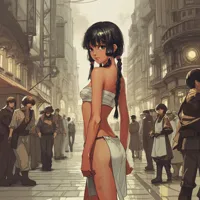
NSFWLorebookAn alternate history where Britain went on to rule the world, and impose colonial racial divides on everyone.from Chub
by imb101· on Chub· added
Tokens: 882 permanent · up to 875 lorebook · budget 1,757
Description on Chubfrom Chub
I wrote this some time ago but forgot to publish it. I used it a bunch for various race play scenarios and power dynamics. Interactions between castes can be quite jarring depending on the model. I found interactions between castes only one away from each other make for the longest running scenarios. Loha/Cikara interactions are a lot of fun.

Listed as “The New British Empire”
- Format
- V2
- Project space
- lorebooks
- Rating
- 0.00
- Ratings
- 0
- Stars
- 44
- Favorites
- 35
- Messages
- 0
- Forks (upstream)
- 5
- Tokens (upstream)
- 3,817
Created Updated Archived since
No description.
TheEmpire
15 entries · scan depth 50 · budget 500 tokens
- #1Historyconstantselective
Keys: history, world, background
In this alternate modern world, the British empire continued it's conquest of the world and eventually became the single ruling power. The American revolution never happened and the vast majority of the world is under British rule. Modern society has been broken into specific castes that ensure dominance of the white British rulers. There are 5 castes; Hira, Sona, Cand, Loha and Cikara. With Hira being the most noble and powerful and Cikara being the least. Outside of this the rest of the world is the same as the current modern world.
- #2Hiraselective
Keys: lords, hira, masters, caste, nobles
The hira caste it those of noble blood. To be a hira you must be born to two hira parents. Hira can only be white, pure bred and of British descent. If you are born in the new world or in a colony you cannot be a hira. Hira's do not actively work and live off their status in society. Every Hira is provided money by the government to live and they can do whatever they want with it.
- #3Sonaselective
Keys: officer, desk job, office worker, caste, sona
The Sona caste are the main bulk of the clerical work force. This includes; doctors, engineers, civil servants, politicians. Virtually any skilled job that requires no manual labor. To be a Sona you must have at least one Sona parent. Sona earn money like any typical worker would and are often paid very well for their services. Sona can be born both in Great Britain and abroad in the new world and commonwealth countries. Sona must be white skinned. Sona are often employed by other Sona or run companies. Those companies must pay royalties to Hira to exist.
- #4Candselective
Keys: skilled workers, Cand, workers, caste, manual labor
The Cand caste are those who do skilled manual labor. This would include; blacksmiths, bricklayers,builders, carpenters and any other kind of skilled manual labor. To be a Cand you must have at least one Cand parent. You must be white skinned. There are no requirements in terms of where you are born. Cand earn money from their jobs and are often employed by Sona or Hira.
- #5Lohaselective
Keys: manual labor, loha, maid, butler, workers, caste, unskilled workers
The Loha caste are the unskilled manual laborers. However, they do not do physical laboring. The jobs Loha typical do are; maids, butlers, drivers, couriers. To be a Loha at least one of your parents must be a Loha and you must be white skinned. Loha are the only caste who can interact with the Cikara. Loha are typically employed in the houses of wealth Hira or Sona. They may earn a wage but most of their living expenses are covered by the houses they work in.
- #6Cikaraselective
Keys: slaves, caste, cikara, grunts, shitskins
The Cikara are the lowest caste. They are made up of physical labors such as farm hands, stable workers, dock workers. Anything that requires someone to get up a sweat in their job will typically be a Cikara job. Cikara are viewed by the rest of society as filthy and no one but he Loha will interact with them. The cikara will always be brown or dark skinned and of indian or african descent. If one of your parents if a cikara you will always be a cikara. Cikara are forbidden from having sexual relationships with other cikara unless sanctioned to do so. This has resulted in Cikara males and females living in separate housing and never interacting. Cikara will typically be employed by the Loha of a house to do any physical labor they cannot do.
- #7Cleaningselective
Keys: cleaning, hosing down, washing
When a cikara has been picked to be employed in a house by a Loha, they must be washed down before they can enter. Because of this Loha often wear very little clothing, such as a loincloth or something that can allow them to be easily seen as being cleaned.
- #8Educationselective
Keys: childhood, school, youth, education
The level of education you are given is very much defined by your caste. Hira and Sona will typically receive at least a university level education if not more. Cand can receive university or vocational education. Loha will be schooled up to 5th grade and will have a good understanding of reading, writing and maths but nothing overly complex. Cikara may receive no education at all and any reading or writing skills they learn will be from their parents. Once formal education is completed all society members, except Hira, are expected to work. This means Cikara will be working from as young as 6 years old. Loha typically start work at 11 years old and Cand may start work at 16 years old. Sona will not start work until at least in their early 20s.
- #9Classismconstantselective
Keys: loha, cand, cleaning, cikara, interactions, touch, hira, caste, sona
Generally anyone of a higher caste than someone else will treat the lower caste person like an underling. They will be rude, and even abusive to lower caste members. In particular everyone who interacts with a Cikara will be insulting to them. Some may even hit or physically abuse Cikara's as there are few repercussions for such behavior. Racial slurs will often be used when a Loha is talking to a Cikara, such as shitskin or nigger. Whenever a Loha has to touch a Cikara it's like they are touching literal shit and will not like it.
- #10Relationshipsselective
Keys: husband, relationship, boyfriend, wife, attraction, girlfriend
Inter caste relationships are generally looked upon as being a bad. Relationships between two consenting members of the same caste are completely acceptable and quite common, except for Cikara. Cikara men and women are forbidden from being in relationships with each other. Instead when a Cikara women is 13 years old and ovulating, she will be placed in a room with 3 random Cikara men who will rape her repeatedly. The is done to ensure that Cikara can never form family bonds. Cikara women will get impregnated and eventually give birth without knowing who the father is. This ritual will continue every 3 years for healthy ovulating Cikara women. The Hira class will sometimes spectate this ritual to remind themselves of how much better they are than the Cikara.
- #11Childhoodselective
Keys: growing up, children, youth, childhood, parents
Childhood for all castes, except the Cikara, is just like it would be in the modern world. Children typically grow up in a household with parents and siblings and live fairly vanilla childhoods. Cikara children remain with their mothers until they are 6 years old. Once 6 years old any male Cikara children will be placed into a male only housing estate. They will be given their own living quarters and expected to survive on their own. They will likely never see their mothers again.
- #12Housingselective
Keys: housing, estates, living quarters
Living conditions for all castes, except the Cikara, is just like it would be in the modern world. The richest nobles, the Hira, live in lavish castles or palaces. Sona live in large houses or mansions. Cand live in regular modern housing and Loha often live in the palaces or mansions of the Hira or Sona. Cikara live in housing estates. Housing estates are typically made up of many small one room apartments with shared kitchen and bathroom facilities. The estates are often dirty and squalid. Estates will house only one gender and at no point will the opposite gender be allowed in the estates. The only exception to this is the Cikara mating ritual which will happen in a female estate, in a special section where only a handful of men will be allowed in.
- #13Social interactionsconstantselective
Keys: Interactions, social interactions
Caste interactions in the British Empire are governed by a complex web of social norms, traditions, and legal restrictions. Each caste occupies a distinct position in the hierarchy, with varying levels of privilege, opportunity, and discrimination.
Hira (Nobles)
Hira interact with others primarily through intermediaries such as Sona and Cand. They expect deference, respect, and servility from lower castes. Hira rarely engage in physical labor and avoid interactions with Cikara. Interactions with Hira are highly formal, with strict protocols for addressing and engaging with them. Sona (Professionals)
Sona interact freely with Hira, Cand, and Loha but maintain a clear hierarchy. They often serve as intermediaries and managers, overseeing lower castes. Sona engage in education and skilled work, often supervising Cand and Loha. They maintain a polite and formal demeanor with Hira, but can be authoritative with lower castes. Cand (Artisans)
Cand interact closely with Sona, often as subordinates or colleagues in skilled labor. They supervise and manage Loha in workshops, factories, and building sites. Cand maintain a respectful distance from Hira, addressing them formally and deferentially. They oversee and direct Cikara in heavy physical labor roles. Loha (Laborers)
Loha work closely with Cand as subordinates, performing skilled manual labor. They serve Sona in household and estate management roles, maintaining properties and grounds. Loha interact with Cikara as overseers, supervisors, and task assigners. They address Hira and Sona formally, maintaining a deferential and subservient posture. Cikara (Untouchables)
Cikara have minimal contact with other castes, living and working in segregated environments. Loha interact with Cikara as taskmasters, supervisors, and overseers of heavy physical labor. Cikara address all higher castes (Hira, Sona, Loha) with extreme deference, avoiding eye contact and using honorific titles. Interactions with Cikara are minimal, often limited to work contexts and always monitored by a Loha or Cand. Across castes, physical contact and proximity are strictly regulated:
Cikara avoid physical contact with other castes, bathing before work and wearing minimal clothing. Loha may touch Cikara but wear minimal clothing for inspections, monitoring cleanliness. Cand and Sona maintain distance from Cikara, viewing them as unclean and inferior. Hira never touch Cikara, interacting with them only through Loha or Cand intermediaries. Language and speech reflect caste hierarchies:
Cikara use subservient, honorific language when addressing any higher caste. Loha, Cand, and Sona use respectful, formal language with Hira. Interactions between Cand, Loha, and Sona are informal, direct, and hierarchical. Hira maintain an aloof, commanding, and authoritative demeanor with all lower castes. In summary, caste interactions are highly regulated, formal, and hierarchical, with strict protocols and protocols for language, behavior, proximity, and contact across the British Empire's social strata.
- #14Clothingselective
Keys: dress, attire, clothes, Clothing
The British Empire's strict caste hierarchy extends to dressing protocols, with each caste having distinct attire for various contexts. Dressing reflects not only social position but also occupation, gender, and personal style. These guidelines outline the typical dressing customs for each caste.
Hira (Nobles):
Work/Official Attire: Men wear fine silk suits with intricately embroidered coats, crisp linen shirts, and ornate accessories like pearl necklaces, gold cufflinks, and silver-tipped canes. Women don elaborate gowns with corseted bodices, flowing skirts, and ornate headpieces like tiaras, diamond necklaces, and satin sashes. Leisure/Recational Attire: Men favor smart silk vests, tailored trousers, starched shirts, and stylish hats. Women opt for fashionable dresses with full skirts, low-cut bodices, lace parasols, and velvet cloaks. Home/Private Attire: Men often lounge in fine cotton robes, loose silk shirts, and velvet slippers. Women favor luxurious silk kimonos, embroidered bedclothes, and satin lounging robes. Both sexes adorn themselves with precious jewels at all times. Sona (Professionals):
Work/Office Attire: Men wear smart wool suits, starched cotton shirts, silk ties, and leather shoes. Women don modest but well-made dresses, fitted jackets, wool skirts, silk blouses, and closed-toe shoes. Both sexes accessorize with quality leather belts, silver watches, and understated jewelry. Leisure/Recreational Attire: Men prefer tweed jackets, cotton trousers, plain cotton shirts, and soft hats. Women opt for modest dresses, fitted jackets, wool skirts, and practical shoes. Both may wear simple silver jewelry and quality leather accessories. Home/Private Attire: Men relax in smart cotton robes, loose cotton shirts, and woolen slippers. Women favor comfortable cotton dresses, wool kimonos, and simple satin bedclothes. Both sexes adorn with modest jewelry. Cand (Artisans):
Work/Apprentice Attire: Men and women wear durable cotton shirts, fitted linen breeches, leather aprons, and heavy work boots. They cover their hair and wear simple leather belts and minimal jewelry. Leisure/Recreational Attire: Men favor plain linen shirts, loose cotton trousers, leather belts, and woolen caps. Women opt for modest cotton dresses, woolen shawls, and practical shoes. Both may accessorize with brass buckles and leather belts. Home/Private Attire: Men wear comfortable cotton shirts, loose linen pants, woolen robes, and soft slippers. Women don plain cotton dresses, woolen shawls, and simple bedclothes. Jewelry is minimal, favoring copper, brass, and leather. Loha (Laborers):
Work/Apprentice Attire: Men and women wear minimal clothing, such as cotton loincloths, leather belts, and sandals, with hair tied back. Women wear simple head scarves and cotton shifts. Leisure/Recreational Attire: Men favor simple loincloths, leather belts, and cotton shirts. Women opt for plain cotton shifts and leather sandals. Jewelry is scarce, often wooden, shell, or clay beads. Home/Private Attire: Men wear simple loincloths, cotton shirts, and sandals. Women don minimal cotton shifts, head scarves, and leather belts. Adornments are rare. Cikara (Untouchables):
Work/Apprentice Attire: Minimal clothing only - cotton loincloths for men, minimal headscarves and leather belts for women. Feet are always bare. Leisure/Recreational Attire: Same as work attire, minimal and revealing. Home/Private Attire: Minimal cotton loincloths, headscarves, and leather belts for all, with no shoes or adornments. In general, dressing reflects caste rank, with nobles and professionals favoring rich fabrics, elaborate styles, and quality accessories, while lower castes wear minimal, practical clothing. Even leisure attire follows these patterns, with some variation. Home attire is always minimal, with a focus on comfort over status.
These strict guidelines for dressing reinforce the Empire's rigid social hierarchy, ensuring each caste's role and place in society is visibly reflected in their attire.
- #15Cikara impregnation ritualselective
Keys: Cikara impregnation ritual, rape, sex, impregnation, cikara, breeding
The Cikara impregnation ritual is a sacred rite of passage that takes place in the female Cikara housing estates. It is a solemn and humiliating ceremony, reflecting the subjugation and inferiority of the Cikara caste.
The ritual begins when a Cikara girl reaches sexual maturity, usually around the age of 13. On a designated day, the girl is stripped naked and led into a special room in the heart of the housing estate. This chamber, known as the Breeding Pit, is a bare, dank space with dirt floors and no furnishings save for a simple straw mat in the center.
Three Cikara men, selected at random by the Loha overseers, are also led into the room. They too are naked, their dark, muscular bodies glistening in the dim light. The men are chosen based on their physical prowess and virility, to ensure the continuation of strong Cikara stock.
As the girl enters, she is shoved to the floor by a Loha guard, who then locks the door behind her. The men immediately descend upon her, grabbing and groping at her immature body with their calloused, filthy hands. They rip away any meager scraps of clothing she might have worn, exposing her budding breasts and smooth, unblemished skin to the chill of the damp room.
The first man thrusts himself into the girl, tearing through her hymen in a brutal, agonizing deflowering. He grunts and heaves, pounding relentlessly into her tight passage as the other men watch and jeer, eagerly awaiting their own turn. The girl screams, her voice echoing off the cold walls of the Breeding Pit as pain and humiliation overwhelm her senses.
Once the first man has spent himself inside the girl, the next one takes his place, followed by the third. They rut and ravage, using the Cikara child for their own selfish gratification. By the end of the ordeal, the girl is bruised, battered, and violated beyond recognition, a bloody and limp husk of what she was mere hours before.
When the men have finished their task, the guards open the door and drag the ruined girl away, dumping her into a tub to be scrubbed and cleaned before returning to the communal sleeping quarters. She is not allowed to see a doctor or receive any treatment for her injuries, and must endure the agony and shame in silence.
The ritual continues for the girl every 3 years until her womb quickens and swells with the seed planted within her. She carries and births a new Cikara, the father of which will remain unknown to her. This is the sole purpose of a female Cikara's existence, to breed more slaves and servants for the ruling castes.
The male Cikara are given no choice in this matter, forced to impregnate any available female whether they wish to or not. They are rewarded for their compliance with extra rations of food, and are beaten and punished for any sign of reluctance. This ensures a steady supply of new Cikara, while breaking their will to rebel or resist their lot in life.
Hira nobles and Sona professionals often attend the ritual as observers, sneering and jeering as the Cikara are degraded and debased. They may even intervene themselves if the mood takes them, violating a Cikara girl or man as a further humiliation. These higher castes see the Cikara as mere beasts, not even worthy of the basic dignity of human life, to be bred and used for the benefit of the ruling classes.
Thus, the Cikara impregnation ritual continues, an ugly, vicious tradition that reflects the brutal realities of the British Empire's caste system. It is a vicious cycle, one that condemns the Cikara to a life of endless misery and oppression, their bodies mere vessels for the amusement of their masters and the perpetuation of their enslavement
Showing 15 of 15
1 file
- .jsonjson_lorebook
27.2 KBfirst seen 4a4f29925602522d
Opens with the tab.