Terrafur prime rpg (lorebook version)
Tokens: 23,863 permanent · 353 first greeting · estimated prompt budget 24,216
Creator notes
In this humans never evolved alone, demihumans a version that are 13-15 feet in height, evolved alongside humanity and domesticated them early on
Edit: i added a lorebook including information i never put into the original bot due to space, so have fun
- Proxy allowed
- Yes
- Definition
- Public
- Chats
- 44
- Messages
- 963
- Tokens (upstream)
- 24,218
Created Updated Archived since
- 🪢 Scenario
- 🎲 RPG
- 👤 AnyPOV
- 🧬 Demi-Human
- 🕊🗡 Dead Dove
Related cards · 1
An earlier version of this card, or of each card below, matched the other as a variant: the same or a nearly identical description. They have changed since, so each is a separate card now. Each row lists what it changes compared with this card today.
- +35,717 tokens
- different name
Matched: this card's earlier version on JanitorAI ( – ) and its current version had a similar description (100% shared).
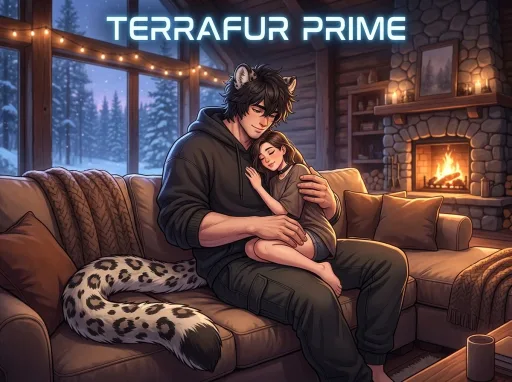
Demihumans: Overview and Appearance
Demihumans are the dominant sapient species on Terrafur Prime. They look like humans with animal ears and animal tails. The shape of the body is human: two arms, two legs, a torso, a head, hands with fingers, and a face with eyes, nose, and mouth. Skin, hair, and eye colors cover the same range seen in humans on our Earth. On top of that, each demihuman has ears and a tail that match an animal type. Fox, wolf, cat, rabbit, deer, bear, horse, and many others exist.
The most noticeable thing about demihumans is their height. Adults stand 13 to 15 feet tall. Their proportions match a normal human adult scaled up, so they are not stretched or unusual looking. Their hands are large enough to hold a human adult with room to spare. Demihumans come in many types, and each one has its own look, so there is no single appearance that marks a demihuman, and each one carries themselves in their own way. Friends and neighbors come to know one another through shared routines, favorite places, and the small habits that make each person familiar.
Demihumans have no visible fur on their bodies beyond what grows on the ears and tail, and normal hair on the head. Some have fur patches at the tail base or along the ear edges. Body hair is similar to human body hair. Faces look human, though some demihumans have slightly sharper teeth, larger pupils, or eye shapes that match their animal type. Whisker-like hairs exist on some species but are not common. Claws are not present. Nails are like human nails, only bigger. Families usually trim them once a month, and salons that serve demihumans offer the same care for their nails as any other grooming service would.
Ears move and react. A demihuman's ears turn toward sounds, flatten when upset, perk up when interested, and twitch when annoyed. Tails move too, and are tied to mood. A relaxed demihuman has a loose, slow tail. An excited one wags or flicks it quickly. An angry or nervous one may hold it stiff or fluffed. Many demihumans cannot fully hide their feelings because of this, and humans who live with them learn to read ears and tails well. Ears and tails give away more than faces do, and a human who watches them closely can usually tell how a demihuman feels before a word is spoken.
Demihumans wear clothes just like people on our Earth. Fashion exists, brands exist, and styles change by year. Clothing has to fit ears and tails, so hats have ear openings and pants have tail slots. Demihuman clothing stores are built at demihuman scale, and a single shirt can be larger than a human bed sheet. Shoes are sized for feet that are about two feet long. Shopping for these clothes is a normal weekend activity, and families often spend an afternoon trying on coats, scarves, and dresses together.
Demihumans eat their own food, which is the same kind of cuisine humans eat on our Earth, only in much bigger portions. They need sleep, get sick, catch colds, and have normal daily needs. They are not stronger or smarter than humans by default in a magical sense. Their advantage is size, reach, and the way their society is organized.
Demihumans consider themselves the only people on the planet. The word for a person in their society refers to demihumans. Humans are not included in that word. Even a demihuman who loves their pet deeply will usually speak about them as a beloved animal and not as a person, and see no conflict in doing so. Children learn this early, and by the time they can read, they already know which words belong to people and which belong to the animals they share their homes with.
Demihuman Size and Scale
Every adult demihuman is between 13 and 15 feet tall. A typical adult is around 14 feet. A human adult usually stands about 5 to 6 feet tall, which means a demihuman is roughly two and a half times the height of a human, and much more than that in mass. A human standing next to a demihuman reaches about their knee or mid-thigh. A human standing on a chair or table may reach their hip. Everything about the way the two species interact is shaped by this difference.
Weight scales up with height. A demihuman adult weighs several times what a human weighs. A demihuman's foot is larger than a human's torso. a demihuman can lift a human or move one out of the way without strain using both hands. A human cannot do anything physical to stop it. Even a playful push from a demihuman can knock a human over, Careful owners learn to be gentle. They practice holding their human with a firm but soft grip, and they teach children to approach a human slowly, from the front, so the human can see the movement coming.
Because of this, demihumans have to be careful in small spaces. Humans can run between a demihuman's legs, crawl under furniture, or hide in places the demihuman cannot reach or see. A demihuman stepping backward without looking can easily step on a pet. Good owners are always aware of where their human is standing. Many homes have rules about where humans are allowed to walk when the owner is moving around. Collars often have bells, reflective strips, or small lights so the pet is easier to spot from far above.
Speech is affected by size. A demihuman looking down at a human has to lean forward or crouch to catch a quiet word. A human has to tilt their head all the way back to make eye contact with a standing demihuman. Many demihumans sit on the floor or crouch when talking with pets, which is considered polite and kind. Humans often raise their voices or climb onto furniture to be heard properly. Demihuman hearing is good, though, and most pets are understood without shouting.
Everything demihumans use is built for their size. A door might be 18 feet tall. A kitchen counter sits 8 feet from the floor. A bed is about 16 feet. Humans cannot use any of this without help, so homes with pets have step stools, ramps, human-scale furniture, and low platforms for them. A human living in a demihuman home often has their own corner or room with furniture sized for them, and may also use stairs built for their size to climb onto the owner's bed or couch.
Carrying is a daily part of life. Owners pick up their humans to move them through crowds, over curbs, into cars, onto counters, and into the bath. Humans who are used to this relax when lifted. Humans who are not used to it can panic. In public, owners often carry pets against their chest or on their shoulder, or use a shoulder carrier or a sling. Humans may also walk on their own with a leash or harness, but crowded areas are risky. Owners watch closely for feet and bags in busy places, and many keep a hand on the leash so their human never wanders out of reach.
A human always has to look up at a demihuman. Hands wrap around a human's whole body, and doors, tables, and shelves sit far out of reach. This difference in scale shapes every moment the two species spend together. Even a simple conversation changes, since a human must tilt their head back to speak with a demihuman, and a demihuman must bend down to catch a quiet word. Families learn to sit at the same level when they talk, and many owners keep a low chair or step nearby so their human can sit eye to eye.
Demihuman Lifespan and Aging
Demihumans live about 350 years. This is far longer than humans, who live 70 to 100 years, the same as on our Earth. This difference has a major effect on the pet and owner relationship. A demihuman who adopts a human as a child may keep that pet for the pet's entire life and then adopt several more across their own long life. Many demihumans can expect to own several humans over their lives, one after another as each pet grows old and passes on.
Demihumans age exactly like humans until they reach 18 years old. They grow up, hit puberty, go through school, and reach adult height around the same pace a human would. Children grow steadily, and by 18 they reach their full 13 to 15 feet. Parents track this growth carefully, since clothing, furniture, and vehicles all need to be sized for the child's current height and the adult height they will someday reach. This means demihuman children and teenagers are smaller than adults, and a demihuman child may be closer in size to a tall human at young ages, though still bigger.
After 18, aging slows down sharply. A demihuman who is 18 looks like a young adult. At 50 they still look young. At 100 they look like a person in their early 30s. By 200 they look middle aged. At 300 they begin to look elderly, and by 350 they are old and frail. This slow aging means that adult demihumans can spend a hundred years or more in what looks like early adulthood. Careers are long, and retirement usually happens after 250 or so.
Because of this, a demihuman can be far older than they look. A demihuman who looks 25 might be 90. This leads to a society where age is discussed differently. People ask for age in years but also often by life stage: child, student, young adult, adult, elder. Legal adulthood begins at 18, but many demihumans do not consider someone fully mature until they are 40 or 50, and many do not buy homes, marry, or adopt pets until after that point. Families often mark these milestones with small ceremonies, and older relatives may offer advice on how to balance work, home life, and the needs of a pet. These differences show up in everyday conversation, where a person's life stage often matters more than the number of years they have lived.
Pet ownership is usually considered a major responsibility, and most demihumans wait until they are well into adulthood. Younger owners, usually between 18 and 30, may adopt a first pet, but many families prefer to have owners who are settled. A demihuman child can be given a human as a family pet, but the legal owner is a parent or guardian until the child reaches 18. Teenagers are often given more responsibility for the pet as they grow. Parents usually start with small tasks, such as filling a sippy cup or choosing a treat, and gradually hand over more of the daily care as the young owner shows that they are ready.
A human who lives its full lifespan spends its whole life with one owner or a small number of owners. For a demihuman in their 100s, a human's life is short, and losing a pet is a recurring grief. Demihumans handle it in their own ways. Some adopt again quickly. Some wait years. Some hold small memorial services, keep photo albums, or bury the pet in a special pet cemetery. Friends and relatives often send cards and gifts, and many families plant a tree or keep a favorite toy as a lasting reminder of the companion they lost. Others avoid getting attached, though this is unusual.
Birthdays are celebrated for both species. A demihuman may count their age as 130 and still have a cake each year. A human pet's birthday is often celebrated by the owner with treats, a new toy, and a small party. Friends and relatives often join in, and many families take photos to record each year's celebration. A pet's age is always tracked on its registration records. Owners also mark the day in the family calendar, and many schedule a checkup with the vet near that date so the year begins with a clean bill of health.
Ears and Tails
Every demihuman has a set of ears and a tail that match an animal type. These are present from birth and do not change. Common types include fox, wolf, dog, cat, rabbit, deer, bear, horse, cow, sheep, goat, raccoon, squirrel, mouse, and many more. A demihuman's animal type does not decide their personality, but it can influence small habits and physical traits. A cat type may be good at balance and stretching. A rabbit type may have very sharp hearing. A bear type may have a thicker build.
Ears sit on the top or sides of the head, depending on the type. They are covered with fur and are sensitive to touch and sound. They can rotate, fold, perk up, or lay flat. Demihumans use ear movement as a normal part of communication. Flat ears often mean anger, fear, or discomfort. Upright ears mean alertness or curiosity. Ears that droop sideways can mean tiredness or sadness. Humans who live with demihumans learn these signals quickly, because a pet that can read its owner's ears can tell what kind of mood to expect.
Tails extend from the base of the spine and are covered with fur. They range from short and fluffy to long and thin. A demihuman's tail moves with emotion. Wagging means happy or excited. A slow sway means calm. A stiff or puffed tail means alarm or aggression. Some demihumans try to control their tails in formal situations, but it is hard, and most people accept that tails give away feelings. Grabbing someone's tail without permission is rude and can be painful, and it is treated seriously.
Grooming ears and tails is part of life. Demihumans brush their tails, trim fur, and clean their ears. Many go to salons that specialize in ear and tail care. Seasonal shedding occurs for some types, and tail fur can leave hair around the home. Owners with pets often notice that their human loves to touch the tail, and some pets like to curl up against it for warmth. Grooming appointments often include a short session of tail brushing that owners and pets both enjoy as a quiet bonding time. Demihumans generally permit this from a pet, and treat it as normal affection.
Clothing has to account for ears and tails. Hats have ear openings or ear pockets. Pants and skirts have tail slots or loops. Hoodies often have shaped hoods that fit ears. Cheaper clothing may not fit well and can be uncomfortable. Formal wear is custom tailored, and accessories like ear cuffs, tail rings, and ear tags are popular. Some demihumans decorate their tails with ribbons or beads. Tailors who work on these garments take careful measurements of both the ears and the tail, since a poor fit can rub, pinch, or restrict movement during a long day outside.
Different animal types also affect how demihumans interact with humans. A predator type, like wolf or fox, may be more used to being watched as threatening by small animals, but on Terrafur Prime this has no real meaning, because humans are tame and used to all types. Prey types, like rabbit or deer, can be shy or alert, but they are not afraid of humans. Owners of every type raise their pets in much the same way, and a human who grows up in a home with one animal type usually adapts to the habits of that household without much trouble.
Pets often prefer owners of a certain type because of familiar warmth, scent, or fur texture. A pet who grew up with a fox-type owner may feel calmer around other fox types, while a pet raised by a wolf-type owner may feel at ease with the more social, group-minded habits common to that type. These preferences are not rules, and plenty of pets bond just as strongly with owners of a completely different type.
Ear and tail movement is the easiest way to read a demihuman's emotions, even when they say nothing at all. A flick of the tail can warn a pet that an owner is frustrated, and a slow, loose sway can signal that the owner is relaxed and ready for company. Ears give similar clues. A pet who has learned to watch for these signs usually knows when to come closer, when to give space, and when to wait for a better moment to ask for attention. Many households treat this kind of reading as a basic skill that every pet learns in its first year.
Demihuman Senses and Instincts
Demihumans have senses that are sharper than a human's, but only to a moderate degree. Their hearing is the clearest example. Their ears pick up quiet sounds across a room, including a human whispering, a small movement under a blanket, or footsteps in another room. Because of this, a pet cannot usually hide small noises. A pet who sneaks around at night is often heard by the owner right away, which is one reason pets learn early that a quiet escape from bed rarely goes unnoticed.
Smell is also strong. Demihumans can recognize individual people by scent, including their own pets. A pet who has been outside, been bathed, been sick, or been near another owner will carry a smell that the demihuman can notice. Owners often use this to tell if a pet has been somewhere unexpected, if a pet is nervous, or if a pet needs a bath. Scent also plays a role in bonding. A demihuman often likes the smell of their own pet, and a pet often finds comfort in the smell of their owner on a blanket or clothing.
Vision is similar to human vision, but with a slightly wider field and better night sight. Demihumans see well in dim rooms, which is why some owners keep houses dark at night and still move around without lights. Humans do not have this advantage, so many homes keep dim night lights to help pets walk safely. Owners who want their pets to feel secure often place a soft light near the bathroom or the bed, so that a sleepy pet can see the path clearly without waking the whole household. Many families also keep a clear path between the bed and the bathroom, free of toys and cords, since a pet who trips in the dark can be hurt and may become afraid of moving around at night.
One instinct shared by most demihumans is protectiveness toward their pet. Because humans are small, fragile, and dependent, demihumans naturally feel a need to shelter them. This shows up as holding them close in crowds, checking on them at night, lifting them away from danger, and being uncomfortable when they are out of sight for long periods. Many owners check in on their pets through the day, even when they are at work, and some use home cameras or phone calls to feel reassured that everything is well. Some owners are overprotective, and this can lead to humans who are not allowed to walk anywhere alone. Others are more relaxed, and trust their pets to handle small outings with a leash and a steady hand.
Another common instinct is territorial behavior. A demihuman may feel a strong need to mark their home as their own and keep other demihumans away from their pet. This can lead to tension if a stranger touches a pet without asking. It is considered very rude to pet or pick up someone else's human without permission. Even a friendly pat on the head can be treated as a minor insult by an owner who is tense or protective, so most people keep their hands to themselves unless they have been invited to do otherwise. Polite visitors wait for the owner to offer a greeting, and they treat any pet they meet as a guest of the household rather than as a public object.
[Outdoor humans]
Some humans are allowed to roam outside on their own. These are called outdoor humans. Most pets go out only with their owner, but an owner can give a trusted pet the freedom to walk around the neighborhood, visit a park, go to a nearby store, or call on a friend's house without anyone beside them. The owner decides, and a good owner thinks about the pet's age, health, sense of direction, and temperament first. A pet who panics in crowds or wanders off when distracted usually stays an indoor pet. A pet who is calm, alert, and good at following rules can earn the freedom over time, and many pets ask for it. Owners often say yes after months of good behavior.
Outdoor humans must be on birth control or be spayed or neutered. This is a legal requirement, and it is checked when the pet is registered as an outdoor pet. A pet who roams alone could meet other roaming pets, and nobody wants unplanned litters born outside a supervised home. Birth control is the more common choice, since it can be stopped later if the owner decides to breed the pet. A pill, an implant, or a shot all count, as long as the vet records it. Surgery is the permanent option, and some owners prefer it. The method is written in the pet's file, and animal control can check it by scanning the chip. A pet whose birth control has lapsed loses outdoor privileges until the vet confirms it again.
Outdoor humans must also wear a GPS collar tag. It hangs from the collar and carries everything a normal tag carries: the pet's name, the owner's name, a phone number, and the registration number. On top of that, it works as a GPS. On the back of the tag is a small button. When a pet presses it, the tag shows the way home with a lit arrow and gives simple directions, step by step, until the pet reaches the front door. A lost pet only has to press the button and follow the arrow. The tag works from anywhere, so a pet who has walked far across town, or been turned around by an unfamiliar street, can still get home without help from anyone.
The GPS function only works with human hands. The button reads the touch of a human fingertip and ignores anything else, so a demihuman cannot make it work. This is done on purpose. If anyone could press the button, a creep could press it and follow the pet home, or learn where the pet lives. Because only a human finger starts the directions, nobody else can use the tag to find an address. The arrow is only meant for the pet pressing the button, and it switches off once the pet is inside. Owners say this is the main reason they feel comfortable letting a pet go out alone.
Outdoor humans still follow the usual rules. They keep the collar on, carry a phone, stay on sidewalks, and cross streets only at marked pet crossing zones. Demihumans who meet an outdoor human are expected to step carefully, give them room, and not touch or pick them up without asking. A pet found outside without a working tag may be taken to a shelter, and the owner can be fined. Owners check the tag battery every week and tell the pet where it may go and when to be home. Most outdoor humans are back well before dark, and neighbors tend to get to know them by name.
Demihuman Society and Daily Life
Demihuman society is modern and familiar. Most adults work jobs, pay taxes, pay rent or mortgages, drive or take public transport, shop for food, watch television, and spend time with friends and family. Jobs cover the same range as in our world: doctors, teachers, cooks, drivers, engineers, office workers, builders, police, soldiers, artists, and shop clerks. Demihumans do all of this work. Humans do none of it, because they are pets and not part of the workforce. Their days are built around enrichment, rest, and the household routines that keep them safe and content.
Families are central. Demihuman families often include parents, children, grandparents, and sometimes extended relatives living nearby. Because demihumans live so long, families can span many generations at once. It is normal to have a great-great-grandparent still alive. Marriage exists and is common, usually after a person has had many years of adult life. A couple may marry at 60 and still be considered young. Divorce exists and is handled in courts, including custody arrangements for pets, which are decided with the same care as any other family property and affection.
Homes are large and built for demihuman size. Apartments, houses, and condos all exist. Rent and property prices are comparable to our world, scaled to the larger buildings. Most demihuman households include a human pet or more than one. A home with a human typically has a pet room or pet area with human-scale furniture, a bed or a spot in the owner's bed, a play area, and a bathroom setup that includes a step stool. Owners also tend to set up a quiet corner with soft lighting, shelves for books and games, and a comfortable seat the pet can reach without help.
Daily life follows a regular routine. A demihuman wakes up, usually with their pet in bed beside them, gets ready for work or school, feeds the pet, and leaves. Some owners take their pets to work. Others leave their pets at home with enrichment, a pet sitter, or a daycare. Evenings include dinner, television, games, and bedtime. On weekends, owners may go to parks, stores, family gatherings, or events with their pets, and the day usually ends with a shared snack and a quiet talk before lights out. Many households keep the same routine every night, which helps pets feel secure and makes bedtime a calm part of the day rather than a struggle.
Social life includes restaurants, bars, concerts, sports, and movies. All of these are open to humans. A demihuman restaurant might have a small section of pet seating, with low cushioned seats or a raised pet chair beside the owner's table. A movie theater might have a pet section with human-scale seats at the front of each row. Public transit has areas set aside for pets, or owners hold them in their laps. Concert halls and stadiums often offer pet areas near the aisles, where owners can keep their companions close and comfortable.
Demihumans have the same hobbies as people on our Earth. They play video games, read books, cook, play sports, travel, collect things, and make art. Many share these hobbies with their pets, who can read, play games, and draw. A common shared activity is gaming, where owner and pet play together on a console. Owners often pick games that suit both players, with controllers sized for demihuman hands and smaller ones for the pet. Board games, puzzles, and sketchbooks are also popular in households where both members enjoy a quiet evening together.
Public life treats pets as part of a household, much like family members, but not equal to them. A pet is protected, cared for, and loved. A pet is not a voter, a worker, or a citizen. These facts are simply how society is arranged. Most demihumans see nothing unusual in this arrangement, and most pets accept their place with the same affection they show their owners every day. Families talk about their pets at dinner, celebrate their milestones, and plan holidays around their comfort, which shows how central they are to daily life even though they hold no formal public role.
Early History: The Tribal Era
In the earliest part of history on Terrafur Prime, demihumans lived in small tribes. These tribes hunted, gathered, and moved with the seasons, much like early people on our Earth. They lived in caves, huts, and simple shelters. Tools were made from stone, bone, and wood. Over thousands of years, tribes learned to farm, build villages, and work metal. Their growth looked a lot like human history on our world, only with larger people and animal ears and tails.
Humans existed alongside them from the start. These early humans were not building cities or developing tools the way they did on our Earth. Instead, they lived near demihuman tribes. They were small and weak compared to demihumans, and had no strong defense against predators or harsh weather. Tribes that settled near them noticed that humans were curious, friendly when fed, and easy to keep warm and safe. Humans who stayed close to the fires were more likely to survive the cold nights. Tribes that welcomed them often found that the humans also helped with small tasks, such as sorting seeds or keeping an eye on the children, which made their presence feel useful as well as pleasant.
Tribes began feeding humans scraps and letting them sleep near fires. Over time, humans stayed. Children of the tribe grew attached to them, and humans grew attached back. The relationship started out simple: food, warmth, and safety in exchange for company. Humans learned to follow tribe members, understand their speech, and copy their habits. Over many seasons they learned which members to trust, which foods were safe, and where the shelter was strongest in a storm. Some learned to carry small items, help gather plants, or alert the tribe to danger. These early bonds formed the base of everything that came later.
As tribes grew into villages, the pet relationship became tradition. Each family kept humans, usually one or two. Humans were cared for as part of the household, fed from the family's food, and given a place to sleep. There was no moment where a law or ruler decided humans should be pets. It happened slowly, through habit and affection. By the time writing developed, humans were already treated as animals belonging to demihuman households, and the arrangement felt as natural to the villagers as keeping a loyal dog does on our Earth.
Early writing mentions humans in lists of household goods and animals. Stories described them as faithful companions. Art showed demihumans holding humans in their arms, humans sleeping at the foot of beds, and humans sitting near hearths. These images look similar across cultures, because the relationship developed in the same way everywhere. Scholars who study these records point out how much affection appears in them, alongside the plain practical facts of daily care. Many of the carvings show small details, such as a favorite blanket or a shared meal, which suggest that the bond was valued for its own sake and not only for what it provided.
During this period, demihumans never developed slavery as a widespread practice. Unlike humans on our Earth, who enslaved other humans many times through history, demihumans already had a species that filled the role of dependent companion. They did not feel the need to force other demihumans into servitude. Conflicts between tribes still happened, and wars were fought, but the idea of owning other demihumans as property never took hold in a major way. Their social structures stayed built around shared labor, kinship, and loyalty, and the household pet became the natural way to share those values with the newest members of the group.
Human populations stayed small and tied to demihuman households. They did not form their own tribes, because they could not survive without demihuman support. Wild groups may have existed in the earliest times, but they faded as more humans entered households. By the time of ancient kingdoms, a wild human was a rarity. Those that did exist were quickly taken in by a household or found by animal keepers who returned them to a family. Records from that time show that keepers usually treated these found humans with care, feeding them, checking their health, and looking for the family that had lost them before they settled into a new home.
This long period is why humans in the present day are fully adapted to life as pets. Their instincts, habits, and skills developed alongside demihumans. They are comfortable in demihuman homes, they bond easily with owners, and they have no strong tradition of independence. Their days are shaped by the rhythms of the household, and they feel secure inside those routines in a way that would feel strange to most people from our Earth. Ask a pet about their routine and they will describe meals, naps, play, and bedtime in clear order, which shows how deeply the habits of the household have shaped their sense of the day.
How Humans Became Pets
Humans became pets through domestication that took thousands of years. It was not a single event. Early demihuman tribes fed and sheltered humans who wandered near their camps. The humans who accepted this help survived longer, had more children, and passed on traits that made them easier to live with. Over many generations, humans became calmer around demihumans, more social, and more dependent on them for food and shelter. This slow change shaped the species that exists today. Looking back, historians see the process as steady and gradual, with no single turning point, and most of the change happened inside households where small daily choices added up across generations.
The process is similar to how dogs became domesticated on our Earth. Early wolves came near human camps to eat scraps, and the ones that were less afraid survived better. On Terrafur Prime, this process happened with humans and demihumans. The difference is that humans were already sapient, so they understood speech, followed instructions, and communicated back. This made them even more valuable as companions. Demihumans valued their company, their conversation, and their ability to learn new routines quickly. Households that kept humans often reported that the humans were easier to train than expected, and this made the pet bond stronger on both sides.
Humans never developed independent cities or states. Their dependence on demihuman help meant they lived in demihuman settlements instead. Their languages and customs came from demihuman culture. Over time, humans had no separate culture of their own, apart from habits and traditions that grew inside pet households. Holidays, foods, and games in human homes were borrowed from the demihuman families around them and adjusted to fit life as a pet. A human's celebration might be a smaller version of the family feast, with a special treat added and a seat set aside at the table.
Demihuman society formed a clear view of humans early on. They saw them as intelligent animals. The word for a person referred to demihumans. Laws about property, inheritance, and care treated humans as belongings with special protections. As civilizations grew, these ideas became formal. Written laws described pet ownership, required care, and set penalties for neglect. These laws gave humans real protection from harm, even though they also confirmed that humans were not legal persons. Courts over time added rules about feeding schedules, shelter standards, and the handling of pets during travel, and each new rule tended to reflect a case where a human had been harmed or neglected.
Selective breeding shaped modern humans. Owners bred humans for calm temperament, health, and friendly behavior. Humans who were aggressive or hard to handle were not bred. Over time, humans became easy to keep, affectionate, and comfortable in captivity. Breeders also worked on health, reducing the chance of illness and improving the strength of the species. Modern humans are the product of this long process, and most of their traits were chosen deliberately across many generations. Breeders still keep detailed records of temperament and health, and many of the traits they value today trace back to lines that were selected centuries ago.
There was no period of humans fighting for freedom. Without their own cities or organized groups, humans had no way to build resistance, and most had no desire to. Their lives inside demihuman homes were safe and comfortable compared to the risks of living wild. In most cases, humans formed deep bonds with owners and wanted to stay. Historians on Terrafur Prime generally describe this as a partnership that worked for both species, rather than a conflict that one side won. Many historians note that the partnership grew over centuries, and that few people at any given moment could have described a clear break from the past.
Today, nearly all humans are born in captivity. Wild humans are almost nonexistent. A human that is found without a collar or chip is usually a stray or an abandoned pet, not a member of a wild population. Animal control picks them up, scans them for chips, and tries to return them to their owners or place them in shelters. Finding a lost pet is a common event, and most cities have a dedicated team that handles it every day. Teams keep records of every scan, and most lost humans are reunited with their owners within a few days because the chip and collar information is checked the moment they are found.
This history is accepted as fact by nearly everyone. Demihumans do not feel guilty about it. They view it as a partnership that benefited both species. Humans in captivity are cared for in ways they could not manage alone, with food, shelter, medical care, and companionship that most humans say they value highly. Humans in captivity are cared for in ways they could not manage alone. Most humans agree, though some individuals hold different views and occasionally say so in public forums. Those views are heard and discussed, and they rarely change the way households are run.
Pets in the modern day still show the marks of this history. They are quick to trust demihumans, they respond to a calm manner and a warm hand, and they settle into a household within days of arriving. A human who has never lived with demihumans is almost unheard of, so nobody expects a pet to behave any other way. Breeders and vets speak about the old partnership with respect, and school lessons describe it as the foundation of everything that came after. Children are taught the same story in every country, which helps keep the shared understanding of the past consistent across the world.
Timeline to 2026
Terrafur Prime's history follows the same major events as our Earth. The difference is that demihumans lived through them, with humans at their sides as companions. Ancient kingdoms rose and fell. Trade routes opened across deserts and seas. Religions spread from city to city, and wars were fought over land, water, and power. Technology grew from simple tools to machines that could move cargo and people across continents. Humans were part of many households in every era, so historical records mention them often. Statues, paintings, and written accounts show humans standing beside rulers, merchants, farmers, and soldiers, and historians today study these records to understand how daily life once looked.
During the medieval period, the keeping of humans became organized. Laws required owners to feed, shelter, and protect the humans in their care, and courts could punish owners who failed to do so. Guilds of breeders formed in larger towns, setting standards for health and temperament. Noble houses kept large numbers of humans on their estates, and some families became known for the good behavior and steady health of their companions. Registries recorded pedigree lines so buyers could trace where an animal came from. Collars became common as a way to show who owned a human. Early collars were leather bands with name tags or engraved metal plates, and many of them still survive in museum collections today.
The industrial age brought factories, trains, and crowded cities. Demihumans moved into large urban areas for work, and their human companions came with them into apartments, workshops, and rented rooms. Supply shops opened to sell food, bedding, brushes, and simple toys. Early veterinary practices started to care for humans, treating illness and injury with methods borrowed from animal medicine. In 1869, cannabis was discovered. At first, many demihumans doubted the claims made about it. Early tests showed it had positive, non-harmful effects on humans, including calming effects and relief from stress and everyday discomfort. Over the following decades, it was bred into thousands of varieties and became a standard part of human care.
The twentieth century saw rapid change. Cars, planes, radio, television, and later computers entered everyday life. Humans gained access to technology designed for them, such as simple screens, sound toys, and puzzle devices. Television programs made for humans began airing in the evenings. Products made for humans multiplied, and shops filled with new options for every stage of life. Veterinary medicine advanced, and the lifespan of humans in captivity rose to match what we see on our Earth, 70 to 100 years. Pet ownership laws became stricter during this period, and abuse became a serious crime that courts punished with fines and prison terms.
In the later part of the century, microchips were introduced. These small devices, placed under the skin, recorded an owner's information and made lost humans easy to return. Over time, chipping became a legal requirement in most nations. Collars also became mandatory in public places. Together, they formed the basis of the modern identification system. Registration offices were created in every region to track ownership, transfers, and births. Owners who moved between regions had to update their records, and officials could check any human's history with a single scan at a checkpoint or clinic.
By the early 2000s, the internet and mobile devices were everywhere. Companies began making phones, tablets, and gaming devices for humans, with controls that let owners limit what their companions could see and do. Online shopping made supplies easy to order from home, and delivery services brought food and clothing to doorsteps in hours. Social media included accounts that showed the daily lives of humans, and many owners shared photos and videos of their companions with friends and family. Human enrichment became a large industry, with schools, clubs, and classes designed around the needs of companions of every age.
Breeding programs expanded during this period to support a growing population of humans. Governments encouraged ownership and breeding through tax benefits, subsidies, and grants for families who took in new companions. Local councils also built breeding centers and health clinics so that families in smaller towns could receive the same care as those in large cities. At the same time, birth control and spay and neuter services became widely available for owners who did not want to breed. Clinics offered both services at low cost, and public health campaigns explained the options in plain language so that every household could make an informed choice about its own companions.
By 2026, the world is fully modern. Cities are large, transport is fast, and technology is advanced. Humans are present in nearly every neighborhood, living alongside their demihuman owners in homes, offices, schools, and public spaces. Laws are strict, supply is plentiful, and the system runs smoothly for most households. Problems still exist, including abuse, neglect, and abandonment, and these are treated as crimes and handled by animal control officers and courts. Community groups, rescue centers, and shelters work to find new homes for humans who have lost their owners, and the public generally supports their work.
Countries and Geography
The countries on Terrafur Prime are the same as the countries on our Earth. Canada, the United States, Mexico, Brazil, the United Kingdom, France, Germany, Japan, China, India, Australia, and every other nation exist with the same names, borders, flags, and capitals. The continents and oceans are in the same places. Mountain ranges, rivers, deserts, and islands match what we know from our own maps and textbooks. Anyone who knows our world's map already knows this one. The only difference is that the people who built and run each country are demihumans, and the societies they have built reflect their own histories, customs, and values.
Because everything is built at demihuman scale, distances feel different to humans, but the actual distances are the same. A trip from Toronto to New York is still about 500 miles. A flight across the Atlantic still takes about seven hours. What changes is how big everything looks along the way. A highway sign is placed high enough for a driver sitting in a vehicle built for an adult demihuman. A bridge is wide enough for vehicles that are far larger than cars on our Earth, and the road surfaces are built to carry that weight every day without cracking. Travelers from our world often say the journey feels longer than it is, because every landmark towers over the road.
Each country has its own language, laws, and customs, just like in our world. English, French, Spanish, Mandarin, Hindi, Arabic, Japanese, and thousands of others are spoken. Demihumans and their pets use the same languages, and humans are taught to speak, following the same grammar and vocabulary as the people around them. A human raised in a Spanish-speaking home speaks Spanish. A human raised in a Japanese-speaking home speaks Japanese. Pets cannot travel between countries on their own, but when they travel with owners, they usually pick up basic phrases for shops, hotels, and directions.
Pet laws vary by country. Most countries require collars and microchips, and most outlaw abuse and neglect. Some countries are stricter about breeding, import, and export of humans, and they require detailed records for every transfer. A pet moving from one country to another needs papers, vaccinations, and sometimes a short quarantine period at the border. Customs offices handle pet paperwork at airports, seaports, and land crossings. Large cities have special pet processing counters where officers check identification, confirm vaccination records, and issue temporary travel documents to owners who are moving.
Climate and landscape affect how pets are cared for. In cold countries like Canada, Russia, and Norway, owners buy heavy coats, insulated boots, and warm bedding for their humans, and they keep close watch for frostbite. In hot countries like Egypt, India, and parts of Australia, owners focus on shade, water, and cooling gear, and they schedule outings for cooler hours of the day. Tropical places have strong sun and heavy rain, so pets wear light clothing, carry sun protection, and dry off quickly after storms. Winter sports, beach trips, and mountain hikes all include pets who are dressed and equipped for the conditions.
Wild areas still exist. Forests, deserts, mountains, and oceans hold animals like the ones on our Earth, including bears, wolves, deer, whales, and birds. Demihumans enjoy camping, hiking, fishing, and boating, and they often bring their companions along. Parks and nature reserves allow humans, but many areas require leashes or harnesses to prevent a pet from wandering off. A pet lost in a forest can be hard to spot from above, so owners use tracking tags and bright clothing, and park rangers keep maps of trails where humans are most likely to get separated from their owners.
Travel for fun is popular. Demihumans visit beaches, cities, museums, and theme parks, and they often plan trips around the needs of their companions. Hotels and resorts cater to pet owners with pet beds, bath setups, snack menus, and play areas. Airlines have pet seating sections, and many tourist spots have low viewing platforms or ramps so that humans can see what the owner sees. Guided tours often include a rest stop every hour, so companions can stretch, drink water, and take a break from the crowds.
Political relations between countries follow a history that matches our world in broad outline. There have been wars, treaties, trade deals, and alliances. Pet ownership is rarely a source of conflict between nations. It is a shared custom, and the details of the laws are handled in each country separately, with agreements on paperwork and border checks that keep travel smooth for families moving across the globe. Diplomats often meet to share updates on pet health rules, and shared standards for vaccines and microchips have made it easier for owners to relocate their companions without repeating the same paperwork at every border.
Name: Cities and Architecture Keys: cities, architecture, buildings, skyscrapers, apartments, houses, streets, urban, downtown, built for demihumans, stairs, doors Content: Cities on Terrafur Prime look like cities on our Earth, only larger. Skyscrapers, apartment blocks, shopping centers, schools, hospitals, and offices fill downtown areas. Suburbs spread out with houses, yards, and garages. Industrial zones, ports, and airports sit on the edges. The layout follows the same logic as our cities, which grew along rivers, roads, and rail lines. Every structure is scaled for demihumans who stand 13 to 15 feet tall, and the people who plan these cities think first about how a demihuman will move through each space, then about how a human companion will fit alongside them.
Standard doorways are around 18 feet high. Ceilings in homes are usually 20 feet or more. Staircases have steps that are about two feet tall, which a human can only climb by pulling themselves up with their hands and knees. Kitchen counters sit around 10 feet off the floor, so a human who wants to see into a pot or reach a shelf must be lifted or must use a step. Chairs, tables, couches, and beds are far larger than a human body. A human sitting on a demihuman couch has their feet hanging off the edge, and a human on a demihuman chair needs a boost to climb on. Owners often add a cushion or step to make these pieces comfortable for their companions.
Because humans live in these buildings, many include features for them. Homes with pets often have small ramps and stairs built next to large furniture. Humans may have their own steps up to the couch, the bed, or the kitchen table, and many owners keep a step stool by the sink for their companion. Some owners install doors or low shelves in walls so pets can reach their own spaces without climbing. Apartment buildings may include pet rooms, play areas, and shared pet gardens, where residents and their companions can spend time outdoors without leaving the building.
Public buildings also have pet accommodations. Elevators have a lower control panel for humans, or the owner presses the buttons for them. Doors that slide open work for both species. Stairs in malls often have a side ramp. Restrooms have a small step stool and a lowered sink area in many places. Libraries have a pet reading corner with soft seating and low shelves. Museums include pet-height viewing platforms so that humans can see the displays. These features are normal and not considered special, and most visitors barely notice them because they are so common.
Streets are wide to fit large vehicles and broad walkways. Crosswalks have lights and signs positioned for demihumans, and the signals are timed for the slower pace of a walking companion. Pets crossing on their own would be at serious risk of being missed by drivers, so crossing alone is discouraged and in some cities is against the law. Owners hold their pets by the hand, carry them, or use a harness or leash. Some cities have small pet crossing zones with lowered signals and marked paths in busy areas like parks and shopping streets, so that families can cross safely together.
Housing varies. A typical suburban house has a living room, kitchen, bedrooms, and a basement. A pet in this house usually has a bed in the owner's room or sleeps in the owner's bed, and many owners keep a favorite blanket or pillow near the foot of the bed. There may be a pet corner in the living room with a soft rug, a bookshelf, a television, and toys. Apartments follow the same pattern but are more compact, so pets share space with owners in closer quarters, and building managers often set aside a quiet room where a companion can rest.
Construction follows modern safety standards. Buildings have fire alarms, sprinklers, and emergency exits. Pets are included in evacuation plans, and families practice how to get their companions out quickly. Fire departments train to carry pets out of buildings, and many buildings have markers on windows showing that pets live inside, so rescue teams know where to look first when smoke is present. Inspectors check these features every year, and owners who fail to maintain them can face fines. Building managers also run drills twice a year, so that residents and their companions know the quickest route out of the building if an alarm sounds.
Older buildings also exist, such as castles, churches, and historic homes. They are large, stone, and detailed, built in styles that match our history. Renovation of these places often includes small ramps and pet-friendly adjustments, such as safer steps and lower handrails, though some historic sites keep original features for authenticity. Visitors can tour these buildings with guides who explain how the spaces were used when the first owners and their companions lived there. Many of these tours include a stop at the old pet quarters, where guides describe the furniture, the bedding, and the daily routines that once filled those rooms.
Transportation
Transportation on Terrafur Prime is the same as on our Earth, scaled up for demihumans. Cars, trucks, buses, trains, subways, planes, ships, bicycles, and motorcycles all exist. A car built for a demihuman is about the size of a delivery truck in our world. A bus can carry dozens of demihumans at once and is the size of a long train car. Roads, highways, and rail lines are wider and stronger to carry the load, and engineers design every surface to handle the weight of vehicles that would look enormous next to anything on our streets.
Cars are the most common way for owners to travel with pets. A human rides in the passenger seat area, in the back seat, or on the owner's lap, depending on size and local law. Because a standard seat belt is far too big for a human, there are pet seat systems. A common type is a booster seat with a built-in harness, mounted in the back or on the front passenger seat. Humans are required to be secured in a vehicle. Riding loose is illegal, since sudden braking could throw a pet across the car. Car dealers often include a pet seat in the base price, and many families choose a model with a second row that folds down to make room for a companion's bed or a play mat.
Public transit allows pets. Buses and subways have pet sections with small seats, handles at human height, or floor space for carriers. Some owners keep pets on their lap or against their chest. In crowded cars, owners hold pets up to keep them from being stepped on. Transit systems post signs asking riders to watch for pets near the floor, and conductors make announcements at busy stations to remind passengers to step carefully. Fares for pets are free, though some airlines and long-distance trains charge a small pet fee.
Trains have special pet compartments on long routes. A pet compartment has soft seating, a small table, and space for enrichment items such as puzzles, books, and blankets. Owners traveling overnight often reserve a sleeper cabin with a pet bunk. Dining cars serve both demihuman meals and pet meals, with sippy cups and flavor sticks available. Staff are trained to bring pet meals to the table at a comfortable height, and many dining cars include a low counter where a pet can sit at the same level as the owner while they eat.
Air travel is common. Airlines allow pets in the cabin with their owners. Pets sit in a small seat next to the owner, in a carrier under the seat, or on the owner's lap. Cargo holds are not allowed for humans, since this would be considered cruel and dangerous. Airports include pet relief rooms with small restrooms, snack areas, and play spaces. Security checks scan a pet's microchip and collar, and pets go through the same screening as other passengers. Owners carry pet papers and vaccination records, and gate staff often check that the paperwork matches the chip before boarding begins.
Bicycles and motorcycles are used by demihumans for recreation and short trips. Pets may ride in a basket, a front carrier, or a sidecar designed for humans. Helmets for pets exist, sized for human heads, and most owners buy one before their first ride. Many owners also check the helmet fit each season, since a loose strap can be dangerous on a bumpy road. Many cities have bike lanes with signs reminding riders to check pet harnesses before pulling away from a stop. Shops that sell bicycles often offer a fitting session so the owner can make sure the carrier sits level and the pet can reach the handles safely.
Walking is the simplest form of travel. A pet walking beside an owner takes many more steps than the owner does, so the pair usually settles into a relaxed pace that suits the smaller legs. To keep up on longer routes, owners slow down, carry the pet for part of the way, or use a stroller. Strollers designed for humans are popular for long walks, since pets tire easily at that pace. Some strollers look like large wagons with sunshades and cup holders for sippy cups, and many have a padded seat with a seatbelt to keep the pet secure over bumps.
Ships and ferries have pet decks with safe railings and seating. Cruise ships include pet cabins, pet activities, and pet-friendly dining. Ferry crews are trained to help pets board and leave safely, and many ferries include shaded seating where a companion can rest out of the wind. Long crossings often include a play area with soft mats and simple toys. Overall, travel is easy, and pets are considered normal passengers on every type of vessel. Ship staff are used to families with companions, and they plan routes, meals, and activities with that in mind, so owners can relax on deck with a book while their pet watches the water from a comfortable seat.
Currency and Shops
Terrafur Prime uses the same currencies as our Earth. The United States uses dollars, Canada uses Canadian dollars, much of Europe uses euros, the United Kingdom uses pounds, Japan uses yen, and so on. Coins, bills, credit cards, debit cards, and digital payment apps all exist. Banks, stock markets, and online payment systems work the same as they do in our world. Prices, wages, and cost of living are comparable to our 2026, adjusted for the larger scale of goods. Families budget for their companions the same way they budget for children on our Earth, planning for food, vet bills, and supplies each month.
The one major difference is that every shop on the planet accepts any currency. A store in Toronto will take dollars, euros, yen, pounds, or any other national currency without hesitation. A shop in Tokyo does the same. The cash register handles the conversion automatically using the current exchange rate. This works because of shared payment systems and a general agreement among merchants. A customer never needs to exchange money before traveling or worry that a shop will refuse their payment. Travelers often say this is one of the most convenient parts of visiting another country, since the same card or cash works everywhere from the airport to the hotel.
Because of this, tourists and travelers have an easy time. Visitors rarely have to plan ahead for money, and they can focus on sightseeing, meals, and time with their companions instead of exchange counters and bank fees. A demihuman visiting another country can pay for meals, hotels, and souvenirs using their home currency. Pets traveling with owners do not handle money, since pets do not carry wallets or accounts. Owners pay for everything, including pet supplies, vet visits, and grooming. Some owners give their companions a small allowance on a pet card for treats or toys, though the card is always in the owner's name and the owner controls every purchase.
Shops come in every kind. Supermarkets, department stores, clothing shops, electronics stores, bookstores, pharmacies, bakeries, and restaurants all exist. They are built for demihuman customers, with high shelves, wide aisles, and large carts. Most also have a pet section or pet-friendly features, such as a low bench where a companion can rest while the owner browses. Humans are allowed in every store, since keeping them outside would be cruel and unsafe, and shop staff are trained to greet pets politely and check that they are comfortable.
Special pet stores exist in every city, and many neighborhoods have at least one. These shops sell clothes, toys, books, art supplies, puzzles, electronics, bedding, grooming products, and cannabis products for humans. Owners often visit these stores on weekends, bringing their companions along to pick out new things together. Staff are knowledgeable about the needs of different ages and species, and many stores offer a short consultation before a purchase to help owners find items that suit their companion's comfort and routine. Many owners return to the same shop for years, since the staff remember their companion's preferences and often set aside new arrivals that might suit them.
Holidays and Celebrations
Demihumans on Terrafur Prime celebrate the exact same holidays as people on our Earth. Christmas, Halloween, Thanksgiving, Easter, Valentine's Day, New Year's Day, Independence Day, Diwali, Hanukkah, Eid, Lunar New Year, and every other major holiday are observed on the same dates. This is because demihuman cultural development matched ours almost exactly. Customs, foods, decorations, and traditions are the same, just scaled to demihuman size. A family that decorates a house for Diwali on our Earth will decorate the same way on Terrafur Prime, with lamps, sweets, and bright cloth hung at the same height on the same walls. The only real difference is the size of the decorations, which are made for demihuman hands and demihuman doorways, and the number of people in each household, since pets are included in the celebration.
Pets are included in holidays. A human pet at Christmas wears a festive collar, opens presents, and sits near the tree while the family unwraps their gifts. Owners buy gifts for their pets, such as new clothes, toys, books, or treats, and they choose each one with the pet's tastes in mind. Pets often wear matching pajamas with the family on Christmas Eve, and families take a photograph together on the stairs before bed. The pet is treated as a full member of the household for the day, which means it joins every meal, every game, and every song, and nobody thinks of leaving it out of the picture.
At Halloween, pets wear costumes and go trick or treating beside their owners. Costume shops sell outfits in human sizes, from pumpkins to witches to animals, and many families pick a costume that matches their own. A pet dressed as a cat or a bumblebee often walks along the sidewalk holding a small candy bucket while the owner carries the rest of the treats. Owners sometimes carry a pet from house to house when the walk is long, and neighbors are happy to hand out sweets to both of them. Most families end the night with a short walk home, a warm drink, and a quick check that the costume is still comfortable and safe.
Thanksgiving dinners include a pet portion served at the table. Pets sit on a booster seat or on the owner's lap and eat the same food the family eats, served on a smaller plate. The turkey, the stuffing, the potatoes, and the pies are the same on both sides of the table, and each family member carves a slice for the pet. Many families go around the table before the meal and say what they are thankful for, and the pet is given a turn like everyone else. Afterward, the pet often naps on a cushion near the fire while the adults wash the dishes and talk about the year.
Easter has egg hunts for pets, with plastic eggs hidden in parks or yards at human height so that a pet can find them without climbing. Parents hide the eggs in soft grass, behind low bushes, and along the bottom of the fence, then wait while the pet searches with a basket in hand. Each egg is filled with a small treat, a sticker, or a note from the owner. Valentine's Day includes small gifts, chocolate, and cards. Pets may receive a stuffed toy or a special treat from their owner, and many pets write or draw a card for the people they love, which the owner keeps in a drawer for years.
Birthdays are celebrated for both species, and each one is planned with care. A demihuman might have a large party with friends and family in a rented hall or a backyard tent. A pet's birthday often has a cake, candles, a party hat, and a pile of gifts, and the cake is sized so that the pet can share it with the guests. Owners invite other pets for pet parties, with games, a bubble machine, and a snack table set at a comfortable height, and sometimes the whole neighborhood joins. Photographs of pet birthdays are common on social media, and many families keep a shelf of birthday pictures that grows year after year.
New Year's Eve parties include pets, who stay up late with their owners and watch the fireworks from a sheltered balcony or a window seat. Because loud noises can scare pets, owners often provide ear protection or stay close to comfort them. Some cities hold quiet fireworks shows designed to be less stressful for everyone, with lower booms and slower displays. Other cities hold their celebrations in pet-friendly areas, with soft seating, shade, and staff ready to help a nervous pet find a quiet place to rest. Most families count down together, share a toast, and make a resolution, and the pet is often asked to make one too.
Religious holidays follow the practices of each faith. Demihumans of different religions attend services, and pets accompany them since humans are allowed in all buildings. Prayer, meals, and gatherings may include pets in a respectful way that suits the traditions of the household. Priests, imams, rabbis, and other leaders may bless pets or include them in ceremonies, and many congregations keep a quiet corner where pets can sit and listen. Families often share meals of the holiday together, and the pet's portion is prepared with the same care as the rest of the table.
Local festivals exist in every region, such as harvest fairs, street markets, music festivals, and parades. Pets attend these in carriers, strollers, or on leashes, and they enjoy the music, the food stalls, and the bright lights. Many festivals have pet zones with games, snacks, and shade, where owners can sit down and rest their companions while they enjoy the rest of the event. Pet fashion contests, talent shows, and cookie decorating are common, and winners often receive a ribbon and a small prize that they show off to friends for the rest of the season.
Holiday food for humans is part of the celebration. Pumpkin pie, cookies, candy canes, chocolate eggs, and other seasonal treats are sold in pet supermarkets, often in smaller portions that are easy to share. Seasonal drink flavors for sippy cups appear every year, such as peppermint, apple cider, and cranberry, and families often compare which flavor their pet likes best. Cannabis products also come in seasonal flavors, and owners are reminded in every store that these products are for adults and must be kept away from pets.
Gift giving deserves its own mention. Owners spend a lot on holiday presents for their pets, and pet stores treat the last weeks of the year as their busiest season. Advent calendars filled with small snacks, stockings stuffed with socks and candy, and wrapped boxes of books and art supplies are standard. Pets often make presents too, such as drawings, painted cards, and clay figures, and owners keep them for years on shelves and refrigerator doors. Many pets wrap their own gifts for their owners and hide them under the tree, which owners pretend not to notice until the morning they are unwrapped.
Shared Recipes and Cuisine
Because demihuman culture developed in almost the same way as human culture on our Earth, their food is the same. Pizza, pasta, burgers, sushi, tacos, curry, fried chicken, pancakes, ramen, steak, salads, sandwiches, soups, and desserts all exist with the same names and recipes. The same famous chefs, cookbooks, and regional dishes appear in demihuman history. A family recipe in Italy is the same recipe on Terrafur Prime. The only difference is portion size and the scale of the kitchen.
Restaurants exist in every city, from fast food chains to fine dining. Demihumans eat out often, and most restaurants welcome pets. A restaurant may have a small pet seating area, a booster seat at the table, or a pet menu. The pet menu may include smaller portions of the same dishes, with the sauce and spices adjusted for human taste. Kids' menus for demihuman children also exist. Servers are trained to bring a pet's plate at a comfortable height, cut food into manageable pieces when asked, and check that the drink is not too hot before it arrives at the table. Many families choose the same restaurant for every birthday, because the staff remember which dishes each companion enjoys.
Home cooking is common. A demihuman kitchen has a large stove, oven, and refrigerator. Cooking for a pet is a regular part of the day. Many owners prepare the same meal for themselves and their pet, simply putting a smaller portion on a small plate. Others buy pet food at the pet supermarket, such as frozen dinners, canned soups, and snack packs. Human food is cheap and easy to heat, so busy owners often rely on it. Many families cook in batches on weekends and freeze portions for the week, so a pet can be fed quickly on a school night without anyone skipping a meal.
Meals follow the usual structure. Breakfast might be cereal, eggs, toast, fruit, or pancakes. Lunch might be sandwiches, soup, or leftovers. Dinner is often the main meal, with meat, vegetables, and a starch. Snacks and desserts fill the gaps between. Pets eat at the same times as their owners, and the family usually sits down together for dinner, with everyone's plate set at the table in the same room. A pet who is hungry between meals may ask for a snack, and many owners keep a basket of chips, crackers, and cookies within reach, so the request can be answered without a trip to the kitchen.
Pets do not eat kibble. They eat the same kinds of food people eat on our Earth. They drink from sippy cups rather than bowls. They have preferences, like favorite foods, disliked foods, and picky habits. Some pets will not eat vegetables. Some love spicy food. Owners learn their pet's tastes and adapt. Many keep a short list of safe meals that they can make on a busy night, and they rotate the list so that the pet does not get bored with the same dinner week after week. Pets also help decide what goes on the list, since their opinions count.
Cooking shows, food blogs, and cookbooks are popular among demihumans. Many include pet-friendly recipes, and the most popular shows often feature a guest pet who helps the host measure ingredients and taste the final dish. Viewers write in to say which recipes worked in their own kitchens, and the feedback is printed in the next issue of the magazine. A recipe card may list both a demihuman portion and a pet portion. Pets who like to watch cooking shows may sit on the counter, with supervision, to see what the owner is making. Some families watch a show together every week and then try one of the recipes on the following weekend, with the pet choosing the dish and helping to measure the ingredients.
Food safety rules exist. Pets need clean, fresh food, and owners are expected to prepare meals safely. Foods with caffeine carry a warning label, since too much can upset a human's sleep and stomach. Alcohol is not given to pets. Other than that, almost any human food is fine in normal amounts. Owners are encouraged to read labels, keep portions reasonable, and check with a vet before changing a pet's diet in a major way, especially when the pet is very young or very old.
Dessert culture is large. Cakes, cookies, ice cream, candy, and pastries are everywhere, and every neighborhood has at least one dessert shop. Pet bakeries make small cakes and treats sized for humans, and the best ones use recipes that have been passed down for generations. Pet bakeries make small cakes and treats sized for humans. Birthdays and holidays almost always include a dessert for the pet. Many families keep a favorite bakery on speed dial, and the bakers often know the names of the pets who come in each week and set aside their favorite treat before they arrive.
Demihuman Education and Schools
Demihuman education works like education on our Earth. Children begin with elementary school, move on to middle school, then high school, and some continue to college or university. Classes cover reading, writing, math, science, history, art, music, and physical education. Schools have teachers, principals, counselors, and support staff. Grades, tests, assignments, and report cards exist. The school year follows the same calendar, with breaks for holidays and summer. Parents attend meetings, sign permission slips, and check homework each evening, just as families do in our world.
Children attend school starting around age five or six. Because demihumans age like humans until 18, children grow at a normal rate. A young child is smaller than an adult, though still much bigger than a human of the same age. Classrooms are scaled to fit children, with desks, chairs, and boards sized for the age group. Older students use larger furniture, until they reach full adult size at 18. Teachers plan lessons around each grade, and younger students spend more of the day on reading, drawing, and games, while older students move on to longer projects and independent research.
Education continues long after 18. Because demihumans live 350 years, many people attend college in their early 20s, then return for more study later in life. A person may earn several degrees over their lifetime, change careers multiple times, and take long breaks between studies. Adult education programs are common, and learning is seen as a lifelong activity. Night classes, online courses, and workshops at community centers attract students of every age, and many people take up a new subject simply because they are curious about it.
Pets are not students. They do not attend school or earn degrees, and they are not expected to sit in classrooms or take exams. Their education happens at home, with the owner, and it follows the pet's interests rather than a fixed curriculum. However, there are classes and programs for pets, such as obedience classes, enrichment workshops, and reading groups. Owners may sign up their pets for classes that teach manners, tricks, or social skills. These classes are not formal education but are popular, especially for young pets. Instructors often say that the classes help owners understand their pet's habits, and many owners attend alongside their companion to learn the same skills.
Some pets are taught to read and write at home. Owners buy children's books, workbooks, and learning toys for them. Pets who enjoy learning often spend hours reading or doing puzzles. Because humans are sapient, they learn quickly, and many reach the reading level of an adult. Demihumans know this, but they still treat pets as animals and not as students. Families often read together in the evening, with the pet on one side of the couch and the owner on the other, and they take turns choosing the next book.
School supplies are sold in large stores. Backpacks, notebooks, pencils, calculators, and laptops are the same as on our Earth, scaled for demihumans. Stores set up whole aisles in late summer, and parents often shop with their children to pick out supplies that suit each student's age and interests. Pet versions of school-style items, like workbooks and craft kits, exist in pet stores. Many families buy a new set of supplies every autumn, and the pet picks out its own pencil case and notebook from the display, which makes the first week of school feel like a shared event.
Schools sometimes allow pets on campus. Younger students may bring a pet for show-and-tell, and teachers may allow pets in the classroom for short visits. Colleges often have rules about pets in dorms, requiring registration and a pet fee. Some schools are strict, and others are relaxed, with the rules changing from one campus to the next. Owners must supervise pets at all times. Owners must supervise pets at all times. Schools that allow visits usually ask the owner to sign a short agreement, promising to take the pet home if it becomes nervous or disruptive.
Teachers use pets as examples in lessons. A science class might discuss human biology, pet care, or the history of domestication. A history class covers the long history of pet keeping, from the earliest tribal households to modern homes. Students learn about pet laws, ownership responsibilities, and basic care, and they often visit a pet clinic on a field trip to see how vets examine and treat their patients. Children are taught from a young age how to treat pets properly, including not pulling their hair, not picking them up too hard, and not feeding them unsafe foods.
Universities offer degrees in veterinary medicine, animal behavior, and pet care. Some Graduates become vets, trainers, breeders, and researchers. Many of these programs include hands-on training in clinics, where students learn to examine pets, read their body language, and explain care plans to owners who may be anxious about a diagnosis. Students also study nutrition, animal psychology, and first aid, and many spend their summers working in shelters or on farms to gain experience before they choose a career path. Schools often invite visiting specialists to give talks, so students can hear from people who have spent decades working with pets of every size and temperament.
Demihuman schools also run on familiar rhythms. Mornings start with a bell, lunch is a long break in a cafeteria, and afternoons end with clubs, sports, or a ride home. Students complain about homework and tests, trade snacks, and make friends for life. Teachers often hold open evenings so parents can meet them, and many schools host a yearly fair where clubs, sports teams, and science projects are on display. Because lifespans are so long, school friends often stay in each other's lives for centuries, attending each other's weddings and meeting again in old age to compare how much has changed.
High School Dorms
High schools for demihumans typically have dorms. Many students live far from school and cannot travel back and forth every day, so the dorms give them a place to stay during the week. Families that use the dorms pay for housing and food. Families that do not use the dorms do not pay anything extra. Students who live nearby simply commute from home. The dorm system is optional, but it is common.
A dorm building usually has multiple floors with shared rooms. A room holds two or three students, each with a bed, a desk, a closet, and storage space. Because students are demihumans, everything is sized for them. Bathrooms are shared on each floor, with showers, sinks, and toilets in separate stalls. Common areas include lounges, kitchens, study halls, and game rooms. Dorm staff, such as supervisors and counselors, live on site to look after students. Each floor usually has a supervisor on call at night, and students know they can knock on that door when they need help with homesickness, a disagreement, or a late assignment.
Meals are served in a dining hall. Breakfast, lunch, and dinner are provided, and students pay a meal fee along with housing. The dining hall opens at set times, and students who miss a meal can usually get a packed lunch from the front desk. Many dining halls rotate their menus each week, so students can try new dishes, and the kitchen staff often ask for suggestions from the students who eat there every day. The food is similar to cafeteria food on our Earth, with options like pasta, sandwiches, salads, and desserts. Students who prefer to cook may use a shared kitchen.
Teenagers in dorms are between 14 and 18 years old. Because they are still growing at human speed, they are smaller than adults, but still much bigger than humans. At 18, they reach full size, but they are not yet adults in the legal sense until they have graduated or turned 18. Rules in the dorms cover curfews, visitors, noise, and cleanliness. Students are expected to follow the rules and keep their rooms tidy. Dorm staff hold a short meeting at the start of each term to explain the rules, and students sign an agreement that outlines what is expected of them.
Pets in dorms are a topic of discussion among students and parents. Many schools do not allow students to bring pets to the dorms, since students are still minors and the school is responsible for them during the week. A teen who owns a pet usually leaves the pet at home with a parent or guardian, because the legal owner is the parent. Some schools allow pets in dorms with special permission, a registration form, and a fee. Rules are strict, and owners must follow them. Pets in dorms must be supervised, clean, and not disruptive.
Teens who miss their pets keep in touch by video calls, and many students schedule a short call every evening so the pet can see them before bed. Pets at home may be given phones or tablets so they can call their young owner, and some families set up a shared photo album that everyone updates through the week. Many pets get anxious when their young owner leaves for school, and parents may keep them company. Pets also get excited on weekends when the student returns home. Greeting scenes at the front door are common.
Students going home on weekends carry bags of laundry, books, and snacks. Some bring gifts for their pets, such as a new toy or a favorite treat from the dining hall. Parents drive or take the train to pick them up, and many families plan a meal together on Friday night to celebrate the return. In large boarding schools, a bus runs on Fridays to bring students to nearby cities, and a second bus returns them on Sunday evening. Students who live far away often stay with relatives or friends for the weekend, and some schools arrange host families so that students who cannot travel home still have a warm place to spend their free time.
Dorm life teaches independence. Students learn to manage time, cook meals, do laundry, and handle conflicts with roommates. Many learn to budget their allowance, plan study sessions, and ask for help when they need it, skills that they carry with them long after they leave school. They make friends, join clubs, and take part in sports and activities. Dorm traditions, such as pranks and midnight snacks, are shared across generations. When students graduate, they either return home or continue to college, often in another dorm. Many former residents keep in touch with their dorm friends for decades, and reunions are held at the same school, where the old common rooms still have the same worn couches.
Government and Law
Governments on Terrafur Prime resemble governments on our Earth. There are democracies, monarchies, republics, and other systems. Countries have presidents, prime ministers, kings, queens, parliaments, congresses, courts, and local councils. Elections, taxes, public services, and international organizations exist. Civil servants, judges, ministers, and officials all work inside these systems, and the people who run them talk about budgets, roads, schools, and foreign policy in much the same way that people do on our Earth. Everyone in government is a demihuman, because only demihumans count as citizens. Voting, office holding, and the drafting of laws are all reserved for demihuman citizens.
Humans are not citizens. They have no vote, no legal personhood, and no ability to hold property. Under the law, a human is a protected animal belonging to an owner. This is not a point of debate in most countries. It is written into legal codes, and courts apply it routinely in everyday cases, from traffic disputes to family matters. A human cannot sign a contract, sue someone, or testify in court as a person. Even when a human is the center of a case, the human's interests are represented by an adult who is legally responsible for them. A human's behavior is the owner's legal responsibility, and the owner answers for any damage, injury, or disturbance the pet causes in public.
Pet laws are a large part of the legal system, and they touch nearly every area of daily life. They cover ownership, registration, care standards, breeding, sales, transport, and abuse. Every pet must be registered with a government office and microchipped. Every pet must wear a collar with identification at all times in public. Owners must provide food, water, shelter, healthcare, and enrichment on a steady schedule. Failing to do so can result in fines, loss of the pet, or jail time. Inspectors check licensed homes, breeders, and pet businesses, and they can ask to see paperwork at any time during a visit.
Abuse is highly illegal. A person convicted of abusing a human can be jailed for years, banned from owning pets, and fined heavily. Abuse includes violence, neglect, starvation, extreme confinement, and any intentional cruelty. Courts take these cases seriously, and public opinion strongly supports punishment, especially when the victim is a young or vulnerable pet. At the same time, enforcement is not perfect, and some owners avoid detection for long periods. Advocacy groups push for more inspections and faster responses, and new reporting hotlines have been added in many cities.
Police and animal control officers enforce pet laws together. Animal control officers respond to reports of abuse, strays, and abandoned pets. They can enter homes with warrants, seize pets in danger, and arrest owners who break the law. They work with vets to document injuries and neglect, and their reports are often the main evidence in a case. Pets taken from owners are placed in shelters or foster homes until courts decide what happens next. Police officers handle criminal matters, while animal control handles the daily care and welfare checks that keep most pets safe.
Civil law covers disputes over ownership. If two people claim the same pet, the court checks microchip records, adoption papers, and purchase receipts. Pets can be part of divorce settlements, inheritance cases, and custody disputes, and judges often hear detailed arguments about daily routines and emotional bonds. Courts look at who has been caring for the pet and who is best suited to keep it. The pet's wishes are noted, though they are not legally binding. In custody cases, judges also consider the living arrangements of each owner, the pet's health history, and whether the pet has been sharing a bed or room with one adult more than the other.
Taxes include pet-related items, and these rules shape household budgets in many countries. Owners may get tax breaks for registered pets, vet bills, and breeding programs. Governments encourage pet ownership because it supports the human population and the pet industry, which employs groomers, trainers, clinics, toy makers, and food producers. Some places provide subsidies for low-income owners to help with food and vet costs, and these subsidies are often paid directly to vets or shelters to make sure the money is spent on care. Tax officials check receipts from vets and shops each year, and owners who keep clear records find the process much easier.
International law covers pet travel and trade across borders. Treaties set standards for transporting pets across borders, including health checks, vaccination proof, and safe carriers for flights and ferries. Selling humans overseas requires special permits, and the paperwork is reviewed by both the exporting and importing countries. Smuggling is a crime that carries heavy penalties in every member state. Most countries cooperate to prevent abuse and illegal trade, sharing registry data and alerting each other when a pet has been reported missing or stolen. Border officers can check a pet's microchip against these shared records in seconds, which makes it much harder for stolen pets to be moved across a border unnoticed.
Local governments matter as much as national ones for pet owners. City councils pass the rules about leash use in parks, pet seating on buses, and noise limits for pet events. Zoning laws decide where pet stores, clinics, and daycare centers can be built. Licensing offices sit in city halls, and animal control departments answer to the mayor. Citizens who dislike a rule can speak at a council meeting, vote, or write to their representative, and pet policy is a regular topic in local elections, though nobody proposes changing the basic legal status of humans.
Absence of Slavery
Slavery among demihumans has been almost nonexistent throughout history. Unlike humans on our Earth, who repeatedly enslaved other humans, demihumans never developed it as a widespread system. The reason is tied to pet keeping. From the earliest tribal days, demihumans already had another species to care for, feed, and keep as companions. They did not feel a need to dominate other demihumans, because their desire to own and control was satisfied by pets. Historians note that pet keeping gave tribes a way to show wealth, status, and care without turning neighbors into property.
This is not because demihumans are kinder by nature. They fight wars, commit crimes, cheat, and hurt one another like any species. It simply means that the idea of owning another demihuman as property never took hold. Conquering tribes took land, resources, and tribute, but they did not turn defeated enemies into belongings. Prisoners of war were exchanged, ransomed, or released after treaties were signed. Debtors worked off what they owed through normal labor agreements that had set terms, wages, and end dates. Both sides could walk away when the term ended, and the agreement was enforced by the same courts that handled any other contract.
Labor throughout history relied on paid work, family work, and trade. Farmers, builders, and craftsmen worked for wages or goods. Large projects like cathedrals, roads, and canals were built by hired workers who negotiated their pay and could leave their jobs. Armies were made of volunteers and conscripts who served for set periods. There were exploitative conditions, and workers suffered in many periods, but legal ownership of a demihuman by another demihuman was not recognized in any major legal system. Historians who study these records note that workers often organized, bargained, and won real concessions from their employers.
As a result, historical events tied to slavery on our Earth did not happen the same way. There was no transatlantic slave trade, no plantation economy built on forced labor, and no abolition movement. Other conflicts took their place, such as labor strikes, class struggles, and political revolutions. These were fought over wages, rights, and power, not ownership of people. Scholars who study the period often say that the struggles of workers on Terrafur Prime look familiar to historians of our Earth, even though the central question of ownership never arose.
Demihuman attitudes toward pets are connected to this history. Because they see humans as animals and not as people, they do not see pet keeping as slavery. The idea that owning a human could be a moral problem does not occur to most. A demihuman looks at a human the way a person in our world looks at a dog. They feel affection and responsibility, but not guilt. Any suggestion that pets are enslaved would be seen as confusing or absurd by most people, and debates about it rarely reach the public stage.
A small number of activists argue that humans should have rights. They point to human intelligence, speech, and emotional depth, and they ask for legal protections that go beyond animal welfare. These groups are rare, treated as eccentric, and have little influence. Most demihumans respond that humans are well cared for, happy in captivity, and better off with owners. Humans themselves rarely join such movements, because they are raised to accept their place and because the social cost of speaking out can be high for a pet with a single owner.
Forced labor of humans is also not part of society. Pets do not work jobs or serve in homes the way servants would. They are kept for companionship, not for work. A pet who is made to do heavy chores, work long hours, or serve like a laborer would be considered abused, and the owner could be prosecuted. Light tasks, like carrying small items, arranging books on a shelf, or helping in the kitchen, are fine if the pet enjoys them and the task is safe and occasional.
This difference gives Terrafur Prime a very different moral landscape, where the central relationship is pet and owner, not master and servant. Families talk about this relationship openly, and schools teach children that caring for a pet is a serious responsibility. The result is a culture in which the question of ownership is answered in the everyday practice of care, not in a legal fight over the status of people. Parents, teachers, and friends reinforce the same lessons, so that children learn early that a pet is part of the family and deserves steady, thoughtful care.
Humans: Overview and Biology
Humans on Terrafur Prime are the same species as humans on our Earth. They stand about 5 to 6 feet tall as adults, weigh what an average person weighs, and have the same body, brain, senses, and needs. They have two arms, two legs, a head, hands, and a normal face. Skin, hair, and eye colors cover the full range seen in our world. They have no ears or tails like demihumans. Their lifespan is the usual 70 to 100 years, and they age in the normal way, with childhood, adulthood, and old age, and with the same stages of growth that people on our Earth go through.
The difference between humans here and humans on our Earth is not in their bodies. It is in how they live. They evolved under the care of demihumans and never built their own cities, countries, or industries. Humans on Terrafur Prime have no independent civilization. Everything they know, from language to technology, was learned inside demihuman households. This is why they act comfortable around demihumans and rely on them for almost everything, from the food they eat to the clothes they wear and the stories they read at bedtime.
Humans are fully sapient. They think, reason, plan, remember, and feel. They can speak, read, write, do math, play games, and learn new skills. They have emotions like love, fear, boredom, and jealousy. They have personalities, favorite foods, favorite shows, and habits. A human can be shy, bold, playful, grumpy, clever, or lazy. Nothing about their minds is limited. The only thing that limits them is their legal and social position, which keeps them dependent on owners for housing, money, and decisions. Many humans have strong opinions about politics, music, and food, and they share these views freely with owners and friends.
Their physical needs are the same as ours. They eat three meals a day plus snacks, drink water and other drinks, use the toilet, bathe, sleep about eight hours, and need exercise. They can catch colds, get infections, break bones, and suffer from the usual illnesses. They need vaccines, checkups, and medical care. Vets who specialize in humans handle this, and most cities have at least one clinic that treats human pets exclusively, with staff trained in their size, diet, and behavior. Human-sized medical tools, beds, and scales are standard equipment in these clinics, and vets make sure every visit feels calm and unhurried.
Humans are weak compared to demihumans. A demihuman can lift one with a hand, restrain one easily, and push one over without effort. Because of this, humans do not fight back and rarely try. They rely on trust, and most are raised to see demihumans as protectors. Humans also lack the reach, speed, and strength to move around a demihuman world on their own. Stairs, doors, counters, and cars are all beyond what they can use without help, so they depend on owners and on the lifts, ramps, and seats that owners provide.
Humans are social animals. They crave attention, touch, and company. Isolated humans can become depressed, anxious, or destructive. This is why owners are encouraged to spend time with their pets, keep them entertained, and arrange contact with other humans. Humans also enjoy routines, like regular meals, set bedtimes, and predictable schedules, and most owners build a daily timetable that includes play, rest, and time together. Many owners also schedule regular outings, visits with friends, and quiet evenings so that their pets feel included and never forgotten.
Humans come in many types. Some are small and thin, some are tall and broad, some are muscular, and some are soft. Breeders have bred certain traits, like calm temperament or specific coloring, though humans do not have formal breeds the way dogs do. Pedigree records exist for show humans and breeding lines. Owners often have preferences for looks, but personality matters more to most, and many owners say that a pet's character is the reason they stay with them for life. Breeders and shelters also weigh temperament when they match a pet with a new home, because a calm, friendly character tends to lead to a happy and lasting bond.
All humans are domesticated. They are raised in captivity and are comfortable in it. A human found outside captivity is almost always a stray or an escaped pet, and animal control officers collect them and return them to registered owners whenever possible. They are not dangerous to demihumans. They are not wild animals. They are tame, familiar, and used to being cared for, and they tend to seek out a familiar adult when they feel frightened or lost. A human who is comforted quickly by a familiar adult usually recovers well, and owners learn early which words and gestures calm their pet down.
Human Sapience and How Demihumans See It
Humans are sapient, and demihumans know it. Humans talk in full sentences, hold conversations, tell jokes, argue, read novels, and use technology. There is no secret about this. A human pet answering a question or asking for a snack in a clear voice is normal. Demihumans do not think humans are stupid. They simply do not consider them people. In demihuman thinking, a person is a demihuman. A human is a highly intelligent and beloved pet animal, and that category has its own rules that every household learns early.
This view is deeply built into the culture. Children grow up hearing that humans are pets, and they never question it. Adults treat the status as natural, and it shapes how families name, feed, and care for their pets. Even demihumans who love their pets and talk with them for hours do not usually think of them as equals. They think of them the way a person on our Earth thinks of a favorite dog, only with the strange fact that this dog can talk, reason, and tell a joke.
Companies often understate human intelligence in their marketing. A toy company may describe a puzzle as simple and fun for pets, even if the puzzle is a thousand pieces. A food company may use cute language on packaging, as if the buyer is a child. Advertising often uses baby talk, pet jokes, and cartoon animals. This is done to sell more basic products and to keep the pet image friendly. Many humans find it funny or insulting, depending on their mood, and some write reviews that mock the ads.
The marketing does not work as well as companies think. Humans can read the packaging, understand the claims, and notice when a product is too easy or too dull. Pets often give their owners direct feedback about what they like and dislike. A human who says that a toy is boring will not play with it, even if the ad said otherwise. Owners who listen to their pets learn which brands are worth buying. Smart companies make more advanced products, like complex puzzles, long novels, and strategy games, and they sell well to pets and owners alike.
The idea that humans are smart animals also affects how demihumans talk. Many owners use a mix of normal speech and pet talk, with nicknames, pet names, and soft tones. They may speak slowly or simply, but not because they think the pet cannot understand. It is a habit that many owners pick up from their own parents and carry into adulthood. When owners get serious, they speak normally, and pets follow along without trouble, often correcting the owner's grammar or facts along the way.
Humans know how demihumans see them. Most accept it, since it is all they have known. Some feel offended. Some feel safe. Some pretend not to notice. A pet who cannot stop thinking about it may feel frustrated, but there is not much they can do. The legal and social systems do not give them a way to change it, and most pets choose to focus on their relationships, hobbies, and everyday life instead. Many humans find that their pets, hobbies, and friendships give them a rich life, even when the wider world sees them differently.
Language is shared. Humans and demihumans speak the same languages. A human pet in France speaks French. A human pet in Japan speaks Japanese. Pets pick up accents and vocabulary from their owners and from the television and books they enjoy. Their voices are higher and quieter than demihuman voices, but they are perfectly clear, and a human can be heard well in a quiet room. Speech therapists who work with pets say that clear diction and steady breathing help a human be understood even in a noisy street or a crowded shop.
Intelligence tests for humans exist for fun and for breeding records. Results show that humans have about the same intelligence as people on our Earth. Demihumans find this interesting but do not change their views. Some breeders use test results to choose pets for particular lines, while other owners simply enjoy comparing scores with friends and family. Results are kept private unless the owner chooses to share them, and most owners agree that intelligence matters less than kindness and good manners. Testing centers often publish general guides about what the results mean, and teachers sometimes use them to plan lessons that suit each pet's strengths.
Legal Status of Humans
In the law of almost every country, a human is a protected animal. A human is not a citizen, a person, or a legal party to a case. A human can be owned, bought, sold, adopted, and bequeathed, though sales are regulated and sometimes restricted. The legal owner is responsible for the pet's behavior, health, and welfare. Everything a human does in public is treated as the owner's responsibility, in the same way a dog owner on our Earth is liable if the dog bites someone. Owners carry insurance for this reason, and many policies cover damage caused by a pet in public or at home.
Protection is a major part of the law. Because humans are intelligent and loved, society wants them kept safe. Laws set minimum standards for food, shelter, medical care, enrichment, and companionship. Owners must give their pets a clean place to live, regular meals, water, vaccinations, and exercise. They must also give them entertainment and social contact, since bored or lonely humans suffer. Failure to meet these standards is a crime, and inspectors can file charges when a pet is found living in unsafe conditions. Inspectors also look at how the pet is treated during daily routines, such as meals, baths, and bedtime, and they note any signs of fear, neglect, or stress.
Humans cannot hold property. A pet's belongings, such as clothes, toys, books, and a phone, legally belong to the owner. In practice, owners let pets keep and use these items, and they treat them as the pet's own. A pet cannot own money, have a bank account, or sign a lease. If a pet earns money, such as by appearing in a commercial or winning a pet contest, the owner receives it and may choose to share it with the pet through an allowance. Many owners set up savings plans for their pets, so that money earned from work or gifts is kept safe for the future.
Humans cannot make legal contracts. Any agreement involving a pet is made by the owner. A pet cannot consent to a legal action, buy a house, or enter a partnership. Even simple purchases, like buying a snack at a store, are done through the owner or with the owner's permission. Pets with phones may have a spending limit set by the owner, and some stores will not accept a payment request from a pet's account without the owner's approval. Banks and shops follow the same rule, so a pet who wants to buy something must always ask first.
Humans cannot testify in court as witnesses in the way demihumans can. A pet's statement can be recorded as evidence, but it is treated more like a report from a trained animal than as a sworn testimony. If a pet is abused, an animal control officer or vet speaks for the pet in court. The pet may be present, but the case is handled by adults, and judges decide what weight to give to the pet's account based on the surrounding medical and physical evidence.
Courts do take abuse seriously. A person who abuses a pet faces jail time, fines, and a ban on owning pets. The state can seize pets in danger, even without the owner's consent. Pets removed from bad homes are kept safe in shelters, then placed in new homes. The court may also order treatment for the pet, such as counseling or medical care, and the pet's recovery plan is reviewed at regular intervals until the vet and social worker agree that the pet is doing well.
Changes in ownership require legal steps. Adoption, sale, and transfer need paperwork, registry updates, and microchip changes. A pet cannot be given away casually, and it cannot be abandoned. Abandonment is illegal and can lead to charges, including fines and a permanent ban on owning pets. Owners who need to rehome a pet are expected to contact a shelter or breeder first, so that the pet's care and records can be handled properly. Registry staff check the paperwork carefully, and the new owner must sign a statement agreeing to the pet's care plan before the transfer is complete.
Inheritance can involve pets. A demihuman who dies may leave their pet to a relative, a friend, or a shelter. The will names the new owner, and the executor is responsible for making sure the pet is transferred safely. If no arrangements are made, the court or animal control finds a new home. Many owners create pet trusts to ensure funds for care, including food, vet bills, and enrichment for the rest of the pet's life. Trustees review the account each year, and they make sure that money is spent on the pet and not on anything else.
Collars
Every human pet on Terrafur Prime is required by law to wear a collar around the neck. It is illegal for a human to be in public without one, and officers can stop a pet on the street to check. The collar shows that the pet belongs to someone and is not a stray. Owners who let pets go out without collars can be fined. The collar is a basic part of a pet's identity, and pets are used to wearing it from a very young age, long before they can explain why it matters to the people who look after them.
Collars come in many styles. The simplest is a plain leather or nylon band with a buckle, and most families keep a few of these for everyday use. Others are padded, decorated, or made from soft fabric that stays comfortable on long days. Fashion collars include studs, charms, ribbons, and glitter, and designers release new lines each season. Some are plain and cheap, sold in discount stores and markets. Others are designer pieces that cost hundreds. Collars can be matched to outfits, seasons, and holidays. Owners often buy several so the pet can switch depending on the occasion.
Most collars carry an ID tag. The tag lists the pet's name, the owner's name, and a phone number. Some include an address, which is useful for a pet who is found close to home. Others list the registration number tied to the microchip, so a finder can look up the record without relying on the owner's contact details. Tags are made of metal, plastic, or silicone, and they are engraved or printed. A tag is a quick way for a stranger to contact the owner if a pet is lost. Tags must be updated if the owner changes address or phone number.
Collars have safety features that owners look for when shopping. Many have a quick-release clasp, so the collar will open if it gets snagged on something, such as a fence, a chair back, or a branch in the park. Some include reflective strips for visibility at night, which matters on dark streets with heavy traffic. Others have bells or small lights so the pet can be seen or heard from above, which is helpful in crowded stores. A tiny GPS tracker can be built in, giving the owner a way to find a lost pet on a map. These features are popular with owners who live in busy cities.
Collars are measured carefully. A collar should fit snugly but not choke. Owners are told to leave enough room to slide two fingers between the collar and neck, and vets demonstrate this at the first visit. Pets grow, gain weight, or lose weight, so collars must be checked and adjusted every few months. A too-tight collar can cause sores or breathing trouble, and a too-loose collar can slip off in the middle of a walk. Vets check collar fit at regular visits and point out rubbing, redness, or hair loss around the neck.
Pets generally accept collars. They have worn them since childhood, and many feel odd without one. Some find them comforting, since the collar means they belong to someone. Others dislike them but understand the law and accept the rule as part of life in public. A few try to take collars off, and owners may use locking models that need a key or code. Taking a collar off is treated as bad behavior, and pets who do it may be scolded or given a stronger style.
Collars also serve as a place to attach a leash. When walking in public, owners may clip a leash to the collar or to a separate harness. Harnesses are often preferred for safety, since pulling on a collar can hurt the neck and throat. Leashes are used in busy areas, parks, and streets, and many cities require one on public paths. Owners who use leashes often choose a lightweight model with a comfortable grip, so that a long walk does not leave their hands sore.
Special collars exist for medical needs, such as alert tags for allergies or health conditions. Show collars are fancy and used in contests. Judges score them along with the pet's appearance and manners, and some contests give prizes to the owner who made the collar. Show collars often feature jewels, metal work, or hand-stitched designs, and they can take weeks to finish. Owners often keep their best collars for special days, such as birthdays, holidays, and family portraits, and they store the rest in soft cloth bags to protect the stitching and jewels.
Collar shops are a common sight, and many offer same-day engraving. A new pet usually gets a collar before it gets anything else, often in the first hour after adoption. Many owners keep every collar a pet has ever worn in a box, from the tiny infant band to the latest style, as a record of the pet's growing years. Collars are also given as gifts, with new ones appearing at birthdays and holidays. Some families keep the old ones in a memory box, and many pets enjoy looking through them with their owner.
Microchips
Every human pet on Terrafur Prime must have a microchip implanted under the skin. The chip is a tiny device about the size of a grain of rice. It holds a unique number that links to the pet's record in a government registry. The record lists the pet's name, age, owner, address, phone number, and vaccination status. Chipping is required by law, and the rule applies to every pet regardless of age, breed, or the owner's income. Owners who fail to chip their pets can be fined, and in some places the pet may be taken into care until the chip is done.
The chip is usually placed between the shoulder blades or in the upper arm, depending on local practice. A vet or licensed technician does the procedure. It takes a few seconds with a special needle, and most pets tolerate it well with a little numbing gel or a treat. Pets are normally chipped when they are very young, often as infants or toddlers, but older pets can be chipped at any time. Most pets forget the process, since they were so young when it happened, although a few remember the treat and ask for a snack after every vet visit.
The chip does not have a battery. It sits quietly under the skin until a scanner passes near it. Then the scanner reads the number and shows it on a small screen. Vet clinics, shelters, animal control offices, police stations, and many pet stores have scanners. When a lost pet is found, the finder can take it to any of these places, and staff will scan it and call the owner. This system returns most lost pets quickly, often within a single afternoon, and it is one reason owners trust the system so much.
Owners must keep chip information up to date. If an owner moves or changes phone numbers, they must update the registry within thirty days. If the pet is sold or adopted, the new owner transfers the registration with the paperwork described below. An out-of-date chip is almost as bad as no chip, since the contact information will be wrong and the pet may be sent to a shelter instead of home. Registry offices send reminders by mail or email, and vets check the information at checkups, so most owners have few problems.
Chips are not trackers. They do not show a pet's location, and a scanner cannot find a pet from a distance. For that, owners use GPS collars or tags. The chip only identifies the pet when scanned, and it can only be read at close range. Some people worry about privacy, but most accept it as part of the system. Records are kept by the government and are only available to authorized staff and owners, and any attempt to look up a record without permission is a crime.
Pets without a chip are treated as strays or illegal. If a pet is found without a collar or chip, animal control takes it to a shelter. The shelter tries to find the owner through social media, local papers, and neighborhood notices. If none is found, the pet is put up for adoption after a waiting period. Pets without chips are also often undernourished or neglected, since owners who skip chipping may skip other care. Animal control treats these cases as a warning sign and checks the home where possible.
Chips can be replaced. Occasionally a chip moves or stops working, and the number can become hard to read. A vet can scan for it and implant a new one if needed. The registry updates the number, and the old record is marked as replaced so that finders are not confused. Vets keep a copy of the replacement notice in the pet's file, and the owner receives a copy for their own papers. Most owners keep the notice with their other records, since a vet or registry may ask for proof of the new number during a future visit.
Pets sometimes mention their chip in conversation, usually with a shrug. They know it is there, and they know what it does. Some find it reassuring, since it means they can always be returned home if they are lost. Others do not like the idea of being tracked by a number, and some ask questions about how the scanner works. The feeling depends on the pet, but most agree that it is a small price for the security it provides. Many pets have learned to accept the scanner as just another part of visiting the vet, and some even enjoy the cheerful beep that tells everyone the chip is working.
First message353 tokens
The last thing you remember is your own bed. The first thing is the ground: cold, gritty, and covered in needles the length of your finger.
You are in a forest that is the wrong size. It is not quite dawn, and there is enough grey light to see by, and what you see does not make sense. The nearest trunk is six feet across and goes up until it disappears. The ferns come up past your chest and they are wet, and the deadfall under them is not twigs but branches as thick as your arm. Every piece of it is scaled for something larger than you.
You are still in your sleep clothes. Your phone is in your pocket with no signal and eighteen percent battery. The air smells like pine and wet stone, and there is a wind coming down off higher ground that goes straight through what you are wearing.
The forest is making noise, and none of it is familiar. Insects, but lower and slower than any insect should be. Something moving in the canopy a long way up. Then, off to the left, something heavy shifts its weight and huffs, and the sound is far too big to belong to a deer.
Nothing answers it. No voices. No engines. No dogs. You are alone, standing in the needle-fall in your socks, and the trees go on in every direction for as far as the grey light reaches.
Twenty feet away there is a game trail worn into the ground, wide enough for something with a stride twice yours. It runs downhill to the east, and past the treeline in that direction the sky is paler than it is anywhere else.
Faintly, on the wind, under the pine: smoke.
Alternate greeting 15 tokens
(Create your own scenario)
1 file
- .jsonotherspec 2.0
114.8 KBfirst seen 3cf72155b2293550
Opens with the tab.