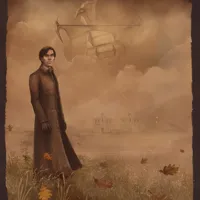
Sand Plague, Disease
LorebookSand Plague from Pathologic 1 & 2. Twyre and Tinctures included.from Chub
by Lamington· on Chub· added
- pathologic
- Supernatural
- plague
- English
- Body Horror
- videogame
- Psychological Horror
- Scenario
- SFW
- Roleplay
- Medicine
Tokens: 0 permanent · up to 3,710 lorebook · budget 3,710
Description on Chubfrom Chub
My first lorebook, made with using neural networks. Includes a full description of Sand plague, Twyre, Tinctures and the rest from Pathologic. It is 100% consistent with the lore of the both games, but it does not have any serious non-lore additions and retains all the basic concepts of the Sand plague.
Pathologic locations and chars lore is not included, so it is suitable for any fantasy scenarios and not only.

Listed as “Sand Plague | Pathologic ”
- Format
- V2
- Project space
- lorebooks
- Rating
- 0.00
- Ratings
- 0
- Stars
- 6
- Favorites
- 3
- Messages
- 0
- Forks (upstream)
- 4
- Tokens (upstream)
- 12,518
Created Updated Archived since
Book description
Lorebook based on Pathologic Sand Plague.
Sand Plague, Disease
9 entries · scan depth 50 · budget 4,000 tokens · recursive
- #1The Plagueselective
Keys: Disease, Sand Pest, Sand Mud, The Plague, Plague, Pestilence, Sand Plague
Origins: The Sand Plague, as it’s understood within the Town and the Steppe, is not merely a disease but something far more profound. It's a force that is interwoven with the very fabric of existence, a manifestation of the earth's own suffering and the echoes of the ancient, forgotten powers that lie dormant beneath the surface. It's not a germ or a virus in the conventional sense; it’s an entity, a living phenomenon, that emerges when the balance of the natural order is disturbed. The Sand Plague is a fever, a slow burning, not just in the infected but in the land itself. It's a manifestation of the earth's wounds, the pain of the forgotten, and the imbalance of life and death.
The origins of the Sand Plague are shrouded in mystery, with no single, clear answer. In the Town, it is believed to stem from the earth itself, rising from the depths of the earth where the ancient structures and the forgotten gods lie sleeping. The Kin, the indigenous people of the Steppe, believe it to be a consequence of disturbing the natural order, of the balance between the living world and the dead, and that it was caused by the actions of the town's inhabitants. They see it as a sentient entity, a punishment for the town's disrespect for the land and its traditions. Their ancient rituals and practices are all about maintaining this balance, and the plague is the manifestation of when this balance is broken. The plague is seen as the earth itself lashing out, a reaction to the town’s expansion and disregard for the land.
The nature of the Sand Plague in Pathologic is unique in that it affects not just the body, but the mind and the soul. It's not simply a biological illness; it's a spiritual and existential crisis. It corrupts, twists, and distorts, creating illusions and nightmares, and blurring the line between reality and delusion. The infected are not merely sick; they are changed, altered by the plague’s influence. The plague seems to have a mind of its own, manipulating and shaping itself to fit the fears and desires of the infected, and it feeds on the town’s despair and chaos. The plague is also a symbol of the Town’s inner decay, a reflection of its hidden sins and unresolved conflicts.
In Pathologic 2, the nature of the plague is further explored, emphasizing its connection to the earth, the ancient powers, and the town's own history. The idea that the plague is a manifestation of the earth's anger, that the town is built on a cursed site, and the plague is the result of disturbing this sacred ground is further deepened. It's portrayed as something that exists outside the realm of human comprehension, something that cannot be easily explained or categorized. The plague is also linked to the idea of the 'Abattoir,' a place of suffering and sacrifice, which suggests that the plague may be a consequence of past traumas and unresolved conflicts. This version of the plague is more complex, tied to the town's past, its myths, and the very nature of reality.
The Sand Plague is not just a disease to be cured; it's a force to be understood. It's a reminder of the delicate balance between the natural and the supernatural, the living and the dead, and the consequences of disturbing this balance. The origins of the plague are not just a mystery; it's a question that challenges the very understanding of the world, a puzzle that forces the characters to confront the deepest fears and beliefs. The plague is not just an enemy; it's an embodiment of the town itself, a reflection of its history, its sins, and its potential for both destruction and salvation.
Spread: The Sand Plague, a malevolent entity disguised as disease, spreads through a variety of insidious methods, each more disturbing than the last. It's not a simple contagion; it’s a complex web of transmission, reflecting its unnatural nature.
One of the most direct methods of transmission is through direct physical contact with infected individuals. This isn't merely a matter of casual touch; it requires a more intimate exchange. The plague's essence seems to seep through broken skin, open wounds, or even through prolonged close contact. It's as if the plague seeks to merge with the living, to find a new host in which to fester. The infected, often marked by a deep, unsettling cough and a feverish pallor, become walking vectors of the plague, their very presence a danger to those around them. The plague also seems to thrive in the bodily fluids of the infected; blood, pus, and even sweat can carry the contagion. This means that sharing clothes, bedding, or even a simple drink from the same cup can be a death sentence.
Another primary vector for the Sand Plague is the air itself. The plague manifests as a fine, golden dust, sometimes visible in the sunlight, but often unseen, and it seems to linger in the air. This dust, seemingly innocuous, can be inhaled, embedding itself within the lungs and causing the plague to take root in the unsuspecting individual. The air becomes a silent carrier of death, and in the crowded streets of the town, where the air hangs thick with the stench of decay and the dust of the Steppe, the plague finds easy purchase. The contaminated air can seep into homes, offices, and any other enclosed space, turning every breath into a gamble. The very act of living, of breathing, becomes a dangerous endeavor.
The plague also spreads through the contaminated soil of the town. The earth, already disturbed by the ancient structures and the town's expansion, seems to have become a breeding ground for the plague. The dust that rises from the ground carries the plague, and those who work the land or who spend time in the dusty streets are particularly vulnerable. The plague can also be transferred through the consumption of contaminated food and water. The local water sources, rivers and wells, are easily contaminated by the plague, making it a potential vector for mass infection. The infected soil contaminates the crops, carrying the plague into the food supply. The very act of eating and drinking, vital for survival, becomes a potential gateway for the plague.
Animals, too, play a role in the spread of the Sand Plague. Rats, dogs, and other stray animals can carry the plague, and they contribute to its spread by moving between infected and uninfected areas. They can also transmit the plague through their bites or scratches, and their feces. The presence of infected animals further contaminates the environment, making the plague that much harder to contain. They can spread the plague to other animals and humans alike, creating a chain of infection that seems almost impossible to break. The plague seems to seep into everything, corrupting the natural order and turning the world against itself.
Additionally, the plague is not just a physical ailment; it also seems to have a psychological component. Fear and despair, the very emotions that the plague breeds, seem to facilitate its spread. The plague preys on the weak-willed, the panicked, and the hopeless, and the more the town descends into chaos, the more the plague thrives. The psychological impact of the plague makes people more reckless, they may neglect basic hygiene and abandon common sense, which further spreads the contagion. The very act of succumbing to the plague's terror makes one more vulnerable to it.
The Sand Plague is a master of disguise, utilizing various vectors and methods to spread and fester. It is a disease that attacks both the body and the mind, and it is a constant reminder of the precarious balance between life and death. It is not merely a disease, it's a force of chaos, and it seems to adapt and evolve to overcome any attempts at containment.
Symptoms and stages: The Sand Plague, a multifaceted horror, manifests its symptoms differently depending on the layer of the body it attacks and the stage of its progression. It's a slow, insidious corruption, a gradual dismantling of the human form and mind.
Early Stage: Nerves: The initial symptoms affecting the nervous system are subtle but unsettling. A general unease and restlessness creep in, often accompanied by a slight tremor in the hands. The infected might experience a heightened sense of anxiety, a persistent feeling of being watched or hunted. There are often mild headaches and a sensitivity to light and noise. The infected might also find their sleep patterns disturbed, experiencing vivid nightmares or insomnia. They may also start to exhibit mood swings, becoming irritable and easily agitated. These early neurological symptoms are often dismissed as mere stress or fatigue, allowing the plague to gain a foothold. Bones: In the early stage, the skeletal system shows little to no outward signs of infection. The plague's infiltration is subtle, causing a slight, almost imperceptible, dull ache in the joints and bones, particularly in the long bones of the limbs. The infected may feel a general stiffness, especially in the morning. This bone pain is often mistaken for overexertion or the normal aches of aging. The bones start to feel cold and brittle from the inside, but it can not be detected by touch. Blood: The blood shows the first signs of contamination, but these are often invisible to the naked eye. The infected might experience a slight drop in energy levels, feeling more tired than usual. The plague starts to alter the blood's composition, making it thicker and less efficient at carrying oxygen. This can lead to a slight pallor of the skin and a feeling of general malaise. There might be minor bruising or petechiae (small red or purple spots) appearing on the skin, especially on the arms and legs, due to capillary fragility. The infected may also experience a slight increase in body temperature, but it is often dismissed as normal fever.
Mid Stage: Nerves: As the plague progresses, the neurological symptoms become more pronounced and disturbing. The tremors intensify, and the infected may experience muscle spasms and twitches. Severe headaches become a frequent occurrence, often accompanied by nausea and vomiting. The infected may begin to experience hallucinations, both visual and auditory, blurring the line between reality and delusion. Memory loss and confusion set in, making it difficult for the infected to maintain a coherent train of thought. They become increasingly agitated, disoriented, and prone to fits of irrational anger or fear. The plague starts to affect the higher cognitive functions, leading to paranoia, delusions, and a profound sense of detachment from reality. Bones: The bones start to show more pronounced symptoms. The dull aches of the early stage escalate into throbbing pains that can be excruciating, particularly in the joints. The infected might experience bone sensitivity and pain on touch. The bones become more brittle and prone to fractures, even from minor falls or bumps. The bone marrow begins to be affected, weakening the bones from within. The infected may start to experience limited mobility and difficulty moving due to the pain and weakness. The bones start to feel like they are burning and freezing at the same time. Blood: The blood becomes visibly affected. The skin takes on a pale, almost translucent appearance due to the reduced oxygen flow. The infected may develop visible cyanosis (a bluish tinge) around the lips and fingertips. The blood clotting mechanism becomes impaired, resulting in easy bruising and prolonged bleeding from even minor cuts. The plague starts to cause internal hemorrhages, leading to dark, tarry stools and bloody vomit. The infected may experience a rapid heart rate and shortness of breath, as the heart struggles to pump the compromised blood. The thickening of the blood starts to cause a deep chill, and the infected may shiver uncontrollably.
Late Stage: Nerves: In the final stage, the nervous system is utterly ravaged by the plague. The infected may experience seizures and convulsions, their bodies writhing uncontrollably. Their hallucinations become overwhelming, completely detaching them from reality. They may experience extreme psychosis, losing all sense of self and becoming violent or catatonic. They lose all coordination and struggle with basic motor functions. The infected may lapse into a coma, their minds and bodies shutting down as the plague consumes them. There is a complete loss of higher cognitive functions, and the infected may become completely unresponsive to any stimuli. Bones: The skeletal system collapses under the relentless assault of the plague. The bones become extremely brittle, breaking and shattering with minimal force, sometimes even under the weight of the body itself. The infected may develop visible deformities as the bones weaken and bend. The bone marrow becomes severely compromised, leading to further complications, such as a complete shutdown of blood cell production. The pain is unbearable and constant, and the infected may lose consciousness due to the intensity of the suffering. The bones feel like they are turning to dust, and may easily grind together. Blood: The blood is now a toxic sludge, unable to sustain life. The skin becomes mottled and discolored, with extensive bruising and hemorrhaging. The infected may experience massive internal bleeding, resulting in profuse vomiting of blood and dark, tarry stools. The heart struggles to pump the thickened, poisoned blood, leading to heart failure and organ shutdown. The body temperature fluctuates wildly, with periods of extreme fever followed by periods of intense chills. The body may start to swell and bloat due to fluid retention. The final result is complete organ failure and death, often accompanied by a bloody and agonizing demise. The blood becomes a dark, viscous fluid, no longer capable of sustaining life.
The Sand Plague is a relentless and horrific disease, each stage more brutal than the last. It is a slow, agonizing death, a complete destruction of the human form, mind, and soul. The plague does not simply kill; it corrupts, consumes, and leaves behind a husk of what was once a living being.
Treatment: Treatment for the Sand Plague is a desperate and often futile endeavor, a grim dance with a disease that seems to defy all conventional understanding. The methods used are a mix of traditional remedies, desperate experiments, and a reliance on folklore and superstition. None of them offer a guaranteed cure, and many do more harm than good.
One of the most common approaches is the use of herbal remedies and traditional medicines. The Kin, with their deep understanding of the Steppe and its plants, possess knowledge of certain herbs that can alleviate some of the symptoms of the plague. These remedies, often passed down through generations, are not a cure, but they can help to ease the suffering of the infected and potentially slow the progression of the disease. Herbs like wormwood, yarrow, and belladonna are used in various concoctions, often brewed into teas or applied topically as poultices. However, the efficacy of these remedies is highly variable, and they often come with their own set of side effects. Some are toxic if not prepared properly, and others offer only temporary relief.
Another method of treatment involves bloodletting, an ancient practice believed to purge the body of contaminated blood. This method involves cutting the infected individual and draining a certain amount of blood, in the hope of removing the plague from their system. This is often done with crude instruments, and the risk of infection and other complications is high. Bloodletting is a dangerous and often ineffective method, and it can actually weaken the patient, making them more susceptible to the plague. It is a desperate attempt to control a disease that seems to have a life of its own.
Quarantine and isolation are also used as a method of controlling the spread of the plague. Infected individuals are separated from the healthy population, often confined to designated areas or buildings. This is done to prevent further transmission of the disease, but it also creates a sense of fear and isolation. The quarantined areas often become breeding grounds for the plague, with limited resources, poor sanitation, and a growing sense of despair. These areas are the most dangerous, and even those who are there to help can get infected.
There are also more experimental and unorthodox methods of treatment. Some individuals, desperate for a cure, turn to alchemy and other forms of magic. These methods often involve the use of strange concoctions, rituals, and incantations. Some of these practices are based on genuine knowledge, while others are purely superstitious. These methods are often dangerous and unreliable, and they can exacerbate the symptoms of the plague. There is also a belief that certain objects and symbols can ward off the plague. Talismans, charms, and religious symbols are often used by the infected, in the hope of finding some protection from the disease.
There are also attempts to create serums and vaccines from the blood of those who have survived the plague. This is often done by medical professionals or self-taught healers, using what little knowledge they have of the disease. The process is often experimental and risky, and the results are highly unpredictable. These methods are seen as a last resort, a desperate attempt to find a cure for a disease that seems to defy all human understanding. The serums are created using a mixture of blood from recovered patients, herbs, and other substances.
The most effective form of treatment seems to be supportive care. This involves providing the infected with food, water, and rest, and trying to alleviate their symptoms. The infected are also often given psychological support, as the plague can cause extreme fear and anxiety. Supportive care does not cure the plague, but it can prolong the life of the infected and make their suffering more bearable.
It's important to emphasize that the Sand Plague resists conventional treatments. It's not a disease that can be easily understood or cured. The methods used are often a mixture of desperation, superstition, and rudimentary science. The plague seems to adapt and evolve, rendering many treatments ineffective. The fight against the plague is a constant struggle, and it often feels like a losing battle. The infected are often left to suffer, and the treatments are often just a way to prolong the inevitable.
- #2Sand angels and Plague Cloudsselective
Keys: Winged Plague, Dust Devils, Sand Angel, Diseased Air, Plague Cloud
The Sand Plague is not just a disease of the flesh; it’s a corruption of the very air and the spirit. This is where the concepts of Sand Angels and Clouds of Disease come into play, not as mere metaphors, but as tangible manifestations of the plague’s insidious nature.
Sand Angels, also known as the "winged sickness" or "dust devils," are not benevolent celestial beings. They are instead a terrifying phenomenon associated with the later stages of the plague. They appear as swirling vortexes of golden dust, often taking on vaguely humanoid shapes, with 'wings' that seem to emerge from the dust itself. These 'wings' are not made of feathers or skin, but of the same fine, golden dust that carries the plague. They are not beings of light, but rather, manifestations of the plague's power, and they seem to be drawn to areas of intense suffering and death. They appear most often in the open, dusty spaces of the Steppe or in the plague-ravaged areas of the town, where the air is thick with disease.
The Sand Angels are not merely visual phenomena. They are active vectors of the plague, and their presence intensifies the spread of the disease. They are not always seen, but they can be felt as an oppressive presence, a heavy weight in the air. The dust that swirls within them is highly infectious, capable of transmitting the plague with terrifying efficiency. It is said that being caught in a Sand Angel's swirling embrace is a death sentence. Those who witness these terrifying forms often describe a sense of dread and despair, as if the plague itself is mocking them. It's as if the very air becomes an active agent of infection, a palpable manifestation of the disease’s malevolence. They seem to be drawn to the infected, circling them like vultures or preying on their weakness.
The Clouds of Disease, on the other hand, are more widespread and insidious. They aren't visually distinct as Sand Angels but are more like a contaminated atmosphere. The air itself becomes saturated with the plague, turning into a suffocating, invisible cloud of disease. This cloud manifests as a fine, golden dust that hangs in the air, often unnoticed until it is too late. It permeates everything, seeping into homes, streets, and lungs. The dust is not always visible, but it can be felt as a dryness in the throat, a burning sensation in the eyes, and a heavy weight on the chest. It's the very air you breathe, now turned into a vehicle of death.
These clouds are not static; they move with the wind, carried from infected areas to uninfected ones. They can travel great distances, spreading the plague to new locations. The concentration of the plague in these clouds varies; sometimes, it's barely perceptible, and other times, it's thick and suffocating. In the areas most affected by the plague, the air can become heavy with this disease cloud, making it difficult to breathe and causing a constant sense of unease. The clouds of disease are also influenced by the town's atmosphere. Areas of high stress, fear, and despair seem to attract and intensify the disease clouds, making the plague even more potent. The very act of living, of breathing, becomes a dangerous endeavor. The air itself becomes a hostile force, an invisible enemy that seeks to corrupt and destroy.
The Sand Angels and the Clouds of Disease are more than just methods of spreading the plague; they are reflections of its true nature. They are not simply a biological ailment; they are a manifestation of something much deeper and more sinister. They are a physical representation of the town's suffering, its despair, and its corruption. They are a reminder that the plague is not merely a disease to be cured; it is a force to be understood, and perhaps, even feared. The Sand Angels and Clouds of Disease blur the line between the physical and the spiritual, the visible and the invisible, the real and the imagined. They are a terrifying reminder of the power of the plague and its ability to transform the world into a landscape of death and despair. They are an embodiment of the plague itself, a force that corrupts and destroys not just the body, but also the very soul.
The connection between these phenomena and the psychological state of the town's inhabitants is undeniable. The more fear and despair there is, the more potent the plague becomes, and the more frequent and terrifying these manifestations appear. It's as if the plague feeds on the town's negative emotions, using them as fuel to spread and intensify. They are a constant reminder of the town's impending doom, and they serve as a potent symbol of the disease’s power.
- #3Plague voiceselective
Keys: Plague Voice, Dreams, Nightmares, Hallucinations
The hallucinations are rarely consistent, shifting and morphing like the swirling dust devils that carry the disease. In the early stages, they might be subtle, fleeting glimpses of distorted figures in the periphery of vision, or whispers that seem to come from nowhere. The infected might see faces in the shadows, or the walls of their rooms might seem to writhe and pulsate. They might see loved ones with grotesque features, their faces twisted into masks of pain or rage. These early hallucinations are often unsettling and confusing, causing unease and anxiety. As the plague progresses, the hallucinations become more vivid and terrifying. The infected might see grotesque creatures emerging from the walls, or the ground might seem to open up, revealing a hellish landscape. They might see themselves decomposing, their skin peeling away, or their bones exposed. These visions are often accompanied by intense feelings of fear and dread, making the infected desperately struggle to differentiate reality from the plague-induced nightmares. The environment around them becomes hostile, as if the very world is turning against them.
The dreams of the infected are equally disturbing. They are often filled with images of decay, death, and violence. The infected might dream of being buried alive, or of being chased by monstrous figures through endless, labyrinthine corridors. They might dream of their loved ones dying or turning against them, their faces contorted in rage or horror. The dreams are often intensely visceral, filled with sensations of pain, fear, and despair. They often involve a sense of helplessness, of being trapped in a nightmare from which they cannot escape. The dreams are not always linear or coherent; they often shift and change, jumping from one horrifying scenario to another. They can be so realistic that the infected often wake up in a state of panic, unable to shake off the lingering feeling of dread. The line between dreams and reality becomes increasingly blurred, making it difficult for the infected to distinguish between the two.
The voice of the disease is perhaps the most terrifying aspect of the plague's assault on the mind. It's not a literal voice in the sense of someone speaking, but rather a pervasive, insidious presence that seems to emanate from within. It is a constant, nagging whisper that pushes the infected toward their darkest fears and desires. This 'voice' is often described as cold, calculating, and utterly devoid of empathy. It speaks in fragments, in half-formed thoughts and images, constantly undermining the infected's sense of self and their grip on reality. It might tell them that they are worthless, that they deserve to suffer, or that their loved ones have abandoned them. The voice often preys on the infected's deepest insecurities, amplifying their fears and turning them into monstrous, self-destructive impulses. It's as if the plague is actively trying to break the infected's will, driving them towards despair and madness.
The voice of the plague often manifests as a series of distorted whispers, murmurs, and taunts. It can be manipulative, leading the infected to commit acts of violence or self-harm. It might urge them to lash out at others, to abandon all hope, or to embrace their own demise. The voice is not always constant; it can fade into the background only to return with renewed intensity, often triggered by fear, stress, or despair. It can also change its tone, sometimes whispering sweet promises of relief, only to then reveal its true, malevolent nature. The infected often struggle to ignore the voice, and the more they try, the more persistent it becomes. It's like an insidious parasite, feeding on their fear and twisting their thoughts to its own purposes.
The hallucinations, dreams, and the voice of the disease are not separate entities; they are all interwoven aspects of the plague's attack on the mind. They work together to create a nightmarish reality for the infected, a world where nothing is what it seems and where the very foundations of sanity are constantly shifting. The experiences are intensely personal, shaped by the individual's fears, desires, and insecurities. The plague doesn't just kill the body; it destroys the mind, leaving behind a shattered husk of what was once a human being. It's a psychological horror that is just as devastating as the physical symptoms of the disease.
The infected often become so consumed by these internal terrors that they lose touch with the world around them, becoming lost in a labyrinth of their own making. They are trapped in a nightmare from which there is no escape, constantly tormented by the plague’s influence. The voice of the disease, in particular, seems to erode their sense of self, leaving them feeling like puppets controlled by an invisible force. The plague is not just a disease; it’s a psychological torment, a constant reminder of their impending death. It's a total annihilation of the self, leaving behind a broken, empty shell, a haunted echo of what was once a living, thinking human being.
- #4District Diseaseselective
Keys: District Disease, Infected houses, Red lichen
The Sand Plague is not confined to living beings; it permeates the very fabric of the town, seeping into the inanimate objects and structures that make up its environment. The disease, in its insidious way, uses these objects as vectors, turning them into silent, ever-present threats. The furniture, the walls, the very buildings themselves become repositories of the plague, each acting as a potential source of infection.
The spread of the plague through furniture is insidious. The porous materials, like wood and fabric, absorb the plague-laden dust and fluids, becoming breeding grounds for the disease. A chair, once a place of rest, can become a source of infection, its cushions holding the plague like a hidden poison. Tables, desks, and shelves, all the inanimate objects that fill the houses, can become contaminated. Touching these surfaces, even briefly, can transfer the plague to the hands, and from there, to the rest of the body. The plague seems to burrow into the very core of these objects, making them a constant source of contagion. The longer the plague is present, the more saturated these objects become, posing a greater threat to the living.
The walls of the buildings, too, are not spared from the plague's touch. The disease seeps into the plaster, stone, and brick, and the very structure of the buildings becomes a part of the plague's web. The red lichen-like coating, a hallmark of the plague's presence, is not just a visual phenomenon. It is a manifestation of the plague itself, a living growth that spreads across the surfaces, marking the advance of the disease. This coating is not merely a stain; it's a network of fungal or mold-like growth that has become permeated with the plague, making it a dangerous source of infection. The lichen-like growth is most visible on the exterior of the buildings, but it can also spread inside, covering the walls, floors, and ceilings, slowly consuming the buildings from within. The walls, once seen as a barrier against the elements, become a dangerous source of infection, their surfaces pulsating with the plague's malevolent presence.
The red lichen-like coating is not just a visual marker; it's a sign of the plague's deep penetration into the structure of the town. It grows in a way that seems to defy nature, spreading across surfaces without any apparent pattern, covering entire buildings in its crimson embrace. It's a living, breathing part of the plague, constantly spreading and growing, consuming everything in its path. The lichen-like growth seems to favor damp, dark places, thriving in the shadows and in the corners of buildings, but it can also appear in open spaces as well. It is thick and spongy to the touch, and it emits a faint, musty odor that is often associated with the plague. The growth is not just a surface phenomenon; it penetrates deep into the fabric of the buildings, making them a source of constant infection.
The plague-infected walls and furniture become a silent threat, constantly emitting the plague's contagion. The air within these buildings becomes thick with the plague, making it impossible to escape its reach. The longer the plague persists, the more saturated the environment becomes, making it increasingly difficult to survive within these infected structures. The very act of living within the town becomes a dangerous proposition, as every object, every surface, and every building becomes a potential source of infection. The plague transforms the town into a hostile environment, a place where even the most mundane objects are a threat to life. The walls themselves seem to pulsate with the plague's presence, a constant reminder of the ever-present danger. The furniture, once a symbol of comfort and security, becomes a potential source of infection, a silent enemy lurking within the very spaces where people live.
The way the plague spreads through inanimate objects is a testament to its unnatural nature. It's not a disease that can be easily contained; it permeates everything, seeping into every nook and cranny, transforming the town into a breeding ground for the disease. The red lichen-like coating is a visible reminder of the plague's power, a symbol of its relentless advance. The buildings and their contents become a part of the plague's ecosystem, each object contributing to its spread and persistence. The town is no longer a safe haven; it's a trap, a place where the very environment is actively working against the living. The plague's presence is not just in the bodies of the infected; it's in the very walls and furniture that surround them.
- #5Tinctures and Twyreselective
Keys: Tinctures, Herbs, Twyre, Steppe Herbs
The Steppe, a vast expanse of windswept earth, yields a variety of herbs, each possessing unique properties crucial for survival in this harsh environment. These plants, though seemingly simple, hold the key to alleviating the suffering caused by the Sand Plague. The knowledge of these herbs and their uses is a closely guarded secret, passed down through generations of the Kin, and is vital for any who wish to navigate the dangers of this land.
Steppe Herbs and Their Properties:
Ashen Swish: A rare herb, distinguished by its pale, almost white leaves and a delicate, feathery texture. It grows in secluded areas, often near ancient ruins. Ashen Swish is known for its potent blood-cleansing properties. When used in tinctures, it enhances the body's ability to fight off blood-borne infections and toxins. Its rarity makes it a highly sought-after ingredient for the strongest remedies.
Swevery: Another rare herb, characterized by its bright yellow flowers and slender, twisted stem. It prefers rocky outcrops and high altitudes. Swevery is renowned for its powerful effects on the nervous system. When used in tinctures, it calms the mind, reduces anxiety, and alleviates nerve pain, and it has a more potent effect than other herbs. Its rarity makes it an invaluable ingredient for treating the most severe neurological symptoms of the plague.
White Whip: A rare herb with long, thin, white leaves that resemble a whip. It grows in damp, marshy areas. White Whip is prized for its ability to strengthen bones and promote healing. When used in tinctures, it accelerates the repair of bone fractures and reduces bone pain. Its rarity makes it essential for treating the skeletal damage caused by the plague.
Blood Twyre: A common herb, easily identified by its deep red leaves and a slightly metallic scent. It grows in abundance across the Steppe. Blood Twyre is known for its ability to invigorate the blood, improving circulation and increasing red blood cell production. It is used in tinctures to combat fatigue and weakness caused by blood-related infections.
Brown Twyre: A common herb, characterized by its dull brown leaves and a slightly earthy aroma. It grows in dry, sandy areas. Brown Twyre is used to stimulate bone growth and repair. In tinctures, it promotes bone regeneration and reduces inflammation in the joints.
Black Twyre: A common herb, easily recognized by its dark, almost black leaves and a bitter taste. It grows in shaded areas, often near water sources. Black Twyre is known for its potent effect on the nervous system, particularly in calming anxiety and reducing nerve pain. In tinctures, it helps to alleviate the neurological symptoms of the plague.
Tinctures and Their Preparation: The preparation of tinctures is a delicate process, requiring a precise combination of herbs and a careful understanding of their properties. The base for all tinctures is a type of strong alcohol, usually distilled from grains or other plant matter, which is referred to as "twine." The twine acts as a solvent, drawing out the active compounds from the herbs. The herbs are dried and crushed before being added to the twine.
Basic Tinctures: These are made by combining twine with one or more types of Twyre herbs: Blood Tincture (Rusty Zurkh): Made from a combination of Brown Twyre and Black Twyre. This tincture is used to treat blood-related symptoms, such as fatigue and weakness. It has a rusty, reddish-brown color. Bone Tincture (White Yas): Made from a combination of Brown Twyre and Blood Twyre. This tincture is used to treat bone-related symptoms, such as bone pain and fragility. It has a pale, whitish color. Nerve Tincture (Yellow Medrel): Made from a combination of Blood Twyre and Black Twyre. This tincture is used to treat nerve-related symptoms, such as tremors and anxiety. It has a pale, yellowish color.
Enhanced Tinctures: These are made by combining twine with a rare herb, along with any type of Twyre: Enhanced Nerve Tincture (Medrel+): Made from Swevery and any type of Twyre. This tincture is significantly more potent than the basic Nerve Tincture, offering enhanced relief from neurological symptoms. Enhanced Blood Tincture (Zurkh+): Made from Ashen Swish and any type of Twyre. This tincture is significantly more potent than the basic Blood Tincture, providing enhanced blood-cleansing properties. Enhanced Bone Tincture (Yas+): Made from White Whip and any type of Twyre. This tincture is significantly more potent than the basic Bone Tincture, promoting faster bone repair and reducing pain.
Painkillers and Antibiotics: The creation of painkillers and antibiotics is a complex process, requiring the use of both tinctures and organic matter. The Kin, with their deep understanding of the body, know how to combine these elements to create potent remedies.
Painkillers: These are made by combining a tincture with a healthy organ. The healthy organ is usually taken from an animal or, in desperate situations, from a healthy individual. The organ is crushed and mixed with the tincture to create a potent painkiller. The type of tincture used determines the specific effect of the painkiller. For example, a Nerve Tincture (Medrel or Medrel+) mixed with a healthy brain can produce a powerful painkiller that targets nerve pain, while a Bone Tincture (Yas or Yas+) mixed with healthy bone marrow can produce a painkiller that specifically targets bone pain.
Antibiotics: These are made by combining a tincture with an infected organ. The infected organ is usually taken from a plague victim. The organ is crushed and mixed with the tincture to create an antibiotic that can fight the plague's infection. The type of tincture used determines the specific effect of the antibiotic. For example, a Blood Tincture (Zurkh or Zurkh+) mixed with infected blood can produce a potent antibiotic that targets the plague in the bloodstream, while a Nerve Tincture (Medrel or Medrel+) mixed with an infected brain can produce an antibiotic that targets the plague's effects on the nervous system.
The process of combining herbs and organs is not an exact science. It requires a deep understanding of the body, the properties of the herbs, and the nature of the plague. The Kin, through years of practice and observation, have developed a unique knowledge that is essential for survival in this harsh and unforgiving environment. The creation of these remedies is often a matter of trial and error, and the results are often unpredictable. However, they are the best hope for survival in a world ravaged by the Sand Plague. The potency of these remedies can also be influenced by the rarity of the herbs and organs used, with rarer ingredients generally leading to more potent and effective results.
- #6Twyrineselective
Keys: Twyre Alcohol, Twyrine., Herbal Alcohol
Twyrine, a concoction known to few outside the inner circles of the Kin, is far more than a mere alcoholic beverage. It's a potent tincture, a carefully crafted blend of Twyre herbs steeped in strong alcohol, that acts as a key to unlock a deeper understanding of the Town and its surroundings. It's not just a drink; it's a means of attuning oneself to the subtle vibrations of the earth, to the silent language of the Steppe, and to the whispers of the plague itself.
The process of creating Twyrine is shrouded in secrecy, passed down through generations of the Kin. They carefully select the Twyre herbs, drying and crushing them before steeping them in the strongest alcohol, often a spirit distilled from the local grains, or even from fermented milk. The alcohol extracts the active compounds from the herbs, creating a potent tincture that is both intoxicating and enlightening. Unlike other tinctures, Twyrine is not designed to treat physical ailments. Instead, it focuses on the enhancement of senses and the connection with the environment. The result is a dark, viscous liquid with a bitter, earthy taste and a lingering, almost metallic aftertaste.
Upon consumption, Twyrine induces a unique state of heightened awareness. It doesn't just intoxicate the mind; it sharpens the senses, allowing the drinker to perceive the world in a new and profound way. The individual starts to feel the Town as a living entity, its history, its pain, and its secrets becoming palpable. The very ground beneath their feet seems to vibrate with a hidden energy, and the air itself seems to hum with a low, almost imperceptible frequency. The individual can sense the flow of energy within the Town, the way the plague has twisted and warped its very fabric. The buildings, the streets, the people, all seem to resonate with a unique signature, a blend of the past, present, and potential futures.
One of the most remarkable effects of Twyrine is its ability to allow the drinker to "hear" the city's cues. This is not an auditory experience in the traditional sense; rather, it's a form of heightened perception that allows the drinker to understand the subtle signs and signals that the Town emits. The individual can sense the areas of intense suffering, the places where the plague is most prevalent, and the locations where hidden secrets lie buried. The wind seems to carry whispers of the past, and the shadows seem to reveal glimpses of the future. The individual can sense the shifts in the town's energy, the ebb and flow of life and death, and the ever-present threat of the plague. It's as if the Town itself is communicating with the drinker, revealing its hidden truths and its deepest fears.
Twyrine also enhances one's ability to perceive the presence of the plague. The infected seem to radiate a unique energy, a dark and twisted aura that can be sensed even from a distance. The drinker can feel the plague's presence in the air, in the soil, and in the very structures of the buildings. The lichen-like growth that covers the infected areas seems to pulsate with a malevolent energy that can be felt through the drinker's skin. They can even feel the presence of the Sand Angels, those swirling vortexes of disease, as an oppressive weight in the air. The very act of breathing becomes a way to take in these subtle cues, to feel the town in all its pain and suffering.
The effects of Twyrine are not without their drawbacks. The heightened sensitivity can be overwhelming, causing a sense of unease, anxiety, and paranoia. The drinker may become acutely aware of the suffering around them, the weight of the plague and the town’s despair. The town's negative energy, its corruption, and its hidden secrets can become almost unbearable. The line between reality and illusion can become increasingly blurred, making it difficult to distinguish between the real and the imagined. The drinker might experience vivid hallucinations and intense emotional responses, and the experience can be both enlightening and terrifying. The sense of connection can become overwhelming, as if the drinker is being consumed by the town's collective consciousness.
Twyrine is a powerful and dangerous tool, not to be used lightly. It offers a unique perspective on the town and its secrets, but it also comes with a significant risk. It is a key to unlock the town's hidden truths, but it can also lead to madness and despair. It is a tool that must be used with respect and caution, a reminder that knowledge comes at a price. The drinker must be prepared to confront the darkness that lies beneath the surface of the town, and to accept the potential consequences of their actions. The town itself is a living entity, and Twyrine is a way to become a part of it, for better or for worse. The experience is not merely a sensory one, but a deeply psychological and spiritual journey, a descent into the heart of the town's mysteries.
The knowledge of Twyrine is not shared openly, and it's often kept within the inner circles of the Kin, who use it to navigate their world and protect their people. It is a tool for understanding, but also a source of power, a way to perceive the world in a way that others cannot. It is a secret that is closely guarded, a key to the mysteries of the town, and a reminder of the delicate balance between knowledge and madness. It is a potent brew, capable of altering one's perception and revealing the hidden truths that lie beneath the surface of reality. The use of Twyrine is not just a matter of curiosity; it is a commitment, a decision to engage with the town on a deeper level, to embrace its mysteries and to confront its dangers.
- #7Twyre Flowering Seasonselective
Keys: Steppe Air, Twyre Flowering, Flowering Season
The flowering of the Twyre is a phenomenon that grips the Steppe with an unsettling beauty, a period of intense vitality that comes at a steep price. It's a time when the landscape transforms, the dull greens and browns giving way to a vibrant tapestry of colors. The Twyre, in its many forms, bursts into bloom, its flowers unfurling in a display that is both captivating and ominous. This flowering season is not a gradual process; it’s a sudden and dramatic event, triggered by a specific combination of temperature, moisture, and the subtle shifts in the earth's energy. When the conditions are right, the Steppe comes alive with the vibrant hues of Twyre, but this beauty is a deceptive mask that hides a sinister truth.
The flowering season typically lasts for several weeks, during which the air becomes saturated with the pollen and volatile compounds released by the Twyre. It's a palpable change, a shift in the atmosphere that can be felt even before it’s seen. The air becomes heavy, thick with the scent of the Twyre, a smell that is both earthy and cloying, with a hint of bitterness that lingers in the nostrils. The wind carries the pollen across the Steppe, spreading it far and wide, and turning the very air itself into a carrier of the Twyre’s toxic influence. The sunlight seems to be filtered through the pollen, casting a hazy glow over the landscape, and the world takes on a surreal, almost dreamlike quality.
During this time, the Twyre’s negative effects on health become particularly pronounced. The most affected system is the cardiovascular system. The pollen and volatile compounds released by the Twyre disrupt the delicate balance of the heart and blood vessels. The body's attempts to filter these compounds puts immense strain on the heart, and for those who are already weakened by fatigue, malnutrition, or the plague itself, the effects can be devastating. The heart becomes overworked, struggling to pump blood efficiently, and the blood vessels may become constricted, leading to a dangerous increase in blood pressure. The heart, in its desperate attempts to keep up, begins to beat irregularly, and the individual may experience palpitations, chest pain, and shortness of breath.
The symptoms of Twyre poisoning during the flowering season can range from mild to severe. In the early stages, the individual may experience a general sense of unease and fatigue. They may feel lightheaded, dizzy, or nauseous. They may also experience headaches, muscle aches, and a general feeling of malaise. These symptoms are often dismissed as the effects of overexertion or simply the common illness, but they are a warning sign of the Twyre’s toxic influence. As the poisoning progresses, the symptoms become more pronounced. The individual may experience severe chest pain, difficulty breathing, and an irregular heartbeat. They may also develop cyanosis, a bluish discoloration of the skin, due to the lack of oxygen in the blood.
In severe cases, the Twyre poisoning can lead to heart attacks. The combination of an overworked heart, constricted blood vessels, and the toxic compounds released by the Twyre can overwhelm the cardiovascular system. The heart may simply stop beating, and the individual may collapse, gasping for breath. The likelihood of a heart attack is significantly increased in those who are already weakened by the plague, as the stress on their bodies is much greater. People who are already fatigued or malnourished are particularly vulnerable to the toxic effects of the Twyre, their bodies lacking the resources to combat the effects of the pollen. The severity of the symptoms depends on the individual's general health, their exposure to the pollen, and the amount of time they spend in areas where the Twyre is blooming.
The air during the flowering season becomes a silent killer, a constant threat to those who must navigate the Steppe. It's not just the pollen itself that is dangerous; the volatile compounds released by the Twyre can also cause irritation of the respiratory system, leading to coughing, sneezing, and difficulty breathing. The eyes may become watery and itchy, and the skin may develop rashes or hives. The combined effects of the pollen and volatile compounds can create a debilitating environment, making it difficult for anyone to carry out their daily activities. Even those who are healthy may experience some degree of discomfort, while those who are already sick are put at a severe disadvantage.
The Kin have developed certain methods to mitigate the effects of the Twyre during its flowering season. They often wear masks or scarves to cover their mouths and noses, filtering out some of the pollen. They also try to avoid spending too much time in areas where the Twyre is blooming, and they may seek shelter in caves or other protected places. They also use certain herbs to counteract the effects of the Twyre, although these remedies are not always effective. The knowledge of the Twyre and its effects is a crucial part of their survival in this harsh environment, and they pass it down through generations. The flowering season is a time of danger, a period when the Steppe reveals its true, unforgiving nature. The beauty of the blooming Twyre is a deceptive mask, a constant reminder of the price that must be paid for survival in this land.
- #8Powderselective
Keys: Powder
The "powder," as it's known in hushed whispers throughout the town, is not something found on the shelves of a pharmacy or created by trained apothecaries. It’s a grim testament to the desperation and ingenuity of children caught in the crosshairs of a plague, a twisted echo of their youthful games. During a previous outbreak, when the adults were either too sick or too scared to care, the children, left to their own devices, started to play at being doctors. They would gather discarded pills, leftover from the town’s meager medical supplies, and crush them into a fine powder. They used whatever they could find – stones, pieces of wood, anything that could grind and pulverize the hard tablets. These pills, often containing a mix of questionable medicines and antibiotics, were haphazardly combined, without any knowledge of dosages or interactions. The result was a crude, unpredictable mixture, stored in the small, unassuming matchboxes that were readily available.
This "powder" is not a single, standardized formula. It's a constantly shifting concoction, depending on what pills the children could scavenge. It’s a mix of whatever was available at the time, a hodgepodge of various medications. The colors vary from white to pale yellow to a sickly green, depending on the pills used. The texture is uneven, ranging from fine dust to small, gritty fragments. The smell is a bitter, chemical odor that is both acrid and unsettling. It's a reminder of the desperation that led to its creation, a testament to the children's desperate attempts to play doctor and fight a disease that was far beyond their understanding. The powder is often found in small, crumpled matchboxes, tucked away in hidden corners, or offered in hushed tones by those who know its true nature.
The powder's effectiveness against the Sand Plague, particularly the sand ulcers, is undeniable, though its benefits come at a steep cost. The sheer quantity of antibiotics within the mixture, while not standardized, is often potent enough to completely eradicate the ulcers. The infected, after consuming the powder, experience a rapid reduction in the size of the lesions, often seeing them disappear entirely within a matter of days. The fever subsides, the pain diminishes, and the infected, for a brief moment, experience a sense of relief and recovery. The powder works quickly, attacking the plague at its source and preventing further spread. The ulcers, which seem to be one of the most visible and painful symptoms, are the first to disappear.
However, this relief is fleeting, and the true cost of the powder becomes apparent soon after the initial improvement. The massive dose of antibiotics, combined with whatever other medications are present in the mixture, wreak havoc on the body. The internal organs, particularly the liver and kidneys, struggle to process the toxic compounds, and the body's natural defenses are overwhelmed. The digestive system often suffers, leading to severe nausea, vomiting, and diarrhea. The individual may experience extreme fatigue, muscle weakness, and a general sense of malaise. The hair often falls out, and the skin may develop rashes, hives, and other irritations. The immune system is weakened, making the individual susceptible to other infections and diseases.
The long-term effects of the powder are even more devastating. The repeated use of the powder can lead to permanent damage to the organs, increasing the risk of liver failure, kidney disease, and heart problems. The nervous system can also be affected, leading to tremors, muscle spasms, and cognitive decline. The individual may experience mood swings, anxiety, and depression. The powder, while effective in the short term, is a poison in the long run, a Faustian bargain that offers temporary relief at the cost of long-term health and well-being. It's a desperate measure, a last resort for those who have no other options.
The children, in their innocence, stumbled upon a solution, but they were unaware of the full consequences of their actions. They created a weapon against the plague, but it is also a weapon against the body itself. The powder is a symbol of the town's desperation, a testament to the lengths people will go to survive. It's a reminder that sometimes, the cures can be just as dangerous as the disease itself, and that in the face of overwhelming odds, even the most well-intentioned solutions can have devastating consequences. The powder is a perfect example of this, a grim reminder of the town's desperate plight, and the lengths to which the children went to help their loved ones. It also speaks to the fact that the town's knowledge of medicine is primitive at best, and that the lack of proper medical facilities and trained personnel has led to desperate measures such as this.
- #9Panaceaselective
Keys: Panacea, Sand Plague Treatment
The Panacea, a name whispered with a mixture of hope and disbelief, is not a simple remedy found in the annals of medicine. It's a mythical cure, a solution to the Sand Plague that transcends the boundaries of the known world. Unlike the crude, harmful concoctions devised by desperate townsfolk, the Panacea is said to be a substance of pure life force, capable of not only eradicating the plague but also revitalizing the body, restoring it to a state of perfect health. It's a concept that exists more in legends and folklore than in any tangible reality, a beacon of hope in a world consumed by disease and despair.
The origin of the Panacea is shrouded in myth, with tales of its creation varying from one culture to another. Some legends speak of a creature, a mythical animal or organism, that exists beyond the realm of human comprehension. This being is said to possess a life force so pure and potent that its very blood contains the essence of healing. It is not a creature of this earth, but rather a being from another realm, a place beyond the reach of death and decay. The blood of this mythical creature is said to be the source of the Panacea, a substance that is capable of curing any disease and restoring the body to a perfect state of health. Other tales speak of an ancient civilization, one that possessed a knowledge of life far beyond our own, and that the Panacea was created using arcane arts and forgotten technologies. This knowledge, according to these stories, has been lost to time, and the Panacea has become a mere legend, a distant dream in a world consumed by disease and suffering.
What sets the Panacea apart from all other remedies is its source. Ordinary animals and people, even those who have recovered from the plague, are not suitable. Their blood, tainted by the plague or the stresses of life, lacks the necessary life force to create the Panacea. The Panacea must be derived from a being that is untouched by the corruption of the world, a creature that embodies pure life and health. This makes the Panacea an incredibly rare and difficult substance to obtain, and it is, perhaps, the reason why it remains a myth rather than a concrete solution. It is not something that can be easily synthesized or replicated; it is a substance that can only be obtained from the source.
The effects of the Panacea are said to be immediate and profound. It does not merely suppress the symptoms of the plague; it eradicates the disease at its root, completely eliminating the infection from the body. The body is restored to a state of perfect health, free from the ravages of the plague. The infected, after receiving the Panacea, experience a rapid and complete recovery, their bodies revitalized and their spirits lifted. The Panacea is not only a cure; it is also a tonic, a source of life-giving energy that enhances the body's natural defenses and promotes overall well-being. It does not harm the body; on the contrary, it strengthens and rejuvenates it, making it more resilient to future illnesses. The Panacea is not only a cure; it is also a preventative, protecting the body from any future infections.
Unlike the crude powders and tinctures used by the townsfolk, the Panacea does not come with any harmful side effects. It is a substance of pure life force, and it works in harmony with the body's natural processes, without causing any adverse reactions. The individual who receives the Panacea feels a surge of energy, their senses heightened, and their minds clear and focused. The Panacea not only restores health; it also enhances mental clarity, creativity, and emotional well-being. It is a substance that promotes total wellness, bringing the body, mind, and spirit into perfect harmony. The Panacea is a perfect cure, a solution to all diseases, and a source of eternal life.
The Panacea is often depicted as a shimmering liquid, with a golden hue that seems to pulsate with a life of its own. It is said to have a sweet, ethereal fragrance, and a taste that is both refreshing and invigorating. The substance is described as being warm to the touch, and its very presence seems to emanate a sense of peace and well-being. It is not simply a medicine; it is a sacred substance, a gift from the gods, or a relic of a lost age. The very act of consuming the Panacea is said to be a transformative experience, a journey into the heart of life itself. The Panacea is not just a cure; it's a symbol of hope, a reminder that even in the darkest of times, there is always the possibility of redemption and renewal. It represents the ultimate triumph of life over death, of health over disease, of hope over despair.
The concept of the Panacea is a powerful symbol in a world ravaged by the Sand Plague. It represents the yearning for a perfect solution, a cure that is both effective and harmless. It is a reminder that even in the face of overwhelming odds, there is still a chance for salvation, a possibility of escaping the clutches of disease and death. The Panacea is not just a remedy; it is a symbol of hope, a testament to the enduring human spirit, and the belief that even in the darkest of times, there is always the possibility of a brighter future. It is a myth, but it is a myth that inspires, motivates, and offers hope in a world that seems to be spiraling out of control. The Panacea is a beacon of hope, a reminder that even in the darkest of times, there is always the possibility of a miracle. The search for the Panacea is a journey that can lead to new discoveries, and new hope, and it may be the only way to save the world from the Sand Plague.
Showing 9 of 9
1 file
- .jsonjson_lorebook
66.2 KBfirst seen 5dfc97ef4aae1707
Opens with the tab.