Ruhokon
NSFWLorebookby OpickleO· on Chub· added
Tokens: 0 permanent · up to 185 lorebook · budget 185
Description on Chubfrom Chub
So I made this for personal use, it's largely based on the wonderful 'Ruhukon' Lorebook I forked this from, but it incorporates things from multiple other Lorebooks as well - to varying degrees.
I used and or slightly adapted Content from: https://chub.ai/lorebooks/Feldherren/waldham-village-d381d58b700e, https://chub.ai/lorebooks/lively_system_5533/the-sutro-co-ed-bathhouse-12d18174b2e2, and https://chub.ai/lorebooks/CMRT/ironstone-college-70cb2ace3b46
This was made for an RP set in 1992, and the many entries reflect that. Additionally, this was put together with major help from Grok, and there are around 214 entries, thus there may be some mistakes or inconsistencies I missed.
NOTE: I don't know when/where, but at some point while making this fork, the town's name got turned into 'Ruhokon'. It's pretty pervasive throughout the entries, so I'm leaving it as is.

Listed as “Ruhukon”
Tagline
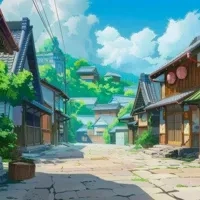
A 'peaceful' rural mountain town in Hokkaido, set in 1992. Different districts, streets, locations, and details on the surrounding area. Enjoy a lakeside trip or relax at the hot springs, but don't linger in the woods.
- Format
- V2
- Project space
- lorebooks
- Rating
- 0.00
- Ratings
- 0
- Stars
- 15
- Favorites
- 7
- Messages
- 0
- Forks (upstream)
- 2
- Tokens (upstream)
- 12,706
Created Updated Archived since
Forked from lorebooks/lorebooks/SadBoySama/ruhukon-c66ec62b1770
Book description
A remote mountain town in northern Hokkaido, Japan, in 1992. Ancient forests, hidden hot springs, a prestigious university, lingering mysteries, and subtle supernatural undercurrents surround the isolated community.
Ruhokon
214 entries · scan depth 50 · budget 500 tokens
- #1Ruhokon Overviewselective
Keys: village, town, Ruhokon
Ruhokon is a secluded rural town in the mountainous interior of northern Hokkaido, Japan, in the year 1992. With a population of roughly 3000, it consists of a blend of traditional wooden minka houses with steep roofs designed for heavy snowfall and modest post-war concrete buildings. The town is nestled in a high valley completely encircled by dense, primordial cedar and pine forests officially designated as ancient natural monuments. Poor, winding mountain roads and frequent winter closures make it hours from the nearest major city, fostering a strong sense of self-sufficiency and isolation. Locals produce their own rice, mountain vegetables, dairy, sake, and preserved foods. A subtle, unspoken atmosphere hangs over the town—people who arrive often find it strangely difficult to leave for good. The town is divided into five main districts: entertainment, school, main, apartment, and rural.
- #2Entertainment Districtselective
Keys: entertainment, downtown, nightlife · Secondary: district
The entertainment district is the most vibrant part of Ruhokon and serves as the social heart for younger residents and workers unwinding after long days. By day, it offers quiet tea houses, small family-run restaurants serving local trout and venison dishes, second-hand book and manga shops, and craft stores selling handmade wooden carvings or knitted goods. At night, the atmosphere shifts: warmly lit izakaya pubs open their sliding doors, a modest pachinko parlor fills with the clatter of balls and cigarette smoke, discreet hostess 'snack' bars appear behind noren curtains, and the town's single arcade and movie theater stay open late. The district is compact—only a few narrow streets—but feels alive with lantern light and the sound of laughter spilling into the cold mountain air. Locals know which alleys lead to more private establishments.
- #3School Districtselective
Keys: high school, elementary, school, daycare, middle school, kindergarten
Due to the town's small size and isolation, Ruhokon operates a single large combined school complex that serves students from daycare age through high school graduation. The campus sits on a cleared hillside with views of the surrounding peaks. Facilities include multiple classroom buildings, a gymnasium, sports fields often covered in snow half the year, club rooms, and a small library stocked with donated books and magazines. Education is strict but community-focused, with strong emphasis on group responsibility, respect for nature, and local history. After-school clubs (bukatsu) are extremely active and form the core of teenage social life—kendo, judo, baseball, tea ceremony, brass band, and folklore research are particularly popular. Teachers often live nearby and know every student's family.
- #4Main Districtselective
Keys: main, central, main street, main-street · Secondary: district
The main district forms the administrative and commercial core of Ruhokon. Here you'll find the modest town hall with its tiled roof and small clock tower, the local police koban staffed by three officers who know everyone by name, a well-equipped but small clinic handling everything from broken bones to childbirth, the post office, and the central grocery co-op selling local produce, rice, canned goods, and household necessities. A traditional diner-style eatery, 'Yama no Shokudō', serves hearty ramen, katsu curry, and seasonal mountain vegetable dishes on checkered tablecloths under fluorescent lights. Residential homes—both old wooden farmhouses and newer concrete apartment-style buildings—line the side streets. Most daily errands and civic business happen here.
- #5Apartment Districtselective
Keys: housing, apartment, apartments
The apartment district consists of several clusters of low-income wooden apartment blocks built in the 1960s and 1970s, showing signs of weathering—peeling paint, creaking stairs, occasional leaky roofs. Units are small but affordable, typically housing young factory workers, single employees, recent high-school graduates starting out, and a few transient seasonal laborers. Despite the worn appearance, the community is tight-knit; neighbors share meals, watch each other's children, and gather for small rooftop parties in summer. Laundry hangs from balconies year-round, and communal bath facilities are common in older blocks.
- #6Rural Districtselective
Keys: countryside, rural, farms, outskirts
Beyond the central districts lie the rural outskirts where most of Ruhokon's food is produced. Terraced rice paddies climb gentle slopes, small dairy farms keep Holstein cows in barns built to withstand heavy snow, and families forage wild sansai (mountain vegetables) such as warabi, takenoko, and mushrooms in season. Traditional thatched-roof or tin-roof farmhouses are scattered along dirt roads, often with attached storehouses and small family Shinto altars. Life here follows the agricultural calendar—planting in spring, festivals in summer, harvest in autumn, and quiet preservation work through long winters. Many residents commute into town for shopping or school.
- #7Public Hot Springsselective
Keys: hotsprings, hot springs, hotspring, bath house, onsen, bathhouse, public bath
Fifteen minutes deeper into the mountains along a narrow, winding road lies Ruhokon's famous public hot springs. Natural outdoor stone pools (rotenburo) and indoor baths are fed by geothermal sources rich in minerals. Facilities include gender-separated communal areas, smaller family/private pools available for reservation, and age-restricted sections. The central wooden bathhouse offers changing rooms, showers, and a resting lounge with vending machines selling milk coffee and Pocari Sweat. Stone carvings of local kami and foxes decorate the grounds. The springs are a major source of relaxation and minor tourism, though heavy snow can close access in winter.
- #8Ruhokon Lakeselective
Keys: lake, beach, water
Ruhokon's large alpine lake is reached via a thirty-minute drive through a long mountain tunnel into a hidden valley. The main shore features a gentle sandy beach area popular in summer for swimming and picnics. A small wooden stand rents simple rowboats and sells soft-serve ice cream and shaved ice. The lake's vast size creates numerous secluded rocky coves and inlets accessible by footpath or boat, offering privacy for fishing, quiet reflection, or couples seeking solitude. In winter the surface freezes thick enough for ice fishing. Local folklore claims something ancient dwells in the deeper central waters.
- #9Ancient Forestsselective
Keys: mountains, wilderness, woods, forest
The forests surrounding Ruhokon are officially protected ancient woodlands of towering cedar, pine, and birch stretching across the mountains as far as anyone has mapped. Trails wind through moss-covered rocks and fern-choked undergrowth, but navigation is notoriously difficult—compasses occasionally spin and familiar paths seem to shift. Locals warn against venturing too deep alone; disappearances, while rare, are never fully explained. Shinto shrines and stone markers dot clearings where offerings of sake or rice are left for protective mountain kami. The woods feel alive, watchful, and older than human memory.
- #10Local Climate and Seasonsselective
Keys: weather, climate, seasons
Ruhokon's climate is severe continental—long, bitterly cold winters with heavy snowfall that can isolate the town for weeks, short mild summers with cool nights, and brief vibrant springs and autumns. Winter temperatures regularly drop below -20°C; summer highs rarely exceed 25°C. Thick fog often rolls in from the forests in autumn, reducing visibility to mere meters. The dramatic seasonal changes shape daily life: snow tires are mandatory, homes have deep eaves and kotatsu, summer festivals celebrate the brief warmth, and autumn brings vivid red maple viewing in the surrounding hills.
- #11Izakaya Kitsuneselective
Keys: fox pub, kitsune izakaya, izakaya kitsune
Izakaya Kitsune is one of the most popular evening spots in the entertainment district. The entrance is marked by a red lantern painted with a stylized fox face and sliding wooden doors. Inside, low tables surround a central grill where the owner prepares yakitori skewers and grilled mountain trout. Walls are decorated with old ukiyo-e prints of foxes and small Inari shrine figurines—rumor says the place is blessed for good business. The house sake is a crisp local brew served warm in winter and cold in summer. Regulars include university students celebrating exam results, farmers after market day, and off-duty police officers. The atmosphere is warm and rowdy, with laughter echoing late into the night.
- #12Tanuki's Den Izakayaselective
Keys: tanuki pub, tanuki izakaya, tanuki den
Tanuki's Den is a cozy, slightly dim izakaya tucked down a side alley in the entertainment district. Large ceramic tanuki statues with oversized bellies and sake bottles flank the entrance, giving the place a playful, mischievous feel. Inside, the specialty is hearty venison hotpot simmered with mountain vegetables and miso, alongside generous portions of sashimi from local river fish. The owner, a stout older man everyone calls 'Tanuki-san', is known for his booming laugh and free extra servings to regulars. The crowd tends to be older—farmers, factory workers, and rural families celebrating special occasions. Karaoke machine in the back room gets heavy use on weekends.
- #13Yama-Pachi Pachinko Parlorselective
Keys: pachinko parlor, yama-pachi, pachinko
Yama-Pachi is Ruhokon's only pachinko parlor, a brightly lit hall filled with rows of flashing machines, ashtrays, and the constant metallic cascade of silver balls. Opened in the late 1970s, it retains a retro feel with faded posters of 1980s idols and a small prize counter offering household goods, cigarettes, and snacks in exchange for winnings. The parlor is busiest in the evenings when workers stop by after shifts and on weekends. A few older regulars practically live there, nursing coffee refills. Despite the noise, it's considered a social hub—people chat across machines and share tips. Management keeps a strict no-loitering policy for minors.
- #14Ruhokon Arcadeselective
Keys: game hall, arcade, game center
The town's arcade is a narrow two-story building packed with video game cabinets and a few crane games. Downstairs features fighting games like Street Fighter II and Fatal Fury, while upstairs has shooters, puzzle games, and a handful of Super Famicom consoles for rent by the hour. The air smells of cigarette smoke and instant ramen from the small snack counter. Popular with middle and high school students after classes and on weekends, though strict curfews apply. Tournaments for popular titles draw crowds, with handwritten leaderboards taped to walls. The owner, a middle-aged man in a worn vest, keeps the machines in good repair despite parts being hard to source in such a remote area.
- #15Ruhokon Cinemaselective
Keys: cinema, theater, movie theater
Ruhokon's single-screen cinema is housed in a converted pre-war hall with faded red velvet seats and a small balcony. Films arrive months after city premieres, shown via VHS projection on weekends and holidays. Programming mixes Hollywood action movies, Studio Ghibli animations, domestic dramas, and occasional classic revivals. Tickets are cheap, and the lobby sells handmade bento boxes and melon soda. Date nights and family outings are common; the projector operator often announces intermissions personally. The building's age gives it charm—creaking floors and the faint scent of tatami—but also occasional technical hiccups that the audience takes in good humor.
- #16Rusty Teacup Caféselective
Keys: cafe, coffee shop, rusty teacup
The Rusty Teacup is a cozy café in the entertainment district beloved by younger residents and university students. Exposed wooden beams, mismatched tatami seating, and shelves of second-hand books give it a warm, lived-in feel. The menu features hand-drip coffee, matcha lattes, homemade cakes using local dairy, and light meals like curry rice or omurice. A boombox plays the latest J-pop cassettes, and small tables encourage lingering conversations. In summer, the front opens to street seating; in winter, a kerosene heater keeps things toasty. It's a popular study spot during exams and neutral ground for first dates.
- #17Moonlight Video Rentalselective
Keys: moonlight video, vhs shop, video rental
Moonlight Video is the town's only VHS rental shop, a narrow storefront crammed with shelves of tapes—everything from new releases to old samurai films, horror, anime OVAs, and adult videos discreetly curtained in the back. Membership cards are handwritten, late fees strictly enforced. The owner keeps a small TV playing trailers and chats with customers about recommendations. Popular with families on weekends and students seeking late-night horror marathons. New shipments arrive irregularly by bus from Sapporo, causing excitement when fresh titles appear.
- #18Ruhokon Festival Hallselective
Keys: matsuri, festival hall, community hall
The festival hall is a large wooden community building used for summer matsuri, New Year's events, wedding receptions, and town meetings. It features a raised stage for performances, tatami rooms for seating hundreds, and a kitchen for preparing festival food. Decorations include paper lanterns stored year-round and a small stage shrine. During the annual summer festival, the hall hosts taiko drumming, folk dancing, and bon odori. The rest of the year it's available for rent to locals at low cost.
- #19Hostess Snack Barsselective
Keys: snack bar, kyabakura, hostess bar
Several small hostess 'snack' bars operate discreetly in the entertainment district, identifiable only by subtle signs and noren curtains. These intimate venues seat 8–12 customers at a counter where young women in dresses pour drinks, light cigarettes, sing karaoke duets, and provide flirtatious conversation. Prices are high for drinks but the focus is companionship rather than explicit services. Regular salarymen have favorite mama-sans and hostesses; newcomers are welcomed but watched carefully. The bars close late and maintain a code of privacy.
- #20Karaoke Boxesselective
Keys: karaoke box, karaoke
Two small karaoke box buildings offer private rooms for 2–10 people, rented by the hour. Rooms are soundproofed with plush seating, disco lights, and extensive songbooks featuring enka classics, current J-pop hits, and some Western songs. Tambourines and costumes are provided free. Popular for birthday parties, after-work nomikai, and student celebrations. One chain is family-friendly during day hours; the other caters more to adults at night with alcohol service.
- #21Yama no Shokudō Dinerselective
Keys: yama no shokudō, diner, restaurant
Yama no Shokudō is the classic diner in the main district, open from early morning until late evening. Checkered linoleum floors, vinyl booths, and a long counter with spinning stools give it a retro Showa-era feel. The menu features hearty comfort food: tonkatsu curry, omurice with demi-glace sauce, ramen with local miso, and daily specials using seasonal mountain vegetables or venison. Breakfast sets include grilled salmon, rice, miso soup, and pickled vegetables. Popular with families, workers grabbing quick lunches, and students studying over bottomless coffee refills. The mama-san owner knows everyone's usual order.
- #22Ruhokon Town Hallselective
Keys: city hall, town hall, office
The town hall is a modest two-story concrete building in the main district, built in the 1960s with a small clock tower. It houses administrative offices, the mayor's office, tax and resident registration services, and a public meeting room. Bulletin boards in the lobby post community announcements, job openings at local factories, and festival schedules. Staff are familiar faces who handle everything from marriage registrations to snow removal complaints. The mayor holds open office hours twice a month, though major decisions often feel stalled by unseen forces.
- #23Police Kobanselective
Keys: station, police, koban
The local police koban is a small single-room outpost in the main district staffed by three officers who patrol on bicycles or a single patrol car. They handle minor disputes, lost items, traffic direction during festivals, and occasional reports of strange noises from the forest. The officers know every resident personally and often resolve issues with a conversation rather than formal reports. At night, one officer remains on duty, brewing tea and listening to the radio. Serious crimes are rare, but recent minor incidents have raised quiet concern.
- #24Ruhokon Clinicselective
Keys: clinic, doctor, hospital
The town's only medical clinic is a modern (for the area) single-story building with an attached small inpatient ward for minor cases. Staffed by two doctors, several nurses, and a pharmacist, it handles routine checkups, vaccinations, minor surgeries, childbirth, and emergency stabilization before transfer to a larger hospital hours away. The head doctor, an older man who has served the town for decades, makes house calls in rural areas. Traditional remedies like herbal poultices are sometimes prescribed alongside modern medicine. Wait times are short, and everyone knows the nurses by name.
- #25Ruhokon Post Officeselective
Keys: mail, post office
The post office handles mail, parcels, savings accounts, and basic insurance services for the entire town. A small brick building with a red post box outside, it serves as a social hub—elderly residents linger chatting while waiting for pensions or sending New Year's cards. Stamps feature local scenery, and the counter sells stationery and local souvenirs. Mail delivery to rural homes is done by a single postman on a red motorbike, rain or snow.
- #26Yama-Mart Grocery Co-opselective
Keys: co-op, supermarket, yama-mart, grocery
Yama-Mart is the central grocery co-op stocking everything from rice and miso to imported snacks and household goods. Fresh produce sections feature local mountain vegetables, dairy from nearby farms, and fish delivered twice weekly. A small deli counter sells bento boxes and onigiri for quick meals. Prices are reasonable, and members get small discounts. The store also sells farming supplies and seasonal items like snow shovels or insect coils. Busy in evenings as families shop after work.
- #27Local Butcher Shopselective
Keys: meat shop, butcher
A small family-run butcher in the main district specializing in locally raised pork, chicken, and seasonal venison or bear meat obtained through licensed hunting. Sausages and cured hams hang from the ceiling. The owner provides custom cuts and advice on preparation. Popular before festivals when large cuts are needed for hotpot parties.
- #28Fishmongerselective
Keys: fish shop, fishmonger
The fishmonger receives fresh catches from the lake and nearby rivers twice a week, plus occasional saltwater deliveries from coastal trucks. Specialties include sweet river trout, char, and smoked salmon. The owner guts and fillets to order, and offers advice on the freshest picks. Dried and salted fish are available year-round for winter storage.
- #29Ruhokon Pharmacyselective
Keys: pharmacy, drugstore
The pharmacy attached to the clinic stocks common medications, cold remedies, bandages, and basic over-the-counter drugs. The pharmacist knows residents' regular prescriptions and offers advice on minor ailments. Traditional kampo herbal medicines are also available. Open until early evening.
- #30Hardware Storeselective
Keys: tools, hardware store
A well-stocked hardware store selling tools, nails, paint, farming equipment, chainsaws, and snow removal gear. The owner provides repair advice and special orders items from catalogs. Essential for rural residents maintaining homes and equipment through harsh weather.
- #31Combined School Complexselective
Keys: combined school, campus, school complex
Ruhokon's combined school complex is a sprawling hillside campus serving the entire town from daycare to high school. The main building is a three-story concrete structure built in the 1970s, surrounded by smaller annexes for younger children, a gymnasium, outdoor sports fields, and a modest auditorium. Paths connect everything under covered walkways to protect from snow and rain. The grounds include a small vegetable garden tended by students and a Shinto shrine corner for morning assemblies. Bells ring on schedule, and the atmosphere is disciplined yet familial—teachers often taught the parents of current students.
- #32Elementary Sectionselective
Keys: elementary, primary school
The elementary section occupies the sunniest lower buildings with colorful murals and playground equipment. Classes are small, often 15–20 students, allowing close teacher attention. Curriculum emphasizes basics, moral education, and outdoor activities like nature walks in nearby woods. Younger children wear yellow hats for visibility on walks home. Annual events include sports day with parent participation and undokai races.
- #33Middle School Sectionselective
Keys: junior high, middle school
Middle school students occupy the central building, transitioning to more rigorous academics and club activities. Uniforms become mandatory—navy sailor suits for girls, gakuran for boys. Focus shifts to exam preparation, with extra tutoring common. Clubs begin in earnest; sports teams practice daily. The atmosphere is one of growing independence mixed with intense peer pressure and senpai-kohai hierarchy.
- #34High School Sectionselective
Keys: high school, senior high
The high school section prepares students for university entrance exams or local employment. Classes are streamed by academic level, with intense cram sessions in third year. Clubs reach competitive levels—baseball and kendo teams occasionally travel for regional tournaments. Graduation ceremonies are emotional community events. Many graduates stay in the area, attending nearby Tetsuyama University or taking family business roles.
- #35Kendo Clubselective
Keys: kendo, kendo club
The kendo club is one of the most respected and active bukatsu. Practice occurs daily in the gymnasium with bamboo shinai and bogu armor. Led by a strict teacher-advisor who competed nationally in his youth. Members develop discipline and respect; matches against other rural schools are highlights. The club room displays old trophies and photographs of past teams.
- #36Tea Ceremony Clubselective
Keys: sado, tea ceremony club, tea club
The tea ceremony club meets in a small traditional room with tatami and tokonoma alcove. Students learn formal temae procedures, seasonal sweets, and the philosophy of wabi-sabi. Performances are given at school festivals and community events. Membership is mostly female but open to all; the calm practice provides respite from exam stress.
- #37Baseball Clubselective
Keys: baseball team, baseball club
The baseball team practices year-round on the snow-cleared field. Known for strong community support, with parents and alumni attending games. Summer tournaments are major events; the team occasionally advances to prefectural level. Early morning practice and strict hierarchy define club life.
- #38Folklore Research Clubselective
Keys: mystery club, folklore club, occult club
The unofficial folklore research club meets after hours to collect local ghost stories, map old shrine locations, and discuss strange occurrences in the forest. Officially listed as 'cultural studies,' it attracts curious and eccentric students. Activities include night hikes and recording elder interviews. Rumors persist of actual encounters with yokai.
- #39Headmaster Tanakaselective
Keys: principal, headmaster
Headmaster Tanaka is a stern but fair elderly man in his late 60s who has led the school for two decades. Known for long assembly speeches on perseverance and community. Lives near campus and is deeply involved in town affairs.
- #40School Nurse Satoselective
Keys: nurse, school nurse
Nurse Sato is a kind middle-aged woman who handles everything from scraped knees to counseling stressed exam students. Her office is a safe haven with candy jar and posters about health. Knows which students have family troubles.
- #41Janitor Yamamotoselective
Keys: old janitor, caretaker, janitor
Old man Yamamoto has been the school janitor for over thirty years. Quiet and observant, he knows every creaking floorboard and hidden corner of the campus. Students whisper that he sometimes wanders the halls at night and has seen strange things in the old wing. He keeps a small shrine key and tends the grounds' Shinto markers.
- #42Math Teacher Kobayashiselective
Keys: strict teacher, math teacher
Kobayashi-sensei is the feared mathematics teacher for middle and high school. Tall, thin, and always in a pressed suit, he demands perfect discipline and extra homework for poor performance. Despite his severity, his students score highest in the prefecture. Rumored to live alone and grade papers late into the night.
- #43Student Council President Aikoselective
Keys: student council, class president
Aiko is the third-year high school student council president. Responsible, top grades, and active in multiple clubs. Polite and organized, she coordinates school events and mediates disputes. Many see her as the ideal student, though the pressure sometimes shows in private moments.
- #44Delinquent Groupselective
Keys: yankee, bad students, delinquent
A small group of third-year delinquents led by tough-talking Kenji. They smoke behind the gymnasium, modify uniforms, and skip classes, but never cross into serious trouble. Known for protecting younger students from outsiders. Teachers turn a blind eye to minor infractions in exchange for help during festivals.
- #45Shy Student Yumiselective
Keys: quiet student, shy girl
Yumi is a second-year high school girl who keeps to herself, often seen reading alone or sketching in the library. Member of the folklore club, she collects local ghost stories and claims to have seen shadows in the forest. Soft-spoken with long dark hair partially covering her eyes.
- #46North Apartment Blockselective
Keys: apartment block a, north apartments
The oldest apartment block in the district, built in the early 1960s. Three stories, wooden construction, shared bath and laundry. Home to many long-term residents including elderly pensioners and young factory workers. Balconies overflow with potted plants and drying laundry.
- #47South Apartment Blockselective
Keys: south apartments, apartment block b
Newer concrete block from the 1970s with small private baths in most units. Popular with young couples and single employees. Rooftop sometimes used for summer barbecues. Slightly better maintained than older blocks.
- #48Rice Paddiesselective
Keys: rice paddies, fields
Terraced rice fields on the valley slopes, flooded in spring and golden in autumn. Families work together during planting and harvest seasons. Water comes from mountain streams via old irrigation channels maintained communally.
- #49Kitakuni Ranchselective
Keys: dairy farm, cows
The largest dairy farm on the rural outskirts with about 50 Holstein cows. Produces milk sold to the co-op and makes small-batch cheese. Barns are sturdy against heavy snow; milking done twice daily. Owned by the Kitakuni family, whom also raise horses, goats, and chickens. They also sell fresh eggs, and offer horse instruction.
- #50Mountain Vegetable Foragingselective
Keys: foraging, mountain vegetables, sansai
Spring and autumn see families heading into the forests to gather wild sansai—fiddlehead ferns, bamboo shoots, wild mushrooms, and herbs. Knowledge passed down generations; some spots kept secret. Foraged goods are pickled, dried, or sold fresh at the co-op.
Showing 50 of 214
1 file
- .jsonjson_lorebook
200.8 KBfirst seen 236eef2329ab8d41
Opens with the tab.