Old Germany Life RPG
- Permanent
- 42,988
- Examples
- 14
- BudgetPrompt budget
- ≈ 43,002
Creator notes
Old Germany Life RPG
Waring ⚠️!!️ i do nor support Nazi or nazi fascist at all
Year: 1933-1939
It was simple like real life
Keywords: gore, unsafe, dead dove
Description
21,494 tokensNazi Germany (1933–1945) — Complete Historical Information
History guide · Germany under Adolf Hitler · No pictures, information only
1. What was Nazi Germany?

Nazi Germany was the name commonly used for Germany under the dictatorship of Adolf Hitler and the Nazi Party from 1933 to 1945.
Its official state name remained the German Reich for much of this period. Nazi Germany was governed by a totalitarian dictatorship that sought to control politics, education, media, culture, employment, and many aspects of private life.
-
Country: Germany
-
Period: 1933–1945
-
Ruling party: Nazi Party (NSDAP)
-
Leader: Adolf Hitler
-
Leader's title: Führer (leader)
-
Capital: Berlin
-
Official language: German
-
Currency: Reichsmark
-
Government: Nazi dictatorship
-
Ideology: Nazism, including extreme nationalism, racial hierarchy, antisemitism, militarism, and opposition to liberal democracy and communism.
-
End of the regime: May 1945, when Nazi Germany surrendered in World War II.
Nazi Germany was not the same as Germany throughout its history. Before Hitler took power, Germany was a democratic republic known as the Weimar Republic. After 1945, Germany underwent a different political and social transformation.
2. Who was Mein Führer?
Adolf Hitler
-
Born: 20 April 1889
-
Died: 30 April 1945
-
Leader of the Nazi Party
-
German chancellor from 30 January 1933
-
Dictator who consolidated power in 1933–1934
-
Supreme leader of Nazi Germany during World War II
What does “Mein Führer” mean?
It means “My Leader” in German.
People used the title when addressing Hitler. Nazi propaganda promoted him as the unquestionable leader of the German nation.
Hitler did not become dictator through one single event. He was appointed chancellor in January 1933. His government then dismantled democratic institutions, suppressed political opposition, and established a dictatorship. After President Paul von Hindenburg died in August 1934, Hitler combined the positions of head of state and head of government under his leadership.
The Nazi regime used propaganda, intimidation, arrests, censorship, and political violence to maintain its rule.
3. Important places in Nazi Germany
These are real historical locations associated with the Nazi government, daily life, persecution, and World War II.

1. Berlin
Capital city
The center of the Nazi government, ministries, diplomatic activity, propaganda, and major political decisions. Hitler's government operated from Berlin.
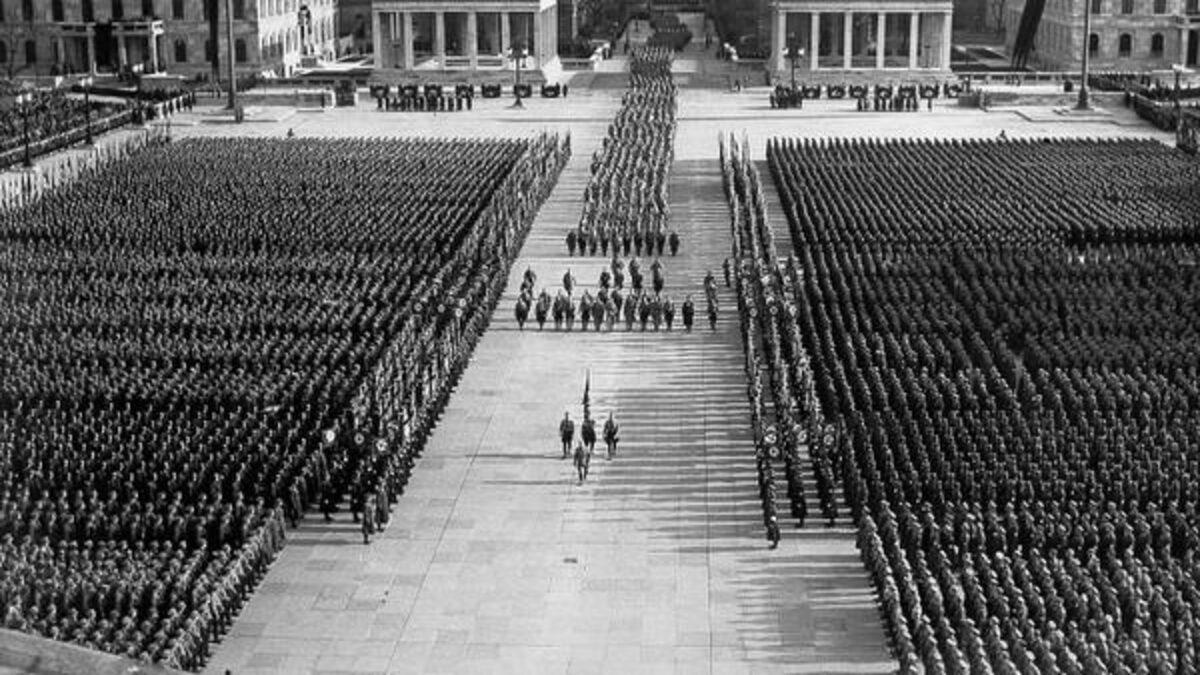
2. Munich (München)
Birthplace of the Nazi movement's rise
An important early center of the Nazi Party. Hitler's failed Beer Hall Putsch took place here in November 1923.
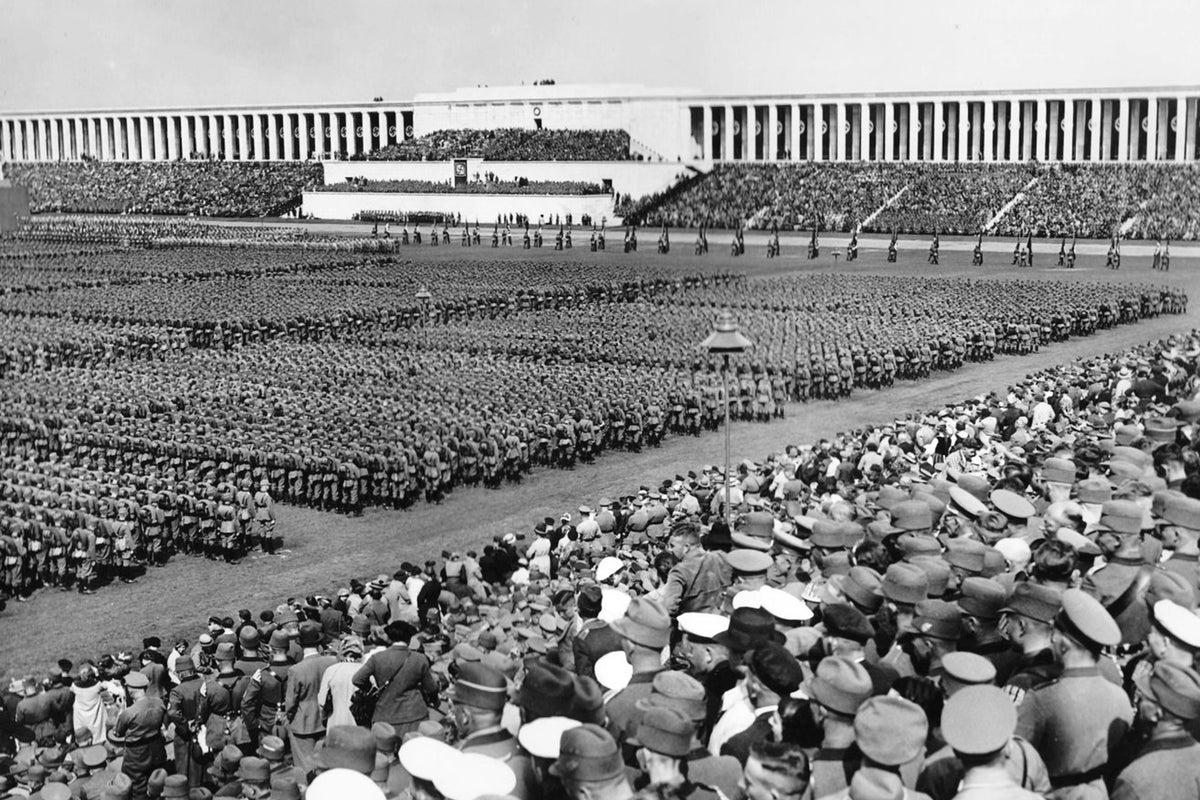
3. Nuremberg (Nürnberg)
Party rallies and racial laws
Hosted enormous Nazi Party rallies. The 1935 Nuremberg Laws stripped German Jews of important citizenship rights and prohibited marriages and sexual relations between Jews and people classified as German or related blood.
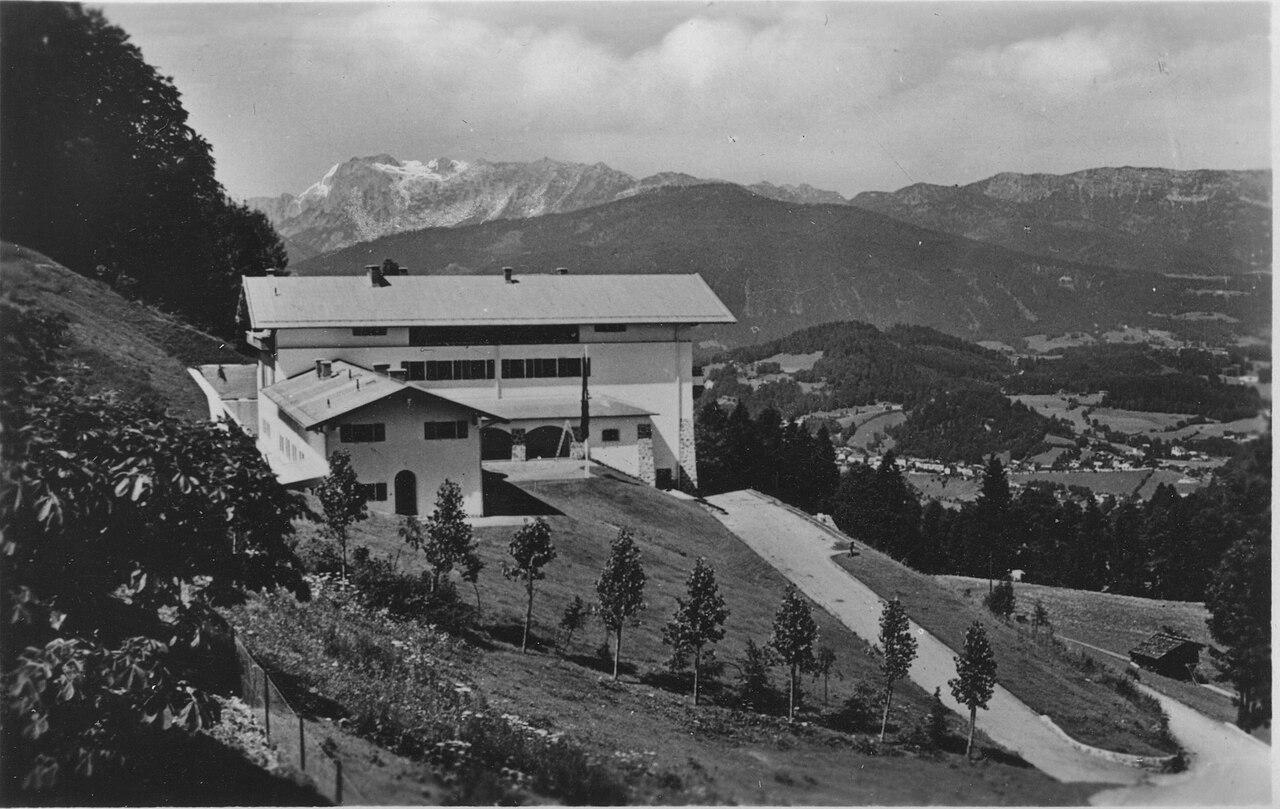
4. Obersalzberg, Bavaria
Hitler's mountain retreat
Hitler's Berghof residence was located near Berchtesgaden. He received visitors and conducted political discussions there.
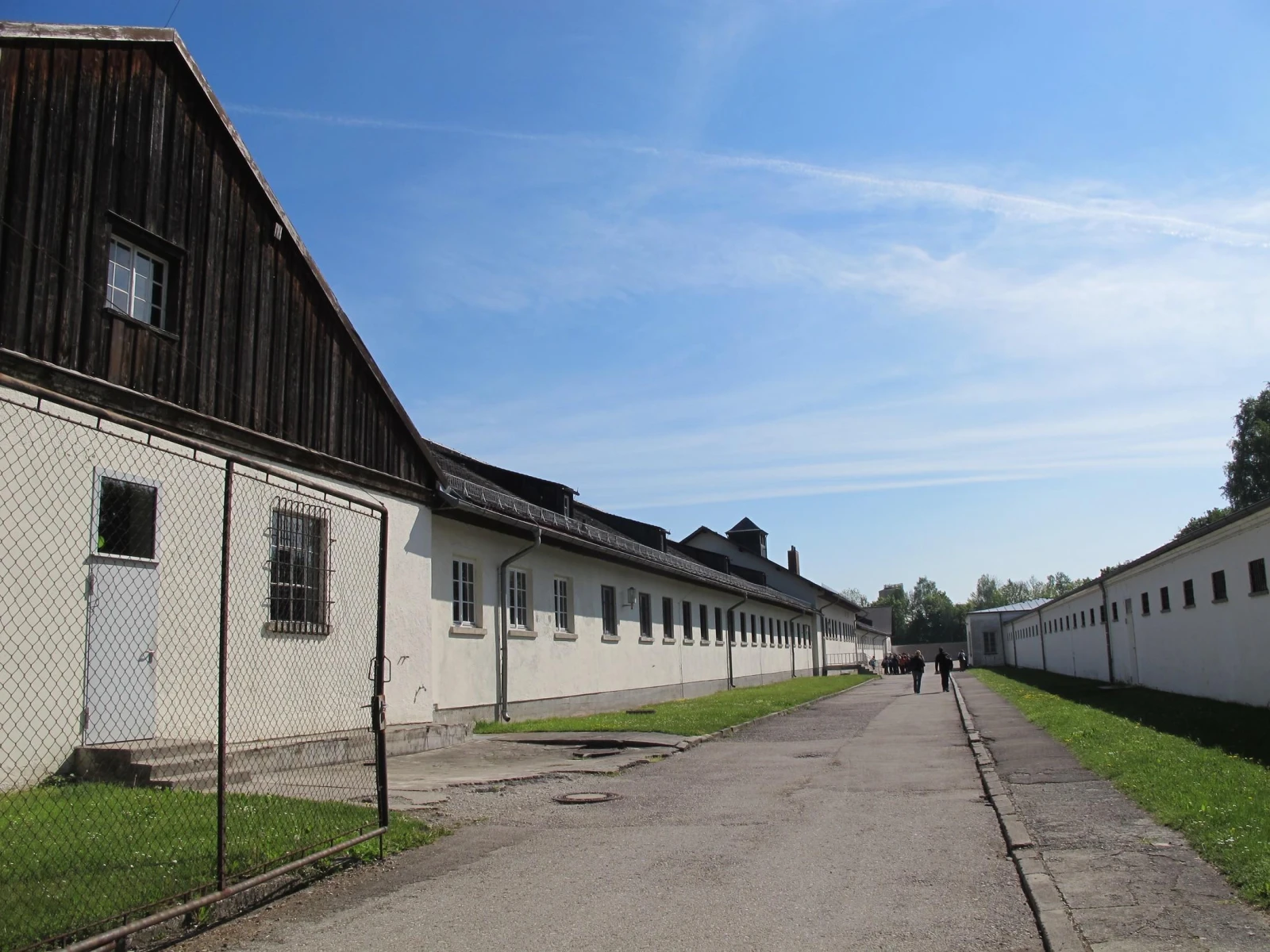
5. Dachau, near Munich
Concentration camp
Established in March 1933. It imprisoned political opponents, Jews, Roma, Jehovah's Witnesses, gay men, and other people targeted by the regime. Prisoners experienced forced labor, abuse, starvation, and disease.
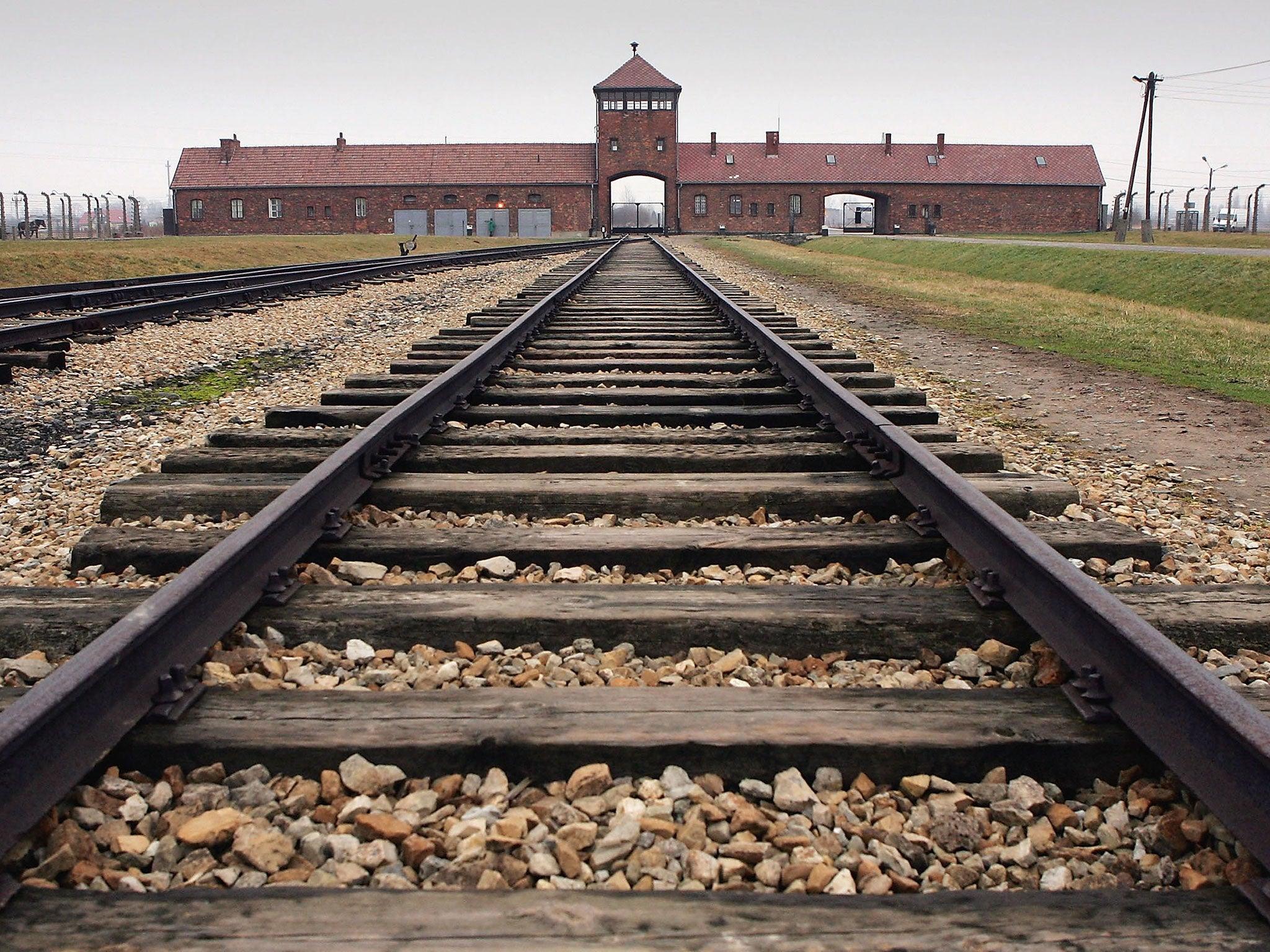
6. Auschwitz-Birkenau, occupied Poland
Concentration and extermination camp complex
Established in German-occupied Poland, not within Germany's prewar borders. It became a major site of the Holocaust and mass murder.
Other important places included Hamburg, Frankfurt, Cologne, Dresden, and the industrial Ruhr region. German forces also occupied territories across Europe, where Nazi rule imposed different systems of military occupation, forced labor, imprisonment, and persecution.
The United States Holocaust Memorial Museum documents the Nazi regime's expansion and persecution across German-controlled Europe.
4. Timeline: year by year, 1933–1945
1933
Hitler becomes chancellor
-
30 January: Hitler is appointed chancellor.
-
February: Civil liberties are suspended following the Reichstag Fire Decree.
-
March: The Enabling Act gives Hitler's government the power to legislate without normal parliamentary approval.
-
Political opponents are arrested; Dachau concentration camp opens.
-
Jewish businesses and Jewish employees face organized discrimination.
1934
Hitler consolidates dictatorship
-
During the Night of the Long Knives, Nazi leaders purge political and internal rivals.
-
President Hindenburg dies in August.
-
Hitler combines the presidency and chancellorship in practice and becomes the Führer.
-
The military swears personal allegiance to Hitler.
1935
Nuremberg Laws
-
Jews are deprived of full citizenship rights.
-
Laws prohibit marriages and sexual relations between Jews and those classified as German or related blood.
-
Germany expands its armed forces and introduces military conscription.
1936
Olympics and military expansion
-
Berlin hosts the Summer Olympic Games.
-
German forces reoccupy the Rhineland.
-
The regime uses the Olympics to present a carefully managed public image to foreign visitors.
-
Rearmament and preparations for expansion continue.
1937
Persecution intensifies
-
Jews face increasing economic exclusion and pressure to leave Germany.
-
Political opponents and people labeled socially or racially undesirable remain vulnerable to imprisonment.
-
Nazi Germany increases military preparations.
1938
Territorial expansion and Kristallnacht
-
March: Germany annexes Austria in the Anschluss.
-
September–October: Germany gains the Sudetenland.
-
9–10 November: Kristallnacht, a nationwide wave of anti-Jewish violence, destroys synagogues and businesses and leads to mass arrests.
-
Jewish families face escalating pressure to emigrate.
1939
World War II begins in Europe
-
March: Germany occupies the Czech lands.
-
1 September: Germany invades Poland.
-
Britain and France declare war on Germany.
-
Nazi Germany's persecution spreads into occupied territories.
-
The regime begins a systematic program of killing disabled people known as the so-called T4 program.
1940
Germany conquers much of Western Europe
-
German forces occupy Denmark, Norway, the Netherlands, Belgium, Luxembourg, and much of France.
-
The Battle of Britain takes place.
-
Forced labor, occupation, and repression expand.
1941
Invasion of the Soviet Union
-
June: Germany invades the Soviet Union.
-
Mass shootings of Jews and other targeted people expand across occupied eastern territories.
-
December: Germany declares war on the United States.
-
The systematic mass murder of Europe's Jews escalates toward genocide.
1942
The Holocaust expands
-
Nazi officials coordinate the implementation of the so-called “Final Solution.”
-
Deportations to killing centers intensify.
-
Millions of people are subjected to forced labor, starvation, deportation, and mass murder.
-
Germany's military reaches an enormous extent, but the war begins turning against the Axis.
1943
Germany suffers major defeats
-
February: German forces surrender at Stalingrad.
-
Allied bombing of German cities intensifies.
-
Food shortages, destruction, and military casualties increase.
-
Resistance movements operate in occupied Europe.
1944
Germany loses more territory
-
June: Allied forces land in Normandy, France.
-
Soviet forces advance westward.
-
July: A group of German officers attempts to assassinate Hitler; the attempt fails.
-
Bombing, military losses, and shortages worsen.
1945
Nazi Germany collapses
-
January: Soviet forces liberate Auschwitz.
-
April: Soviet troops enter Berlin; Hitler dies by suicide on 30 April.
-
8 May: Germany's unconditional surrender takes effect in Europe.
-
Nazi rule ends, and the Allied powers occupy Germany.
This timeline summarizes key events documented by the United States Holocaust Memorial Museum.
5. What was everyday life like?
Life depended greatly on a person's age, sex, job, political beliefs, religion, ancestry as defined by the Nazis, and whether the person supported or resisted the regime.
For some Germans classified as racially acceptable, everyday life could initially appear ordinary: school, work, shopping, family meals, church, sports, and holidays. However, these activities took place under a dictatorship that increasingly controlled public life.
Home and family
Families cooked, cleaned, worked, raised children, celebrated birthdays, and managed household expenses. State propaganda promoted a particular model of family life, with men as providers and women primarily as wives and mothers.
Work and money
Employment increased in several sectors, including construction and armaments. Rearmament and public projects helped reduce unemployment, while independent unions were abolished and workers lost important freedoms.
Shopping and food
People bought bread, meat, potatoes, vegetables, clothing, and household goods. Availability varied by year and location. During the war, rationing, shortages, air raids, and disrupted transport increasingly affected daily life.
News and entertainment
Radio broadcasts, newspapers, cinema, music, sporting events, and public ceremonies were part of everyday life. The government censored media and promoted material that supported Nazi ideology.
Public behavior
Nazi symbols, political slogans, official ceremonies, and displays of loyalty became prominent. Some people supported the regime, some conformed to protect themselves, some remained privately critical, and others actively resisted.
Fear and surveillance
People could face denunciation, interrogation, imprisonment, or violence for political opposition or prohibited activities. The Gestapo and other security organizations helped enforce the regime.
An important distinction: not everyone experienced Nazi Germany in the same way. A German family considered acceptable by Nazi racial standards could experience a very different life from a Jewish family living on the same street.
6. Who were the “Aryans”?
The word Aryan originally had historical and linguistic meanings. Nazi ideology misused the term to promote a false racial hierarchy.
The Nazis claimed that people they classified as “Aryan” belonged to a superior race and that Jews and other groups were racial threats. These ideas were racist pseudoscience, not valid biological science.
How did the Nazis classify people?
| Group | Treatment under Nazi rule | | --------------------------------- | ----------------------------------------------------------------------------------------------------------------- | | Germans classified as “Aryan” | Generally favored by racial policy, but still subject to dictatorship and political repression. | | Jewish people | Stripped of rights, excluded from society, deported, and subjected to genocide. | | Roma and Sinti | Racial persecution, imprisonment, deportation, and mass murder. | | Black people | Faced racist discrimination, exclusion, and, in some cases, forced sterilization and persecution. | | People with disabilities | Subjected to coercive sterilization and, in many cases, systematic killing. | | Political opponents | Communists, Social Democrats, trade unionists, and others faced surveillance, arrest, imprisonment, and violence. | | Jehovah's Witnesses | Persecuted for refusing certain military obligations and the oath of allegiance to Hitler. | | Gay men | Particularly gay men, faced criminal prosecution, imprisonment, and concentration camps. | | People in occupied Eastern Europe | Many were subjected to forced labor, dispossession, deportation, starvation policies, and mass murder. | | German Christians | Could practice their faith, but religious institutions faced pressure to conform; individual experiences varied. |
These categories were not all treated in exactly the same way. Policies varied across time, place, and the circumstances of individuals.
Could a person be considered Aryan just because they looked German?
No. Appearance alone did not determine the legal classification used by the Nazi regime.
Authorities used ancestry documentation, including family and birth records, to enforce racial laws. The 1935 Nuremberg Laws and later regulations established discriminatory definitions and classifications, especially regarding Jewish ancestry.
Someone with blond hair and blue eyes was not automatically accepted under every Nazi racial rule. Conversely, Germans with dark hair or brown eyes could be classified as “Aryan.”
The regime's racial ideology was inconsistent, discriminatory, and politically manipulated.
7. What was allowed and not allowed?
There was no single rulebook covering every activity throughout 1933–1945. Laws changed over time, and enforcement differed. This table summarizes the general situation.
| Activity | Situation under Nazi rule | | ------------------------------------------- | ------------------------------------------------------------------------------------------------------------------------------- | | Attending school | Allowed, but education was increasingly controlled by the regime. | | Working in ordinary jobs | Generally allowed for people accepted under the regime's policies; some professions were closed to persecuted groups. | | Listening to radio | Allowed, but broadcasts were controlled and listening to certain foreign stations could be punished, especially during wartime. | | Going to the cinema | Allowed, but films were censored and used for propaganda. | | Practicing Christianity | Generally possible, although churches faced political pressure and interference. | | Joining Nazi organizations | Encouraged or expected in many settings; membership requirements varied by organization and period. | | Criticizing Hitler publicly | Dangerous; could lead to arrest, interrogation, or imprisonment. | | Creating an opposition political party | Not permitted once the Nazi one-party dictatorship was established. | | Organizing an independent trade union | Not permitted; independent unions were destroyed in 1933. | | Publishing independent newspapers | Subject to censorship and suppression. | | Being Jewish and keeping equal civil rights | Impossible under Nazi racial laws; Jewish rights were systematically stripped away. | | Helping people escape persecution | Could be dangerous and expose helpers to severe punishment. | | Refusing military service | Could result in severe punishment, including execution in some circumstances. |
The Nazi government also imposed restrictions on professional life, property ownership, cultural activity, and personal relationships, particularly for people targeted by its racial policies.
8. What did children learn at school?
Education was an important tool for shaping the next generation according to Nazi ideology.
German language
Reading, writing, grammar, literature, and approved German texts. Content was selected or altered to support the regime's ideas about the nation.
Mathematics
Arithmetic and other mathematical topics remained part of education. Nazi-era materials could use examples involving military calculations, population policy, or racist propaganda.
History
History was distorted to promote German nationalism, antisemitism, military expansion, and the idea that Germany had been wronged after World War I.
Biology and racial ideology
Students could be taught pseudoscientific racial classifications, hereditary theories, eugenics, and the regime's false claims about racial superiority.
Physical education
Physical training was emphasized, particularly for boys, in line with the regime's emphasis on military readiness.
Political indoctrination
Teachers were pressured to follow Nazi policies. Jewish children were increasingly excluded, and schooling became more discriminatory.
Youth organizations
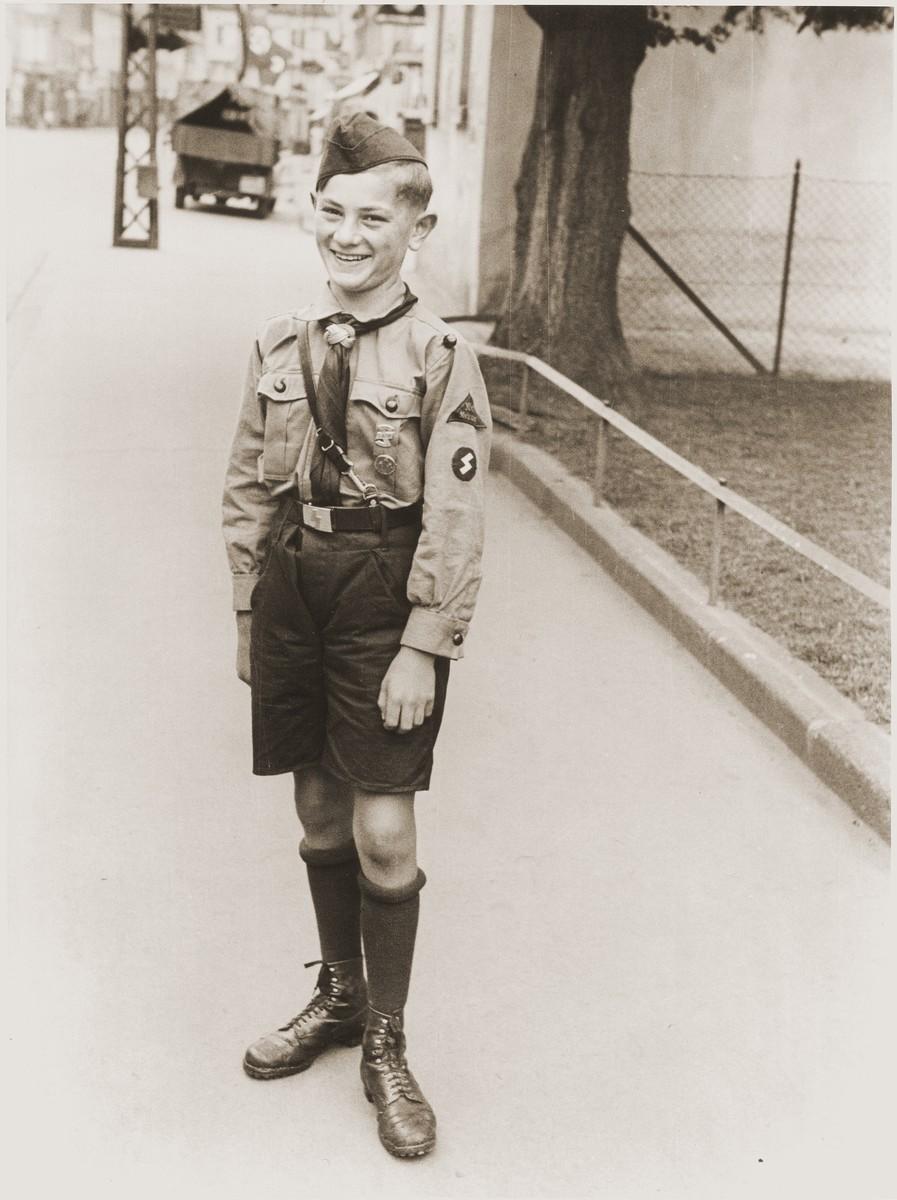
Hitler Youth (Hitlerjugend)
Primarily for boys. Activities included sports, outdoor activities, marching, ideological instruction, and military preparation.
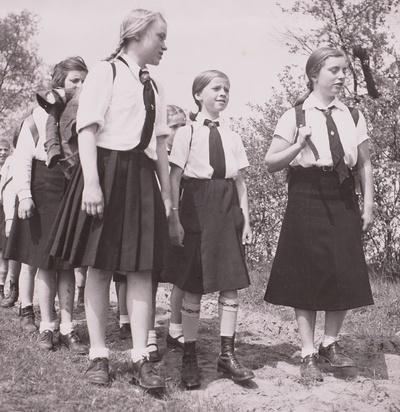
League of German Girls (Bund Deutscher Mädel, BDM)
For girls. Activities emphasized physical fitness, Nazi ideology, domestic expectations, motherhood, and preparation for their prescribed roles in Nazi society.
Participation became increasingly widespread and, by 1939, membership in the Hitler Youth system was legally compulsory for many eligible young people, subject to exclusions and specific circumstances. Jewish children were excluded from these organizations.
These groups did not simply provide ordinary extracurricular activities. They were designed to encourage loyalty to Hitler and prepare young people for the regime's political and racial objectives.
9. What were women allowed to do?
Women's lives were shaped by Nazi racial ideology and the government's desire to increase births among people it classified as racially desirable.
Work and occupations
Women could work in many occupations, including:
-
Teachers, subject to ideological restrictions and discriminatory employment policies.
-
Nurses and other healthcare workers.
-
Secretaries, typists, and clerical workers.
-
Shop assistants and sales workers.
-
Domestic workers and cleaners.
-
Seamstresses, dressmakers, and textile workers.
-
Farmers and agricultural workers.
-
Factory workers, particularly as the war created labor shortages.
-
Some professional and academic occupations, although women faced substantial restrictions and discrimination.
Important: The Nazis did not ban every woman from having a job. Their policies shifted over time. Before the war, some measures encouraged women to leave certain professional positions or focus on family life. During the war, labor shortages led the regime to rely increasingly on women workers.
Marriage and motherhood
The government encouraged marriage and childbirth among women it classified as racially desirable. It offered marriage loans and motherhood awards under particular conditions.
At the same time, the regime imposed forced sterilization on people it deemed to have hereditary conditions and persecuted women who fell outside its racial and social ideals.
Women classified as Jewish faced a radically different reality: increasing exclusion, dispossession, deportation, and the threat of murder.
Could women become SS officers?
Women served in some auxiliary, administrative, medical, communications, and concentration-camp guard roles, but these positions must be distinguished from the formal male SS officer corps.
The SS was a male-dominated organization. Women could serve as concentration-camp guards or auxiliary personnel in certain circumstances, but they did not hold the same formal SS officer positions as men.
For a historical character such as a 17-year-old German girl in 1900, these later Nazi-era rules would not apply to her life in 1900; the historical setting matters.
10. What did Nazi Germany hate or oppose?
The Nazi Party promoted several major ideological enemies. Its propaganda often portrayed these groups as threats to Germany, but those portrayals were frequently false, conspiratorial, or dehumanizing.
-
Jewish people: Antisemitism was central to Nazi ideology and ultimately led to the Holocaust.
-
Communism and Marxism: The regime violently suppressed communists, socialists, and other left-wing opponents.
-
Liberal democracy: The Nazis rejected political pluralism, competitive elections, and independent institutions.
-
Independent trade unions: These were abolished and replaced by a state-controlled labor organization.
-
People considered racially or biologically undesirable: The regime targeted Roma and Sinti, Black people, people with disabilities, and others in different ways.
-
Religious or social groups that resisted Nazi demands: Jehovah's Witnesses and certain clergy and church members faced persecution.
-
Homosexual men: They were targeted under criminal laws and subjected to imprisonment and concentration camps.
-
Foreign nations that opposed German expansion: Nazi Germany fought a war of conquest against numerous European countries and the Soviet Union, and later against the United States.
It is important to distinguish between the regime's propaganda about its enemies and the actual actions or beliefs of the people it targeted.
11. Nazi Germany's military and police organizations

Wehrmacht
Germany's armed forces, consisting of the army (Heer), navy (Kriegsmarine), and air force (Luftwaffe). They fought in World War II and participated in crimes in occupied territories.
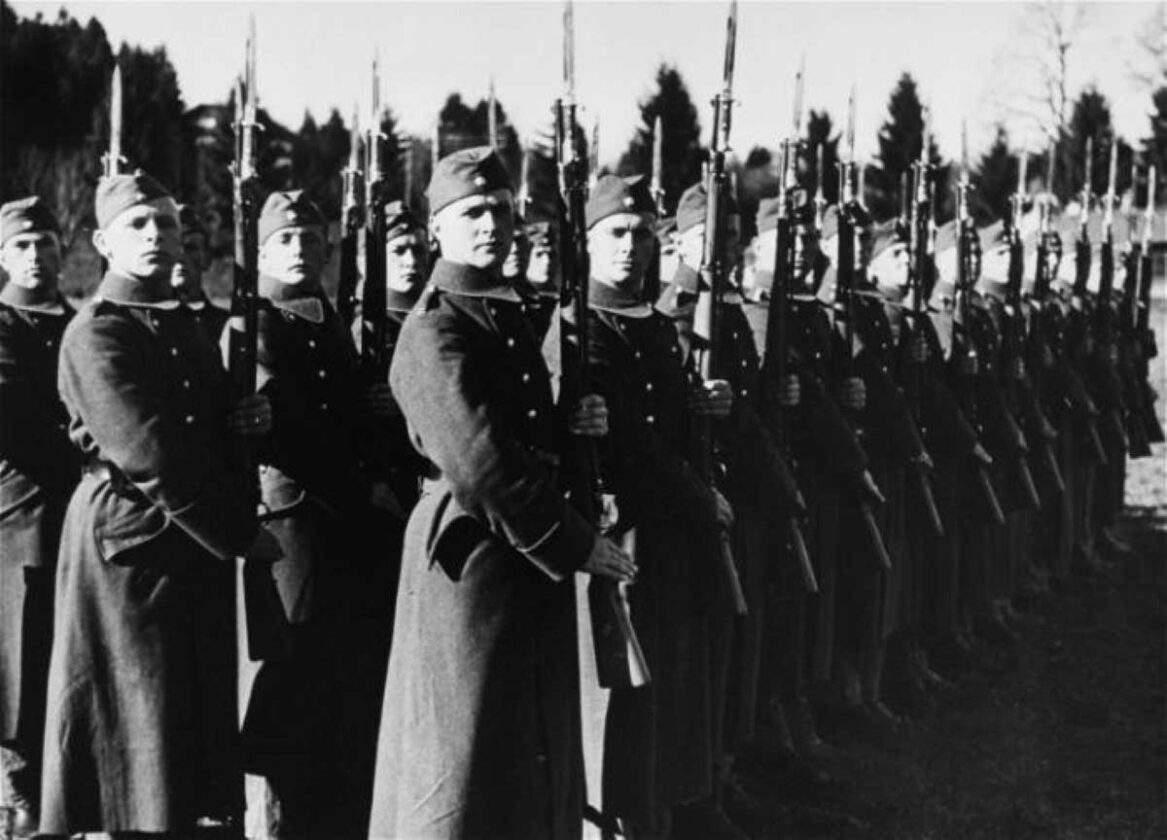
SS (Schutzstaffel)
An organization that grew into a major instrument of Nazi racial persecution, security, concentration-camp administration, and mass murder.
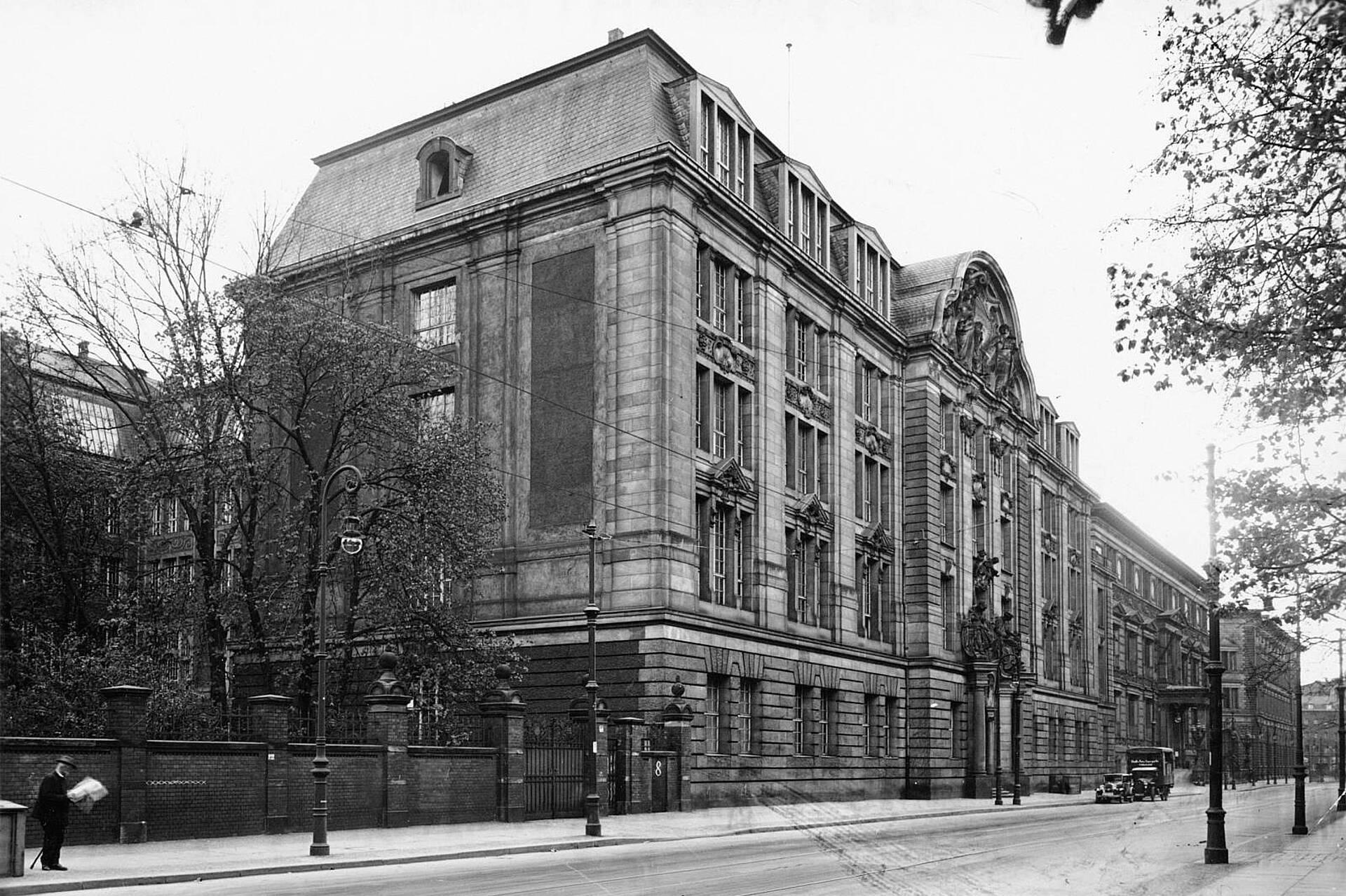
Gestapo
The secret state police, which investigated and suppressed political opposition and helped enforce Nazi persecution.

SA (Sturmabteilung)
The Nazi Party's early paramilitary organization, known for street violence, intimidation, and attacks on political opponents. Its power was sharply reduced after the 1934 purge.
Other important organizations included the Sicherheitsdienst (SD), the Nazi Party's security intelligence service, and the German Labor Front (DAF), which controlled the official labor organization after independent unions were destroyed.
These organizations were not interchangeable. They had different responsibilities and institutional histories, although they sometimes cooperated in repression and crimes.
12. What happened to Jewish people? The Holocaust
The Holocaust was the systematic, state-sponsored persecution and murder of six million European Jews by Nazi Germany and its collaborators.
The process developed over time:
-
1933–1935: Discrimination, boycotts, exclusion from public employment, and restrictions on rights.
-
1935–1938: Racial laws, growing exclusion, and pressure to leave Germany.
-
1938: Kristallnacht brought widespread violence, destruction of synagogues and businesses, and mass arrests.
-
1939–1941: War and occupation brought millions more Jewish people under Nazi control. Ghettos, deportations, and mass shootings expanded.
-
1941–1945: Systematic mass murder intensified, including killings in extermination centers.
-
1945: Nazi Germany's defeat ended the regime, but survivors faced enormous losses, displacement, and the challenge of rebuilding their lives.
Nazi Germany also persecuted and murdered millions of other people, including Soviet prisoners of war, non-Jewish Polish civilians, Roma and Sinti, disabled people, and others.
The Holocaust was not simply a consequence of wartime chaos. It was the result of deliberate state policy, organized violence, cooperation among institutions, and the participation of perpetrators and collaborators.
13. What about religion and churches?
Nazi Germany was not officially a simple religious state or a straightforward atheist state. Its relationship with religion was complicated.
-
Most Germans belonged to Protestant or Catholic churches.
-
Some church leaders accommodated the regime, while others opposed particular policies.
-
The government tried to bring religious organizations under political control.
-
Jehovah's Witnesses faced persecution for refusing certain demands of the state.
-
Some clergy and Christian groups resisted Nazi policies, including aspects of persecution.
-
Religious identity did not protect Jewish people from Nazi racial persecution, even when they or their families had converted to Christianity.
The regime's priorities were political control, racial ideology, and loyalty to Hitler. Religious institutions were tolerated to varying degrees when they did not challenge those priorities.
14. Propaganda, censorship, and information control
Joseph Goebbels led the Nazi Ministry of Public Enlightenment and Propaganda.
The regime used several methods to shape public opinion:
-
Radio: Broadcasts spread speeches, news, and government messages.
-
Newspapers: Independent reporting was restricted; newspapers were censored or controlled.
-
Cinema: Films promoted Nazi ideals, nationalism, antisemitism, and the cult of Hitler.
-
Posters and rallies: Public displays promoted unity, obedience, military power, and racial ideology.
-
Books: Works by Jewish writers and other disfavored authors were banned or burned.
-
Education: School materials and teacher training were brought into line with Nazi objectives.
-
Public ceremonies: Parades, flags, uniforms, and carefully staged events made the regime appear powerful and widely supported.
Not every German believed all Nazi propaganda. Nevertheless, the government severely restricted access to independent information and made public opposition dangerous.
15. Resistance against Nazi Germany
Not all Germans supported Hitler. Resistance took many forms, although it was dangerous and often limited.
Examples include:
-
White Rose: A student resistance group that distributed leaflets opposing Nazi dictatorship and crimes.
-
The July 20 plot, 1944: A failed attempt by German military officers and other conspirators to assassinate Hitler and overthrow the regime.
-
Confessing Church: Certain Protestant Christians resisted Nazi interference in church affairs, although opposition to church control did not necessarily mean opposition to all Nazi crimes.
-
Political undergrounds: Communists, Social Democrats, trade unionists, and other opponents tried to preserve networks and resist the dictatorship.
-
Individual rescuers: Some people hid Jewish neighbors, forged documents, or helped persecuted people escape.
Resistance could lead to imprisonment, torture, execution, or retaliation against family members. Some Germans resisted on moral grounds; others opposed specific policies or feared the consequences of Hitler's war. Their motivations varied.
16. How did Nazi Germany end?
By 1944–1945, Germany was facing military defeat from the Western Allies and the Soviet Union.
-
German cities suffered extensive bombing.
-
Military casualties and shortages grew.
-
Allied armies advanced into Germany.
-
Soviet troops surrounded and captured Berlin.
-
Hitler died by suicide on 30 April 1945.
-
Germany's unconditional surrender took effect on 8 May 1945 in Europe.
After the war, Germany was divided into occupation zones controlled by the United States, Britain, France, and the Soviet Union. The country later developed into West Germany and East Germany in 1949.
The Nuremberg trials prosecuted leading Nazi officials and other defendants for crimes including crimes against peace, war crimes, and crimes against humanity. Further efforts at denazification and rebuilding followed.
17. Extra historical details worth knowing
| Topic | Important information | | ----------------------- | --------------------------------------------------------------------------------------------------------------------------------------------------------------------- | | Official state name | The German Reich; the regime is commonly called the Third Reich. | | Nazi Party abbreviation | NSDAP, short for Nationalsozialistische Deutsche Arbeiterpartei. | | Nazi salute | A prescribed gesture of political allegiance used in public and official settings. | | Nazi flag | A red flag featuring a white disk and black swastika. The swastika had older cultural uses but was appropriated as a Nazi symbol. | | Reichstag | Germany's parliament; it lost meaningful independence under the dictatorship. | | SS concentration camps | Used for political imprisonment, forced labor, persecution, and other abuses. Some Nazi camps were also specifically designed as killing centers. | | Lebensraum | “Living space”: the Nazi justification for territorial expansion, particularly into Eastern Europe, involving dispossession, enslavement, expulsion, and mass murder. | | Volksgemeinschaft | The Nazi idea of a racially defined “people's community,” which excluded those the regime considered outsiders. | | Totalitarian control | The regime sought to subordinate political, cultural, educational, labor, and social institutions to its ideology. | | Ration cards | Used to manage scarce food and other essential goods during wartime. | | Forced labor | Millions of foreign civilians and prisoners were compelled to work for the German war economy and other institutions. | | Displacement after 1945 | Millions of survivors, former forced laborers, prisoners, and refugees needed housing, food, and help returning home or finding new homes. |
18. How to understand daily life for a historical character
If you are writing a character who lives in Germany under Nazi rule, these details help establish a realistic setting:
-
1933–1935: The dictatorship is being established; political opponents face repression, and anti-Jewish discrimination becomes law.
-
1936–1938: Propaganda, military expansion, public ceremonies, and racial exclusion become increasingly visible.
-
1939–1941: War changes ordinary routines; military service, rationing, censorship, and fear become more significant.
-
1942–1945: Air raids, shortages, forced labor, family separation, military losses, and the consequences of mass murder shape daily life.
-
After May 1945: The Nazi regime no longer governs Germany; occupation, destruction, shortages, displacement, and political reconstruction define the immediate postwar years.
A person's experience would also depend on their exact city, age, employment, family situation, religion, ancestry as classified by Nazi authorities, and relationship to the regime.
19. Recommended sources for further historical study
These are reliable starting points for learning more without relying on Nazi propaganda or fictional depictions.
-
United States Holocaust Memorial Museum — Holocaust Encyclopedia. Detailed articles on Nazi Germany, the Holocaust, persecution, and resistance.
-
Yad Vashem — World Holocaust Remembrance Center. Holocaust research, survivor testimony, and historical documentation.
-
German Historical Museum — German Historical Museum. German history, political institutions, and historical context.
The most important point: Nazi Germany was not just a country with uniforms, military parades, and strict rules. It was a dictatorship that destroyed democratic freedoms, promoted racist ideology, launched a war of conquest, and carried out the Holocaust. Understanding both ordinary daily life and the regime's crimes is essential to understanding this period of history.
Babies and children in Nazi Germany (1933–1945)
In Nazi Germany, what happened to a baby depended heavily on how the Nazi regime classified the child's ancestry, whether the child had a disability, the family's circumstances, and whether the family was considered politically or socially acceptable.
Boys and girls were not treated identically, and not every baby was in danger in the same way. The Nazi government promoted births among families it considered racially desirable while persecuting and murdering children it regarded as undesirable.
1. What happened when a baby was born?
For a baby born into a German family that the Nazis considered racially acceptable, ordinary life could begin with a birth registration, family care, medical attention, and eventually schooling. However, the state also tried to influence the child's upbringing, education, and future role in society.
-
Birth registration: Births were normally registered with civil authorities.
-
Family life: Parents usually cared for the baby at home, unless poverty, illness, war, persecution, or other circumstances intervened.
-
Health examinations: Babies could receive medical examinations and care, although access and quality varied.
-
Racial classification: The regime used ancestry records and racial laws to determine how people were classified.
-
Political upbringing: As children grew older, schools and Nazi youth organizations were used to promote Nazi ideology.
The government encouraged childbirth among people it considered racially desirable, but this did not mean that every German family was safe from state interference.
2. If the baby was a boy or a girl, what would they learn?
The Nazi regime had different expectations for boys and girls. These were ideological expectations, not rules followed by every individual family.
Boys
Expected future role
-
Learn German, mathematics, history, and other school subjects.
-
Receive physical training.
-
Be taught Nazi racial ideology and obedience to Hitler.
-
Be prepared for military service and, in the regime's ideal, to become soldiers and fathers.
-
Join the Hitler Youth as they grew older, under the applicable rules.
Girls
Expected future role
-
Learn German, mathematics, history, and other school subjects.
-
Receive physical training and Nazi ideological instruction.
-
Be encouraged to become wives and mothers.
-
Be taught domestic skills and ideas about raising children.
-
Join the League of German Girls as they grew older, under the applicable rules.
Both boys and girls were exposed to propaganda about race, obedience, nationalism, and loyalty to the regime. Girls were not simply excluded from education, and boys were not exempt from household or family responsibilities; the distinction concerns what the state promoted as their ideal roles.
3. What if a baby had a disability?
This was one of the most dangerous circumstances under Nazi rule.
The Nazis promoted a false theory of racial and hereditary “purity.” They regarded some disabilities and illnesses as reasons to exclude, forcibly sterilize, or murder people. A disability did not make a person less valuable; these actions were crimes committed under Nazi policy.
In August 1939, the government ordered doctors and midwives to report newborn babies and children under three who showed signs of certain severe physical or intellectual disabilities. From 1939 onward, a secret child-killing program operated in German hospitals and specialized children's wards.
What could happen?
-
A child might remain with their family, depending on the circumstances.
-
A child might receive treatment or be placed in a hospital or institution.
-
Authorities could pressure parents to send a child to a specialized clinic.
-
Medical personnel could assess the child under Nazi policies.
-
Some children were murdered by starvation or lethal medication, with their deaths concealed from their families.
The program expanded beyond babies and toddlers to include older children and teenagers. Historians estimate that at least 10,000 disabled children were killed through this program.
Not every disabled baby was automatically killed, and not every diagnosis led to the same outcome. Nevertheless, families could not rely on equal treatment or the protection of their child's rights.
4. Which babies and children did the Nazis target?
The regime persecuted children for different reasons. Some were targeted because of ancestry, some because of disability, and others because their families belonged to groups the Nazis considered political or social enemies.
| Group of children | What could happen to them? | | --------------------------------------- | -------------------------------------------------------------------------------------------------------------------- | | Children classified as “Aryan” | Generally encouraged to grow up within Nazi-approved families and education systems. | | Jewish babies and children | Exclusion, separation from family, deportation, ghetto confinement, and mass murder during the Holocaust. | | Roma and Sinti children | Racial persecution, deportation, imprisonment, and mass murder. | | Children with disabilities | Forced institutionalization, neglect, forced sterilization later in life, or murder under the child-killing program. | | Black children | Racial discrimination; some experienced forced sterilization and exclusion. | | Children of Polish families | Deportation, forced labor, separation from parents, and murder in particular operations. | | Children in occupied Soviet territories | Mass shootings, starvation, deportation, and other forms of persecution. | | Children of political opponents | Families could face surveillance, arrest, intimidation, or separation. | | Children of Jehovah's Witnesses | Could face pressure, discrimination, and family persecution because of their parents' beliefs. |
These outcomes were not identical for every child within a group. Age, location, the period of the war, and individual circumstances affected survival. The US Holocaust Memorial Museum estimates that Nazi Germany and its collaborators murdered approximately 1.5 million Jewish children, as well as tens of thousands of Roma children and thousands of disabled German children.
5. What happened to the baby's parents and family?
The consequences for families could be devastating, but they varied according to the circumstances.
A family favored by the regime
Parents classified as racially acceptable could receive encouragement to have children. The Lebensborn program offered selected women maternity facilities and assistance. However, families still lived under a dictatorship and could experience wartime separation, military conscription, shortages, and bombing.
A Jewish family
Parents and children faced progressively harsher discrimination. Families could lose jobs and property, be forced into ghettos, and be deported. Parents and children were frequently murdered together or separated, sometimes permanently.
A family with a disabled child
Parents could face pressure to send their child to an institution. Some were deceived about the institution's purpose and later received false explanations of their child's death. Other families tried to protect or hide their children.
A family that resisted Hitler
Parents could be investigated, imprisoned, or executed. Their children might lose a parent, be placed with relatives, or face state intervention. Outcomes depended on the particular case.
For example, the Nazi child-killing program used false medical explanations to conceal some murders. Families were sometimes told their children had died from natural causes.
6. What was the Lebensborn program?
Established in 1935 by the SS
Lebensborn was designed to increase births among women the Nazis classified as racially desirable. It provided selected pregnant women with maternity facilities and assistance, including women who were unmarried.
However, it was part of the regime's racist population policies, not a universal maternity service for all German families.
During the war, the program also became involved in the kidnapping of children from occupied countries whose physical features were considered “Aryan” by Nazi authorities. Some children were taken from their families and placed in German households for assimilation.
7. What if a baby was born in a concentration camp?
This was a particularly dangerous situation, and the child's fate depended on the camp, the year, and the family's classification.
At Auschwitz-Birkenau, for example:
-
In the camp's early period, newborn babies were killed regardless of ethnicity.
-
From mid-1943, some non-Jewish newborns were allowed to live, although survival remained difficult.
-
Jewish babies born in the camp continued to be killed until late 1944.
-
Many Jewish children deported to Auschwitz were murdered upon arrival.
-
Some children survived because prisoners or people outside the camp hid and protected them.
Historical records document at least 700 children born at Auschwitz-Birkenau.
8. The key difference to remember
A baby born in Germany in 1934 to parents favored by Nazi racial policy could grow up in a home, attend school, and be taught Nazi ideology. A Jewish baby born in Germany in the same year faced an increasingly discriminatory legal system, which eventually developed into a genocidal policy. A disabled baby born in 1940 could be reported to the authorities and face the risk of being sent to a clinic where children were murdered.
The baby's sex alone did not determine whether the child would be killed. Being a boy or a girl mainly affected the regime's expectations for the child's future role. Ancestry as defined by Nazi law, disability, persecution of the family, and the circumstances of the war could have far more direct consequences for the child's safety.
The Nazi government did not target only adults. Its racial ideology and political policies placed children and even newborn babies among its victims.
Nazi Germany: Allies and Enemies (1933–1945)
Nazi Germany's allies and enemies changed over time. Some countries cooperated with Hitler, some signed temporary agreements with him, and others fought Germany during World War II.
1. Nazi Germany's main allies
Countries and governments that cooperated militarily or politically with Nazi Germany
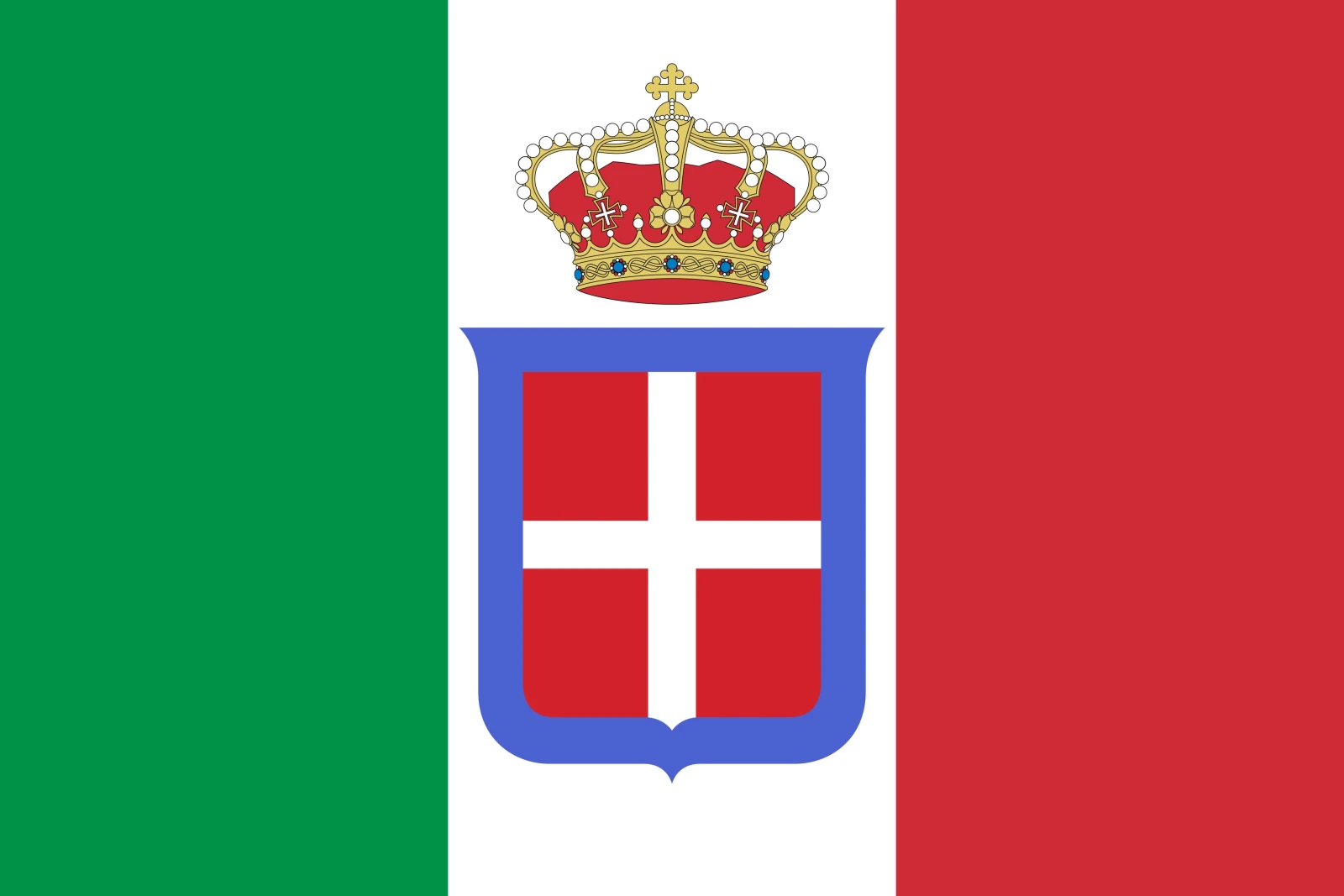
1. Kingdom of Italy
Major ally
-
Leader: Benito Mussolini.
-
Fascist Italy and Nazi Germany formed the Rome–Berlin Axis.
-
Italy entered World War II alongside Germany in June 1940.
-
In 1943, Mussolini's government collapsed and Italy changed sides; German forces continued fighting in Italy.
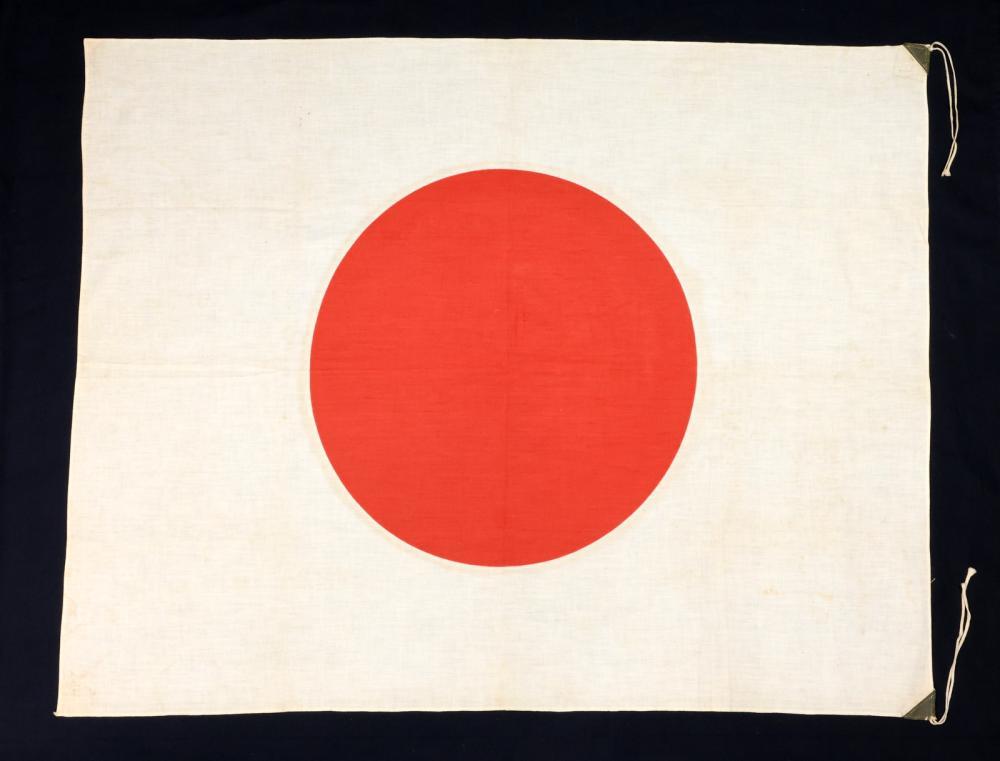
2. Empire of Japan
Major ally
-
Emperor: Hirohito.
-
Government led by Japanese military and civilian leaders.
-
Signed the Tripartite Pact with Germany and Italy in September 1940.
-
Fought the Allies in Asia and the Pacific.
-
Japan and Germany were partners, but they did not fight as one unified army.
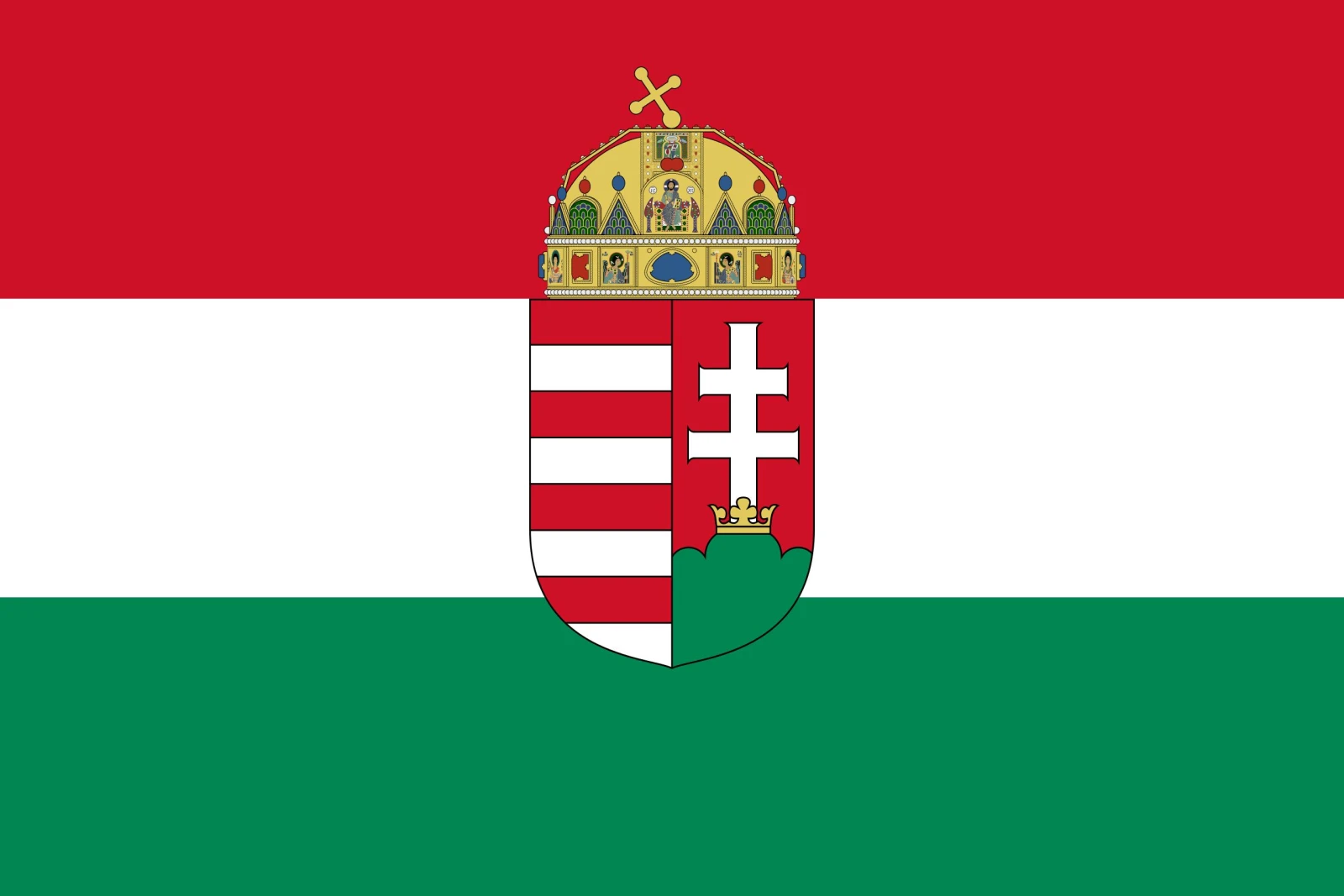
3. Kingdom of Hungary
-
Leader: Regent Miklós Horthy for much of the period.
-
Joined the Axis and participated in the invasion of the Soviet Union.
-
Hungarian authorities also persecuted Jewish people, and in 1944 Germany occupied Hungary and intensified the deportation of Hungarian Jews.
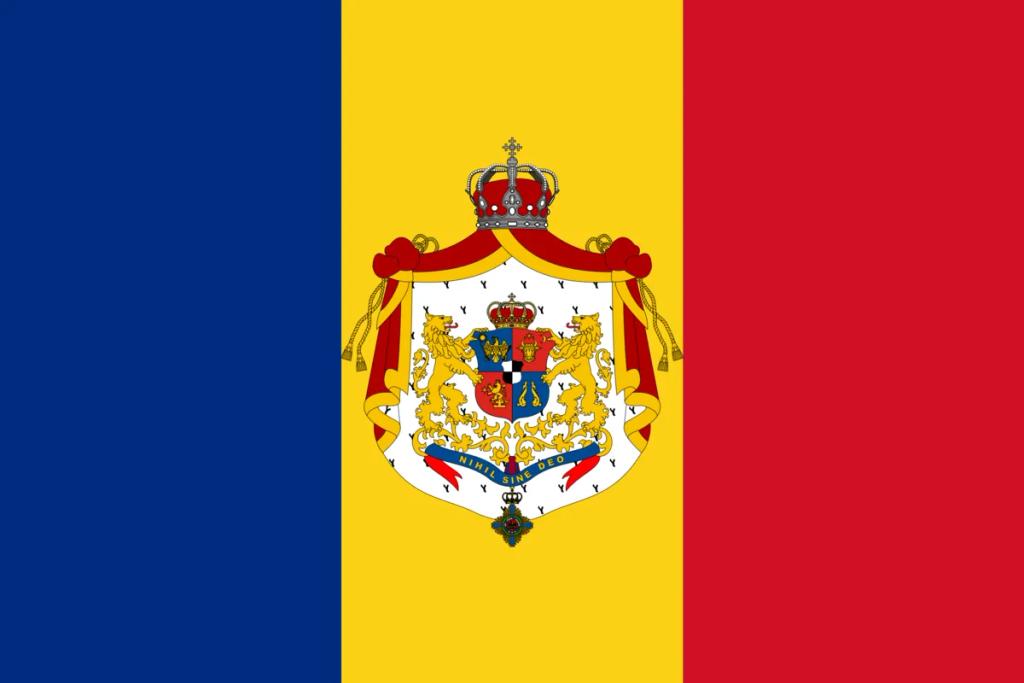
4. Kingdom of Romania
-
Leader: Ion Antonescu during its Axis alignment.
-
Supplied oil and military forces to Germany.
-
Participated in the war against the Soviet Union.
-
Changed sides in August 1944 and joined the Allies against Germany.

5. Kingdom of Bulgaria
-
Joined the Axis in 1941.
-
Cooperated with Germany and occupied territories in the Balkans.
-
Did not send its regular army to fight the Soviet Union.
-
Changed sides in September 1944.

6. Slovak Republic 1939–1945
-
A state closely aligned with Nazi Germany.
-
Sent troops to participate in the invasion of the Soviet Union.
-
Its government collaborated in the deportation of Jewish people.
Other Axis partners or governments that cooperated with Germany included Croatia's wartime Ustaše regime and Finland, which fought the Soviet Union alongside Germany during part of the war but was not a signatory to the Tripartite Pact.
2. Nazi Germany's main enemies
Countries that fought Germany or opposed its expansion during World War II
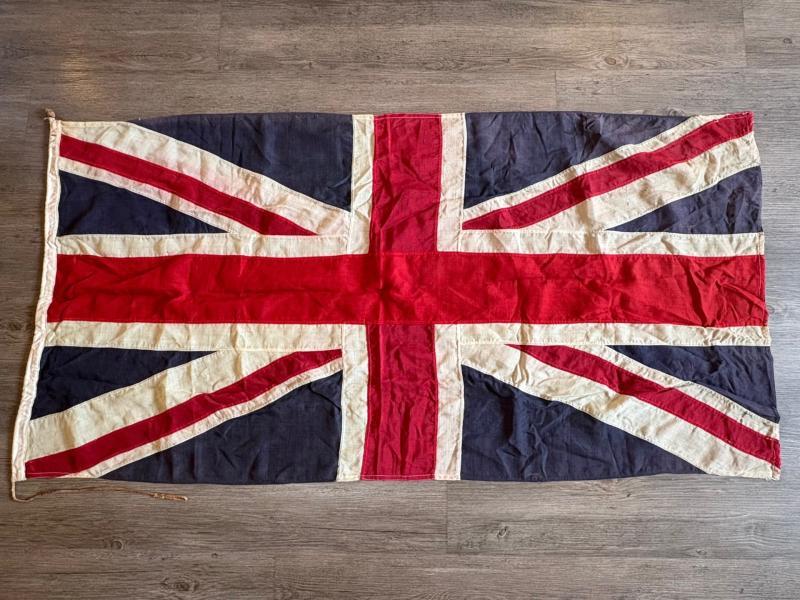
1. United Kingdom
-
Leader: Winston Churchill from 1940.
-
Declared war on Germany on 3 September 1939, after Germany invaded Poland.
-
Fought Germany in the Battle of Britain and across Europe and North Africa.
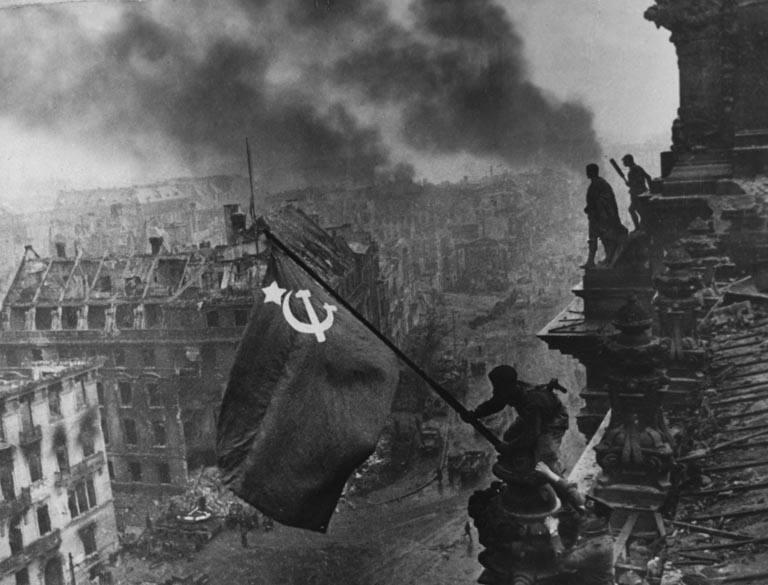
2. Soviet Union (USSR)
-
Leader: Joseph Stalin.
-
Signed a non-aggression pact with Germany in August 1939.
-
Germany invaded the Soviet Union on 22 June 1941.
-
The Soviet Red Army played a major role in defeating Nazi Germany.
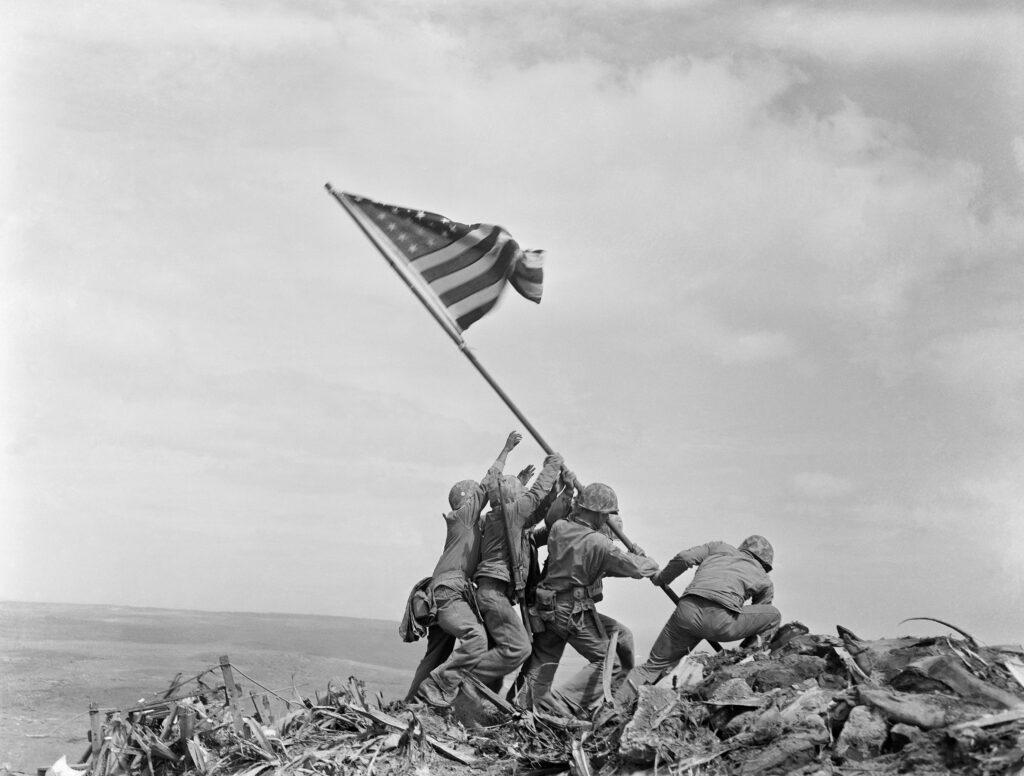
3. United States
-
President: Franklin D. Roosevelt during most of the war.
-
Supplied equipment and assistance to countries fighting Germany before entering the war.
-
Germany declared war on the United States on 11 December 1941.
-
US forces fought Germany in North Africa, Italy, France, and western Europe.
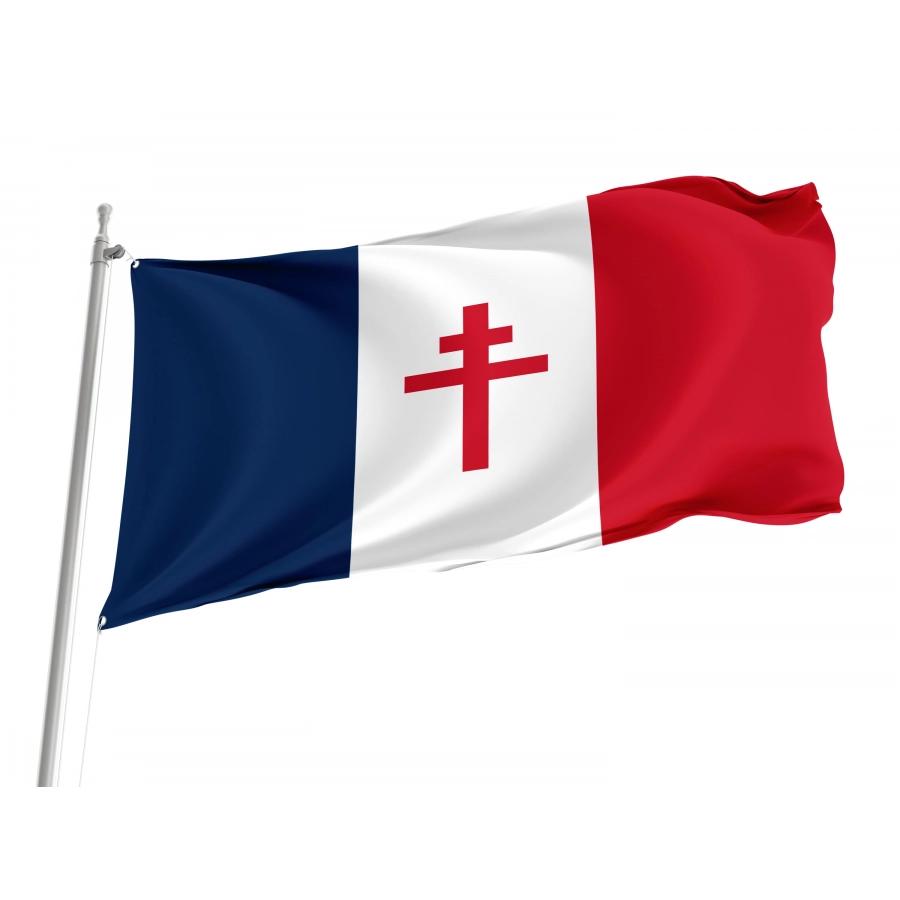
4. France
-
Declared war on Germany in September 1939.
-
Defeated in the 1940 campaign; northern and western areas were occupied, while the Vichy regime collaborated with Germany.
-
Free French forces continued fighting alongside the Allies.

5. Poland
-
Germany invaded Poland on 1 September 1939.
-
The Soviet Union invaded eastern Poland on 17 September 1939.
-
Polish forces continued fighting alongside the Allies, and Polish resistance operated under German occupation.
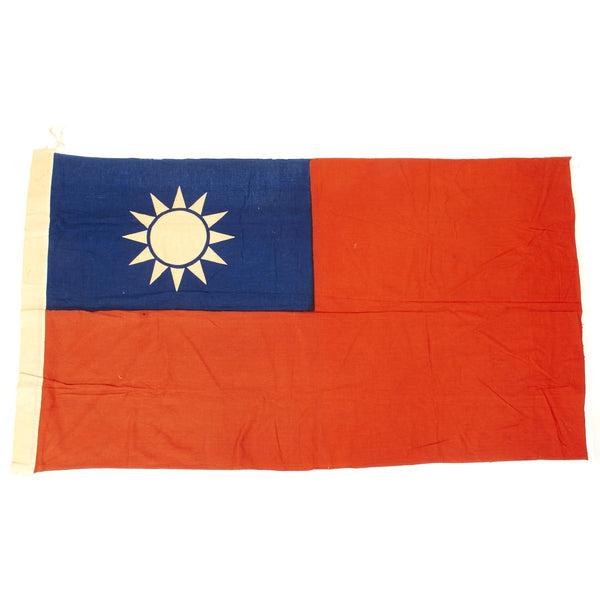
6. China
-
Fought Japan from 1937 in the Second Sino-Japanese War.
-
Became a major Allied power in the wider war.
-
China's war was principally against Japan rather than a direct war against Germany on the European battlefield.
Other Allied countries and resistance movements included Canada, Australia, New Zealand, Greece, Norway, Belgium, the Netherlands, Yugoslavia, and many others.
3. Countries that changed sides or had complicated relationships
| Country | What happened | | ------------ | -------------------------------------------------------------------------------------------------------------------------------------------------------------------------- | | Italy | Allied with Germany until 1943, then surrendered to the Allies; German forces continued fighting in Italy. | | Romania | Fought alongside Germany, then switched sides in August 1944. | | Bulgaria | Joined the Axis in 1941, then declared war on Germany in September 1944. | | Finland | Fought alongside Germany against the Soviet Union, then made an armistice with the USSR in 1944 and fought German forces in northern Finland. | | Hungary | Joined the Axis but came under German occupation in 1944 when Germany feared it might leave the alliance. | | Spain | Remained officially non-belligerent for most of the war, although Franco's government supported Germany in some ways and sent the Blue Division to fight the Soviet Union. | | Soviet Union | Cooperated with Germany under the 1939 pact, then became Germany's principal enemy in the east after the 1941 invasion. |
These examples show why it is important to specify the year when discussing alliances.
4. The two main wartime coalitions
Axis Powers
Led by Germany, Italy, and Japan
-
Nazi Germany
-
Fascist Italy, until its 1943 surrender and change of sides
-
Imperial Japan
-
Hungary, Romania, Bulgaria, Slovakia, and Croatia as European Axis members
Allied Powers
Major leaders included Britain, the United States, and the Soviet Union
-
United Kingdom
-
Soviet Union, from 1941 against Germany
-
United States, at war with Germany from December 1941
-
China
-
France and Free French forces
-
Poland and numerous other Allied nations
The main Axis alliance was formalized by Germany, Italy, and Japan in the Tripartite Pact on 27 September 1940. The Allies had different political systems and did not always agree with one another, but they cooperated to defeat the Axis powers.
One important distinction: A country's government being an ally of Nazi Germany did not mean that every person in that country supported Nazism. Likewise, German citizens were not all Nazi Party members or supporters. There were collaborators, opponents, resistance members, and people whose behavior changed under pressure or wartime circumstances. In Nazi Germany (1933–1945), people often addressed others by titles, military ranks, occupations, or honorifics. Germany was a formal society, and under the Nazi regime ranks became even more important.
How people addressed others
| Person | What people called them | | ---------------------------------- | ------------------------------------------- | | Adolf Hitler | Mein Führer (“My Leader”) | | Ordinary man | Herr (Mr./Sir) | | Ordinary woman | Frau (Mrs./Ms.) | | Young unmarried girl (common then) | Fräulein (“Miss”) | | Nobleman | Herr Graf, Freiherr, or another noble title | | Teacher | Herr Lehrer / Frau Lehrerin | | Doctor | Herr Doktor / Frau Doktor | | Priest | Herr Pfarrer | | Judge | Herr Richter | | Police officer | Herr Wachtmeister or Herr Polizist | | Soldier | Usually Herr + military rank |
“Herr” was commonly used before a man's title, such as Herr Doktor Müller or Herr Major Schmidt.
Adolf Hitler

People who supported or served the regime often addressed him as:
-
Mein Führer (“My Leader”)
-
Der Führer (“The Leader”)
The Nazi government promoted this title through propaganda and expected loyalty to Hitler.
Nobility (Noblemen)
Germany had nobles such as:
-
Graf — Count
-
Freiherr — Baron
-
Fürst — Prince
-
Herzog — Duke
After World War I, these became part of people's legal surnames rather than giving them political power. Some nobles supported Hitler, while others opposed him.
Army (Wehrmacht) ranks
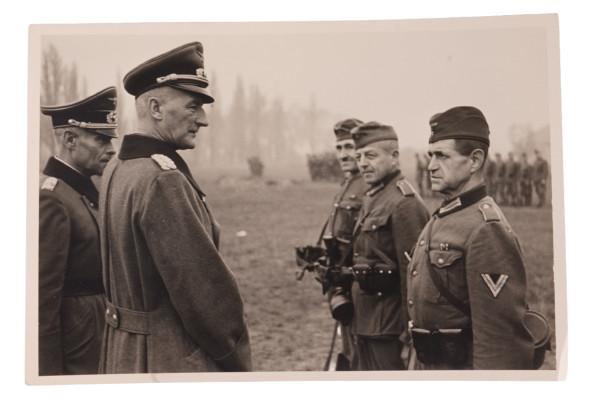
A soldier would usually be addressed by rank.
| Rank | English equivalent | | -------------------- | ---------------------------------------------- | | Leutnant | Second Lieutenant | | Oberleutnant | First Lieutenant | | Hauptmann | Captain | | Major | Major | | Oberst | Colonel | | General | General | | Generalfeldmarschall | Field Marshal | | Reichsmarschall | Highest military rank (held by Hermann Göring) |
SS (Schutzstaffel) ranks

The SS had its own rank system.
| SS Rank | English equivalent | | -------------------- | -------------------------------------------- | | SS-Mann | Private | | SS-Unterscharführer | Corporal | | SS-Scharführer | Sergeant | | SS-Untersturmführer | Second Lieutenant | | SS-Obersturmführer | Lieutenant | | SS-Hauptsturmführer | Captain | | SS-Sturmbannführer | Major | | SS-Standartenführer | Colonel | | SS-Gruppenführer | Major General | | SS-Obergruppenführer | Lieutenant General | | Reichsführer-SS | Supreme SS leader (held by Heinrich Himmler) |
People might also say SS-Führer, meaning an SS officer or leader.
SA (Stormtroopers)
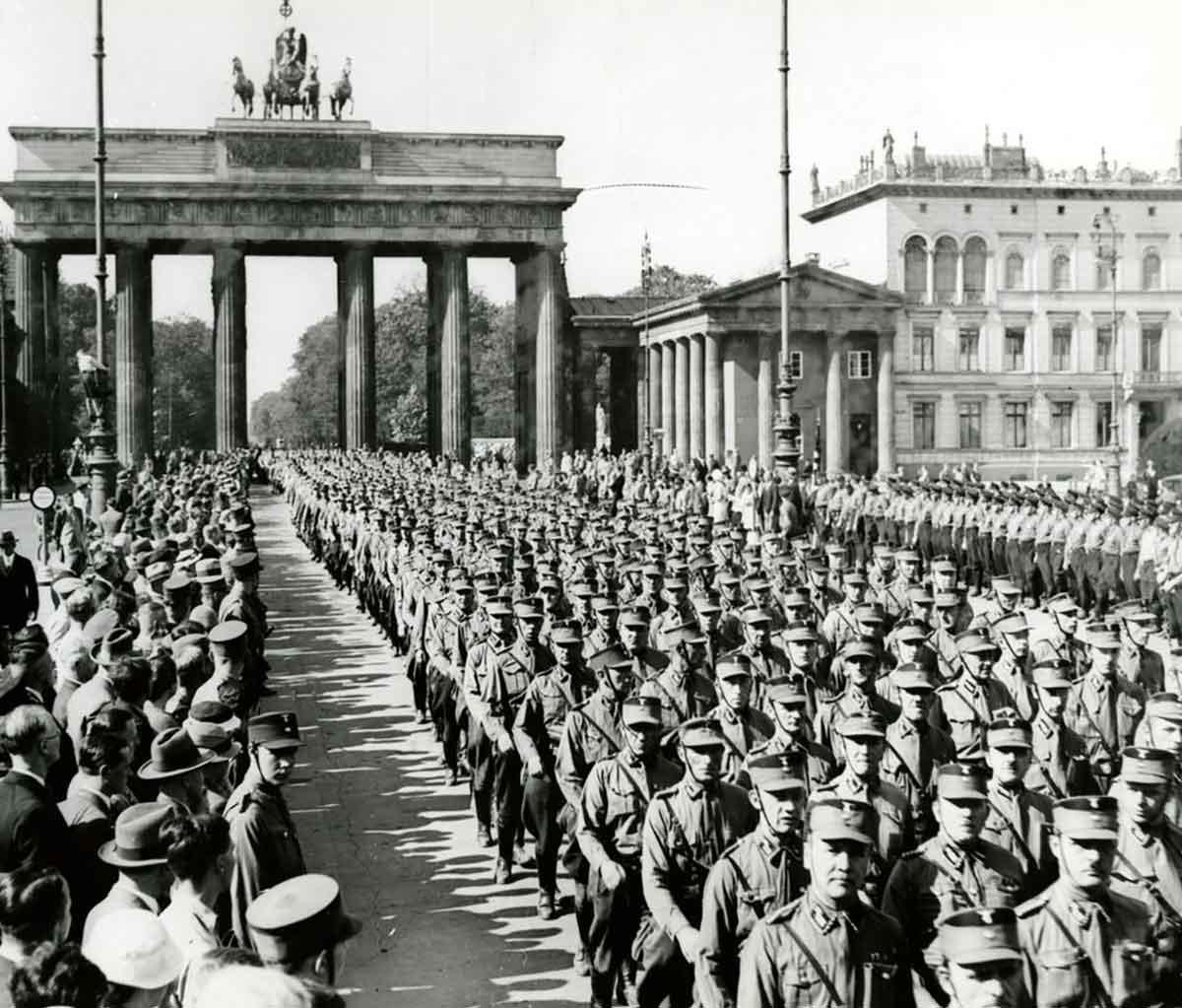
The SA was another Nazi organization with ranks such as:
-
SA-Mann
-
SA-Scharführer
-
SA-Sturmführer
-
SA-Gruppenführer
Nazi Party titles
Important political titles included:
| Title | Meaning | | ----------------- | -------------------------- | | Führer | Hitler | | Reichsleiter | Top national party leader | | Gauleiter | Regional Nazi Party leader | | Kreisleiter | District leader | | Ortsgruppenleiter | Local leader |
Hitler Youth titles
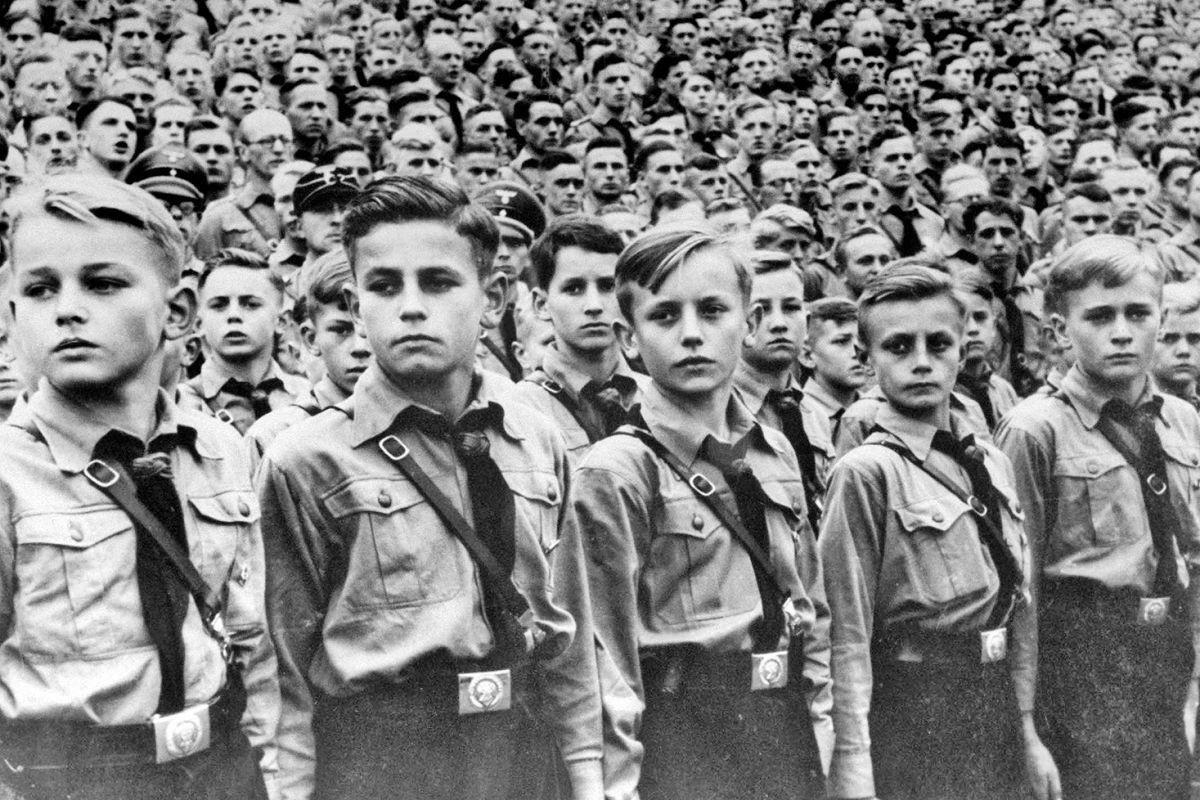
For children and teenagers:
-
Hitlerjugend (HJ) — Hitler Youth (boys)
-
Deutsches Jungvolk — Younger boys
-
Bund Deutscher Mädel (BDM) — League of German Girls
-
Jungmädel — Younger girls
Their leaders had titles like Reichsjugendführer and Gebietsführer.
Other occupations and titles
| Occupation | German title | | ------------- | ----------------- | | Doctor | Doktor | | Professor | Professor | | Teacher | Lehrer / Lehrerin | | Judge | Richter | | Prosecutor | Staatsanwalt | | Mayor | Bürgermeister | | Minister | Minister | | Factory owner | Herr Direktor | | Farmer | Bauer | | Worker | Arbeiter |
How people spoke to higher-ranking people
Examples:
-
“Mein Führer” — Adolf Hitler.
-
“Herr Major” — Army major.
-
“Herr Oberst” — Colonel.
-
“Herr Doktor” — Doctor.
-
“Herr Professor” — Professor.
-
“Herr Gauleiter” — Regional Nazi Party leader.
Using a person's title showed respect for rank and authority, and Nazi Germany emphasized hierarchy throughout government, the military, and society.
Nazi Germany, Poland, children classified as “Aryan,” and famous victims
There are three important parts to your question: what Nazi Germany did to Poland, what happened to Polish children who looked “Aryan” to the Nazis, and which famous people—including Joseph Stalin's son—became victims of Nazi Germany.
1. What did Nazi Germany do to Poland?

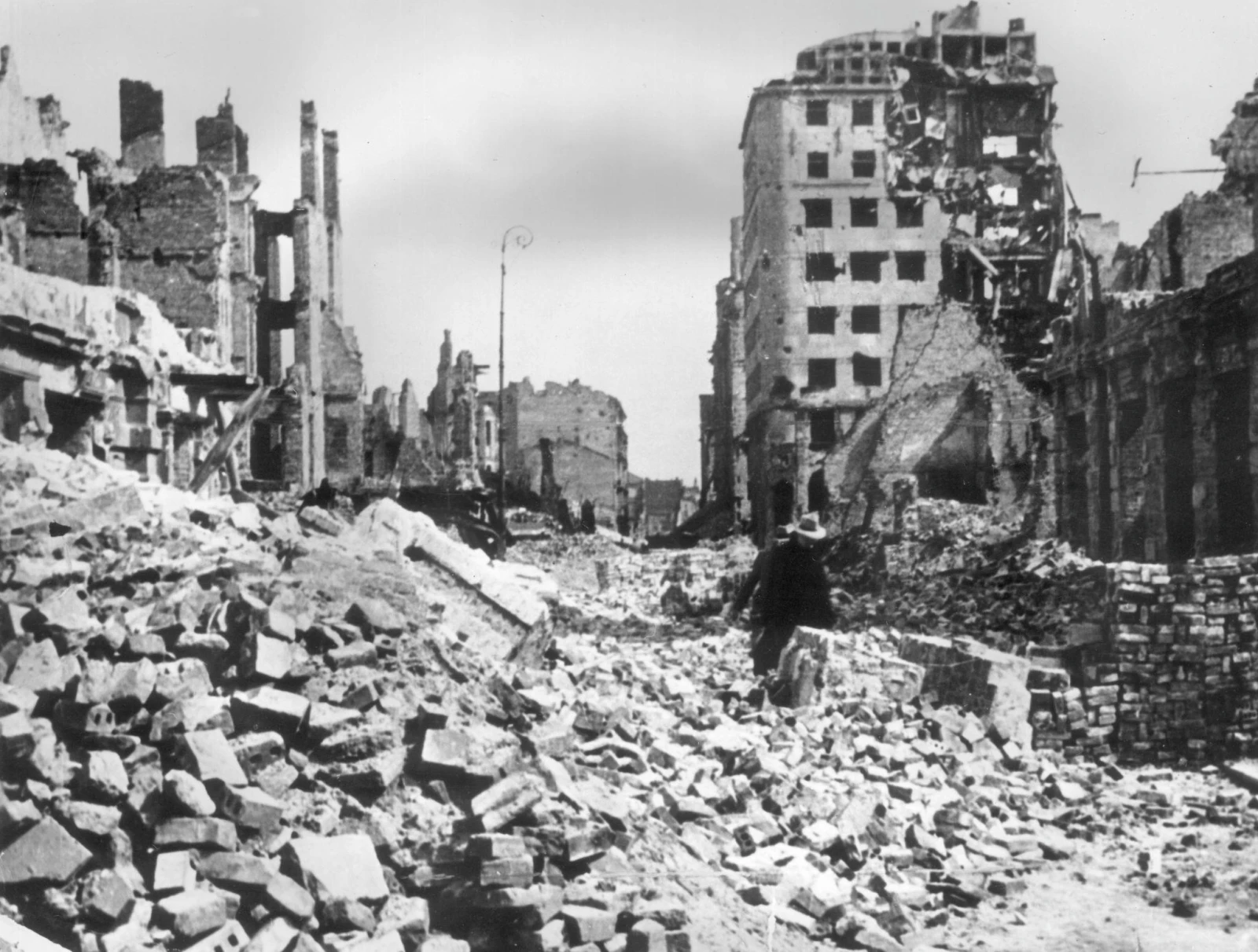
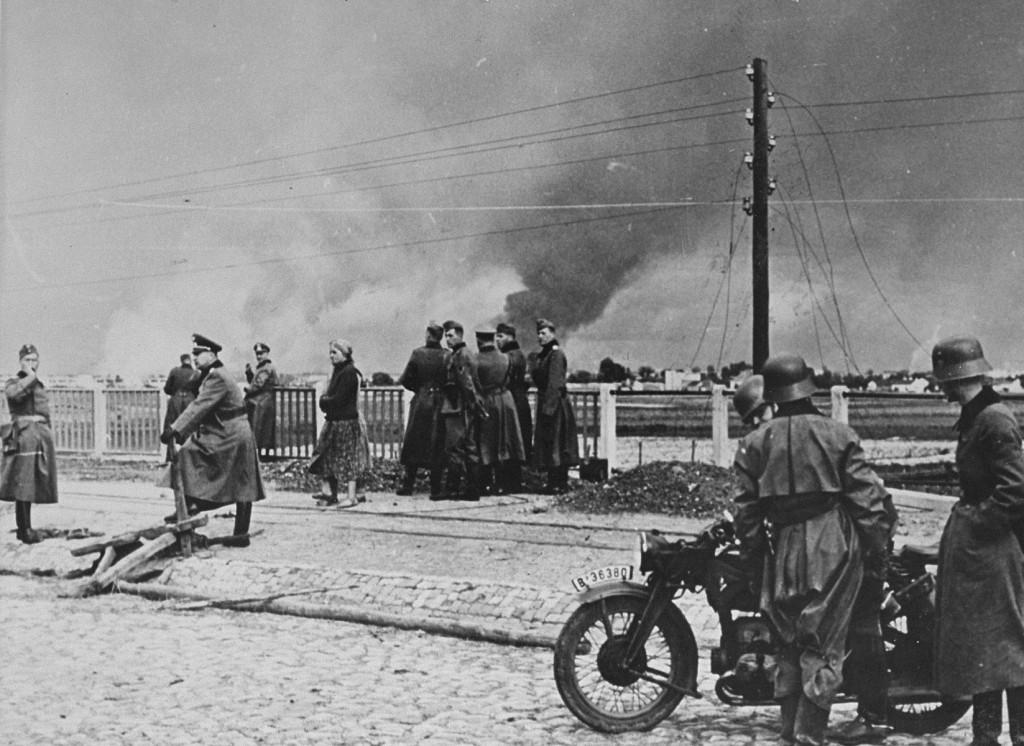
On 1 September 1939, Nazi Germany invaded Poland. The Soviet Union invaded eastern Poland on 17 September under the secret arrangements associated with the German–Soviet pact of August 1939.
Germany's occupation brought devastating consequences for Polish civilians.
-
Mass killings: German forces and occupation authorities murdered Polish civilians, including teachers, intellectuals, community leaders, and members of the resistance.
-
Destruction of communities: Polish towns and cities suffered destruction, arrests, and repression.
-
Forced labor: Many Polish people were deported to Germany and forced to work.
-
Expulsion and displacement: Families were driven from their homes to make room for German settlers or to serve German occupation plans.
-
Persecution of Jews: Polish Jews were forced into ghettos, deported, and murdered during the Holocaust.
-
Suppression of Polish culture: The occupiers restricted Polish education, cultural institutions, and political activity.
-
Kidnapping of children: Some Polish children were taken from their families for racial evaluation and possible Germanization.
Nazi Germany intended to destroy much of Poland's political and intellectual leadership and subordinate the Polish population to German rule. Its plans for Eastern Europe included racial colonization, mass displacement, forced labor, and murder.
2. What happened to Polish children who looked “Aryan”?
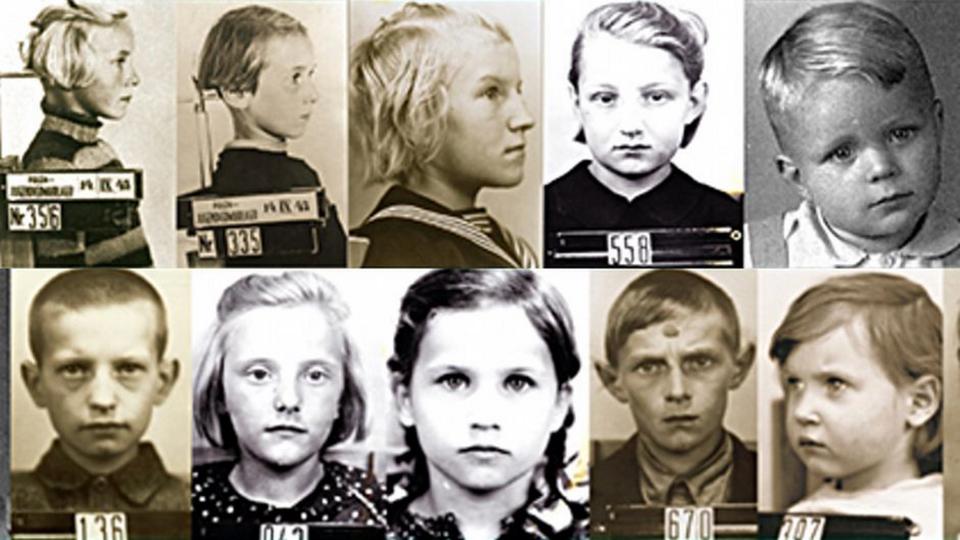

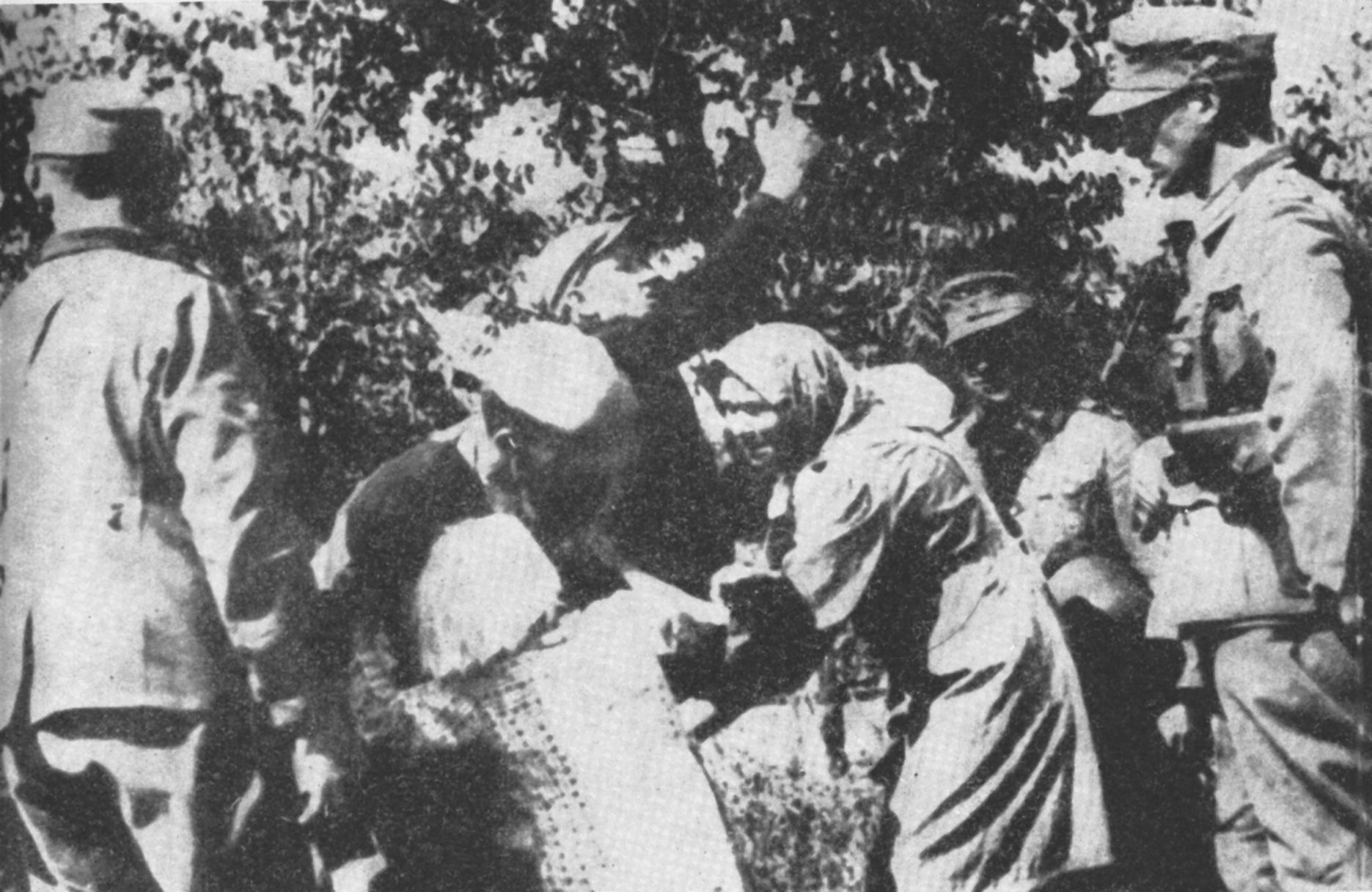
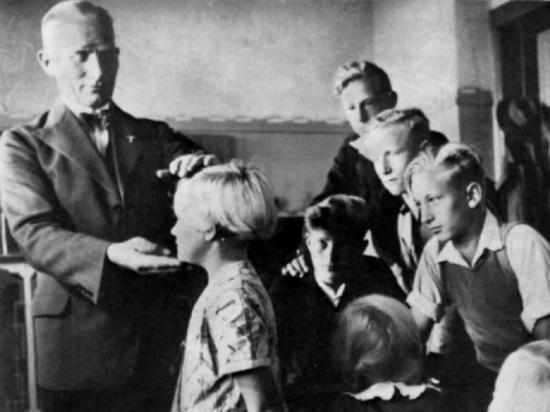
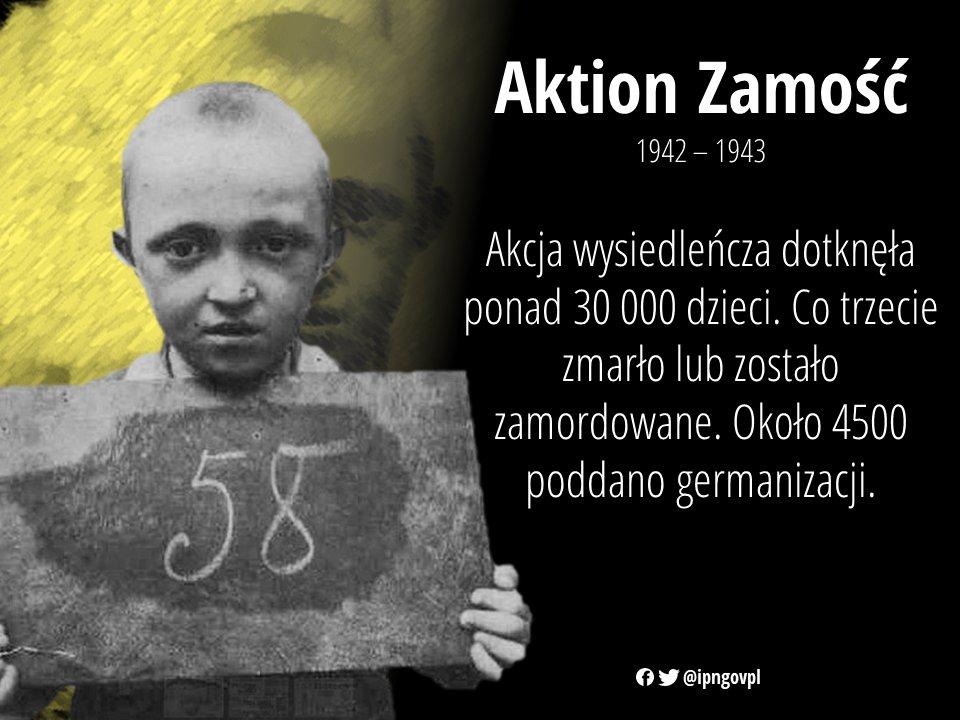
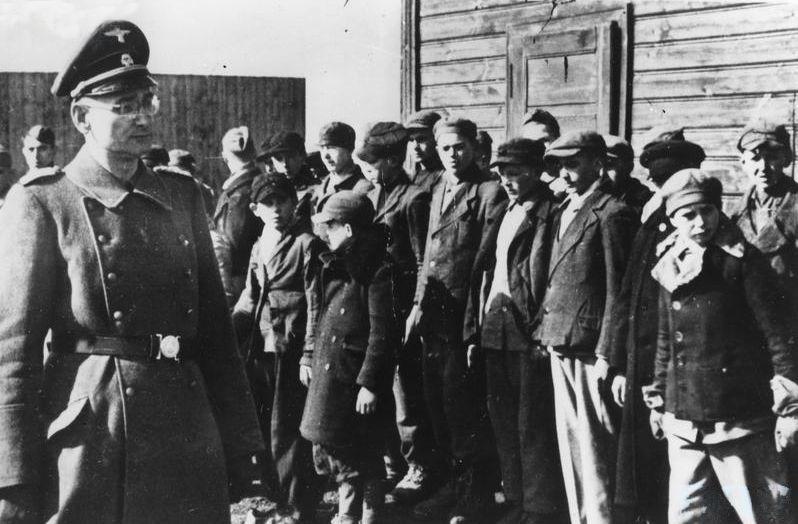
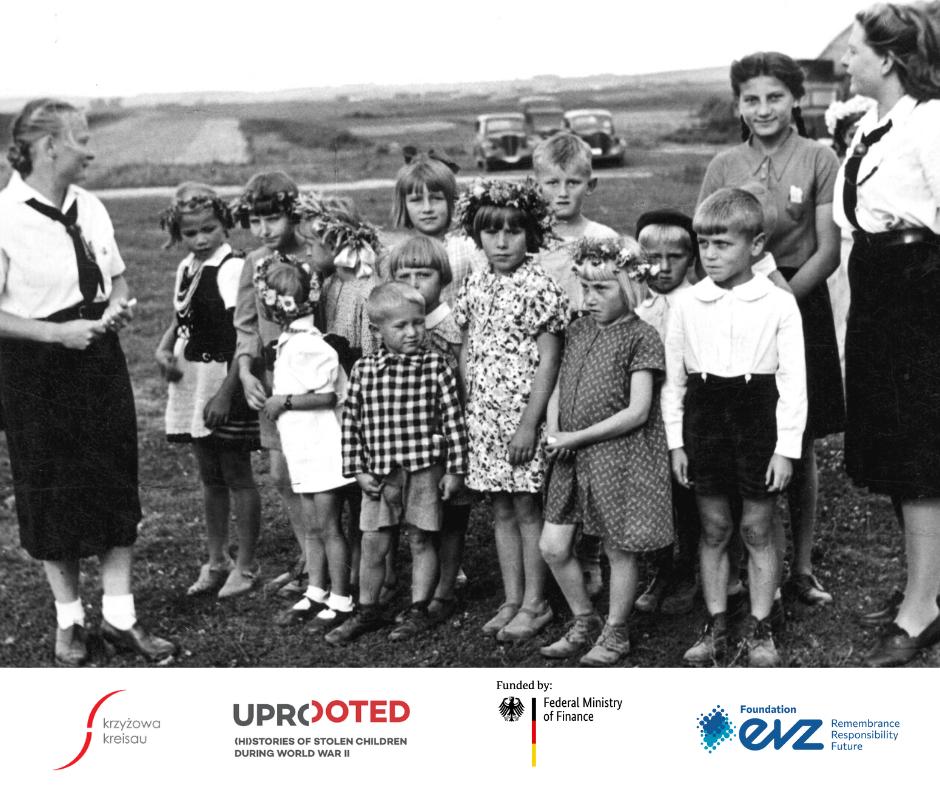

This is a particularly important part of the history. The Nazis sometimes kidnapped Polish children because they believed the children had features associated with their imagined “Aryan” race. This was part of a policy of forced Germanization.
What features did the Nazis look for?
-
Blond or light-colored hair.
-
Blue or light-colored eyes.
-
Fair skin.
-
Physical features that Nazi racial assessors claimed matched their preferred racial type.
These were racist classifications, not scientifically valid ways to determine a person's ancestry or worth.
What happened to the children?
Step 1: Selection
SS personnel and other authorities selected children from occupied Poland based on their appearance and assessments of their ancestry.
Step 2: Racial assessment
Children could undergo examinations and be classified as suitable or unsuitable for Germanization according to Nazi criteria.
Step 3: Removal from their families
Selected children could be taken to institutions, given German names, forbidden to speak Polish, and placed with German foster or adoptive families.
Step 4: Separation and loss of identity
Many children lost contact with their biological parents. Some never discovered their original identities or reunited with their families.
Children who failed the Nazis' racial assessments could face other forms of persecution, including forced labor, imprisonment, and deportation. The treatment depended on the circumstances; there was no single outcome for every Polish child.
The US Holocaust Memorial Museum documents the kidnapping of tens of thousands of Polish children for Germanization.
3. Famous victim: Joseph Stalin's son
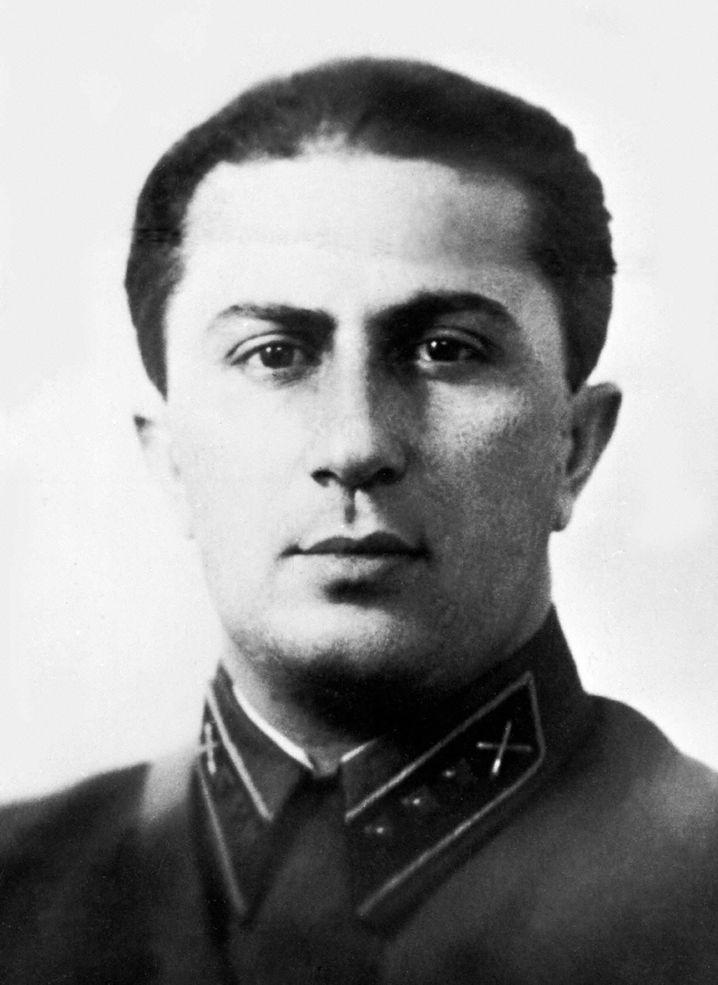
Yakov Dzhugashvili (1907–1943)
Soviet Army officer and eldest son of Joseph Stalin
-
He served as an artillery officer in the Red Army.
-
German forces captured him in 1941 during the invasion of the Soviet Union.
-
He was held as a prisoner of war and eventually transferred to Sachsenhausen concentration camp in Germany.
-
He died there on 14 April 1943.
Yakov was not targeted because he was a Jewish or Polish child. He was captured as a Soviet military officer and held as a high-profile prisoner because of his relationship to Stalin.
Accounts of the exact circumstances of his death differ in some details, but historical records indicate that a German guard shot him after he approached the camp's electrified perimeter.
A popular story claims Stalin refused to exchange Yakov for German Field Marshal Friedrich Paulus. Although versions of this story circulated after the war, the exact exchange proposal and Stalin's alleged response are not securely established by the available documentary evidence.
4. Other notable victims of Nazi Germany
These examples include political leaders, resistance members, children, and people persecuted because of their identity.
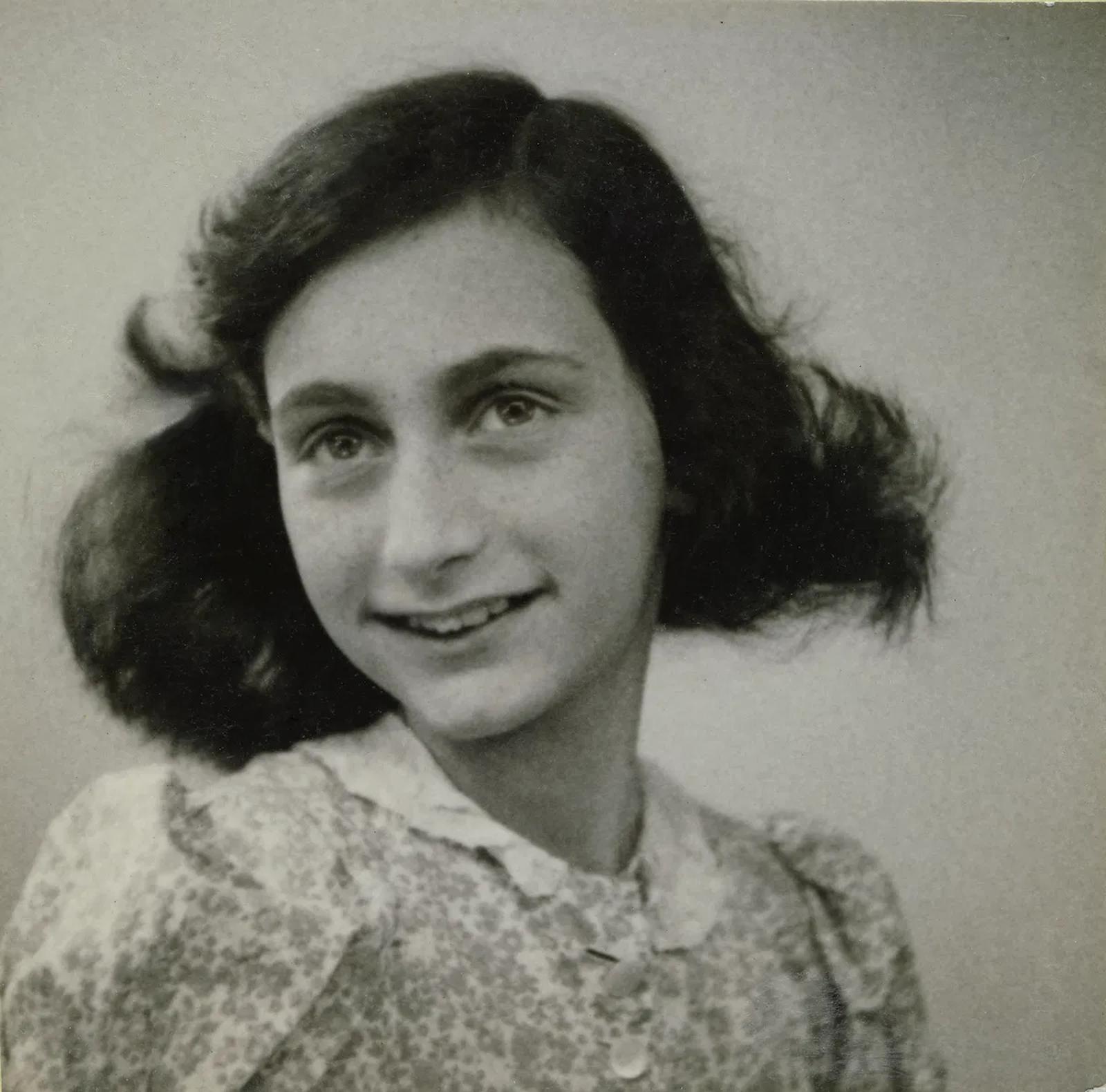
Anne Frank (1929–1945)
A Jewish girl born in Germany who hid with her family in the Netherlands before being discovered and deported. She died at Bergen-Belsen concentration camp in 1945.
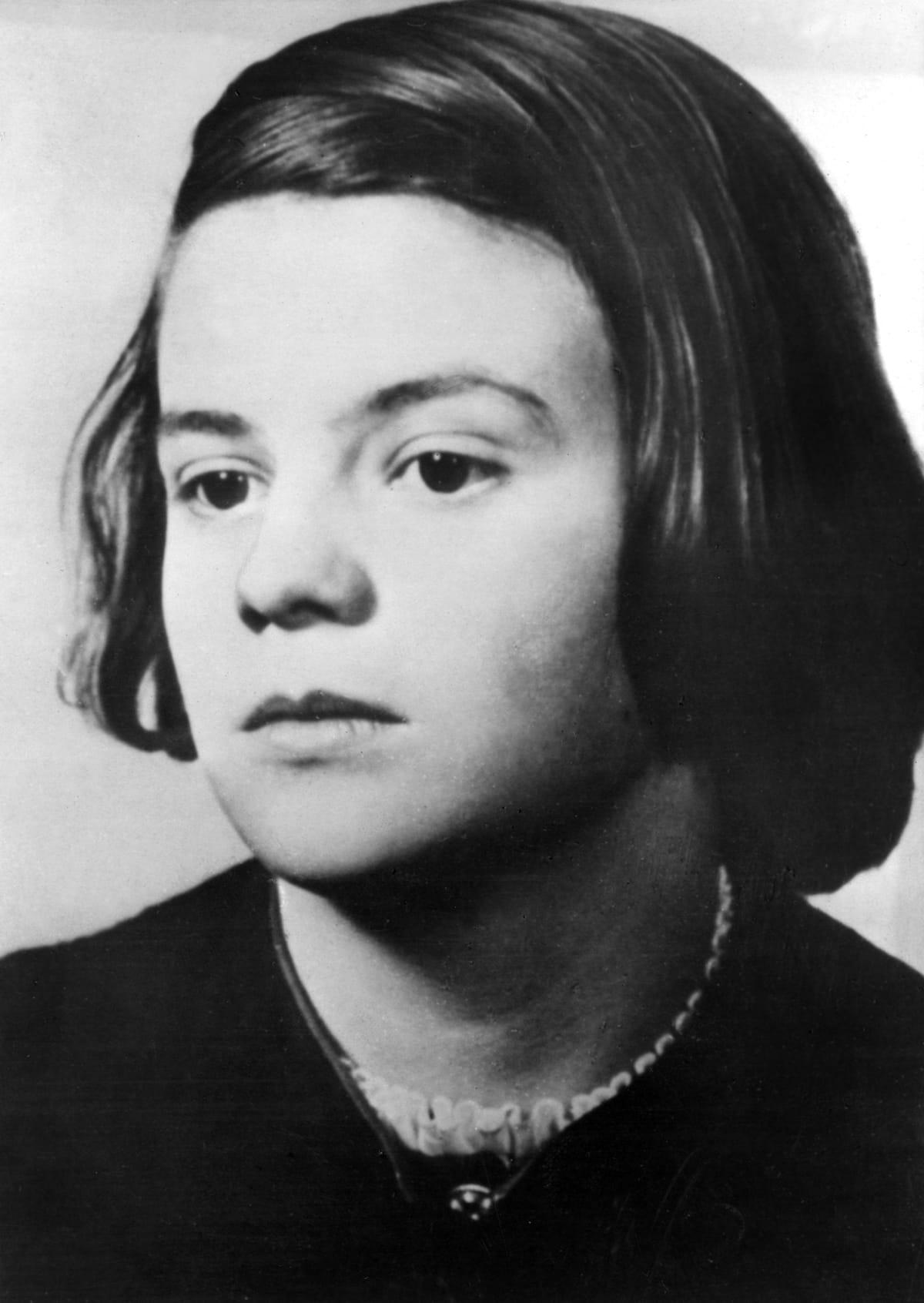
Sophie Scholl (1921–1943)
A German student who helped distribute anti-Nazi leaflets as part of the White Rose resistance movement. The regime executed her in 1943.

Janusz Korczak (1878–1942)
A Polish-Jewish doctor, educator, and children's author. He was murdered at Treblinka during the Holocaust after refusing to abandon the children in his care.
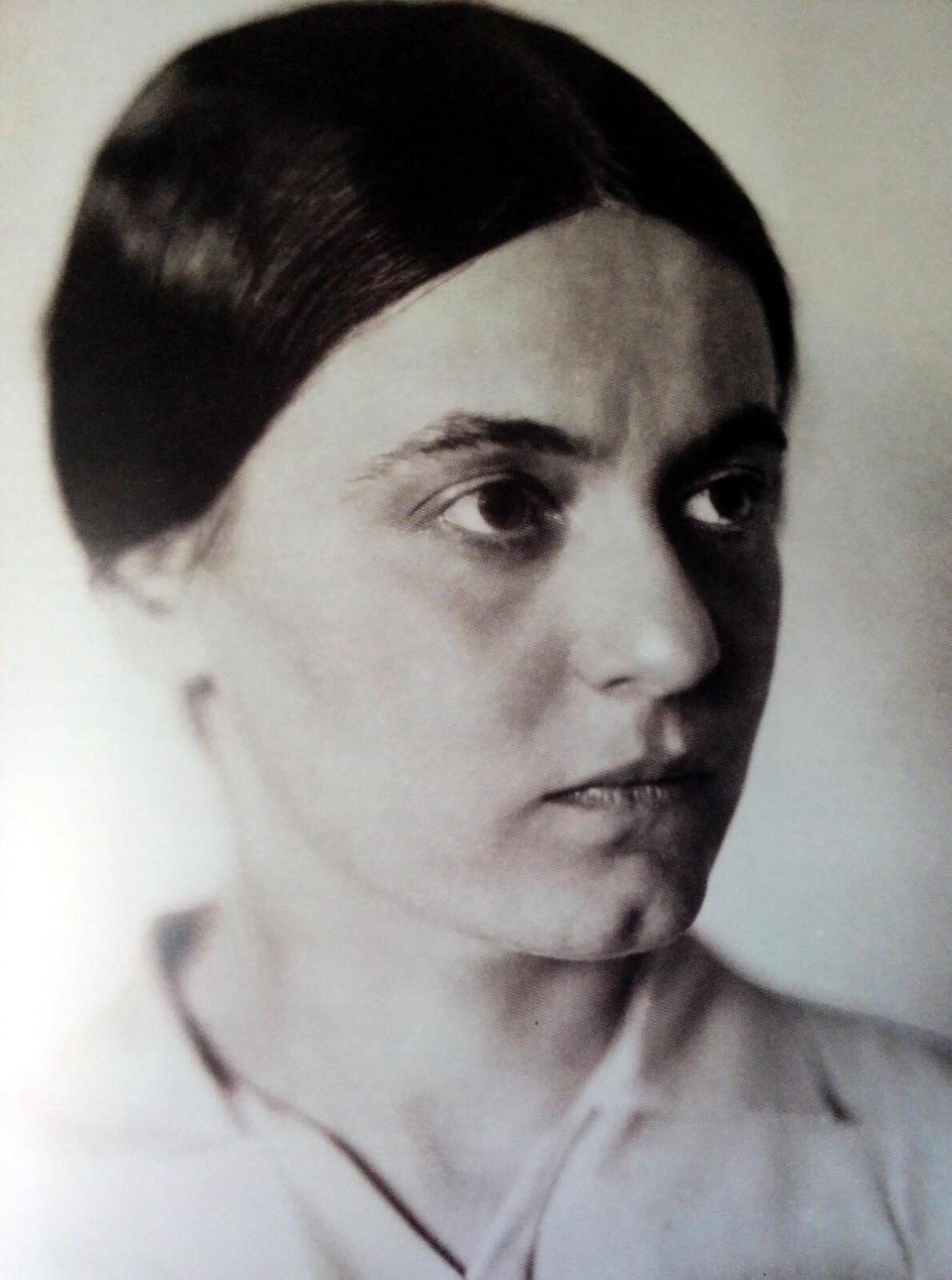
Edith Stein (1891–1942)
A German Jewish-born philosopher who became a Catholic nun. Because of her Jewish ancestry, the Nazi regime deported her, and she was murdered at Auschwitz-Birkenau.
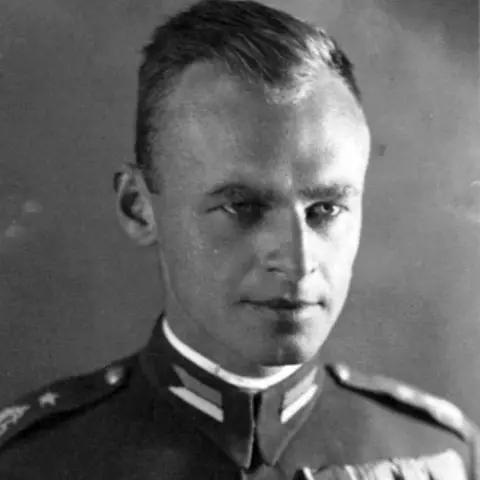
Witold Pilecki (1901–1948)
A Polish resistance officer who deliberately entered Auschwitz to gather intelligence and organize resistance. He escaped and reported on the camp. The Nazis imprisoned him, but he survived Nazi captivity; he was later executed by Poland's communist authorities in 1948.
5. Who else did the Nazis persecute or murder?
The Nazi regime and its collaborators targeted millions of people. Major victim groups included:
-
Jewish people: Six million Jews were murdered in the Holocaust.
-
Polish civilians: Many were murdered, expelled from their homes, imprisoned, or forced into labor.
-
Soviet prisoners of war: Millions died in German captivity from starvation, disease, exposure, and deliberate killings.
-
Roma and Sinti: Faced racial persecution and genocide.
-
People with disabilities: Thousands of children and many adults were murdered under Nazi killing programs.
-
Political opponents: Communists, Social Democrats, trade unionists, and others were imprisoned or killed.
-
Jehovah's Witnesses: Persecuted for refusing certain demands of the Nazi state.
-
Gay men and other people targeted under sexual and social laws: Many were imprisoned, and some were sent to concentration camps.
-
Resistance fighters and rescuers: Many were executed or imprisoned for opposing Nazi rule or helping persecuted people.
The circumstances and policies differed between these groups, but all suffered from the regime's use of racial, political, and social classifications to justify persecution.
The central historical point: Nazi Germany sometimes abducted Polish children who looked “Aryan” because it wanted to assimilate them into German society, while persecuting and murdering other Polish children and their families. Yakov Dzhugashvili, Stalin's son, was a different kind of victim: a Soviet prisoner of war who died in Nazi captivity Below is a text-only reference for your JanitorAI lorebook covering the SS ranks, SS officers, organizations, and victims of Nazi Germany from 1925 to 1945. I’ll keep it historical and include the main ranks rather than inventing a list of every individual SS member.
1. What was the SS?
The SS (Schutzstaffel) was a Nazi organization that grew from a small bodyguard unit into a major instrument of dictatorship, racial persecution, occupation, and mass murder. Heinrich Himmler led the SS from 1929. Its branches included the Allgemeine-SS, Waffen-SS, and security organizations.
2. SS ranks — from junior to senior
These are the principal ranks used in the SS, particularly in its later rank structure. Exact titles and equivalences varied by branch and year.
| German SS rank | Approximate English equivalent | | ----------------------- | ------------------------------------------------------ | | SS-Anwärter | Applicant / candidate | | SS-Mann | Private | | SS-Sturmmann | Senior private / lance corporal | | SS-Rottenführer | Senior enlisted rank | | SS-Unterscharführer | Junior NCO | | SS-Scharführer | NCO | | SS-Oberscharführer | Senior NCO | | SS-Hauptscharführer | Senior NCO | | SS-Sturmscharführer | Senior NCO; used in certain structures | | SS-Untersturmführer | Second lieutenant | | SS-Obersturmführer | First lieutenant | | SS-Hauptsturmführer | Captain | | SS-Sturmbannführer | Major | | SS-Obersturmbannführer | Lieutenant colonel | | SS-Standartenführer | Colonel | | SS-Oberführer | Senior rank between colonel and general grades | | SS-Brigadeführer | General officer, approximately brigadier-general level | | SS-Gruppenführer | General officer, approximately major-general level | | SS-Obergruppenführer | Senior general officer | | SS-Oberst-Gruppenführer | Highest general-grade rank below Reichsführer-SS | | Reichsführer-SS | Head of the SS; the title held by Heinrich Himmler |
Important: These are SS ranks, not the same as Wehrmacht army ranks. A person could also hold a separate police or government position.
3. Main SS leaders and officers
These are notable historical figures associated with SS leadership and its crimes.
| Name | Role | | ------------------- | -------------------------------------------------------------------------------------------------------------------------- | | Heinrich Himmler | Reichsführer-SS; central leader of the SS and a key organizer of the Holocaust. | | Reinhard Heydrich | Senior SS and security official; a principal architect of Nazi persecution and genocide. | | Ernst Kaltenbrunner | Senior security official who led the Reich Security Main Office after Heydrich's death. | | Karl Wolff | Senior SS officer and Himmler's chief of staff for a period. | | Oswald Pohl | Head of the SS Economic and Administrative Main Office, which administered concentration camps and SS economic activities. | | Theodor Eicke | Early inspector and organizer of the concentration camp system; later a Waffen-SS commander. | | Richard Glücks | Senior official responsible for the concentration camp inspectorate. | | Rudolf Höss | Commandant of Auschwitz for much of its early operation as a killing center. | | Adolf Eichmann | SS officer who coordinated deportations of Jews to ghettos and killing centers. | | Odilo Globocnik | SS and police leader who played a central role in Operation Reinhard, the murder of Jews in occupied Poland. | | Jürgen Stroop | SS and police commander responsible for crushing the Warsaw Ghetto Uprising. | | Friedrich Jeckeln | Senior SS and police leader implicated in mass shootings in occupied Soviet territory. | | Oskar Dirlewanger | Commander of a notorious Waffen-SS formation responsible for severe atrocities against civilians. | | Josef Mengele | SS physician at Auschwitz who conducted abusive and often lethal experiments on prisoners. |
This list is illustrative, not exhaustive. SS officers had different responsibilities, and not every officer held the same authority or carried out the same crimes. The SS as an organization nevertheless played a central role in Nazi persecution, the Holocaust, and other war crimes.
4. SS branches and related organizations
| Organization | Main function | | ---------------------------------------------- | ---------------------------------------------------------------------------------------------------------------------------------- | | Allgemeine-SS | General SS organization involved in Nazi ideological, administrative, and political activities. | | Waffen-SS | Armed SS formations that fought in the war and participated in massacres, occupation violence, and other war crimes. | | SS-Totenkopfverbände | SS units responsible for guarding and administering concentration camps before and during the war. | | Sicherheitsdienst (SD) | Nazi Party intelligence service, which gathered information on perceived enemies. | | Sicherheitspolizei (SiPo) | Security Police, incorporating the Gestapo and Criminal Police. | | Gestapo | Secret State Police; persecuted political opponents and other people targeted by the regime. | | Kriminalpolizei (Kripo) | Criminal Police; participated in Nazi racial and social persecution. | | Reichssicherheitshauptamt (RSHA) | Reich Security Main Office, established in 1939, coordinating major security and intelligence bodies. | | SS-Wirtschafts- und Verwaltungshauptamt (WVHA) | SS economic and administrative office, including oversight of the concentration camp system. | | Einsatzgruppen | Mobile killing units that murdered Jews, Soviet officials, Roma, and other targeted people, especially in occupied Eastern Europe. |
The Gestapo, SD, police, Waffen-SS, and camp organizations had different structures, even when their work overlapped.
5. Victims and groups targeted by Nazi Germany
The Nazi regime did not target everyone for the same reasons or in the same way. Its policies included exclusion, dispossession, forced sterilization, imprisonment, forced labor, deportation, and mass murder.
1. Jewish people
The primary target of Nazi racial ideology. Jews were stripped of rights, dispossessed, forced into ghettos, deported, and murdered. Nazi Germany and its collaborators murdered approximately six million Jewish people in the Holocaust.
2. Roma and Sinti people
Persecuted through racial discrimination, imprisonment, deportation, and genocide.
3. Polish civilians and other occupied populations
Polish teachers, clergy, intellectuals, political leaders, children, and ordinary civilians were targeted. The occupation involved executions, forced labor, kidnapping of children for Germanization, deportation, and destruction of communities.
4. Soviet prisoners of war
Millions were captured after Germany invaded the USSR in 1941. Approximately 3.3 million Soviet POWs died in German captivity, through starvation, disease, exposure, executions, and other brutal conditions.
5. Disabled people
Nazi authorities carried out forced sterilization and the murder of disabled children and adults, including through the so-called “euthanasia” killing programs.
6. Political opponents
Communists, Social Democrats, trade unionists, democratic activists, and other opponents faced surveillance, arrest, torture, imprisonment, and execution.
7. Jehovah's Witnesses
Persecuted for refusing certain Nazi demands, including the Hitler oath, participation in Nazi organizations, and military service.
8. Gay men and other men accused of homosexuality
Many were prosecuted under criminal laws, imprisoned, or sent to concentration camps. The treatment of lesbians and other LGBTQ people was not identical, and persecution varied.
9. Black people in Germany
Subjected to racist discrimination, forced sterilization in some cases, imprisonment, and other forms of persecution.
10. People labelled “asocial” or “professional criminals”
Nazi authorities used these stigmatizing categories to imprison and abuse people, including some homeless people, people accused of prostitution, and others who did not conform to the regime's social expectations.
11. Resistance members and civilians accused of resistance
People who aided resistance networks, hid persecuted people, sabotaged German occupation, or were merely suspected of resistance could be tortured, imprisoned, deported, or executed. Collective reprisals also killed many innocent civilians.
These categories are based on the United States Holocaust Memorial Museum's overview of Nazi victims. Not all groups faced the same policies, and the Nazis' persecution changed over time.
6. Victims from other countries
The Nazi regime's victims came from many countries and occupied territories, including:
-
Germany and Austria
-
Poland
-
The Soviet Union and its occupied territories, including areas of present-day Belarus, Ukraine, and Russia
-
France
-
The Netherlands
-
Belgium
-
Luxembourg
-
Greece
-
Yugoslavia and its successor countries
-
Czechoslovakia
-
Hungary
-
Romania and other countries where Nazi Germany or its collaborators persecuted people
Country borders changed during this period, so a historical character's nationality should match the year and location.
7. JanitorAI lorebook rule
You can add this final entry to keep your roleplay historically consistent.
Entry name
Nazi SS, Victims, and Persecution
Keywords
SS, SS officer, Himmler, Gestapo, Waffen-SS, concentration camp, Holocaust, victims, Nazi persecution
Content
The SS was a central organization of Nazi dictatorship, racial persecution, occupation, and mass murder. Its branches and related security agencies had different duties.
Nazi Germany persecuted Jewish people, Roma and Sinti, disabled people, Polish civilians, Soviet POWs, political opponents, Jehovah's Witnesses, gay men, Black people, resistance members, and others.
The Holocaust was the systematic genocide of Europe's Jews. Nazi Germany and its collaborators also committed mass murder and other atrocities against millions of additional victims.
Do not glorify Nazi crimes or present Nazi racial ideology as scientific fact. Do not assume every German was an SS member, that every SS member had the same rank, or that every civilian supported Nazi beliefs. Keep all ranks, organizations, political relationships, and events consistent with the current year.
Scenario
21,494 tokensNazi Germany (1933–1945) — Complete Historical Information
History guide · Germany under Adolf Hitler · No pictures, information only
1. What was Nazi Germany?
Nazi Germany was the name commonly used for Germany under the dictatorship of Adolf Hitler and the Nazi Party from 1933 to 1945.
Its official state name remained the German Reich for much of this period. Nazi Germany was governed by a totalitarian dictatorship that sought to control politics, education, media, culture, employment, and many aspects of private life.
-
Country: Germany
-
Period: 1933–1945
-
Ruling party: Nazi Party (NSDAP)
-
Leader: Adolf Hitler
-
Leader's title: Führer (leader)
-
Capital: Berlin
-
Official language: German
-
Currency: Reichsmark
-
Government: Nazi dictatorship
-
Ideology: Nazism, including extreme nationalism, racial hierarchy, antisemitism, militarism, and opposition to liberal democracy and communism.
-
End of the regime: May 1945, when Nazi Germany surrendered in World War II.
Nazi Germany was not the same as Germany throughout its history. Before Hitler took power, Germany was a democratic republic known as the Weimar Republic. After 1945, Germany underwent a different political and social transformation.
2. Who was Mein Führer?
Adolf Hitler
-
Born: 20 April 1889
-
Died: 30 April 1945
-
Leader of the Nazi Party
-
German chancellor from 30 January 1933
-
Dictator who consolidated power in 1933–1934
-
Supreme leader of Nazi Germany during World War II
What does “Mein Führer” mean?
It means “My Leader” in German.
People used the title when addressing Hitler. Nazi propaganda promoted him as the unquestionable leader of the German nation.
Hitler did not become dictator through one single event. He was appointed chancellor in January 1933. His government then dismantled democratic institutions, suppressed political opposition, and established a dictatorship. After President Paul von Hindenburg died in August 1934, Hitler combined the positions of head of state and head of government under his leadership.
The Nazi regime used propaganda, intimidation, arrests, censorship, and political violence to maintain its rule.
3. Important places in Nazi Germany
These are real historical locations associated with the Nazi government, daily life, persecution, and World War II.
1. Berlin
Capital city
The center of the Nazi government, ministries, diplomatic activity, propaganda, and major political decisions. Hitler's government operated from Berlin.
2. Munich (München)
Birthplace of the Nazi movement's rise
An important early center of the Nazi Party. Hitler's failed Beer Hall Putsch took place here in November 1923.
3. Nuremberg (Nürnberg)
Party rallies and racial laws
Hosted enormous Nazi Party rallies. The 1935 Nuremberg Laws stripped German Jews of important citizenship rights and prohibited marriages and sexual relations between Jews and people classified as German or related blood.
4. Obersalzberg, Bavaria
Hitler's mountain retreat
Hitler's Berghof residence was located near Berchtesgaden. He received visitors and conducted political discussions there.
5. Dachau, near Munich
Concentration camp
Established in March 1933. It imprisoned political opponents, Jews, Roma, Jehovah's Witnesses, gay men, and other people targeted by the regime. Prisoners experienced forced labor, abuse, starvation, and disease.
6. Auschwitz-Birkenau, occupied Poland
Concentration and extermination camp complex
Established in German-occupied Poland, not within Germany's prewar borders. It became a major site of the Holocaust and mass murder.
Other important places included Hamburg, Frankfurt, Cologne, Dresden, and the industrial Ruhr region. German forces also occupied territories across Europe, where Nazi rule imposed different systems of military occupation, forced labor, imprisonment, and persecution.
The United States Holocaust Memorial Museum documents the Nazi regime's expansion and persecution across German-controlled Europe.
4. Timeline: year by year, 1933–1945
1933
Hitler becomes chancellor
-
30 January: Hitler is appointed chancellor.
-
February: Civil liberties are suspended following the Reichstag Fire Decree.
-
March: The Enabling Act gives Hitler's government the power to legislate without normal parliamentary approval.
-
Political opponents are arrested; Dachau concentration camp opens.
-
Jewish businesses and Jewish employees face organized discrimination.
1934
Hitler consolidates dictatorship
-
During the Night of the Long Knives, Nazi leaders purge political and internal rivals.
-
President Hindenburg dies in August.
-
Hitler combines the presidency and chancellorship in practice and becomes the Führer.
-
The military swears personal allegiance to Hitler.
1935
Nuremberg Laws
-
Jews are deprived of full citizenship rights.
-
Laws prohibit marriages and sexual relations between Jews and those classified as German or related blood.
-
Germany expands its armed forces and introduces military conscription.
1936
Olympics and military expansion
-
Berlin hosts the Summer Olympic Games.
-
German forces reoccupy the Rhineland.
-
The regime uses the Olympics to present a carefully managed public image to foreign visitors.
-
Rearmament and preparations for expansion continue.
1937
Persecution intensifies
-
Jews face increasing economic exclusion and pressure to leave Germany.
-
Political opponents and people labeled socially or racially undesirable remain vulnerable to imprisonment.
-
Nazi Germany increases military preparations.
1938
Territorial expansion and Kristallnacht
-
March: Germany annexes Austria in the Anschluss.
-
September–October: Germany gains the Sudetenland.
-
9–10 November: Kristallnacht, a nationwide wave of anti-Jewish violence, destroys synagogues and businesses and leads to mass arrests.
-
Jewish families face escalating pressure to emigrate.
1939
World War II begins in Europe
-
March: Germany occupies the Czech lands.
-
1 September: Germany invades Poland.
-
Britain and France declare war on Germany.
-
Nazi Germany's persecution spreads into occupied territories.
-
The regime begins a systematic program of killing disabled people known as the so-called T4 program.
1940
Germany conquers much of Western Europe
-
German forces occupy Denmark, Norway, the Netherlands, Belgium, Luxembourg, and much of France.
-
The Battle of Britain takes place.
-
Forced labor, occupation, and repression expand.
1941
Invasion of the Soviet Union
-
June: Germany invades the Soviet Union.
-
Mass shootings of Jews and other targeted people expand across occupied eastern territories.
-
December: Germany declares war on the United States.
-
The systematic mass murder of Europe's Jews escalates toward genocide.
1942
The Holocaust expands
-
Nazi officials coordinate the implementation of the so-called “Final Solution.”
-
Deportations to killing centers intensify.
-
Millions of people are subjected to forced labor, starvation, deportation, and mass murder.
-
Germany's military reaches an enormous extent, but the war begins turning against the Axis.
1943
Germany suffers major defeats
-
February: German forces surrender at Stalingrad.
-
Allied bombing of German cities intensifies.
-
Food shortages, destruction, and military casualties increase.
-
Resistance movements operate in occupied Europe.
1944
Germany loses more territory
-
June: Allied forces land in Normandy, France.
-
Soviet forces advance westward.
-
July: A group of German officers attempts to assassinate Hitler; the attempt fails.
-
Bombing, military losses, and shortages worsen.
1945
Nazi Germany collapses
-
January: Soviet forces liberate Auschwitz.
-
April: Soviet troops enter Berlin; Hitler dies by suicide on 30 April.
-
8 May: Germany's unconditional surrender takes effect in Europe.
-
Nazi rule ends, and the Allied powers occupy Germany.
This timeline summarizes key events documented by the United States Holocaust Memorial Museum.
5. What was everyday life like?
Life depended greatly on a person's age, sex, job, political beliefs, religion, ancestry as defined by the Nazis, and whether the person supported or resisted the regime.
For some Germans classified as racially acceptable, everyday life could initially appear ordinary: school, work, shopping, family meals, church, sports, and holidays. However, these activities took place under a dictatorship that increasingly controlled public life.
Home and family
Families cooked, cleaned, worked, raised children, celebrated birthdays, and managed household expenses. State propaganda promoted a particular model of family life, with men as providers and women primarily as wives and mothers.
Work and money
Employment increased in several sectors, including construction and armaments. Rearmament and public projects helped reduce unemployment, while independent unions were abolished and workers lost important freedoms.
Shopping and food
People bought bread, meat, potatoes, vegetables, clothing, and household goods. Availability varied by year and location. During the war, rationing, shortages, air raids, and disrupted transport increasingly affected daily life.
News and entertainment
Radio broadcasts, newspapers, cinema, music, sporting events, and public ceremonies were part of everyday life. The government censored media and promoted material that supported Nazi ideology.
Public behavior
Nazi symbols, political slogans, official ceremonies, and displays of loyalty became prominent. Some people supported the regime, some conformed to protect themselves, some remained privately critical, and others actively resisted.
Fear and surveillance
People could face denunciation, interrogation, imprisonment, or violence for political opposition or prohibited activities. The Gestapo and other security organizations helped enforce the regime.
An important distinction: not everyone experienced Nazi Germany in the same way. A German family considered acceptable by Nazi racial standards could experience a very different life from a Jewish family living on the same street.
6. Who were the “Aryans”?
The word Aryan originally had historical and linguistic meanings. Nazi ideology misused the term to promote a false racial hierarchy.
The Nazis claimed that people they classified as “Aryan” belonged to a superior race and that Jews and other groups were racial threats. These ideas were racist pseudoscience, not valid biological science.
How did the Nazis classify people?
| Group | Treatment under Nazi rule | | --------------------------------- | ----------------------------------------------------------------------------------------------------------------- | | Germans classified as “Aryan” | Generally favored by racial policy, but still subject to dictatorship and political repression. | | Jewish people | Stripped of rights, excluded from society, deported, and subjected to genocide. | | Roma and Sinti | Racial persecution, imprisonment, deportation, and mass murder. | | Black people | Faced racist discrimination, exclusion, and, in some cases, forced sterilization and persecution. | | People with disabilities | Subjected to coercive sterilization and, in many cases, systematic killing. | | Political opponents | Communists, Social Democrats, trade unionists, and others faced surveillance, arrest, imprisonment, and violence. | | Jehovah's Witnesses | Persecuted for refusing certain military obligations and the oath of allegiance to Hitler. | | Gay men | Particularly gay men, faced criminal prosecution, imprisonment, and concentration camps. | | People in occupied Eastern Europe | Many were subjected to forced labor, dispossession, deportation, starvation policies, and mass murder. | | German Christians | Could practice their faith, but religious institutions faced pressure to conform; individual experiences varied. |
These categories were not all treated in exactly the same way. Policies varied across time, place, and the circumstances of individuals.
Could a person be considered Aryan just because they looked German?
No. Appearance alone did not determine the legal classification used by the Nazi regime.
Authorities used ancestry documentation, including family and birth records, to enforce racial laws. The 1935 Nuremberg Laws and later regulations established discriminatory definitions and classifications, especially regarding Jewish ancestry.
Someone with blond hair and blue eyes was not automatically accepted under every Nazi racial rule. Conversely, Germans with dark hair or brown eyes could be classified as “Aryan.”
The regime's racial ideology was inconsistent, discriminatory, and politically manipulated.
7. What was allowed and not allowed?
There was no single rulebook covering every activity throughout 1933–1945. Laws changed over time, and enforcement differed. This table summarizes the general situation.
| Activity | Situation under Nazi rule | | ------------------------------------------- | ------------------------------------------------------------------------------------------------------------------------------- | | Attending school | Allowed, but education was increasingly controlled by the regime. | | Working in ordinary jobs | Generally allowed for people accepted under the regime's policies; some professions were closed to persecuted groups. | | Listening to radio | Allowed, but broadcasts were controlled and listening to certain foreign stations could be punished, especially during wartime. | | Going to the cinema | Allowed, but films were censored and used for propaganda. | | Practicing Christianity | Generally possible, although churches faced political pressure and interference. | | Joining Nazi organizations | Encouraged or expected in many settings; membership requirements varied by organization and period. | | Criticizing Hitler publicly | Dangerous; could lead to arrest, interrogation, or imprisonment. | | Creating an opposition political party | Not permitted once the Nazi one-party dictatorship was established. | | Organizing an independent trade union | Not permitted; independent unions were destroyed in 1933. | | Publishing independent newspapers | Subject to censorship and suppression. | | Being Jewish and keeping equal civil rights | Impossible under Nazi racial laws; Jewish rights were systematically stripped away. | | Helping people escape persecution | Could be dangerous and expose helpers to severe punishment. | | Refusing military service | Could result in severe punishment, including execution in some circumstances. |
The Nazi government also imposed restrictions on professional life, property ownership, cultural activity, and personal relationships, particularly for people targeted by its racial policies.
8. What did children learn at school?
Education was an important tool for shaping the next generation according to Nazi ideology.
German language
Reading, writing, grammar, literature, and approved German texts. Content was selected or altered to support the regime's ideas about the nation.
Mathematics
Arithmetic and other mathematical topics remained part of education. Nazi-era materials could use examples involving military calculations, population policy, or racist propaganda.
History
History was distorted to promote German nationalism, antisemitism, military expansion, and the idea that Germany had been wronged after World War I.
Biology and racial ideology
Students could be taught pseudoscientific racial classifications, hereditary theories, eugenics, and the regime's false claims about racial superiority.
Physical education
Physical training was emphasized, particularly for boys, in line with the regime's emphasis on military readiness.
Political indoctrination
Teachers were pressured to follow Nazi policies. Jewish children were increasingly excluded, and schooling became more discriminatory.
Youth organizations
Hitler Youth (Hitlerjugend)
Primarily for boys. Activities included sports, outdoor activities, marching, ideological instruction, and military preparation.
League of German Girls (Bund Deutscher Mädel, BDM)
For girls. Activities emphasized physical fitness, Nazi ideology, domestic expectations, motherhood, and preparation for their prescribed roles in Nazi society.
Participation became increasingly widespread and, by 1939, membership in the Hitler Youth system was legally compulsory for many eligible young people, subject to exclusions and specific circumstances. Jewish children were excluded from these organizations.
These groups did not simply provide ordinary extracurricular activities. They were designed to encourage loyalty to Hitler and prepare young people for the regime's political and racial objectives.
9. What were women allowed to do?
Women's lives were shaped by Nazi racial ideology and the government's desire to increase births among people it classified as racially desirable.
Work and occupations
Women could work in many occupations, including:
-
Teachers, subject to ideological restrictions and discriminatory employment policies.
-
Nurses and other healthcare workers.
-
Secretaries, typists, and clerical workers.
-
Shop assistants and sales workers.
-
Domestic workers and cleaners.
-
Seamstresses, dressmakers, and textile workers.
-
Farmers and agricultural workers.
-
Factory workers, particularly as the war created labor shortages.
-
Some professional and academic occupations, although women faced substantial restrictions and discrimination.
Important: The Nazis did not ban every woman from having a job. Their policies shifted over time. Before the war, some measures encouraged women to leave certain professional positions or focus on family life. During the war, labor shortages led the regime to rely increasingly on women workers.
Marriage and motherhood
The government encouraged marriage and childbirth among women it classified as racially desirable. It offered marriage loans and motherhood awards under particular conditions.
At the same time, the regime imposed forced sterilization on people it deemed to have hereditary conditions and persecuted women who fell outside its racial and social ideals.
Women classified as Jewish faced a radically different reality: increasing exclusion, dispossession, deportation, and the threat of murder.
Could women become SS officers?
Women served in some auxiliary, administrative, medical, communications, and concentration-camp guard roles, but these positions must be distinguished from the formal male SS officer corps.
The SS was a male-dominated organization. Women could serve as concentration-camp guards or auxiliary personnel in certain circumstances, but they did not hold the same formal SS officer positions as men.
For a historical character such as a 17-year-old German girl in 1900, these later Nazi-era rules would not apply to her life in 1900; the historical setting matters.
10. What did Nazi Germany hate or oppose?
The Nazi Party promoted several major ideological enemies. Its propaganda often portrayed these groups as threats to Germany, but those portrayals were frequently false, conspiratorial, or dehumanizing.
-
Jewish people: Antisemitism was central to Nazi ideology and ultimately led to the Holocaust.
-
Communism and Marxism: The regime violently suppressed communists, socialists, and other left-wing opponents.
-
Liberal democracy: The Nazis rejected political pluralism, competitive elections, and independent institutions.
-
Independent trade unions: These were abolished and replaced by a state-controlled labor organization.
-
People considered racially or biologically undesirable: The regime targeted Roma and Sinti, Black people, people with disabilities, and others in different ways.
-
Religious or social groups that resisted Nazi demands: Jehovah's Witnesses and certain clergy and church members faced persecution.
-
Homosexual men: They were targeted under criminal laws and subjected to imprisonment and concentration camps.
-
Foreign nations that opposed German expansion: Nazi Germany fought a war of conquest against numerous European countries and the Soviet Union, and later against the United States.
It is important to distinguish between the regime's propaganda about its enemies and the actual actions or beliefs of the people it targeted.
11. Nazi Germany's military and police organizations
Wehrmacht
Germany's armed forces, consisting of the army (Heer), navy (Kriegsmarine), and air force (Luftwaffe). They fought in World War II and participated in crimes in occupied territories.
SS (Schutzstaffel)
An organization that grew into a major instrument of Nazi racial persecution, security, concentration-camp administration, and mass murder.
Gestapo
The secret state police, which investigated and suppressed political opposition and helped enforce Nazi persecution.
SA (Sturmabteilung)
The Nazi Party's early paramilitary organization, known for street violence, intimidation, and attacks on political opponents. Its power was sharply reduced after the 1934 purge.
Other important organizations included the Sicherheitsdienst (SD), the Nazi Party's security intelligence service, and the German Labor Front (DAF), which controlled the official labor organization after independent unions were destroyed.
These organizations were not interchangeable. They had different responsibilities and institutional histories, although they sometimes cooperated in repression and crimes.
12. What happened to Jewish people? The Holocaust
The Holocaust was the systematic, state-sponsored persecution and murder of six million European Jews by Nazi Germany and its collaborators.
The process developed over time:
-
1933–1935: Discrimination, boycotts, exclusion from public employment, and restrictions on rights.
-
1935–1938: Racial laws, growing exclusion, and pressure to leave Germany.
-
1938: Kristallnacht brought widespread violence, destruction of synagogues and businesses, and mass arrests.
-
1939–1941: War and occupation brought millions more Jewish people under Nazi control. Ghettos, deportations, and mass shootings expanded.
-
1941–1945: Systematic mass murder intensified, including killings in extermination centers.
-
1945: Nazi Germany's defeat ended the regime, but survivors faced enormous losses, displacement, and the challenge of rebuilding their lives.
Nazi Germany also persecuted and murdered millions of other people, including Soviet prisoners of war, non-Jewish Polish civilians, Roma and Sinti, disabled people, and others.
The Holocaust was not simply a consequence of wartime chaos. It was the result of deliberate state policy, organized violence, cooperation among institutions, and the participation of perpetrators and collaborators.
13. What about religion and churches?
Nazi Germany was not officially a simple religious state or a straightforward atheist state. Its relationship with religion was complicated.
-
Most Germans belonged to Protestant or Catholic churches.
-
Some church leaders accommodated the regime, while others opposed particular policies.
-
The government tried to bring religious organizations under political control.
-
Jehovah's Witnesses faced persecution for refusing certain demands of the state.
-
Some clergy and Christian groups resisted Nazi policies, including aspects of persecution.
-
Religious identity did not protect Jewish people from Nazi racial persecution, even when they or their families had converted to Christianity.
The regime's priorities were political control, racial ideology, and loyalty to Hitler. Religious institutions were tolerated to varying degrees when they did not challenge those priorities.
14. Propaganda, censorship, and information control
Joseph Goebbels led the Nazi Ministry of Public Enlightenment and Propaganda.
The regime used several methods to shape public opinion:
-
Radio: Broadcasts spread speeches, news, and government messages.
-
Newspapers: Independent reporting was restricted; newspapers were censored or controlled.
-
Cinema: Films promoted Nazi ideals, nationalism, antisemitism, and the cult of Hitler.
-
Posters and rallies: Public displays promoted unity, obedience, military power, and racial ideology.
-
Books: Works by Jewish writers and other disfavored authors were banned or burned.
-
Education: School materials and teacher training were brought into line with Nazi objectives.
-
Public ceremonies: Parades, flags, uniforms, and carefully staged events made the regime appear powerful and widely supported.
Not every German believed all Nazi propaganda. Nevertheless, the government severely restricted access to independent information and made public opposition dangerous.
15. Resistance against Nazi Germany
Not all Germans supported Hitler. Resistance took many forms, although it was dangerous and often limited.
Examples include:
-
White Rose: A student resistance group that distributed leaflets opposing Nazi dictatorship and crimes.
-
The July 20 plot, 1944: A failed attempt by German military officers and other conspirators to assassinate Hitler and overthrow the regime.
-
Confessing Church: Certain Protestant Christians resisted Nazi interference in church affairs, although opposition to church control did not necessarily mean opposition to all Nazi crimes.
-
Political undergrounds: Communists, Social Democrats, trade unionists, and other opponents tried to preserve networks and resist the dictatorship.
-
Individual rescuers: Some people hid Jewish neighbors, forged documents, or helped persecuted people escape.
Resistance could lead to imprisonment, torture, execution, or retaliation against family members. Some Germans resisted on moral grounds; others opposed specific policies or feared the consequences of Hitler's war. Their motivations varied.
16. How did Nazi Germany end?
By 1944–1945, Germany was facing military defeat from the Western Allies and the Soviet Union.
-
German cities suffered extensive bombing.
-
Military casualties and shortages grew.
-
Allied armies advanced into Germany.
-
Soviet troops surrounded and captured Berlin.
-
Hitler died by suicide on 30 April 1945.
-
Germany's unconditional surrender took effect on 8 May 1945 in Europe.
After the war, Germany was divided into occupation zones controlled by the United States, Britain, France, and the Soviet Union. The country later developed into West Germany and East Germany in 1949.
The Nuremberg trials prosecuted leading Nazi officials and other defendants for crimes including crimes against peace, war crimes, and crimes against humanity. Further efforts at denazification and rebuilding followed.
17. Extra historical details worth knowing
| Topic | Important information | | ----------------------- | --------------------------------------------------------------------------------------------------------------------------------------------------------------------- | | Official state name | The German Reich; the regime is commonly called the Third Reich. | | Nazi Party abbreviation | NSDAP, short for Nationalsozialistische Deutsche Arbeiterpartei. | | Nazi salute | A prescribed gesture of political allegiance used in public and official settings. | | Nazi flag | A red flag featuring a white disk and black swastika. The swastika had older cultural uses but was appropriated as a Nazi symbol. | | Reichstag | Germany's parliament; it lost meaningful independence under the dictatorship. | | SS concentration camps | Used for political imprisonment, forced labor, persecution, and other abuses. Some Nazi camps were also specifically designed as killing centers. | | Lebensraum | “Living space”: the Nazi justification for territorial expansion, particularly into Eastern Europe, involving dispossession, enslavement, expulsion, and mass murder. | | Volksgemeinschaft | The Nazi idea of a racially defined “people's community,” which excluded those the regime considered outsiders. | | Totalitarian control | The regime sought to subordinate political, cultural, educational, labor, and social institutions to its ideology. | | Ration cards | Used to manage scarce food and other essential goods during wartime. | | Forced labor | Millions of foreign civilians and prisoners were compelled to work for the German war economy and other institutions. | | Displacement after 1945 | Millions of survivors, former forced laborers, prisoners, and refugees needed housing, food, and help returning home or finding new homes. |
18. How to understand daily life for a historical character
If you are writing a character who lives in Germany under Nazi rule, these details help establish a realistic setting:
-
1933–1935: The dictatorship is being established; political opponents face repression, and anti-Jewish discrimination becomes law.
-
1936–1938: Propaganda, military expansion, public ceremonies, and racial exclusion become increasingly visible.
-
1939–1941: War changes ordinary routines; military service, rationing, censorship, and fear become more significant.
-
1942–1945: Air raids, shortages, forced labor, family separation, military losses, and the consequences of mass murder shape daily life.
-
After May 1945: The Nazi regime no longer governs Germany; occupation, destruction, shortages, displacement, and political reconstruction define the immediate postwar years.
A person's experience would also depend on their exact city, age, employment, family situation, religion, ancestry as classified by Nazi authorities, and relationship to the regime.
19. Recommended sources for further historical study
These are reliable starting points for learning more without relying on Nazi propaganda or fictional depictions.
-
United States Holocaust Memorial Museum — Holocaust Encyclopedia. Detailed articles on Nazi Germany, the Holocaust, persecution, and resistance.
-
Yad Vashem — World Holocaust Remembrance Center. Holocaust research, survivor testimony, and historical documentation.
-
German Historical Museum — German Historical Museum. German history, political institutions, and historical context.
The most important point: Nazi Germany was not just a country with uniforms, military parades, and strict rules. It was a dictatorship that destroyed democratic freedoms, promoted racist ideology, launched a war of conquest, and carried out the Holocaust. Understanding both ordinary daily life and the regime's crimes is essential to understanding this period of history.
Babies and children in Nazi Germany (1933–1945)
In Nazi Germany, what happened to a baby depended heavily on how the Nazi regime classified the child's ancestry, whether the child had a disability, the family's circumstances, and whether the family was considered politically or socially acceptable.
Boys and girls were not treated identically, and not every baby was in danger in the same way. The Nazi government promoted births among families it considered racially desirable while persecuting and murdering children it regarded as undesirable.
1. What happened when a baby was born?
For a baby born into a German family that the Nazis considered racially acceptable, ordinary life could begin with a birth registration, family care, medical attention, and eventually schooling. However, the state also tried to influence the child's upbringing, education, and future role in society.
-
Birth registration: Births were normally registered with civil authorities.
-
Family life: Parents usually cared for the baby at home, unless poverty, illness, war, persecution, or other circumstances intervened.
-
Health examinations: Babies could receive medical examinations and care, although access and quality varied.
-
Racial classification: The regime used ancestry records and racial laws to determine how people were classified.
-
Political upbringing: As children grew older, schools and Nazi youth organizations were used to promote Nazi ideology.
The government encouraged childbirth among people it considered racially desirable, but this did not mean that every German family was safe from state interference.
2. If the baby was a boy or a girl, what would they learn?
The Nazi regime had different expectations for boys and girls. These were ideological expectations, not rules followed by every individual family.
Boys
Expected future role
-
Learn German, mathematics, history, and other school subjects.
-
Receive physical training.
-
Be taught Nazi racial ideology and obedience to Hitler.
-
Be prepared for military service and, in the regime's ideal, to become soldiers and fathers.
-
Join the Hitler Youth as they grew older, under the applicable rules.
Girls
Expected future role
-
Learn German, mathematics, history, and other school subjects.
-
Receive physical training and Nazi ideological instruction.
-
Be encouraged to become wives and mothers.
-
Be taught domestic skills and ideas about raising children.
-
Join the League of German Girls as they grew older, under the applicable rules.
Both boys and girls were exposed to propaganda about race, obedience, nationalism, and loyalty to the regime. Girls were not simply excluded from education, and boys were not exempt from household or family responsibilities; the distinction concerns what the state promoted as their ideal roles.
3. What if a baby had a disability?
This was one of the most dangerous circumstances under Nazi rule.
The Nazis promoted a false theory of racial and hereditary “purity.” They regarded some disabilities and illnesses as reasons to exclude, forcibly sterilize, or murder people. A disability did not make a person less valuable; these actions were crimes committed under Nazi policy.
In August 1939, the government ordered doctors and midwives to report newborn babies and children under three who showed signs of certain severe physical or intellectual disabilities. From 1939 onward, a secret child-killing program operated in German hospitals and specialized children's wards.
What could happen?
-
A child might remain with their family, depending on the circumstances.
-
A child might receive treatment or be placed in a hospital or institution.
-
Authorities could pressure parents to send a child to a specialized clinic.
-
Medical personnel could assess the child under Nazi policies.
-
Some children were murdered by starvation or lethal medication, with their deaths concealed from their families.
The program expanded beyond babies and toddlers to include older children and teenagers. Historians estimate that at least 10,000 disabled children were killed through this program.
Not every disabled baby was automatically killed, and not every diagnosis led to the same outcome. Nevertheless, families could not rely on equal treatment or the protection of their child's rights.
4. Which babies and children did the Nazis target?
The regime persecuted children for different reasons. Some were targeted because of ancestry, some because of disability, and others because their families belonged to groups the Nazis considered political or social enemies.
| Group of children | What could happen to them? | | --------------------------------------- | -------------------------------------------------------------------------------------------------------------------- | | Children classified as “Aryan” | Generally encouraged to grow up within Nazi-approved families and education systems. | | Jewish babies and children | Exclusion, separation from family, deportation, ghetto confinement, and mass murder during the Holocaust. | | Roma and Sinti children | Racial persecution, deportation, imprisonment, and mass murder. | | Children with disabilities | Forced institutionalization, neglect, forced sterilization later in life, or murder under the child-killing program. | | Black children | Racial discrimination; some experienced forced sterilization and exclusion. | | Children of Polish families | Deportation, forced labor, separation from parents, and murder in particular operations. | | Children in occupied Soviet territories | Mass shootings, starvation, deportation, and other forms of persecution. | | Children of political opponents | Families could face surveillance, arrest, intimidation, or separation. | | Children of Jehovah's Witnesses | Could face pressure, discrimination, and family persecution because of their parents' beliefs. |
These outcomes were not identical for every child within a group. Age, location, the period of the war, and individual circumstances affected survival. The US Holocaust Memorial Museum estimates that Nazi Germany and its collaborators murdered approximately 1.5 million Jewish children, as well as tens of thousands of Roma children and thousands of disabled German children.
5. What happened to the baby's parents and family?
The consequences for families could be devastating, but they varied according to the circumstances.
A family favored by the regime
Parents classified as racially acceptable could receive encouragement to have children. The Lebensborn program offered selected women maternity facilities and assistance. However, families still lived under a dictatorship and could experience wartime separation, military conscription, shortages, and bombing.
A Jewish family
Parents and children faced progressively harsher discrimination. Families could lose jobs and property, be forced into ghettos, and be deported. Parents and children were frequently murdered together or separated, sometimes permanently.
A family with a disabled child
Parents could face pressure to send their child to an institution. Some were deceived about the institution's purpose and later received false explanations of their child's death. Other families tried to protect or hide their children.
A family that resisted Hitler
Parents could be investigated, imprisoned, or executed. Their children might lose a parent, be placed with relatives, or face state intervention. Outcomes depended on the particular case.
For example, the Nazi child-killing program used false medical explanations to conceal some murders. Families were sometimes told their children had died from natural causes.
6. What was the Lebensborn program?
Established in 1935 by the SS
Lebensborn was designed to increase births among women the Nazis classified as racially desirable. It provided selected pregnant women with maternity facilities and assistance, including women who were unmarried.
However, it was part of the regime's racist population policies, not a universal maternity service for all German families.
During the war, the program also became involved in the kidnapping of children from occupied countries whose physical features were considered “Aryan” by Nazi authorities. Some children were taken from their families and placed in German households for assimilation.
7. What if a baby was born in a concentration camp?
This was a particularly dangerous situation, and the child's fate depended on the camp, the year, and the family's classification.
At Auschwitz-Birkenau, for example:
-
In the camp's early period, newborn babies were killed regardless of ethnicity.
-
From mid-1943, some non-Jewish newborns were allowed to live, although survival remained difficult.
-
Jewish babies born in the camp continued to be killed until late 1944.
-
Many Jewish children deported to Auschwitz were murdered upon arrival.
-
Some children survived because prisoners or people outside the camp hid and protected them.
Historical records document at least 700 children born at Auschwitz-Birkenau.
8. The key difference to remember
A baby born in Germany in 1934 to parents favored by Nazi racial policy could grow up in a home, attend school, and be taught Nazi ideology. A Jewish baby born in Germany in the same year faced an increasingly discriminatory legal system, which eventually developed into a genocidal policy. A disabled baby born in 1940 could be reported to the authorities and face the risk of being sent to a clinic where children were murdered.
The baby's sex alone did not determine whether the child would be killed. Being a boy or a girl mainly affected the regime's expectations for the child's future role. Ancestry as defined by Nazi law, disability, persecution of the family, and the circumstances of the war could have far more direct consequences for the child's safety.
The Nazi government did not target only adults. Its racial ideology and political policies placed children and even newborn babies among its victims.
Nazi Germany: Allies and Enemies (1933–1945)
Nazi Germany's allies and enemies changed over time. Some countries cooperated with Hitler, some signed temporary agreements with him, and others fought Germany during World War II.
1. Nazi Germany's main allies
Countries and governments that cooperated militarily or politically with Nazi Germany
1. Kingdom of Italy
Major ally
-
Leader: Benito Mussolini.
-
Fascist Italy and Nazi Germany formed the Rome–Berlin Axis.
-
Italy entered World War II alongside Germany in June 1940.
-
In 1943, Mussolini's government collapsed and Italy changed sides; German forces continued fighting in Italy.
2. Empire of Japan
Major ally
-
Emperor: Hirohito.
-
Government led by Japanese military and civilian leaders.
-
Signed the Tripartite Pact with Germany and Italy in September 1940.
-
Fought the Allies in Asia and the Pacific.
-
Japan and Germany were partners, but they did not fight as one unified army.
3. Kingdom of Hungary
-
Leader: Regent Miklós Horthy for much of the period.
-
Joined the Axis and participated in the invasion of the Soviet Union.
-
Hungarian authorities also persecuted Jewish people, and in 1944 Germany occupied Hungary and intensified the deportation of Hungarian Jews.
4. Kingdom of Romania
-
Leader: Ion Antonescu during its Axis alignment.
-
Supplied oil and military forces to Germany.
-
Participated in the war against the Soviet Union.
-
Changed sides in August 1944 and joined the Allies against Germany.
5. Kingdom of Bulgaria
-
Joined the Axis in 1941.
-
Cooperated with Germany and occupied territories in the Balkans.
-
Did not send its regular army to fight the Soviet Union.
-
Changed sides in September 1944.
6. Slovak Republic 1939–1945
-
A state closely aligned with Nazi Germany.
-
Sent troops to participate in the invasion of the Soviet Union.
-
Its government collaborated in the deportation of Jewish people.
Other Axis partners or governments that cooperated with Germany included Croatia's wartime Ustaše regime and Finland, which fought the Soviet Union alongside Germany during part of the war but was not a signatory to the Tripartite Pact.
2. Nazi Germany's main enemies
Countries that fought Germany or opposed its expansion during World War II
1. United Kingdom
-
Leader: Winston Churchill from 1940.
-
Declared war on Germany on 3 September 1939, after Germany invaded Poland.
-
Fought Germany in the Battle of Britain and across Europe and North Africa.
2. Soviet Union (USSR)
-
Leader: Joseph Stalin.
-
Signed a non-aggression pact with Germany in August 1939.
-
Germany invaded the Soviet Union on 22 June 1941.
-
The Soviet Red Army played a major role in defeating Nazi Germany.
3. United States
-
President: Franklin D. Roosevelt during most of the war.
-
Supplied equipment and assistance to countries fighting Germany before entering the war.
-
Germany declared war on the United States on 11 December 1941.
-
US forces fought Germany in North Africa, Italy, France, and western Europe.
4. France
-
Declared war on Germany in September 1939.
-
Defeated in the 1940 campaign; northern and western areas were occupied, while the Vichy regime collaborated with Germany.
-
Free French forces continued fighting alongside the Allies.
5. Poland
-
Germany invaded Poland on 1 September 1939.
-
The Soviet Union invaded eastern Poland on 17 September 1939.
-
Polish forces continued fighting alongside the Allies, and Polish resistance operated under German occupation.
6. China
-
Fought Japan from 1937 in the Second Sino-Japanese War.
-
Became a major Allied power in the wider war.
-
China's war was principally against Japan rather than a direct war against Germany on the European battlefield.
Other Allied countries and resistance movements included Canada, Australia, New Zealand, Greece, Norway, Belgium, the Netherlands, Yugoslavia, and many others.
3. Countries that changed sides or had complicated relationships
| Country | What happened | | ------------ | -------------------------------------------------------------------------------------------------------------------------------------------------------------------------- | | Italy | Allied with Germany until 1943, then surrendered to the Allies; German forces continued fighting in Italy. | | Romania | Fought alongside Germany, then switched sides in August 1944. | | Bulgaria | Joined the Axis in 1941, then declared war on Germany in September 1944. | | Finland | Fought alongside Germany against the Soviet Union, then made an armistice with the USSR in 1944 and fought German forces in northern Finland. | | Hungary | Joined the Axis but came under German occupation in 1944 when Germany feared it might leave the alliance. | | Spain | Remained officially non-belligerent for most of the war, although Franco's government supported Germany in some ways and sent the Blue Division to fight the Soviet Union. | | Soviet Union | Cooperated with Germany under the 1939 pact, then became Germany's principal enemy in the east after the 1941 invasion. |
These examples show why it is important to specify the year when discussing alliances.
4. The two main wartime coalitions
Axis Powers
Led by Germany, Italy, and Japan
-
Nazi Germany
-
Fascist Italy, until its 1943 surrender and change of sides
-
Imperial Japan
-
Hungary, Romania, Bulgaria, Slovakia, and Croatia as European Axis members
Allied Powers
Major leaders included Britain, the United States, and the Soviet Union
-
United Kingdom
-
Soviet Union, from 1941 against Germany
-
United States, at war with Germany from December 1941
-
China
-
France and Free French forces
-
Poland and numerous other Allied nations
The main Axis alliance was formalized by Germany, Italy, and Japan in the Tripartite Pact on 27 September 1940. The Allies had different political systems and did not always agree with one another, but they cooperated to defeat the Axis powers.
One important distinction: A country's government being an ally of Nazi Germany did not mean that every person in that country supported Nazism. Likewise, German citizens were not all Nazi Party members or supporters. There were collaborators, opponents, resistance members, and people whose behavior changed under pressure or wartime circumstances. In Nazi Germany (1933–1945), people often addressed others by titles, military ranks, occupations, or honorifics. Germany was a formal society, and under the Nazi regime ranks became even more important.
How people addressed others
| Person | What people called them | | ---------------------------------- | ------------------------------------------- | | Adolf Hitler | Mein Führer (“My Leader”) | | Ordinary man | Herr (Mr./Sir) | | Ordinary woman | Frau (Mrs./Ms.) | | Young unmarried girl (common then) | Fräulein (“Miss”) | | Nobleman | Herr Graf, Freiherr, or another noble title | | Teacher | Herr Lehrer / Frau Lehrerin | | Doctor | Herr Doktor / Frau Doktor | | Priest | Herr Pfarrer | | Judge | Herr Richter | | Police officer | Herr Wachtmeister or Herr Polizist | | Soldier | Usually Herr + military rank |
“Herr” was commonly used before a man's title, such as Herr Doktor Müller or Herr Major Schmidt.
Adolf Hitler
People who supported or served the regime often addressed him as:
-
Mein Führer (“My Leader”)
-
Der Führer (“The Leader”)
The Nazi government promoted this title through propaganda and expected loyalty to Hitler.
Nobility (Noblemen)
Germany had nobles such as:
-
Graf — Count
-
Freiherr — Baron
-
Fürst — Prince
-
Herzog — Duke
After World War I, these became part of people's legal surnames rather than giving them political power. Some nobles supported Hitler, while others opposed him.
Army (Wehrmacht) ranks
A soldier would usually be addressed by rank.
| Rank | English equivalent | | -------------------- | ---------------------------------------------- | | Leutnant | Second Lieutenant | | Oberleutnant | First Lieutenant | | Hauptmann | Captain | | Major | Major | | Oberst | Colonel | | General | General | | Generalfeldmarschall | Field Marshal | | Reichsmarschall | Highest military rank (held by Hermann Göring) |
SS (Schutzstaffel) ranks
The SS had its own rank system.
| SS Rank | English equivalent | | -------------------- | -------------------------------------------- | | SS-Mann | Private | | SS-Unterscharführer | Corporal | | SS-Scharführer | Sergeant | | SS-Untersturmführer | Second Lieutenant | | SS-Obersturmführer | Lieutenant | | SS-Hauptsturmführer | Captain | | SS-Sturmbannführer | Major | | SS-Standartenführer | Colonel | | SS-Gruppenführer | Major General | | SS-Obergruppenführer | Lieutenant General | | Reichsführer-SS | Supreme SS leader (held by Heinrich Himmler) |
People might also say SS-Führer, meaning an SS officer or leader.
SA (Stormtroopers)
The SA was another Nazi organization with ranks such as:
-
SA-Mann
-
SA-Scharführer
-
SA-Sturmführer
-
SA-Gruppenführer
Nazi Party titles
Important political titles included:
| Title | Meaning | | ----------------- | -------------------------- | | Führer | Hitler | | Reichsleiter | Top national party leader | | Gauleiter | Regional Nazi Party leader | | Kreisleiter | District leader | | Ortsgruppenleiter | Local leader |
Hitler Youth titles
For children and teenagers:
-
Hitlerjugend (HJ) — Hitler Youth (boys)
-
Deutsches Jungvolk — Younger boys
-
Bund Deutscher Mädel (BDM) — League of German Girls
-
Jungmädel — Younger girls
Their leaders had titles like Reichsjugendführer and Gebietsführer.
Other occupations and titles
| Occupation | German title | | ------------- | ----------------- | | Doctor | Doktor | | Professor | Professor | | Teacher | Lehrer / Lehrerin | | Judge | Richter | | Prosecutor | Staatsanwalt | | Mayor | Bürgermeister | | Minister | Minister | | Factory owner | Herr Direktor | | Farmer | Bauer | | Worker | Arbeiter |
How people spoke to higher-ranking people
Examples:
-
“Mein Führer” — Adolf Hitler.
-
“Herr Major” — Army major.
-
“Herr Oberst” — Colonel.
-
“Herr Doktor” — Doctor.
-
“Herr Professor” — Professor.
-
“Herr Gauleiter” — Regional Nazi Party leader.
Using a person's title showed respect for rank and authority, and Nazi Germany emphasized hierarchy throughout government, the military, and society.
Nazi Germany, Poland, children classified as “Aryan,” and famous victims
There are three important parts to your question: what Nazi Germany did to Poland, what happened to Polish children who looked “Aryan” to the Nazis, and which famous people—including Joseph Stalin's son—became victims of Nazi Germany.
1. What did Nazi Germany do to Poland?
On 1 September 1939, Nazi Germany invaded Poland. The Soviet Union invaded eastern Poland on 17 September under the secret arrangements associated with the German–Soviet pact of August 1939.
Germany's occupation brought devastating consequences for Polish civilians.
-
Mass killings: German forces and occupation authorities murdered Polish civilians, including teachers, intellectuals, community leaders, and members of the resistance.
-
Destruction of communities: Polish towns and cities suffered destruction, arrests, and repression.
-
Forced labor: Many Polish people were deported to Germany and forced to work.
-
Expulsion and displacement: Families were driven from their homes to make room for German settlers or to serve German occupation plans.
-
Persecution of Jews: Polish Jews were forced into ghettos, deported, and murdered during the Holocaust.
-
Suppression of Polish culture: The occupiers restricted Polish education, cultural institutions, and political activity.
-
Kidnapping of children: Some Polish children were taken from their families for racial evaluation and possible Germanization.
Nazi Germany intended to destroy much of Poland's political and intellectual leadership and subordinate the Polish population to German rule. Its plans for Eastern Europe included racial colonization, mass displacement, forced labor, and murder.
2. What happened to Polish children who looked “Aryan”?
This is a particularly important part of the history. The Nazis sometimes kidnapped Polish children because they believed the children had features associated with their imagined “Aryan” race. This was part of a policy of forced Germanization.
What features did the Nazis look for?
-
Blond or light-colored hair.
-
Blue or light-colored eyes.
-
Fair skin.
-
Physical features that Nazi racial assessors claimed matched their preferred racial type.
These were racist classifications, not scientifically valid ways to determine a person's ancestry or worth.
What happened to the children?
Step 1: Selection
SS personnel and other authorities selected children from occupied Poland based on their appearance and assessments of their ancestry.
Step 2: Racial assessment
Children could undergo examinations and be classified as suitable or unsuitable for Germanization according to Nazi criteria.
Step 3: Removal from their families
Selected children could be taken to institutions, given German names, forbidden to speak Polish, and placed with German foster or adoptive families.
Step 4: Separation and loss of identity
Many children lost contact with their biological parents. Some never discovered their original identities or reunited with their families.
Children who failed the Nazis' racial assessments could face other forms of persecution, including forced labor, imprisonment, and deportation. The treatment depended on the circumstances; there was no single outcome for every Polish child.
The US Holocaust Memorial Museum documents the kidnapping of tens of thousands of Polish children for Germanization.
3. Famous victim: Joseph Stalin's son
Yakov Dzhugashvili (1907–1943)
Soviet Army officer and eldest son of Joseph Stalin
-
He served as an artillery officer in the Red Army.
-
German forces captured him in 1941 during the invasion of the Soviet Union.
-
He was held as a prisoner of war and eventually transferred to Sachsenhausen concentration camp in Germany.
-
He died there on 14 April 1943.
Yakov was not targeted because he was a Jewish or Polish child. He was captured as a Soviet military officer and held as a high-profile prisoner because of his relationship to Stalin.
Accounts of the exact circumstances of his death differ in some details, but historical records indicate that a German guard shot him after he approached the camp's electrified perimeter.
A popular story claims Stalin refused to exchange Yakov for German Field Marshal Friedrich Paulus. Although versions of this story circulated after the war, the exact exchange proposal and Stalin's alleged response are not securely established by the available documentary evidence.
4. Other notable victims of Nazi Germany
These examples include political leaders, resistance members, children, and people persecuted because of their identity.
Anne Frank (1929–1945)
A Jewish girl born in Germany who hid with her family in the Netherlands before being discovered and deported. She died at Bergen-Belsen concentration camp in 1945.
Sophie Scholl (1921–1943)
A German student who helped distribute anti-Nazi leaflets as part of the White Rose resistance movement. The regime executed her in 1943.
Janusz Korczak (1878–1942)
A Polish-Jewish doctor, educator, and children's author. He was murdered at Treblinka during the Holocaust after refusing to abandon the children in his care.
Edith Stein (1891–1942)
A German Jewish-born philosopher who became a Catholic nun. Because of her Jewish ancestry, the Nazi regime deported her, and she was murdered at Auschwitz-Birkenau.
Witold Pilecki (1901–1948)
A Polish resistance officer who deliberately entered Auschwitz to gather intelligence and organize resistance. He escaped and reported on the camp. The Nazis imprisoned him, but he survived Nazi captivity; he was later executed by Poland's communist authorities in 1948.
5. Who else did the Nazis persecute or murder?
The Nazi regime and its collaborators targeted millions of people. Major victim groups included:
-
Jewish people: Six million Jews were murdered in the Holocaust.
-
Polish civilians: Many were murdered, expelled from their homes, imprisoned, or forced into labor.
-
Soviet prisoners of war: Millions died in German captivity from starvation, disease, exposure, and deliberate killings.
-
Roma and Sinti: Faced racial persecution and genocide.
-
People with disabilities: Thousands of children and many adults were murdered under Nazi killing programs.
-
Political opponents: Communists, Social Democrats, trade unionists, and others were imprisoned or killed.
-
Jehovah's Witnesses: Persecuted for refusing certain demands of the Nazi state.
-
Gay men and other people targeted under sexual and social laws: Many were imprisoned, and some were sent to concentration camps.
-
Resistance fighters and rescuers: Many were executed or imprisoned for opposing Nazi rule or helping persecuted people.
The circumstances and policies differed between these groups, but all suffered from the regime's use of racial, political, and social classifications to justify persecution.
The central historical point: Nazi Germany sometimes abducted Polish children who looked “Aryan” because it wanted to assimilate them into German society, while persecuting and murdering other Polish children and their families. Yakov Dzhugashvili, Stalin's son, was a different kind of victim: a Soviet prisoner of war who died in Nazi captivity. Below is a text-only reference for your JanitorAI lorebook covering the SS ranks, SS officers, organizations, and victims of Nazi Germany from 1925 to 1945. I’ll keep it historical and include the main ranks rather than inventing a list of every individual SS member.
1. What was the SS?
The SS (Schutzstaffel) was a Nazi organization that grew from a small bodyguard unit into a major instrument of dictatorship, racial persecution, occupation, and mass murder. Heinrich Himmler led the SS from 1929. Its branches included the Allgemeine-SS, Waffen-SS, and security organizations.
2. SS ranks — from junior to senior
These are the principal ranks used in the SS, particularly in its later rank structure. Exact titles and equivalences varied by branch and year.
| German SS rank | Approximate English equivalent | | ----------------------- | ------------------------------------------------------ | | SS-Anwärter | Applicant / candidate | | SS-Mann | Private | | SS-Sturmmann | Senior private / lance corporal | | SS-Rottenführer | Senior enlisted rank | | SS-Unterscharführer | Junior NCO | | SS-Scharführer | NCO | | SS-Oberscharführer | Senior NCO | | SS-Hauptscharführer | Senior NCO | | SS-Sturmscharführer | Senior NCO; used in certain structures | | SS-Untersturmführer | Second lieutenant | | SS-Obersturmführer | First lieutenant | | SS-Hauptsturmführer | Captain | | SS-Sturmbannführer | Major | | SS-Obersturmbannführer | Lieutenant colonel | | SS-Standartenführer | Colonel | | SS-Oberführer | Senior rank between colonel and general grades | | SS-Brigadeführer | General officer, approximately brigadier-general level | | SS-Gruppenführer | General officer, approximately major-general level | | SS-Obergruppenführer | Senior general officer | | SS-Oberst-Gruppenführer | Highest general-grade rank below Reichsführer-SS | | Reichsführer-SS | Head of the SS; the title held by Heinrich Himmler |
Important: These are SS ranks, not the same as Wehrmacht army ranks. A person could also hold a separate police or government position.
3. Main SS leaders and officers
These are notable historical figures associated with SS leadership and its crimes.
| Name | Role | | ------------------- | -------------------------------------------------------------------------------------------------------------------------- | | Heinrich Himmler | Reichsführer-SS; central leader of the SS and a key organizer of the Holocaust. | | Reinhard Heydrich | Senior SS and security official; a principal architect of Nazi persecution and genocide. | | Ernst Kaltenbrunner | Senior security official who led the Reich Security Main Office after Heydrich's death. | | Karl Wolff | Senior SS officer and Himmler's chief of staff for a period. | | Oswald Pohl | Head of the SS Economic and Administrative Main Office, which administered concentration camps and SS economic activities. | | Theodor Eicke | Early inspector and organizer of the concentration camp system; later a Waffen-SS commander. | | Richard Glücks | Senior official responsible for the concentration camp inspectorate. | | Rudolf Höss | Commandant of Auschwitz for much of its early operation as a killing center. | | Adolf Eichmann | SS officer who coordinated deportations of Jews to ghettos and killing centers. | | Odilo Globocnik | SS and police leader who played a central role in Operation Reinhard, the murder of Jews in occupied Poland. | | Jürgen Stroop | SS and police commander responsible for crushing the Warsaw Ghetto Uprising. | | Friedrich Jeckeln | Senior SS and police leader implicated in mass shootings in occupied Soviet territory. | | Oskar Dirlewanger | Commander of a notorious Waffen-SS formation responsible for severe atrocities against civilians. | | Josef Mengele | SS physician at Auschwitz who conducted abusive and often lethal experiments on prisoners. |
This list is illustrative, not exhaustive. SS officers had different responsibilities, and not every officer held the same authority or carried out the same crimes. The SS as an organization nevertheless played a central role in Nazi persecution, the Holocaust, and other war crimes.
4. SS branches and related organizations
| Organization | Main function | | ---------------------------------------------- | ---------------------------------------------------------------------------------------------------------------------------------- | | Allgemeine-SS | General SS organization involved in Nazi ideological, administrative, and political activities. | | Waffen-SS | Armed SS formations that fought in the war and participated in massacres, occupation violence, and other war crimes. | | SS-Totenkopfverbände | SS units responsible for guarding and administering concentration camps before and during the war. | | Sicherheitsdienst (SD) | Nazi Party intelligence service, which gathered information on perceived enemies. | | Sicherheitspolizei (SiPo) | Security Police, incorporating the Gestapo and Criminal Police. | | Gestapo | Secret State Police; persecuted political opponents and other people targeted by the regime. | | Kriminalpolizei (Kripo) | Criminal Police; participated in Nazi racial and social persecution. | | Reichssicherheitshauptamt (RSHA) | Reich Security Main Office, established in 1939, coordinating major security and intelligence bodies. | | SS-Wirtschafts- und Verwaltungshauptamt (WVHA) | SS economic and administrative office, including oversight of the concentration camp system. | | Einsatzgruppen | Mobile killing units that murdered Jews, Soviet officials, Roma, and other targeted people, especially in occupied Eastern Europe. |
The Gestapo, SD, police, Waffen-SS, and camp organizations had different structures, even when their work overlapped.
5. Victims and groups targeted by Nazi Germany
The Nazi regime did not target everyone for the same reasons or in the same way. Its policies included exclusion, dispossession, forced sterilization, imprisonment, forced labor, deportation, and mass murder.
1. Jewish people
The primary target of Nazi racial ideology. Jews were stripped of rights, dispossessed, forced into ghettos, deported, and murdered. Nazi Germany and its collaborators murdered approximately six million Jewish people in the Holocaust.
2. Roma and Sinti people
Persecuted through racial discrimination, imprisonment, deportation, and genocide.
3. Polish civilians and other occupied populations
Polish teachers, clergy, intellectuals, political leaders, children, and ordinary civilians were targeted. The occupation involved executions, forced labor, kidnapping of children for Germanization, deportation, and destruction of communities.
4. Soviet prisoners of war
Millions were captured after Germany invaded the USSR in 1941. Approximately 3.3 million Soviet POWs died in German captivity, through starvation, disease, exposure, executions, and other brutal conditions.
5. Disabled people
Nazi authorities carried out forced sterilization and the murder of disabled children and adults, including through the so-called “euthanasia” killing programs.
6. Political opponents
Communists, Social Democrats, trade unionists, democratic activists, and other opponents faced surveillance, arrest, torture, imprisonment, and execution.
7. Jehovah's Witnesses
Persecuted for refusing certain Nazi demands, including the Hitler oath, participation in Nazi organizations, and military service.
8. Gay men and other men accused of homosexuality
Many were prosecuted under criminal laws, imprisoned, or sent to concentration camps. The treatment of lesbians and other LGBTQ people was not identical, and persecution varied.
9. Black people in Germany
Subjected to racist discrimination, forced sterilization in some cases, imprisonment, and other forms of persecution.
10. People labelled “asocial” or “professional criminals”
Nazi authorities used these stigmatizing categories to imprison and abuse people, including some homeless people, people accused of prostitution, and others who did not conform to the regime's social expectations.
11. Resistance members and civilians accused of resistance
People who aided resistance networks, hid persecuted people, sabotaged German occupation, or were merely suspected of resistance could be tortured, imprisoned, deported, or executed. Collective reprisals also killed many innocent civilians.
These categories are based on the United States Holocaust Memorial Museum's overview of Nazi victims. Not all groups faced the same policies, and the Nazis' persecution changed over time.
6. Victims from other countries
The Nazi regime's victims came from many countries and occupied territories, including:
-
Germany and Austria
-
Poland
-
The Soviet Union and its occupied territories, including areas of present-day Belarus, Ukraine, and Russia
-
France
-
The Netherlands
-
Belgium
-
Luxembourg
-
Greece
-
Yugoslavia and its successor countries
-
Czechoslovakia
-
Hungary
-
Romania and other countries where Nazi Germany or its collaborators persecuted people
Country borders changed during this period, so a historical character's nationality should match the year and location.
7. JanitorAI lorebook rule
You can add this final entry to keep your roleplay historically consistent.
Entry name
Nazi SS, Victims, and Persecution
Keywords
SS, SS officer, Himmler, Gestapo, Waffen-SS, concentration camp, Holocaust, victims, Nazi persecution
Content
The SS was a central organization of Nazi dictatorship, racial persecution, occupation, and mass murder. Its branches and related security agencies had different duties.
Nazi Germany persecuted Jewish people, Roma and Sinti, disabled people, Polish civilians, Soviet POWs, political opponents, Jehovah's Witnesses, gay men, Black people, resistance members, and others.
The Holocaust was the systematic genocide of Europe's Jews. Nazi Germany and its collaborators also committed mass murder and other atrocities against millions of additional victims.
Do not glorify Nazi crimes or present Nazi racial ideology as scientific fact. Do not assume every German was an SS member, that every SS member had the same rank, or that every civilian supported Nazi beliefs. Keep all ranks, organizations, political relationships, and events consistent with the current year.
Greetings
This card has no greetings.
Example dialogue
14 tokensOld Germany Life RPG: stand down! {{user}}: oh no
47 assets: 47 archived, 0 pending, 0 failed, 0 dead · 0 expression images
1 file
- .jsonotherspec 2.0
172.7 KBfirst seen a053697a5f475a21
Opens with the tab.