
Tagline: same as .
Page description: same as .
- Format
- V2
- Project space
- lorebooks
- Rating
- 0.00
- Ratings
- 0
- Stars
- 9
- Favorites
- 4
- Messages
- 0
- Forks (upstream)
- 1
- Tokens (upstream)
- 3,910
Created Updated Archived since
Tags on Chub: the card's tags above.
Book description
Also Chub's page description.
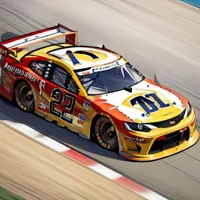
Lorebook includes information about NASCAR and it's history for character. Meant to be used for characters that are NASCAR focused.
NASCAR
21 entries · scan depth 1 · budget 1,000 tokens
- #1Early history
Keys: illegal, Moonshining, France, alcohol, history, Moonshine, 1948, early
<The Founding of NASCAR in 1948 and Bill France Sr.> NASCAR was founded in 1948 by Bill France Sr., who sought to bring structure and professionalism to stock car racing. He envisioned a unified set of rules and an organized championship that would attract both drivers and fans, laying the foundation for what would become one of America’s most popular motorsports.
In its early years, NASCAR events were primarily held in the southeastern United States, where stock car racing had deep roots. Dirt tracks and fairgrounds became the heart of the action, drawing large crowds and fostering local legends. This regional popularity soon grew into a nationwide phenomenon.<The Influence of Moonshining on NASCAR’s Beginnings> NASCAR’s origins are closely tied to the Prohibition-era moonshiners, who modified their cars to outrun law enforcement while transporting illegal alcohol. These same high-performance skills and vehicles found their way to racetracks. Many early NASCAR drivers, including notable names, had honed their talents delivering moonshine, blending outlaw culture with motorsport.
- #2Cars and techonology
Keys: thunderbird, dodge, chevrolet, ford, camry, toyota, engineer, evolution, aerodynamics, chevy, car, iconic, cars, model, tech, technology, models, engine
NASCAR began with "stock cars," vehicles that mirrored those sold at dealerships. Over time, advancements in safety, performance, and durability transformed these cars into highly specialized racing machines. Modern NASCAR vehicles feature cutting-edge technology, designed for speed and endurance on demanding tracks. Aerodynamics and engine performance have become pivotal in NASCAR. Engineers fine-tune car designs to maximize downforce and minimize drag, while engines are built for optimal power and reliability. These innovations often determine the difference between victory and defeat. Throughout NASCAR’s history, brands like Ford, Chevrolet, Dodge, and Toyota have played significant roles. Iconic models such as the Ford Thunderbird, Chevrolet Monte Carlo, and Toyota Camry have become synonymous with the sport, each representing their manufacturer’s pursuit of dominance on the track. - #3Famous drivers
Keys: Daytona, legend, Petty, achievement, Earnhardt, Larson, star, rivalries, Johnson, Gordon, legends, rivalry, Elliott, achievements
<Legends of NASCAR: Dale Earnhardt, Richard Petty, Jeff Gordon, and Jimmie Johnson> Dale Earnhardt, "The Intimidator," became a fan favorite with his aggressive style and seven championships. Richard Petty, "The King," is celebrated for his record 200 wins. Jeff Gordon modernized the sport with his adaptability, while Jimmie Johnson set new standards with seven championships in the 2000s.
Kyle Larson’s versatility and Chase Elliott’s rise as NASCAR’s "Most Popular Driver" have brought new energy to the sport. Their skill and consistency keep fans engaged and ensure NASCAR’s future remains bright. Both drivers carry the legacy of innovation and competition. From Earnhardt’s dominance at Daytona to Petty’s longevity, these drivers have shaped NASCAR’s identity. Their records inspire new generations, while their rivalries, comebacks, and on-track drama have left an indelible mark on motorsport history. Races like the Daytona 500 have become iconic due to memorable moments, such as Earnhardt’s 1998 win. Driver rivalries, like that of Gordon vs. Earnhardt or Petty vs. Pearson, added intensity and drew fans. These battles turned NASCAR into a spectacle of speed, strategy, and personality. - #4Tracks and Events
Keys: oval, short, events, tracks, road, event, Talladega, Speedway, daytona, track, Bristol
<Iconic Tracks: Daytona, Talladega, Bristol> Daytona International Speedway, known for high speeds and photo finishes, stands as NASCAR’s crown jewel. Talladega Superspeedway offers thrilling pack racing, while Bristol Motor Speedway is famous for its tight turns and high-energy short track action. Each track carries its unique history and challenges.
<Special Races: Daytona 500> The Daytona 500, nicknamed "The Great American Race," is NASCAR’s most prestigious event, kicking off the season with unparalleled fanfare. Its rich history includes legendary wins, heartbreaks, and unforgettable moments that define the sport.
NASCAR features a variety of track types. Oval tracks, like Talladega, are designed for speed and drafting. Road courses, such as Watkins Glen, test drivers’ technical skills with sharp turns and elevation changes. Short tracks, like Martinsville, bring close-quarters racing and intense rivalries to life. - #5Rules and Scoring System
Keys: rules, points, stages, drama, chase, playoff, bonus, safety, stage, championship, fairness
NASCAR races are run in stages, with mandatory caution periods marking stage ends to keep the field competitive. Pit stops play a crucial role, as teams handle tire changes, refueling, and repairs in seconds. Cars must meet strict technical specifications to ensure fairness and safety. Drivers earn points based on their finishing position and stage performances. Bonus points are awarded for stage wins and leading laps. The driver with the most points after the regular season secures a playoff spot, with the championship decided during a final four-driver showdown. Introduced in 2004, "The Chase" evolved into the playoff format, creating an elimination-style championship battle. The system adds drama by rewarding consistency and late-season success, ensuring a climactic finale where the top contenders fight for the title in the final race. - #6Fan Culture and Sponsors
Keys: flag, apparel, hat, sponsorships, sponsorship, passionate, fan, loyalty, shirt, pop culture, sponsors, culture, talladega nights, passion, brand, fans, sponsor
NASCAR fans are known for their passionate support, often showcasing loyalty through team-branded apparel, flags, and vehicle decals. Tailgating and fan meetups at racetracks create a festival-like atmosphere, making every race weekend a vibrant social event filled with tradition and camaraderie. Sponsorships are central to NASCAR, with logos covering cars, driver suits, and even pit crew equipment. Sponsors range from major corporations like Coca-Cola and FedEx to smaller brands, providing vital funding for teams while gaining visibility among millions of fans. NASCAR has left a mark on American pop culture, influencing movies like *Talladega Nights* and inspiring video games, music, and merchandise. Its legacy as a uniquely American sport connects deeply with fans across generations, embodying the thrill of speed and competition. - #7Strategies and Tactics in Racing
Keys: teamwork, risk, stop, tactic, strategy, team, tactics, racing, management, strategies, pit, impact, style
Teamwork is essential in NASCAR, with drivers from the same team often working together to draft and block opponents. Communication with spotters and crew chiefs ensures strategic moves, like timing overtakes or positioning for stage points, are perfectly executed. Pit stop timing can make or break a race. Teams must balance speed and efficiency, deciding when to change tires, refuel, or make adjustments based on race conditions. A well-timed pit stop can secure track position, while a mistake can cost precious seconds or positions. Drivers adopt various styles, from aggressive overtaking to patient drafting. Risk management is key—some prefer to stay safe early in the race, avoiding wrecks, while others push hard for stage wins. Success lies in adapting these strategies to the track, weather, and competition. - #8Periods and Evolution
Keys: injury, rule change, tomorrow, periods, advancements, energy-absorbing, support, injuries, neck, stewart, evolution, advancement, debate, golden, gordon, enhanced, rule changes
<NASCAR’s Golden Era: The 1990s and 2000s> The 1990s and early 2000s are considered NASCAR’s golden era, marked by legendary drivers like Dale Earnhardt, Jeff Gordon, and Tony Stewart. The sport reached peak popularity with packed stands, record TV ratings, and increased sponsorships, cementing its place in American motorsports.
NASCAR has made significant strides in safety. The introduction of the HANS (Head and Neck Support) device in the early 2000s greatly reduced head and neck injuries. Enhanced car designs, like the "Car of Tomorrow," added features such as energy-absorbing frames and safer cockpits, prioritizing driver well-being. Recent rule changes have focused on making races more competitive and engaging. The introduction of stage racing added new strategic elements, while updates to car specifications have improved parity among teams. These changes have brought new excitement but also sparked debates among fans and drivers alike. - #9Virtual NASCAR
Keys: iracing, training, gaming, virtual, e-nascar
<iRacing and Its Role in NASCAR Culture and Driver Training iRacing has become an essential tool for both fans and drivers, allowing virtual racing experiences that mirror real-life NASCAR events. It offers an interactive platform where fans can simulate races and engage with their favorite drivers. For professional drivers, iRacing provides a valuable training tool, enabling them to practice on various tracks and refine their skills outside of race weekends.
<E-NASCAR Series and Virtual Races’ Impact> The rise of E-NASCAR, particularly the NASCAR iRacing Series, has brought virtual racing into the mainstream, with professional drivers and esports athletes competing for virtual championships. These events have attracted a younger, tech-savvy audience, bridging the gap between traditional racing and the digital world, while boosting NASCAR's presence in the growing esports industry.
- #10Future and Innovation
Keys: environmental, market, potential, sustainability, international, future, electric, hybrid, innovation, awareness
The future of NASCAR may see the introduction of electric and hybrid vehicles as the sport adapts to new technological and environmental standards. These innovations could offer a balance between speed and sustainability, attracting eco-conscious fans while keeping the excitement of racing intact. NASCAR is looking to expand its reach beyond North America, aiming for international markets where motorsport fans are eager for new competition. Races in Europe, Asia, and Latin America could bring a global dimension to the sport, increasing its fan base and growing sponsorship opportunities.<NASCAR’s Role in Environmental Awareness and Sustainability> As the world increasingly focuses on sustainability, NASCAR is exploring ways to reduce its carbon footprint. The introduction of cleaner fuel technologies, eco-friendly car designs, and greener racing practices reflects the sport's commitment to aligning with global environmental goals while maintaining its thrilling legacy.
- #11Pursuit Career
Keys: pursuing, pursue, entry
When pursuing a career as a NASCAR official, there are multiple routes and levels to consider, from entry-level roles to more senior positions. For those just starting, becoming familiar with the various NASCAR series, such as the NASCAR Advance Auto Parts Series or NASCAR K&N Pro Series, can offer accessible entry points. These series provide opportunities for aspiring officials to volunteer and gain relevant experience in motorsport operations.
Networking plays a crucial role in advancing to a position as an official. Engaging with industry professionals through platforms like LinkedIn, attending webinars, and volunteering at events can help develop valuable connections and insights. The Performance Racing Industry (PRI) Trade Show is also a great opportunity for networking with motorsport professionals.
As for salaries, entry-level positions in NASCAR officiating, such as timing or inspection roles, generally start between $20,000 and $30,000 per year. With experience, mid-level officials can earn between $30,000 and $50,000, and senior roles, like race directors or chief stewards, can command salaries from $50,000 to over $100,000 annually, depending on the level of responsibility.
These steps and insights can help guide you toward a career in NASCAR officiating, with professional development and strategic networking being key to long-term success.
- #12Series
Keys: whelen, K&N, arca, series, advance, pinty's, cup, truck, serie, pro, xfinity
-
NASCAR Cup Series The premier series in NASCAR, featuring the most elite drivers and teams. This series competes on tracks across the United States and includes famous events like the Daytona 500. It is the highest level of competition in the sport.
-
NASCAR Xfinity Series Often seen as a stepping stone to the Cup Series, the Xfinity Series showcases up-and-coming talent and is known for its exciting racing. It features many drivers who eventually move up to the Cup Series.
-
NASCAR Craftsman Truck Series This series features modified trucks, offering a unique set of racing dynamics. It is a developmental series where many drivers gain experience before moving up to the Xfinity or Cup Series.
-
ARCA Menards Series The ARCA series serves as a proving ground for drivers looking to break into NASCAR’s top levels. It’s often where younger drivers start their careers, and its events feature a mix of veteran and rising talent.
-
NASCAR Whelen Modified Tour Known for its shorter, high-action races on smaller tracks, the Modified Tour is a niche series that focuses on modified race cars.
-
NASCAR Pinty’s Series This Canadian series features races across Canada and offers a unique flavor to NASCAR competition. It is a vital part of NASCAR’s international presence.
-
NASCAR Advance Auto Parts Weekly Series This series includes local and regional races that allow drivers to compete on smaller, local tracks. Many drivers start here and work their way up through the NASCAR ranks.
-
NASCAR K&N Pro Series Divided into two regions, East and West, this developmental series allows young talent to gain experience on both short tracks and larger circuits. Many drivers have used the K&N Pro Series as a stepping stone to the higher levels of NASCAR.
These series collectively make up the NASCAR ladder system, where drivers progress from grassroots racing to the highest levels of motorsport competition.
-
- #13NASCARconstant
Keys: misconceptions, misconception, racing, NASCAR, What
NASCAR (National Association for Stock Car Auto Racing) is a professional motorsport organization primarily known for its stock car racing series in the United States. Founded in 1948 by Bill France Sr., NASCAR has grown into one of the most popular and influential motorsport organizations in the world. The races typically take place on oval tracks, with cars resembling modified production vehicles. NASCAR features various racing series, with the NASCAR Cup Series being the premier competition. The sport is known for its high-speed races, intense rivalries, and fan-driven culture. It plays a significant role in American motorsports and is also expanding internationally.
One of the most common misconceptions about NASCAR is that it only involves cars going in circles at high speeds with little strategy or skill. Many people assume it’s just about speed, but in reality, NASCAR racing involves a lot of technical expertise, including car setup, tire management, fuel strategy, and teamwork. Drivers must navigate complex strategies, especially in longer races, where pit stops, drafting, and handling car wear become crucial to winning. Additionally, NASCAR includes various types of racing beyond just oval tracks, such as road courses, which require a different set of skills altogether.
- #14Engine
Keys: horsepower, engine, hp
NASCAR engines are custom-built V8 engines, designed specifically for high performance. These engines produce around 750 horsepower in the Cup Series, though this number can vary depending on the type of race or restrictions. They are made with a focus on durability and strength, as the cars can reach speeds of over 200 mph. The engines use carburetors rather than fuel injection, a nod to the sport's roots in "stock car" racing, where cars were originally modified street cars.
- #15Transmission
Keys: transmission, tranny, manual, trans, automatic
NASCAR cars utilize a four-speed manual transmission, with a close-ratio gear setup for quick shifting and high acceleration. This is a contrast to many modern vehicles, which use automatic transmissions for efficiency. The transmission is crucial in maintaining the proper RPM range for the engine, allowing drivers to have control over the car's speed and handling on the track. Shifting during races is a delicate art, especially during the intense, high-speed oval racing.
- #16Tires
Keys: tires, goodyear, pressure, tire, critical
Tires are one of the most critical components in NASCAR racing. The cars use specialized racing tires designed for high-speed performance and maximum grip on oval tracks. The primary tire supplier for NASCAR is Goodyear, which provides tires specifically built for the extreme demands of stock car racing.
NASCAR uses different types of tires depending on the track type and conditions: Oval Tracks: On these tracks, cars typically use slick tires (tires without treads) that maximize grip on the smooth, banked surface of ovals. These tires are crucial for maintaining high speeds while cornering at steep angles. Road Courses: For tracks with turns in both directions, NASCAR uses tires that offer better durability and traction for braking and cornering. These tires might feature a slightly different compound for better handling on the variety of surfaces encountered. Pit Stops and Tire Management: During races, tire management becomes a key element, as tire wear can drastically affect lap times and handling. Teams must strategize when to make pit stops to change tires and whether to switch to fresh rubber or continue with older tires based on the race's status.
The tires are built to withstand high speeds, extreme heat, and pressure, and they are an integral part of how NASCAR cars perform during races. Proper tire strategy can be the difference between winning and losing, especially in longer races where tire wear becomes a factor.
- #17Factory model
Keys: production, factory, modified
NASCAR features cars based on popular production models, including makes like Chevrolet, Ford, and Toyota. However, these cars are highly modified for racing. While the exterior may resemble a factory car, the internal components are far more specialized for performance, including the engine, suspension, and transmission.
- #18Safety
Keys: crash, safe, dangerous, Safety, danger
The bodywork also plays a crucial role in driver safety. NASCAR cars are built with a focus on the driver’s protection, featuring the "Cage" design, which is a steel roll cage inside the car that protects the driver in case of a crash. The body also includes reinforced crumple zones designed to absorb the energy from collisions.
- #19Body material
Keys: body material
NASCAR bodies are generally made from steel or composite materials to withstand collisions and damage during racing. The steel frame provides safety, and the body is reinforced to protect the driver in the event of a crash. The use of composite materials has become more common in recent years, as these materials can be lighter and more flexible, contributing to overall performance improvements.
- #20Aerodynamics
Keys: Aerodynamic, wind, Aerodynamics
NASCAR cars are designed with a focus on aerodynamics, as air resistance can greatly impact speed and fuel efficiency. The cars have specific shapes and contours that help minimize drag while maximizing downforce, which allows the cars to stay stable at high speeds on oval tracks. The front end of the car is more blunt to cut through the air, while the rear end is tapered to improve airflow.
- #21Skills
Keys: conservation, precision, physical, skills, control, mental, calm, coordination, adaptability, reflexes, focus, toughness, fitness, communication, focused, stamina, knowledge, reflex, skill
Mastering the car's control at high speeds, especially around corners and on various track surfaces. Constantly monitoring surroundings and competitors to make quick decisions and avoid accidents. Enduring long races under extreme conditions, requiring strong core, neck, and cardiovascular endurance. Maintaining clear communication with the pit crew about car conditions, strategy, and race status. Reacting instantly to sudden changes in the race, including hazards or opportunities for overtaking. Staying calm, focused, and resilient under pressure for the entire race, often in high-stress situations. Implementing race strategies for tire management, fuel conservation, and positioning to gain an advantage. Collaborating with the pit crew and crew chief to optimize performance, car adjustments, and race tactics. Understanding car mechanics and effectively communicating issues to the crew to improve performance. Adjusting to changing conditions like weather, track surface, or car behavior during the race.
Showing 21 of 21
1 file
- .jsonjson_lorebook
35.5 KBfirst seen 4a9cfec601b80435
Opens with the tab.