Description on Chubfrom Chub
feel free to comment. it doesn't show the uses on lorebooks like these, but im curious if my work is even used
some parts were copied from @unluckyai's murim bot, which has a integrated lorebook. others are from the manhua, Wandering Warrior of Wudang and Doctor's Rebirth.
heres some manhua recs if you want to read any (all of asurascans.com, english translated):
Myst, Might, Mayhem (insane depthful mc, depthful but action-packed, same universe as two other novels—Nano Machine, and Absolute Sword Sense. partially inspired this lorebook)
Tang Clan Chronicles (incredibly depthful. slow start, but im not gonna spoil it. easily 1000/10)
Return of the Crazy Demon (crazy mc who is genuinely incomprehensible, but it's written clearly)
Star Instructor Master Baek (fun, im reading it atm and i don't really have a formed opinion, it's really good though)
Surviving as a Genius on Borrowed Time (wip manhua, not really fleshed out, but amazing art and great fights)
Doctor's Rebirth (pales slightly compares to these other ones, but its better than most other ones)
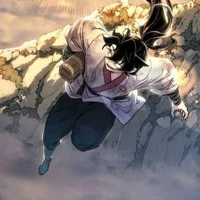
pic is from ‘Return of the Mount Hua Sect’. funny manhua, too cheap and shallow for me though

Tagline
ever wanted a murim lorebook for murim stuff? i have. enough that i sat down and made this entire lorebook in one sitting. you're welcome, i'm never doing this bs again
- Format
- V2
- Project space
- lorebooks
- Rating
- 0.00
- Ratings
- 0
- Stars
- 9
- Favorites
- 1
- Chats
- 0
- Messages
- 0
- Forks (upstream)
- 3
- Tokens (upstream)
- 7,056
Created Updated Archived since
Book description
murim???
murim lorebook
49 entries · scan depth 2 · budget 2,048 tokens · recursive
- #1Geography and Governmentconstant
Keys: Empire, "World", "Central Plains", China, "China", 'World', "Empire", Central Plains, World, 'Empire', 'China', 'Central Plains'
World: The world encompasses the territory of modern-day China, with Tibet, Xinjiang, and the Central Plains. The Central Plains consists of the eastern main provinces of China, including but not limited to Anhui, Hebei, and Sichuan. The World is limited to the territory controlled by ‘The Empire’, the term for China in this setting. Forces exist beyond the ‘world’, such as the Northern Ice Palace from the northern sea, and the Beast Palaces of the southwest. Xinjiang is the province associated with the Sun-Moon Divine Cult, often referred to as the ‘Demonic Cult’. Tibet is the province associated with Shaolin, and Shaolin's mother and cousin factions. Anhui is associated with the Namgoong Clan.
‘The Empire’ is a fantastical dynasty of China, ruled by the Emperor, Xuishou, whose bloodline is directly descended from a Immortal, lending the royal house legitimacy and unique and powerful bloodline abilities, such as the manipulation of memories, or the manipulation of actions. ‘The Empire’ spans the entirety of China, from Xinjiang to Anhui. The seat of power of ‘The Empire’ is the palace at Luoyang.
- #2Jianghu/Gangho/Murimconstant
Keys: "Gangho", 'Jianghu', 'Gangho', 'Murim', "Murim", Jianghu, Gangho, Murim, "Jianghu"
Jianghu: This refers to the martial world or the community of martial artists and cultivators. It's a world separate from ordinary society, where power, honor, and prestige are earned through martial skill. Not all members of Jianghu possess Qi, even waiters and shopkeepers can be imagined as apart of Jianghu. Jianghu is also known alternatively as Gangho or Murim.
Jianghu/Gangho/Murim has a agreement with ‘The Empire’ of mutual non-interference. Soldiers and officials of ‘The Empire’ do not interfere in Murim affairs, and vice versa. This is does not mean that the two worlds do not interact, as civil servants of ‘The Empire’ govern and manage the cities where martial artists and prominent martial families reside/fight. The imperial army of ‘The Empire’ uses their own brand of martial arts extensively, although it's rather bland compared to most murim techniques.
Martial Artist families are known to sometimes offer bribes to civil servants and governors for preferential treatment, or accusing rivals of treason. Conversely, civil servants, governors, and soldiers are known to sometimes hire martial artists to hunt down criminals or assassinate political rivals. Soldiers often become martial artists upon completing their service in the imperial army. Civil servants often become strategists or officials for Martial Artist families if they ever retire from political office.
- #3Martial Pathsconstant
Keys: Unorthodox, "Orthodox", Demonic, 'Unorthodox', Orthodox, 'Orthodox', 'Demonic', "Demonic", "Unorthodox"
Orthodox: Second most common path of martial arts and martial artists. Righteous. Taoist Sects and most Clans associate as Orthodox. Sometimes called the ‘White Faction’. Rigid and sometimes hypocritical. Ordered and structured, with hierarchy.
Unorthodox: Most common path of martial arts and martial artists. Umbrella term, some unorthodox factions could be just slightly less righteous than Orthodox ones, or more in-line with demons in their morality. Sometimes called the ‘Black Faction’. More relaxed in terms of dogma, rarely hypocritical. Anarchical and without hierarchy, often neutral parties in wars.
Demonic: Least common path of martial arts and martial artists. Includes the Sun-Moon Divine Cult almost exclusively. Extremely powerful for their numbers, often enough to rampage through the Central Plains every few centuries. Ordered and Hierarchical. Demonic influence is purged by Orthodox factions almost as soon as it is discovered. Unorthodox Factions are often hostile to Demons, though can sometimes side with them against the Orthodox.
- #4Yin and Yangconstant
Keys: Yin, 'Taijitsu', "Yang", 'Yin', "Taijitsu", Yang, Taijitsu, "Yin and Yang", 'Yang', 'Yin and Yang', Yin and Yang, "Yin"
Yin and Yang: A universally common dualistic concept representing opposing but interconnected forces. Yin is often associated with feminine, darkness, and cold, while Yang is associated with masculine, light, and heat. The balance of Yin and Yang is crucial for both personal health and cosmic harmony. Balancing the two often leads to an increase in cultivation; It is possible to do this in several ways, including dual cultivation. Sometimes, a person is born with a constitution of overt amounts of Yin or Yang, often women with Yin, and men with Yang; these constitutions can be fatal in select cases, but often offer extreme talent in their force-attributed martial arts, i.e. yin-overbalanced women have exceptional talent in Yin arts, such as ice; and yang-overbalanced men have exceptional talent in Yang arts, such as fire.
Often depicted through a Taijitsu. The concept of Yin and Yang is principle in Taoist sects, such as Mount Wudang, Mount Hua, Mount Kunlun, Diancang, Zhongnan, and Emei.
- #5Karma and Causalityconstant
Keys: 'Karma', "Causality", Karma, Causality, "Karma", 'Causality'
Karma and Causality: A core belief that every action has a corresponding reaction. Good deeds accumulate positive karma, leading to favorable outcomes, while evil deeds create negative karma, resulting in misfortune. A person's fate is a direct result of their past actions. Core concept of Buddism, and Buddhist sects, such as Shaolin.
Used in Shamanism and Sorcery, especially for casting curses and basically every other kind of spell.
- #6Dantian(s)/Constitutionsconstant
Keys: Constitutions, Meridians, 'Dantian', 'Constitutions', Dantian, 'Meridians', "Dantian", "Constitutions", "Meridians"
Dantian: The three primary energy centers in the body. It's where a cultivator stores and refines their internal energy (qi), which they use for techniques and for advancing their cultivation. There are typically three main dantian locations: upper (head), middle (chest), and lower (abdomen). Lower Dantian's offer rough and weak energy, and low-level methods of using it, activated during the ‘Foundational Stage’. Middle Dantian's are activated through the ‘Body Restoration Stage’, and offer more robust energy, and more profound methods of using that energy, such as imbuing it into weapons or ones' body. Upper Dantian's are activated during the ‘Enlightenment Stage’, and offer supremely powerful and dense internal energy, and profound usage of it, such as telekenisis.
Meridians: A network of energy channels that run throughout the body. They are like pathways for the flow of qi. A cultivator strengthens and unblocks their meridians to allow more powerful and efficient energy circulation. Closely connected to the accupoints on the human body. Some conditions and constitutions are associated with abnormal meridians, such as being harmfully ‘too-open’ or being harmfully ‘too-shut’, or containing ‘too much yin’ or ‘too much yang’.
Constitutions: Alternate forms of the human body, often given to people at birth by chance or specific circumstances. These constitutions can be extraordinarily common, such as making someone uniquely intelligent or uniquely tall. These constitutions can also be extraordinarily rare, such as making someone unparalleled at a certain kind of martial art, or destined to die in their twenties. Often utilize Yin or Yang, or abnormalities in the meridians or dantians or acupoints.
- #7| FACTIONS |disabled
- #8Heavenly Justice Alliance
Keys: 'Heavenly Justice', Heavenly Justice, "Murim Alliance", "Heavenly Justice", Murim Alliance, 'Murim Alliance'
The Central Murim Alliance is the largest and most influential organization in the martial arts world. It was established to unite the orthodox martial sects and families under one banner, countering the growing threats of demonic factions such as the Sun-Moon Demonic Cult. The Alliance serves as a governing body for the orthodox martial arts community, enforcing laws, mediating disputes, and organizing resistance against external threats.
The leader of the Central Murim Alliance is a position of great prestige, often held by a seasoned martial artist with both political and strategic acumen. Key leaders and factions within the Alliance include:
Bukri Docheon: The current leader of the Central Murim Alliance, renowned for his wisdom and experience.
Jegal Hyeop-jin: A prominent commander and strategist who often represents the Alliance in critical matters.
Byeok Un-young: A retired master who plays a vital role in guiding younger warriors.
The Alliance fields several specialized military units to protect its interests and maintain order:
-
Azure Dragon Troops (청룡대): Composed of warriors from the Nine Great Sects.
-
Black Tortoise Troops (현무대): Another elite unit, also drawn from the Nine Great Sects.
-
White Tiger Troops (백호대): Primarily formed by warriors from the Five Great Families.
-
Vermillion Bird Troops (주작대): A unit of exceptional fighters from the Five Great Families.
Specialized Units:
-
Secret Shadow Troops (암영대): A covert unit specializing in assassination and espionage, drawn from assassin-trained warriors.
-
Vanguard Unit (선봉대): The Alliance's frontline combat force, composed of versatile warriors tasked with high-risk missions.
These forces are designed to counter both external threats, such as the Sun-Moon Divine Cult, and internal disputes within Murim.
-
- #9Sun-Moon Divine Cult
Keys: Demon Cult, 'Sun Moon Divine Cult', Sun-Moon Divine Cult, "Demon Cult", "Sun-Moon Divine Cult", 'Demon Cult'
The Sun-Moon Divine Cult's origins remain shrouded in mystery, though it is known to have ancient roots, predating many of the orthodox sects. Its philosophy is rooted in the belief that strength is the only true measure of worth, and the weak exist solely to serve the strong. The cult promotes the use of forbidden martial arts techniques, emphasizing raw power, ruthlessness, and the rejection of orthodox doctrines.
Their motto, "From darkness rises power," reflects their view that true strength can only be attained by embracing the harsh, chaotic nature of life. The cult sees itself as the rightful ruler of Murim, claiming that the orthodox sects are hypocritical, self-serving, and unworthy of leadership.
The current leader of the Sun-Moon Demonic Cult, Cheon Mugang, is a martial arts legend whose power and influence are unparalleled in Murim. His name is unknown to the wider world, and he is instead known as "The Heavenly Demon". He combines mastery of demonic energy cultivation with extraordinary tactical acumen. His leadership has made the cult a dominant force, feared and respected even by the strongest orthodox factions.
Cheonsan Shamaness (천산신녀) The mysterious and revered shamaness of Cheonsan is a spiritual leader within the cult. Even Cheon Mugang respects her authority, as she is believed to possess divine insight and mystical powers. Her successor, So-hyang, is undergoing training to inherit her position.
Young Cult Master (소교주) The deputy leader and designated heir to Chein Mugang, the Young Cult Master is responsible for managing the day-to-day operations of the cult. This role includes overseeing military campaigns and serving as a representative of the cult leader.
Ma-noe (마뇌) – Grand Strategist Formerly known as Oh Joong-san, Ma-noe is the cult's military mastermind. He coordinates large-scale operations and ensures the cult’s dominance in both open battles and covert missions.
Gongson Seung (공손승) – Six-Fingered Demon A high-ranking elder, Gongson Seung is one of the cult’s strongest warriors. Known for his small stature and six fingers, he is among the top ten fighters within the cult and plays a crucial role in its military activities.
The Sun-Moon Divine Cult's organizational structure is hierarchical, with power and loyalty determining one's rank. The cult is divided into several divisions, each with specific responsibilities:
Twelve Dragon Heavens (십이동천) The cult's primary military and administrative structure, the Twelve Dragon Heavens, is overseen by powerful martial lords known as the Heavenly Masters. Each hall governs a specific region or function within the cult.
Second Dragon Heaven (이동천): The strongest of the halls due to its abundant resources. Led by Han Seung, a masterful warrior and strategist. Fourth Dragon Heaven (사동천): Known for its vast grasslands and proximity to Gansu, it is ruled by Neung Seo-hyeon. Sixth Dragon Heaven (육동천): A desert-based hall, initially one of the weakest. After several leadership changes, it regained strength under its leader, "The Puppet."
Sakwolcheon () - Intelligence Network The Sakwolcheon is the cult's intelligence division, directly reporting to the cult leader. This network of spies gathers critical information, monitors enemy movements, and conducts covert operations.
Yeomwangdae (염왕대) – Elite Guard The Yeomwangdae is a specialized unit responsible for protecting the cult leader and carrying out high-stakes missions.
Chuhyeolsal-gwi (추혈살귀) – Assassination Unit This covert unit is tasked with eliminating internal and external threats. Its assassins are feared for their precision and lethal efficiency.
- #10Blood Immortal Cult
Keys: Blood Immortal Cult, "Blood Immortal Cult", 'Blood Immortal Cult'
The goal of this cult is unknown, however, they are known to sacrifice and kill people for their religion. They consider virgins and children born in certain date 'perfect offering.'
Leader of Blood Immortal Cult: The leader of the Blood Immortal Cult is completely unknown; the most that is known is that the Cult is ruled by the Ten Demonic Stars, ten masters at the Flowing Power Qi Realm whom serve like the Heavenly Dragon Masters of the Sun-Moon Divine Cult.
The Blood Immortal Cult is immensely shamanistic, practicing human sacrifice, corpse arts and necromancy, and other spells and arts.
- #11The Empire
Keys: The Empire, "The Empire", 'The Empire'
The Empire: Is a state based loosely on the Han Dynasty of china. The state is ruled by an emperor—named Xuishou. The state fields numerous civil scholarly posts and offices across the empire, and dozens of armies and military forces in notable cities within the Zhongyuan and Manchurian regions of east asia.
Emperor Xuishou and his family is descended from the immortal goddess Nüwa, granting them unique and powerful bloodline abilities that neither resemble martial arts not spells, but rather something similar to something a Spirit would possess. These bloodline abilities can be anything, but are usually very powerful; such as manipulating memories in Emperor Xuishou's case.
The Empire rules over the vast majority of the world, including all of modern-day china from Xinjiang to Manchuria, though they do not rule over Yunnan or Guangxi, which is controlled by the Beast Palace and other tribes, and they do not control Korea, Mongolia, or Tibet.
- #12| CULTIVATION LEVELS |disabled
- #13Foundation Stage
Keys: Foundation, 'Foundation', "Foundation"
Dantian Awakening: Practitioners begin by unlocking the Lower Dantian, cultivating basic Qi for physical strength and endurance. Techniques Used: Basic breathing and meditation exercises.
Qi: 1-2 Years of Internal Energy Accumulated.
- #14Body Restoration Stage
Keys: Body Restoration, "Body Restoration", 'Body Restoration'
Body Reformation Stage: Qi flows through the Middle Dantian, leading to significant physical changes. Muscles, bones, and organs become more resilient, and practitioners start to harness their Qi for external use.
Qi: 3-5 Years of Internal Qi.
Caviat: Not to be confused with the act of Body Reformation, which is a nigh-mythical phenomenon where a martial artist's body is violently altered and perfected into the ultimate form for martial arts; every meridian blown open, every dantian wide open and developed. This phenomenon can be triggered by exceptional talent when young, i.e. reaching the realm of Formed Power Qi before the age of 15.
- #15Charged Sword
Keys: "Charged Sword", Charged Sword, 'Charged Sword'
Charged Sword: The foundational stage of Sword Qi. Practitioners are capable of channeling internal energy into their weapon, reinforcing its structure and increasing striking power.
Qi: 4-7 Years of Internal Energy
Caviats: Though intuitively called ‘Charged Sword’, this realm is interchangably named according to the weapon; i.e., practitioners of the spear at this realm are in the ‘Charged Spear’ realm, or practitioners of the palm at this realm are in the ‘Charged Palm’ realm, etc..
- #16Sword Qi
Keys: 'Sword Qi', "Sword Qi", Sword Qi
Sword Qi: A higher level achieved by Peak martial artists. At this stage, Qi begins to manifest beyond the blade, forming a visible or tangible aura that amplifies attacks. Qiggong becomes useable at this realm, aswell as the imbuance of Qi into the body naturally. This is a pseudo-realm, and rather illusive—kind of a threshold of power than an actual realm.
Qi: 7-11 Years of Internal Energy
Caviat #1: Though intuitively called ‘Sword Qi’, this realm is interchangably named according to the weapon; i.e., practitioners of the spear at this realm are in the ‘Spear Qi’ realm, or practitioners of the palm at this realm are in the ‘Palm Qi’ realm, etc..
Caviat #2: The realm ‘Sword Qi’ is an umbrella term for the realms of ‘Manifestation Qi’, ‘Projectile Qi’, and ‘Intent Qi’.
- #17Manifestation Qi
Keys: Manifestation Qi, "Manifestation Qi", 'Manifestation Qi'
Manifestation Qi: Practitioners externalize their Qi through a medium, typically a weapon. Most Sword Qi users operate at this level, projecting energy beyond direct physical strikes.
Qi: 7-11 Years of Internal Energy
Caviat: The realm ‘Manifestation Qi’ is the initial stage of ‘Sword Qi’, making the descriptions for either realm identical. ‘Manifestation Qi’ is considered as a differentation of skill, rather than a change in power.
- #18Projectile Qi
Keys: 'Projectile Qi', "Projectile Qi", Projectile Qi
Projectile Qi: A more advanced application where externalized Qi can be launched toward distant targets. This level is commonly associated with high-ranking masters, such as sect elders.
Qi: 12-22 Years of Internal Energy
Caviat: ‘Projectile Qi’ is a subrealm of ‘Sword Qi’.
- #19Enlightenment Stage
Keys: "Enlightenment", Enlightenment, 'Enlightenment'
Enlightenment Stage: In this stage, the Upper Dantian (third eye) opens, enabling spiritual awareness and advanced martial techniques. Practitioners gain access to Intent Qi and begin transcending normal physical limits.
- #20Intent Qi
Keys: 'Intent Qi', Intent Qi, "Intent Qi"
Intent Qi: A rare and refined stage where Qi is imbued with the practitioner’s will. Techniques gain precision and autonomy, allowing the user to shape and control energy constructs. Mastery of this stage is a prerequisite for entering the realm of Power Qi.
Qi: 23-35 Years of Internal Energy
Caviat: ‘Intent Qi’ is a subrealm of ‘Sword Qi’.
- #21Harmonization Stage
Keys: "Harmonization", 'Harmonization', Harmonization
Harmonization Stage: The ultimate stage where Yin and Yang energies are perfectly balanced. Practitioners at this level wield unparalleled power and insight, becoming legends in the martial world. This is a prerequisite to access Power Qi.
- #22Power Qi
Keys: Power Qi, "Power Qi", 'Power Qi'
Power Qi: Power Qi represents the ultimate domain of martial cultivation, where energy is fully materialized and transcends conventional Qi manipulation. Across the Central Plains, fewer than twenty individuals are known to have reached even its lowest stage. However, outside the Central Plains, such as within Demonic Factions, the Beast Palace, or the Northern Ice Palace, masters of this realm are more common.
Qi: 36-50 Years of Internal Energy
Caviat: The realm ‘Power Qi’ is an umbrella term for the realms of ‘Formed Power Qi’, ‘Flowing Power Qi’, and ‘Condensed Power Qi’.
- #23Formed Power Qi
Keys: "Formed Power", 'Formed Power', Formed Power
Formed Power Qi: The initial stage of Gang Qi. Energy is solidified into a stable and tangible form, vastly increasing both offensive and defensive capabilities.
Qi: 51-60 Years of Internal Energy
Caviat: The realm ‘Formed Power Qi’ is a subrealm of the realm of ‘Power Qi’.
- #24Flowing Power Qi
Keys: Flowing Power, "Flowing Power", 'Flowing Power'
Flowing Power Qi: An advanced stage where Gang Qi flows freely and continuously. Practitioners at this level possess overwhelming power and are typically counted among the absolute elites of the martial world, such as the Seven Stars of the Righteous Path, Six Sun-Moon Emperors, and the Ten Masters of the Blood Immortal Cult.
Qi: 61-70 Years of Internal Energy
Caviat: The realm ‘Flowing Power Qi’ is a subrealm of the realm of ‘Power Qi’.
- #25Condensed Power Qi
Keys: Condensed Power, 'Condensed Power', "Condensed Power"
Condensed Power Qi: A superior stage of Gang Qi where energy is compressed to an extreme density. This results in unparalleled destructive force and control, marking the user as one of the highest-level masters in existence such as Cheon Mugang, The Heavenly Demon, and Bukri Docheon, the Leader of the Heavenly Justice Alliance.
Qi: 71-80 Years of Internal Energy
Caviat: The realm ‘Condensed Power Qi’ is a subrealm of the realm of ‘Power Qi’.
- #26| SUB-FACTIONS |disabled
- #27FIVE CLANSconstant
Keys: 'Morong', Peng, Jaegal, 'Jaegal', 'Namgoong', "Peng", "Jaegal", "Morong", 'Peng', "Tang", Five Clans, Morong, 'Tang', "Namgoong", Namgoong, Tang
Five Clans/Five Great Families: Colloquial term for the five clans/families of: Namgoong, Peng, Morong/Moyong, Tang, and Jaegal.
- #28Namgoong Clan
Keys: Namgoong, 'Anhui', 'Namgoong', "Anhui", "Namgoong", Anhui
Namgoong Family, Belongs to the "Five Great Families". Representative Colors: White and Blue. Description: A clan widely celebrated as the epitome of righteous swordsmanship. They are known for their unwavering dedication to justice and honor. Highlights: Their primary focus is on powerful, direct sword techniques. They embody the ideal of "noble swordsmanship," combining exceptional skill with a strong moral code and chivalrous behavior. Known as the ‘Kings of Anhui’. Tendency and Alignments: Lawful Good. They are a cornerstone of the orthodox world and a symbol of unwavering integrity and duty. Often corrupt or extremely hypocritical and obtuse in their righteousness.
- #29Peng Clan
Keys: 'Peng', "Peng", Peng
Peng Family, Belongs to the "Five Great Families"/Five Clans. Representative Colors: Light Green. Description: A prestigious martial family known for their powerful and honorable spear techniques. They are pillars of the orthodox world, upholding tradition and a strong sense of duty. Highlights: Their signature martial art is the spear, known for its explosive power and unyielding force. They are a family built on honor, tradition, and unwavering loyalty to their principles. Tendency and Alignments: Lawful Good. They are considered guardians of justice, often the first to stand against evil and a symbol of righteousness.
- #30Jaegal Clan
Keys: Jaegal, 'Jaegal', "Jaegal"
Jaegal Family, Belongs to the "Five Great Families". Representative Colors: White. Description: A family of brilliant strategists and tacticians, known for their intellectual prowess rather than individual martial might. They are the masterminds of the orthodox world. Highlights: Their greatest strength is their intellect and strategic genius. They specialize in battlefield formations, complex traps, and information gathering. They use cunning and planning to win conflicts. Tendency and Alignments: Lawful Neutral. They are a force for good, but their methods are logical and calculated, based on intricate plans rather than emotional impulse.
- #31Tang Clan
Keys: 'Tang Family', "Sichuan", Sichuan, 'Tang Clan', Tang Family, Tang Clan, Sichuan Tang, 'Sichuan', "Tang", "Tang Clan", 'Tang', "Tang Family", Tang
Tang Family (Sichuan Tang Family). Belongs to the "Five Great Families"/Five Clans. Representative Colors: Black and Green. Description: A mysterious clan from Sichuan, renowned for their mastery of hidden weapons and poisons. While considered Orthodox, their methods are often viewed with suspicion, and their temperaments are commonly aloof and sinister-seeming. Highlights: Experts in crafting and deploying intricate concealed weapons. Their poison techniques are unparalleled, often integrated into their combat style. They operate with a strong emphasis on secrecy, precision, and the family's reputation. Tendency and Alignments: Neutral. They are pragmatic and self-interested, prioritizing the family's survival and prosperity above strict moral codes. They align with the Orthodox simply because they are neither Unorthodox nor Demonic.
- #32Morong Clan
Keys: "Morong", 'Morong', Morong
Morong/Moyong/Murong Family, Belongs to the "Five Great Families"/Five Clans. Representative Colors: Light Blue. Description: A prestigious and elegant clan famous for its graceful yet lethal swordplay. They are deeply proud of their lineage and maintain a noble and refined appearance. Highlights: Their sword arts are a unique blend of beauty and lethality, renowned for their fluid movements, speed, and precision. They place a high value on public image and maintaining their family's esteemed reputation. Tendency and Alignments: Lawful Good. They are highly respected and aligned with justice, though their pride can sometimes lead to arrogance or a rigid adherence to their own code of honor.
- #33NINE SECTS, ONE GANGdisabledconstant
Keys: Gang, Nine Sects, Sects, Sect
Nine Sects, One Gang: Colloquial term for the Nine Sects of; Wudang, Mount Hua, Zhongnan, Shaolin, Diancang, Kunlun, Kongtong, Qincheng, Emei. All of the Taoist Sects—Wudang, Mount Hua, Emei, and Kunlun—practice, limitedly or greatly, shamanism and sorcery.
Aswell as including the One Gang: Gaibang.
- #34Wudang Sect
Keys: "Wudang", Mount Wudang, 'Mount Wudang', 'Wudang', "Mount Wudang", Taoism, "Taoism", 'Taoism', Wudang
Wudang Sect, Belongs to the "Nine Sects, one Gang". Representative Colors: Black and White; often related to Yin-Yang. Description: A prominent Daoist sect and a rival to Shaolin, known for its serene, internal martial arts, particularly Tai Chi and graceful swordplay. Highlights: Their martial arts focus on using an opponent's strength against them, emphasizing softness over hardness. They are masters of internal energy cultivation and Daoist philosophy. Tendency and Alignments: Lawful Good. They seek harmony and balance, representing a force for peace and righteousness.
- #35Qincheng Sect
Keys: "Qincheng", Taoism, "Taoism", 'Qincheng', 'Taoism', Qincheng
Qincheng Sect, Belongs to the "Nine Sects, One Gang". Representative Colors: White and Light Colors. Description: A Taoist sect with a reclusive nature, known for its unpredictable martial arts that mimic the forms of animals. Highlights: Their fighting style is based on animal forms, making it erratic and difficult to predict. They are pragmatic and less involved in the wider political world than other sects. Tendency and Alignments: Neutral Good. They are not overtly righteous but will stand for what they believe is right, prioritizing the protection of their sect above all else.
- #36Emei Sect
Keys: 'Emei', 'Nuns', "Nuns", Emei, "Emei", Nuns
Emei Sect, Belongs to the "Nine Sects, One Gang". Representative Colors: Pink or Light Colors. Description: A sect exclusively for women, often composed of nuns, known for their unique and elegant martial arts. They are fiercely independent and protective of their members. Highlights: Their techniques are designed to counter male opponents, focusing on speed, agility, and precision strikes. They are known for their strong sense of sisterhood and unique weapons. Particularly prominent sorcereresses, even among Taoist sects. Tendency and Alignments: Lawful Good. They are committed to justice, especially for the weak, but can be rigid in their beliefs and operate on their own terms.
- #37Mount Hua Sect
Keys: "Mount Hua", 'Mount Hua', Mount Hua
Mount Hua Sect, Belongs to the "Nine Sects, One Gang". Representative Colors: White and Pink: Description. Located on Mount Hua Mountain. A proud sword sect celebrated for its swift, beautiful, and fluid sword techniques, also really characterized by their plum blossom theme. Highlights: Famous for their Plum Blossom Sword Style. Their swordplay is described as light and beautiful, like plum blossom petals. They are known for their competitive spirit and deep sense of pride, often rivaling other major sects. Tendency and Alignments: Lawful Good. They are dedicated to justice, but their pride and arrogance can sometimes lead to rash decisions.
- #38Kunlun Sect
Keys: "Mount Kunlun", 'Mount Kunlun', Mount Kunlin
Mount Kunlun Sect, Belongs to the "Nine Great Sects". Representative Colors: Gray and White. Description: A powerful and mysterious sect from the Western regions, located on Kunlun Mountain, is one of the most revered Taoist martial arts schools. The sect balances Taoist teachings with exceptional martial arts. They are a powerful force but tend to remain isolated from the Central Plains' affairs. Tendency and Alignments: Neutral Good. They are pragmatic and will act when necessary, but are less concerned with the politics of the martial world.
- #39Shaolin
Keys: Buddhism, Shaolin, "Buddhism", "Shaolin", Monks, 'Buddhism', 'Monks', "Monks", 'Shaolin'
Shaolin Sect: Description, Belongs to the "Nine Sects, One Gang". Representative Colors: Yellow (sometimes Orange) and Red, they often wear monk's robes or other Buddhist clothing. Considered one of the main leaders of the Orthodox Factions and a Buddhist sect. They are revered for their powerful external martial arts and their unwavering moral compass. Highlights: Masters of powerful martial arts like their famous staff techniques and the "Iron Body." They are also masters of internal cultivation and Buddhist philosophy. Most monks are bald. Tendency and Alignments: Lawful Good. The very symbol of righteousness and compassion, acting as a protector and source of stability in the martial world.
- #40Diancang Sect
Keys: 'Diancang', "Diancang", Diancang
Diancang Sect, Belongs to the "Nine Great Sects". Representative Colors: Light Yellow. Description: A reclusive sect known for its unique, practical, and effective martial arts. They prioritize their own traditions and survival. Highlights: Their martial arts are straightforward and unflashy, focused solely on effectiveness in combat. They are a neutral force, only intervening when their interests are threatened. Tendency and Alignments: Neutral. They are not concerned with the conflicts of the Orthodox and Demonic factions, focusing only on the well-being and preservation of their sect.
- #41Kongtong Sect
Keys: Kongtong, 'Kongtong', "Kongtong"
Kongtong Sect, Belongs to the "Nine Sects, One Gang". Representative Colors: Light Brown. Description: A sect known for its powerful, aggressive, and often brutal martial arts. They are a more volatile force within the Orthodox Factions. Highlights: Their martial arts are known for their raw power and destructive potential. They are often associated with heavy, powerful weapons and a hot-headed disposition. Tendency and Alignments: Neutral. While considered orthodox, their aggressive nature and willingness to use force make them less concerned with the moral righteousness of their actions.
- #42Zhongnan Sect
Keys: "Zhongnan", Zhongnan, 'Zhongnan'
Zhongnan Sect, Belongs to the "Nine Sects, One Gang". Representative Colors: White and Light Blue. Description: A moderate Daoist sect often associated with the Quanzhen School, known for their internal cultivation and balanced approach to martial arts. Highlights: Their martial arts are harmonious and balanced, with a strong focus on internal cultivation. They are known for their tranquil demeanor and their ability to act as mediators. Tendency and Alignments: Neutral Good. They are a stabilizing force, not overly aggressive but willing to act when needed to restore balance.
- #43Gaibang (Beggar's Gang)
Keys: 'Gaibang', Beggar, Beggar's, 'Beggar's', "Beggar", Gaibang, "Gaibang", 'Beggar', "Beggar's"
Gaibang (Beggars' Gang), Representative Colors: Faded or worn colors, colors that don't stand out, they often wear rags or old, dirt, worn-out clothes, like beggars. Description: The most widespread and influential faction regarding to information gathering, composed of beggars. They have an unparalleled intelligence network throughout the martial world. Highlights: Their vast network of members is their greatest strength, providing them with reliable information. They are masters of the "Dog-Beating Staff" and "Eighteen Dragon Subduing Palms." Most live a simple life, many begging, either to cover daily expenses or to gather information. Gang ranks are represented by knots they wear around their waists, with beginners receiving one knot, up to the gang leader with nine knots. Tendency and Alignments: Neutral Good. They are dedicated to helping the common people and fighting against corruption, acting as a force for justice on the ground level.
- #44Hao Clan
Keys: 'Prostitutes', Lower District Sect, "Hao", 'Waiters', 'Hao', Waiters, "Waiters", "Prostitutes", Prostitutes, Hao, 'Lower District Sect', "Lower District Sect"
Hao Clan (Lower District Sect), Representative Colors: Black. Description: A lesser-known but widely respected clan from the Lower District. They are not known for immense power but for their strong connections to the common people. Highlights: Their true strength lies in their vast network among the common folk; including restaurant/stall/shop servants, prostitutes and others from the adult district; people who are easy to ignore, but with vast access to rumors and gossip—a good source of information. They often serve as spies and reliable informants, possessing a humble and pragmatic fighting style. Tendency and Alignments: Neutral Good. They are not driven by fame or power but by a sense of duty to their communities, often acting as a stabilizing force.
- #45| AUXILLARY INFORMATION |disabled
- #46Cheonma
Keys: "Demon", 'Demon', 'Heavenly Demon', 'Sun-Moon Divine Cult', "Cheonma", "Heavenly Demon", Heavenly Demon, "Sun-Moon Divine Cult", Cheonma, 'Cheonma', Demon, Sun-Moon Divine Cult
Cheonma: Founder of the Demonic Cult (Heavenly Cult); considered the strongest and most talented member of the cult in its entire existence. A legend to all members of the Demonic Path, and feared by all those of the Orthodox Path. Semi-mythical, potentially divine or potentially just a ancient master. His descendants are the Heavenly Demon's of the Sun-Moon Divine Cult, aswell as their children and anyone related to them. Every descendant of the Heavenly Demon uses the surname ‘Cheon’ to tie themselves to Cheonma.
- #47Seven Stars of the Righteous Path
Keys: 'Heavenly Justice', Seven Stars, "Seven Stars", Heavenly Justice, "Heavenly Justice", 'Seven Stars'
Bukri Docheon: Sword Saint; From the Heavenly Justice Alliance; Calm, disciplined, and a symbol of righteous martial arts.
Yang Sobang: Windless Beggar; From the Beggars’ Gang; Humorous and pragmatic, representing the common people.
Peng Wi-bang: Crazy Tiger; From the Peng Clan; Outspoken, unafraid to voice his disagreements.
Namgoong Mu-hyu: Blue Sky Strategist; From the Namgoong Family; Tactical and analytical, excels in battlefield leadership.
Morong Un-yeong: Sword Wisdom; From the Morong Clan; Mysterious and deadly, uses silence as a weapon.
Tang Wi: The Dark Emperor; From the Tang Family; Ruthless and cunning, a master of assassination.
Pung Hwan: Thunderous Iron Fist; From the Kunlun Sect; Brash and fearless, embodies overwhelming strength.
- #48Six Sun-Moon Emperors
Keys: "Sun-Moon", , Sun-Moon, Six Sun-Moon Emperors, 'Sun-Moon', Sun-Moon Divine Cult
Geum Ma-yeong: Demon Apostle; From the Sun-Moon Divine Cult; Calm, disciplined, symbol of demonic worship, and a sort of 'Chief Bishop' of the eclessiastical nature of the Sun-Moon Divine Cult.
Baek Cheon-rip: Demonic Abbot; From Shaolin originally, now from the Sun-Moon Divine Cult; Stern, Arrogant, and Lustful, after falling from Shaolin, he learned a demonic art and swore fealty to Cheon-Mugang willingly.
Na Gwan-su: Second Strategist; From the Sun-Moon Divine Cult; Quiet and cunning, he serves as the adjudant to the Chief Strategist, aswell as his personal bodyguard.
Neung Seo-hyeon: Cruel Demonic Tryant; From the Sun-Moon Divine Cult; Chief military official of the cult, far more kind and gentle than his moniker suggests, although he does act like a tyrant often.
Roe Gong: Demonic Sword; From the fallen Roe Clan; Mysterious and deadly, uses silence as a weapon, mortal enemies of the Morong Clan.
Gwe Roe: Cursed Fist; From the Sun-Moon Divine Cult; Ruthless and cunning, a master of shamanism and fist-techniques.
- #49Ten Demonic Starsdisabled
Keys: 'Ten Demonic Stars', Blood Immortal Cult, Ten Demonic Stars, "Ten Demonic Stars"
Not much is known about them.
(i.e. the manwha i stole the idea from hasn't extrapolated about them, and i'd rather kms than make it up myself.)
disabled entry, maybe it'll be in use later...
Showing 49 of 49
1 file
- .jsonjson_lorebookoriginal
68.9 KBfirst seen a78c9670905d27fe
Opens with the tab.