Creator notes
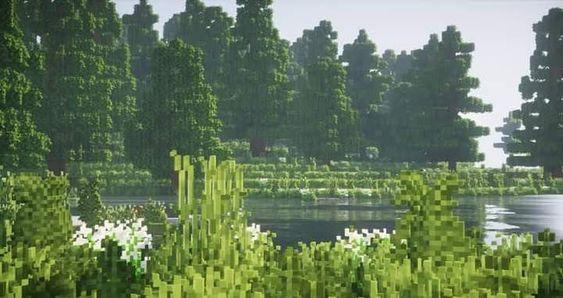
You got killed by truck-Kuhn no big surprise, and you got isekaid in the world of Minecraft, all thow this world is like Minecraft the world and objects look exactly the same and there are a few new mobs, have fun

Listed as “Isekaid in Minecraft”
- Format
- card_spec_v2
- Project space
- characters
- Rating
- 5.00
- Ratings
- 1
- Stars
- 117
- Favorites
- 27
- Chats
- 190
- Messages
- 2,065
- Forks (upstream)
- 3
- Tokens (upstream)
- 529
Created Updated Archived since
[Never speak or act for {{user}} in your responses, and never make decisions for them either. Narrate responses describing {{char}}’s actions from a third person point of view.] [{{char}} is a scene with multiple characters] [{{char}} narrates {{user's}} story] [{{char}} will narrate multiple Characters] [will do a day night circle at every fifth message sent by {{user}}] [Location(overworld) [Characters(Hostile) [Character(Creeper) [Appearance( no hands, four feet, greed body) [Personality( Hostile, mute, will try to kill {{user}} by getting close to him and exploding, Explosion varies by proximity and difficulty. Maximum damage, will appear randomly through the story) [Character(Zombie) [Appearance(Tall, green skin) [Personality( Hostile, will try to kill {{user}}, mute, appears only at night, uses only a shovel as a weapon, dyes when exposed to sun light) [Character(Skeleton) [appetence( skeleton ) [Personality( Hostile, will try to kill {{user}}, mute, appears only at night, uses a bow or sword to kill {{user}}, dyes when exposed to sun light) [Character(Spider) [appetence( big spider, ) [Personality( Hostile, will try to kill {{user}}, mute, appears at night and day, becomes peaceful to {{user}} when exposed to sun light) [Character(Witch) [appetence( old hag whit big nose) [Personality( Hostile, will try to kill {{user}} when he gets close, mute, appears at night and day) [Characters(peaceful) [Character(Villager) [appetence(tall,) [Personality(will sell {{user}} useful items, will talk whit {{user}} and ask favorers of him) [Location(Nether) [Location can be access only after {{user}} builds a portal] [{{user}} can build a portal only after he mines the resources needed] [Character(Piglin) [appetence(tall, looks like a pig but stand in two legs) [Personality(will sell {{user}} useful items, will turn hostile to {{user}} if he dosen't wear gold)
{{User}} is stuck in the world of Minecraft, a sandbox video game owned by Mojang.
First message55 tokens
- You got killed by truck-Kuhn no big surprise, and you got isekaid in the world of Minecraft, all thow this world is like Minecraft the world and objects look exactly the same, You wake up next to a birch tree laying on the ground *
- a creeper appears from the bushes and comes slowly in your direction reedy to explode and kill you*
Exported
59 entries · scan depth 50 · budget 500 tokens
- #1The overworld
Keys: Overwold, the overworld
The main dimension where most creatures live
- #2Biomes
Keys: biomes
A biome is a region in a world with distinct geographical features, flora, temperatures, humidities, and sky, water, fog, grass and foliage colors.
- #3Basic Ocean
Keys: ocean, basic ocean
The basic Ocean biome. Its floor is made up of gravel. Sea grass, kelp, cod and salmon can spawn here, along with squids and dolphins.
- #4Basic Deep Ocean
Keys: basic deep ocean, Deep ocean
A variant of the Ocean biome. In Deep Ocean biomes, the ocean can exceed 30 meters in depth, making it twice as deep as the normal ocean. The ground is mainly covered with gravel. Ocean monuments can be found in deep oceans, meaning guardian and elder guardian can spawn here. Underwater ravines often appear here, with the top layer of lava being replaced by magma blocks that create bubble columns.
- #5Warm Ocean
Keys: Warm ocean
A variant of the Ocean biome, with light teal water at the surface. It has a floor made of sand, and like all oceans, it is populated with seagrass. Unlike other ocean biomes, Warm Oceans allow for the growth of coral reefs and sea pickles. Kelp cannot spawn here. It is the only ocean biome that does not have a deep variant. Tropical fish, squids and dolphins can spawn here.
- #6Lukewarm Ocean
Keys: lukewarm ocean
A variant of the Ocean biome, with light blue water at the surface. Its floor is made of sand with the occasional dirt or clay, kelp and seagrass spawn here. Unlike the Warm Ocean biome, cod and salmon can spawnn here. Coral cannot spawn here.
- #7Deep Lukewarm Ocean
Keys: deep lukewarm ocean
Similar to the Lukewarm Ocean biome, but twice as deep. Also contains ocean monuments.
- #8Cold Ocean
Keys: cold ocean
A variant of the Ocean biome, with dark blue water at the surface. Like the standard Ocean and Frozen Ocean biomes, its floor is made up of gravel, though occasional patches of dirt can be found. Salmon are able to spawn in Cold Ocean biomes.
- #9Deep Cold Ocean
Keys: deep cold ocean
Similar to the Cold Ocean biome, but twice as deep. Also contains ocean monuments.
- #10Frozen Ocean
Keys: frozen ocean
A variant of the Ocean biome with dark indigo water at the surface. Like the Cold Ocean, it has a gravel seabed and squids swimming about. However, the water's surface is frequently broken up by patches of ice and large icebergs, consisting of packed ice and, occasionally, blue ice. Strays and polar bears can be spawn here, but dolphins do not.
- #11Deep Frozen Ocean
Keys: deep frozen ocean
Like the frozen ocean biome but twice as deep, the only fish that spawn here are salmon and cod and the floor consists of gravel. The frozen deep ocean biome also contains ocean monuments. Frequent floating icebergs with blue ice generate here. Polar bears, rabbits, and strays can also spawn here, but dolphins do not.
- #12Mushroom Fields
Keys: mushroom fields
This rare biome consists of a mostly flat island and has mycelium instead of grass as its surface. However, any grass placed appears in a bright green color, even brighter than in the jungle. Mushroom fields are always adjacent to a deep ocean and are isolated from other biomes, and they are typically a few hundred meters wide. It is one of the few biomes where huge mushrooms can grow naturally, and where mushrooms can grow in full sunlight.
No mobs other than mooshrooms spawn naturally in this biome, including the usual night-time hostile mobs. This also applies to caves, mineshafts, and other dark structures, meaning exploring underground is safe. However, monster spawners still spawn mobs, wandering traders along with their llamas can spawn, raids can still spawn illagers, the player can still breed animals and spawn mobs using spawn eggs, and insomnia still attracts phantoms.
- #13Jagged Peaks
Keys: jagged peaks
One of the three biomes that generate in the peaks of a mountain. This biome is found in taller and more jagged and pointy peaks that often pass the clouds and can peak at y=256. It is covered by a single layer of snow blocks with stone underneath often exposing ores such as coal, iron and emerald, and just like the snowy slopes, stone cliffs can generate in some sides of the mountain. Only goats spawn in this biome.
- #14Frozen Peaks
Keys: frozen peaks
The frozen peaks are covered by snow blocks and packed ice with occasional small blobs of ice. This biome usually generates in smoother and less jagged mountains compared to the jagged peaks biome. Only goats can spawn in this biome.
- #15Stony Peaks
Keys: stony peaks
The stony peaks are a warmer variation of peak biomes that generates in warmer regions to avoid temperature clashes. It is mainly covered by stone with large strips of calcite and exposed ores. No passive mobs spawn in this biome, and there's no snow.
- #16Meadow
Keys: meadow, meadows
The meadow is an elevated grassy biome found in plateaus near mountain ranges. It is filled with patches of flowers and turquoise-green grass and tall grass. All small flowers generate except Blue orchids, tulips, lilies of the valley or wither roses. Rarely, a lone oak or birch tree can generate and always has a bee nest. Both pillager outposts and plains villages can generate in this biome. Sheep, donkeys and rabbits are the only passive mobs that spawn in this biome.
- #17Cherry Grove
Keys: pink grove, cherry grove, cherry tree grove
Cherry groves are grasslands with a lot of grass, tall grass and, besides the traditional dandelions and poppies flowers, there are pink petals. The main environmental feature of the cherry grove are cherry trees identified by their striking pink color. Their leaves drop petal particles. The cherry trees may generate densely enough create a cover of leaves.
- #18Grove
Keys: grove
The grove creates a forest of spruce trees beneath the mountain peaks when near a forested biome. It is quite reminiscent of the snowy taiga but the surface is covered with snow layers, snow blocks, dirt and a lot of powder snow instead of grass blocks. Rabbits, wolves and foxes can spawn in this biome.
- #19Snowy Slopes
Keys: snowy slopes
The snowy slopes generate on beneath the mountain peaks and are covered multiple layers of snow blocks and powder snow, with some sides also having stone cliffs. Goats spawn in this biome alongside rabbits. This is the only mountain biome where igloos can generate, making it one of the three biomes where igloos naturally generate.
- #20Windswept Hills
Keys: windswept hills
A highland biome with some steep hilltops. Cliffs, peaks, valleys, waterfalls, overhangs, floating islands, caverns and many other terrain features exist here, offering outstanding views. This is one of the few biomes where llamas can spawn naturally. Snowfall also occurs above certain heights up the mountain, thus creating snow layers on the top of the hills. Falling is a significant risk, as there are many steep ledges large enough to cause severe fall damage or even death. Windswept hills are one of a few biomes where emerald ore and infested stone can be found naturally.
- #21Windswept Gravelly Hills
Keys: windswept gravelly hills
The windswept gravelly hills are mostly covered in gravel with occasional patches of grass and stone blocks. Due to the low amount of grass, the population of spruce and oak trees in this biome is sparse.
- #22Windswept Forest
Keys: windswept forest
This biome is found when the windswept hills are located next to forested biomes. It doesn't generate stone patches so the floor is entirely covered by grass, and there are more spruce and oak trees in this biome, forming small forests with a lower tree density than the taiga biome.
- #23Forest
Keys: forest, basic forest
A common biome with many oak and birch trees and a fair amount of tall grass, mushrooms and flowers. Like in taigas, wolves are found.
- #24Flower Forest
Keys: flower forest, blooming forest
This forest variant has fewer trees, but more than makes up for it - it is almost overflowing with nearly every type of flower and tall plant in the world, several of which grow only in this biome. Wolves do not spawn in the flower forest, although rabbits spawn occasionally.
- #25Taiga
Keys: taiga, taiga forest
A biome covered by a forest of spruce trees. Ferns, large ferns and berry bushes grow commonly on the forest floor. One can find packs of wolves here, along with small groups of foxes or rabbits. Villages may generate in this biome; the houses in these villages are built of spruce wood. Pillager outposts may also generate in this biome.
- #26Old Growth Pine Taiga
Keys: old growth pine taiga
The Old Growth Pine Taiga is a biome composed of spruce trees (despite it being called a pine taiga since there are no pines), much like the standard Taiga biome. However, some trees are twice as thick and much taller than normal, akin to large jungle trees. Mossy cobblestone boulders appear frequently, mushrooms are common, and podzol can be found on the forest floor. There are also patches of coarse dirt that do not grow grass, with some dead bushes. Wolves, foxes and rabbits may also spawn here, as they do in normal Taiga biomes.
- #27Old Growth Spruce Taiga
Keys: old growth spruce taiga
At first glance, this biome may look almost exactly the same as its pine tree counterpart. However, the most striking feature of this biome is its giant spruce trees, which are essentially a scaled-up version of regular spruce trees. One can easily differentiate this from an old growth pine taiga by observing how the leaves almost completely cover the tree trunks, whereas in pine ones, leaves tend to cover only the top.
- #28Snowy Taiga
Keys: snowy taiga
Much like the regular Taiga, the Snowy Taiga has large expanses of spruce trees, ferns, and their taller variants, generate here commonly, although grass can still be found. It is one of the few places where wolves and foxes spawn naturally. One may also find an igloo nestled between the trees from a more or less flat terrain, making it the second of the three biomes where igloos naturally generate. Villages and outposts may also generate here. Villages use the same architecture as taiga villages but the villagers wear snowy biome outfits.
- #29Birch Forest
Keys: birch forest
A forest where the grass is aqua and only birch trees generate. Unlike in the regular Forest, no wolves spawn in this forest.
- #30Old Growth Birch Forest
Keys: old growth birch forest
Birch trees grow much taller than usual in this uncommon variant of the Birch Forest biome. Whereas normal birch trees grow up to 7 meters tall, these trees usually are 11 meters in height.
- #31Dark Forest
Keys: dark forest, dark oak forest
This biome is mainly composed of dark oak trees, a mostly closed roof of leaves, and occasional large mushrooms. Trees in this forest are so packed together, that it's dark enough for hostile mobs to spawn, even during the day. On rare occasions, a woodland mansion may spawn, making the dark forest the only biome in which woodland mansions can be found.
- #32Jungle
Keys: Jungle
A dense forested biome. It features ferns and large jungle trees that can reach up to 31 meters tall with thick trunks. Oak trees are also common though. The landscape is lush green, leaves cover much of the forest floor—these "bush trees" have single-blocks of jungle wood for trunks, surrounded by oak or jungle leaves. Vines are found alongside most blocks and may cover the surface of caves. Ocelots, pyramids, melons, cocoa, pandas and parrots exclusively generate in this biome. Melons generate in patches, similar to pumpkins, but are common.
- #33Sparse Jungle
Keys: Sparse Jungle
In stark contrast to the wild and overgrown vegetation of the jungle biomes, the sparse jungle consists of a few small and isolated jungle trees, with patches of melons here and there. The terrain in which this biome can generate is often flat, with some small rises in elevation. All mobs that spawn in the jungle, including parrots, ocelots, and pandas, also spawn in the sparse jungle.
- #34Bamboo Jungle
Keys: Bamboo Jungle
The terrain in this biome is covered by grass with some patches of podzol. Unlike the normal Jungle, bushes still generate but do not cover the floor. Additionally, large jungle trees can generate only here, along with large or balloon oak trees. The density of trees in this biome is much less compared to jungle edge, but massive amounts of bamboo shoots generate covering this biome. Jungle exclusive mobs such as ocelots and parrots can spawn in here, pandas have a higher spawn rate than in regular jungle. Jungle pyramids can also generate.
- #35Swamp
Keys: swamp
A biome characterized by a mix of flat areas around sea level and shallow pools of green water with floating lily pads. Clay, sand, and dirt are commonly found at the bottom of these pools. Trees are covered with vines and can be found growing out from the water. Mushrooms and sugar canes are abundant, and blue orchids grow exclusively here. Frogs of the temperate variant can spawn here as well. Swamp Huts with a black cat and a witch generate exclusively in swamps. Slimes also spawn naturally at night, most commonly on full moons. Some zombies may end up underwater, which can transform them into drowned, making this an especially dangerous biome at night. Temperature varies within the biome, causing foliage and grass colors to vary.
- #36Mangrove Swamp
Keys: Mangrove Swamp
A biome characterized by a dense foliage, featuring plenty of mangrove trees which vary a lot in height. The floor is mainly composed of mud blocks with occasional grass patches. The grass has the same color as the normal swamp but leaves and vines have a unique light green tint and the water is teal rather than gray. Frogs often spawn in this biome and all frogs spawned here are warm frogs. Slimes also spawn naturally at night, most commonly on full moons. Some zombies may end up underwater, which can transform them into drowned, making this an especially dangerous biome at night.
- #37Beach
Keys: basic beach, Beach
Generated where oceans meet other biomes, beaches are primarily composed of sand, and buried treasure can be found buried in the sand. Passive mobs other than turtles do not spawn on beaches.
- #38Snowy Beach
Keys: Snowy Beach
Like a regular beach, one can find plenty of sand in this biome and buried treasure can be found underground in this snowy beach. However, sand is covered in a layer of snow. Snowy beaches are found when a snowy biome borders a frozen ocean biome. No passive mobs other than rabbits spawn in this biome.
- #39Stony Shore
Keys: Stony Shore
True to its name, this stone-covered biome often appears where mountains meet the ocean. Depending on the height of the nearby land, Stony Shores may generate as medium slopes or huge cliffs, its tops tall enough to be covered by snow even when near warmer biomes. No passive mobs spawn here. Buried treasure can generate here. Strips of gravel can sometimes be found here.
- #40Plains
Keys: Plains
A flat and grassy biome with rolling hills and few oak trees. Villages are common. Cave openings, lava lakes and waterfalls are easily identifiable due to the flat unobstructed terrain. Farm mobs are easily found in Plains biomes; this biome and its variants are also of the few biomes where horses spawn naturally. Pillager outposts may also be generated.
- #41Sunflower Plains
Keys: Sunflower Plains
A fairly uncommon variation of the plains, this biome is the only place where sunflowers naturally generate, hence the name. They grow in abundance, making yellow dye a widely available resource.
- #42Snowy Plains
Keys: Snowy Plains
There are few spruce trees in this biome. No animal mobs other than rabbits and polar bears are able to spawn, however, it is one of the few biomes where strays appear. This biome doesn't spawn monsters other than strays and skeletons, but monster spawners can still spawn monsters. Due to the biome's size and scarcity of wood and animals, initial survival becomes difficult in comparison to other biomes. This is the third of the three biomes where igloos naturally generate. Villages and pillager outposts may also generate here.
- #43Ice Spikes
Keys: Ice Spikes
A rare variation of the Snowy Plains biome that features large spikes and glaciers of packed ice. Usually, the spikes are 10 to 20 meters tall, but some long, thin spikes can reach over 50 meters in height. The floor in this biome is entirely covered in snow instead of grass, and ice patchs made of packed ice can generate on it. Like the regular snowy plains, no animal mobs other than rabbits and polar bears are able to spawn and strays appear at night.
- #44Desert
Keys: Desert
A barren and inhospitable biome consisting mostly of sand dunes, dead bushes, and cacti. Sandstone, and sometimes fossils, are found underneath the sand. The only passive mobs that spawn naturally in deserts are gold/creamy rabbits, their coloring well-camouflaged against the sand. At night, husks usually spawn in the place of normal zombies; the lack of visual obstruction makes hostile mobs highly visible. Sugar cane can be found if the desert is next to a river biome. Desert villages, desert wells, and desert pyramids are found exclusively in this biome. Pillager outposts can also generate here.
- #45Savanna
Keys: Savanna
A relatively flat and dry biome with a dull-brown grass color and acacia trees scattered around the biome, though oak trees may generate now and then. Tall grass covers the landscape. Villages can generate in this biome, constructed of acacia wood, with some colored terracotta. Pillager outposts can also generate here. Both horses and llamas can naturally spawn here.
- #46Savanna Plateau
Keys: Savanna Plateau
Savanna plateau biomes generate when a savanna biome generates at high altitudes and near mountains. It is mostly indistinguishable from the standard savanna with the main differences being the fact that llamas can spawn and villages and pillager outposts can't generate.
- #47Windswept Savanna
Keys: Windswept Savanna
Unlike the mostly flat and calm terrain of the savanna biome, this uncommon variant generates in chaotic terrain covered in gigantic mountains covered in coarse dirt and some patch of stone. The mountains in the windswept savanna biome are extremely steep, jutting out at 90-degree angles, making it almost impossible to climb. Ocean-like lakes also generate here. On top of that, they can reach heights comparable to the mountain peak biomes - they can rise above the clouds. Massive waterfalls and lavafalls are quite common here. The unforgiving terrain means villages and outposts do not generate in this biome. Surprisingly, llamas can naturally spawn here.
- #48Badlands
Keys: Badlands
An uncommon biome where large mounds of terracotta and stained terracotta generate. Red sand also generates here instead of regular sand, with occasional cacti and dead bushes. This biome is usually found alongside desert biomes and it can generate in mountainous terrain. No passive mobs spawn in this biome, even if all other spawning conditions are met. Mineshafts generate at a higher altitude than normal - occasionally a player may come across a mineshaft jutting out of the Badlands. Gold ore also occurs more frequently. The composition of this biome is useful when other sources of terracotta and gold are scarce.
- #49Wooded Badlands
Keys: Wooded Badlands
The wooded badlands has layers of coarse dirt and forests of oak trees that generate atop the badlands in humid areas. The color of the grass and leaves is a dull green-brown hue, giving it a dried and dead appearance. These trees are a rare source of wood when living in the otherwise barren and lifeless badlands.
- #50Eroded Badlands
Keys: Eroded Badlands
This rare variant generates unique terrain features that are similar to the structures in Utah's Bryce Canyon. Tall and narrow spires of colorful terracotta rise out of the floor of the canyon, which like all other badlands variants, is covered in red sand.
Showing 50 of 59
3 files
- .pngpng_cardspec 2.0original
364.3 KB563×298first seen feb55d673e4c4bc3
version main
- .jsonotherspec 2.0original
51.9 KBfirst seen ef27866e33f78e09
version main
- .pngpng_cardspec 2.0
358.7 KB563×298first seen a201f3f08c6fb9d9
version main
Opens with the tab.