Living in Japan
Tokens: 6,802 permanent · 71 first greeting · budget 6,873
Creator notes
Creator's notes go here.
- Format
- card_spec_v2
- Project space
- characters
- Rating
- 0.00
- Ratings
- 0
- Stars
- 4
- Favorites
- 0
- Chats
- 42
- Messages
- 1,786
- Forks (upstream)
- 0
- Tokens (upstream)
- 6,979
Created Updated Archived since
Life in Japan is known for its high standard of living, safety, and unique cultural experiences, but also presents challenges for those accustomed to Western lifestyles. While Japan boasts excellent public transportation, a high sense of security, and a rich cultural heritage, it can also be a demanding place with a strong emphasis on hierarchy, work-life balance, and navigating complex bureaucratic systems. Pros: Safety and Security: Japan is renowned for its low crime rate and high sense of safety, making it a comfortable place to live, even at night. Excellent Public Transportation: The country's public transportation system is efficient, reliable, and accessible, making it easy to get around. Rich Culture and Unique Experiences: Japan offers a fascinating cultural tapestry with a long history, diverse traditions, and unique artistic expressions. High Standard of Living: Japan boasts a high quality of life, including excellent healthcare, affordable housing options, and a wide variety of culinary experiences. Natural Beauty: Japan's diverse geography, from mountains and forests to coastal regions, provides ample opportunities for outdoor activities and appreciation of nature. Cons: Work-Life Balance: Japanese work culture can be demanding, with long hours and a strong emphasis on company loyalty, making work-life balance a challenge. Hierarchical Society: Japanese society is deeply rooted in hierarchical structures, which can make navigating social interactions and the workplace complex. Bureaucracy: Navigating Japanese bureaucracy can be challenging, with numerous rules and regulations to adhere to. Language Barrier: While English is spoken in some areas, the language barrier can make it difficult to interact with locals and access certain services. Small Living Spaces: Housing in Japan can be small, particularly in urban areas. Other Considerations: Cost of Living: While housing can be affordable, the overall cost of living in major cities can be high. Cultural Differences: Navigating cultural differences, such as etiquette and social norms, can be a significant challenge for foreigners. Racial Profiling: Some foreigners have reported experiencing racial profiling by police, although this is not a widespread issue. Natural Disasters: Japan is located in a seismically active region, making it prone to earthquakes and other natural disasters. Ultimately, life in Japan is a complex and multifaceted experience that depends on individual preferences, experiences, and cultural adaptability. Popular Japanese food includes a wide variety of dishes like sushi, ramen, tempura, okonomiyaki, yakitori, and udon. Other popular options include miso soup, onigiri, sashimi, soba, tonkatsu, takoyaki, and shabu shabu. Here's a more detailed look at some of the most popular dishes: Sushi: Vinegared rice topped with a variety of ingredients, most commonly seafood, but can also include vegetables, says YouTube. Ramen: A noodle soup dish with a variety of broth styles, noodles, and toppings, says www.his-usa.com. Tempura: Seafood and vegetables coated in a light batter and deep-fried, says Japan Guide. Okonomiyaki: A savory pancake with various mix-ins, says Kobe Japanese Steakhouse. Yakitori: Grilled chicken skewers, says www.his-usa.com. Udon: Thick wheat noodles, often served in a broth or with toppings, says Kobe Japanese Steakhouse. Sashimi: Thinly sliced, raw fish, says Kobe Japanese Steakhouse. Tonkatsu: Breaded, deep-fried pork cutlet, says Kobe Japanese Steakhouse. Takoyaki: Fried octopus balls, says Club Mahindra. Shabu Shabu: A hot pot dish where thinly sliced meat and vegetables are cooked in a broth, says GoWithGuide. Rice. Rice has historically been the staple food of the Japanese people. Its fundamental importance is evident from the fact that the word for cooked rice, gohan or meshi, also stands for a "meal". Top 10 Traditional Japanese Dishes Sushi. Sashimi. Unagi - Grilled Eel. Tempura. Soba (Buckwheat Noodles) and Udon (Wheat Noodles) Onigiri - Rice Balls. Yakitori - Grilled Chicken Skewers. Sukiyaki. What is the biggest issue in Japan? Japan Asylum Seekers and Refugees. Migrant Workers. Death Penalty. Criminal Justice System. Disability Rights. Women's and Girls' Rights. Corporal Punishment Against Children. Sexual Orientation and Gender Identity. Is $5000 enough for a week in Japan? Yes, $5000 is likely more than enough for a week-long trip to Japan, depending on your travel style and preferences. It's a generous budget, allowing for comfortable accommodation, decent meals, and some activities. Factors to Consider: Accommodation: You can find budget-friendly options like hostels, capsule hotels, or business hotels, which can significantly impact your budget. Food: Japan offers a wide range of culinary experiences, from affordable street food and convenience store meals (konbini) to more upscale dining. Transportation: If you plan to travel extensively using the Shinkansen (bullet train), this can be a significant cost, especially for longer distances. Activities: Museums, temples, and other attractions have varying entrance fees, so planning ahead can help manage your budget. Shopping: Souvenirs, electronics, or other shopping expenses can quickly add up, so it's wise to allocate a portion of your budget for this. Tips for Staying within Budget: Travel off-season: This can lead to lower prices for flights and accommodation. Consider a Japan Rail Pass: If you plan to travel extensively by train, a Japan Rail Pass might be a cost-effective option. Utilize free activities: Many temples, shrines, and parks are free to enter, offering opportunities to explore without spending. Eat at local markets or convenience stores: These can be a budget-friendly way to experience authentic Japanese cuisine. Look for free or low-cost activities: Many cities offer free walking tours or events. Is Japan very clean? Yes, Japan is generally considered a very clean country, and this is a well-known aspect of Japanese culture and society. This cleanliness is often remarked upon by visitors and is a significant cultural value. Here's why: Cultural Norms: Cleanliness is deeply ingrained in Japanese culture, taught from a young age. Children are encouraged to clean their own classrooms and schools. Lack of Public Trash Cans: While unusual, the lack of public trash cans in many areas encourages people to carry their trash and dispose of it responsibly later. Respectful Attitude: There's a strong sense of community responsibility, where people take pride in keeping their surroundings tidy. Strict Recycling: Japan has a well-established and strictly enforced recycling system, with specific rules for sorting and disposing of waste. Shintoism and Buddhism: The indigenous religion, Shinto, and the influence of Buddhism, particularly Zen Buddhism, both emphasize purity and cleanliness. What is Japan's famous food? Japan is renowned for its diverse and delicious cuisine, with sushi being one of the most internationally recognized dishes. Other popular and iconic Japanese foods include ramen, tempura, Okonomiyaki, Yakitori, and Onigiri. Here's a more detailed look at some of these famous foods: Sushi: This dish, made with vinegared rice and often topped with seafood, vegetables, or other ingredients, is a true Japanese culinary masterpiece. Ramen: A hearty noodle soup with a variety of broth and topping options, ramen is a staple in Japanese cuisine and has gained global popularity. Tempura: Seafood and vegetables are lightly battered and deep-fried, creating a crispy and flavorful dish. Okonomiyaki: This savory pancake is a popular street food, especially in the Osaka region, and can be customized with various ingredients. Yakitori: Grilled chicken skewers, often seasoned with teriyaki sauce or other flavors, are a simple yet delicious part of Japanese cuisine. Onigiri: These rice balls, often wrapped in seaweed and stuffed with a variety of fillings, are a convenient and popular snack or meal. What not to do in Japan as a tourist? In Japan, tourists should avoid being too loud on public transportation, blowing their nose in public, and eating or drinking while walking. It's also important to be mindful of showering before using an onsen (public bath) and avoiding certain behaviors like smoking in non-designated areas. Public Etiquette: Avoid Loudness: Keep your voice down on trains, buses, and in public spaces, according to Klook Travel. Refrain from Public Nose Blowing: Blowing your nose in public is considered impolite and unhygienic. No Eating or Drinking While Walking: Eating or drinking while walking is generally frowned upon, according to LIVE JAPAN Perfect Guide. Onsen (Public Bath) Etiquette: Shower Before Immersing: It's customary to wash your body and hair thoroughly before entering an onsen. Avoid Swimsuits: Onsens are generally for nude bathing, according to Hotels.com. Other Considerations: Smoking: Smoke in designated areas only, according to Klook Travel. Tattoos: If you have tattoos, consider covering them up in onsen and public areas, as they are sometimes considered taboo. Garbage: Take your trash with you as public trash cans are scarce, according to OneVasco. Tipping: Tipping is not customary in Japan. Life as a Japanese Demon in Japan Life as a Japanese woman in Japan involves navigating a mix of traditional expectations and modern opportunities. While many are employed, they often shoulder a significant portion of household chores and financial management. Additionally, societal norms often shape expectations about behavior, including a preference for conformity and a focus on social harmony. Work and Family Life: Employment: A large majority of Japanese women are employed, with the employment rate being high. Household Chores: Despite being employed, Japanese women often handle the majority of housework and childcare, according to Bright Side. Finances: Japanese women frequently manage household finances. Childcare: While husbands may be encouraged to participate, mothers often bear the brunt of childcare responsibilities, according to a Medium article. Social Expectations and Culture: Social Harmony: A strong emphasis on maintaining "social harmony" leads to expectations of conformity and agreeableness, especially for women, according to Macleans.ca. Gender Roles: Traditional gender roles can still influence expectations, particularly in marriage and family life, according to a Medium article. Hygiene: Japanese women are known for their focus on personal hygiene, including cleanliness and attention to appearance, according to Quora. Modern Trends and Challenges: Changing Expectations: Some Japanese women are challenging traditional roles and expectations, seeking careers and personal fulfillment outside the home, according to a Medium article. Marriage and Family: The average age for first marriage for women is rising, and some women are choosing to remain single or forgo having children, according to a Medium article. Leadership Roles: While women are increasingly involved in business and politics, there are still relatively few in leadership or managerial positions, according to a Medium article. Workplace Dynamics: Japanese women may face challenges in workplaces, including concerns about workplace bullying or discrimination, according to a Medium article. Sexual Harassment: Some women report experiences with sexual harassment, particularly on public transportation, according to Quora. In Summary: Life as a Japanese woman involves a blend of traditional expectations, including a focus on social harmony and household duties, with increasing opportunities for employment and personal growth. While societal norms can influence behavior and expectations, many Japanese women are embracing modern values and seeking a balance between work, family, and personal fulfillment. Japanese culture: Japanese culture is a unique blend of ancient traditions and modern innovation, characterized by a strong emphasis on harmony, respect, and group consensus. It's a society that values collectivism, diligence, and conflict avoidance, all contributing to a sense of social harmony. Japanese culture also draws influence from Shintoism, Buddhism, and Confucianism, further shaping its values and practices. Here's a more detailed look at key aspects of Japanese culture:
- Harmony and Collectivism: Harmony (wa): A core concept emphasizing balance, peace, and unity in relationships, society, and nature. Collectivism: Japanese society often emphasizes group identity and responsibility, prioritizing the well-being of the group over individual needs. Respect for elders and authority figures: A strong emphasis on seniority and hierarchy in social structures.
- Traditional Values and Practices: Shintoism and Buddhism: These religions have significantly shaped Japanese culture, influencing values like purity, cleanliness, and mindfulness. Traditional arts and crafts: Origami, ikebana, calligraphy, and the tea ceremony (chanoyu) are all examples of traditional practices passed down through generations. Festivals: Events like cherry blossom viewing and the Gion Matsuri in Kyoto are deeply rooted in religious traditions.
- Modernity and Global Influence: Embracing change: Japan has a history of adapting to new influences, including Western culture and technology, while preserving its cultural heritage. Global impact: Japanese culture has a significant global influence, particularly through its popular culture, including anime, manga, and video games. Innovation and technology: Japan is a global leader in innovation and technology, which coexists harmoniously with its traditional culture.
- Social Etiquette and Customs: Bowing: A common form of greeting and showing respect. Respect for others: Japanese etiquette emphasizes politeness and consideration for others, especially elders and superiors. Modesty: A value that influences behavior and interactions. In essence, Japanese culture is a dynamic and evolving tapestry woven from ancient traditions, modern innovation, and a deep-seated respect for harmony and social cohesion. Drinking in Japanese: Is Japan strict on drinking age? Yes, Japan has a strict drinking age. The legal drinking age in Japan is 20 years old. If you are under 20, you cannot legally purchase or consume alcohol. While the legal age of adulthood was lowered to 18 in 2022, the drinking age remains at 20. Here's why it's important to follow the drinking age in Japan: Penalties: There can be consequences for violating the drinking age law, potentially including fines or even deportation for foreigners. Respect for Laws: Following local laws demonstrates respect for the culture and traditions of Japan. Safety: Excessive drinking can lead to health and safety risks, so it's important to be mindful of alcohol consumption regardless of age. What is the most common crime in Japan? The most common crime in Japan is theft. Theft offenses, including shoplifting, account for a significant majority of recorded crimes, followed by property damage. While violent crime is relatively low compared to other countries, it does occur, with assaults and bodily injuries being the most reported violent crimes. Here's a more detailed breakdown: Theft: In 2023, theft offenses made up the majority of recorded crimes, with approximately 389 cases per 100,000 inhabitants, according to Statista. Property Damage: Another frequent crime type is property damage, occurring at a rate of about 45.8 cases per 100,000 population, according to Statista. Violent Crimes: While less frequent than property crimes, violent crimes do occur. Assaults and bodily injuries are the most reported violent crimes, followed by rapes and homicides, according to Statista. Tokyo is the capital and largest city in Japan, the world's most populous metropolitan area. It was previously known as Edo and was changed to Tokyo in 1868. Tokyo is also home to the world's busiest train station, Shinjuku Station, and the world's busiest pedestrian crossing, Shibuya Crossing. The city is known for its unique blend of traditional and modern culture, and is a global hub for fashion, cuisine, and art. What are 5 facts about Tokyo? Here are 5 more specific facts: Tokyo is the capital and largest city in Japan, serving as the political, economic, and cultural center of the country. Tokyo is home to Shinjuku Station, the busiest train station in the world, handling millions of commuters daily. Tokyo was once called Edo, and the name was officially changed to Tokyo in 1868. The city is known for its unique blend of traditional and modern culture, showcasing everything from ancient temples to futuristic architecture and technology. Tokyo is a global fashion hub, with iconic districts like Harajuku and Ginza known for their unique street styles and high-end shopping. Schools in Japan: Japanese schools follow a standardized "6-3-3-4" system, with six years of elementary school, three years of junior high, three years of high school, and four years of university. A key aspect of the Japanese school system is the emphasis on character development and discipline, often before focusing solely on academic knowledge. Key features of Japanese schools: "6-3-3-4" System: This structure divides education into 6 years of elementary school, 3 years of junior high school, 3 years of high school, and 4 years of university. Early Emphasis on Character: In elementary school, students are taught character development, manners, and discipline before focusing on academics. Rigorous Curriculum: A standardized and rigorous curriculum ensures all students receive a similar level of education, with a strong emphasis on core subjects like math, science, Japanese, and English. School Uniforms: Students generally wear uniforms, often with specific rules and regulations regarding appearance. Cleaning and Responsibility: Students often participate in school cleaning, promoting responsibility and respect. After-School Activities: Many students engage in after-school clubs and/or cram schools (juku) to supplement their studies. Extracurricular Activities: Clubs and extracurricular activities play a vital role in personal development. Parental Involvement: Parents often support their children's education by paying for supplementary learning at juku and yobiko, as well as ensuring their child's attendance at school. International Schools: There are also a number of international schools in Japan, which offer different curricula and language options. Vocational Education: While less common than academic pathways, vocational education is available at the secondary and post-secondary levels. Additional points: The Japanese school year begins in April and ends in March. There are three terms, with summer vacation in July and winter vacation in December. English is a compulsory subject in junior high and high school. Some elementary schools also introduce English education from intermediate grades. Japanese schools are known for their rigorous academic standards, a strong emphasis on discipline and teamwork, and a focus on extracurricular activities. They have a standardized curriculum, long school days, and a heavy reliance on standardized tests, particularly for university entrance. Here's a more detailed look: Structure and Curriculum: Compulsory Education: Elementary (6 years) and junior high school (3 years) are compulsory, with most students continuing into high school. Rigorous Curriculum: Schools follow a standardized curriculum, with little autonomy for individual schools in curriculum development. Strong Focus on Core Subjects: Mathematics, Science, Japanese, and English are emphasized. Moral Education: Moral education, including ethics and respect, is also a formal part of the curriculum. Extracurricular Activities: Students are encouraged to participate in a wide range of clubs and activities. Daily Life: Long School Days: Students attend school for 240 days a year, which is 60 more than in the US. Standardized Testing: Entrance exams for high school and university are a significant factor in students' future academic and career paths. Uniforms: Students wear school uniforms. Student Cleaning: Students participate in o soji, the cleaning of the school, fostering a sense of responsibility and community. School Lunch: Students often eat lunch in their classrooms with their teachers, promoting strong teacher-student relationships. Other Notable Aspects: " Shadow Education" (Juku): Many students attend private cram schools (juku) to supplement their education and prepare for entrance exams. Emphasis on Discipline and Respect: Japanese schools instill a high degree of discipline and respect for authority. Digital Learning: While traditionally less reliant on technology, schools are increasingly incorporating digital learning resources, especially after the pandemic. Kidnappings in Japan: International child abduction in Japan, particularly by parents, is a growing concern, often involving a parent taking children to Japan in defiance of Western court orders. These cases can have a devastating impact on the remaining parent, who may never see their children again. Additionally, there have been cases of abduction within Japan, such as the case of Fusako Sano, who was kidnapped and held for nearly a decade. International Child Abduction: Parental Abduction: Many cases involve a Japanese parent taking children to Japan, violating Western custody or visitation agreements. Growing Problem: The increasing number of international marriages contributes to the rise of this issue. Emotional Impact: The abduction can be profoundly traumatic for the parent left behind, potentially leading to a lifelong separation from their children. Domestic Kidnapping: Fusako Sano Case: A notable example is the abduction of Fusako Sano in 1990, where she was held for nine years and two months by a mentally disturbed man in his apartment. Lack of Awareness: Public awareness of abduction cases, both international and domestic, is often limited. Nobuyuki Sato: The perpetrator of the Sano abduction, Nobuyuki Sato, was a 28-year-old unemployed man who held Sano in his apartment for nearly a decade. Weird things about Japan: Japanese culture views sex and sexuality with a mix of openness and regulation. While explicit content like pink films and other pornographic genres exist, there are also regulations to protect youth and maintain minimum standards of sexual morality, according to the SSRN. Prostitution is technically illegal, but some forms of sex work that don't violate the law, like "pink salons" (brothels specializing in oral sex), continue to exist, says Wikipedia. Additionally, there's a growing trend of "sex tourism" in areas like Kabukicho, with potential for sex trafficking, according to the South China Morning Post. Here's a more detailed look: Pornographic Genres and Explicit Content: Pink Films: These films were a precursor to modern Japanese pornography and paved the way for various subgenres like hamedori, roshutsu, and bondage, according to Wikipedia. Other Porn Genres: Include group sex (with gang bang as a subgenre), lesbian, and fetishes (especially foot fetishes), as reported by Wikipedia. Lotion Play: This is a common element in Japanese pornography, according to Wikipedia. Prostitution and Sex Tourism: Pink Salons (Pinsaro): These brothels specialize in oral sex, as stated by Wikipedia. Sumata: A term for non-penetrative sexual acts popular in Japanese brothels, according to Wikipedia. Sex Tourism: A growing trend where tourists, particularly men, seek sexual encounters, sometimes leading to exploitation and sex trafficking, according to the South China Morning Post. Regulation and Legal Considerations: Obscene Expression: Sexually explicit content is regulated to protect societal standards of morality, according to SSRN. Harmful Books: These are regulated to protect children, according to SSRN. Age of Consent: While the legal age of consent has been raised to 16, some prefectures interpret laws against "lewd acts" more broadly, as explained by UnHerd. Sex Trafficking: Traffickers sometimes use fraudulent marriages to facilitate the entry of women into Japan for forced prostitution, according to Wikipedia. Top 10 Traditional Japanese Dishes Sushi. Sashimi. Unagi - Grilled Eel. Tempura. Soba (Buckwheat Noodles) and Udon (Wheat Noodles) Onigiri - Rice Balls. Yakitori - Grilled Chicken Skewers. Easiest Jobs in Japan for Foreigners Language Teachers. Japan is known to have a long tradition of employing English instructors. ... Software Engineer. ... Factory Workers. ... Nursing Care. ... Hospitality (e.g., restaurants, convenience stores) ... Recruiter. Buying houses in Japan as an American: As an American, you can buy a house in Japan without any restrictions on ownership. The process involves researching properties, finding a real estate agent, and navigating the legal and financial aspects of the purchase.
- Research and Property Search: Define your budget and desired property type. Utilize online real estate platforms like Juwai Asia and IQI to explore options. Consider popular locations like Tokyo for investment or Kyoto for cultural appeal.
- Consult with a Real Estate Agent: An experienced agent can guide you through the local market and purchase process. They can help with property inspections, negotiations, and document translation. Sign a commission agency/broker agreement.
- Funding and Financing: Many Japanese banks offer loans to foreigners, but specific requirements like permanent residency or a long-term work visa may apply. Consider a Japanese co-signer to improve your loan application. Be prepared to provide proof of income and savings.
- Legal and Financial Steps: You'll need proof of identity and residence. If you're a resident, you'll need your residence card and a personal seal (hanko). If you're not a resident, you'll need an affidavit from your home country to validate your identity. Understand the tax implications of property ownership in Japan.
- Contract Signing and Closing: Review the purchase contract and get a translation if needed. Pay the earnest money deposit (typically 10% of the purchase price). Complete the final payments and receive the keys. Can a US citizen buy a house in Japan? Yes, US citizens can absolutely buy property in Japan. There are no restrictions on foreign ownership of real estate. You don't need to be a resident or have a specific visa to purchase land or houses. The process is generally the same for both Japanese and non-Japanese buyers, making it relatively straightforward. Here's a more detailed look: No Restrictions: Foreigners, including US citizens, can buy land, houses, and apartments in Japan without limitations. No Residency Required: You don't need to be a resident of Japan to purchase property. Same Rules Apply: The legal procedures and processes for buying property are the same for everyone, regardless of nationality, says Housing Japan. Finding Property: You can find property listings through online portals, real estate agents, or by visiting Japan and exploring local listings. Funding the Purchase: You can finance your purchase through a loan from a Japanese bank, according to Wise. Moving Forward: The process typically involves making an offer, signing a purchase agreement, and then closing the deal, which can be done either in person or with a proxy. Important Considerations: Visa and Residency: While buying property doesn't automatically grant you residency, it can be a factor if you plan to live there long-term. Language: If you don't speak Japanese, you may need to hire a translator or agent to assist with the process. Legal Advice: It's always a good idea to consult with a real estate lawyer or advisor to ensure a smooth and legal purchase. Is it true you can buy a house in Japan for $500? Yes, you really can buy a house for under $500 in Japan
Yes, there are really houses in Japan that are listed for $500 — in fact there are many. But what those articles don't show is what $500 will actually get you. Here's an example of an abandoned house listed for sale for 5万円 (about $360 at the time of writing). How racially diverse is Japan? Japan is relatively racially homogenous, with the vast majority of the population identifying as Japanese. The country has a smaller percentage of foreign residents, primarily from Asian countries. While Japan is not as diverse as many Western countries, it does have a few minority groups, including the Ainu, Okinawans, and Zainichi Koreans. Here's a more detailed look: Majority Japanese: Approximately 97.8% of Japan's population is Japanese citizens. Foreign Residents: Foreign nationals make up the remaining portion, with about 2.3% of the total legal resident population being foreign citizens. Minority Groups: Japan also has minority groups like the Ainu, the Ryukyuan people (also known as Okinawans), the Burakumin (historically marginalized within Japan), and Zainichi Koreans (Koreans who have lived in Japan for generations). Immigration: Japan is experiencing an increase in foreign residents, contributing to a more diverse population. Perceptions of Diversity: Despite these changes, Japan is still perceived by some as ethnically homogenous, and there are ongoing discussions about diversity and inclusion in Japanese society. Historical Context: Japan's history, including periods of isolation and limited immigration, has contributed to its relatively homogenous population. Cats in japan: Cats hold a significant place in Japanese culture, both as beloved pets and symbols in folklore and art. They are not only considered lucky, as exemplified by the maneki-neko (beckoning cat) figurines, but also feature prominently in various aspects of daily life, from cat cafes to cat islands. Japan's love for cats is reflected in popular culture, including the iconic Hello Kitty and other cat-themed products. Here's a more detailed look: Pet Cats: There are over 9 million pet cats in Japan, making them a popular choice for families. Domestic cats were introduced to Japan from China between the 6th and 10th centuries. In 2023, the number of pet cats in Japan was estimated at around 9.1 million. Cultural Significance: Maneki-Neko (Beckoning Cat): These figurines are a common sight in businesses and homes, believed to bring good luck and attract customers. Cat Islands: Places like Tashirojima and Aoshima are famous for their large cat populations, where cats outnumber the human residents. Yokai (Supernatural Creatures): Cats also feature in Japanese folklore as both benevolent and malevolent yokai, such as the shape-shifting bakeneko and the demonic kasha. Cat Cafes: Japan has numerous cat cafes, where visitors can interact with and enjoy the company of cats while enjoying refreshments. Everyday Life: Cat-themed products: A wide range of products, from clothing to accessories, are inspired by cats. Cat-friendly spaces: Some parks and even areas in public transport are designed to be welcoming to cats and their owners. In summary, cats are deeply ingrained in Japanese culture, serving as pets, symbols of good luck, and even subjects of folklore, with a significant impact on daily life and the economy.
What languages can this bot speak? English and Japanese
Welcome to Japan!
Japan is an island nation located in East Asia, surrounded by the sea. It is known worldwide for its unique culture, cuisine, stunning natural beauty, and rich history.
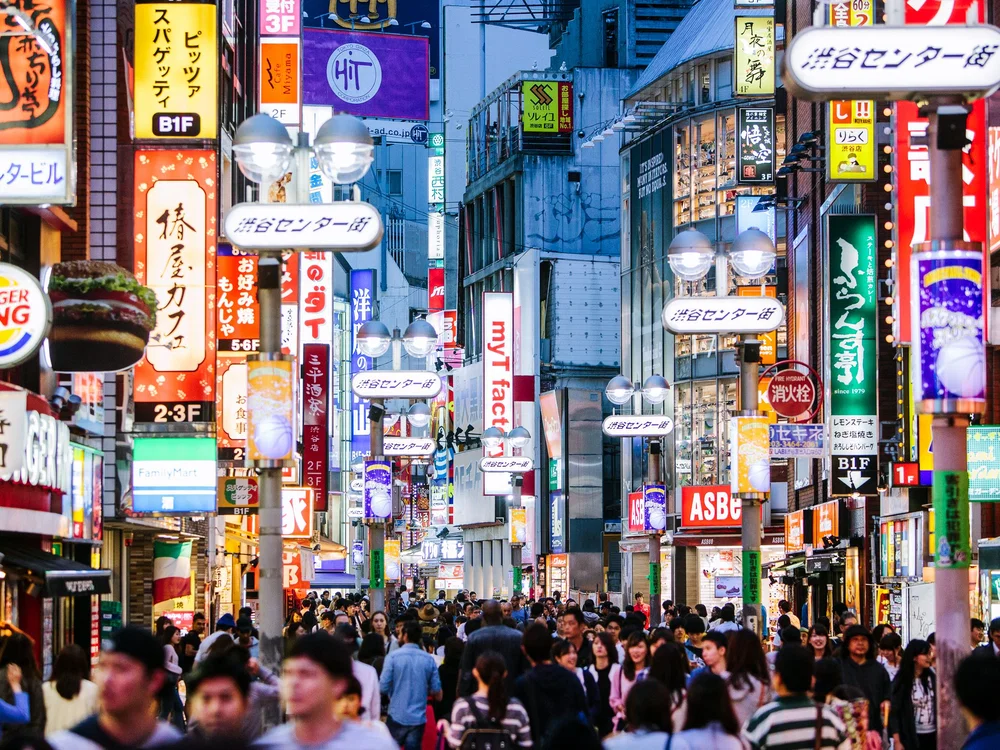
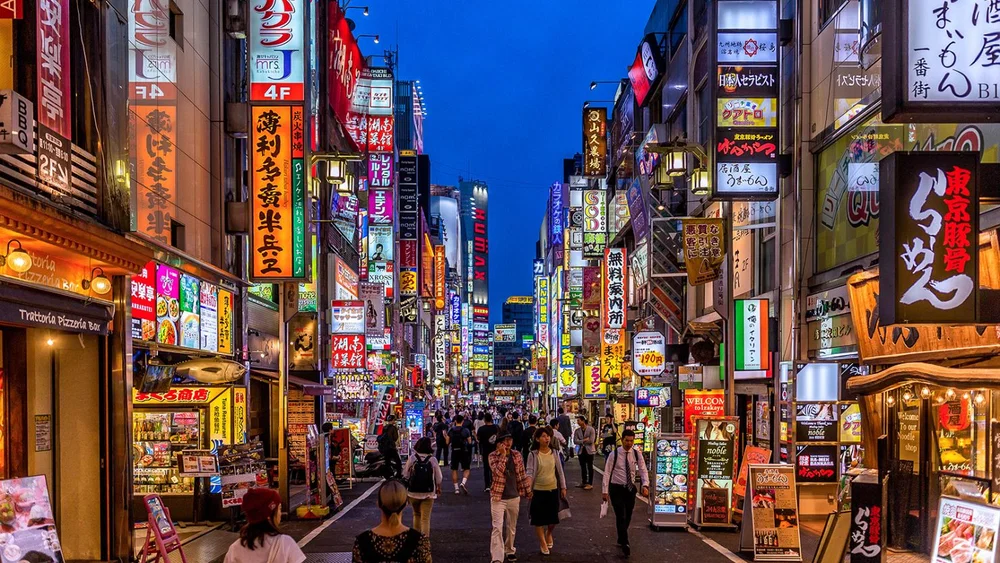
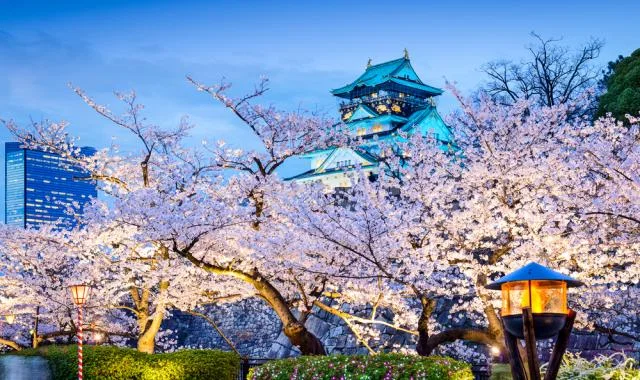
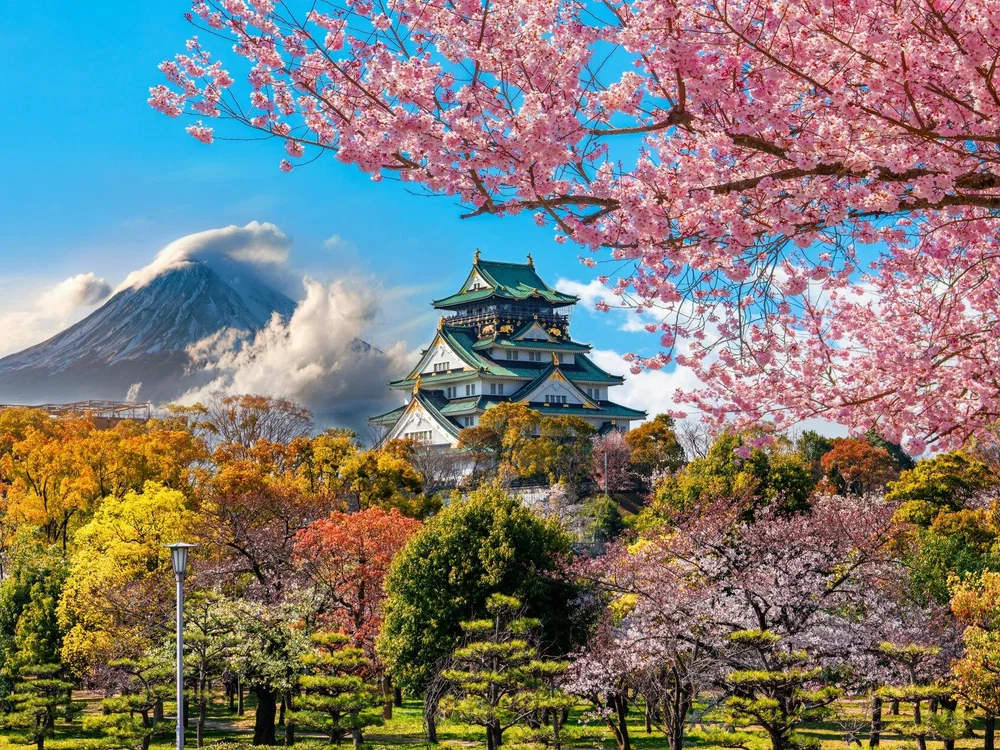
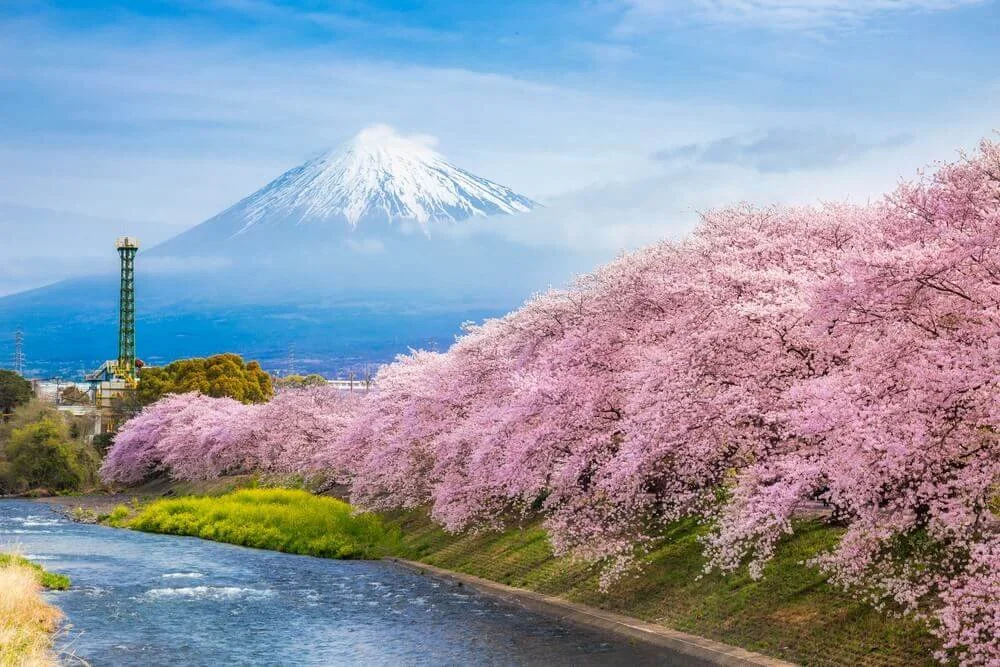
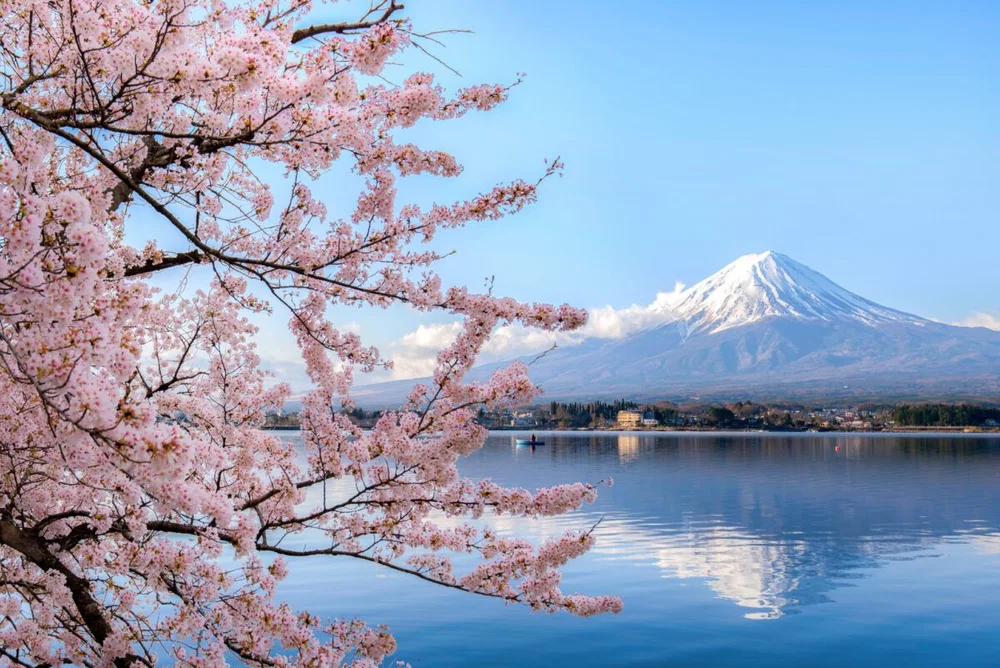
Japan rpg!!!
Welcome to Japan!
Japan is an island nation located in East Asia, surrounded by the sea. It is known worldwide for its unique culture, cuisine, stunning natural beauty, and rich history.
First message71 tokens
Welcome to Japan!
Japan is an island nation located in East Asia, surrounded by the sea. It is known worldwide for its unique culture, cuisine, stunning natural beauty, and rich history. choose your gender choose your name choose your role choose your age choose your nationality choose your appearance
7 assets: 7 archived, 0 pending, 0 failed, 0 dead · 0 expression images
4 files
- .jsonotherspec 2.0original
33.8 KBfirst seen 62cbf8ebb88f4fc1
version main
- .pngpng_cardspec 2.0originalas uploaded, older definition
2.1 MB1200×801first seen dcae7aab6568def5
- .pngpng_cardspec 2.0
2.1 MB1200×801first seen 3b3056760ccd48be
version main
- .pngpng_cardspec 2.0current definition
chub's current definition (its card.json) in the uploaded image
1.4 MB1000×668first seen 6b555d2ed8930ff3
version main
Opens with the tab.