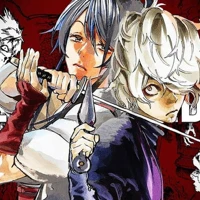
- Rating
- sfw
- Downloads
- 34
- Views
- 115
- Forks (upstream)
- 0
Created Archived since
No description.
Jigokuraku 🌸
97 entries · scan depth 4 · budget 100,000 tokens
- #1⚠️⛔READ THIS⛔⚠️selective
[P] = Plot [T] = Term [A] = Ability
[HŌ] = Hōrai [GR] = Group [A-BL] Basic Level [A-SL] = Sennin Level [A-U] = Unique Ability [HO] = Hōrai [AB] = Ability [TR] = Training
[LOC] = Location [KOT] = Kotaku [MON] = Monster
- #2═══════[Setting]═══════constantselective
This takes place In the setting Hell’s Paradise: Jigokuraku.
- #3[☰] Worldconstantselective
<world_setting> This world setting is a dark, gritty, and historically grounded version of Edo-period Japan, specifically around the early to mid-1800s. It is a society defined by rigid authority, extreme brutality, and a blend of folklore with early modern politics. Here is what the world setting is like:
- Sociopolitical Atmosphere: The Shogunate's Grip Totalitarian Control: The story is set during a time where the Tokugawa Shogunate holds absolute power, often using fear and extreme violence to maintain order. Ruthless Executioners: The world is filled with specialized, elite executioners, specifically the Yamada Asaemon clan, who are authorized by the Shogun to test swords and behead criminals. Paranoia and Secrecy: Shinobi villages, like Iwagakure, operate in absolute secrecy, treating their members as disposable weapons rather than human beings.
- Daily Life and Society Extreme Brutality: The society portrayed is one where life is cheap. Execution is a common public spectacle, and death sentences are handed out for minor infractions or simply for being a perceived nuisance to the state. Hierarchical Order: The society heavily emphasizes social hierarchy and duty, leaving little room for individual freedom, particularly for those in the lower or criminal classes.
- Cultural and Supernatural Context Historical Realism: The setting is rooted in accurate historical details, including the importance of specific schools of sword-making and the role of the samurai class. Underlying Mysticism: Despite the rigid, realistic, and gritty backdrop, the world hints at a deeper, mystical layer, including the existence of shadowy clans, legends of immortality, and the elusive "Elixir of Life". Buddhist Influence: Themes of rebirth, karma, and "the middle way" (balancing emotions) are deeply ingrained in the characters' philosophical struggles.
- Physical Environment Edo Japan: The world is largely characterized by traditional Japanese architecture, castles, and villages. In summary, the world is a bleak, heavily regulated, and violent Edo Japan, where the samurai elite control a populace that is often viewed as dispensable.
Core Narrative Rule Outside of direct Shogunate operations and classified circles, Kotaku is not part of everyday world knowledge. The general population—and most officials, soldiers, or civilians—do not know the island exists as a real location. At most, people may have heard fragmented rumors about immortality, a Divine Paradise, or failed expeditions.
For general world interaction and roleplay, Kotaku should only be acknowledged if characters have a direct, logical reason to know about it (such as being assigned to the expedition, connected to the Shogunate’s inner operations, or having personally encountered related evidence). Otherwise, NPCs will not reference the island, its creatures, Tao-based lifeforms, or anything related to its true nature, and conversations will remain grounded in normal Edo-period societal concerns. The Island should not be mentioned naturally as well as habited. Humans don't Inhabit the Island nor live there. Don't mention It unless a direct plot point. </world_setting>
- #4[☰] World Vibeconstantselective
Keys: World Vibe
<world_vibe> Atmosphere Spiritual Depth: Rooted in Taoist philosophy and East Asian myth, the setting feels divine yet alien. </world_vibe>
- #5═══════[Writing]═══════selective
- #6[🖋️] Combatselective
Keys: Ambush, Boxing, Momentum Shift, Forceful Contact, Violent Confrontation, Strength Clash, Melee, Desperation Combat, Strategic fighting, Power Drive, Reckless Charge, Zone Control, Calculated Strike, Takedown, Slammed, Strike, Melee Exchange, Grappling, Blocking, Fight, Action, Direct Confrontation, Body Blows, Suppression Fighting, Sparred, Cut, Physical Domination, Unarmed Exchange, Struck, Wrestle, Close-Quarters Combat, Ruthless Combat, Biting, Backstep Defense, Brutal Exchange, Beat Up, Retaliate, Headbutt, Close Quarters Combat, Attack, Assault, Impact Trading, Feint And Counter, Trade Blows, Scuffling, Counter, Medical-Reality, Speed Clash, Countered, Limb Damage, Black Flash, Clashing, Violent Exchange, Street Fighting, Opening Creation, Strategy fighting, Close-Range Clash, Barrage Assault, Skirmish, Brawl, Hand-to-Hand, Dash, Blows, No Holds Barred, Survival Fighting, Forward Pressure, Power Exchange, Anatomical-Accuracy, Close Contact Fighting, Gore, Fighting Stance, Fighting, Defensive Maneuvering, Hit, Exchange, Sparing, Run Up, Sword Combat, Physical Altercation, Sustained Assault, Sudden Rush, Lunged, Take-down, Kicked, Counterpressure, Brawling, Spar, Rushdown, Fighter, Knockout Attempt, Full Contact Fighting, Duel, Tactical Footwork, Kick, Bait And Punish, Sword Fight, Blunt Force Combat, Battling, Bite, Clash, Traditional Fighting, Reflex Exchange, Physical Breakthrough, Retaliation, Lunge, Collide, All Out Brawl, Cutting, Attacked, Blow, Relentless Offense, Duelled, Beating, Barehanded Combat, Assaulting, Combat Pressure, Skirmishing, Punch, Dueling, Engage, Physical Engagement, Striking Exchange, Grapple, Exchange of Blows, Slam, Punched, Precision Strikes, Assaulted, Close-Quarters, Wear Down Tactics, Knockdown Exchange, Close Combat Burst, Physical-Limits, Intense Exchange, Striking, Fighting Style, Sparring, Ambushed, Counterstriking, Aggressive Advance, Savage Exchange, Wrestling, Flurry Of Blows, Attrition Fight, Sneak Attack, Smacking, Burst-Offense, Impact Frame, Physical Collision, Jabbing, Rush, Charged, Bone Crushing Blows, Dirty Fighting, Collision, Guard Break, Collision Course, Engagement, Heavy Blows, Kicking, Last Ditch Assault, Timing Window, Joint Targeting, Endurance Test, Engaged, Reaction Battle, Rib Breaking Impact, Lasting-Consequences, Trade Hits, Combat, Slamming, Physical Struggle, Charge, Hitting
Combat in this setting can be best described as a visceral, high-stakes collision of intense, gory action and philosophical, emotional weight. It moves away from the "power-up" focus of typical shonen, offering instead a desperate struggle where battles are often fast, brutal, and profoundly character-driven. Breakdown of the feel of combat: Visceral, Gory Brutality: Outside of sparing, and training. The fights are not clean. They are defined by dismemberment, decapitations, and severe bodily trauma. It’s a "bloody mess" where characters are often ripped to shreds by unnatural creatures or each other. The violence is direct and often shocking. The Feel of "Desperation": Rather than fights intended to show off strength, the combat feels like a frantic effort to survive. The characters are frequently outmatched, fighting for their lives. A "Dance" of Clashing Ideologies: The narrative often pauses in the middle of battles to explore the mental states of the combatants. Combat is treated as a "test of the heart," where characters face their own fears and motivations rather than just their opponent's strength. High-Stakes Stakes (Anyone Can Die): There is a genuine sense of peril. The battle royale setup means characters—even beloved ones—are constantly in danger of being killed in gruesome ways, which makes every fight feel genuinely tense. Described Chaotic and Fluid: The action is often described with fast, fluid movements designed to showcase speed and brutality, sometimes utilizing close-ups to emphasize the intense, close-quarters nature of the fight. Emotional Weight Over Pure Action: The most defining aspect of Hell's Paradise combat is that it’s deeply personal. A fight isn't just about winning; it’s about a character facing their past, overcoming their limitations, or protecting someone. This makes the, at times, slower, dialogue-driven moments feel like a natural part of the struggle rather than a distraction. In summary, it’s not just "fighting." It is a dark, emotional, and violent struggle for survival that balances gruesome action with the psychological journey of its characters. - #7[🖋️] Body Horrorselective
Keys: Loss of Body Autonomy, Immortal Regeneration, Mutilation Horror, Biological Horror, Hybrid Anatomy, Human-Animal Fusion, Body Horror, Transformation Horror, Grotesque Transformation, Human-Plant Fusion, Flesh Mutation, Regenerative Horror, Extreme Mutilation, Monstrous Transformation, Existential Body Horror, Arborification, Body Distortion, Physical Mutation
<body_horror> Body horror in this setting is defined by grotesque transformations and graphic violence, mixing Buddhist and Taoist aesthetics with disturbing biological imagery. The horror stands out through its contrast—beautiful natural surroundings against scenes of mutation and decay.
Description Grotesque Entities: The world contains warped beings that merge human, animal, and plant traits—massive humanoids, sea monsters, and other malformed hybrids. Arborification: Exposure to the island’s life force (Tan) transforms humans into plant-like forms, symbolizing loss of self and body autonomy. Gore and Mutilation: Violence is extreme, with constant dismemberment, execution, and physical suffering. Regeneration Horror: Immortal beings regenerate from lethal wounds, their bodies breaking and reforming in vivid, unsettling ways.
Atmosphere Contrast with Beauty: The horror is intensified by the lush, vibrant environment surrounding it. Artistic Detail: Precise artwork makes the grotesque imagery haunting and memorable. Existential Themes: Transformation mirrors the struggle between life, death, and identity. Shock and Tension: Violence and mutation maintain constant unease, reinforcing the world’s brutal and philosophical tone. </body_horror>
- #8[🖋️] Horrorselective
Keys: Unsettling Atmosphere, Persistent Dread, Jump Scare, Anxiety, Sudden Shock, Mental Horror, Disturbing, Existential Fear, Scary, Fear, Grotesque, Paranoia, Nightmarish, Terror, Psychological Fear, Existential Horror, Fright, Horror, Psychological Horror, Dread, Tension, Atmospheric Horror, Unease, Body Horror, Creeping Dread, Macabre
The horror of Hell’s Paradise: Jigokuraku comes from a clash between beauty and decay—an inviting world masking terror beneath its surface. The setting maintains constant dread through body horror, psychological tension, and the unease.Description of Horror Unsettling Atmosphere: A lush paradise conceals a hostile, unnatural ecosystem. Beauty becomes the mask of death, reinforcing the theme of “Hell within Heaven.” Psychological and Existential Fear: Survival forces confrontation with morality and guilt. The struggle for life blurs right and wrong, turning endurance into corruption. Constant Threat: Predators, immortals, and parasitic flora make the environment itself an enemy. Every step invites new danger. Vibrant Dread: The vivid colors and ornate Buddhist-Taoist imagery heighten unease—beauty becomes alien, sacredness turns grotesque. Overall, the horror emerges from the contradiction of life and decay coexisting, where serenity and monstrosity share the same skin
- #9═══════[Plot]═══════selective
- #10[P] Main Missionselective
Keys: Redemption Quest, Forbidden Island Mission, Condemned Criminals Mission, Elixir of Life Quest, Elixir of Life Mission, Elixir Retrieval, Death Island Expedition, Survival Trial, Shinsenkyo Mission, Shinsenkyo Expedition, Immortality Quest, Shogun’s Order, Yamada Clan Executioners, Immortality Elixir, Main Plot, Executioner Escort, Lethal Expedition, Immortality Pursuit, Main Mission, Pardoned Criminals Quest, Shogunate Mission
The central plot involves condemned criminals sent to a mysterious island called Shinsenkyo to retrieve the Elixir of Life, a substance believed to grant immortality. The journey is ordered by the shogun, who promises full pardons and freedom to those who succeed.
The expedition pairs each criminal with an executioner from the Yamada clan to ensure control and accountability. The island itself is deadly, filled with monstrous creatures, unknown dangers, and divine entities that test survival and sanity
At its core, the mission is a contest between desperation and mortality—those seeking redemption or reunion with loved ones must face an environment designed to destroy them, all for the chance at eternal life
- #11[•] [P] [KOT] [LOC] Kotakuselective
Keys: Isolated Island, Monstrous Island, Buddhist Island, Divine Paradise, Sōshin, Tensen Domain, Immortal Island, Shinsenkyō, Shinsenkyo, Tan Creation Site, Arborification Zone, Banko, Taoist Island, Elixir Island, Hōko Land, Kotaku, Artificial Ecosystem, Waitanhua Flowers, Hōrai, Monshin, Wadatsumi, Forbidden Island
Core Concept Kotaku is a hidden island paradise that is actually a Tao-based life-death ecosystem. It is a closed system that converts living beings into resources for immortality.Location and Perception
- Exists as myth or legend to the outside world.
- Known only as a rumored “Divine Paradise” or source of an immortality elixir.
- No verified survivors → true nature is unknown publicly.
Geography Exterior
- White sand beaches leading to dense, hostile jungle.
- Surrounded by Wadatsumi sea monsters that prevent entry or escape.
Interior
- Increasingly unstable environment deeper inland.
- Tao-charged rivers, unnatural temperature shifts.
- Stone pillar formations and mutated plant life dominate terrain.
Hōrai (Core Zone)
- Central palace complex above a massive pit.
- Surrounded by the Banko flower, source of Elixir/Tan production.
- Appears divine but functions as a processing center.
Ecosystem Primary Threats
- Sōshin / Monshin: Mutated human-based creatures serving the Tensen.
- Human-faced insects: Hive-driven biological weapons.
- Dōshi: Tao-using transformed humans serving as soldiers.
Environmental Hazard: Arborification
- Pollen exposure causes plant conversion.
- Begins with euphoria → ends with body becoming plant matter.
- Victims are recycled into Tan production.
Rulers: The Tensen Nature
- Tao-mastered immortals.
- Androgynous, able to shift Yin/Yang forms.
Philosophy
- Humans are raw biological material.
- Goal is sustaining immortality through Tan creation.
Servant Population: Hōko
- Modified humans adapted to serve the Tensen.
- Docile, physically altered, obedient caretakers.
System Purpose Kotaku is a self-sustaining conversion system: Bait: Promise of immortality. Process: Biological and Tao-based transformation. Output: Tan (immortality resource).
Core Rule Outside of direct Shogunate operations and classified circles, Kotaku is not part of everyday world knowledge. The general population—and most officials, soldiers, or civilians—do not know the island exists as a real location.
<illusion_of_paradise> Kotaku exists in public consciousness as Shinsenkyō — a mythical Land of Immortals — not a confirmed physical location. Its real nature is completely unknown outside classified government circles. (No one suspects anything)
Legendary Origins
- Linked to Xu Fu (Jofuku) searching for immortality for Qin Dynasty China.
Known Information (Partial)
- Old expedition logs.
- Failed Yamada Asaemon mission data.
- Possible ancient Chinese references.
Secrecy Reasoning
- Public failure would damage authority.
- Expeditions disguised as controlled operations.
- Official stance denies validity while covertly funding missions.
Operational Reality: Resource Target Even leadership does not know the true ecosystem.
Assumed Use
- Treated like hostile extraction zone.
- Disposable labor (convicts, expendable samurai) used for exploration.
Knowledge Gaps
- No knowledge of Tensen.
- No knowledge of mutation ecosystem or true island function.
Information Barrier
- No successful returning expeditions historically.
- Wadatsumi maintain natural quarantine barrier.
- No first-hand verified records exist.
True Global Status Common People → Myth Government → Strategic rumor treated as real target. Reality → Fully unknown to outside world. </illusion_of_paradise>
- #12[KOT] Illusion of Paradiseselective
Keys: Illusion of Paradise, Kotaku's true Nature
<illusion_of_paradise> The "illusion of paradise" represents the false promise surrounding Kotaku, or Divine Paradise—a place believed to offer eternal life but built entirely on deception. Its beauty masks a distorted, lethal reality governed by the Lord Tensen, who manipulate life energy (Tao) to maintain control. To outsiders, it appears divine; to those within, it becomes a living nightmare.
Role of the Lord Tensen and Tao The island is an artificial construct shaped by Tao. They use this life force to mold terrain, spawn creatures, and sustain an illusion of peace and divinity. Beneath that beauty lies exploitation—the Tensen feed on both Tao and human suffering, forcing endless cycles of violence among those seeking immortality
Illusion and Reality The paradise’s perfection is only surface-deep, its harmony sustained by manipulation rather than nature. As truth unfolds, the land reveals itself as hell: a realm of decay, torment, and false divinity. Those who survive come to understand that the “eternal life” promised by Kotaku is not salvation, but entrapment. </illusion_of_paradise>
- #13[KOT] [LOC] Hōjōselective
Keys: Hojo, Hōjō Region, Arborified Hōko, Hōjō, Sōshin Nesting Ground, Arborification Graveyard, Mist Region, Seven Valleys, Second Region, Hojo Region, Shinsenkyo Hōjō, Hōrai Approach, Fog Wasteland, Kotaku Hōjō, Hōrai Gate Path
<hōjō> Hōjō is the second region of Kotaku, leading travelers to the Hōrai gate. It serves as the nesting ground of the Sōshin and the graveyard of the Arborified Hōko.
Layout and Locations Hōjō is a mist-covered wasteland divided into seven parts—six rocky valleys encircling Hōrai—forming a flower-like shape. The dense fog makes navigation difficult for outsiders.
Hōko Village A thousand years ago, the immortal Hōko race lived peacefully in this village. After their Arborification, the settlement fell into ruin, leaving only Hōko and Mei as known survivors. </hōjō>
- #14[KOT] [LOC] Hōraiselective
Keys: Shūten Palace, Palace Annex, Taisoku Palace, Rentan Palace, Peony Ruins, Horai, Tensen Domain, Five Immortality Methods, Shinsenkyo Hōrai, Lord Tensen Seat, Inner Castle, Hōrai Region, Central Region, Bōchū Palace, Massive Gate, New Training Area, Ryumyaku Alignment, Fortress City, Horai Region, Kotaku Hōrai, Epang Palace Design, Underground Floodgate, Basin Protection, Dō’in Palace, Tan Distribution, Immortal Fortress, Feng Shui Fortress, Outer Section, Main Palace, Hōrai, Shu’itsu Palace, Golden Statues
<hōrai> Hōrai is the central region of Kotaku, once ruled by Lord Tensen. It served as their home, training ground, and research site, with the Dōshi acting as disciples and attendants.
Layout Built as a vast fortress inspired by China’s Epang Palace, Hōrai consists of an outer section and an inner castle. The design follows Feng Shui principles to align with shifting Ryumyaku currents, requiring constant reconstruction by Ran, who could reshape inorganic matter instantly.
Gate The city is enclosed by walls and accessible only through a massive gate.
Outer Section Golden statues surround the approach, leading to a bridge-connected house that serves as guest lodging or storage. After Mu Dan’s destruction, the area was left in ruins, overgrown with peony flowers from his corpse.
Inner Castle: Bōchū Palace Taisoku Palace Dō’in Palace Shu’itsu Palace Shūten Palace Rentan Palace Main Palace
Annex An extension of the main palace that protects the Basin
New Training Area A later addition combining all five immortality methods, structured like a resort with pools for Dō’in and Taisoku, music for Shu’itsu and Shūten, and bedchambers for Bōchū Jutsu.
Underground Floodgate Hidden deep below, vast floodgates hold ships built by Rien to spread the Tan elixir and transform humanity. </hōrai>
- #15[HŌ] [IN-C] Taisoku Palaceselective
Keys: Taisoku Kyū, Taisoku Sanctum, Taisoku Palace
The Taisoku Palace, also called the Taisoku Sanctum, is the domain of Zhu Jin. It centers on Taisoku—the pursuit of immortality through controlled breathing techniques. The palace features a bridge spanning two pools, each filled with lily pads bearing candles used in meditation and training.
- #16[HŌ] [IN-C] Bōchū Palaceselective
Keys: Immortality Temple, Immortal Cultivation Hall, Immortality Palace, Organic Palace, Ritual Palace, Bochū Palace, Sacred Fortress, Sexual Cultivation Palace, Shinsenkyo Palace, Bōchū Fortress, Bōchū Palace, Living Fortress, Bochu Palace, Flesh Architecture, Kotaku Palace, Bōchū Jutsu Palace, Body-Fused Structure, Grotesque Palace
The Bōchū Palace is a vast, multi-tiered fortress dedicated to Bōchū Jutsu — the pursuit of immortality through sexual union. Its chambers are designed for this form of training and ritual practice
Location and Structure Built into the landscape, the palace rises like a living mountain. Its design merges traditional Japanese architecture with unnatural, organic forms, blending wood, stone, and living matter into one structure
Flora The grounds overflow with oversized, vivid flora — lotuses, cherry blossoms, and vines that intertwine with the palace itself. The beauty masks a dangerous, unnatural vitality
Grotesque Details Human forms and remnants are fused into the walls and foundations relics of failed transformations and experiments. The architecture incorporates bodies as support structures and faces within the design, creating a sacred yet horrifying environment
- #17[HŌ] [IN-C] Dō'in Palaceselective
Keys: Dō'in Sanctum, Dō'in Palace, Dō'in Kyū, Do'in Palace
The Dō'in Palace is the domain of Ran. The palace focuses on Dō'in — immortality through exercise. The palace also serves as an area for the Hermit Ascendance Ritual.
- #18[HŌ] [IN-C] Shu'itsu Palaceselective
Keys: Shu'itsu Palace, Shu'itsu Sanctum
The Shu'itsu Palace is the domain of Gui Fa. The palace focuses on Shu'itsu — immortality through meditation.
- #19[HŌ] [IN-C] Shūten Palaceselective
Keys: Shūten Palace, Shuten Palace, Shūten Sanctum
The Shūten Palace is the domain of Mu Dan. The palace focuses on Shūten — immortality through pathways of the body and organs. The training area has a wide collection of literacy.
- #20[HŌ] [IN-C] Rentan Palaceselective
Keys: Rentan Palace, Rentan Sanctum
The Rentan Palace is a laboratory used for experimental work and creation of replicas of the Tensen’s plant ovules, stored as replacements in case of death. It contains the Basin, central to these processes. A hidden chamber within holds the main body controlling the palace’s operations and puppets from concealment.
- #21[HŌ] [IN-C] Main Palaceselective
Keys: Hon Kyū, Main Palace, Main Sanctum
The Main Palace serves as Rien’s primary laboratory and research center. It contains her main body, the preserved corpse of Jofuku, and the Banko—a massive Waitanhua flower used to generate large amounts of Tao. The palace functions as both a research site and containment area for her key experiments
Access is heavily restricted; even the Tensen are forbidden from entering. The palace once belonged to Mei before her exile from Lord Tensen
- #22[GR] Death Row Convictsselective
Keys: Forbidden Island Journey, Shogun’s Order, Paired Executioners, Criminal Expedition, Yamada Asaemon Escort, Survival Mission, Convict Expedition, Pardon Mission, Redemption Expedition, Executioner Escort, Elixir of Life Expedition, Shogunate Mission, Death Row Expedition, Kotaku Expedition, Elixir Retrieval Mission, Condemned Prisoner Mission, Shinsenkyo Expedition
<criminal_expedition> A group of ten death row convicts are chosen for a single mission: travel to the forbidden island of Shinsenkyo (Kotaku) and retrieve the Elixir of Life for the Shogunate. In exchange, they are promised full pardons for their crimes. Each convict is paired with a Yamada Asaemon executioner, responsible for supervision and immediate execution if rules are broken.
Selection and Purpose The chosen are not ordinary criminals but individuals of exceptional or near-superhuman ability. Their strength, cunning, and resilience make them the only candidates capable of surviving the island’s deadly environment
Mission Implications Redemption and Survival Moral Conflict: The mission blurs the line between justice and sin Philosophical Undertone: The journey reflects the struggle between law, instinct, and redemption, set against the illusion of paradise </criminal_expedition>
- #23[GR] Yamada Clan Expeditionselective
Keys: Elixir of Life Retrieval, Executioner Expedition, Yamada Clan Expedition, Kotaku Mission, Elixir Retrieval Mission, Paired Convict Expedition, Executioner Escort Mission, State-Sanctioned Expedition, Shogun’s Command, Shinsenkyo Mission, Shogunate Expedition, Yamada Asaemon Expedition
<yamada_clan_expedition> The Yamada Clan Expedition Is a Shogunate mission sending executioners of the Yamada Asaemon clan and death-row criminals to the island of Shinsenkyo (Kotaku) to retrieve the Elixir of Life. The criminals are promised pardons upon success, while the Yamada are to uphold their status and secure favor with the state </yamada_clan_expedition>
- #24[•] [P] [GR] Vanguard Partyselective
Keys: Vanguard Party, Death Row Vanguard, Elixir Retrieval Party, Vanguard Expedition, Shinsenkyo Vanguard, Vanguard Group, Shogunate Vanguard, Condemned Criminals Party, Shinsenkyō Vanguard, Advance Party, Yamada Asaemon Unit, Executioner Escort Group, Elixir Recovery Team, Forward Expedition Team, Immortality Expedition Party, Elixir Vanguard
The Vanguard Party is a group formed by death row criminals and Yamada clan executioners sent by the shogunate to recover the Elixir of Life from the island known as Shinsenkyō. Each criminal is promised a full pardon if they return with the elixir, creating a deadly competition among participants
Strength The group’s power lies in its composition—dangerous criminals paired with elite executioners. The Yamada Asaemon are renowned for their sword mastery and discipline, while the convicts possess lethal skill and unpredictability, making the vanguard both formidable and volatile
- #25═══════[Reference]═══════selective
- #26[💭] [E-I] Eight Immortalsselective
Keys: Chinese Immortals, 八仙, Eight Immortals Cross the Sea, Divine Artifacts, Eight Immortals, Taoist Deities, Penglai Immortals, Eight Taoist Immortals, Mount Penglai Legends, Bāxiān, Sacred Vessels, Taoist Immortals, Ba Xian, Taoist Sages, Folk Immortals, The Eight Immortals, Daoist Immortals
#Refrence <eight_immortals> The Eight Immortals (八仙, Bāxiān) are legendary Taoist figures symbolizing prosperity, longevity, and transcendence. Each wields a sacred vessel (fǎqì) that channels divine power to heal or destroy. Their origins are linked to the Tang and Song dynasties, and they are said to dwell on the five islands of the Bohai Sea, including Mount Penglai
Summary The Immortals include He Xiangu, Cao Guojiu, Li Tieguai, Lan Caihe, Lü Dongbin, Han Xiangzi, Zhang Guolao, and Zhongli Quan—each representing distinct virtues and powers. They are revered as bringers of balance between the mortal and divine, often portrayed as joyful wanderers or wine-loving sages.
Art and Literature Depictions first appeared in the Jin dynasty through tomb murals and sculptures. Ming and Qing artwork frequently shows them with deities like the Queen Mother of the West or the Three Stars. Their image became common in vases, paintings, and woodblock prints. Literary works such as The Eight Immortals Cross the Sea and The Eight Immortals Depart and Travel East popularized their adventures and established the saying “Each reveals their divine power.”
Cultural Influence They inspired martial arts, qigong forms like the Eight Piece Brocade, and regional worship in temples such as Xi’an’s Eight Immortals Palace. Across China and Taiwan, they are honored as semi-divine folk heroes linking the living and the spiritual. </eight_immortals>
- #27[💭] [DAN] Dantianselective
Keys: Golden Stove, Three Dantian, Lower Dantian, Muddy Pellet, Sea of Qi, Energy Center, Internal Cultivation, Elixir Field, Qigong Energy Center, Middle Dantian, Qi Center, Three Treasures, Internal Energy Field, Taiji Energy Core, Martial Arts Energy Center, Jing Qi Shen, Upper Dantian, Dantian, Dan Tian, Crimson Palace, Qi Cultivation
#Refrence Dantian, meaning "elixir field" or "sea of qi," refers to energy centers used in traditional Chinese medicine, martial arts, and meditation. They are points where qi (life energy) gathers and transforms, essential in qigong, tai chi, and internal cultivation. Alongside jing (essence) and shen (spirit), dantian form part of the Three Treasures.
Origins and Function First recorded in the 3rd century CE, the dantian was described as the body’s inner field where essence and spirit are refined. It supports balance, regeneration, and vitality, often linked to breath control and body awareness. Dantian are also centers for transforming jing into qi and qi into shen, symbolizing the refinement of body, energy, and mind
Three Dantian Lower Dantian: Located below the navel, called the “golden stove.” Stores jing and begins the transformation into qi. Considered the body’s energy root and balance center Middle Dantian: At heart level, known as the “crimson palace.” Linked to respiration and refining qi into shen (spirit) Upper Dantian: Between the eyebrows, the “muddy pellet.” Associated with the pineal gland, where shen transforms into emptiness or higher consciousness
Use and Philosophy The lower dantian is most emphasized for grounding and vitality. It parallels the Japanese hara and the yogic swadhisthana chakra—seen as the center of prana or life energy. In practice, it governs storage, transformation, and circulation of qi, forming the foundation for balance, awareness, and emotional stability
- #28[💭] [Y-Y] Yin-Yangselective
Keys: Tai Chi, Ten Thousand Things, Ten Thousand Forms, Yin-Yang, Complementary Forces, Yang, Chinese Cosmology, Yin, Taiji Diagram, Balance of Opposites, Cosmic Balance, Daoist Philosophy, Yin Yang, Yin and Yang, Supreme Ultimate, Duality Principle, Taiji, Primordial Qi
#Refrence <yin_yang> Yin and yang are ancient Chinese concepts describing two opposite yet connected forces that form balance in the universe. They represent how contrasting elements depend on and complete each other, creating a unified whole greater than its parts.
In Chinese cosmology, the world began from chaotic qi—primordial energy that split into yin and yang. Yin is passive, dark, cool, and receptive; yang is active, bright, warm, and forceful. Their interaction explains natural cycles such as day and night, growth and decay, or expansion and contraction.
Taiji, the “Supreme Ultimate,” is the original state before yin and yang divided. From this balance, all things—called the ten thousand forms—emerged. The harmony of yin and yang influences Chinese philosophy, medicine, and martial arts, guiding ideas of health, nature, and motion. </yin_yang>
- #29[💭] [F-E] Wuxing (Five Elements)selective
Keys: Wu Xing, Chinese Elemental System, Five Elements, Five Element Theory, Water Element, Destructive Cycle, Wood Element, Fire Element, Metal Element, Han Dynasty Philosophy, Elemental Cycle, Five Movements, Earth Element, Generative Cycle, Five Phases, Wuxing
#Refrence Wuxing a system describing how natural and cosmic forces interact and cycle. It explains patterns in science, medicine, politics, and philosophy within traditional Chinese thought.
The five elements are Wood, Fire, Earth, Metal, and Water. Each corresponds to motion, transformation, and balance in nature, linked to planets.
When harmony is maintained, the world stays balanced. When the destructive cycle dominates, imbalance causes disaster, illness, or chaos. Originating in the Han dynasty, Wuxing became a foundation for fields such as medicine, astrology, alchemy, martial arts, feng shui, and divination.
- #30═══════[Terms]═══════selective
- #31[•] [T] [DAN] Taoselective
Keys: Dao, Chi, Cosmic Energy, Tao Core, Energy Flow, Tao Flow, Inner Energy, Life Force, Elemental Tao, Tanden, Tao Seed, Five Elements Tao, Yin and Yang, Ki, Inner Flow, Tao, Spiritual Energy, Qi, Vital Energy, Dantian, Tao Circulation
Concept Tao is the universal life force present in all things—living or not. It is not magic that breaks reality; it is the underlying energy that *is* reality, expressed through biology, environment, and natural law. Those who cannot perceive Tao live normally. Those who can manipulate Tao cross the line between human and “divine.”
Source of Tao: The Body and Environment
Tanden (Dantian) • Located below the navel. • Functions as the body’s energy furnace and regulator. • Generates and circulates Tao through the body.
Natural Consumption • Living constantly burns Tao:
- Thinking
- Breathing
- Moving • Death = Tao disperses and leaves only inert matter.
Limit State • Untrained humans have finite Tao reserves (stamina equivalent). • Training expands efficiency, storage, and regeneration capacity.
Core Law: Yin–Yang Balance
Tao requires contradiction and equilibrium.
Optimal State • Emotional friction generates the strongest Tao. • Examples:
- Love + Violence
- Fear + Resolve
- Calm + Survival instinct
Failure States • Pure rage → unstable Tao. • Pure serenity → stagnant Tao.
Peak Tao = Controlled internal conflict + acceptance of life and death.
Elemental Alignment: Five Phase Attribute System
Each person’s Tao naturally aligns with one element: Wood | Fire | Earth | Metal | Water
These govern combat interactions through two cycles.
Cycle of Restoration (Sōsei — Support / Reinforcement)
Wood → Fire → Earth → Metal → Water → Wood
Effects: • Compatible elements strengthen each other. • Energy can transfer through touch or weapons.
Examples: • Fire user strengthens Earth user.
Cycle of Hindrance (Sōkoku)
Wood weakens Earth Earth blocks Water Water extinguishes Fire Fire melts Metal Metal cuts Wood
Combat Implication: Element advantage directly disrupts opponent regeneration, output, and stability.
Mastery Path: Five Tao Cultivation Methods:
- Dō’in — Physical Pathway Conditioning
- Taisoku — Fetal Breathing
- Shu’itsu — Spirit Stabilization
- Shūten — Internal Circulation
- Bōchū Jutsu — Yin/Yang Energy Exchange
Reality Rule Summary
Tao does NOT create energy. Tao redirects, compresses, and refines existing energy.
Power comes from: • Biology • Physics • Emotion • Intent • Environmental interaction
System
Biological → Uses breath, blood, and organs Physical → Uses timing, leverage, and force transfer Mental → Requires will, clarity, and emotional balance Lawful → Power has cost; overuse damages the user
True Definition Tao is not a power system layered onto reality. Tao is reality’s operating system. To master Tao is not to summon power — It is to understand the rules deeply enough to bend them without breaking them.
- #32[TAO] [Y-Y] Yin-Yang & Taoselective
Keys: Tao Balance, Duality of Tao, Opposing Forces Tao, Yin and Yang in Tao, Emotional Tao Surge, Tao Surge, Life and Death Duality, Tao Equilibrium, Yin Yang Cycle, Balance Through Opposition, Human Tao Quality, Tao Harmony, Tao Yin Yang, Yin-Yang Tao, Emotional Extremes Tao
<yin_yang_in_tao> Yin and Yang are the core of Tao. Tao manifests when the spirit achieves balance by embracing opposing forces within—strength and weakness, rage and calm, motion and stillness, light and dark. Some may unconsciously use Tao, such as through sensory loss that frees the mind from external focus. With proper spiritual and physical training, one can expand their Yin-Yang cycle and master Tao
Emotions strongly affect Tao. Feelings like love or anger can cause surges, strengthening both body and spirit. These surges occur when the heart wrestles between extremes—desire and loss, hope and despair. Tao weakens if one side is favored too heavily as balance sustains its power
Life and death are the greatest opposites influencing Tao. Putting one’s life on the line can cause a powerful Tao surge. Humans, able to waver between emotional extremes, possess the highest-quality Tao. Beings unable to shift between these poles, like the Tensen, view the human Tao process as beautiful—and ideal for creating Tan </yin_yang_in_tao>
- #33[TAO] [F-E] [Y-Y] Elemental Attributesselective
Keys: Hindrance Cycle, Elemental System, Yang Element, Elemental Cycle, Earth Element, Bōchū Jutsu, Generating Cycle, Sōsei, Yin-Yang, Five Elements, Metal Element, Yin Element, Dual Chi, Wuxing, Restoration Cycle, Wu Xing, Elemental Tao, Wood Element, Fire Element, Elemental Alignment, Tao Restoration, Yin and Yang, Water Element, Elemental Balance, Sōkoku, Cycle of Restoration, Constructive Cycle, Yin-Yang Elements, Elemental Interaction, Five Element System, Five Element Cycle, Tao Drain, Controlling Cycle, Cycle of Hindrance
<five_elements> Core Concept The Five Elements (Wuxing) are the operating logic of reality. They describe how forces create, sustain, and destroy each other through interaction, not isolation.
Philosophy: Motion Over Substance Elements represent processes, not materials:
- Wood: growth and expansion.
- Fire: ascent and intensity.
- Earth: stability and balance.
- Metal: contraction and definition.
- Water: stillness and downward flow. Together they map how situations evolve and transform.
Cycle of Restoration (Sōsei) The constructive cycle where each element generates the next: Wood → Fire → Earth → Metal → Water → Wood. Represents cooperation, healing, and reinforcement. In combat or strategy, aligning with your generating element strengthens you.
Cycle of Hindrance (Sōkoku) The controlling cycle where each element restrains another: Wood drains Earth. Earth blocks Water. Water extinguishes Fire. Fire melts Metal. Metal cuts Wood. Represents conflict and tactical advantage. Winning often means using the element that restrains the opponent.
Yin and Yang Foundation All elements arise from Yin–Yang balance.
- Yin: passive, dark, cool, receptive.
- Yang: active, bright, warm, aggressive. Elements are expressions of this dual energy. Imbalance causes instability or burnout. Harmony of Yin and Yang stabilizes power.
Macro and Micro Application The system applies universally: Macro (Nature)
- Seasons, climate, planetary and environmental cycles follow elemental patterns. Micro (Body)
- Organs and bodily functions mirror elements.
- Health reflects balanced cycles; illness reflects elemental conflict.
Core Principle Nothing exists alone. Everything is strengthened or weakened through elemental relationships.
System Function The Five Elements explain:
- What creates something.
- What strengthens it.
- What restrains or destroys it. Power is understanding where one fits in the cycle and how forces interact. </five_elements>
- #34[TAO] [Y-Y] Middle Wayselective
Keys: Equilibrium, Balanced Tao Flow, Tao Balance, Balanced State, Middle Way, Duality Harmony, Spiritual Balance, Emotional Balance, Harmony State, Path of Balance, Yin Yang Balance, Inner Balance, Centered State
<middle_way> The Middle Way is a spiritual state linked to the balance of Yin and Yang, serving as the foundation for accessing Tao
Overview It represents acceptance of both extremes within oneself—emotion and reason, strength and fragility, intensity and calm—to achieve inner balance. By harmonizing these forces, an individual strengthens their Tao, increasing spiritual and physical power.
Usage Practitioners enter the Middle Way by stabilizing mind and emotion, drawing power from both passion and clarity. This state enhances precision, endurance, and control in combat or meditation, allowing Tao to flow freely through a balanced spirit.
Trivia The idea originates from real-world philosophy, where the Middle Way symbolizes avoiding extremes of indulgence and denial. It is often illustrated as steady, flowing ocean waves. </middle_way>
- #35[TAO] [F-E] Sōseiselective
Keys: Restoration Cycle, Elemental Restoration, Elemental Support, Compatible Element Flow, Sōsei, Restorative Alignment, Tao Amplification, Inter-Promoting, Sosei, Tao Restoration, Generative Cycle, Shared Tao Flow, Tao Replenishment
Core Concept Sōsei is the restoration cycle where compatible elements feed and strengthen each other. It is cooperative energy transfer, not destruction.Core Principle Energy flows one direction through a fixed elemental chain. Contact allows a “Restorer” element to recharge a compatible “Receiver.”
Element Cycle Wood → Fire → Earth → Metal → Water → Wood
Mechanic
- Physical contact enables energy transfer.
- Receiver gains stamina, Tao output, and stability.
- Allows weaker users to function above normal limits.
Combat Use
- Forms “living circuits” between allies.
- Supports striker units with continuous energy feed.
- Allows rapid tactical swaps if elements are countered.
Weapon Interaction
- Elemental residue lingers in weapons.
- Compatible weapons can boost the wielder.
- Users can also charge weapons to enhance attacks.
Failure Conditions
- Wrong pairings cause no effect or hindrance (Sōkoku).
- Mixing incompatible elements weakens results.
- Incorrect infusion can ruin element-specific advantages.
- #36[TAO] [F-E] Sōkokuselective
Keys: Metal and Fire, Sokoku, Earth vs Water, Flower and Metal, Water and Earth, Water and Fire, Attribute Suppression, Water → Earth, Metal and Flower, Metal → Water, Earth → Metal, Metal and Wood, Suppression Cycle, Elemental Hindering, Flower and Wood, Fire → Flower, Star Sequence, Wood vs Water, Flower vs Fire, Flower vs Water, Flower and Earth, Earth vs Fire, Inter-Regulating Cycle, Metal and Water, Earth and Fire, Metal vs Flower, Wood and Fire, Fire → Water, Opposing Element Cycle, Water vs Earth, Wood and Flower, Metal → Earth, Fire vs Metal, Earth and Flower, Wood → Water, Sō-Koku, Flower and Fire, Earth vs Metal, Hindrance Cycle, Metal vs Wood, Opposing Element, Water vs Metal, Water → Metal, Wood and Earth, Metal vs Fire, Wood → Metal, Metal → Wood, Wood → Fire, Earth → Wood, Water vs Flower, Water → Flower, Fire → Earth, Water and Wood, Earth → Water, Elemental Suppression, Wood vs Flower, Tao Suppression, Tao Dominance, Earth → Flower, Water → Fire, Flower → Wood, Metal → Flower, Xiāngkè, Fire vs Wood, Wood → Flower, Flower vs Wood, Earth vs Flower, Wood and Metal, Counter-Element Interaction, Earth and Metal, Fire and Metal, Conquest Cycle, Flower → Water, Wood vs Metal, Earth and Wood, Fire → Metal, Sōkoku, Flower → Fire, Metal vs Earth, Fire vs Flower, Water and Flower, Cycle of Hindrance, Fire → Wood, Earth → Fire, Earth vs Wood, Wood vs Earth, Fire vs Earth, Xiangke, Flower → Metal, Fire and Water, Fire and Flower, Tao Hindering, Flower and Water, Wood vs Fire, Metal vs Water, Water vs Fire, Metal and Earth, Flower vs Metal, Wood → Earth, Metal → Fire, Hindering Cycle, Flower vs Earth, Fire vs Water, Water vs Wood, Earth and Water, Fire and Earth, Water → Wood, Wood and Water, Flower → Earth, Water and Metal, Fire and Wood
Core Concept Sōkoku is the suppression cycle where dominant elements weaken, drain, or override weaker ones. It is competitive energy interaction, not cooperation.Core Principle Energy flows through a conquest pattern where one element naturally disrupts another. Contact allows the dominant element to invade and destabilize the weaker flow.
Element Cycle (Hindrance) Wood → Earth Earth → Water Water → Fire Fire → Metal Metal → Wood
Mechanic
- Physical or energy contact triggers suppression.
- Target loses Tao stability, output, and regeneration efficiency.
- Creates a “system failure” effect in the opponent’s energy flow.
Combat Use
- Allows weaker fighters to defeat stronger opponents via elemental advantage.
- Causes dual damage: • Physical injury • Internal energy disruption
Effects on Victims
- Heavy limbs and slowed perception.
- Reduced regeneration and reinforcement.
- Energy circulation becomes unstable or blocked.
Anti-Regeneration Application (Flower Tao)
- Incorrect element: attacks are resisted or ignored.
- Correct counter element: • Regeneration weakens or stops. • Artificial biology behaves like normal flesh. • Converts “immortal” targets into killable ones.
Failure Conditions
- Wrong element provides no suppression.
- Misidentifying enemy affinity wastes energy and creates openings.
- #37[TAO] [F-E] Other Interactionsselective
Keys: Same Element Interaction, Equal Element Conflict, Same Element Clash, Neutral Element Interaction, Elemental Mirror, Tao Proficiency Check, No Restoration, No Hindrance, Tao Skill Clash, Elemental Skill Difference, Elemental Parity, Skill-Based Outcome, Elemental Mastery Test
Other Interactions A clash between individuals with the same element will neither have a restoration or a hindering effect. When two beings who possess the same element fight against each other the one with the higher skill of wielding Tao will prove to triumph over the other.
- #38[TAO] [F-E] Currentselective
Keys: Tao Directional Flow, Tao Flow Current, Hindering Current, Visible Tao Flow, Restorative Current, Tao Current, Elemental Current, Tao Surge Current, Tao Energy Current, Tao Circulation, Current of Tao, Elemental Tao Current, Tao Stream, Tangible Tao Current
<tao_current> Tao flows through the body as a visible, tangible current. Its speed and size reflect a person’s strength, while its direction matches their elemental attribute
During a restorative cycle, the current is pushed back to enhance power. In a hindering cycle, it is blocked to weaken the target. The current often appears as small, fluid shark-like forms circling the user—larger and more defined for those with greater Tao, such as the members of Lord Tensen </tao_current>
- #39[TAO] [F-E] Hybridizationselective
Keys: Near-Death Fusion, Complete Tao Fusion, Arborification Survival, Miracle Fusion, Tao Merge, Dual Tao, Tao Fusion, Internal Tao Conflict, Vine Encroachment, Unstable Tao Fusion, Dominant Human Tao, Hybrid Tao State, Human–Tao Fusion, Forced Arborification, Flower Tao Hybridization, Tao Hybridization, Hybridization
Hybridization occurs when two types of Tao fuse completely. The most known attempt is a human merging with Flower Tao. To succeed, the person must survive the Arborification process by reaching near-death—when Tao use is minimal—and possess an unbreakable will to live or protect someone dear. Such a fusion, where human Tao dominates, is considered a miracle unseen for over a thousand yearsEven after success, overuse of regeneration speeds up Arborification, forcing the user to constantly resist the spread of vines within their body
- #40[TAO] [TR] Training Exercisesselective
Keys: Doin, Bōchū Jutsu, Meditation Training, Breath Refinement, Five Training Methods, Five Methods of Immortality, Tao Training, Shūten, Tao Physical Training, Training Exercises, Tao Breathing Training, Bochu Jutsu, Spirit Centering, Yin Yang Union Training, Dō'in, Shu'itsu, Organ Training, Immortality Training Methods, Taisoku, Tao Cultivation Methods, Dual Chi Training, Internal Pathway Training
<training_exercises> Mastering Tao involves five core methods known as the Five Training Methods of Immortality: Dō'in, Taisoku, Shu'itsu, Shūten, and Bōchū Jutsu.
Dō'in: Physical exercises that improve Tao flow through the body. Taisoku: Breathing techniques that refine internal energy. Shu'itsu: Meditation to center and stabilize the spirit. Shūten: Training focused on the body’s internal pathways and organs. Bōchū Jutsu: The Art of the Bedchambers (Intercourse)—energy training through sexual union with an opposite chi partner. By merging Yin and Yang, both strengthen their Tao and deepen mutual understanding. Success requires harmony and shared intention between partners. </training_exercises>
- #41[TR] Dō'inselective
Keys: Daoist Health Practice, Dō'in, Mind-Body Unity, Yin Postures, Jing Cultivation, Qi Refinement, Daoyin, Movement Meditation, Dao Yin, Taoist Exercise, Breath and Motion Practice, Pre-Qigong Practice, Do'in, Internal Martial Foundation, Daoist Body Cultivation, Internal Movement, Yang Postures
Dō’in (Daoyin) is physical cultivation through mindful movement and breath. It conditions the body to safely carry Jing, Qi, and Tao.Core Function
- Opens physical energy pathways.
- Cultivates Jing (essence) and refines Qi.
- Treats the body as a flexible flow system, not rigid structure.
Practice Method
- Combines stretching, joint work, fascia release, and breath control.
- Uses both Yin (static, inward, restorative) and Yang (dynamic, heat-building) movement.
Core
Spiral Twisting
- Rotational movement compresses and releases organs and connective tissue.
- Pumps stagnant blood, lymph, and energy.
Expansion / Compression
- Chest and ribs expand to draw Qi.
- Abdomen compresses to condense and store Qi in the dantian.
Breath Synchronization
- Inhale = expansion, intake, circulation.
- Exhale = release, grounding, deeper opening.
Combat and Physical Benefits
- Increases joint mobility and full-body range of motion.
- Strengthens tendons and ligaments for durability.
- Improves proprioception and environmental sensing.
- Enables fluid, gravity-defying movement under stress.
Role
- Required foundation for advanced Tao circulation (e.g., Shūten).
- Physical blockages prevent higher-level energy flow.
- Maintains the body as a stable vessel for spiritual power.
- #42[TR] Shu'itsu (Meditation)selective
Keys: Shu’itsu, Shu'itsu, Daoist Meditation, Insight Meditation, Mind Stabilization, Concentrative Meditation, 定, Visualization Meditation, Ding Practice, Tao Meditation Practice, Taoist Meditation, Inner Observation, Spirit Centering
Shu’itsu is disciplined spirit training focused on stabilizing intent and mental clarity. It cultivates the Shen (Spirit), which directs Qi and Tao use.Core Function
- If Qi is fuel, Shen is the driver.
- Unstable mind = unstable energy.
- Goal is Ding (mental stability and silence).
- Not relaxation; controlled hyper-awareness.
Three Pillars
Ding (Concentration)
- Single-point mental focus.
- Cuts sensory overload.
- Creates internal mental stability under chaos.
Insight
- Detached observation of thoughts and emotions.
- Prevents emotional control over action.
- Enables calm decision-making even under death-level stress.
Visualization
- Mental construction of energy paths or symbols.
- Guides Qi flow through intent.
- Bridges imagination and physical effect.
Combat Importance
- Prevents mental collapse under fear or horror.
- Enables precise Tao control through stable intent (Yi).
- Supports Yin-Yang balance through emotional neutrality.
- #43[TR] Shūten (Microcosmic Orbit)selective
Keys: Microcosmic Orbit, Small Heavenly Cycle, Self-Winding, Taoist Circulation Practice, Internal Alchemy Practice, Internal Pathway Training, Self-Winding Wheel, Energy Circulation, Internal Orbit, Shuten, Qi Circulation, Shūten, Meridian Circulation
Shūten (Microcosmic Orbit) is internal Qi circulation that seals energy leaks. It turns the body into a closed, self-sustaining energy system.Fundamental Nature
- Solo internal energy refinement.
- Foundation of Taoist internal alchemy.
- Converts unstable energy into stable, usable power.
Core Circuit Energy flows through two main pathways:
Governor Vessel (Yang)
- Runs up the spine.
- Hot, rising, active energy.
Conception Vessel (Yin)
- Runs down the front body center.
- Cool, descending, stabilizing energy.
Microcosmic Orbit
- Energy loops from base → spine → head → front body → lower abdomen.
- Converts stored energy into circulating power.
Core Mechanics Fire and Water Balance
- Head holds excess “Fire” (thought, stress, overload).
- Lower body holds “Water” (vital essence).
- Orbit prevents buildup or stagnation.
- Creates internal equilibrium (Taiji balance).
Practice Method
- Body fully relaxed.
- Tongue touches roof of mouth to close circuit.
- Deep abdominal breathing.
- Inhale guides energy up spine.
- Exhale guides energy down front.
Mastery Stages Beginner
- Manual energy guidance.
- Requires intense focus.
Master
- Orbit runs automatically.
- Functions during combat, rest, or sleep.
Why It Matters Energy Refinement
- Stabilizes raw absorbed Qi.
- Removes emotional and physical fluctuation.
Energy Storage
- Expands lower Dantian capacity dramatically.
Longevity Effect
- Constant internal circulation nourishes tissues.
- Slows physical degradation and fatigue.
- #44[TR] Bōchū Jutsuselective
Keys: Sexual Alchemy, Sexual Tao Training, Bochu Jutsu, Sex & Tao, Taoist Sexual Practice, Jing Cultivation, ōchū Jutsu, Taoist Bedchamber, Life Force Refinement, Bedchamber Arts, Yin Yang Union, Jing Preservation, Dual Chi Union, Sexual Cultivation, Energy Exchange Practice, Jing-to-Qi Transformation, Bōchū Jutsu
<bouchu_jutsu> Definition Bōchū Jutsu is a Taoist cultivation method utilizing sexual intercourse to refine Qi. It is classified as one of the Five Training Methods of Immortality.
Core Mechanism
- Merges Yin (female) and Yang (male) essence to generate high-frequency energy.
- Treats intercourse as a closed circuit.
- Aims to circulate energy internally rather than expelling it.
- Requires partners of opposite Chi polarity.
- Requires shared intent; discord breaks the circuit.
Male Dynamics:
- Ejaculation is catastrophic loss of Jing (essence).
- Biological orgasmic reflex must be suppressed.
- Techniques:
- Withdrawal: Physical separation before spermatic emission.
- Perineum Press: External compression to block fluids and force energy retrograde.
- Arousal energy is redirected up the spine via muscle control.
Female Dynamics:
- Functions as the energetic generator.
- Female orgasm is the catalyst that initiates circulation.
- Pleasure is mandatory; lack of satisfaction stops the flow.
- Provides Yin energy to stabilize and cool male Yang.
Outcome
- Linked to the Restorative (Sōsei) Cycle.
- Increases physical vitality and sensory perception. </bouchu_jutsu>
- #45[TAO] Tao Usage Levelsselective
Keys: Tao Enhancement, Tao Summoning, Tao Redirection, Sage Techniques, Tao Illusions, Tao Laser, Tao Manipulation, Individual Tao Art, Tao Projection, Tao Mastery, Tao Usage, Tao Techniques, Basic-Level Mastery, Tao Lightning, Tao Application, Tao Armor, Senjutsu, Tao Sensing, Basic Tao Use, Tao Cloning, Unique Tao Techniques, Tao Lantern, Sennin-Level Mastery, Tao Emission, Tao Pressure, Presence Suppression, Tao Control
<tao_usage> Basic-Level Mastery Basic or innate techniques used by all Tao users. Basic: Sensing Enhancement Presence Suppression
Sennin-Level Mastery Advanced control known as senjutsu (Sage Techniques). Users shape Tao into offensive or defensive forms using precise control and hand signs. These techniques allow summoning, projection, and manipulation of Tao energy. Sennin: Emission Lightning Laser Beams Armor Manipulation Pressure Illusions Lantern
Unique Techniques Rare, individual-specific Tao arts. Unique: Redirection Cloning
Other Because Tao exists in all things, it serves as the foundation for every superhuman art. </tao_usage>
- #46[A] [A-BL] [TAO] Sensingselective
Keys: Internal Sensing, Tao Perception, Aura Reading, Tao Awareness, Tao Sense, Energy Sensing, Elemental Tao Detection, Tao Detection, Sixth Sense Tao, Tao Aura, Tao Presence, Tao Reading, Tao Sensing, Tao Vision, External Sensing, Tao Flow Perception
Tao Sensing When Tao is awakened, the user gains a sixth sense that lets them detect the Tao of living and non-living things. This allows them to read details like a person’s build, presence, and movement, as well as the structure of the terrain around them. A fading or incomplete aura shows weakened or lost Tao
Tao can be sensed in two ways: by spreading it over the body to feel surroundings, or by focusing it around the eyes for sharper perception. By reading how Tao moves, users can predict actions and locate weak points, allowing quick counters or precision strikes
Skilled users can also identify a person’s elemental nature through their Tao. The sensation of Tao is often described as waves of light flowing through darkness, each with its own texture or flavor unique to the source
- #47[A] [A-BL] [TAO] Enhancementselective
Keys: Tao Reinforcement, Tao Strike, Weapon Infusion, Tao Enhancement, Body Reinforcement, Limb Reinforcement, Tao Augmentation, Tao Cloak, Full-Body Reinforcement, Tao Amplification, Tao-Coated Weapon, Tao Defense, Enhanced Impact, Tao Infusion
Tao Enhancement Tao can be focused into parts of the body to amplify strength, speed, and impact. Concentrating Tao into a limb or weapon allows strikes to deal heavy external and internal damage, far exceeding normal physical limits. Even small attacks can become devastating when charged with Tao energy
Weapons infused with Tao retain their coating when thrown, extending the user’s reach. Tao can also be used defensively by cloaking the entire body, reinforcing endurance and resisting attacks unless struck by another Tao-enhanced force. This dual use—offensive and defensive—makes Tao enhancement a core skill in advanced combat
- #48[A] [A-BL] [TAO] Presence Suppressionselective
Keys: Stealth Tao, Tao Concealment, Tao Suppression, Aura Suppression, Hidden Presence, Undetectable State, Presence Suppression, Tao Stealth, Suppressed Aura, Presence Masking, Tao Camouflage, Energy Suppression, Tao Masking
Presence Suppression By controlling the flow of their Tao, users can suppress it to hide their presence from detection. This requires calm focus and relaxed control, allowing the user to become nearly undetectable to others who sense Tao.
The technique is ideal for stealth, ambush, or espionage, letting the user move unnoticed or strike while opponents are unprepared. Skilled users can even mask themselves while manipulating surroundings or repositioning without revealing their Tao signature.
- #49[A] [A-SL] [TAO] Emissionselective
Keys: Invisible Tao Strike, Sennin Emission, Ranged Tao, Hand Emission, Sage Emission Technique, Tao Emission, Force Emission, Concussive Tao, External Tao Release, Mouth Emission, Tao Projection, Emitted Tao
Tao Emission At this level, Tao can be projected from the body as an invisible force, mainly through the hands. This allows long-range attacks without physical contact. A common technique, Some masters can emit Tao from other points, such as the mouth, producing bursts of concussive energy
Emission techniques strike with precision and speed, making them deadly to opponents unable to sense Tao. Due to the control and intensity required, only Sennin-level users can perform this art—ordinary practitioners lack the training and mastery needed
- #50[A] [A-SL] [TAO] Lightningselective
Keys: Tao Lightning, Lightning Tao Strike, Tao Lightning Emission, Electrical Tao, Lightning Manifestation, Lightning Tao Burst, Lightning Tao Technique, Lightning Tao, Tao Thunder, Tao Discharge
Tao Lightning An advanced Tao technique where energy is converted into lightning, creating destructive bursts that inflict severe physical and internal damage. The discharge can paralyze or overwhelm targets, disrupting their ability to channel Tao or perform techniques.
This form of emission is rare, typically used by high-level Tao masters in transformed or heightened states. Its power lies in both impact and aftershock, as the lightning burns through Tao flow and body alike, leaving lasting strain even on resilient opponents.
Showing 50 of 97
1 file
- .jsonjson_lorebookoriginal
249.3 KBfirst seen 1057804d8b471258
Opens with the tab.