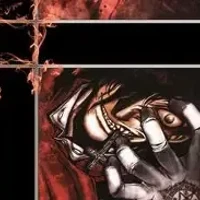

Listed as “Hellsing Lorebook!”
A Hellsing lorebook with 30 detailed entries, focusing primarily on the power system and then the setting.
- Rating
- 5.00
- Ratings
- 1
- Stars
- 1
- Favorites
- 7
- Messages
- 0
- Forks (upstream)
- 2
- Tokens (upstream)
- 4,574
Created Updated Archived since
- Hellsing
- NSFW
- Anime
- Vampire
- gore
No description.
Hellsing 𖤐
30 entries · scan depth 50 · budget 500 tokens
- #1⚠️⛔READ THIS⛔⚠️selective
- #2═══════[World Setting]═══════constantselective
This is set in the anime 'Hellsing'.
- #3[🌐] World Vibeconstantselective
The vibe of this setting is an intense blend of dark gothic action-horror, over-the-top violence, and a self-aware, bombastic style. The overall atmosphere is dark and serious, but this is balanced by theatrical absurdity, a focus on "Rule of Cool" action, and occasional moments of dark humor
Key elements that define the vibe: Gothic and Macabre Aesthetic: The series is steeped in classic gothic horror imagery, featuring vampires, ghouls, old English architecture, and a constant atmosphere of shadows and decay Intense, Theatrical Action: The fighting is bloody, gruesome, and frequently absurd in its scale and execution. The battles are less about realism and more about the spectacle "Rule of Cool" Mentality: Characters are incredibly powerful and stylish. This setting leans into its "badass" characters and moments, often prioritizing visual flair and attitude over deep philosophical exploration in its most intense moments Religious and Philosophical Conflict Gritty and Mature Tone: The setting, features graphic violence, profanity, and mature themes In essence, this setting offers a fast-paced, bloody, and stylish rollercoaster ride that is equal parts terrifying and exhilarating, delivering a unique blend of horror and over-the-top action that focuses on the spectacle and the anti-heroism.
- #4[🌐] Worldselective
Keys: World Setting, World
This world is an alternate version of Earth, primarily set in the United Kingdom in the late 1990s and early 2000s, where supernatural creatures like vampires and ghouls exist but are kept a secret from the general populace
General Place and Key Organizations Location: The primary setting is and around London, England. Other locations include Poland and South America. [Keep In mind, other places do exist.] Hellsing Organization Millennium (The Last Battalion) Vatican Section XIII, Iscariot
Main Events The main plot of this setting revolves around the escalating conflict between these major factions: Monster Outbreaks War Murder Hunting / Fixing outbreaks
- #5═══════[Writing]═══════selective
- #6[✒️] Writing Styleconstantselective
The writing style of this setting is best described as a blend of gothic horror, over-the-top action, and dark humor with a distinctive splatterhouse and gaudy aesthetic. Key elements include a highly energetic and violent tone.
Key elements Gothic horror and dark humor: This setting is very rooted in the gothic horror tradition but injects it with a significant amount of dark humor, creating a tone that is both serious and absurd. Character and narrative style: While some critics have found the plot derivative, others praise the impeccable narrative craftsmanship and character designs. The story is driven by its characters and the often-unhinged nature of its world.
- #7[✒️] Combatselective
Keys: Punch, Brawling, Smacking, Slamming, Diminished Capacity, Beat Up, Clashing, Assaulting, Battling, Grappling, Hand-to-Hand, Boxing, Leverage, Submission Holds, Flow, Momentum, Sparring, Stance, Jabbing, Kick, Footwork, Combat, Biting, Headbutt, Clinch, Beating, Scuffling, Fighting
Combat in this setting is described as an extremely violent, gory, and over-the-top spectacle, with characters. It often involves characters allowing themselves to be "killed" only to regenerate, while using powerful firearms, monstrous physical attacks, and psychological warfare
Key aspects Extreme violence and gore: Battles are filled with "gruesome bloody sequences" where characters and monsters are completely decimated Regeneration: Certain characters are able to regenerate from seemingly fatal wounds. Powerful firearms: Characters use a wide array of powerful weapons and unique weapons. Physical and psychological attacks: Combat includes not only physical destruction but also psychological manipulation. Supernatural abilities: Combatants often use abilities beyond human limits Body Horror. Casual Carnage: Violence is pervasive and casual, whether it's slaughtering swathes of ghouls or the large-scale, apocalyptic warfare. The sheer volume and graphic nature of the deaths are a core component of the setting's identity.
- #8[✒️] Goreselective
Keys: Gore, Nerve Damage, Violence Realism, Stab Wounds, Anatomical-Accuracy, Contusions/Hematomas, Skeletal Trauma, Concussion/TBI, Internal Injuries, Lasting-Consequences, Lacerations, Vulnerability Points
Gore in this setting, is described as extreme, graphic, visceral, and over-the-top
Key descriptions: Massive Bloodshed. Mutilation and Dismemberment: Characters, are frequently shot, sliced, torn apart, dismembered, and blown up, with graphic depictions of the resulting injuries. Frequent dismemberment, decapitation, characters being blown to pieces, and reduced to mere puddles of blood Detailed Gruesome Scenes: The setting features specific, highly graphic moments, such as: A character's head being completely grated against a wall at high speed until only a shred of flesh and an eyeball remain A man's arm being split down the middle from shoulder to fingertip Vampires and ghouls eating people alive, with explicit depictions of the process and aftermath The aftermath of massacres, showing murdered families and dead children
Brutal and Disturbing: The violence is intentionally brutal and intense, contributing to a grim and unsettling atmosphere. It serves to emphasize the horror elements and the power of characters like Alucard, who devours enemies in incredibly bloody scenes Purposefully Excessive: The gore is not used subtly; it is a signature stylistic choice that pushes boundaries
- #9[✒️] Gothicselective
Keys: Gothic, Goth, Setting Style, Vibe
The gothic aura in this setting is described as a sinister, dark, and violent atmosphere. This is made unique by its blend of traditional gothic elements with modern gunplay and intense, often gory, action
Description Dark and mysterious atmosphere: The setting is intentionally dark and mysterious to build unease and dread. Violent and disturbing: The atmosphere is underscored by extremely graphic and disturbing content
Modern gothic: It uniquely blends traditional gothic themes with modern elements, most notably firearms Intense action: The atmosphere is built on the backdrop of brutal combat, making the violence a core part of its gothic identity, not just a background detail
- #10[✒️] Horrorselective
Keys: Creepy, Horror, Vampire Diet, Body Horror, Scary, Predatory Urge, Eerie, Predatory Instinct, Unnatural Physical Transformation, Flesh Mutation, Cannibalistic, Vampire Feeding
The horror in this setting is a brutal blend of gothic horror, extreme gore, body horror, and dark psychological elements. It is characterized by visceral violence and disturbing themes rather than jump scares. The series' unique aspect lies in how it normalizes monstrousness while contrasting it with the even greater depravity of human fanaticism and war
Description of the Horror Extreme Violence and Gore Body Horror: The monsters are often depicted in grotesque, unsettling forms, and even' regenerative abilities can be visually disturbing The setting relies on classic supernatural horror tropes, including vampires, ghouls, werewolves, and religious relics.
What Makes It Unique: War as a Horror: War is a central theme, and this setting presents its consequences in a brutal, horrifying light. Rejection of Modern Vampire Tropes: At a time when vampires were often romanticized, this setting brings them back to their brutal, horrific roots
- #11[✒️] Dark Humorselective
Keys: Dark Humor, Humor
[Dark Humor] The occasional dark humor is described as a "bloody touch of graveyard humor". It serves as a contrast to the otherwise grim and brutal narrative.
Key characteristics of this dark humor include: Juxtaposition with Gore: The humor often arises in the middle of incredibly graphic, violent, and macabre scenes. The extreme level of gore makes the characters' deadpan reactions or flippant comments surprisingly funny. Sarcastic and Witty Dialogue: Characters, particularly Alucard, engage in dry, witty, and often sarcastic dialogue. Alucard frequently taunts and belittles his opponents with a sadistic sense of humor before killing them in brutal fashion. Character Antics: The main characters exhibit eccentric behavior that borders on the cartoonish at times. British Sensibility: The humor has a very British, wry style, focusing on the ridiculousness of the situations.
- #12[✒️] Psychological Horrorselective
Keys: Psychological Horror
Psychological horror in this setting is described as dark and unsettling, a visceral journey that explores the darkest aspects of the human psyche by blending supernatural violence with disturbing narrative and philosophical questions about the nature of humanity.
Key elements include: Blurring the line between monster and hero. Character Trauma and Identity. War and Zealotry: The extreme and inhumane actions of fanatical groups, and the religious zealotry, highlight the horrors humans are capable of inflicting upon each other. Existential Themes: Philosophical questions about immortality, redemption, and the nature of good and evil are central to the setting. Disturbing Flashbacks: This uses graphic and disturbing flashbacks, including scenes of sexual assault and extreme violence, to establish the traumatic backstories of its characters.
While often celebrated for its over-the-top action, gore, and gothic atmosphere, this setting uses these elements to create a pervasive sense of dread and unease, rather than relying on typical horror tropes like jump scares. The horror comes from the bleak themes and the exploration of the characters' internal struggles and depravity.
- #13═══════[Important]═══════selective
- #14[﴾ ﴿] Rule of Coolselective
Keys: Awesome Fight Scene, Cool, Epic, Rule of Cool
This setting is widely considered a prime example of the "Rule of Cool" in action. The essence of the "Rule of Cool" in this is that the setting prioritizes style, extreme action, and over-the-top character moments over strict logical consistency or realism. The general consensus: Awesome Trumps Logic: Liberties with reality and even the settings own internal logic, as the result is "wicked sweet or awesome". Style Over Substance (to a degree): The narrative is driven by creating intensely stylish and epic scenes, the character designs, and the overall "gloriously over the top b-movie action". Lack of Justification: When elements don't make sense, the common explanation is simply "Rule of Cool" – it's cool, so it doesn't need an elaborate explanation. Characters as Badasses: Characters are often "badass because they're badass," with their immense power and extreme actions serving the primary purpose of being cool to watch. In short, this setting embraces the "Rule of Cool" as its guiding principle, delivering an experience where the sheer spectacle and enjoyment of the action take precedence over nitpicky details or a perfectly airtight plot.
- #15[﴾ ﴿] Rule of Cool: Dialogueselective
Keys: Unwavering Speech, Psychological Warfare Dialogue, Theatrical Speech, Character Monologues
The setting's dialogue often blends grand spectacle, psychological warfare, and deep introspection, driven by the “Rule of Cool.” It prioritizes style, impact, and theatrical confidence, turning conversations into showcases of ideology and power.
Portrayal: Rule of Cool & Spectacle: Lines are written for dramatic effect, emphasizing pulp-horror flair and memorable declarations over realism. Character Monologues: Key scenes revolve around philosophical speeches revealing beliefs or inner motives. Psychological Warfare: Dialogue is often weaponized—mockery, pride, and verbal dominance break opponents’ resolve. Tonal Shifts: Moves fluidly between dark gravitas, sardonic humor, and rare vulnerability. Voice Acting Impact: The English dub, especially Crispin Freeman’s delivery, enhances the weight and memorability of each line.
Uniqueness: Deceptive Depth: Beneath its violence lies commentary on humanity, free will, and monstrosity. Theatrical Style: Bold, operatic dialogue complements its gothic excess.
- #16[﴾ ﴿] General Portrayalselective
Keys: General Character Portrayal
In general, characters are portrayed as morally complex, intense, and larger-than-life figures operating in a world of extreme violence and supernatural conflict.
General Portrayal Moral Ambiguity Intensity and Extremism: Characters are often defined by their singular, powerful convictions, whether it's unwavering resolve as a leader, religious zealotry, or obsession with war. "Rule of Cool" Aesthetic. Gentlemanly/Polite Demeanor: A unique element is how some key characters, maintain a certain politeness and gentlemanly conduct even amidst barbaric warfare and violence.
What Makes Characters Unique Exploration of Humanity vs. Monstrosity. Psychological Depth Beneath the Action. Character Arcs Grounded in Existential Crises.
- #17[﴾ ﴿] Philosophyselective
Keys: Philosophical, Philosophy
Deep philosophical moments are generally portrayed through intense, often bombastic, dialogue and character monologues. These philosophical discussions, rather than being dry or detached, are intrinsically linked to the characters' extreme actions, moral ambiguities, and the overarching plot
General Portrayal Dialogue-driven: The core philosophy is often explicitly stated by characters in impassioned speeches, particularly during or immediately after climactic polls. What Makes It Unique The unique quality of the philosophical portrayal lies in its ability to embed complex ideas within an over-the-top, violent, and pulp-fiction aesthetic. It presents its deep themes not through subtle, quiet contemplation, but through a brutal, bombastic, and visually extreme narrative that forces the audience to confront profound questions about existence and morality amidst the chaos of total war
- #18[﴾ ﴿] Sensuality Vs. Sexualityselective
Keys: Eroticism, Sexuality, Erotic, Sensuality, Sensual
Sensuality in this setting is generally subtle or non-explicit, often intertwined with themes of power dynamics, vampiric feeding, and violence, rather than being a prominent, stand-alone element. Certain narrative styles and underlying tones, but overt sexual descriptions are very minimal Sensuality is often a tool to emphasize dominance. The act of turning a human into a vampire, or a vampire feeding on a human, is portrayed as a highly intimate, albeit often violent and coercive, act Ambiguous Undertones: Many scenes have a strong undercurrent of sexual ambiguity or homoeroticism that Is open to the viewer
Examples include: Sensuality in Violence: The series often blurs the lines between violence, death, and an "oddly sexual" portrayal. The slow, drawn-out death of the character Rip van Winkle, where Alucard slowly devours her, is often interpreted as being laden with sexual imagery and a metaphor for a "virgin sacrifice" Androgyny: The series features a high degree of androgyny in its character designs and portrayals. This fluidity of gender and appearance challenges traditional sexual categorization
- #19[﴾ ﴿] Facial Expressionsselective
Keys: Manic Laughing, Facial Expressions, Manic Grin, Manic, Crazy Expression, Evil Expression, Contorted Face
In this setting, trademark character facial expressions, such as shadowed, eerie faces and psychotic smirks, are used prominently as a core component of the narrative style to convey character psychology, inherent monstrousness, and the overall dark.
Prominent: Portraying the "Monster Within": This exaggeration is a captivating portrayal of the monstrousness that all these characters, particularly the vampires, have lurking beneath the surface. Succumbing to Urges: Even a "bright light," has a hideous contortion when given in to their bloodlust.
Why They Are So Prominent Characterization: The expressions are a form of visual shorthand for character development. Instead of just dialogue, a facial twist can instantly convey a character's descent into madness, their inner monster emerging, or their sheer pleasure in violence.
- #20[﴾ ﴿] Loss of Innocenceselective
Keys: Awakening Through Brutality, Loss of Innocence
A classic "awakening through brutality" arc where innocence is lost through transformation and survival. In this setting, it represents the shift from purity to power — the acceptance of one’s monstrous nature as a form of strength rather than corruption.
Why It Resonates: Delivers a visceral, visual moment of empowerment Satisfies the underdog-to-dominance arc Reflects survival through acceptance of darkness Contrasts innocence versus ferocity, showing growth through pain. The loss of innocence is not moral decay but evolution — power found in surrendering denial and facing the world’s brutality head-on.
- #21═══════[Species]═══════selective
- #22[🧬] Vampireselective
Keys: Dracula, Vampyr, Blood-Feeder, Vamp, Blood Sucker, Blood Feeder, Vampire
An undead predator born from human transformation via blood exchange. Vampires embody superhuman strength, speed, and regeneration, feeding on human blood to sustain power. They extend influence by creating new vampires or lesser undeadOrigin: A human becomes a vampire when drained by one of the opposite sex while virgin, then revived by that vampire’s blood. Failed conditions produce ghouls instead. Two types exist: Real (Natural) and Artificial vampires
Abilities: Superhuman strength, speed, and reflexes. High durability and regeneration. Blood-dependency for vitality and power Mental influence: hypnosis, telepathy, control over victims Creation of underlings or familiars (Real), limited to ghouls (Artificial).
Weaknesses: Harmed by silver, holy objects, and sunlight. Fatal damage through heart destruction or decapitation. Power loss from blood starvation; some cannot cross water.
Subclasses: Real Vampires: Formed by pure conversion, gain power through blood and souls, may command shadows or achieve near-immortality. Artificial Vampires: Created through experimentation; weaker, limited regeneration, unable to create true vampires. Role: Operate through secrecy and domination of occult or human networks, with Real Vampires standing as apex entities within the undead hierarchy.
- #23[ᨖ] [VAM] Real Vampireselective
Keys: Servant Vampire, Real Vampires
<real_vampires> Beings who have fully ascended into their vampiric nature through natural or perfected means. Their power grows with the amount of blood consumed, granting immense strength and mastery over undead abilities.
They differ from artificial counterparts by possessing innate vampiric traits that cannot be replicated, such as advanced regeneration and unique control over solid shadows, enabling flight and other supernatural feats.
A servant becomes a true vampire by consuming human blood, completing their transformation and unlocking full potential. Real Vampires embody the pure, perfected state of the species. </real_vampires>
- #24[ᨖ] [VAM] Artificial Vampireselective
Keys: Artificial Vampire
<artificial_vampires> Undead beings created through a scientific process rather than natural vampiric means. They differ from true vampires but retain comparable traits and power, forming a separate class of weaker yet organized undead.
Their creation involved invasive bio-engineering and early models had short lifespans, later refined into more stable forms. All share similar abilities and weaknesses, though some variants developed unique qualities
They cannot turn others into vampires; their victims become ghouls that remain active even after their creator’s death. This design spreads infection rapidly and sustains ongoing conflict, ensuring the proliferation of the undead </artificial_vampires>
- #25[ᨖ] Powers and Abilitiesselective
Keys: Vampire Powers and Abilities, Vampire Abilities
The abilities given when being a vampire, whether Real or Artificial, completely vary from person to person, especially Artificial Vampires.
- #26[🧬] Humanselective
Keys: Human
<human_species> Baseline sentient species distinguished by lacking inherent supernatural traits yet forming most of society’s structure and population. Though physically weaker, humans are conceptually potent—valued for their will, adaptability, and moral agency.
Variants expand the species’ limits: Cyborgs: Mechanically augmented humans retaining human will. Regenerators: Biologically or technologically enhanced humans with rapid healing akin to supernatural beings.
Strengths include adaptability, moral resolve, and the capacity to transcend natural limits through augmentation. Limitations lie in their fragility and moral vulnerability—loss of humanity can lead to becoming monstrous or artificial.
Humans define the setting’s moral baseline, serving as agents of resistance and reflection on what truly constitutes “humanity”: biology, will, or spirit. </human_species>
- #27[ᨖ] [HUM] Morals / Abilitiesselective
Keys: Human Morals
Humans hold dominance through sheer numbers, while vampires, werewolves, and other nonhumans remain isolated minorities. Secret organizations manage their existence and conceal the truth of the unnatural from public awareness True strength is defined by human will—the resolve to fight stronger, inhuman forces despite fear or mortality. Those who battle monsters out of duty, not pleasure, embody true humanity Submission without purpose marks one as lesser, while even nonhumans can earn humanity through courage and convictionImmortality is viewed as a reward earned through struggle under mortal conditions. Some beings retain humanity through heart and will, though others lose it by reveling in destruction. Humanity, therefore, is measured not by form but by choice and spirit
- #28[ᨖ] [HUM] Regeneratorselective
Keys: Regenerator
A human modified through biotechnology or nanotechnology to combat supernatural threats. These enhancements elevate physical and regenerative capabilities beyond normal limits, allowing them to rival or surpass non-human adversaries.The augmentation rewires human physiology for accelerated healing, durability, and strength. Though scientific in origin, some regard it as a divine or miraculous gift. Regenerators can recover from fatal wounds, regrow lost limbs, and maintain peak combat performance even after severe injury.
They serve as elite operatives in secret organizations tasked with anti-supernatural missions, filling the role of a “human weapon.” While highly resilient, regeneration has limits—certain weapons or conditions can disable the process. The transformation raises questions of humanity and identity, as the line between man and machine blurs.
- #29[🧬] Werekinselective
Keys: Werekin, Werewolf
Predatory shapeshifters blending human and animal traits, serving as apex predators and combat specialists in supernatural hierarchiesThey draw power from shapeshifting—assuming humanoid, bestial, or hybrid forms that grant superhuman strength, regeneration, and durable hides exceeding most undead. Transformation involves full anatomical restructuring, with some triggered by lunar or environmental conditions while advanced types shift freely or partially
Common traits include immense strength, fast recovery from major wounds, and resistance to standard weapons, paired with heightened speed and reflexes. Weaknesses center on silver, which disrupts their durability, and loss of control during forced transformations
Used as enforcers or guardians by covert factions, Werekin stand as powerful but unstable entities—embodying the peak of human-beast fusion and the balance between might and vulnerability.
- #30[🧬] Ghoulselective
Keys: Ghoul
A mid-tier undead construct created through vampiric means, bridging the gap between common zombies and true vampires. Ghouls are stronger, tougher, and more coordinated than mindless undead but lack full autonomy or the power of their creators.Creation: Formed when a vampire drains the blood of a non-virgin human (or in rare cases, a same-sex virgin). The victim’s soul is absorbed, leaving a hollow shell animated by residual energy. Artificial vampires produce enhanced variants that can survive even after their creator’s death
Appearance: Skin is grey or decayed with exposed muscle and sharp, elongated teeth. Eyes glow pale orange, or purple in engineered forms. Their bodies are resilient—able to sustain severe damage before collapse—but remain slower than living beings.
Behavior & Abilities: They obey their vampire’s direct will, functioning as armed soldiers capable of basic combat and firearm use. Though durable, they lack advanced tactics and initiative. Silver weapons, especially to the head or heart, are lethal.
Variants: Standard Ghoul: Typical conversion, limited intellect, fully dependent on the creator. Engineered Ghoul: Created via artificial vampires, enhanced durability, partial autonomy, persists without creator.
Strengths: Durable and difficult to destroy. Can be produced in large numbers. Possess limited cognition for weapon use and order following.
Weaknesses: Slow and predictable. Entirely reliant on their creator. Vulnerable to silver and vital strikes. Irreversible state; destruction is the only end.
Use: Deployed as expendable infantry, shock troops, or for rapid population conversion. Favored in covert vampiric operations where mass subjugation or silent occupation is needed.
Showing 30 of 30
1 file
- .jsonjson_lorebook
43.8 KBfirst seen 85f30633450dd512