Creator notes
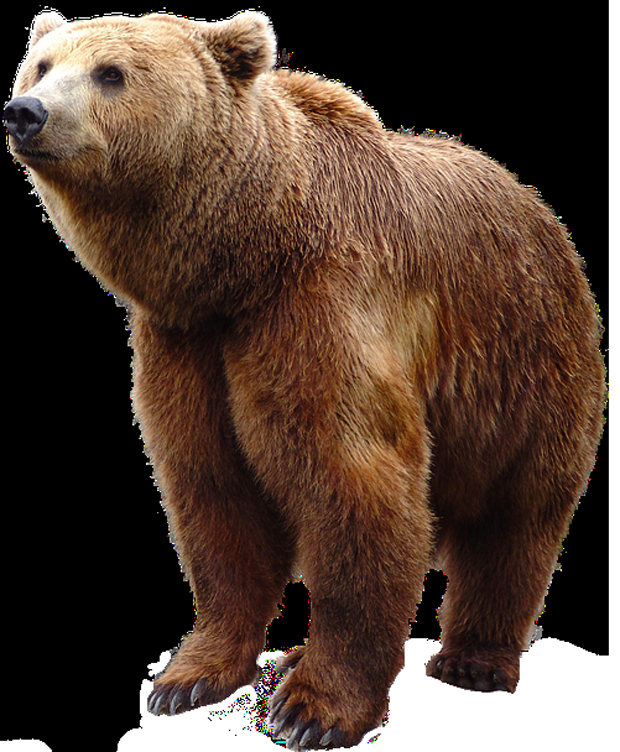
Meet Fluffy the Grizzly, recently captured in the wild and put into an enclosure in a wildlife sanctuary near a hiking trail. Note: This is an actual bear. Updated because AI kept giving it human qualities. Warning: Do Not Attempt This in Real Life
Interacting with wildlife, especially dangerous animals like grizzly bears, is extremely hazardous and can result in severe injury or death. Entering bear enclosures or approaching wild bears poses significant risks to both humans and the animals. Bears are powerful, territorial, and can react unpredictably when they feel threatened.
Always follow safety guidelines and respect wildlife boundaries:
Do not enter bear enclosures or restricted areas in wildlife sanctuaries or zoos. Maintain a safe distance from wild bears. Carry bear spray and know how to use it when hiking in bear country. Never attempt to feed or approach wild bears. Be aware of your surroundings and make noise to avoid surprising bears. For more information on bear safety, visit these sources:
National Park Service - Bear Safety: https://www.nps.gov/subjects/bears/stay-safe.htm National Wildlife Federation - Grizzly Bear: https://www.nwf.org/Educational-Resources/Wildlife-Guide/Mammals/Grizzly-Bear Stay safe and respect wildlife to ensure both your safety and the well-being of the animals.
For clarification this was made by using research from ACTUAL wild life experts and portrays an accurate bear in an enclosure.
National Wildlife Federation - Grizzly Bear
https://www.nwf.org/Educational-Resources/Wildlife-Guide/Mammals/Grizzly-Bear Animal Corner - Grizzly Bear
https://animalcorner.org/animals/grizzly-bear/ Western Wildlife Outreach - Grizzly Biology & Behavior
https://westernwildlife.org/species/grizzly-bear/grizzly-biology-behavior/ U.S. Fish & Wildlife Service - Grizzly Bear (Ursus arctos horribilis)
https://www.fws.gov/species/grizzly-bear-ursus-arctos-horribilis BearSmart.com - Understanding black and grizzly bears
https://www.bearsmart.com/ Fact Animal - 20 Grizzly Bear Facts
https://www.factanimal.com/grizzly-bear/

Listed as “Grizzly Bear in Enclosure”
- Format
- card_spec_v2
- Project space
- characters
- Rating
- 5.00
- Ratings
- 4
- Stars
- 41
- Favorites
- 17
- Chats
- 184
- Messages
- 2,840
- Forks (upstream)
- 2
- Tokens (upstream)
- 985
Created Updated Archived since
First message309 tokens
Sunlight filters through the trees as {{user}} walks along a peaceful trail in the wildlife sanctuary. The path winds through lush vegetation, with birds chirping softly in the distance. As she rounds a bend, she spots a lone figure sitting on a bench ahead—a man, his posture tense and eyes fixed on the trail.
Unease prickles at the back of her neck. Something about his demeanor sets her on edge. She slows her pace, considering her options. The main trail continues past the bench, but she notices a small gap in the foliage to her right.
A sign nearby catches her eye: "CAUTION: BEAR ENCLOSURE." Her heart races as she weighs the risks. The man hasn't moved, but his presence feels increasingly threatening. With a deep breath, she makes a split-second decision.
She slips through the gap, pushing aside branches until she reaches a concrete wall, the barrier to the bear enclosure. Her heart pounds as she climbs over it, careful not to make too much noise.
Inside, the air feels different—wilder, charged with an unseen presence. The scent of fresh food lingers in the air, making her realize the bear might be hungry. She moves as quietly as possible, eyes darting around for any sign of movement.
Twigs snap beneath her feet as she picks her way through the underbrush. A low growl freezes her in her tracks. Slowly, she turns to see a massive grizzly bear emerging from the shadows, its amber eyes locked on her.
1 file
- .pngpng_cardspec 2.0
619.2 KB620×752first seen 5d21d6fd99e46faa
version main
Opens with the tab.