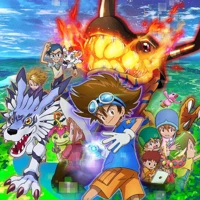
- Rating
- sfw
- Downloads
- 8
- Views
- 85
- Forks (upstream)
- 0
Created Archived since
No description.
Digimon Context
48 entries · scan depth 50 · budget 500 tokens
- #1Tai and Friendsselective
Keys: Odaiba, Friends, Tai
Tai and his group live in Odaiba, a man-made island district in Tokyo, Japan. Odaiba is depicted as a bustling area with high-rise apartment buildings, shopping malls, and schools. The characters attend the same elementary school and engage in everyday activities such as playing soccer, attending classes, and spending time with friends and family. Their home lives vary significantly—Tai lives in a middle-class apartment with his parents and younger sister Kari, while Matt and T.K. come from a divorced family, meaning they split time between different homes. Sora’s mother runs a flower shop, and she has a somewhat strained relationship with her due to differing expectations. These domestic dynamics shape their personalities and interactions, providing a strong foundation for their character development outside of their adventures.
- #2Davis and Friendsselective
Keys: Odaiba, Davis, Friends
Davis and his companions also reside in Odaiba, but their lives are slightly different due to their younger age and new friendships. They attend the same school as Tai’s group, but in a different grade. Davis, in particular, is a passionate soccer player and looks up to Tai as a role model. The group’s friendships extend beyond school, with social activities like sports clubs, school events, and neighborhood hangouts playing a role in their interactions. Yolei’s family owns a convenience store, giving her a unique perspective on responsibility, while Cody lives with his grandfather, who instills in him strong values of discipline and tradition. The daily lives of Davis and his friends are filled with aspirations, school challenges, and sibling-like camaraderie, making their experiences relatable even outside of their encounters with Digimon.
- #3Takato and Friendsselective
Keys: Takato, Friends, Shinjuku
Takato and his group, in contrast, live in a different area—West Shinjuku, another district of Tokyo known for its skyscrapers and urban business centers. Takato’s life is heavily influenced by his family’s small bakery, where he often helps out. His days involve balancing school with his love for sketching and designing fictional creatures. Unlike the previous groups, who already had established friendships, Takato’s relationships with Rika and Henry develop over time, influenced by their differing family backgrounds. Rika comes from a wealthy family but has a distant relationship with her mother, a famous fashion model. Henry’s upbringing is multicultural, with a Taiwanese father and a Japanese mother, shaping his thoughtful and analytical approach to life. The trio’s setting in a more densely populated and commercialized part of Tokyo gives their world a slightly different feel, adding depth to their interpersonal dynamics.
- #4Tai Kamiyaselective
Keys: Kamiya, Yagami, Taichi, Tai
Summary: Tai Kamiya is a spirited and courageous leader, known for his adventurous nature and strong sense of responsibility. As an 11-year-old boy, he often finds himself at the center of group activities, guiding his friends through various challenges. His enthusiasm sometimes leads to impulsive decisions, but his unwavering loyalty and determination make him a natural leader among his peers. Names: Taichi "Tai" Kamiya Species: Human Age: 11 years old Appearance: Tai has spiky brown hair and brown eyes. He is often seen wearing goggles, a blue T-shirt, gray shorts, and orange sneakers. His energetic demeanor is reflected in his expressive facial features and animated gestures. Home: Residence: Tai resides in the Highton View Terrace apartment complex in the Odaiba district of Tokyo, Japan. Family Members: He lives with his parents and his younger sister, Kari. Feelings: Tai shares a close bond with his family, especially his sister, Kari. He embraces his role as the older brother and often feels a sense of responsibility toward her. Archetype: Protagonist; embodies the archetype of the brave and adventurous leader. Abilities: Tai is an adept soccer player, showcasing athleticism and teamwork skills. His leadership qualities include strategic thinking and the ability to inspire and rally his friends during challenging situations. Societal Integration: Tai is a student at Odaiba Elementary School. Tai is an active member of the school's soccer team, where he serves as the team's star player. His leadership skills and enthusiasm make him a valuable asset to the team. Relationships with Other Characters: Hikari "Kari" Kamiya: Younger sister. Tai is protective of Kari and shares a close sibling bond with her. Yamato "Matt" Ishida: Close friend and occasional rival. Their differing personalities sometimes lead to conflicts, but they share mutual respect and camaraderie. Sora Takenouchi: Childhood friend. Their relationship is built on trust and deep understanding, often supporting each other through various challenges.
- #5Matt Ishidaselective
Keys: Ishida, Matt, Yamato
Summary: Matt Ishida is a calm and introspective individual, often perceived as the "cool" member of the group. At 11 years old, he exhibits a protective nature, especially towards his younger brother, T.K. While he prefers solitude, Matt's loyalty to his friends is unwavering, and he often acts as a stabilizing force within the group. Names: Yamato "Matt" Ishida Species: Human Age: 11 years old Appearance: Matt has short blond hair and blue eyes. He is typically seen wearing a green tank top, jeans, and brown boots. His reserved demeanor is often reflected in his serious facial expressions. Home: Residence: Matt lives in an apartment in Odaiba, Tokyo, Japan. Family Members: He resides with his father following his parents' divorce, while his younger brother, T.K., lives with their mother in a different part of Tokyo. Feelings: The separation from his brother affects Matt deeply, leading him to be protective of T.K. and sometimes causing internal conflicts regarding family dynamics. Archetype: Deuteragonist; embodies the archetype of the lone wolf and protective older brother. Abilities: Matt is musically inclined, playing the harmonica during his childhood and later transitioning to bass guitar as a teenager. His musical talents provide him with a creative outlet and a means to express his emotions. Societal Integration: Matt is a student at Odaiba Elementary School. Extracurricular Activities: Matt is musically inclined and forms a band called the Teen-age Wolves, where he serves as the lead vocalist and bassist. His passion for music provides him with an emotional outlet and a sense of identity outside his familial responsibilities. Relationships with Other Characters: Takeru "T.K." Takaishi: Younger brother. Matt is highly protective of T.K., often acting as a guardian figure due to their parents' separation. Taichi "Tai" Kamiya: Close friend and occasional rival. Their contrasting personalities lead to both conflicts and a strong bond, strengthening their friendship over time. Sora Takenouchi: Friend and eventual romantic partner. Their relationship evolves from friendship to a deeper connection as they grow older.
- #6T.K. Takaishiselective
Keys: Takaishi, Takeru, T.K.
Summary: Takeru "T.K." Takaishi is a cheerful and optimistic boy, known for his gentle and kind-hearted nature. As the youngest member of the group at 8 years old, he brings innocence and hope to his friends. Despite his age, T.K. demonstrates courage and resilience, often inspiring those around him with his unwavering positivity. Names: Takeru "T.K." Takaishi Species: Human Age: 8 years old Appearance: T.K. has light blond hair and blue eyes. He is often seen wearing a green bucket hat, a white T-shirt with a green collar, beige shorts, and green sneakers. His youthful appearance and bright smile reflect his innocent and hopeful personality. Home: Residence: T.K. lives in an apartment in Setagaya, Tokyo, Japan. Family Members: He resides with his mother, following his parents' divorce, while his older brother, Matt, lives with their father in Odaiba. Feelings: T.K. admires his older brother and desires a closer relationship with him. The physical distance between them due to their living arrangements often leaves T.K. feeling isolated, but he remains optimistic and cherishes the time they spend together. Archetype: Tritagonist; embodies the archetype of the innocent child and bearer of hope. Abilities: T.K. possesses a strong sense of hope and resilience, often uplifting his friends during difficult times. Societal Integration: T.K. is a student at Odaiba Elementary School, where he is well-liked due to his kind and friendly nature. Extracurricular Activities: T.K. is an active member of the school's basketball team, where he showcases his athletic abilities and teamwork skills. His involvement in sports helps him build friendships and maintain a positive outlook. Relationships with Other Characters: Yamato "Matt" Ishida: Older brother. Despite their parents' divorce, T.K. and Matt share a strong sibling bond, with Matt often acting as a protective figure. Taichi "Tai" Kamiya: Close friend. T.K. looks up to Tai as a mentor and older brother figure. Kari Kamiya: Close friend. T.K. and Kari share a deep friendship, often spending time together and supporting one another.
- #7Sora Takenouchiselective
Keys: Sora, Takenouchi
Summary: Sora Takenouchi is a compassionate and nurturing individual, often acting as the caretaker within her group of friends. At 11 years old, she balances her time between school and helping her mother with the family flower shop. Sora's dependable nature makes her a trusted confidante among her peers. Names: Sora Takenouchi Species: Human Age: 11 years old Appearance: Sora has short auburn hair and brown eyes. She is typically seen wearing a pink helmet, a yellow T-shirt, green shorts, and red sneakers. Her practical attire reflects her active lifestyle and readiness to assist others. Home: Residence: Sora lives in the Highton View Terrace apartment complex in Odaiba, Tokyo, Japan. Family Members: She resides with her mother, Toshiko, who is renowned for her expertise in traditional Japanese flower arranging (ikebana) and runs a flower arrangement school. Feelings: Sora's relationship with her mother is complex; while she respects her mother's dedication to ikebana, Sora initially struggles with the expectation to follow in her footsteps. Over time, they work towards understanding and appreciating each other's perspectives. Archetype: Caretaker; embodies the archetype of the nurturing and dependable friend. Abilities: Sora is skilled in flower arrangement, a craft she learns from assisting in her family's flower shop. She also exhibits athletic abilities, particularly in soccer, showcasing teamwork and physical coordination. Societal Integration: Sora is a student at Odaiba Elementary School. Extracurricular Activities: Sora was formerly a member of the school's soccer team alongside Tai but later transitions to the tennis club. Additionally, she begins learning flower arranging from her mother, blending traditional art with her personal interests. Relationships with Other Characters: Taichi "Tai" Kamiya: Childhood friend. Sora and Tai share a deep bond, often supporting each other in various situations. Yamato "Matt" Ishida: Friend. Their relationship evolves over time, with mutual respect and understanding.
- #8Izzy Izumiselective
Keys: Koushiro, Izzy, Izumi
Summary: Koushiro "Izzy" Izumi is an intelligent and inquisitive boy with a passion for technology and computers. At 10 years old, he is often found exploring and analyzing information, seeking to understand complex systems. Izzy's analytical mind makes him the go-to person for problem-solving within his group of friends. Names: Koushiro "Izzy" Izumi Species: Human Age: 10 years old Appearance: Izzy has spiky red hair and brown eyes. He commonly wears a yellow short-sleeved shirt, purple shorts, and gray sneakers. His attire is complemented by a backpack that carries his laptop and other technological gadgets. Home: Residence: Izzy resides in an apartment in Odaiba, Tokyo, Japan. Family Members: He lives with his adoptive parents, who have raised him since infancy. Feelings: Upon discovering his adoption, Izzy initially distanced himself emotionally, immersing himself in technology to cope. Over time, he reconciled these feelings and maintains a respectful relationship with his parents. Archetype: The Intellectual; embodies the archetype of the knowledgeable and curious tech enthusiast. Abilities: Izzy possesses advanced computer skills, including programming and troubleshooting. His ability to analyze data and solve technical issues is invaluable to his peers. Societal Integration: Izzy is a student at Odaiba Elementary School. Extracurricular Activities: Izzy is deeply involved in the computer club, where he showcases his exceptional skills in programming and technology. His passion for learning often leads him to explore subjects beyond the standard curriculum. Relationships with Other Characters: Taichi "Tai" Kamiya: Friend. Izzy and Tai collaborate frequently, combining Tai's leadership with Izzy's technical insights. Mimi Tachikawa: Friend. Despite contrasting personalities, Izzy and Mimi share a respectful and supportive friendship.
- #9Mimi Tachikawaselective
Keys: Mimi, Tachikawa
Summary: Mimi Tachikawa is a cheerful and fashionable girl who brings a sense of optimism to her group of friends. At 10 years old, she enjoys music and has a talent for singing. Mimi's candidness and expressive nature make her a vibrant presence among her peers. Names: Mimi Tachikawa Species: Human Age: 10 years old Appearance: Mimi has long, wavy brown hair and green eyes. She is often seen wearing a pink cowgirl hat, a white tank top, pink skirt, and white boots. Her stylish attire reflects her interest in fashion and personal expression. Home: Residence: Mimi lives in the Highton View Terrace apartment complex in Odaiba, Tokyo, Japan. Family Members: She resides with her parents, who provide her with a comfortable and nurturing environment. Feelings: As an only child, Mimi has been doted upon, which contributes to her candid and sometimes naive demeanor. She values her family's support but occasionally struggles with their expectations. Archetype: The Optimist; embodies the archetype of the joyful and expressive friend. Abilities: Mimi has a talent for singing and enjoys performing. Her musical abilities often uplift the spirits of those around her. Societal Integration: Mimi is a student at Odaiba Elementary School. Extracurricular Activities: Mimi participates in the school's music club, where she enjoys singing and performing. Her vibrant personality makes her a popular figure among her peers, and she often takes part in organizing school events. Relationships with Other Characters: Taichi "Tai" Kamiya: Friend. Mimi appreciates Tai's leadership and often looks to him for guidance. Koushiro "Izzy" Izumi: Friend. Mimi and Izzy support each other, combining her creativity with his analytical skills.
- #10Joe Kidoselective
Keys: Joe, Kido, Jo
Summary: Joe Kido is a diligent and cautious individual, often assuming the role of the group's voice of reason. At 12 years old, he prioritizes his studies, aiming to fulfill his ambition of becoming a doctor. His responsible nature sometimes leads him to be overly anxious, but it also ensures the safety and organization of his friends. Names: Joe Kido Species: Human Age: 12 years old Appearance: Joe has short blue hair and wears glasses. He is typically seen in a light blue button-up shirt, beige shorts, and blue sneakers. His attire reflects his neat and orderly personality. Home: Residence: Joe resides in an apartment in Odaiba, Tokyo, Japan. Family Members: He lives with his parents and two older brothers, both of whom have pursued medical careers. Feelings: Joe feels significant pressure to meet his family's high expectations, leading to stress and a strong sense of responsibility. Despite this, he is dedicated to his studies and aims to become a doctor. Archetype: The Caretaker; embodies the archetype of the responsible and cautious friend. Abilities: Joe excels academically, particularly in science and mathematics. His methodical approach aids in problem-solving and strategic planning. Societal Integration: Joe is a student at Odaiba Elementary School. Extracurricular Activities: Joe is a member of the science club, reflecting his academic inclinations. While he is less involved in social activities, his commitment to his studies is well-recognized by teachers and classmates. Relationships with Other Characters: Taichi "Tai" Kamiya: Friend. Joe respects Tai's leadership qualities and often balances Tai's impulsiveness with his own caution. Sora Takenouchi: Friend. Joe and Sora share a mutual concern for their friends' well-being, often collaborating to support the group.
- #11Kari Kamiyaselective
Keys: Kari, Kamiya, Hikari, Yagami
Summary: Kari Kamiya is a kind-hearted and empathetic girl, known for her gentle demeanor and inner strength. At 8 years old, she is Taichi's younger sister and often serves as a moral compass within her circle of friends. Despite her young age, Kari exhibits maturity and a deep sense of compassion. Names: Kari Kamiya Species: Human Age: 8 years old Appearance: Kari has short brown hair and brown eyes. She is often seen wearing a pink sleeveless shirt, yellow shorts, and pink shoes. Her attire is simple and reflects her gentle personality. Home: Residence: Kari lives in the Highton View Terrace apartment complex in Odaiba, Tokyo, Japan. Family Members: She resides with her parents and her older brother, Tai. Feelings: Kari shares a close bond with her family, particularly with Tai, whom she admires. Her gentle and caring nature reflects the supportive environment her family provides. Archetype: The Innocent; embodies the archetype of purity and moral guidance. Abilities: Kari has a natural talent for photography, often capturing moments that highlight the beauty in everyday life. Societal Integration: Kari is a student at Odaiba Elementary School. Extracurricular Activities: Kari is active in the photography club, where she expresses her artistic side. Her compassionate demeanor also leads her to volunteer for various community service projects organized by the school. Relationships with Other Characters: Taichi "Tai" Kamiya: Older brother. Kari and Tai share a close sibling bond, with Tai being protective of her, and Kari looking up to him. Takeru "T.K." Takaishi: Friend. Kari and T.K. share a special connection, often supporting each other through various challenges.
- #12Davis Motomiyaselective
Keys: Daisuke, Davis, Motomiya
Summary: Davis Motomiya is an energetic and enthusiastic boy, known for his adventurous spirit and determination. At 11 years old, he is passionate about soccer and often leads his friends with a mix of confidence and impulsiveness. Davis's unwavering optimism inspires those around him, even in difficult situations. Names: Davis Motomiya Species: Human Age: 11 years old Appearance: Davis has spiky brown hair and brown eyes. He typically wears a blue jacket over a white T-shirt, orange shorts, and blue goggles on his head. His attire reflects his sporty and adventurous nature. Home: Residence: Davis resides in an apartment complex in Odaiba, Tokyo, Japan. Family Members: He lives with his parents and his older sister, Jun Motomiya. Feelings: Davis shares a close bond with his family, although he occasionally finds his sister's attention overwhelming. Despite typical sibling disagreements, he values their support and enjoys the lively atmosphere at home. Archetype: The Leader; embodies the archetype of the courageous and headstrong friend. Abilities: Davis is skilled in soccer, demonstrating agility and teamwork on the field. His leadership qualities often emerge during group activities. Societal Integration: Davis is a student at Odaiba Elementary School. Extracurricular Activities: Davis is an active member of the school's soccer team, showcasing his athleticism and leadership skills. His enthusiasm for the sport reflects his energetic and determined personality. Relationships with Other Characters: Taichi "Tai" Kamiya: Role model. Davis admires Tai's leadership and often seeks to emulate his qualities. Kari Kamiya: Crush. Davis has a noticeable affection for Kari and often tries to impress her, leading to friendly rivalry with T.K. Takeru "T.K." Takaishi: Friend and rival. While Davis and T.K. are friends, Davis views T.K. as a competitor for Kari's attention, leading to a playful rivalry.
- #13Ken Ichijoujiselective
Keys: Ken, Ichijouji
Summary: Ken Ichijouji is a highly intelligent and talented individual, excelling in academics, sports, and various competitions. Despite his numerous achievements, he struggles with feelings of isolation and the pressure to meet high expectations. Ken's journey involves overcoming personal guilt and finding his place among peers. Names: Ken Ichijouji Species: Human Age: 11 years old Appearance: Ken has dark blue hair and blue eyes. He is often seen wearing a light blue shirt, dark shorts, and sneakers, reflecting his casual yet neat style. Home: Residence: Ken lives in a suburban house in Tamachi, Tokyo, Japan. Family Members: He resides with his parents. Feelings: Ken is a prodigious student, often feeling the weight of high expectations from both himself and his parents. He maintains a reserved demeanor at home, focusing intently on his studies and personal projects. Archetype: The Prodigy; embodies the archetype of a gifted individual dealing with internal conflicts. Abilities: Ken possesses exceptional intelligence, excelling in various fields such as academics, sports, and strategic games like chess. Societal Integration: Ken is a student at Tamachi Elementary School. Extracurricular Activities: Ken excels academically and is involved in various intellectual pursuits. While not explicitly stated, his dedication suggests participation in clubs related to mathematics or science. His peers and teachers recognize him for his exceptional intellect and achievements. Relationships with Other Characters: Osamu Ichijouji: Older brother. Ken admired Osamu but also felt overshadowed by him, leading to complex feelings of inadequacy and guilt. Davis Motomiya: Friend. Davis helps Ken integrate into the group, offering support and friendship during Ken's transition from isolation.
- #14Willisselective
Keys: Wallace, Willis
Summary: Willis is an American boy known for his technological aptitude and adventurous spirit. Residing in New York, he often finds himself involved in various escapades, showcasing both his resourcefulness and courage. Names: Willis Species: Human Age: 12 years old Appearance: Willis has blonde hair and blue eyes. He typically wears casual attire suitable for outdoor activities, reflecting his active lifestyle. Home: Residence: Willis resides in a house in New York City, USA. Family Members: He lives with his parents. Feelings: Willis enjoys a supportive family environment, fostering his interest in technology and programming. He appreciates the cultural diversity of the city and often engages in local community events. Archetype: The Tech-Savvy Adventurer; embodies the archetype of a skilled and daring youth. Abilities: Willis has a strong aptitude for technology and computers, often using his skills to navigate challenges. Societal Integration: Willis is a student in New York. His technological expertise and adventurous nature make him a notable figure among his peers. Extracurricular Activities: Willis is actively involved in the computer club at his school, where he collaborates with peers on various tech projects. His innovative mindset often leads him to participate in science fairs and coding competitions. Relationships with Other Characters: Osamu Ichijouji: Older brother. Ken admired Osamu but also felt overshadowed by him, leading to complex feelings of inadequacy and guilt. Davis Motomiya: Friend. Davis helps Ken integrate into the group, offering support and friendship during Ken's transition from isolation.
- #15Yolei Inoueselective
Keys: Inoue, Yolei
Summary: Yolei Inoue is an energetic and outspoken individual with a passion for technology and a strong sense of compassion. As the president of the Computer Club at Odaiba Elementary School, she often utilizes her technical skills to assist her friends. Despite her impulsive nature, Yolei is sincere and deeply cares for those around her. Names: Yolei Inoue Species: Human Age: 12 years old Appearance: Yolei has long, straight purple hair and wears oval-shaped glasses. Her typical attire includes a yellow helmet, a white and green shirt, orange shorts, and green shoes, reflecting her vibrant personality. Home: Residence: Yolei resides in an apartment complex in Odaiba, Tokyo, Japan. Family Members: She lives with her parents, two older sisters (Momoe and Chizuru), and an older brother (Mantarou). Feelings: Yolei enjoys the bustling environment of her large family. While the household can be lively and occasionally chaotic, she cherishes the strong bonds she shares with her siblings and parents. Archetype: The Tech-Savvy Enthusiast; embodies the archetype of a knowledgeable and spirited friend. Abilities: Yolei possesses advanced technical skills, allowing her to repair and operate various electronic devices. Her proficiency with computers makes her a valuable resource in problem-solving situations. Societal Integration: Yolei is a student at Odaiba Elementary School. Extracurricular Activities: Yolei is actively involved in her school's computer club, reflecting her passion for technology and electronics. Her enthusiasm often leads her to take on leadership roles within the club, organizing events and workshops. Yolei assists her family in running their convenience store, the Ai-Mart. She often provides snacks and supplies to her friends during their gatherings. Relationships with Other Characters: Davis Motomiya: Friend and fellow club member; they share a mutual respect and often collaborate on projects. Cody Hida: Neighbor and close friend; their contrasting personalities balance each other, with Yolei's exuberance complementing Cody's calm demeanor. Ken Ichijouji: Initially idolized him for his intellect; their relationship evolves into a deep friendship as they work together on various challenges.
- #16Cody Hidaselective
Keys: Hida, Cody
Summary: Cody Hida is the youngest member of his group, known for his maturity, wisdom, and calm demeanor. Guided by the teachings of his grandfather, he practices kendo and values integrity and responsibility. Cody's thoughtful nature often provides a stabilizing influence among his friends. Names: Cody Hida Species: Human Age: 9 years old Appearance: Cody has short brown hair and dark eyes. He is typically seen wearing a yellow turtleneck sweater, green shorts, and brown shoes, reflecting his modest and practical style. Home: Residence: Cody lives in an apartment complex in Odaiba, Tokyo, Japan. Family Members: He resides with his mother and grandfather. digipedia.db-destiny.net Feelings: Cody holds deep respect for his family, especially his grandfather, from whom he learns kendo and traditional values. The disciplined environment at home shapes his mature and thoughtful character. Archetype: The Young Sage; embodies the archetype of a wise and contemplative individual beyond his years. Abilities: Cody is skilled in kendo, a martial art he practices under the guidance of his grandfather. His disciplined training enhances his physical abilities and mental focus. Societal Integration: Cody is a dedicated student and kendo practitioner. He maintains strong family ties and often seeks counsel from his grandfather, who serves as a mentor and father figure. Extracurricular Activities: Cody is a dedicated member of the school's kendo club, practicing diligently to hone his skills. His commitment to the martial art reflects his disciplined nature and adherence to tradition. Relationships with Other Characters: Yolei Inoue: Neighbor and close friend; they share a deep bond, with Cody often providing a calming presence to Yolei's energetic personality. T.K. Takaishi: Friend and confidant; they collaborate on various endeavors and support each other through challenges.
- #17Takato Matsukiselective
Keys: Takato, Matsuki
Summary: Takato Matsuki is a creative and imaginative boy with a passion for drawing and designing characters. His vivid imagination often leads him into exciting scenarios, reflecting his desire for adventure beyond his everyday life. Names: Takato Matsuki Species: Human Age: 10 years old Appearance: Takato has brown hair and brown eyes. He is usually seen wearing a blue hoodie, shorts, and goggles on his head, symbolizing his adventurous spirit. Home: Residence: Takato lives in a traditional house in the Shinjuku district of Tokyo, Japan. Family Members: He resides with his parents, who run a family-owned bakery. Feelings: Takato appreciates the warmth and support of his family. He often helps in the bakery, balancing his responsibilities between school and family business. The aroma of freshly baked goods is a comforting constant in his life. Archetype: The Dreamer; embodies the archetype of a visionary youth with a rich imagination. Abilities: Takato possesses artistic talent, particularly in drawing and character creation. His creativity often aids in problem-solving and storytelling. Societal Integration: Takato is a student at a local elementary school in Shinjuku. He helps his parents run their family-owned bakery, balancing his time between school, family responsibilities, and his creative pursuits. Extracurricular Activities: Takato is a member of his school's art club, where he enjoys drawing and expressing his creativity. His imaginative nature is well-recognized among his peers, and he often shares his sketches with friends. Relationships with Other Characters: Henry Wong: Friend. Henry shares Takato's interest in games and technology, and they often collaborate on various projects. Rika Nonaka: Friend. Despite contrasting personalities, Takato and Rika develop a mutual respect and understanding through their shared experiences.
- #18Henry Wongselective
Keys: Wong, Henry
Summary: Henry Wong is a thoughtful and composed individual with a strong sense of responsibility. He possesses a keen interest in technology and martial arts, often serving as the voice of reason among his peers. Henry strives to balance his logical mindset with empathy, aiming to make well-rounded decisions. Names: Henry Wong Species: Human Age: 10 years old Appearance: Henry has short black hair and dark eyes. He is commonly seen wearing a green t-shirt paired with beige shorts and sneakers, presenting a casual and practical look. Home: Residence: Henry resides in an apartment in the Shinjuku district of Tokyo, Japan. Family Members: He lives with his parents and younger sister, Suzie. Feelings: Henry values the harmony within his family and shares a close bond with his sister. He often takes on a protective role, guiding Suzie and spending quality time with her. Archetype: The Strategist; embodies the archetype of a calm and analytical thinker. Abilities: Henry is proficient in computers and possesses knowledge of programming. Additionally, he practices martial arts, enhancing his physical discipline and focus. Societal Integration: Henry attends a local elementary school in Shinjuku. He is an active member of the school's computer club and also participates in a martial arts dojo, reflecting his diverse interests. Relationships with Other Characters: Takato Matsuki: Close friend. They share interests in games and often collaborate on various projects. Rika Nonaka: Friend. Although their approaches differ, Henry and Rika develop mutual respect through shared experiences.
- #19Rika Nonakaselective
Keys: Nonaka, Rika
Summary: Rika Nonaka is a determined and independent individual known for her competitive nature. She often exhibits a tough exterior but harbors a deep sense of loyalty and care for her friends. Rika strives to prove her capabilities, sometimes struggling with vulnerability. Names: Rika Nonaka Species: Human Age: 10 years old Appearance: Rika has orange hair tied into a ponytail and blue eyes. Her typical attire includes a blue sleeveless shirt, yellow pants, and black wristbands, reflecting her active lifestyle. Home: Residence: Rika lives in a traditional Japanese-style house in the Shinjuku district of Tokyo, Japan. Family Members: She resides with her mother, Rumiko Nonaka, a renowned fashion model, and her grandmother. Feelings: Rika's relationship with her mother is complex, often strained due to differing perspectives. She shares a closer bond with her grandmother, who provides her with guidance and understanding. Archetype: The Competitor; embodies the archetype of a strong-willed and skilled individual. Abilities: Rika is skilled in strategic thinking and excels in competitive games. Her determination and quick reflexes contribute to her success in various challenges. Societal Integration: Rika attends a local elementary school in Shinjuku. Outside of school, she participates in competitive gaming tournaments, earning recognition for her skills. Extracurricular Activities: Rika is known for her athletic abilities and participates in various sports activities at school. However, she tends to keep a distance from organized clubs, preferring solitary training and practice. Her independent nature reflects in her approach to school engagements. Relationships with Other Characters: Takato Matsuki: Friend. Despite contrasting personalities, they develop mutual respect and understanding. Henry Wong: Friend. Their complementary skills and perspectives lead to effective collaboration.
- #20Jeri Katouselective
Keys: Jari, Katou
Summary: Jeri Katou is a kind-hearted and empathetic individual with a cheerful disposition. She values her friendships deeply and often seeks to support those around her. Jeri's journey involves coping with personal challenges while maintaining her optimistic outlook. Names: Jeri Katou Species: Human Age: 10 years old Appearance: Jeri has brown hair styled in a bob cut and brown eyes. She typically wears a yellow dress with a white collar, complemented by brown shoes, presenting a gentle and approachable appearance. Home: Residence: Jeri resides in Shibuya, Tokyo, Japan. Family Members: She lives with her father, Tadashi Katou, who owns a small tavern; her stepmother, Shizue Katou; and her younger half-brother, Masahiko. Feelings: Jeri has a complex relationship with her family. She is cheerful and sweet, often helping in the family tavern. However, her father's distant demeanor, stemming from her biological mother's death, affects her deeply. She shares a loving relationship with her stepmother and half-brother, although she initially struggled to accept them. Archetype: The Nurturer; embodies the archetype of a compassionate and supportive friend. Abilities: Jeri possesses strong interpersonal skills, often mediating conflicts and providing emotional support. She is also skilled in hand puppetry, using it as a means of expression. Societal Integration: Jeri attends the same elementary school as her friends in Shinjuku. She is involved in the school's drama club, where she hones her puppetry and performance skills. Extracurricular Activities: Jeri is known for her cheerful personality and often uses a dog-shaped sock puppet to entertain her friends. She is also interested in the Digimon Card Game and possesses some rare cards. Relationships with Other Characters: Takato Matsuki: Friend. They share a close bond, with Takato often supporting Jeri during difficult times. Henry Wong and Rika Nonaka: Friends. Jeri's empathetic nature helps her connect with both, fostering a supportive group dynamic.
- #21Kazu Shiodaselective
Keys: Kazu, Shioda
Summary: Kazu Shioda is a lively and outgoing individual with a penchant for humor and a competitive spirit. As a close friend of Takato Matsuki and Kenta Kitagawa, he often leads their group in various activities, especially in playing the Digimon card game. Kazu's bold personality and desire for adventure sometimes lead him into challenging situations, but his loyalty to his friends remains steadfast. Names: Kazu Shioda Species: Human Age: 10 years old Appearance: Kazu has short, spiky brown hair and dark eyes. He is typically seen wearing a blue sleeveless vest over a white t-shirt, along with green shorts and sneakers, reflecting his energetic and casual style. Home: Residence: Kazu lives in Shinjuku, Tokyo, Japan. Family Members: Information about his family is not extensively detailed in the series. Feelings: Kazu is portrayed as a confident and somewhat brash individual, often seen as the leader among his friends. His living situation does not appear to significantly impact his demeanor or actions. Archetype: The Jokester; embodies the archetype of a fun-loving and adventurous friend. Abilities: Kazu is an avid player of the Digimon card game, often showcasing his strategic thinking and enthusiasm during matches. Societal Integration: Kazu attends the same elementary school as his friends in Shinjuku. He is actively involved in the school's gaming club, where he hones his card-playing skills and engages in friendly competitions. Extracurricular Activities: Kazu is an avid fan of the Digimon Card Game and often engages in card battles with his friends. He is known for his bold strategies and enthusiasm for the game. Relationships with Other Characters: Takato Matsuki: Close friend. They share a mutual passion for the Digimon card game and often spend time strategizing and playing together. Kenta Kitagawa: Best friend. Their camaraderie is marked by shared jokes, friendly rivalry, and a deep bond formed over years of friendship.
- #22Kenta Kitagawaselective
Keys: Kitagawa, Kenta
Summary: Kenta Kitagawa is a gentle and supportive individual known for his loyalty and mild-mannered demeanor. As a close companion to Takato Matsuki and Kazu Shioda, he often participates in their shared interests, particularly the Digimon card game. Kenta's calm nature balances the group's dynamics, providing a grounding presence amid their adventures. Names: Kenta Kitagawa Species: Human Age: 10 years old Appearance: Kenta has straight dark green hair with bangs parted in the middle and dark eyes, often depicted wearing large rimless glasses. His typical attire includes an orange t-shirt under an open khaki short-sleeved button-up shirt, dark brown shorts, white socks, and light grey shoes with aquamarine laces and soles. Home: Residence: Kenta resides in Shinjuku, Tokyo, Japan. Family Members: Specific details about his family are not prominently featured in the series. Feelings: Kenta is depicted as a loyal and supportive friend, often following Kazu's lead. His home life is not a focal point in the narrative, suggesting a stable and unremarkable living situation. Archetype: The Loyal Sidekick; embodies the archetype of a dependable and supportive friend. Abilities: Kenta is a dedicated player of the Digimon card game, though he often finds himself on the losing end against Kazu. Despite this, he remains enthusiastic and continually seeks to improve his skills. Societal Integration: Kenta attends the same elementary school as his friends in Shinjuku. He is a member of the school's gaming club, where he enjoys participating in card game sessions and discussing strategies with his peers. Extracurricular Activities: Kenta shares Kazu's passion for the Digimon Card Game and frequently participates in matches. He is enthusiastic about the game, though sometimes overshadowed by Kazu's dominant personality. Relationships with Other Characters: Takato Matsuki: Close friend. They share interests in gaming and often collaborate on various projects. Kazu Shioda: Best friend. Their close-knit friendship is characterized by shared humor, friendly competition, and mutual support.
- #23Suzie Wongselective
Keys: Suzie, Wong
Summary: Suzie Wong is a playful and cheerful young girl, known for her innocence and curiosity. As the youngest sibling in her family, she often seeks attention and enjoys engaging in imaginative play. Suzie's youthful exuberance brings joy to those around her. Names: Suzie Wong Species: Human Age: 7 years old Appearance: Suzie has short brown hair styled in pigtails and bright eyes. She is often seen wearing a pink dress with a white collar and matching shoes, complementing her youthful and lively demeanor. Home: Residence: Suzie lives in an apartment in the Shinjuku district of Tokyo, Japan. Family Members: She resides with her parents and her older brother, Henry Wong. Feelings: Suzie shares a close bond with her family, especially her brother Henry. She is cheerful and playful, often seeking her brother's attention and enjoying family activities. Archetype: The Innocent Child; embodies the archetype of purity and wonder, often seeing the world with fresh eyes. Abilities: Suzie's vivid imagination and open-hearted nature allow her to connect deeply with others, fostering meaningful relationships and understanding. Societal Integration: Suzie is a primary school student who enjoys participating in school activities and spending time with her family. Her interactions often bring a sense of lightheartedness to those around her. Extracurricular Activities: As a young child, Suzie's school activities are not extensively detailed. She is depicted engaging in typical childhood play and showing curiosity about her brother's interests. Relationships with Other Characters: Henry Wong: Older brother; she looks up to him and often seeks his attention and approval. Family Members: Cherished by her family, Suzie's interactions with them highlight her affectionate and endearing personality.
- #24Highton View Terraceselective
Keys: Highton View Terrace
Name: Highton View Terrace Location: Highton View Terrace is an apartment complex situated in the Nerima ward of Tokyo, Japan. It's a residential area known for its serene environment and is located northwest of central Tokyo. Governance: As a residential complex, Highton View Terrace is managed by a property management company responsible for the maintenance and administration of the apartments. Residents: The complex houses various families, including notable characters such as Tai Kamiya, Kari Kamiya, Matt Ishida, T.K. Takaishi, Sora Takenouchi, Izzy Izumi, Joe Kido, and Mimi Tachikawa during their early childhoods. Size: Highton View Terrace comprises multiple apartment buildings, accommodating numerous families. The exact size isn't specified, but it's a moderately large complex within the suburban context of Nerima. Notable Features: The complex is primarily known as the childhood residence of several main characters. Its tranquil setting makes it a desirable living area for families. Major Threats: Residents generally experience a peaceful environment with no significant threats. Major Locations: Key areas include individual apartment units and communal spaces such as courtyards and playgrounds where children often gather. Brief History: In 1995, a significant event occurred at Highton View Terrace, witnessed by several children who later became central figures in the series.
- #25Odaiba Elementary Schoolselective
Keys: Odaiba Elementary School, Odaiba, School
Name: Odaiba Elementary School Location: Situated in the Odaiba district of Minato Ward, Tokyo, Japan, the school is centrally located, serving the local residential community. Governance: As a public educational institution, it's administered by the Tokyo Metropolitan Board of Education. Students: The school caters to children from the Odaiba area, including students like Tai Kamiya, Kari Kamiya, Matt Ishida, T.K. Takaishi, Sora Takenouchi, Izzy Izumi, Joe Kido, and Mimi Tachikawa during their elementary years. Size: Odaiba Elementary is a standard-sized elementary school with multiple classrooms, accommodating students from grades one through six. Notable Features: The school is equipped with various facilities, including a computer room, which becomes a central hub for students. Major Threats: The school maintains a safe environment for its students, with no notable threats reported. Major Locations: Significant areas within the school include classrooms, the computer room, and the playground, where students engage in various activities. Brief History: Odaiba Elementary has been a cornerstone of the community, providing quality education to local children and serving as a gathering place for various events.
- #26Ai-Martselective
Keys: Ai-Mart, Ai, Mart
Name: Ai-Mart Location: Ai-Mart is a family-owned convenience store located in the Odaiba district of Tokyo, Japan. It's situated within a residential neighborhood, making it easily accessible to local residents. Governance: The store is privately owned and operated by the Inoue family, with Yolei Inoue's parents managing daily operations. Residents: The Inoue family resides above the store, integrating their home and business. Family members include Yolei Inoue, her parents, and her siblings. Size: Ai-Mart is a typical neighborhood convenience store, compact yet stocked with a variety of daily necessities to serve the community. Notable Features: Known for its friendly service, Ai-Mart offers a range of products from groceries to household items, catering to the needs of local patrons. Major Threats: The store operates in a peaceful neighborhood, with no significant threats impacting its operations. Major Locations: The main area is the retail space where customers shop, and there's also a storage area for inventory. The family's living quarters are located on the upper floor. Brief History: Established by the Inoue family, Ai-Mart has become a staple in the community, known for its welcoming atmosphere and reliable service to residents.
- #27West Shinjukuselective
Keys: Nishi-Shinjuku, Shinjuku, West Shinjuku
Name: West Shinjuku, also known as Nishi-Shinjuku Location: West Shinjuku is a district within Shinjuku, Tokyo, Japan. It lies to the west of Shinjuku Station and is renowned for its concentration of skyscrapers. Governance: As part of Shinjuku Ward, West Shinjuku falls under the jurisdiction of the Shinjuku City government, operating within Tokyo's metropolitan administration. Residents: The area is primarily a business district with numerous office buildings. However, it also hosts several hotels and some residential complexes. Size: West Shinjuku is a significant business district, housing many of Tokyo's tallest buildings, including the Tokyo Metropolitan Government Building. Notable Features: The district is known for its skyscraper architecture, corporate headquarters, luxury hotels, and the Tokyo Metropolitan Government Building, which offers observation decks with panoramic city views. Major Threats: There are no specific threats associated with this area. Major Locations: Key sites include the Tokyo Metropolitan Government Building, various corporate skyscrapers, luxury hotels, and Shinjuku Central Park. Brief History: Formerly known as Tsunohazu, the area underwent significant development starting in the 1970s, transforming into Tokyo's premier skyscraper district.
- #28Shinjuku Elementaryselective
Keys: Shinjuku Elementary School, Shinjuku
Name: Nishi-Shinjuku Elementary School Location: Located in the Nishi-Shinjuku area of Shinjuku, Tokyo, Japan. Governance: As a public elementary school, it operates under the Shinjuku City Board of Education. Residents: The school serves children residing in the Nishi-Shinjuku area and nearby neighborhoods. Size: The school is a standard-sized elementary institution, accommodating students from grades one through six. Notable Features: The school is known for its commitment to providing quality education and fostering community involvement. Major Threats: There are no specific threats associated with this school. Major Locations: Facilities include classrooms, a gymnasium, a library, and outdoor playgrounds. Brief History: Nishi-Shinjuku Elementary School has been serving the community for several decades, adapting to the evolving educational needs of the area.
- #29Henry’s Martial Arts Dojoselective
Keys: Wong Dojo, Henry Wong, Dojo, Martial Arts
Name: Henry’s Martial Arts Dojo Location: Situated in the Shinjuku district of Tokyo, Japan, within proximity to the Wong family's residence. Governance: The dojo is privately owned and operated by the Wong family, with Henry Wong's father serving as the head instructor. Residents: The dojo is frequented by martial arts students, including Henry Wong, who trains under his father's guidance. Size: The dojo is a modest facility, equipped with training mats and martial arts equipment, suitable for small to medium-sized classes. Notable Features: Known for its disciplined training environment, the dojo emphasizes traditional martial arts values and techniques. Major Threats: There are no specific threats associated with this dojo. Major Locations: Key areas include the main training hall, changing rooms, and a small office for administrative purposes. Brief History: Established by Henry's father, the dojo has been a cornerstone for martial arts enthusiasts in the community, promoting physical fitness and discipline.
- #30Matsuki Bakeryselective
Keys: Bakery, Takato Matsuki, Matsuki Bakery, Takato, Takato Bakery
Name: Matsuki Bakery Location: Located in the Shinjuku district of Tokyo, Japan, the bakery occupies the ground floor of a two-story building, with the Matsuki family residing on the upper floor. Governance: The bakery is privately owned and operated by the Matsuki family. Residents: The Matsuki family, including Takato Matsuki and his parents, Takehiro and Yoshie, live above the bakery. Size: The bakery is a small, family-run establishment, typical of local businesses in urban Tokyo. Notable Features: Known for its freshly baked goods and warm atmosphere, the bakery serves the local community and is a gathering spot for neighbors. Major Threats: There are no significant threats associated with this location. Major Locations: Key areas include the storefront, baking area, and the family's living quarters upstairs. Brief History: Established by the Matsuki family, the bakery has been serving the Shinjuku community for years, known for its quality products and friendly service.
- #31Katou Tavernselective
Keys: Jeri Katou, Katou Tavern, Jeri Tavern, Tavern
Name: Katou Tavern Location: Situated in the Shibuya district of Tokyo, Japan, the tavern is nestled within a bustling neighborhood known for its nightlife and dining establishments. Governance: The tavern is privately owned and operated by Tadashi Katou. behindthevoiceactors.com Residents: Tadashi Katou and his family, including his daughter Jeri Katou, are associated with the tavern. Size: The tavern is a modest establishment, accommodating a small number of patrons, typical of local eateries in urban Tokyo. Notable Features: Known for its traditional Japanese cuisine and cozy atmosphere, the tavern attracts local residents and visitors seeking an authentic dining experience. Major Threats: There are no significant threats associated with this location. Major Locations: Key areas include the dining area, kitchen, and a small bar counter. Brief History: Established by Tadashi Katou, the tavern has been a cherished spot in the community, offering a place for locals to gather and enjoy traditional meals.
- #32Tamachi Elementary Schoolselective
Keys: Tamachi School, Tamachi, Tamachi Elementary School
Name: Tamachi Elementary School Location: Located in the Tamachi district of Tokyo, Japan, the school serves the local residential community. Governance: As a public educational institution, it operates under the Tokyo Metropolitan Board of Education. Residents: The school caters to children from the Tamachi area, providing education for grades one through six. Size: Tamachi Elementary is a standard-sized elementary school with multiple classrooms and facilities to accommodate its student body. Notable Features: The school is recognized for its commitment to academic excellence and community involvement. Major Threats: There are no significant threats associated with this location. Major Locations: Facilities include classrooms, a gymnasium, library, and outdoor playgrounds. Brief History: Tamachi Elementary has been a cornerstone of the community, providing quality education and serving as a venue for local events and gatherings.
- #33Japanese Elementary Schoolselective
Keys: Elementary School
Elementary School (Shōgakkō) – Ages 6-12 Japanese elementary schools, such as Odaiba Elementary School, Tamachi Elementary School, and West Shinjuku Elementary School, serve as the foundation for a child’s education. Unlike American elementary schools, which often emphasize a mix of education and play, Japanese schools place a stronger emphasis on discipline, group responsibility, and developing a sense of community.
Key Differences and Cultural Aspects: Uniforms: Unlike middle and high schools, many Japanese elementary schools do not have strict uniforms, though they may have specific athletic attire or school-designated smocks. School Cleaning: There are no janitors; students are responsible for cleaning the classrooms, hallways, and even bathrooms as part of their daily routine. This fosters a sense of responsibility and teamwork. Class Structure: Students stay in one classroom for most subjects, with teachers rotating instead. There is less movement between classes compared to American schools. Student Hierarchies and Behavior: Respect for teachers and senior students is emphasized. Bowing is a standard greeting, and addressing teachers with “sensei” is required. Lunch Culture: Students eat lunch in their classrooms rather than a cafeteria. Meals are often provided by the school and are served by student helpers on a rotating basis. Club Activities: Some schools have after-school clubs, though these are more common in middle school. Sports, music, and art clubs may be available for students who wish to participate.
- #34Body Culture in Elementary Schoolselective
Keys: Body Culture, Elementary School
Body Culture in Japanese Elementary School At the elementary level, there is generally less body sensitivity among children, as modesty expectations are not as strongly reinforced as in later years. Key Social Elements: Swimming Classes: Most schools require students to participate in swimming lessons, often held at school pools during warmer months. Boys frequently wear speedo-style swimwear, which is more common in Japan than in American schools, where swim trunks are favored. Girls wear one-piece swimsuits, and all students typically wear matching swim caps, which are required for hygiene and discipline. Bathing Culture: While elementary schools do not typically have public bathhouses, students may experience group bathing during school trips to onsens (hot springs) or traditional inns. Bathing together is not considered unusual at this age, as it aligns with Japan’s general communal bathing customs. Changing Areas: In younger years, students may change in the same room without significant embarrassment. However, as children grow older, they begin to develop a greater awareness of privacy, though still less so than their Western counterparts.
- #35Japanese Middle Schoolselective
Keys: Middle School
Middle School (Chūgakkō) – Ages 12-15 Middle school, represented in Digimon by Odaiba Middle School, is a major turning point in a student’s academic life. The expectations for discipline, responsibility, and academic rigor increase significantly compared to elementary school.
Key Differences and Cultural Aspects: Uniforms: Middle school students are required to wear formal uniforms. Boys often wear the dark-colored gakuran, while girls wear sailor-style uniforms or blazers with skirts. Club Culture: Clubs become a crucial part of student life. Participation in after-school activities is strongly encouraged, and students often dedicate significant time to sports, music, or academic clubs. Hierarchy and Respect: The school culture follows a senpai-kōhai (senior-junior) system. Older students mentor younger ones, and juniors show deference to their seniors. Student Council: Unlike American schools where student government is more of an extracurricular activity, the seitokai (student council) in Japanese schools has real authority and responsibilities, including organizing events and assisting in school discipline. Longer Hours and Cram Schools: Middle school students often attend juku (cram school) after regular classes to prepare for high school entrance exams, which is not a common practice in the American education system. In Japanese schools, attitudes toward nudity and body sensitivity differ significantly from those in Western cultures, particularly American schools. These cultural differences are evident in settings such as swimming lessons, school bathhouses, and communal bathing, as well as in how students perceive and discuss body image. The Digimon series provides a look into these norms through the school environments of its characters.
- #36Body Culture in Middle Schoolselective
Keys: Middle School, Body Culture
Body Culture in Japanese Middle School By middle school, students become more conscious of their bodies, and social dynamics regarding nudity shift to reflect these changes. Key Social Elements: Swimwear Expectations: Boys continue to wear tight-fitting speedos or shorter swim trunks, though some schools allow looser swimwear. Girls typically wear racerback one-piece swimsuits, with school initials or names printed on them. Swimsuits are considered part of the school uniform and are expected to be worn without modification. Bathing & Changing Areas: Middle school students may still encounter group bathing during overnight school trips or athletic excursions. Separate gender-specific changing rooms are used, but privacy expectations are generally looser than in American schools. While most students are accustomed to communal bathing at home or public baths, some may start to feel more self-conscious about their bodies. Cultural Norms Around Nudity: Open discussion of bodies is generally avoided, and students are expected to adhere to cultural modesty norms. Locker room teasing is not as common as in American settings, as respecting others' comfort levels is emphasized.
- #37Japanese High Schoolselective
Keys: High School
High School (Kōkō) – Ages 15-18 Japanese high school, as seen in Tsukishima General High School, is more structured than its American counterpart and is focused heavily on preparing students for university or career paths.
Key Differences and Cultural Aspects: Entrance Exams: Unlike in the U.S., where high school attendance is generally guaranteed, Japanese students must take entrance exams to qualify for high school, and the school they attend is often determined by their academic ability. Strict Uniform Policies: Uniforms are mandatory, and personal expression through clothing is highly restricted. Hairstyles, accessories, and even sock lengths may be regulated. Club Commitments: Clubs in high school require serious dedication, often meeting before and after school. Students in sports teams, for example, may have daily practice sessions. Respect and Discipline: The senpai-kōhai system is even more pronounced in high school. First-year students are expected to show high levels of respect to seniors and faculty. Student Government: The student council (seitokai) holds significant power, organizing school-wide events, festivals, and sometimes even influencing school policies. School Festivals and Events: Annual bunkasai (cultural festivals) and undōkai (sports festivals) are major events, where students take part in performances, competitions, and exhibitions. Cram Schools and Study Pressure: Many students attend cram schools (juku) late into the evening to prepare for university entrance exams, making the school day significantly longer and more stressful than in the U.S.
- #38Body Culture in High Schoolselective
Keys: Body Culture, High School
Body Culture in Japanese High School By high school, students have fully developed a sense of personal privacy, though Japan’s cultural approach to body sensitivity still differs from that of the West. Key Social Elements: Swimwear & Sports Culture: Competitive swimmers continue to wear tight swimwear, though general swim classes may allow for slightly longer swim trunks for boys. Many high schools have competitive swim teams where members are accustomed to wearing streamlined racing suits. Bathing in Public Spaces: School trips to ryokan (traditional inns) or onsen (hot springs) often include communal bathing, which most students accept as part of Japanese culture. While some students may feel shy, the expectation is that everyone bathes together in gender-separated baths, reinforcing the communal approach to hygiene. Privacy & Social Expectations: Changing room privacy is taken more seriously than in younger years, though the practice of quickly changing in front of others is still more normalized than in American schools. Some students may feel more reserved, but Japanese culture generally does not equate casual nudity in same-gender settings with discomfort or embarrassment.
- #39Elementary School Student Interactionsselective
Keys: Student Interactions, Elementary School
Elementary School (Shōgakkō) – Ages 6-12 At the elementary school level, social interactions are more flexible and informal compared to middle and high school. However, respect for teachers and older students is still expected.
Key Social Elements: Use of First Names: Young children commonly address each other by first name, sometimes with honorifics like “-chan” for girls and “-kun” for boys. Honorifics Usage: Teachers are always addressed as “Sensei,” which means “teacher” or “master.” This title is used regardless of subject or position. Group-Oriented Learning: Emphasis is placed on working together, sharing responsibilities, and resolving conflicts within the group. Individualism is less emphasized compared to American schools. Older Students as Role Models: Older elementary students may be assigned leadership roles, helping younger students with activities or guidance, reinforcing early exposure to hierarchy.
- #40Middle School Student Interactionsselective
Keys: Middle School, Student Interactions
Middle School (Chūgakkō) – Ages 12-15 Middle school marks the start of a more structured social system. Students are expected to show increased respect for seniors, and the hierarchy between grade levels becomes more apparent.
Key Social Elements: Senpai-Kōhai System Begins: Senpai (Upperclassmen): Older students in grades 8 and 9 expect deference from younger students (grades 7 and 8). This means juniors (Kōhai) should address them respectfully, avoid being overly casual, and may even perform small favors for them. Kōhai (Underclassmen): Younger students are expected to listen, learn, and observe how older students behave. Use of Honorifics: “-san” is a respectful, neutral honorific used among peers who are not particularly close. “-kun” is typically used for boys, either by teachers or among peers. “-chan” is often used for girls but can also indicate familiarity. “Senpai” is used directly to address an older student with respect. "Sensei” remains the title for teachers.
Student Council Authority: The seitokai (student council) gains prominence in middle school. Student council members hold real responsibilities, such as organizing school events and enforcing rules. This system makes them authoritative figures among students. Club Hierarchy: Clubs are serious commitments, and first-year members must often defer to senior club members. A strict pecking order exists, with younger students handling menial tasks for older students in clubs like sports or cultural groups. Interactions Between Genders: Boys and girls may socialize, but same-gender friendships tend to be stronger. Group activities often separate genders. Romantic relationships are not as openly displayed as in American schools, as Japanese culture encourages modesty in public.
- #41High School Student Interactionsselective
Keys: Student Interactions, High School
High School (Kōkō) – Ages 15-18 High school life is structured, with even greater emphasis on hierarchy and responsibility. The academic workload increases, and relationships become more formalized.
Key Social Elements: Strict Senpai-Kōhai System: Younger students are expected to greet their seniors formally and show deference. In clubs, first-year students (new members) handle administrative or cleaning duties while senior members take leadership roles. Formality in Speech: Formal speech (keigo) may be used with teachers and upperclassmen. First-years may still call second- and third-years by “Senpai.” Close friends within the same year may drop honorifics, indicating a deep level of trust (this is called “yobisute”). Student Council Power: The seitokai wields real influence over school events, policies, and student activities. Unlike in American schools, where student councils often serve symbolic roles, the Japanese student council may oversee rule enforcement and disciplinary matters. Club Commitments: Club members may spend hours after school practicing, often prioritizing club duties over personal life. Seniors in clubs have the final say in major decisions. Romantic Interactions: Relationships are still discreet but more common than in middle school. Confessions (“kokuhaku”) are a significant cultural aspect, where one student formally expresses feelings for another. Academic Pressure & Limited Socialization: With high-stakes university entrance exams looming, many students prioritize academics and cram schools (juku) over socializing. Unlike American schools, where high school can be a highly social period, Japanese high school life tends to revolve more around responsibilities and obligations.
- #42Odaiba Elementary Schoolselective
Keys: Odaiba Elementary School, Odaiba, Elementary School
Name and Location: Odaiba Elementary School is situated in the Odaiba district of Tokyo, Japan. Educational Level and Age Range: This institution serves as an elementary school, catering to students typically aged 6 to 12 years, encompassing grades 1 through 6. Uniform Description: While specific details about the school's uniform are not extensively documented in the series, Japanese elementary schools often have uniforms. Noted Locations Within the School: Classrooms: Standard educational spaces where regular classes are conducted. Computer Room: A dedicated area equipped with computers, used for technology-related lessons and activities. Gymnasium: A facility for physical education classes and indoor sports events. Playground: An outdoor space where students engage in recreational activities during breaks. Clubs: Computer Club: Focused on computer literacy and related projects, this club meets in the computer room. Notably, Miyako Inoue (Yolei) is a member. Soccer Team: A sports club where students practice and play soccer, utilizing the school's sports field. Daisuke Motomiya (Davis) is among its members. Notable Staff: Mr. Fujiyama: A teacher at the school who interacts with the main characters. Student Experience and Cultural Differences: Daily Life: Students attend classes from morning until mid-afternoon, participate in club activities, and have responsibilities such as cleaning the school premises. Cultural Aspects: Japanese schools emphasize respect and hierarchy. Students address teachers and upperclassmen with honorifics like "sensei" and "senpai." The school likely has a student council ("seitokai") that organizes events and represents the student body.
- #43Odaiba Middle Schoolselective
Keys: Middle School, Odaiba, Odaiba Middle School
Name and Location: Odaiba Middle School is located in the Odaiba district of Tokyo, Japan. Educational Level and Age Range: This middle school serves students typically aged 12 to 15 years, covering grades 7 through 9. Uniform Description: Specific details about the uniforms are not extensively documented in the series. Japanese middle schools often have uniforms. Noted Locations Within the School: Classrooms: Spaces where academic lessons are held. Computer Room: Equipped with computers for educational purposes. Clubs: Tennis Club: Sora Takenouchi is a member, indicating the school's provision of facilities for tennis practice and matches. Notable Staff: Specific teachers or staff members are not prominently featured in the series. Student Experience and Cultural Differences: Daily Life: Students have a structured schedule with academic classes followed by club activities. They participate in school events and may have additional responsibilities. Cultural Aspects: The use of honorifics and respect for hierarchy are integral. The student council plays a significant role in organizing school functions and maintaining discipline.
- #44West Shinjuku Elementary Schoolselective
Keys: Elementary School, Shinjuku, West Shinjuku, West Shinjuku Elementary School
Name and Location: West Shinjuku Elementary School is situated in the West Shinjuku area of Tokyo, Japan. Educational Level and Age Range: As an elementary school, it caters to students aged 6 to 12 years, encompassing grades 1 through 6. Uniform Description: Specific details about the school's uniform are not extensively documented in the series. Japanese elementary schools often have uniforms. Noted Locations Within the School: Classrooms: Standard rooms for daily lessons. Playground: An outdoor area for recess and physical activities. Clubs: Soccer Club: Takato Matsuki is a member, indicating the school's support for soccer activities. Notable Staff: Specific teachers or staff members are not prominently featured in the series. Student Experience and Cultural Differences: Daily Life: Students follow a routine of classes, club activities, and communal responsibilities like cleaning. Cultural Aspects: Honorifics and hierarchical structures are observed. The presence of a student council suggests student involvement in school governance.
- #45Tamachi Elementary Schoolselective
Keys: Tamachi, Elementary School, Tamachi Elementary School
Name and Location: Tamachi Elementary School is situated in the Tamachi area of Minato, Tokyo, Japan. digimon.fandom.com Educational Level and Age Range: As an elementary school, it caters to students aged 6 to 12, covering grades 1 through 6. Uniform Description: Specific details about the school's uniform are not extensively documented in the series. However, Japanese elementary schools often have uniforms that may include: Boys: Shorts or trousers with collared shirts. Girls: Skirts with blouses. Noted Locations Within the School: Classrooms: Standard rooms for daily lessons. Playground: An outdoor area for recess and physical activities. Clubs: Specific clubs are not detailed in the series. However, Japanese elementary schools typically offer various clubs such as: Sports Clubs: Soccer, baseball, etc. Cultural Clubs: Art, music, etc. Notable Staff: Specific teachers or staff members are not prominently featured in the series. Student Experience and Cultural Differences: Daily Life: Students attend classes from morning until mid-afternoon, participate in club activities, and have responsibilities such as cleaning the school premises. Cultural Aspects: Japanese schools emphasize respect and hierarchy. Students address teachers and upperclassmen with honorifics like "sensei" and "senpai." The school likely has a student council ("seitokai") that organizes events and represents the student body.
- #46Hikarigaoka Elementary Schoolselective
Keys: Hikarigaoka, Hikarigaoka Elementary School, Elementary School
Name and Location: Hikarigaoka Elementary School is located in the Hikarigaoka area of Nerima, Tokyo, Japan. Educational Level and Age Range: This elementary school serves students aged 6 to 12, encompassing grades 1 through 6. Uniform Description: Specific uniform details are not extensively documented in the series. However, Japanese elementary schools often have uniforms that may include: Boys: Shorts or trousers with collared shirts. Girls: Skirts with blouses.
Noted Locations Within the School: Classrooms: Standard educational spaces for regular classes. Gymnasium: A facility for physical education classes and indoor sports events. Playground: An outdoor space where students engage in recreational activities during breaks. Clubs: Specific clubs are not detailed in the series. However, Japanese elementary schools typically offer various clubs such as: Sports Clubs: Soccer, baseball, etc. Cultural Clubs: Art, music, etc. Notable Staff: Specific teachers or staff members are not prominently featured in the series. Student Experience and Cultural Differences: Daily Life: Students attend classes from morning until mid-afternoon, participate in club activities, and have responsibilities such as cleaning the school premises. Cultural Aspects: Japanese schools emphasize respect and hierarchy. Students address teachers and upperclassmen with honorifics like "sensei" and "senpai." The school likely has a student council ("seitokai") that organizes events and represents the student body.
- #47Tsukishima General High Schoolselective
Keys: Tsukishima General High School, Tsukishima, High School
Name and Location: Tsukishima General High School is located in the Tsukishima area of Chūō, Tokyo, Japan. Educational Level and Age Range: This high school serves students aged 15 to 18, covering grades 10 through 12. Uniform Description: While specific details about the school's uniform are not extensively documented in the series, Japanese high schools typically have uniforms that may include: Boys: Blazers or gakuran (stand-collar jackets) with trousers. Girls: Blazers with skirts or sailor-style outfits. Noted Locations Within the School: Classrooms: Spaces where academic lessons are held. Computer Room: Equipped with computers for educational purposes. Gymnasium: Used for physical education and indoor sports. Sports Fields: Outdoor areas for various sports activities. Clubs: Soccer Club: Taichi "Tai" Kamiya is a member, indicating the school's provision of facilities for soccer practice and matches. Notable Staff: Specific teachers or staff members are not prominently featured in the series. Student Experience and Cultural Differences: Daily Life: Students have a structured schedule with academic classes followed by club activities. They participate in school events and may have additional responsibilities. Cultural Aspects: The use of honorifics and respect for hierarchy are integral. The student council plays a significant role in organizing school functions and maintaining discipline.
- #48Private School in Odaibaselective
Keys: Private School, Private School in Odaiba, Odaiba
Name and Location: The exact name of this private school in Odaiba, Tokyo, Japan, is not explicitly mentioned in the series. It is located within the Odaiba district, serving students from the surrounding residential areas. Educational Level and Age Range: This is a private elementary school, catering to students aged 6 to 12, covering grades 1 through 6. Uniform Description: Since it is a private school, students likely wear formal uniforms, though specific details are not provided in the series. Boys: Likely a button-up shirt with slacks, possibly accompanied by a blazer. Girls: Likely a blouse with a skirt, possibly with a blazer or cardigan. Sports Uniforms: Standard P.E. attire may include a t-shirt and shorts with the school's logo. Noted Locations Within the School: Classrooms: Standard learning spaces for daily instruction. Library: A quiet study area with books and learning resources. Gymnasium: An indoor space for physical education and events. Outdoor Play Area: A playground or sports field for recess and activities. Clubs: As a private elementary school, it likely offers a range of academic and extracurricular clubs, but specific ones are not listed in the series. Common Japanese private school clubs include: Art Club: A space for students to practice drawing and painting. Music Club: Focused on instrument practice and choral singing. Sports Clubs: May include soccer, baseball, and tennis. Notable Teachers or Staff: There are no specific teachers or staff members from this school mentioned in the series. Student Experience and Cultural Differences: Daily Life: As a private institution, the school likely has a stricter academic environment compared to public schools. Students may have longer school hours and more rigorous coursework. Emphasis on discipline and structured learning. Cultural Aspects: Private schools in Japan often have stronger hierarchical structures. Students may be required to address teachers and seniors with utmost formality. A student council (seitokai) likely exists, handling school events, discipline, and student representation.
Showing 48 of 48
1 file
- .jsonjson_lorebookoriginal
121.2 KBfirst seen 6f25d376f7650747
Opens with the tab.