Mataram, 10th century
Lorebookfrom Chubby BasileusAI· on Chub· added
Tokens: 0 permanent · up to 560 lorebook · budget 560
Archival reconstruction

Listed as “Mataram, 10th century”
Listing description
- Rating
- 5.00
- Ratings
- 1
- Stars
- 0
- Favorites
- 0
- Messages
- 0
- Forks (upstream)
- 0
- Tokens (upstream)
- 3,541
Created Updated Archived since
- kingdom
- History
- southeast asia
- Historical
- indonesia
No description.
10 entries · scan depth 2 · budget 1,024 tokens
- #1History and Geography of Nusantara
Keys: Srivijaya, Nusantara, Bali, Chola, Mataram
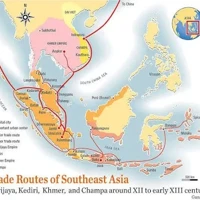
Across the vast archipelago of Nusantara, where the seas connect islands and mountains bear the traces of ancient gods, kingdoms have risen and fallen for many centuries. Two great rivals have long shaped the fate of these lands, from Sumatra to the eastern reaches of Java. Srivijaya, the mighty maritime empire with its heart in Palembang on Sumatra, commands vast trade routes. Its rulers, supported by a powerful fleet and the blessings of Buddhist sanctuaries, exact tribute from the straits and distant shores. Merchants from faraway lands bring spices, gold, textiles, and knowledge, while Srivijaya’s influence stretches across the Malacca Strait and beyond. Its strength lies in ships and commerce, in the wisdom of monks and the wealth of its ports.
Mataram, the kingdom on Java, draws its power from fertile lands and the abundance of rice. Originally centred in central Java, it later moved its heart to the eastern valleys. The rulers of Mataram build magnificent temples, honour Shiva and the Buddha, and base their authority on loyal vassals and the richness of their fields. Three decades ago, King Dharmawangsa launched a bold naval expedition against Srivijaya, seeking to weaken his maritime rival. Now, after the enemy’s retaliation, Mataram licks its wounds, while its rightful heir seeks the path to restoration.
To the east lies Bali — an island closely bound to Mataram through blood ties. Its rulers maintain strong connections with the Javanese courts, and its temples and sacred mountains preserve ancient traditions. Distant neighbours include the Chola lands in southern India, whose ships occasionally reach these shores, and great realms on the mainland from which sacred texts, skilled artisans, and news of faraway wars arrive.
- #2Geography
Keys: Sumatra, Bali, Java
The lands of Nusantara lie under the blessing and wrath of great natural forces. Here, a hot sun and abundant rains nourish dense forests, fertile valleys, and high mountains, many of which breathe fire.
On Java, the heart of Mataram, the climate is warm and humid. Two main seasons govern life: the season of western winds brings heavy rains that fill the rivers and water the rice fields, while the season of eastern winds brings drier weather favourable for harvest. In the coastal lowlands the air is heavy and moist, while in the mountains, where ancient temples stand, the nights are cool and mists veil the peaks. Volcanoes, revered as abodes of the gods, occasionally spew ash that renders the soil exceptionally fertile.
Sumatra, the land of Srivijaya, is even vaster and covered in dense tropical forests. Its rivers are wide and mighty, and humidity remains high throughout the year. Rains may fall for weeks, turning paths into rivers of mud, yet this very abundance feeds the spices and valuable woods that attract merchants from across the seas.
Bali, lying east of Java, is famed for its terraced rice fields that climb the mountain slopes like stairs to heaven. Its climate is similar to Java’s, though its mountains are especially sacred and the surrounding sea generous with fish and bounty.
Dangers are ever present: sudden floods, volcanic eruptions, strong winds during the change of seasons, and wild beasts in the forests. Yet the people have learned to live in harmony with this world — honouring the spirits of mountains and rivers, building temples in sheltered places, and following the rhythm of the monsoons that govern planting and sailing.
- #3People of Mataram
Keys: People of Mataram, Javanese
The population of Mataram consists primarily of the Javanese people, whose ancestors have long dwelled upon this island. Among them also live those from Sumatra, Bali, and more distant islands, who have brought their customs and blood through marriage and service at court. The upper classes often have ties to Balinese nobility and Indian scholars, lending their appearance and customs a particular refinement.
Men and women of Mataram are generally of medium or slightly above-medium height, with dark or bronze skin, black straight or gently wavy hair, and expressive eyes. Facial features are refined, especially among the nobility: high foreheads, straight noses, and noble bearing. Many warriors and aristocrats bear tattoos — sacred patterns that speak of lineage and deeds.
The clothing of common folk is practical and modest. Men wrap a length of cloth (kain) around their hips, often leaving the upper body bare while working in the fields or in the heat. Women wear similar lower garments and upper coverings, though in noble households and temples attire becomes more elaborate. The highest nobility and princes dress in the finest fabrics adorned with gold thread and wear abundant gold — heavy neck rings, bracelets, earrings, and chest ornaments that symbolise proximity to the divine. Men’s hair is often gathered in a topknot or worn long, adorned with golden combs.
Daily life is closely tied to the land and rice. Most people live in villages where houses are built on stilts from strong wood and bamboo, with roofs of palm leaves. The day begins with care for the fields — planting, watering through intricate canal systems, and tending the terraces. Women handle cooking, weaving, and household duties, while men perform heavy labour and military service when called. Court life is different: rituals, study of sacred texts, music, dance, and governance of the realm.
The people of Mataram honour their ancestors, the spirits of nature, and the great gods. Families are strong, respect for elders and rulers runs deep, and days are marked according to auspicious dates in the calendar. Even in difficult times they maintain calm and diligence, believing that adherence to Dharma will bring harmony to this world and the next.
- #4Economy of Mataram
Keys: Rice, , Trade, Agriculture, Sima, Peasants
The foundation of Mataram’s wealth is rice. The fertile volcanic soils and skillfully built terraces and irrigation canals allow abundant harvests in the river valleys. Agriculture is the heart of the kingdom’s life: peasants cultivate the fields, maintain complex irrigation systems, and the surplus rice feeds the court, the army, and the temples.
In addition to rice, coconut palms, bananas, spices, and fruit trees are grown. Valuable woods, resins, and medicinal herbs are gathered from the forests. Crafts flourish in villages and at court: blacksmiths forge weapons and tools, weavers produce fine fabrics, potters fire vessels, and goldsmiths work with gold and silver so beloved by the nobility.
Trade plays an increasingly important role. Ships carry goods along rivers and sea routes: pepper, cloves, nutmeg, gold, ivory, textiles, and sacred objects. Merchants from distant lands exchange their wares for Javanese rice and crafted goods. Royal ports and markets generate significant income through duties. Temple estates hold special importance — they are granted tax-free lands (sima) which they cultivate to support rituals and maintenance of the temples.
The kingdom’s prosperity depends on the rhythm of the seasons and the diligence of its people. When the fields yield a good harvest and trade routes remain safe, Mataram flourishes. In times of famine or war, it is the stored rice and the loyalty of vassals that allow the kingdom to endure.
- #5Social Structure
Keys: Officials, Brahmins, Peasants, Nobility, Rakai, Marriage, Dharma
Society in Mataram is strictly ordered and rests upon the concept of Dharma, the sacred order of the society. According to Dharma, each person has their place and duties according to birth, merit, and service.
At the pinnacle stands the royal family and the highest nobility — those connected by blood to the ruling line or granted high titles. They govern lands, perform important rituals, and lead warriors. Below them are local rulers (rakai), officials, and military commanders. Brahmins and priests hold considerable power as keepers of sacred knowledge, royal advisors, and performers of rites.
The majority of the people are free farmers living in village communities. They cultivate the land, pay taxes in rice and labour, and enjoy protection and rights to their plots. Below them are dependent workers, servants, and those serving to repay debts or for other reasons. Slavery exists, but more often in the form of debt bondage or war captivity.
The position of women varies by social layer. In noble families, women can wield significant influence: they participate in governance, forge important marriages, and sometimes act as regents. Among peasants, women work in the fields, engage in weaving, and manage the household, while still maintaining respect within the family. Marriages are usually arranged by parents, though widows and divorced women enjoy some degree of freedom.
Respect for elders, ancestors, and rulers permeates all of society. Violating Dharma — whether through disobedience or neglect of rituals — is seen as a source of misfortune. A trading Brahmin is as unacceptable as a merchant who teaches religion. However, loyalty and diligence can elevate even a person of humble birth. Many elders of peasant communities become village officials.
- #6Settlements, Architecture and Daily Environment
Keys: Chandi, Temples, Village, House
Settlements in Mataram are divided into villages, temple complexes, and the royal court.
Most people live in villages where houses stand on stilts made of sturdy wood and bamboo. Roofs are covered with palm leaves or thatch, and walls are woven or made of planks. Inside, there is usually one large space divided by curtains: an area for sleeping, a hearth for cooking, and an altar for ancestors. Floors are covered with mats, and furniture is minimal — low beds, chests, and clay utensils. Villages are surrounded by rice fields and gardens, with sacred groves at their edges.
Temples (chandi) are built of stone and brick on elevated ground or in sacred locations. They are adorned with reliefs depicting scenes from sacred texts, images of gods, mythical beings, and scenes of daily life. Smaller buildings, ponds, and gardens surround the main sanctuaries.
The royal court is the most magnificent. Major buildings stand on stone platforms, feature multi-tiered roofs, and are richly decorated with carvings, gold, and fine fabrics. Audience halls are spacious, with columns and open galleries that allow cooling breezes. The inner chambers of the king and nobility are furnished with the finest textiles, high-quality mats, and objects of bronze and gold. This is where grand ceremonies, dances, and important councils take place.
All settlements are built with harmony in mind: favourable orientation, proximity to water, and protection from both spiritual and natural threats.
- #7Political Structure
Keys: Raja, Advisers, Officials, Maharaja, Rakai, Priests
Supreme power in Mataram belongs to the king, titled Maharaja or Raja, who is regarded as the earthly embodiment of divine power and the guardian of Dharma. The king rules not only over men but also maintains harmony between the human world, ancestral spirits, and the gods. His court serves as the centre of governance, where advisors, priests, and high officials gather.
The kingdom is divided into regions and districts governed by local rulers (rakai), appointed or confirmed by the king from loyal lineages. They collect taxes, maintain order, organise agricultural works, and summon warriors when needed. Important decisions are made at court with the participation of senior ministers and brahmins who interpret sacred texts. Inscriptions on copper plates and stone record land grants to temples and vassals, securing rights and obligations.
Power is passed through bloodlines but is often strengthened through marriage alliances with influential families from Bali, Sumatra, and other lands. The king may appoint co-rulers or divide territories among his sons to preserve peace within the family. Mataram’s political strength rests on the balance between the central court and local rulers: too weak a hand leads to fragmentation, too harsh a rule provokes rebellion. In these turbulent times, with the shadow of Srivijaya looming, the loyalty of vassals and the wisdom of the king are more vital than ever.
- #8Army and Warfare
Keys: Elephants, Weapons, Infantry, Armour
Mataram’s military strength consists of the royal forces and troops raised by vassals. The core is infantry — peasant levies called up in times of war, and professional warriors granted land or stipends for their service. Among them are elite units that guard the king and vital sites.
Warriors are armed with spears, kris daggers, shields, bows, and javelins. Noble commanders and bodyguards wield finer weapons and armour made of leather, bamboo, or plates. Elephants are sometimes used as shock forces in decisive battles. The fleet plays a crucial role: swift warships protect the coasts and can undertake long expeditions.
Tactics combine open battles, jungle ambushes, and sieges of fortified settlements. Great importance is placed on reconnaissance, alliances, and choosing auspicious dates for campaigns, as determined by priests. Warriors uphold a code of honour tied to Dharma: bravery, loyalty to the ruler, and protection of the people.
In peacetime, the army assists in building canals, suppressing banditry, and guarding trade routes. In the current uncertain era, with the threat from Srivijaya growing stronger, the king and his commanders devote special attention to strengthening the forces and securing the loyalty of vassals.
- #9Religion and Worldview
Keys: Dharma, Moksha, Karma, Buddha, Sekti, Hinduism, Buddhism, Religion, Ganesha, Durga, Samsara, Nirvana, Shiva, Brahma, Spirits, Vishnu
Religion and worldview in Mataram permeate every aspect of existence, from the daily toil of the peasant in the rice fields to the solemn ceremonies. Here, the teachings of Hinduism and Buddhism blend seamlessly into a living tradition, enriched by the veneration of local spirits and ancestors.
The foremost deities are Shiva, the lord of destruction and creation, and Buddha, the embodiment of enlightenment. Many rulers and nobles revere Shiva as the supreme protector of royal authority and the source of Dharma. Buddhist monasteries and sanctuaries also thrive, particularly among those seeking release from the cycle of rebirth. Vishnu, Brahma, Durga, Ganesha, and many other deities have their own temples and sacred images.
At the core of the Hindu teachings lies the eternal cycle of Samsara — the wheel of birth, death, and rebirth governed by karma. Through righteous living and adherence to Dharma, one may attain Moksha, liberation from this cycle. In Buddhist teachings, the central goal is Nirvana — the extinguishing of desire and suffering, leading to ultimate peace and freedom from Samsara. Both paths emphasise moral conduct, meditation, and the pursuit of wisdom.
A distinctly local concept holds great importance: Sekti (or Sakti) — the divine cosmic energy and power that flows through all things. It is the dynamic force of the universe, often personified as the feminine energy of the gods (similar to Shakti). Kings and priests strive to harness Sekti through rituals, meditation, and ascetic practices, believing that a ruler strong in Sekti brings prosperity and victory to the realm, while its absence invites chaos and misfortune.
Special reverence is given to ancestors and nature spirits. Every field, river, mountain, and tree may harbour its own spirit that must be honoured with offerings. Temples serve not only as places of worship but as bridges between the earthly and divine realms. Many kings and princes are deified after death and depicted in the form of Shiva or Vishnu.
Brahmin priests preserve sacred texts, perform complex rituals, interpret omens, and maintain the calendar of auspicious days. Buddhist monks and ascetics dwell in monasteries, devoting themselves to meditation, the copying of texts, and teaching. The common people participate in festivals, bring offerings to shrines, and strive to follow the precepts of Dharma: righteous living, ritual purity, and fulfilment of the duties of their station.
Faith teaches that the prosperity of the kingdom depends on the maintenance of cosmic order. Famine, war, or plague are often seen as consequences of disrupted Dharma. Therefore, rituals, offerings, and temple construction are regarded as matters of vital state importance.
- #10Art and Culture
Keys: Sculpture, Chandi, Music, Calligraphy, Architecture, Kakawin
Art in Mataram is not separate from life but forms its sacred expression, serving both to honour the gods and to reflect the truths of Dharma.
Sculpture and architecture reach their highest expression in stone temples. The reliefs on chandi walls narrate episodes from the Hindu epics and the life of the Buddha. Gods and goddesses are portrayed with idealised beauty and symbolic power — multi-armed, adorned with necklaces and crowns. Their faces are serene and elevated, their bodies full of vital energy.
Poetry and literature flourish in the form of kakawin — epic poems using intricate metres. Court poets celebrate the deeds of rulers, the beauty of nature, and religious truths. The composition and recitation of kakawin are considered among the highest arts, primarily practised by the nobility and the educated.
Dance and music hold an important place both at court and in villages. Sacred dances, performed by specially trained dancers, depict stories of gods and heroes. Music is created with gongs, drums, flutes, and stringed instruments. During major festivals, dance and music may continue throughout the night.
Calligraphy is highly esteemed: inscriptions on copper plates, stone, and palm leaves are executed with exceptional elegance. Even ordinary documents are written with respect for the written word.
Crafts also carry spiritual meaning. Patterns on fabrics, wood carvings, jewellery, and weapons frequently incorporate protective symbols, lotuses, mythical creatures, and sacred geometric designs.
Art in Mataram seeks not merely beauty, but harmony and the reflection of higher truth. A master carving a statue of a god or composing a poem views his work as a form of devotion and a path toward spiritual refinement.
Showing 10 of 10
1 file
- .jsonjson_lorebookreconstruction
24.7 KBfirst seen e8b642884585246d
Archival reconstruction: the image was re-encoded by an earlier scraper and its card data re-embedded; content is complete but the image bytes differ from the original upload.