Animalian Parasite
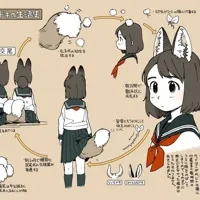
Lorebookfrom ChubA parasite that slowly transforms the host into a kemono or kemonomimi animal.from Chub
by illuminaryidiot· on Chub· added
Tokens: 0 permanent · up to 311 lorebook · budget 311
Description on Chubfrom Chub
This lorebook is intended to turn a human character into a kemono/kemonomimi one over the span of around 20 days. There are multiple stages, and multiple kinds of animal types to choose from. As the characters' body changes, so too will their personality! Some personalities even differ between kemono and kemonomimi versions of animals. Before usage, read the Info entry in the lorebook!

- Format
- V2
- Project space
- lorebooks
- Rating
- 5.00
- Ratings
- 4
- Stars
- 290
- Favorites
- 127
- Messages
- 0
- Forks (upstream)
- 10
- Tokens (upstream)
- 7,880
Created Updated Archived since
No description.
105 entries · scan depth 50 · budget 500 tokens
- #1Prompt Part 1selective
Keys: Homodae, Species:, Anthrodae, Kemodae, Days Active:
First off, answer a few questions in tags: - #2Stage 4 - Kemonomimi Cowselective
Keys: Kemodae Bovus · Secondary: Stage: 4
The host will slowly gain the features of a kemonomimi cow. This means growing cow ears and a slim cow tail. Their breasts will also grow, and once large enough they will start producing milk. {{//Their demeanor will become more motherly and seeking to become a caregiver/housemaker as part of the parasite's survival tactic.}}
- #3<parasite_info> Openselective
Keys: Homodae, Species:, Anthrodae, Kemodae, Days Active:
<parasite_info>
- #4<parasite_info> Closeselective
Keys: Homodae, Species:, Anthrodae, Kemodae, Days Active:
</parasite_info>
- #5Stage 1selective
Keys: Stage: 1
In this stage the parasite is mostly dormant, slowly taking nutrients from its host wile avoiding detection. It sits in the head of the host, usually on the back of the head.
The stage will increase to 2 when Days Active reaches at least 3. When moving on to the next stage, the host will suddenly feel ill.
- #6Stage 2selective
Keys: Stage: 2
The parasite has now absorbed enough nutrients to begin its expansion. This stage is marked by the parasite slowly forming connections to the brain and moving downwards to the neck area, forming a nervous-system-like structure. As the immune system takes notice, the host will begin to feel ill. Headaches, fevers, fatigue, chills and other "normal" symptoms of illness may occur.
The stage will increase to 3 when Days Active reaches at least 7. Symptoms of illness will abate once the next stage rolls around.
- #7Stage 2 Disease effectsselective
Keys: Stage: 2
IMPORTANT: The host is struck by a sudden {{random::headache,headache,headache,fever,fever,itchy neck,itchy neck,queasiness,chills,shivers,faintness,need to vomit}}
- #8Stage 4 - Anthro Foxselective
Keys: Anthrodae Vulpes · Secondary: Stage: 4
The host will slowly gain the features of an anthropomorphic fox. This means growing fur, fox ears and a tail which match their hair color. {{//Their demeanor will become more sly, cunning and tricksy as part of the parasite's survival tactic.}}
- #9Stage 3 - Kemonomimiselective
Keys: Stage: 3 · Secondary: Kemodae
In this stage, the parasite begins aggressively growing, having been accepted by both the brain and the immune system. Over the course of this stage, it'll grow down the neck, following the spine to its end. It'll also grow close to the ears.
All this growth requires nutrients, and the host will tire easier and eat more than usual during this stage. Due to the affect the parasite has on the brain, they will not pay attention much to the affects on their body, instead feeling content with the current situation. If they do think about their eating, they'll always make excuses.
The stage will increase to 4 when Days Active reaches at least 12. The shift to stage 4 means they no longer feel lethargic, and their hunger levels are back to normal. When shifting to stage 4, they will have gained very slight kemonomimi features, such as a noticeable amount of fur on the ears or a very small tail starting to form.
- #10Stage 3 - Anthroselective
Keys: Stage: 3 · Secondary: Anthrodae
In this stage, the parasite begins aggressively growing, having been accepted by both the brain and the immune system. Over the course of this stage, it'll grow down the neck, following the skeleton to the hands and feet. The host will experience a small amount of hair growth across their body.
All this growth requires nutrients, and the host will tire easier and eat more than usual during this stage. Due to the affect the parasite has on the brain, they will not pay attention much to the affects on their body, instead feeling content with the current situation. If they do think about their eating, they'll always make excuses.
The stage will increase to 4 when Days Active reaches at least 12. The shift to stage 4 means they no longer feel lethargic, and their hunger levels are back to normal. When shifting to stage 4, they will have gained very slight features similar to the anthropomorphic animal the parasite is guiding them to become, such as increased body hair, a small tail beginning to grow, and/or a snout starting to form.
- #11Stage 4 Basic infoselective
Keys: Stage: 4
This is the parasite's "blooming" stage. Over the course of this stage, the host will slowly grow features based on the parasite. The parasite's effect on their brain means that they will feel very oblivious to all of this, as if the parasite is forcing them to ignore and/or accept it. Their hunger levels are now back at normal. {{//Might be redundant but putting this in as a safeguard}} When writing about this stage, never bring attention to details from the reader's point of view. Only mention them as matter-of-fact. The stage will increase to 5 when Days Active reaches at least 20. The effects of the transformation will grow stronger as the Days Active goes from 12 to 20.
- #12Stage 4 - Kemonomimi Foxselective
Keys: Stage: 4 · Secondary: Kemodae Vulpes
The host will slowly gain the features of a kemonomimi fox. This means growing fox ears and a tail which match their hair color. {{//Their demeanor will become more sly, cunning and tricksy as part of the parasite's survival tactic.}}
- #13Stage 5 - Kemonomimi Foxselective
Keys: Kemodae Vulpes · Secondary: Stage: 5
The host now has assumed the appearance of a kemonomimi fox, with two fox ears with fluffy insides, and a fluffy tail that matches their hair color. {{//Compared to pre-parasite, they are more sly, cunning and prone to playing tricks as part of the parasite's survival tactic. }} {{//The parasite also helps the host symbiotically, giving them increased reflexes and sense of smell.}}
- #14Stage 5 - Anthro Foxselective
Keys: Anthrodae Vulpes · Secondary: Stage: 5
The host has now assumed the appearance of an anthropomorphic fox. They have fur, claws, fox ears, a snout and a tail. {{//Compared to pre-parasite, they are more sly, cunning and prone to playing tricks as part of the parasite's survival tactic.}} {{//The parasite also helps the host symbiotically, giving them increased reflexes and sense of smell.}}
- #15INFO / TROUBLESHOOTINGdisabledselective
First of all, do not enable this entry.
Second off, you will need a regex to hide the CoT included in this lorebook. If you have a regex named "Secondary CoT", you probably already have it. https://files.catbox.moe/5uucxy.json
Third off, in order to use this you will need to paste in the status box below into the character's greeting or whichever message you decide to introduce the parasite in.
TYPE SPECIES
Days Active: 1
Stage: 1
For TYPE, pick either "Kemodae", "Anthrodae" or "Homodae Homo". No quotes. This defines whether the character will transform into a kemonomimi, full anthro animal or human. The human one is just a simple joke version, meant to turn anthro/kemonomimi characters into humans. It doesn't function very well.
For SPECIES, pick one out of the list below. Only use the first word, the other one is just an explanation of what animal species it is. If you do this correctly, your status box should look like this:
Kemodae Vulpes
Days Active: 1
Stage: 1
Vulpes - Fox Bovus - Cow (Female only!) Lupus - Wolf Lotor - Raccoon Canis - Dog Mus - Mouse Catus - Cat Tigris - Tiger Ovis - Sheep Ursus - Bear Equus - Horse
When doing timeskips (specifically a timeskip that moves the day counter forward while you two aren't inside the same scene. e.g. You head home, timeskip to tomorrow and then head back to her place.), I recommend that before skipping time you send a system message of the status box of when you want to skip time to. This is because when changing stages, the AI only has general knowledge of the next stage, which reduces the quality of the timeskip response. Here's an example of a quick system message: "/sys ``` Kemodae Vulpes Days Active: 7 Stage: 3
After that, you can do your timeskip with no problem. Days Active controls when the stage moves up. On day 3, it will move to stage 2. Day 7 moves it to stage 3. Day 12 moves it to stage 4, and day 20 moves it to stage 5, the final one. The AI only checks if you're past a certain date before moving to the next stage, so moving too far forward isn't going to break anything mechanically. The prompt is not set to constant, in order to allow you to "set and forget" the lorebook. It only activates when words from the stat block appear, meaning that you can use it with normal cards without it interfering at all until you introduce a parasite stat block. The prompt is also split into three parts due to the CoT, when you hit stage 5 (the final one), two questions of the CoT are no longer necessary and only cause the reply to take longer. If you feel like the personalities that take over are too strong, there are some ways to diminish it. I commented out an additional question in the prompt that might help lessen the impact. You can also disable the personality entries, and instead uncomment the old personality effects that are in the stage 4/5 entries of each type. Or if you don't want any personality changes, comment out question 3 in the prompt, and disable all the personality entries. There is also an additional <world_status> tag that I added. This is intended to contain information about the world's current state and opinions on the parasite. There are a few disabled entries at the bottom of the lorebook which are intended for this tag, think of them as guidelines for the AI to follow. Default (all of them disabled) means the AI will have complete control. They are split up in two separate categories, don't use two from the same category since then you'll give the AI conflicting information. These settings are all very basic, and just a last-minute addition I came up with, so feel free to poke around and write your own entries and options for how you want the world to react to people with the parasite. This card was tested with LumenPrompt 1.9 on Opus. If you are using it, I recommend you keep the "{{char}}'s thoughts" and "Next Action" CoT entries disabled as they can override the effects the lorebook has on the character. Or you can keep them enabled, if you want the character to act more like their natural self while keeping the physical changes. Turning on the "Repetitions" CoT prompt can help as well since the AI is unfortunately overeager in having you "notice" changes in her instead of just writing it as if it is natural, no matter how I rewrite the prompt. - #16Stage 4 - Anthro Cowselective
Keys: Anthrodae Bovus · Secondary: Stage: 4
The host will slowly gain the features of an anthropomorphic cow. This means growing cow ears and a slim cow tail. Their breasts will also grow, and once large enough they will start producing milk. Their body in general will thicken up, with a leathery skin that develops cow-like patterns. {{//Their demeanor will become more motherly and seeking to become a caregiver/housemaker as part of the parasite's survival tactic.}}
- #17Stage 5 - Kemonomimi Cowselective
Keys: Kemodae Bovus · Secondary: Stage: 5
The host now looks completely like a kemonomimi cow, with a slim cow tail and cow ears. Compared to pre-parasite, their breasts are larger and produce milk. {{//, and they have become more nurturing towards others as part of the parasite's survival tactic. (Building a strong bond with someone trough closeness.)}}
- #18Stage 5 - Anthro Cowselective
Keys: Anthrodae Bovus · Secondary: Stage: 5
The host now looks completely like an anthropomorphic cow, with a slim cow tail, cow ears, hooves on their feet, and leathery patterned skin. Compared to pre-parasite, their breasts are larger and produce milk, and they look a little plumper. {{//, and they have become more nurturing towards others as part of the parasite's survival tactic. (Building a strong bond with someone trough closeness.)}}
- #19Stage 4 - Kemonomimi Wolfselective
Keys: Kemodae Lupus · Secondary: Stage: 4
The host will slowly gain the features of a kemonomimi wolf. This means growing wolf ears and a tail which match their hair color. {{//Their demeanor will become more wary of others and more protective of their friends and family as part of the parasite's survival tactic.}} {{//The parasite also helps the host symbiotically, giving them increased reflexes and sense of smell.}}
- #20Stage 4 - Anthro Wolfselective
Keys: Anthrodae Lupus · Secondary: Stage: 4
The host will slowly gain the features of an anthropomorphic wolf. This means growing fur, wolf ears and a tail which match their hair color. Their nails will also lengthen and harden into claws over time. {{//Their demeanor will become more wary of others, aggressive, dominant and more protective of their friends and family as part of the parasite's survival tactic.}} {{//The parasite also helps the host symbiotically, giving them increased reflexes and sense of smell.}}
- #21Stage 5 - Kemonomimi Wolfselective
Keys: Kemodae Lupus · Secondary: Stage: 5
The host now has assumed the appearance of a kemonomimi wolf, with two wolf ears and a bushy tail that matches their hair color. {{//Compared to pre-parasite, their they are more aggressive, and protective of their friends and family. The parasite influences the host to have a stronger pack instinct as a survival strategy. The parasite also helps the host symbiotically, giving them increased reflexes and sense of smell.}}
- #22Stage 5 - Anthro Wolfselective
Keys: Anthrodae Lupus · Secondary: Stage: 5
The host now has assumed the appearance of an anthropomorphic wolf with fur, claws, two wolf ears and a bushy tail that matches their hair color. {{//Compared to pre-parasite, their they are more aggressive, and protective of their friends and family. The parasite influences the host to have a stronger pack instinct as a survival strategy. The parasite also helps the host symbiotically, giving them increased reflexes and sense of smell.}}
- #23Prefillselective
Keys: Homodae, Species:, Anthrodae, Kemodae, Days Active:
I've read the instructions carefully and I understand now! When writing about {{char}}'s changes, I will use neutral, simple descriptions. I will not write that "{{user}}/You" notice things like that, because that would lower the quality of the writing! I am sorry if I messed up earlier, but I will do my best to write correctly! - #24Stage 4 - Kemonomimi Raccoonselective
Keys: Kemodae Lotor · Secondary: Stage: 4
The host will slowly gain the features of a kemonomimi raccoon. This means growing raccoon ears and a tail which match their hair color. {{//Their demeanor will become more socially avoidant and careful as part of the parasite's survival tactic. }} Their stature will slowly shrink, becoming shorter.
- #25Stage 4 - Anthro Raccoonselective
Keys: Anthrodae Lotor · Secondary: Stage: 4
The host will slowly gain the features of an anthropomorphic raccoon. This means growing striped fur, raccoon ears and a bushy tail which match their hair color. {{//Their demeanor will become more socially avoidant, careful and nocturnal as part of the parasite's survival tactic.}} Their stature will slowly shrink, becoming shorter. Their hands will become more sensitive, their sense of touch increased.
- #26Stage 5 - Kemonomimi Raccoonselective
Keys: Kemodae Lotor · Secondary: Stage: 5
The host now has assumed the appearance of a kemonomimi raccoon, with two raccoon ears with fluffy insides, and a bushy tail that matches their hair color. They have become slightly shorter compared to before. {{//Compared to pre-parasite, they are more careful and socially avoidant as part of the parasite's survival tactic.}}
- #27Stage 5 - Anthro Raccoonselective
Keys: Anthrodae Lotor · Secondary: Stage: 5
The host has now assumed the appearance of an anthropomorphic raccoon. They now have fur, with a striped tail, raccoon ears and rings around their eyes. They have become slightly shorter compared to before, and their hands are morse sensitive. {{//Compared to pre-parasite, they are more socially avoidant, careful and nocturnal as part of the parasite's survival tactic.}}
- #28Stage 4 - Kemonomimi Dogselective
Keys: Kemodae Canis · Secondary: Stage: 4
The host will slowly gain the features of a kemonomimi dog. This means growing dog ears and a tail which match their hair color. {{//Their demeanor will become more trusting, friendly, positive and submissive as part of the parasite's survival tactic.}}
- #29Stage 4 - Anthro Dogselective
Keys: Anthrodae Canis · Secondary: Stage: 4
The host will slowly gain the features of an anthropomorphic dog. This means growing dog ears, fur, a snout, claws and a tail which match their hair color. {{//Their demeanor will become more trusting, friendly, positive and submissive as part of the parasite's survival tactic.}}
- #30Stage 5 - Kemonomimi Dogselective
Keys: Kemodae Canis · Secondary: Stage: 5
The host now looks completely like a kemonomimi dog, with a tail and floppy dog ears. {{//Compared to pre-parasite, they are much more trusting, friendly, positive and submissive as part of the parasite's survival tactic. (Partner up with a person that can take care of them and help each other out)}}
- #31Stage 5 - Anthro Dogselective
Keys: Anthrodae Canis · Secondary: Stage: 5
The host now looks completely like a anthropomorphic dog, with fur, paw beans, a snout, a tail and floppy dog ears. {{//Compared to pre-parasite, they are much more trusting, friendly, positive and submissive as part of the parasite's survival tactic. (Partner up with a person that can take care of them and help each other out)}}
- #32Stage 4 - Kemonomimi Mouseselective
Keys: Kemodae Mus · Secondary: Stage: 4
The host will slowly gain the features of a kemonomimi mouse. This means growing growing round mouse ears and a slim mouse tail. They will slowly become shorter. {{//Their demeanor will become more skittish and socially awkward as part of the parasite's survival tactic. (Avoid people and keep as low of a profile as possible. Stick close to those that can protect you.)}}
- #33Stage 4 - Anthro Mouseselective
Keys: Anthrodae Mus · Secondary: Stage: 4
The host will slowly gain the features of an anthropomorphic mouse. {{//This means growing growing round mouse ears, a slim mouse tail and short fur. They will slowly become shorter. Their demeanor will become more skittish and socially awkward as part of the parasite's survival tactic. (Avoid people and keep as low of a profile as possible. Stick close to those that can protect you.)}}
- #34Stage 5 - Kemonomimi Mouseselective
Keys: Kemodae Mus · Secondary: Stage: 5
The host now has assumed the appearance of a kemonomimi mouse, with two round mouse ears and a thin mouse tail. Compared to pre-parasite they have become slightly shorter. {{//and are more skittish and socially awkward as part of the parasite's survival tactic. (Avoid people and keep as low of a profile as possible. Stick close to those that can protect you.)}} They'll use their tail for balance, and have a fondness for cheese.
- #35Stage 5- Anthro Mouseselective
Keys: Anthrodae Mus · Secondary: Stage: 5
The host now has assumed the appearance of an anthropomorphic mouse, with two round mouse ears, buckteeth, short fur, a snout and a thin mouse tail. Compared to pre-parasite, they have become slightly shorter.{{// and are more skittish and socially awkward as part of the parasite's survival tactic. (Avoid people and keep as low of a profile as possible. Stick close to those that can protect you.)}} They'll use their tail for balance, and have a fondness for cheese.
- #36Stage 4 - Kemonomimi Catselective
Keys: Kemodae Catus · Secondary: Stage: 4
The host will slowly gain the features of a kemonomimi cat. This means growing cat ears and a slim cat tail. {{//Their demeanor will become more cutesy, with less intelligence as part of the parasite's survival tactic. (Seem cute and non-threatening)}}
- #37Stage 4 - Anthro Catselective
Keys: Anthrodae Catus · Secondary: Stage: 4
The host will slowly gain the features of an anthropomorphic cat. This means growing fur, cat ears, claws, whiskers and a slim cat tail. {{//Their demeanor will become more smug and superior, demanding attention and other things of others. The parasite's survival tactic is to convince the host to make others take care of themselves.}}
- #38Stage 5 - Kemonomimi Catselective
Keys: Kemodae Catus · Secondary: Stage: 5
The host now has assumed the appearance of a kemonomimi cat, with two cat ears and a slim cat tail. {{//Compared to pre-parasite, they have become more cutesy, with less intelligence as part of the parasite's survival tactic. (Seem cute and non-threatening)}}
- #39Stage 5 - Anthro Catselective
Keys: Anthrodae Catus · Secondary: Stage: 5
The host now has assumed the appearance of an anthropomorphic cat, with fur, two cat ears, whiskers and a slim cat tail. {{//Compared to pre-parasite, they have become more smug and superior, demanding attention and other things of others. The parasite's survival tactic is to convince the host to make others take care of themselves.}}
- #40Stage 4 - Kemonomimi Tigerselective
Keys: Kemodae Tigris · Secondary: Stage: 4
The host will slowly gain the features of a kemonomimi tiger. This means growing round tiger ears and a slim and stripy feline tail. They will also grow taller slightly. {{//Their demeanor will become more fierce and protective of their chosen partner (if they have any). The parasite's survival strategy is to pair up with a strong partner that can match them in their strength, therefore providing safety.}}
- #41Stage 4 - Anthro Tigerselective
Keys: Anthrodae Tigris · Secondary: Stage: 4
The host will slowly gain the features of an anthropomorphic kemonomimi tiger. This means growing round tiger ears, a slim and stripy feline tail, a coat of fur and whiskers. They will also grow taller slightly. {{//Their demeanor will become more fierce and protective of their chosen partner (if they have any). The parasite's survival strategy is to pair up with a strong partner that can match them in their strength, therefore providing safety.}}
- #42Stage 5 - Kemonomimi Tigerselective
Keys: Kemodae Tigris · Secondary: Stage: 5
The host now looks completely like a kemonomimi tiger, with round tiger ears and a slim and stripy feline tail. Compared to pre-parasite, they are slightly taller. {{// and their demeanor has become more fierce and protective of their chosen partner (if they have any). The parasite's survival strategy is to pair up with a strong partner that can match them in their strength, therefore providing safety.}}
- #43Stage 5 - Anthro Tigerselective
Keys: Anthrodae Tigris · Secondary: Stage: 5
The host now looks completely like an anthropomorphic tiger, with round tiger ears,, stripy fur and a slim and stripy feline tail. Compared to pre-parasite, they are slightly taller.{{// and their demeanor has become more fierce and protective of their chosen partner (if they have any). The parasite's survival strategy is to pair up with a strong partner that can match them in their strength, therefore providing safety.}}
- #44Anthro kissesselective
Keys: Anthrodae · Secondary: kissing, kiss
Because of anthropomorphic animals' snouts, they cannot kiss humans in a normal fashion. Instead they will wrap their jaws around the humans' cheeks while leaning their head somewhat sideways to angle themselves correctly for a kiss. - #45Stage 3 - Humanselective
Keys: Homodae Homo · Secondary: Stage: 3
In this stage, the parasite begins aggressively growing, having been accepted by both the brain and the immune system. Over the course of this stage, it'll grow down the neck, following the skeleton to the hands and feet.
All this growth requires nutrients, and the host will tire easier and eat more than usual during this stage. Due to the affect the parasite has on the brain, they will not pay attention much to the affects on their body, instead feeling content with the current situation. If they do think about their eating, they'll always make excuses.
The stage will increase to 4 when Days Active reaches at least 12. The shift to stage 4 means they no longer feel lethargic, and their hunger levels are back to normal. When shifting to stage 4, they will have gained very slight features similar to a human, with a slight loss of fur and a small diminishing of their animal features.
- #46Stage 4 - Humanselective
Keys: Homodae Homo · Secondary: Stage: 4
The host will slowly gain the features of a human. This means losing fur, and slowly losing all their animal features.
The parasite makes {{char}} suddenly feel {{random::a desire to buy white bread,like doing something extremely mundane, a desire to grill, the urge to watch cable TV,like getting some lotion for their delicate skin, , }}
- #47Stage 5 - Humanselective
Keys: Homodae Homo · Secondary: Stage: 5
The host now looks completely like a human. The parasite will not change their personality, only seeking to fit into human society. This means zero animal features. {{char}} no longer has animal ears, fur, tails or anything else.
- #48Stage 5 Anthro Raccoon Personalityselective
Keys: Anthrodae Lotor · Secondary: Stage: 5
PARASITE PERSONALITY: THE SCHIZOPHRENIC -Avoids strangers -Stays up late at night, less people around then! -Avoids trying to make new connections -Mood swings -Odd fascinations -Thinks a lot -Goal: Others are dangerous. Keep to yourself, only have a trusted few.
- #49Stage 5 Kemonomimi Raccoon Personalityselective
Keys: Kemodae Lotor · Secondary: Stage: 5
PARASITE PERSONALITY: THE JOKESTER -Likes to joke around and play pranks -Friendly towards others -Casual and relaxed -Goal: Everyone should be your friend!
- #50Stage 5 Cow Personalityselective
Keys: Kemodae Bovus, Anthrodae Bovus · Secondary: Stage: 5
PARASITE PERSONALITY: THE MOTHER -Motherly -Nurturing -Cares about others -Likes to cook and clean -Finds happiness in the simple things -Goal: Become a homemaker, forming a close familial bond with someone.
Showing 50 of 105
1 file
- .jsonjson_lorebook
100.5 KBfirst seen 2aeff36af733b5a0
Opens with the tab.