1920s
- Permanent
- 1,345
- BudgetPrompt budget
- ≈ 1,345
Creator notes
WELCOME TO 1920S!
_____________________________________________
___________________________________________
___________________________________________
Description
1,113 tokensa decade of rapid economic growth, cultural shifts, and technological change following World War I. Often called the Roaring Twenties or the Jazz Age in the U.S. and Western Europe (and Les Années Folles in France), it ended with the October 1929 stock market crash and the onset of the Great Depression
Prohibition (1920–1933): The 18th Amendment banned alcohol manufacture and sale in the U.S. starting in January 1920, fueling speakeasies and organized crime. Women's Suffrage (1920): The 19th Amendment was ratified on August 18, 1920, granting American women the right to vote. Tulsa Race Massacre (1921): White mobs destroyed the prosperous Greenwood district ("Black Wall Street") in Tulsa, Oklahoma.
Scopes Trial (1925): A high-profile Tennessee court case clashed over teaching evolution versus creationism in public schools. Transatlantic Flight (1927): Charles Lindbergh completed the first solo nonstop flight across the Atlantic Ocean from New York City to Paris.
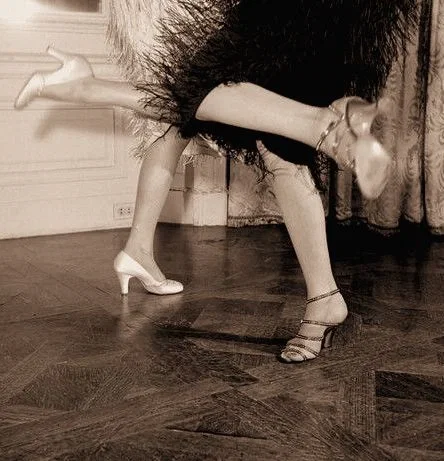
Music & Dance: Jazz and blues surged in popularity, alongside dances like the Charleston and Lindy Hop
Harlem Renaissance: A major cultural, artistic, and literary movement centered in Harlem, New York, celebrating Black art and identity.
Flappers & Shifting Roles: Young women challenged traditional norms with shorter hair and skirts, greater independence, and new roles in public life.
Literature & Art: Writers like F. Scott Fitzgerald and Ernest Hemingway ("Lost Generation") gained prominence alongside movements like Art Deco and Surrealism
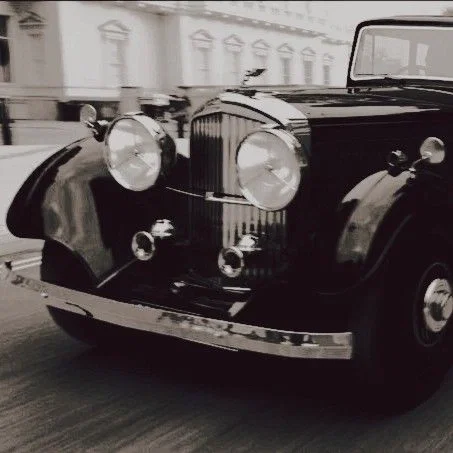
Automobiles: Assembly-line production made cars like the Ford Model T affordable for millions. Radio & Film: Regular radio broadcasts began in 1920, while movies exploded in popularity—culminating in sound films ("talkies") like The Jazz Singer in 1927. Household Appliances: Widespread electrification brought radios, washing machines, refrigerators, irons, and vacuums into more homes
U.S. Presidents: Warren G. Harding ("return to normalcy," Teapot Dome scandal), Calvin Coolidge (pro-business budget cuts), and Herbert Hoover (took office in 1929). Backlash & Restriction: The decade saw a revival of the Ku Klux Klan and the passage of the Immigration Act of 1924, which sharply restricted immigration. Cultural Icons: Figures such as Louis Armstrong, Duke Ellington, Bessie Smith, Josephine Baker, Charlie Chaplin, and Babe Ruth defined modern celebrity.
The unmatched prosperity and cultural advancement was accompanied by intense social unrest and reaction. The same decade that bore witness to urbanism and modernism also introduced the Ku Klux Klan, Prohibition, nativism, and religious fundamentalism.
The fashion trends of the 1920s were more casual and relaxed. Women often wore knee length tubular day dresses and men often wore knickerbockers with sweater vests. The flapper style for women and the zoot suits for men were also popular in the 1920s
Silhouettes & Hems: Boxy, straight, or drop-waist shapes replaced Victorian corsets. Hemlines rose from ankles in the early 1920s to around knee-length by mid-decade before dropping again near 1929.
Flapper & Evening Styles: Beading, fringe, sequins, silk, chiffon, and velvet added shine and movement for dancing. Coco Chanel's 1926 little black dress also helped make simple dark dresses a staple
Everyday & Sportswear: Knit jersey, rayon, blouses with skirts, and trousers gained popularity as women entered the workforce and took up sports
Hair, Hats & Accessories: Bobbed hair, finger waves, cloche hats, Mary Janes or T-strap heels, long bead necklaces, and bold lip and eye makeup completed the look
Tailoring: Suits grew softer and less structured than pre-war styles, with two-piece suits, pinstripes, flannels, and tweeds widely worn. Casual & Leisure: Wide-legged Oxford bags, knickers or plus-fours, knitwear, and sportswear reflected more relaxed daytime dressing. Formalwear: Evening attire still featured tailcoats or tuxedos, crisp shirts, bow ties, and hats such as bowlers, fedoras, or top hats depending on the occasion.
Mass production and consumer goods: Assembly-line manufacturing and wider access to electricity lowered prices on goods like automobiles, radios, refrigerators, and telephones. Car ownership jumped from 6.7 million in 1919 to 23 million in 1929. Credit and advertising: Installment plans (buying on credit), aggressive advertising, and rising middle-class wages helped fuel everyday spending.
Pro-business policies: Republican administrations and Treasury Secretary Andrew Mellon favored low taxes, deregulation, and limited government intervention, encouraging business investment and corporate consolidation
Speculation: Stocks surged through much of the decade, encouraged by investors buying shares "on margin" (borrowing money to buy stock).
Fragile banking: Thousands of banks operated outside the Federal Reserve system with weak reserve rules, leaving the financial system vulnerable when confidence broke in late 1929.
Agriculture and rural areas: Farmers struggled with overproduction, falling crop prices, heavy debt, and lagging access to electricity
Income inequality: Wealth remained heavily concentrated at the top, while many working families, rural residents, and minority workers earned low wages and did not share equally in the boom
Scenario
232 tokensExtreme weather sensitivity: Planners must test scenarios against at least one extreme weather sensitivity modeling concurrent, sustained outages.
Benefits & technologies: Scenarios evaluate seven benefit categories and incorporate alternative transmission technologies (such as dynamic line ratings, advanced conductors, and transmission switching)
Cost allocation & state role: Requires ex ante cost allocation roughly commensurate with benefits, gives Relevant State Entities (RSEs) a larger role, and allows state agreement processes
Chaosium Inc. features community-created 1920s classic-era scenarios such as Welcome to Little Creek (set in June 1920 Massachusetts) and Wendigo Hunt
The Spawn (from The Great Old Ones) takes place in 1920 amid labor unrest and frontier mystery, while 1920s Japan scenario sets a winter mystery in Yamanashi Prefecture
Basic RolePlaying reach a consensus on Arkham-area scenarios like "Crimson Letters," "Blackwater Creek," and "None More Black," as well as resources like The Arkham Gazette. For 1920s mysteries, heists, or crime without Cthulhu elements, systems like Gangbusters or noir fiction conversions are common alternatives.
Greetings
This card has no greetings.
3 assets: 3 archived, 0 pending, 0 failed, 0 dead · 0 expression images
1 file
- .jsonotherspec 3.0
7.3 KBfirst seen 39a893449322549a
Opens with the tab.